
 Back to All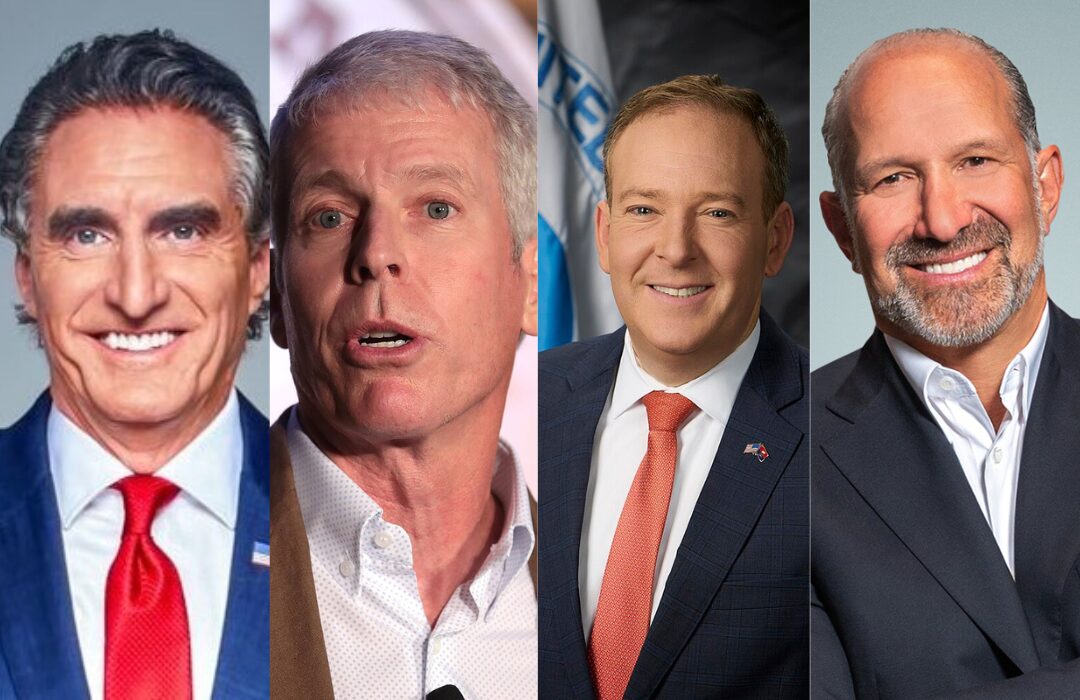
Under President Donald Trump’s second administration, U.S. energy policy is expected to shift significantly, guided by the priorities and values of the modern Republican Party. This includes a pervasive emphasis on economic competitiveness, domestic manufacturing, and security through strength – all of which will play a critical role in the development of the nation’s energy strategy. Hydropower, a historic example of American ingenuity in energy, has a valuable part to play in securing these new objectives.
Yet, with change comes uncertainty. Central to achieving these goals are the new political nominees for the following federal agencies:
- The Department of the Interior
- The Department of Energy
- The Environmental Protection Agency
- The Department of Commerce
The leaders of these agencies will have substantial influence over the execution of President Trump’s energy policies, and, consequently, the regulatory landscape for water power.
These major federal agencies are also home to other, smaller agencies with notable authority over hydropower and marine energy operations, including:
- Fish and Wildlife Service
- Bureau of Reclamation
- Bureau of Ocean Management
- National Marine Fisheries Service
The water power industry benefits from understanding how these incoming nominees will impact agency behavior and regulations.
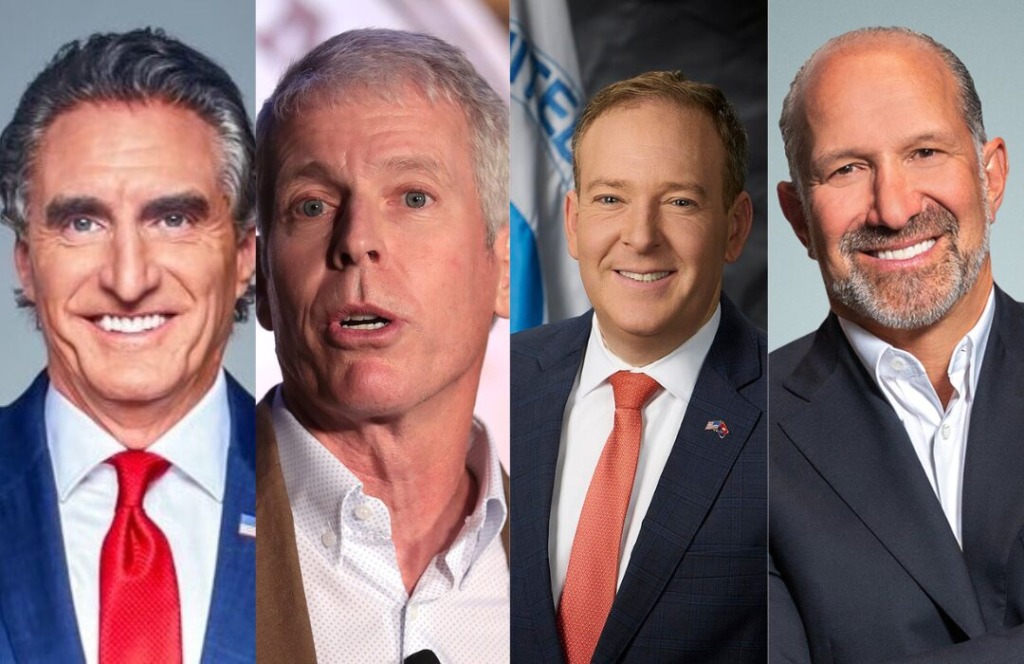
From left to right: Doug Burgum, Chris Wright, Lee Zeldin, Howard Lutnick
WHO ARE THE NOMINEES?
President Trump has made the following nominations most relevant to water power:
- Doug Burgum for Secretary of the Interior
- Chris Wright for Secretary of Energy
- Lee Zeldin for Administrator of the Environmental Protection Agency
- Howard Lutnick for Secretary of Commerce
Doug Burgum – Department of Interior (DOI):
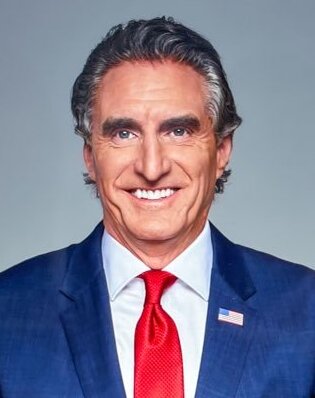
Doug Burgum spent a majority of his career as a software executive and venture capitalist, building a company that was eventually acquired by Microsoft. He was then elected Governor of North Dakota in 2016. During his tenure, Burgum embraced an “all-of-the-above” approach to energy production that included fossil fuels, biofuels, and carbon capture alongside renewables.
Yet, in 2021, Burgum also set the goal for North Dakota to become carbon neutral by 2030. This approach is likely reflective of the state’s energy mix, which is predominantly powered by coal and wind. There is one hydroelectric plant in North Dakota, Garrison Dam (583 MW), which was created alongside one of the largest man-made lakes in the country, Lake Sakakawea, by the U.S. Army Corps of Engineers.
Little is known on Doug Burgum’s direct opinion of hydropower. However, during his Senate confirmation hearing, he spoke repeatedly about the need for more ‘baseload’ power to balance out the intermittent renewables waiting in the interconnection queue, keeping the grid reliable. He also identified the obstacles to achieving this, including the need for permitting reform and the lack of tax parity for firm resources compared to variable ones. These comments are well aligned with National Hydropower Association’s (NHA) advocacy.
In addition to reliability, the need for baseload was also framed in the context of competing with China in a “AI arms race.” While Gov. Burgum was promoting carbon capture coal in this context, the basis of the argument points to the influence of values like security and competitiveness in the new U.S. energy strategy, both of which can be supported by baseload hydropower. Given Interior’s role in managing the Bureau of Reclamation and the U.S. Fish and Wildlife Service, the top-down messaging from Burgum could prove advantageous for the existing federal fleet and for Federal Energy Regulatory Commission (FERC) licensees reliant upon DOI’s implementation of the Endangered Species Act.
However, it must be acknowledged that hydropower was not mentioned once during Gov. Burgum’s confirmation hearing despite the Bureau of Reclamation’s role as the second largest producer of hydropower in the nation. While hydro fits well categorically within Burgum’s listed desires, much education will be needed to elevate the visibility of waterpower at DOI.
Burgum was confirmed by the United States Senate on January 30, 2025.
Chris Wright – Department of Energy (DOE):
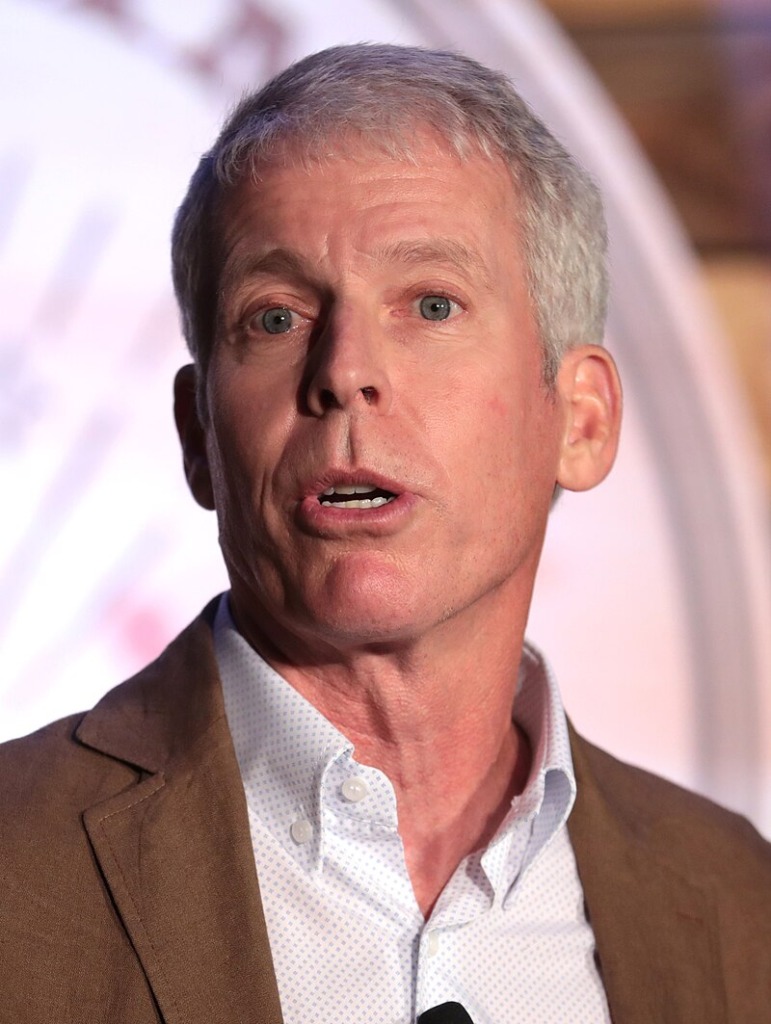
Chris Wright is the founder and CEO of Liberty Energy, a leading hydraulic fracking company in North America. In 1992, he founded Pinnacle Technologies, contributing to advancements in hydraulic fracture mapping. He later served as Chairman of Stroud Energy, an early shale gas producer. He has no formal public sector experience.
Chris Wright has rarely addressed hydropower. However, unlike Burgum, he did mention it sparsely in his confirmation hearing, acknowledging it as a major source of energy for the country. He then went on to suggest the Department of Energy should refocus on “pro-baseload” policies in favor of resources like “coal, natural gas, hydropower, nuclear…” To support this proposal, Mr. Wright cited the importance of affordable and reliable electricity regardless of weather conditions. He also focused on the need for 24/7 energy to serve the growing needs of Microsoft and Google as advancements in AI, blockchain, and quantum computing technologies continue to accelerate.
When pressed by Senator Heinrich (D-NM) on the fate of the Grid Deployment Office (GDO), which manages the Section 240’s Hydroelectric Incentives programs, Mr. Wright committed only to the continuation of general efforts from DOE to expand transmission. However, when asked if he would fund programs expressly appropriated by Congress, even in the face of intervention from the Office of Management and Budget, he confirmed he would follow the law. This is a generally positive message for industry concerned about GDO Section 240’s and Water Power Technologies Office (WPTO) funding disbursements. However, much remains to be seen on how changes in implementation from DOE may delay or modify requirements for funding across programs.
Overall, Chris Wright has echoed key Trump Administration values, with a strong emphasis on innovation as the primary catalyst for addressing load growth and climate change. He repeatedly asserts the legitimacy of climate change, but he points to low emissions shale gas as an example of an innovation to address it. As the emphasis on renewable energy shrinks, the waterpower industry should be ready to promote its contributions to baseload power. At the same time, as the appetite for unfettered innovation grows, NHA must continue to elevate our best new ideas to secure relevancy and resources within DOE.
Wright was confirmed by the United States Senate on February 3, 2025.
Lee Zeldin – Environmental Protection Agency (EPA):
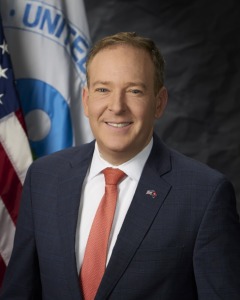
Lee Zeldin is a former U.S. Army lieutenant colonel and Congressman from NY01, who served in the House of Representatives from 2015-2023 as a member of the bipartisan Climate Solutions Caucus. During this time, Zeldin voted for pragmatic, but largely conservative, approaches to addressing environmental sustainability. He did not support either the Bipartisan Infrastructure Law or the Inflation Reduction Act.
Zeldin did, however, demonstrate his support for hydropower by voting in favor of the Hydropower Policy Modernization Act of 2017, which aimed to streamline the Federal Energy Regulatory Commission (FERC) licensing process. This “on the record” support of water power is rare amongst the Trump nominees and should be celebrated. That being said, Congressman Zeldin did not mention hydropower or the role of Environmental Protection Agency in the water quality certification process under Section 401 of the Clean Water Act during his senate confirmation hearing.
Instead, he focused mostly on reassuring Senators that, under his leadership, EPA would provide “clear and durable guidance as it relates to the Waters of the U.S.” Zeldin’s stance respects the Sackett v. EPA decision to narrow the scope of the Clean Water Act (CWA). This decision held that only navigable waters with continuous surface connection were under the jurisdiction of the CWA, limiting federal influence over wetlands.
Similarly, Lee Zeldin also took the time to comment on another Supreme Court decision, Loper Bright, saying that EPA will work to implement Congressional intent rather than “filling in the gaps however we might see fit.” He mentioned this case without prompting from Senators. His attitude towards both these decisions will serve the water power industry well, limiting the scope and authority of agency deference.
Throughout the hearing, Zeldin used his answers to underscore the values of the Trump Administration, most notably economic competitiveness. Put simply, Lee Zeldin believes “we can, and we must protect our precious environment without suffocating the economy.” For water power asset owners who have long balanced the stewardship of America’s waters with the electricity demands of the grid, Lee Zeldin’s approach as EPA administrator could be a welcome one.
Zeldin was confirmed by the United States Senate on January 29, 2025.
Howard Lutnick – Department of Commerce:
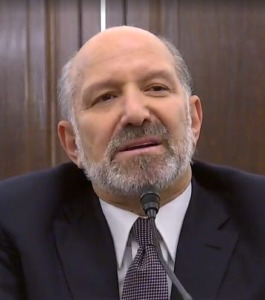
Howard Lutnick is the founder and CEO of Cantor Fitzgerald, BGC Group, and Newmark Group — global leaders in financial service, real estate, and brokerage. The billionaire has served as co-chair of the Trump transition team and is a close ally of the President. He has no formal public sector experience.
Although the Department of Commerce has only a narrow nexus with hydropower through the National Oceanic and Atmospheric Administration’s (NOAA) role in the National Marine Fisheries Service (NMFS), we find it is important to understand how the appointment of Lutnick could influence regulatory policy. For instance, NMFS implementation of mandatory conditions for fish passage at FERC licensed hydropower facilities has large implications for hydropower operations.
Mr. Lutnick has not commented publicly on matters of energy policy or hydropower. However, Cantor Fitzgerald’s Infrastructure Fund has, under his leadership, made significant investments into the energy sector that may reveal his policy preferences. For instance, the fund has backed renewable energy ventures like Invenergy and developers like NexEra Energy, both of which are major beneficiaries of the Inflation Reduction Act. In addition, the Cantor Fitzgerald Infrastructure Fund fact sheet lists hydropower as an example of a renewable asset included in the fund’s portfolio. Consequently, Lutnick does have a financial stake in the direction of U.S. energy policy and hydropower, albeit tangentially.
That said, the complete lack of public statements on NOAA or the role of NMFS in implementing the Federal Power Act (FPA), plus Howard Lutnick’s lack of experience in the public sector, does not engender confidence that his nomination will create movement on major industry goals.
WHAT COMES NEXT?
Overall, these picks from the Trump Administration are clearly an extension of his ‘America First’ agenda. The selection of these appointees and their public statements show that decisions in energy policy over the next four years will be driven, primarily, by values like economic competitiveness, domestic manufacturing, and security through strength. This will likely involve leveraging federal lands and reducing regulatory burden around all forms of energy, including fossil fuels, to accelerate technological innovation.
The private sector acumen of these nominees supports a growth-minded, maximalist approach to energy exports and infrastructure.
The emphasis on baseload energy shows that overreliance on intermittent renewables, regardless of emissions, is considered by this Administration as a threat to American safety.
By virtue of this agenda, the hydropower industry has enormous opportunity. Hydro is exactly what the United States needs to provide reliable power without compromise while honoring climate stewardship and the rich history of American ambition.