
 Back to All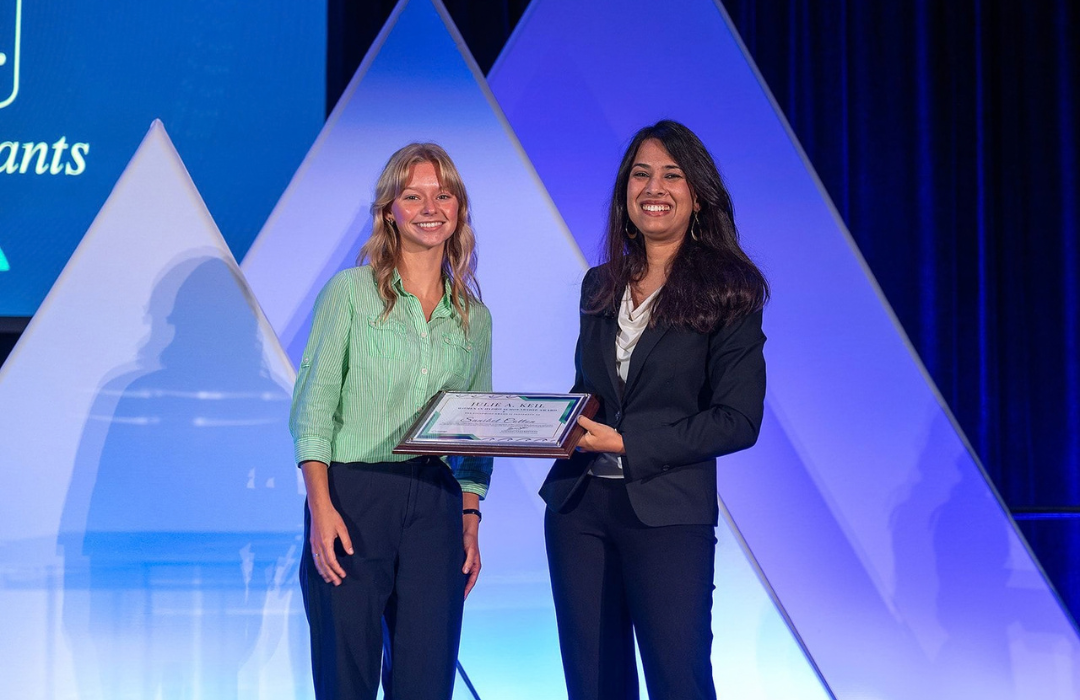
The legacy of Julie A. Keil, who was an industry leader, innovator, and advocate for women in hydropower, continues to inspire the next generation through the academic award that carries her namesake, the Julie A. Keil Women in Hydro Scholarship.
Established by the Northwest Hydroelectric Association and supported by Julie Keil’s family, as well as a selection committee representing a cross section of the hydropower community, the scholarship honors her lifelong commitment to empowering women in the industry.
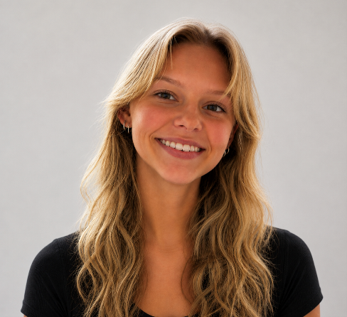
This year’s scholarship is Sanibel Cotton, a senior at the University of South Florida (USF) in Tampa, Florida, who is pursuing dual degrees in Geology and Environmental Science & Policy, with a minor in Geographic Information Systems and Technology.
At USF, Cotton’s coursework and involvement in student organizations – American Association of Environmental Engineers and Scientists (AAEES) and the Break Free from Plastic campaign – have further reinforced her interest in hydropower, as it sits at the intersection of renewable energy, environmental, and community needs. Cotton is particularly interested in water flow management, environmental sustainability, and the role geospatial technologies can play to advance long-term hydropower planning.
Cotton was presented with the Julie A. Keil scholarship in-person in Phoenix, Arizona, during Clean Currents 2026, where she took the stage to receive the award from Surabhi Karambelkar, the Policy Director of the Low Impact Hydropower Institute, who is a member of the Julie Keil Selection Committee.
POWERHOUSE caught up with Cotton to learn more about her connection to water power.
A SCHOLAR MOTIVATED BY NATURAL RESOURCE PROTECTION AND INNOVATION
When asked about the importance of hydro, Cotton explained that she finds hydropower to be an innovative and necessary component of addressing our nation’s energy consumption needs, as it provides a sustainable source of renewable energy by utilizing water resources responsibly.
Cotton puts her passion for environmentalism, sustainability, and protecting natural resources into practice by managing community beach clean ups and supporting reusable water bottle initiatives. She has always wanted to understand how natural systems work and how human activity impacts them. Through her community work, she has learned that local action can make a big difference.
When we asked what kind of clubs and organizations Cotton has joined at USF that have shaped her into the incredible sustainability activist that she is, Cotton told us about her involvement in AAEES and the Break Free from Plastic campaign.
Cotton is president of AAEES, and an organizer with Break Free from Plastic – these experiences have motivated her to pursue a career where she can work toward sustainable solutions for water and energy resources. These organizations have both strengthened her passion for sustainability and service.
Cotton has accomplished quite a bit of field experience, and POWERHOUSE was fascinated to hear about her internship at the Southwest Florida Water Management District (SWFWMD). Cotton detailed valuable experiences in both technical and field aspects of water resource management at SWFWMD. The internship has provided her vast opportunity and hands-on experience performing spatial data analysis to support various alternative water supply projects and long-term planning efforts, allowing Cotton to build skills with wetland delineations, waterline leak detection, and water quality monitoring.
Cotton told POWERHOUSE that these experiences have given her an appreciation for the work involved in protecting and managing Florida’s water resources. She mentioned specifically that working on leak detection and water quality assessments has shown her how these efforts can directly benefit communities and improve ecosystems. Her time at SWFWMD has motivated her to continue developing her skills in field data collection, water assessments, and project management.
When speaking with POWERHOUSE, Cotton extended her sincere gratitude to the Julie A. Keil Women in Hydro Scholarship, as it will help reduce financial strain and allow her to focus on growing her technical skills and knowledge in resource management.
Cotton underscored that the Julie A. Keil Women in Hydro Scholarship represents an opportunity for her to grow as a professional in the hydropower industry by attending the Clean Currents conference.
When asked what she admires most about Julie Keil, Cotton told POWERHOUSE that she admired Keil’s ability to bring together different sectors of the hydropower industry in pursuit of common goals. At USF, Cotton aims to follow Keil’s example by helping connect students in geoscience and environmental engineering, encouraging collaboration, broader understanding of common interests, and developing connections for the future. She hopes to bring the same enthusiasm and commitment to her career that Julie Keil demonstrated throughout her work in the hydropower community.
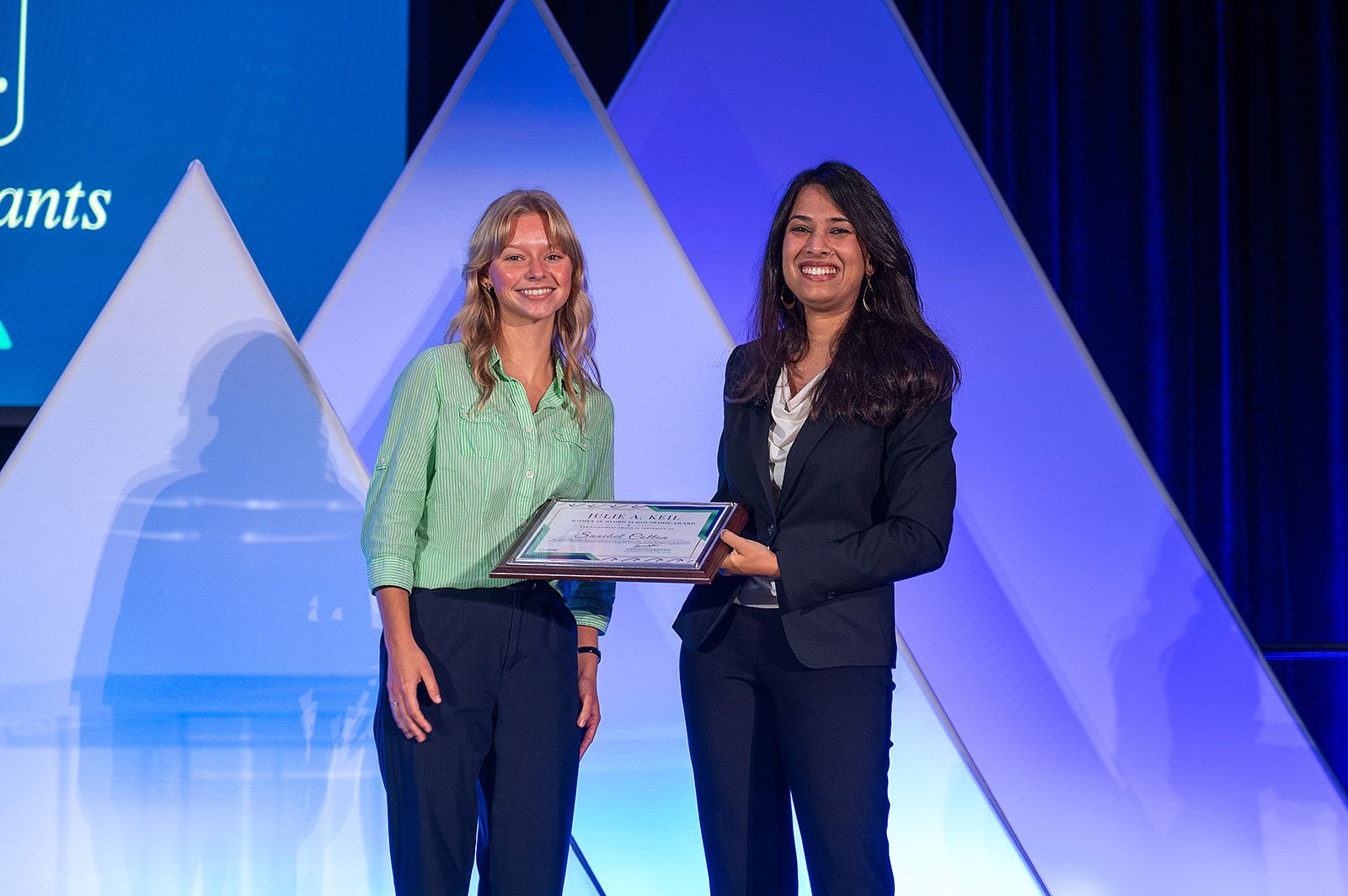
Sanibel Cotton (left), winner of the 2026 Julie Keil Award, receives the Award from Surabhi Karambelkar (right) on behalf of the Julie Keil Scholarship Selection Committee at Clean Currents 2026.
When we asked about her future goals, Cotton said that after graduation she plans to pursue a master’s degree in hydrogeology to further strengthen her technical knowledge while preparing for a career in the hydropower industry. Her future goals include deepening her understanding of clean energy, exploring how geology plays an integral role in managing and assessing water and sedimentation impacts of hydropower plants, and maintaining long-term water resource availability.
Cotton also plans to take the Geologist-in-Training (GIT) exam as soon as she is eligible, as part of working towards earning her Professional Geologist (PG) license. Cotton wants to use her education and experience to help conserve water resources, reduce reliance on fossil fuels, and make a lasting impact on the communities and ecosystems that depend on these resources.
LEARN MORE
To learn more about the Julie Keil Award, click HERE.