
 Back to All
As the midterms approach, one thing is becoming clear: Americans are mad as hell about energy costs, and many feel like the burden of growing energy demand is negatively impacting their communities.
This isn’t simply anecdotal; the data backs it up.
Ahead of the upcoming midterm elections, the Pew Research Center conducted a nationwide poll on Americans’ views on energy. As electricity costs rise faster than inflation, the survey set out to track how the trend is shaping public opinion. The findings are stark; 75% of adults polled said they believe their home energy costs have gone up a lot or a little. When asked why, 85% said that it’s due to ‘utility companies wanting to make more money’ and 66% blamed data centers. More than 60% also put the onus on government regulations and extreme weather events.
This signals an American public that sees an energy ecosystem in need of a serious overhaul, which is why electricity is popping up as a major campaign issue. Pew Research found that 74% of Americans are ‘very concerned’ about the price of gasoline and energy; that figure has shot up over 25 points in just two years. That’s higher now than other pocketbook essentials, like the cost of housing and the job market.
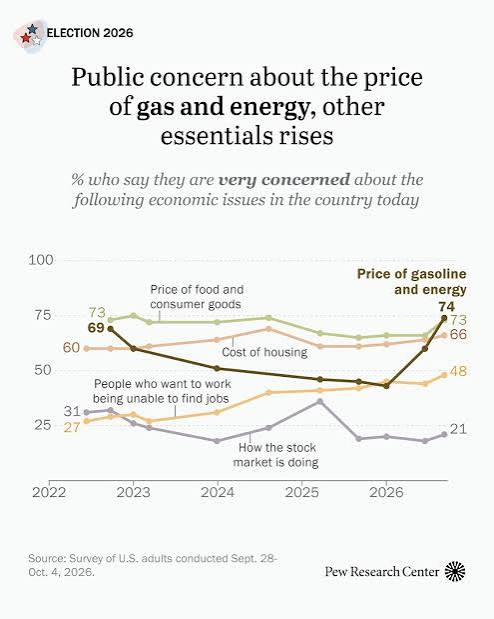
This concern is bipartisan as well. In another survey, Pew found that energy policy is rated as ‘very important’ similarly among Republicans (48%), Independents (54%) and Democrats (62%). While many proposed solutions to our energy challenges create even more division, there’s one that also enjoys support across the political spectrum: hydropower.
HOW CAN HYDROPOWER RESPOND?
While these figures are daunting, the hydropower industry should not run away from them; instead, our industry should address them head-on with practical solutions that demonstrate how the resource can serve as a leader.
Power producers should continue prioritizing robust community outreach and share all the great benefits hydropower provides, energy-related and otherwise. Earlier this summer, our industry shared that story in a big way on National Hydropower Day –reaching many important stakeholders. Policymakers certainly listened, with a record number of them highlighting hydropower’s value through visits to local facilities, issuing statewide proclamations honoring hydro, and sharing their appreciation on social media.
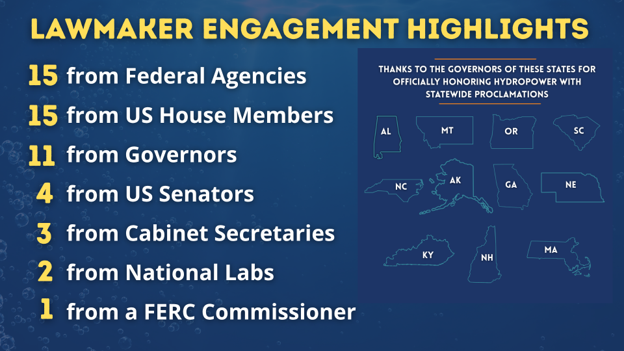
To see examples of the benefits our industry elevated, take a look at this year’s toolkit for the commemoration. While Hydropower Day may have passed, it’s never too late to repurpose these themes in future outreach.
Project owners should also consider embracing community events, as sharing the benefits of hydro with families is a critical way to create lifelong supporters of the technology.
Organizations like Chelan PUD – based out of Wenatchee, Washington – have a fall calendar packed with opportunity, utilizing their Discovery Center, which educates thousands of visitor each year, at Rocky Reach Dam to serve as a base of operations for community events like the Wenatchee River Salmon Festival and the Fall Harvest Roundup.
A young hydropower enthusiast learns how to crank a turbine at Chelan PUD’s Discovery Center at Rocky Reach Dam.
Education is a vital component in building future supporters of hydropower, and studies show us how true this is, as seen in the research paper Interactive Cycles between Energy Education and Energy Preferences from 2024, which posits the following:
“There exist interactive cycles between energy education and energy policy: energy education influences public energy preferences, while energy culture, in turn, affects policy formulation.”
In other words: It’s never too early to teach the young people in our communities about why hydropower matters to their futures. On the question of data centers, the hydro industry should remind people that Americans shouldn’t have to choose between embracing new tools like AI and ensuring reliable, affordable power; hydropower can help achieve both.
Last March, NHA published a report detailing how pumped storage hydropower (PSH), renowned for its reliability and storage capabilities, is well-positioned to meet demand from data centers, but only if we can build more PSH facilities currently in the regulatory pipeline. That’s why it’s very important to streamline permitting for hydropower, which the new Bipartisan American Affordability and Jobs Act sets out to do. Learn more about the bill and how to contact your Members of Congress here.
While the increase in extreme weather events isn’t something that can be ignored, hydropower is particularly well suited to provide ancillary benefits unique to the technology; whether it’s flood control, the majority of U.S. black-start capability (the ability to restart the grid in the event of a blackout), or helping keep the lights on during catastrophic storms, hydro does it all despite the challenges.
WHAT COMES NEXT?
No matter which way the elections go this year, our industry’s objective remains the same. We must continue educating our friends and neighbors about hydropower’s quiet but integral role on the grid and its unique ability to meet future energy needs.
Americans want solutions, and hydropower is the superhero we need. Thankfully, it’s not hidden away. It’s right in our backyards.