
 Back to All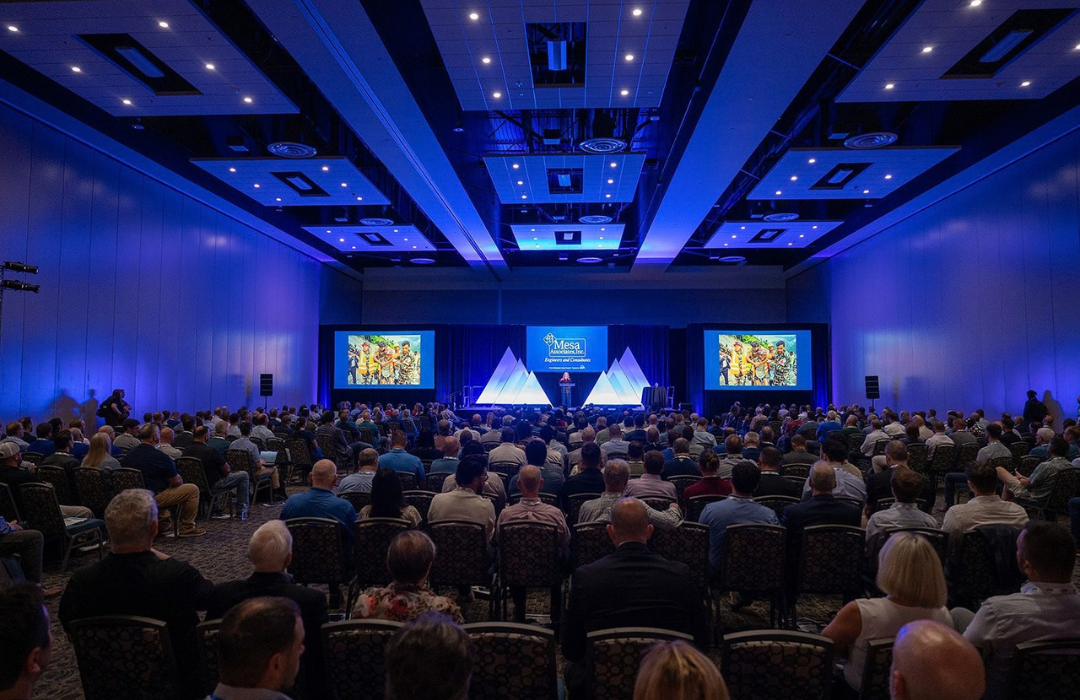
National Hydropower Association’s (NHA) Clean Currents 2026 Conference + Trade Show, held the week of September 21 in Phoenix, Arizona, was precedent-setting, with 2,000 + registrants – our largest ever.
During this “by the industry, for the industry” annual event, hydro project owners and developers, service and product suppliers, government agency officials, non-government organizations, and other stakeholders connected in workshops, during organizational meetings, on hydro plant tours, in CC Central, and during networking events.
From conversations throughout the event, NHA, owner and organizer of Clean Currents, offers observations about these trends emerging from the week:
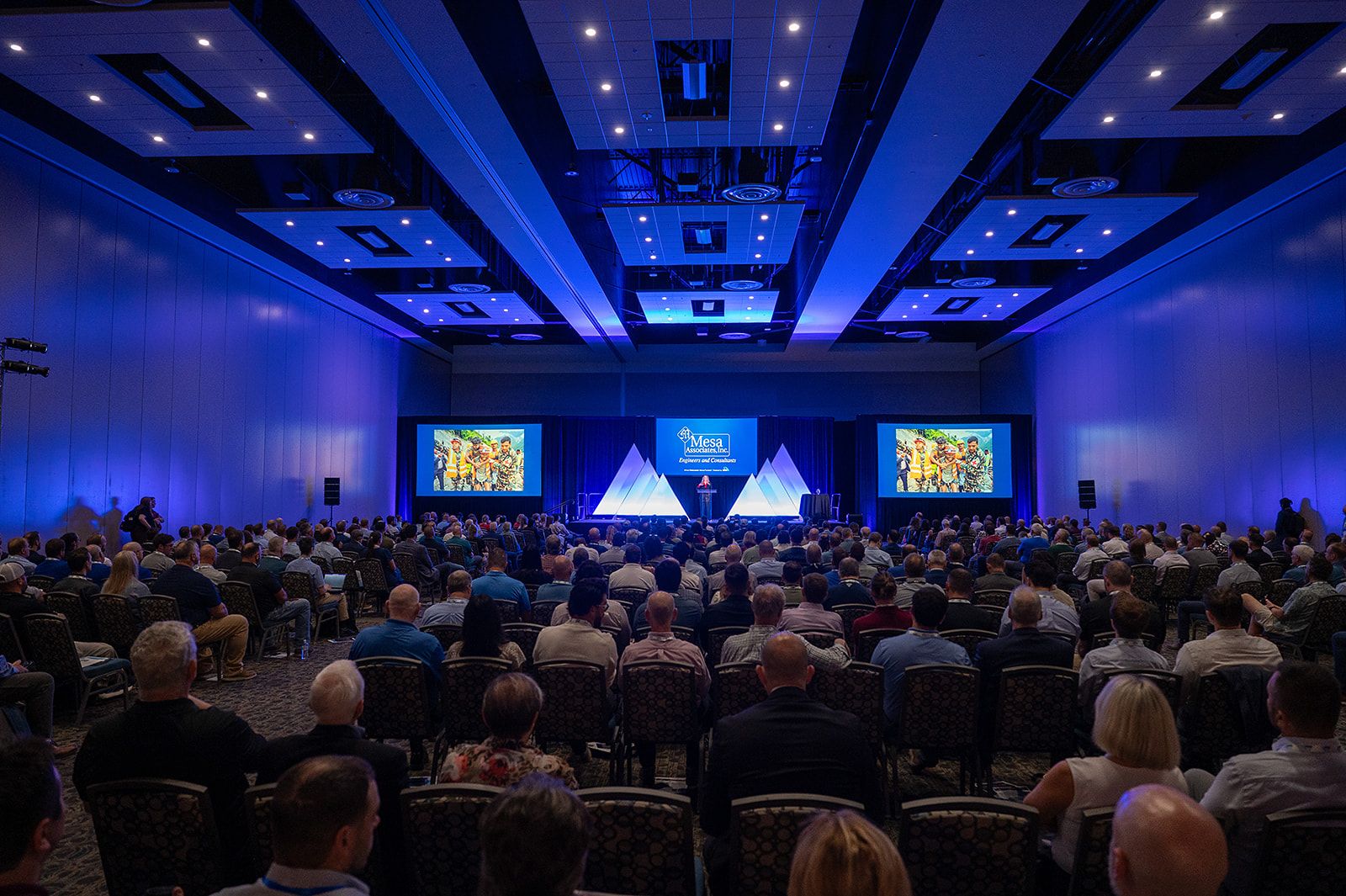
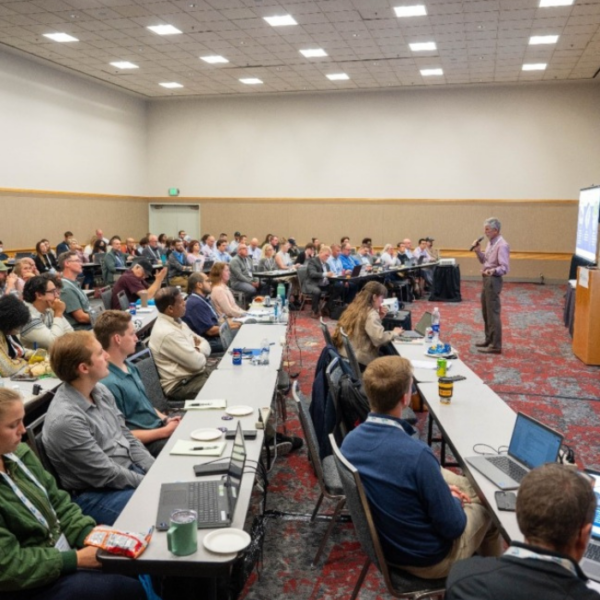
One of the plenary sessions at Clean Currents 2026. (Photo Credit – NHA)
SMALL HYDRO’S NEXT CHAPTER: MODERNIZATION, POLICIES, AND NEW TOOLS
On Tuesday morning of Clean Currents, the Small Hydro Seminar ran out of chairs. With the conference experiencing record-breaking attendance, this seminar was no exception, drawing its largest ever crowd.
The Small Hydro seminar, which featured a range of speakers from owner / operators of small hydro facilities to researchers from Department of Energy’s National Laboratories, covered topics involving modernization case studies and tools available to help in day-to-day operations.
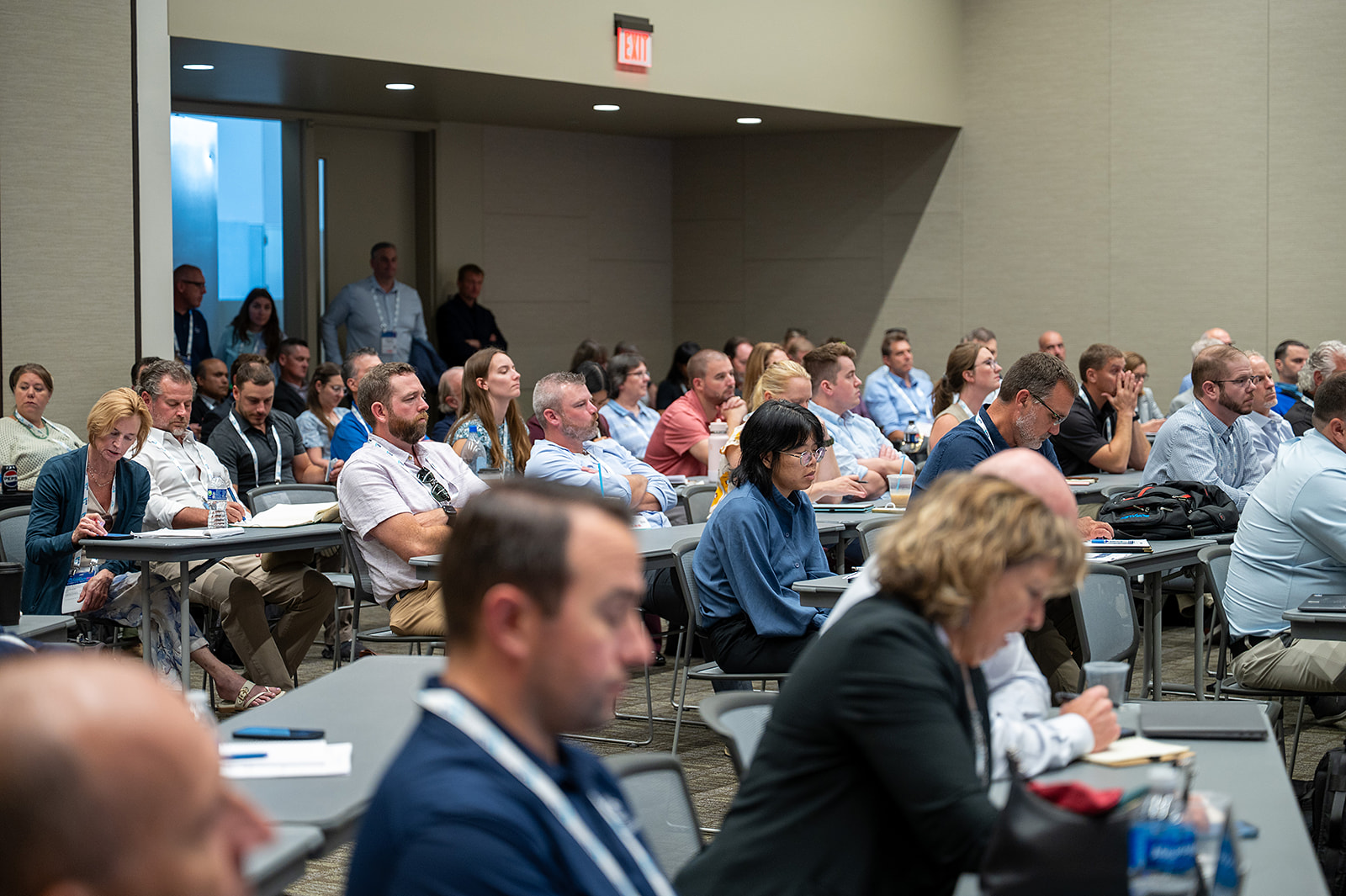
Attendees fill the room during Tuesday morning workshops at Clean Currents. (Photo Credit – NHA)
The focus on modernization is particularly salient, as research released in September from Oak Ridge National Laboratory has been making the news, touting that the nation’s non-powered dams represent a potential capacity of 4 GW across a subset of 2,600 non-powered dams, with individual facilities averaging 1.5 MW.
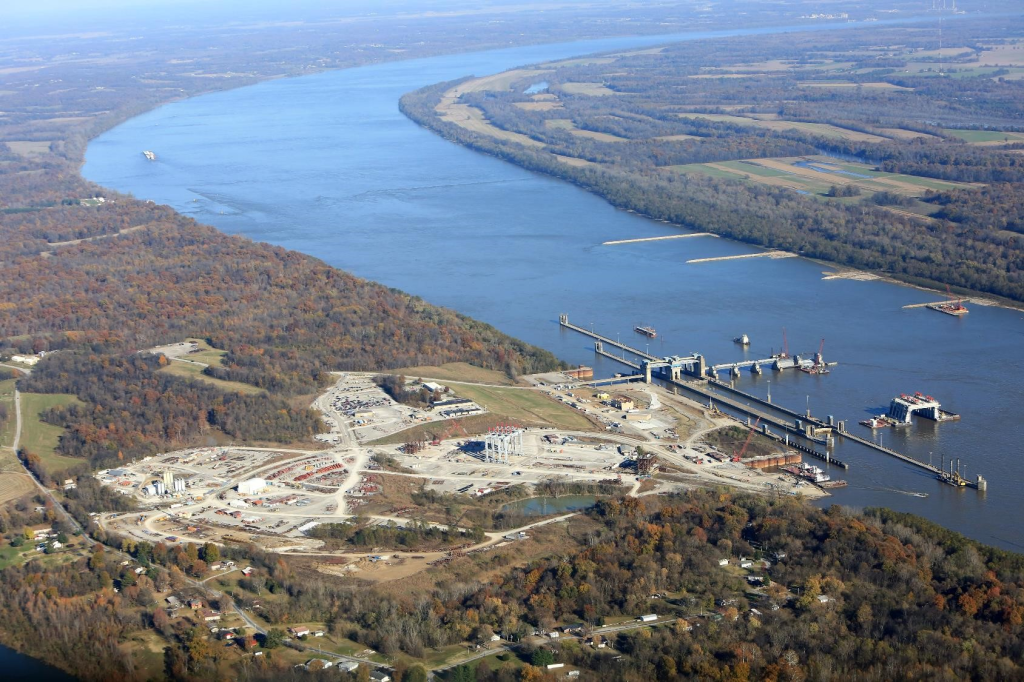
The Olmsted Locks and Dam in Illinois is a non-powered dam identified as a candidate for hydropower generation in the NPD Hydro assessment. (Photo Credit: U.S. Army Corps of Engineers)
The incredible potential of the nation’s non-powered dams remains a largely untapped opportunity, and as the Energy Information Administration projects U.S. electricity growth to increase by 1% in 2026, then 3% in 2027, the call for electricity has reached a demand not seen in decades.
Yet, despite enormous need, hydropower continues to face hurdles. NHA’s recently published white paper – Affordable Power, Broken Process: How Regulatory Overreach Taxes America’s Most Reliable Resource – looks at how the federal licensing process governing the fleet has increasingly grown more burdensome and disconnected from actual energy production.
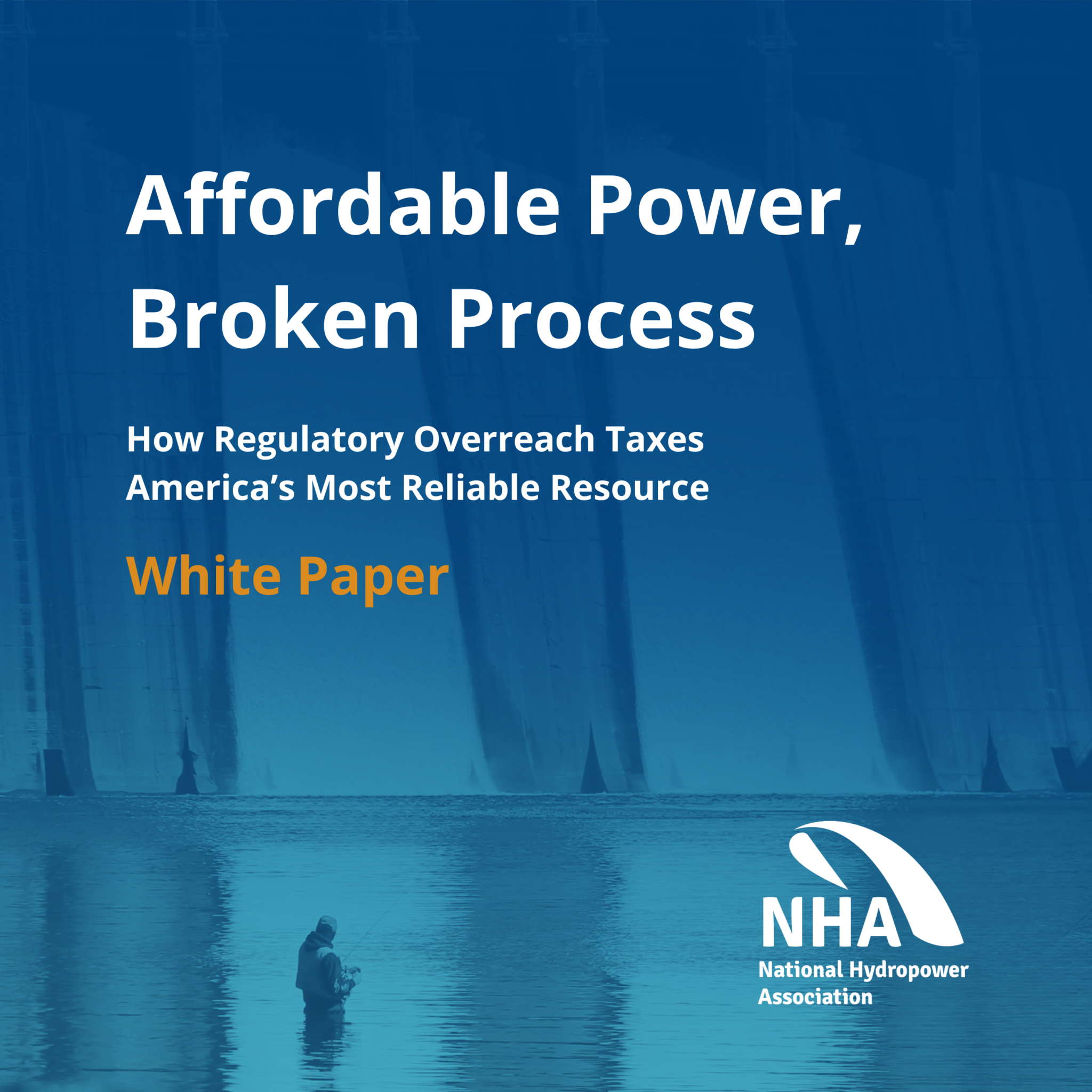
In a review of more than 5,000 mandatory conditions across 4,819 licensing documents filed between 1980 and 2026 in 46 states, NHA determined that when compared against their own earlier licenses, hydro facilities now carry ten times as many mandatory conditions!
With 348 hydropower permits representing over 12,000 MW of capacity up for relicensing in the next decade, NHA’s analysis shows that small hydro will be disproportionately impacted by this burden.
To ensure that the industry is able to meet the moment, NHA has been pushing ahead on multiple policy fronts, successfully passing two pieces of legislation – the recent Hydropower Licensing Transparency Act and Build More Hydro Bill– during a historically unproductive year for Congress, a feat that demonstrates that hydropower maintains broad, bipartisan appeal.
Complementing policy efforts are AI tools the industry has been developing to ease the hydropower licensing process, with a session exploring this subject at Clean Currents titled “Data Use – Classroom Presentations” that explored various ways organizations could build strategies in support of resilient, scalable data systems and thereby streamline various stages of an already cumbersome process.
To aid in this work, NHA recently released our “NHA e-library” tool into beta testing; a web tool that allows users to search the FERC eLibrary using artificial intelligence, spanning hundreds of thousands of documents that go beyond licenses and environmental reviews. Users can ask questions about surrenders, amendments, correspondence, studies, and more – all live from FERC servers with direct citations; request access HERE.
MODERN TOOLS FOR MODERN PROBLEMS
Water management and water extremes are perennial topics at Clean Currents, and this year’s historic, extreme weather made them particularly timely.
Some of the biggest conversation starters across various sessions and attendee discussions were the droughts in the western U.S., as well as the emerging super El Niño, which is expected to bring intense weather to nearly every region of the country, potentially causing:
- Heavy rains and atmospheric rivers in the Southwest
- Major winter storms in the Southeast and East Coast
- Warmer temperatures in the Midwest, and reduced snowpack in the Pacific Northwest
At Water Extremes in the West – Roundtable Dialogue – a weather-focused panel at CC Central – experts from a range of organizations, including Bureau of Reclamation and small utilities, shared their invaluable advice on how hydropower producers can respond to changing weather patterns that test daily operations; some top takeaways included:
- Share your own data with other stakeholders to ensure the wider industry is better prepared to face extreme weather together
- Make sure your organization is looking ahead with a long-term plan
- Stay educated about the weather outlook for your region but always plan for unexpected events

Clean Currents attendees connect during a Roundtable Dialogue. (Photo Credit – NHA)
Fortunately, the rise of forecasting tools has served as a benefit to the water power industry, as seen through Forecast-Informed Reservoir Operations (FIRO), a strategy that uses watershed monitoring data and modern weather and water forecasting to help managers decide when to retain or release water based on current and forecasted conditions.
Pioneered at Lake Mendocino in California, FIRO brings together expertise from NOAA, the U.S. Army Corps of Engineers, the U.S. Geological Survey, the California Department of Water Resources, Sonoma County Water Agency, and the Center for Western Weather and Water Extremes at Scripps Institution of Oceanography.
Rather than replacing operator judgment, the tools offer additional information that allows for more proactive and adaptive responses to variable weather. The payoff extends well past the reservoir itself, as an analysis funded by the Bureau of Reclamation found that the economic benefits of FIRO at Lake Mendocino were estimated at approximately $9.4 million per year.
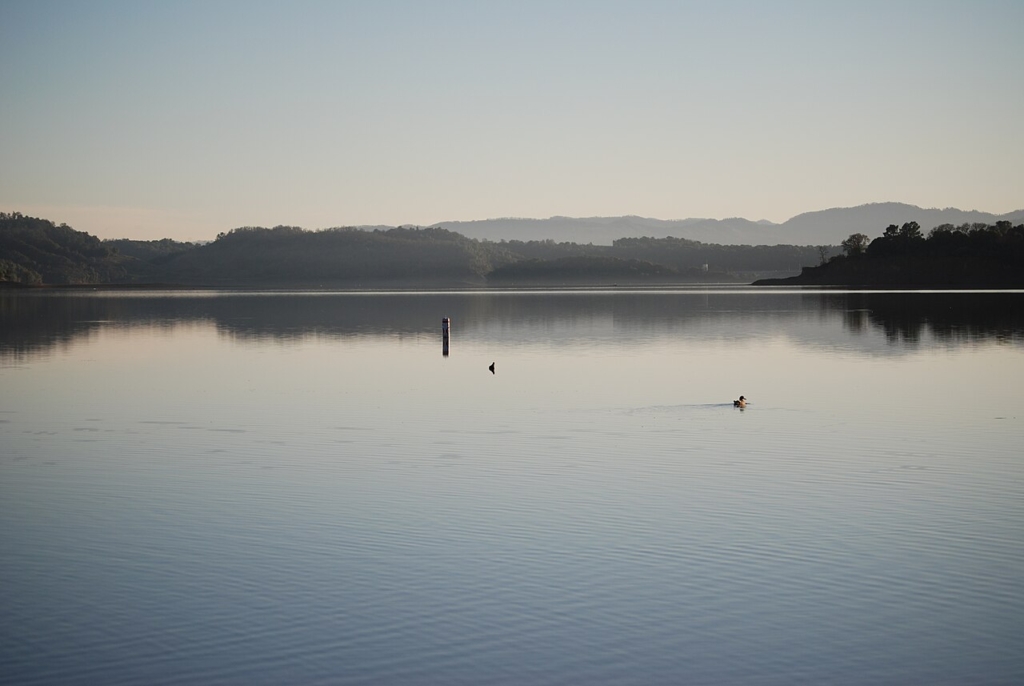
Lake Mendocino in California. (Photo Credit – KGlavin / Wikimedia)
Bureau of Reclamation, which had a large presence at Clean Currents 2026, used the conference to make an important announcement, one delivered by Aubrey Bettencourt, Principal Deputy Commissioner at Bureau of Reclamation – U.S. Department of the Interior, who shared with attendees that Reclamation plans on increasing hydropower generation at their facilities by 25%!
As the second largest hydropower producer in the United States, Reclamation had an installed capacity of 14,730,208 kW, representing a total of 176 generating units located in 53 powerplants for which Reclamation has direct operating responsibility.
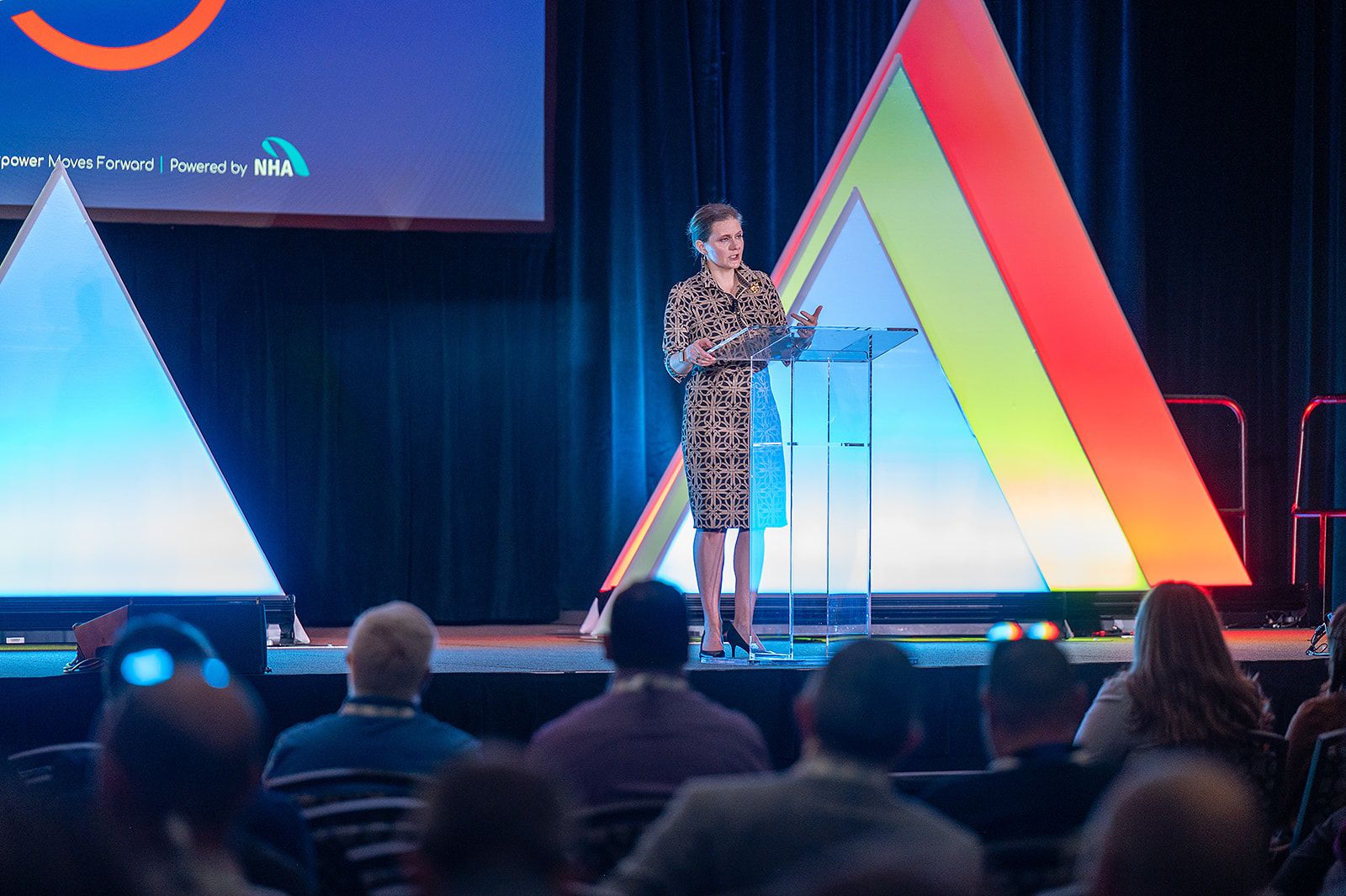
Aubrey Bettencourt, Principal Deputy Commissioner at Bureau of Reclamation – U.S. Department of the Interior, addresses attendees at the Thursday morning plenary during Clean Currents. (Photo Credit – NHA)
Beyond modeling, organizations like Salt River Project (SRP) are showing how modern manufacturing can meet one of the industry’s most pressing needs.
As extreme weather puts new demands on the grid, hydropower’s reliability depends on keeping an aging fleet in service. The U.S. hydropower fleet averages about 65 years old, and when a legacy part needs replacing, the original drawings, suppliers, or casting molds may be long gone, leaving operators waiting two years or more.
In 2025, SRP became the first U.S. utility to install a convergently manufactured wicket gate at the century-old Horse Mesa Dam. Working with EPRI, SRP printed the gate’s leaf onto a conventionally forged shaft, cutting delivery from roughly 30 months down to only six at about the same cost as casting, and the part met or exceeded industry material standards.
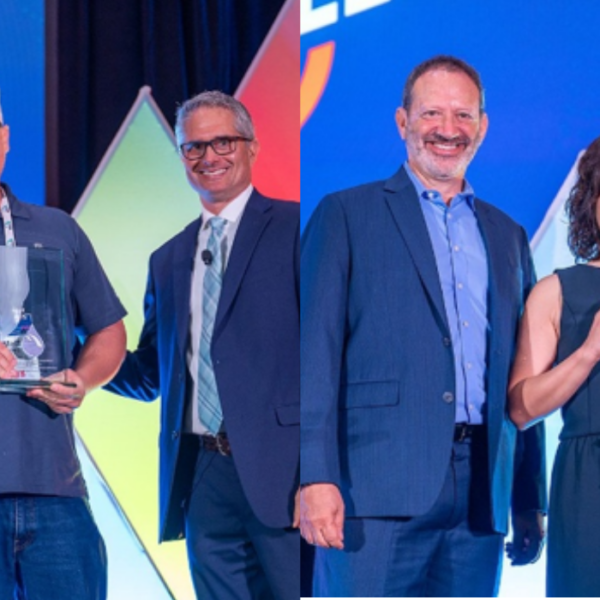
By sharing its findings openly, SRP is giving utilities nationwide a repeatable way to reduce supply chain risk and keep critical assets running, an achievement NHA recognized with one of its inaugural Achievements in Water Power Awards.
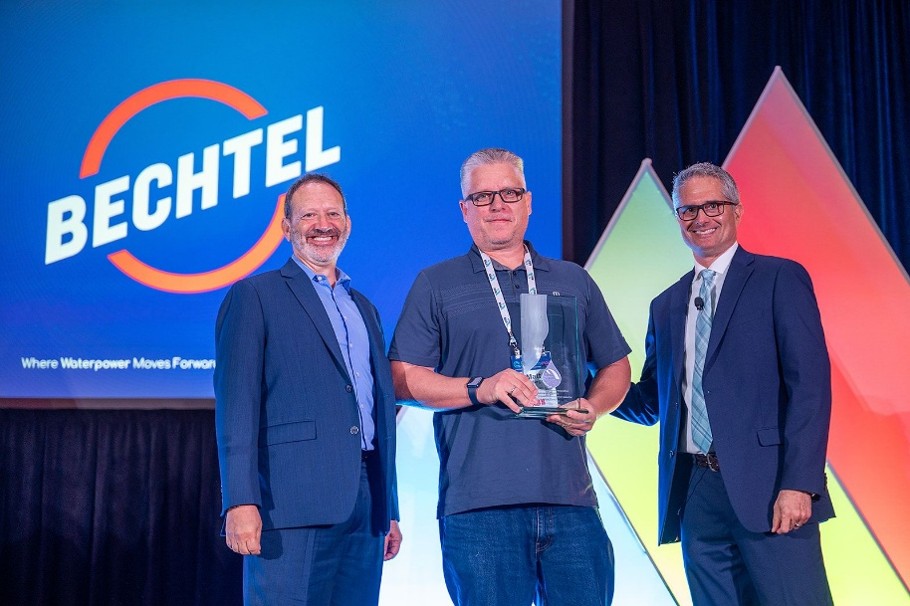
From Left to Right: Malcolm Woolf (NHA’s CEO & President), Matthew Pendergraft (Director of Hydropower Generation at Salt River Project), Alan Michaels (Director of Regulatory Affairs at New York Power Authority and NHA Board Chair) – Photo Credit NHA
LEARN MORE
To learn more about Clean Currents 2027, which will take place in Atlanta, Georgia, from August 30 – September 3, click HERE.
Check out the photos from Clean Currents 2026 HERE.