
 Back to All
National Hydropower Association’s (NHA) upcoming Clean Currents conference + trade show (September 21-25) in Phoenix, Arizona, is designed ‘for the industry, by the industry,’ which is why NHA staff and partners have worked for months on creating a strong program that meets the industry’s education needs.
“We are really trying to be thoughtful about the learning needs of specific segments of the sector,” said Marla Barnes, Vice President of Member and Industry Engagement. “We recognize not everybody learns the same way or needs the same kind of information.”
“With that idea in mind, we created ‘content paths’ for a variety of specializations and interests,” Barnes said.
These content paths can help Clean Currents attendees plot out how to best shape their learning objectives, identify opportunities to network with water power industry peers, and share knowledge with other attendees.
The content paths are as follows:
Equipment / Engineering / Technology
Production Planning (Including Electricity Markets and Water Management)
In addition to conference content, NHA has prepared a wealth of attendee experiences and tours, including bike rides, a golf outing, rafting, and more, offering Clean Currents’ participants the opportunity to explore Phoenix while connecting with other water power professionals.

ASSET MANAGEMENT
The Asset Management path focuses on how to maintain and maximize the value of hydropower facilities over time. It covers approaches for tracking performance, prioritizing investments, and planning upgrades. It is best suited for professionals responsible for long-term reliability and cost-effective operations. Gaining insights here could help extend the life of critical infrastructure and reduce costly unplanned outages.
DAM SAFETY
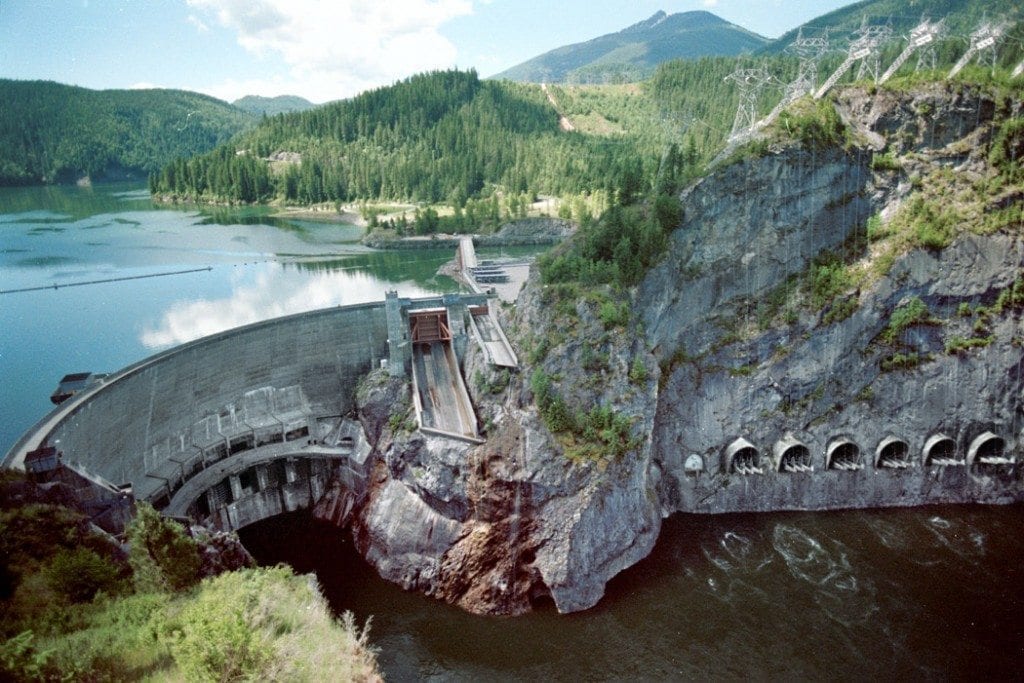
The Dam Safety path emphasizes practices for monitoring, assessing, and strengthening dam structures to protect people and resources. It highlights tools for risk management, inspection methods, and emergency preparedness. This path is valuable for engineers, regulators, and operators responsible for safety oversight. Learning these practices supports community safety and ensures facilities meet evolving safety standards.

ENVIRONMENT
The Environment path highlights ways to balance energy production with environmental stewardship. This path explores approaches for habitat protection, water quality, and ecosystem integration, and it is useful for environmental specialists, regulators, and project developers focused on sustainable operations. Engagement with this content helps projects move forward while meeting regulatory expectations and community priorities.

EQUIPMENT / ENGINEERING / TECHNOLOGY
The Equipment / Engineering / Technology path examines the technical systems that keep hydropower facilities running efficiently. This path includes innovations in equipment design, performance improvements, and the application of new technologies, and it is geared toward engineers, technicians, and technology developers. Exposure to new ideas here helps participants modernize operations and stay ahead of industry challenges.

OPERATIONS AND MAINTENANCE
The Operations and Maintenance path focuses on the day-to-day management of hydropower projects. This path includes troubleshooting, preventative maintenance, and best practices for safe and efficient operations, and it is valuable for plant operators, maintenance staff, and facility managers. Learning in this area supports smoother operations and minimizes risks to worker safety and equipment performance.

PRODUCTION PLANNING (INCLUDING ELECTRICITY MARKETS AND WATER MANAGEMENT)
The Production Planning path explores how to optimize hydropower generation in coordination with water management and grid demands. This path covers forecasting, scheduling, and balancing resources, and it is designed for planners, dispatchers, and operations teams. Ultimately, this path could help utilities better deliver reliable, cost-effective power while managing changing resource conditions.
PUMPED STORAGE
The Pumped Storage path centers on the role of pumped storage in energy reliability and grid flexibility. This path looks at design, operations, and integration with other energy resources, and it is relevant for developers, utilities, and planners focused on storage solutions. The Pumped Storage path demonstrates how to unlock new opportunities for renewable and resilient energy storage systems.

REGULATORY / LICENSING
The Regulatory / Licensing path provides guidance on navigating the policies and procedures required for hydropower project approval and compliance. This path covers licensing, permitting, and stakeholder engagement, and it is especially useful for project developers, legal teams, and regulatory professionals. Participants in this path can learn how to better avoid delays and ensure projects align with both legal requirements and stakeholder needs.
SMALL HYDRO
The Small Hydro path addresses the opportunities and challenges of smaller-scale hydropower development. This path includes project design, financing, and community engagement, and it is suited for developers, engineers, and policymakers interested in distributed energy solutions. Knowledge gained here supports innovative, flexible projects that expand access to clean energy in diverse settings.

FOR MORE INFORMATION
To learn more about the paths, follow the link to the “Full Detailed Program,” and on the right side of the page, look for the section on the sidebar labeled “Choose Your Content Path,” and select from the dropdown menu.

To register for Clean Currents, click here.