



 Back to All
*Sponsored Content
Gate Valves in Early Hydro Applications
When the first hydroelectric station was constructed in 1882 near Appleton, Wisconsin, the predominant valve was the conventional wedge gate valve, which was commonly used to control high-pressure steam and low-pressure water. It therefore stood to reason that when hydro engineers needed a valve to release of water from the sluice outlets of reservoirs, they chose to use the simple, proven wedge gate valve [Figure 1].
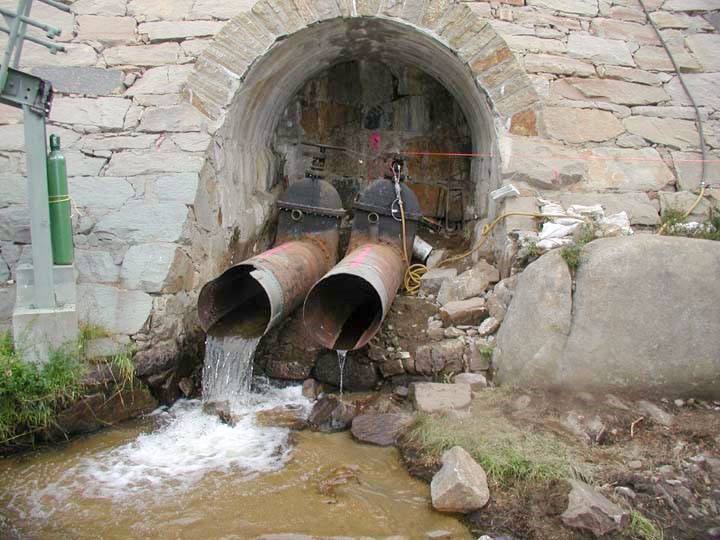
Figure 1 – The conventional wedge gate valve was a common outlet valve in the early days of hydro.
Although the conventional wedge gate valve appeared to perform adequately as an open-close sluice valve on low head projects, as dams grew taller, and as sluice outlets morphed into regulating low-level outlets (LLO), operators began hearing what sounded like gravel being passed through the valve and a metal-against-metal clanging. What was causing this, and was it something to be concerned about? As it turned out, it was.
The Discovery of Cavitation
Cavitation occurs when high velocity water is disrupted by a surface protruding into the flow stream. In the case of a gate valve, the most common place for this to occur is immediately downstream of the gate leaf in a partially-open or throttling position. At this location, the water has just passed the point of maximum velocity pressure within the flow stream, a point known as the vena contracta [Figure 2].
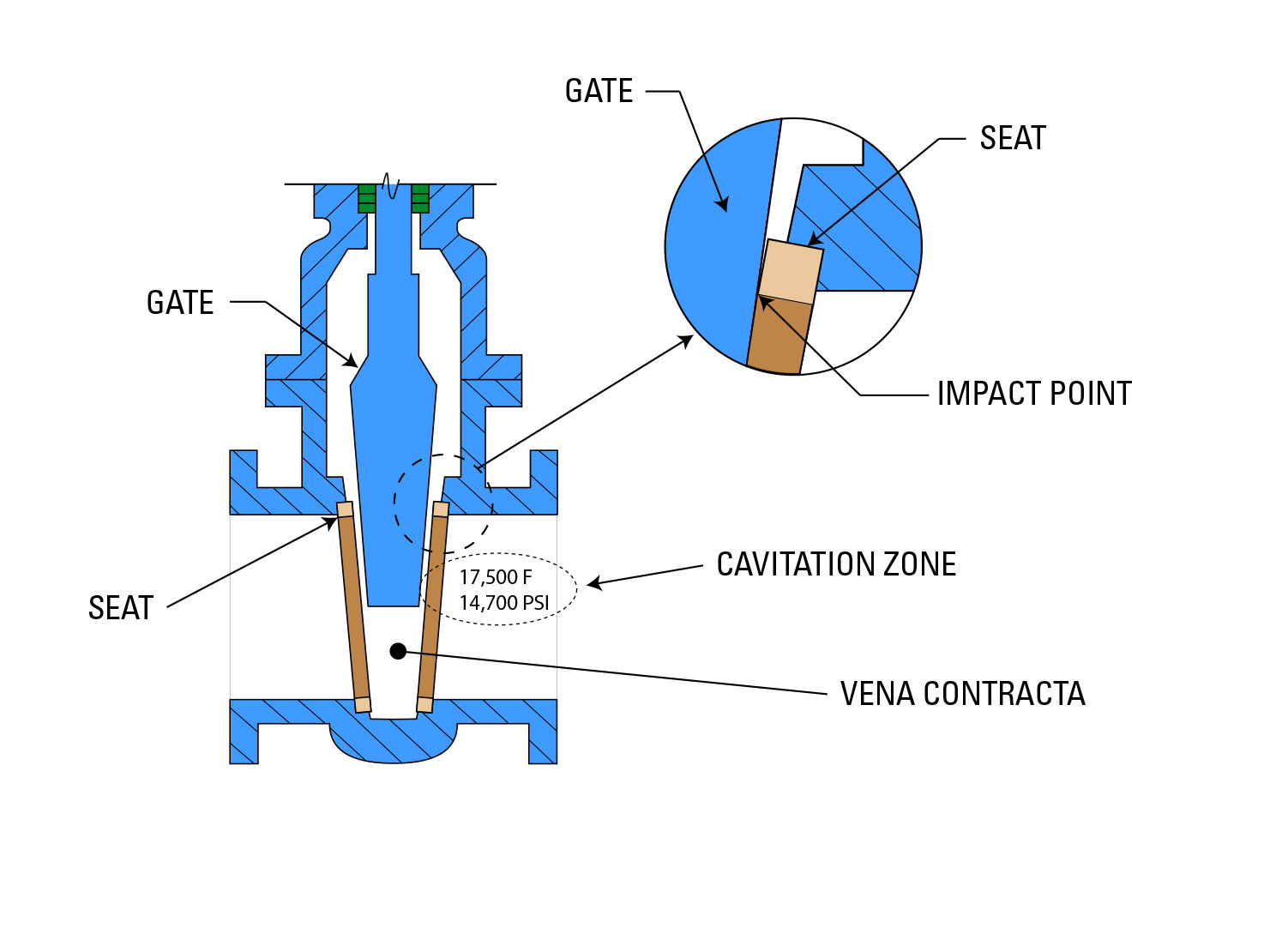
Figure 2 – A conventional wedge gate valve makes a poor throttling valve
High velocity pressure equates to low static pressure; if the static pressure falls low enough, the air entrained within the water comes out of solution in the form of micro bubbles. As the flow stream passes through the vena contracta, the static pressure instantly increases, forcing the bubbles to collapse violently. The temperature and pressure associated with the collapsing bubbles has been measured as high as 17,500 °F and 14,700 psi, eventually leading to the failure of the valve and surrounding conduit surfaces.
The “gravel” early operators heard flowing through their sluice outlet valves was the sound of bubbles collapsing, and the metal hammering was the gate leaf bouncing against the seat.
These two damaging phenomena—cavitation and vibration—resulted in the now widely-recognized understanding that the conventional wedge gate valve makes a poor throttling valve.
The Conquering of Cavitation
Reclamation applied this newly-gained knowledge of cavitation in their development of the jet flow gate in the mid-1940s. The jet flow gate possessed a number of unique features that advanced outlet valve technology, including a unique floating bronze seal ring that was fully supported by the leaf throughout its travel and an oversized outlet and vent that allowed atmospheric air to reach the vena contracta. It also shared the rectangular, beveled leaf edge of a valve widely used in the pulp and paper industry: the knife gate valve.
The Poor Man’s Jet Flow Gate
Beginning in the 1970s, dam operators found themselves increasingly being required to control the release of water from their reservoirs. This often resulted in the need to throttle the existing LLO valves, many of which were vintage wedge gate valves and not suitable for the reasons previously outlined. Around this same time a manufacturer of knife gate valves in Redmond, Washington, Hilton Valves—who also designed and fabricated jet flow gates—noticed the design similarities between the two. Recognizing the need for an economical, lower head alternative to the more costly, high head jet flow gate, the Chief Engineer at Hilton, George Stevenson, joined forces with retired USBR engineer Lee Gerbig to conceive the throttling knife gate valve, a valve they initially dubbed “the poor man’s jet flow gate.”
The Hilton Throttling Knife Gate Valve shares the rectangular, beveled leaf edge of the jet flow gate, a gate that remains in contact with the seat over its complete travel, and has an oversized outlet that, like the jet flow gate, allows atmospheric air to reach the vena contracta [Figure 3].
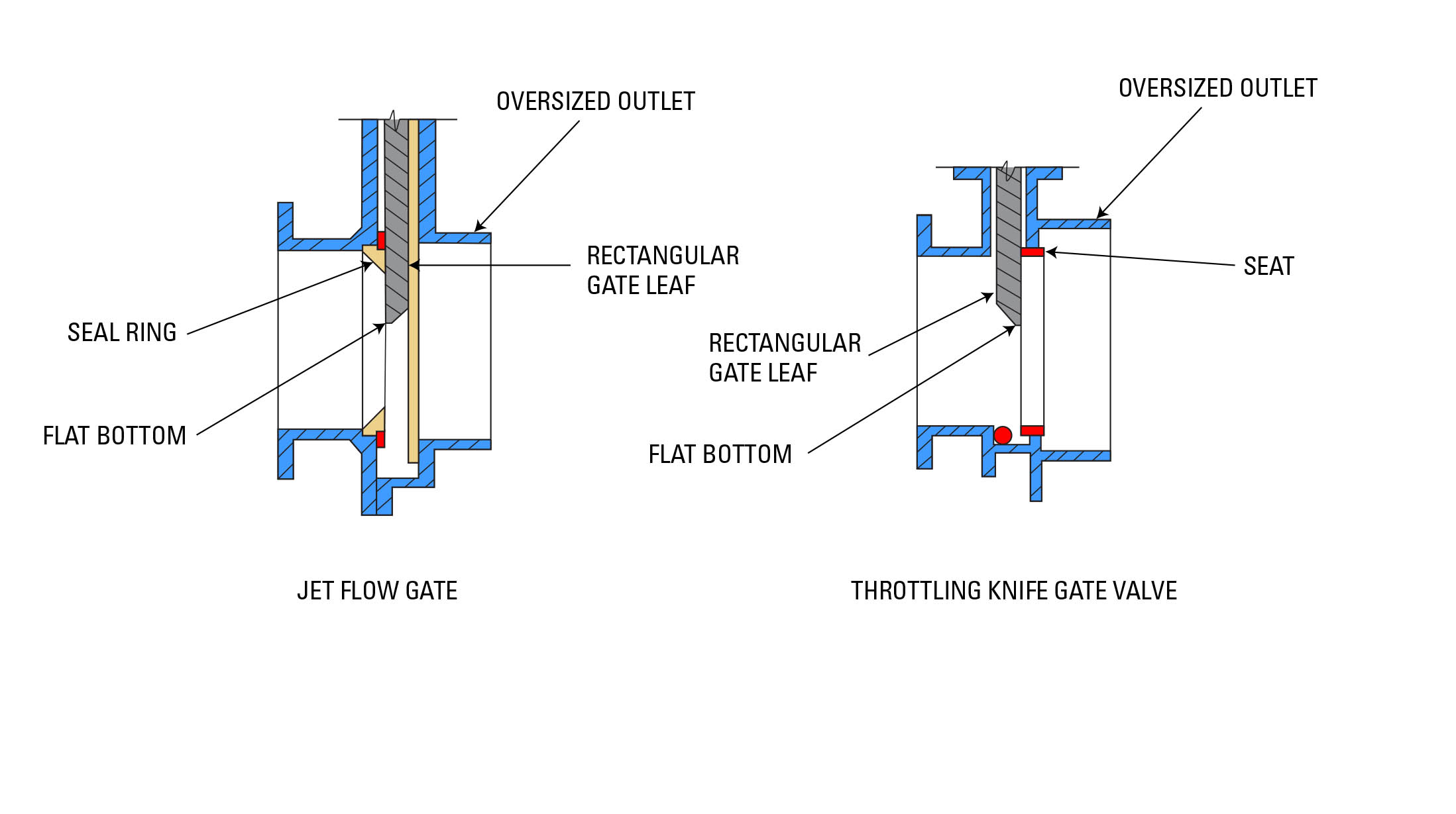
Figure 3 – The throttling knife gate valve shares several design features of the jet flow gate
Besides offering superior value to the fixed cone valve and jet flow gate at heads less than 230 feet, other desirable features of the throttling knife gate valve include its high 0.95 coefficient of discharge (Cd), simple ruggedness, and relatively narrow lay length. The throttling knife gate valve is not limited to use as an outlet valve; it can also serve as a guard valve in applications where the operating head is less than 230 feet if it needs to close against flow (higher if it will only be closed under a balanced head). It has even been submerged in the inlet works of a reservoir as an inlet valve.
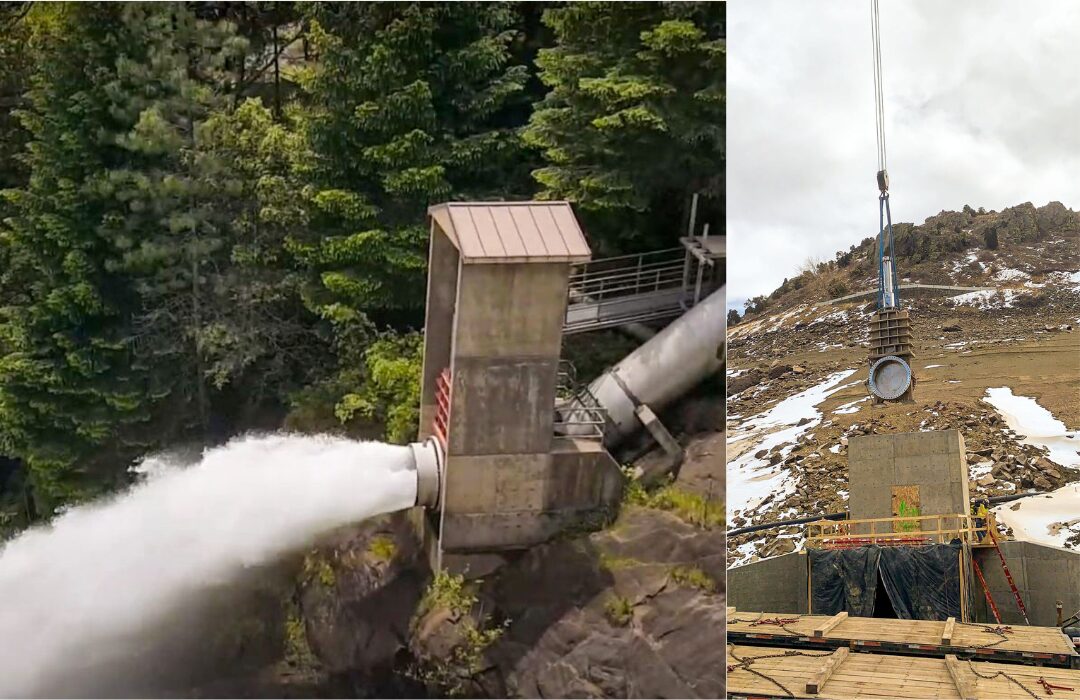
Figure 4 – The throttling knife gate valve is an economical outlet valve for low head dams. Left: A 48-in throttling knife gate valve at Tiger Creek Afterbay Dam in Northern California satisfies instream flow requirements. Right: A 66-in throttling knife gate valve being installed as an inlet valve at Ralston Dam in Colorado.

