
 Back to All
Sponsored Content
For decades, hydropower operators designed and managed reservoirs assuming that low-level outlet systems would rarely be called upon. Today, that assumption is being challenged across the American West.
Persistent drought, changing runoff patterns, and increasing demands on water supplies have brought unprecedented attention to reservoir operations throughout the Colorado River Basin. No facilities symbolize these challenges more than Glen Canyon Dam and Hoover Dam, two of the Bureau of Reclamation’s most important water infrastructure assets. As reservoir levels have declined, discussions once considered theoretical have become part of real-world operational planning.
While much of the public conversation has focused on water levels and hydropower generation, the industry has increasingly turned its attention to another critical question: What happens when the lowest outlets in a dam become the primary means of releasing water?
The answer highlights the often-overlooked importance of low-level outlet valves and gates.
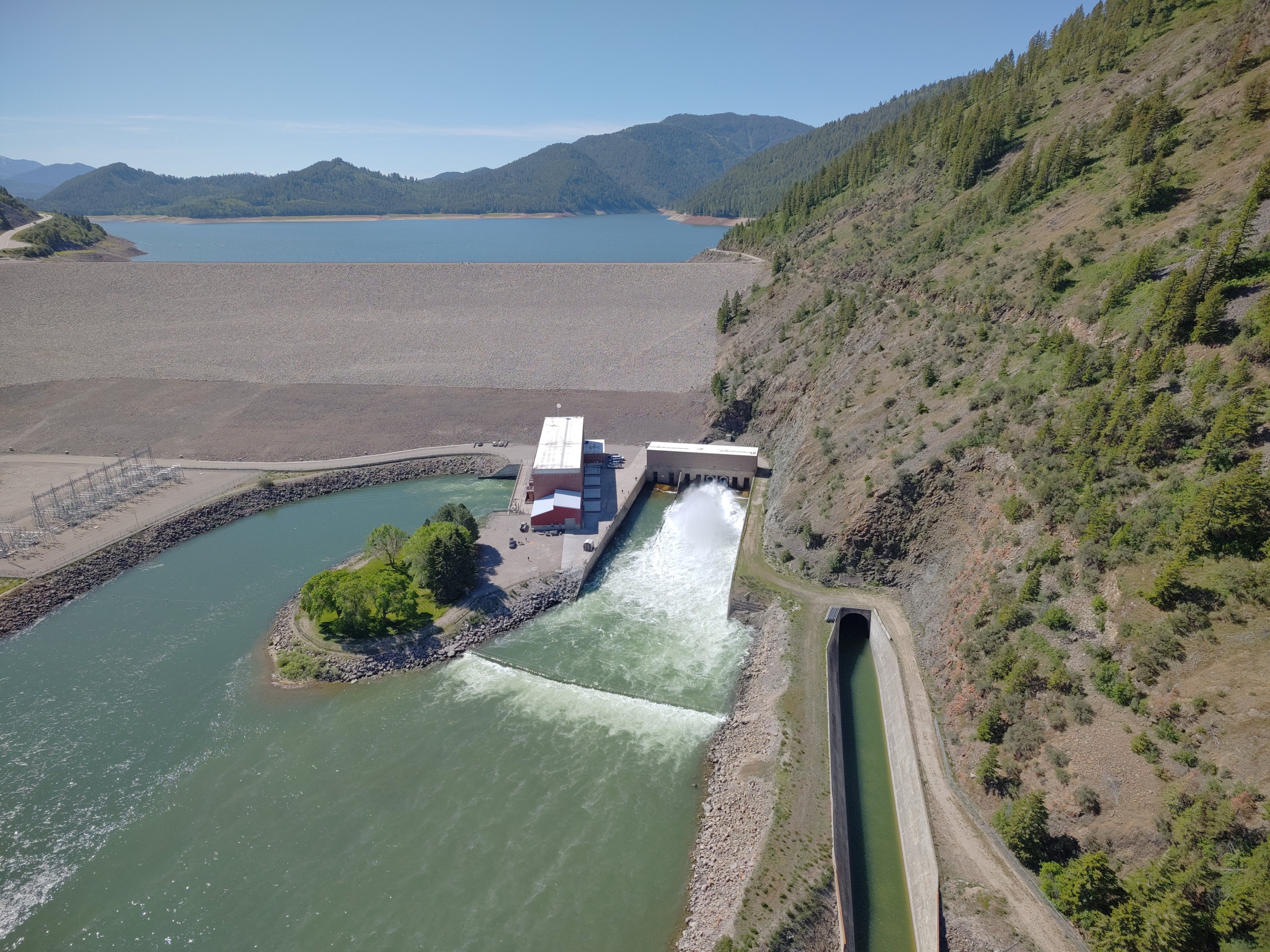
Palisades Reservoir and Dam on the Snake River in eastern Idaho, where aging hollow jet valves were replaced with modern Hilton Jet Flow Gates to enhance outlet works reliability and operational flexibility.
A Different Type of Water Management Challenge
Most large hydropower facilities are designed so that the majority of water passes through turbines, generating electricity while supporting downstream water deliveries.
However, every dam must also provide a way to release water independent of power generation. Outlet works systems serve this purpose, providing operators with flexibility during maintenance activities, emergency conditions, environmental releases, reservoir drawdowns, and flood operations.
Historically, these systems were often viewed as backup infrastructure. They might operate occasionally during special releases or maintenance events, but rarely as a facility’s primary water delivery method.
The Colorado River Basin has forced operators to reconsider that assumption.
At Glen Canyon Dam, Lake Powell levels have periodically approached elevations that raised concerns about maintaining long-term operational flexibility. The Bureau of Reclamation has spent considerable effort evaluating the performance and condition of the dam’s River Outlet Works, which consist of four 96-inch conduits equipped with 96-inch hollow jet valves. These outlets provide a combined discharge capacity of approximately 15,000 cubic feet per second and represent the lowest operational release structures at the dam.
If water levels were to fall below elevations that allow releases through the hydropower penstocks, these outlets could become the primary means of delivering Colorado River water downstream.
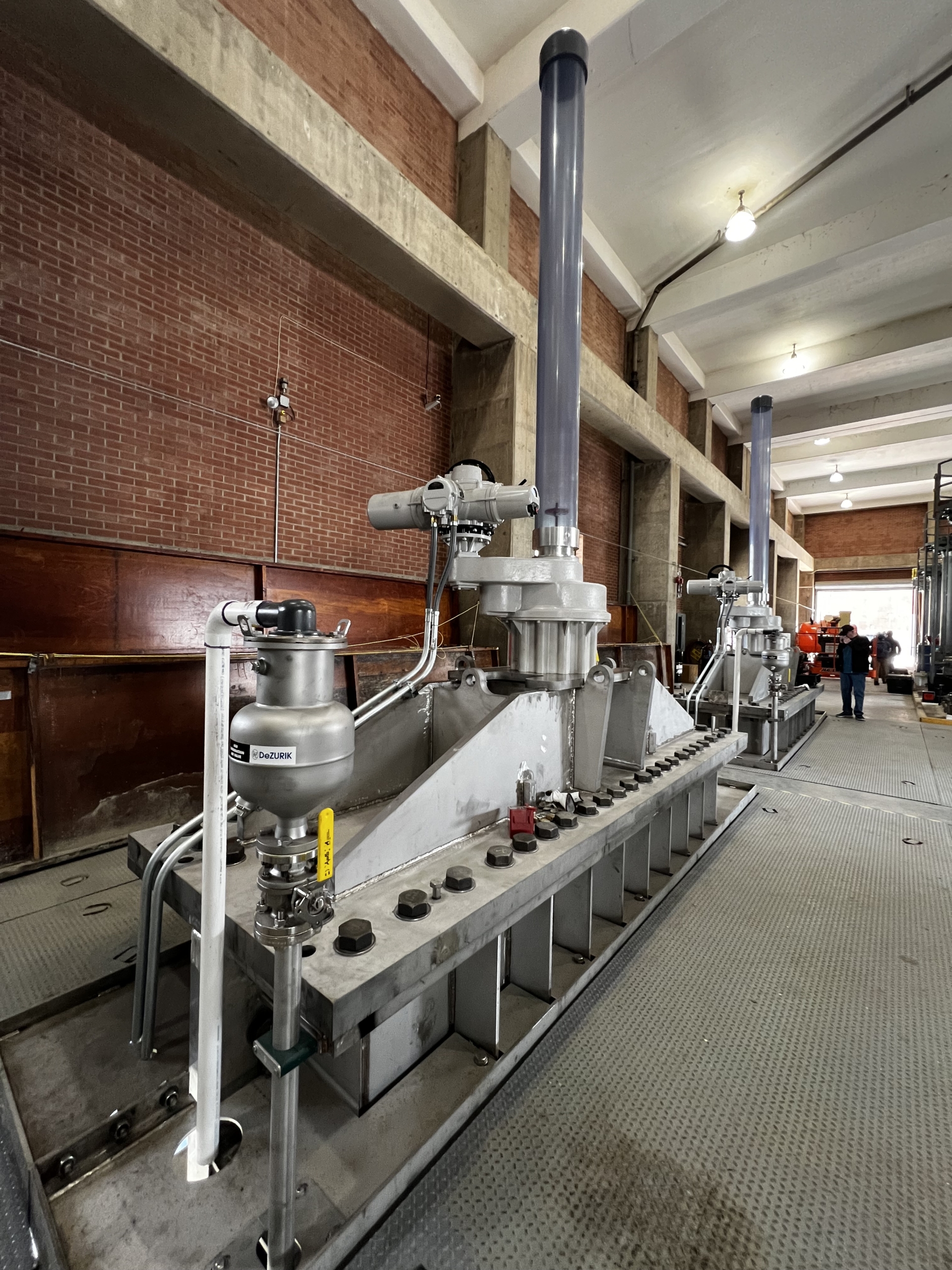
Motor-actuated Jet Flow Gates provide precise flow control and reliable operation for reservoir releases, maintenance activities, and emergency response situations.
Infrastructure Built for Occasional Use Faces New Expectations
The challenge is that many low-level outlet systems were never intended to operate continuously for months or years at a time.
In 2024, the Bureau of Reclamation issued operating guidance acknowledging concerns associated with prolonged operation of Glen Canyon Dam’s River Outlet Works under low reservoir conditions. The guidance cited uncertainty regarding long-term performance and the potential for cavitation-related damage under certain operating scenarios.
The concern is not unique to Glen Canyon.
Many dams throughout North America have outlet works components that are decades old. While these systems may remain fully functional, they were often designed around historical operating assumptions that no longer align with today’s hydrologic realities.
As operators evaluate long-term reservoir resiliency, questions increasingly arise regarding:
· Remaining service life
· Cavitation resistance
· Reliability during sustained operation
· Maintenance requirements
· Operational flexibility
· Capacity under future drought scenarios
The industry is discovering that infrastructure once viewed as secondary can quickly become mission critical.
Why Low-Level Outlets Matter
When reservoir levels decline, operational options become increasingly limited.
Spillways require high reservoir elevations and are typically unavailable during drought conditions. Turbine releases eventually become constrained as water levels approach minimum power pool elevations. At that point, low-level outlet structures may become the only available mechanism for passing water downstream.
For facilities that support municipal water supplies, interstate water delivery obligations, environmental flows, irrigation systems, and hydropower generation, maintaining this capability is essential.
The role of low-level outlet valves extends beyond emergency operation.
These systems support:
· Reservoir drawdown operations
· Environmental flow releases
· Downstream temperature management
· Maintenance outages
· Dam safety programs
· Water delivery during low-reservoir conditions
In short, they provide operational flexibility when flexibility is most needed.
The Evolution of Outlet Valve Technology
As operating challenges have evolved, so has outlet works technology.
Many legacy installations relied on hollow jet valves because they provided an effective method for dissipating energy during high-head releases. Numerous hollow jet valves installed throughout the western United States have delivered decades of reliable service.
However, reservoir owners evaluating modernization projects today often seek additional operational flexibility, improved reliability, and reduced maintenance requirements.
One technology that has gained widespread acceptance in demanding outlet works applications is the jet flow gate (JFG).
Unlike conventional outlet valve configurations that rely on moving flow-control elements directly within the high-velocity water stream, jet flow gates are designed specifically for high-energy releases. Their design allows operators to accurately regulate flow while dissipating energy outside the gate structure.
This approach can help minimize cavitation concerns, simplify maintenance, and improve long-term reliability in severe service applications.
Lessons from Palisades Dam
Recent modernization projects demonstrate how owners are addressing these challenges proactively.
At Idaho’s Palisades Dam, aging 96-inch hollow jet valves were replaced with Hilton Jet Flow Gates, providing a modernized outlet works solution designed to support long-term operation under demanding hydraulic conditions.
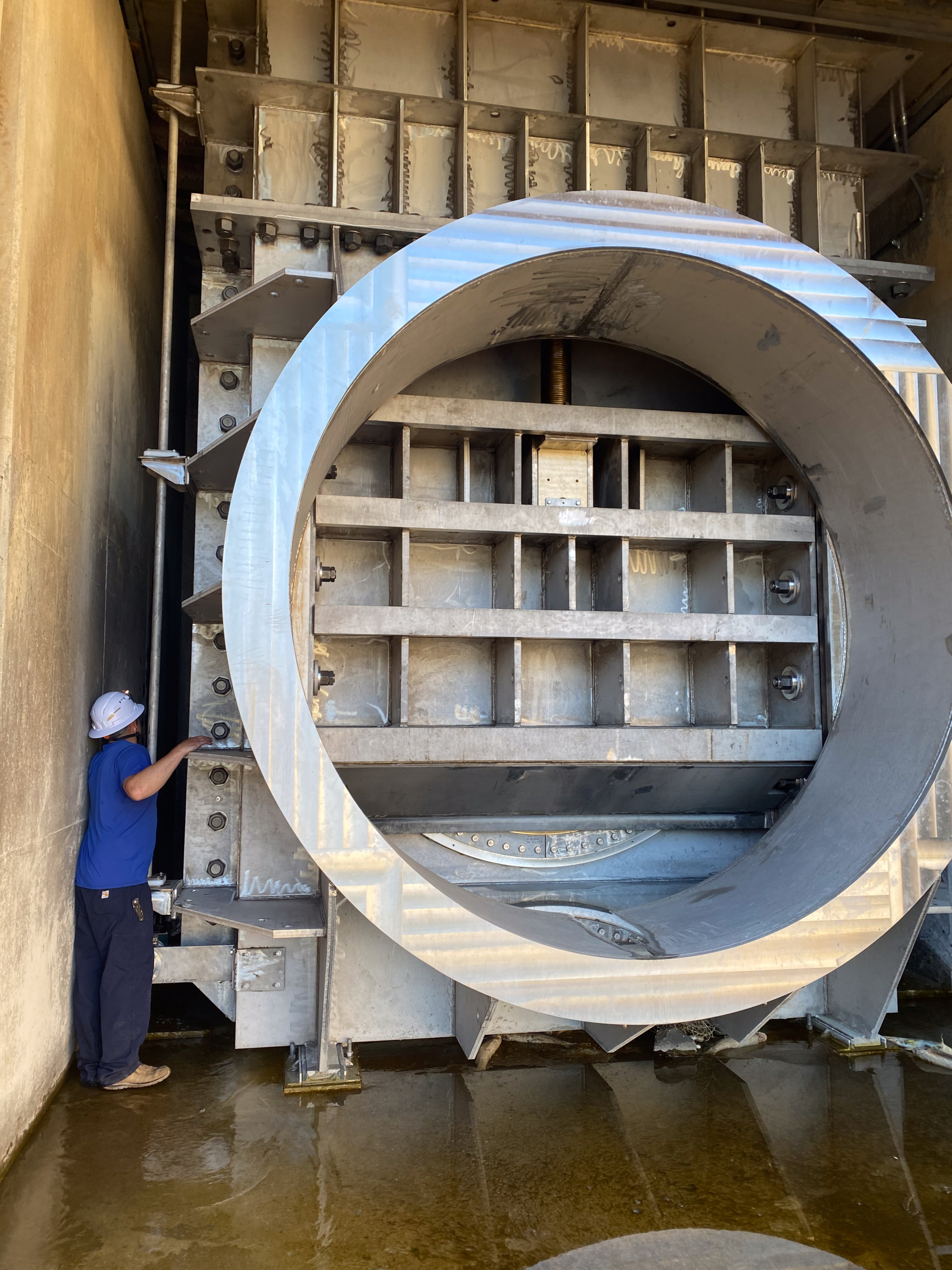
A Hilton Jet Flow Gate at Palisades Dam undergoes final inspection and preparation prior to commissioning and performance testing.
While every facility faces unique operating requirements, projects such as Palisades illustrate an important industry trend. Owners are no longer evaluating outlet works solely based on historical operating practices. They are increasingly asking how their infrastructure will perform under future conditions that may differ significantly from those envisioned when the facilities were originally constructed.
That shift is driving renewed attention to outlet valves, low-level release structures, and drought resilience planning.
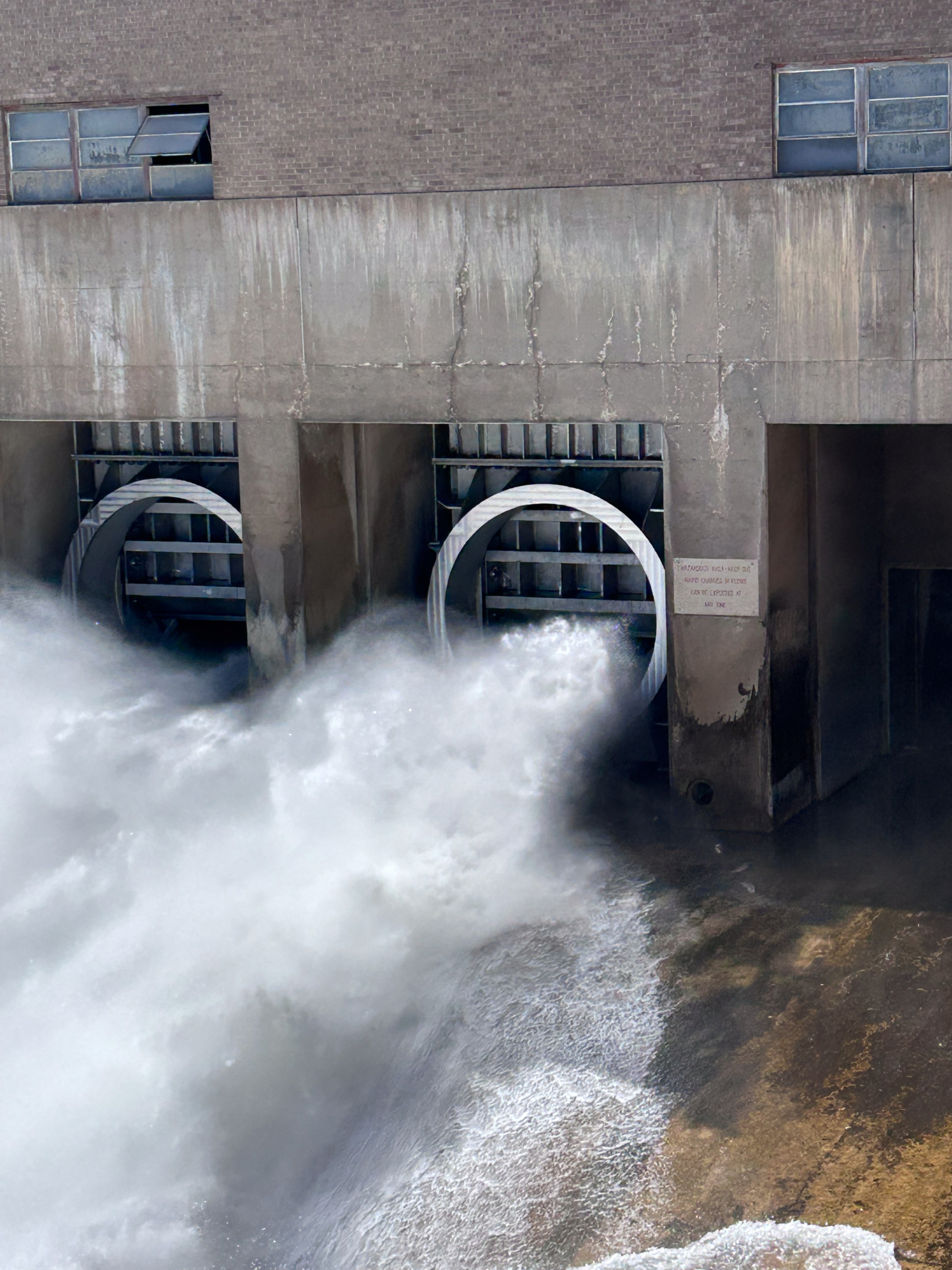
At 30% open, the Jet Flow Gates accurately regulate releases while safely dissipating the tremendous energy of high-pressure water flows.
Planning for the Next Fifty Years
The challenges facing reservoirs in the Mountain West may be extreme, but they provide valuable lessons for hydropower owners everywhere.
Changing hydrology, aging infrastructure, and evolving operational requirements are forcing the industry to take a fresh look at assets that have often remained out of sight and out of mind.
Low-level outlet valves may only operate occasionally, but when they are needed, they become among the most important components in the entire facility. They provide the ability to continue delivering water, maintain operational flexibility, and support critical dam safety objectives when other release options become limited.
As reservoir operators prepare for an increasingly uncertain future, ensuring the reliability of outlet works systems is no longer simply a maintenance consideration. It is an essential part of long-term water management strategy.
The drought challenges facing the Colorado River Basin have made one thing clear: when reservoirs reach historic lows, the value of dependable low-level outlet infrastructure rises to the surface.