
 Back to All
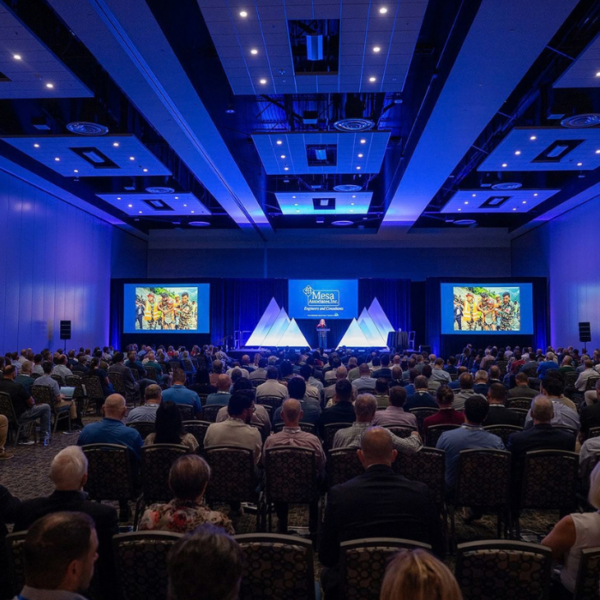
At National Hydropower Association’s (NHA) Water Power Week, hydro project owners and water power developers, service and product suppliers, Congressional policymakers, government agency officials, non-government organizations (NGOs), and other stakeholders descended on Washington D.C. for intensive sessions covering many aspects of water power.
NHA, owner and organizer of the national policy conference, offers these observations and trends emerging from last week’s gathering.
The top takeaways from Water Power Week are:
Agency Presence at Water Power Week
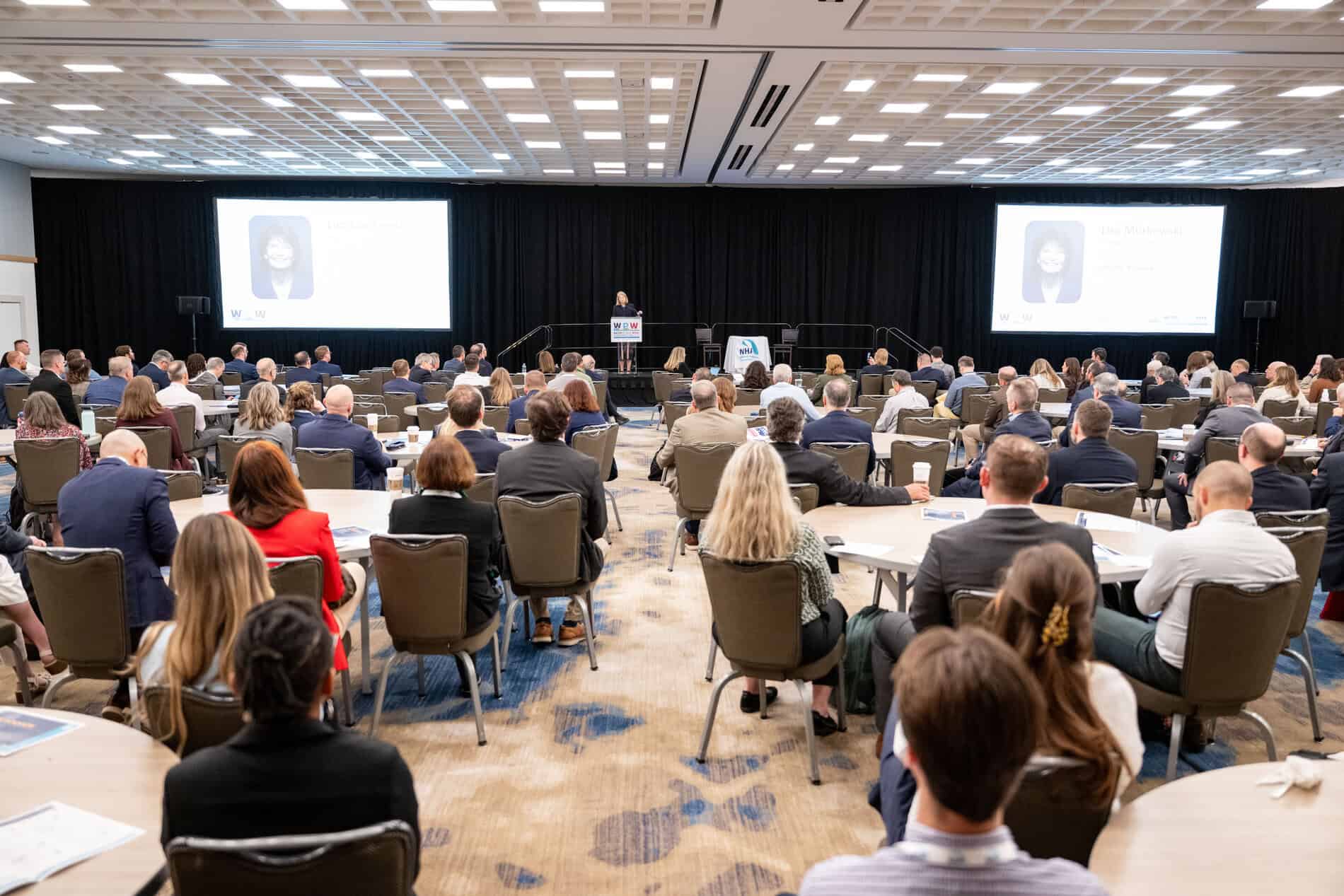
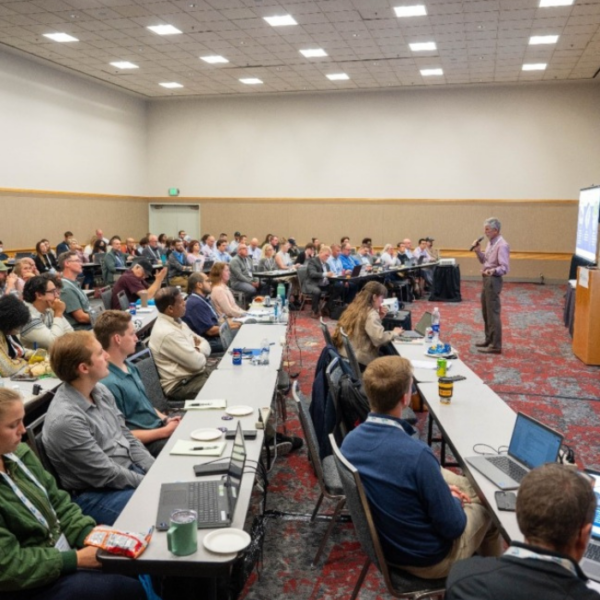
Attendees at Water Power Week listen-in during remarks by Senator Lisa Murkowski (Photo Credit – Chris Ferenzi)
ADVOCACY IMPACTS
The design of Water Power Week is such that the event coincides with the legislative calendar, ensuring attendees can engage in fruitful meetings with lawmakers while also hearing from D.C. agenda setters.
With much attention paid to ensuring the best possible experience for attendees, the momentum of beneficial water power policy occurring in the periphery reflects the unrelenting work of the industry to raise its collective voice above the noise, calling attention to the nation’s vital hydropower assets and the near limitless potential of water power technologies.
During this year’s Advocacy Day, NHA mobilized 142 attendees, connecting them with 188 congressional offices, including nine meetings with Senators, as part of sharing water power’s unique value statement and story. Advocates helped advance key water power priorities to aid the industry in meeting the nation’s growing energy demand, including top policy goals for the current Congress:
- Streamline and modernize the FERC hydropower licensing process
- Invest in the existing hydropower fleet
- Support marine energy research, development, and deployment
These priorities have taken the shape of actionable legislation currently moving through both Congress and the Senate:
- The Build More Hydro Act, which seeks to extend project construction deadlines.
- The Hydropower Licensing Transparency Act, which aims to make public the delays in the relicensing process.
- The FLOWS Act, which would amend the Federal Power Act as it relates to hydropower.
- The Maintaining and Enhancing Hydroelectricity and River Restoration Act, which would provide for an investment tax credit for improvements and safety projects at hydropower facilities, as well as continued federal funding and tax support for investments in the existing fleet.
Following Water Power Week, hydropower champions like Senator Lisa Murkowski (R-AK), who spoke during Water Power Week’s Wednesday plenary session, discussed the FLOWS Act during a hearing of Senate Committee on Energy and Natural Resources. In her comments, Senator Murkowski detailed how this commonsense bill – aimed at streamlining hydropower relicensing and sponsored by Senator Angus King (I-ME) – also supports marine energy technologies, citing ORPC’s work in Alaska helping provide energy to remote communities dependent on diesel.
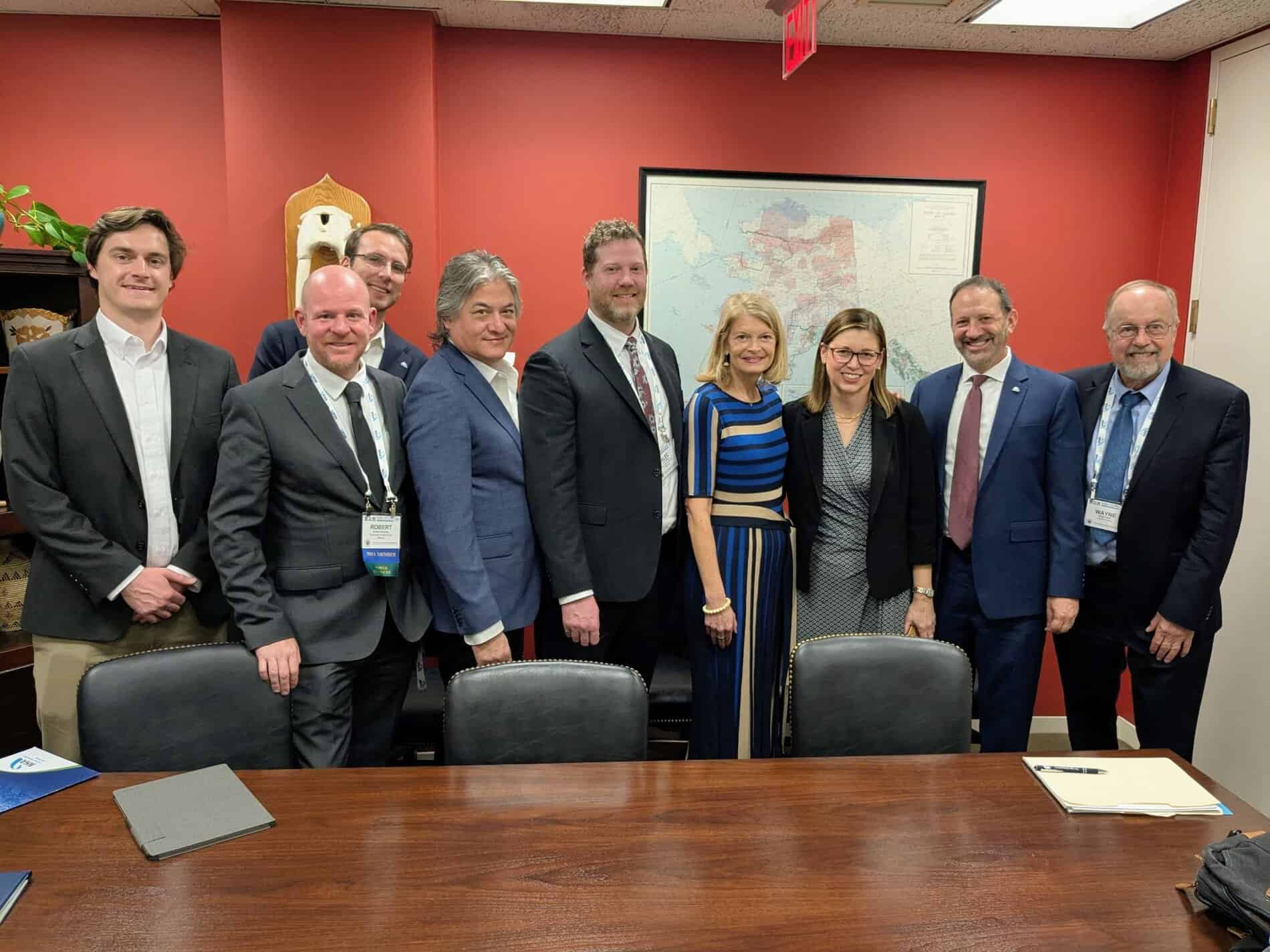
Water power advocates pose for a photo with Senator Lisa Murkowski (Photo Credit – NHA)
In a further demonstration of the actionable impacts of advocacy, Senator Steve Daines (R-MT) addressed colleagues in a recent Senate Energy and Natural Resources Committee hearing about moving his four bills forward, including the Hydropower Licensing Transparency Act. This bipartisan legislation, which has been sponsored by Senator Cortez Masto (D-NV), has a companion bill, H.R.3657, that already passed the House floor by voice vote. During the hearing, Daines encouraged the committee and the Senate to pass the Senate version by unanimous consent to “get it on the president’s desk.”
To assist the industry in amplifying support of beneficial water power legislation, NHA’s VoterVoice tool is a powerful asset designed to connect constituents with policymakers, directing their attention to the industry’s most important, current bills.
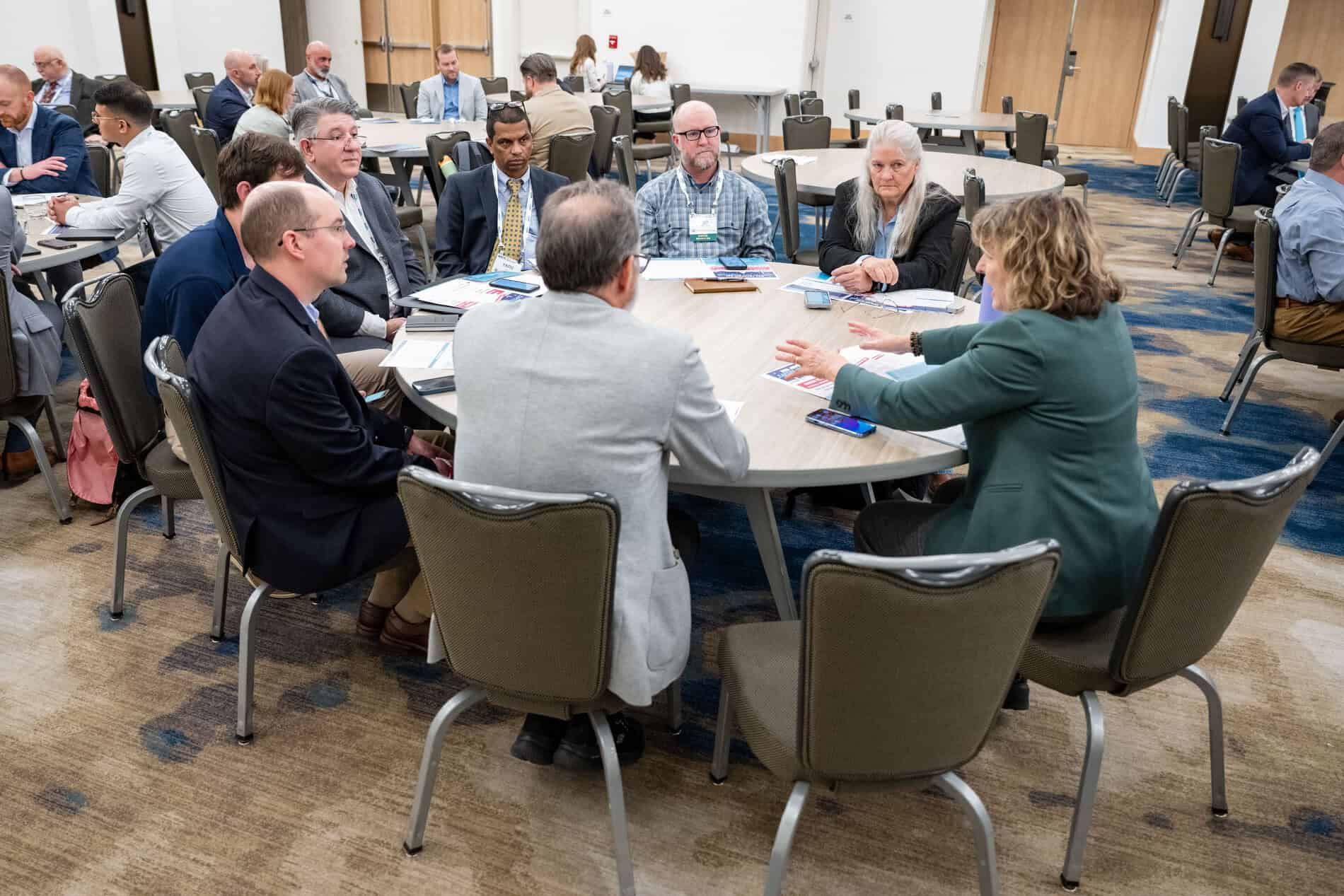
Water power advocates hone their pitches in preparation for Advocacy Day (Photo Credit – Chris Ferenzi)
AGENCY PRESENCE AT WATER POWER WEEK
Federal Energy Regulatory Commission
Water Power Week’s home in Washington D.C. is not a coincidence. Centrally located in the nation’s capital, the event draws attendees and speakers from the Department of Energy (DOE), the Federal Energy Regulatory Commission (FERC), and many other agencies. By creating opportunities for federal stakeholders and the water power industry to connect and learn from one another, NHA helps turn conversation into actionable policy.
At this year’s Water Power Week, the Chair of FERC, Laura Swett, addressed attendees during the Thursday plenary, where she described hydropower as “…a dependable work horse,” touting water power as critical to the United States’ economic success.
Chair Swett’s comments come at the heels of a unanimous FERC vote in mid-February to streamline the National Environmental Policy Act (NEPA) review for water power actions that have minimal or no impacts to the environment, providing greater efficiency and certainty to regulated industries.
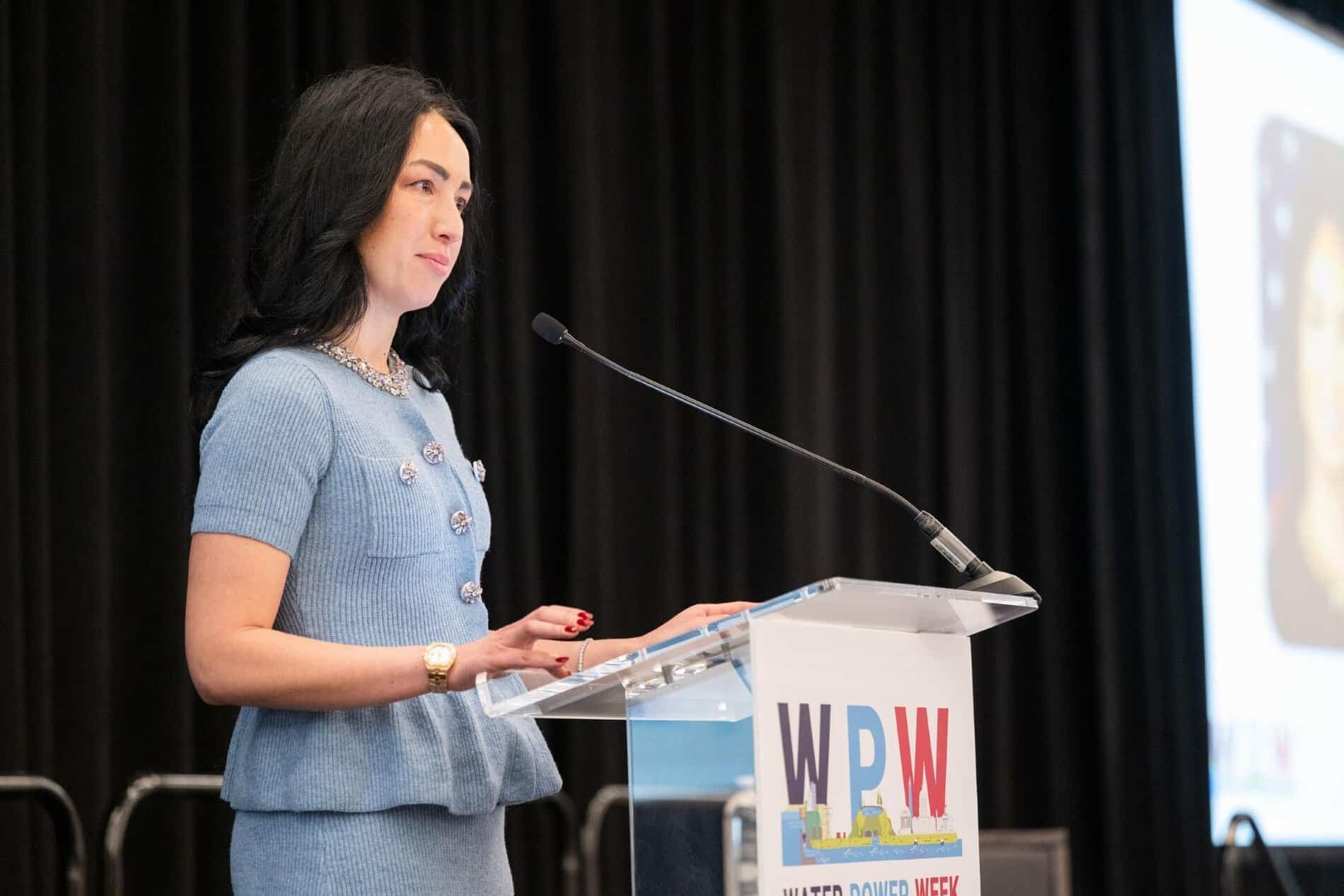
FERC Chair Swett addresses attendees during her plenary remarks at Water Power Week (Photo Credit – Chris Ferenzi)
In the first of two orders, FERC is proposing fast-track approval for certain hydropower license terminations or revocations that have little to no ground disturbing activities and minor/no alterations to reservoir conditions and downstream flows, allowing staff to handle these cases more quickly and focus on projects that require closer environmental review.
For U.S. water power organizations, this means shorter timelines for routine actions, reduced compliance costs, and clearer pathways for maintaining and modernizing existing infrastructure, which will help strengthen reliability, investment confidence, and domestic energy security.
The robust presence of FERC at Water Power Week demonstrates an increasing recognition of water power’s reliability and baseload benefits when it comes to meeting the ‘energy demand’ moment, with the Energy Information Administration (EIA) projecting 1% electricity growth in 2026 and 3% in 2027 – the first time since 2007 that power demand has risen for four years in a row.
Department of Energy
The Department of Energy recently completed a restructuring to better support President Trump’s “Energy Dominance Agenda” at the end of 2025. As part of this action, the Office of Energy Efficiency and Renewable Energy (EERE) was retitled the Office of Critical Minerals and Energy Innovation (OCMEI), which now houses the Hydropower and Hydrokinetic Office (H20) – formerly the Water Power Technologies Office (WPTO).
OCMEI’s leadership made their presence known at Water Power Week, including a top-level visit with NHA’s Board of Directors from Audrey Robertson, Assistant Secretary of Energy and head of OCMEI. Additionally, Principal Deputy Assistant Secretary for OCMEI Michael Helmer joined NHA’s CEO and President Malcolm Woolf for a dialogue at the Thursday plenary session.
During the discussion, Helmer and Woolf covered how OCMEI is working to reach the Administration’s goals for hydropower energy innovation, including:
- Showcasing hydro’s potential
- Pursuing projects that leverage conduits
- Adding power generation capacity to non-powered dams
- Growing hydropower capacity through upgrades to existing facilities
While at Water Power Week, OCMEI directly engaged with the marine energy industry to assess near‑term technology readiness and market alignment. H2O staff participated in the Marine Energy Summit’s “RD&D Lightning Update” session, where eight industry leaders outlined how marine energy is responding to U.S. energy needs by:
- Advancing solutions for national defense and security
- Aiding offshore oil and gas operations
- Exploring emerging opportunities in ocean‑based critical mineral extraction over the next one to three years
NHA’s Marine Energy Council convened a 90‑minute dialogue with the H2O to share program updates and industry input on near‑term priorities and signals, ensuring federal investments remain closely informed by real‑world deployment pathways and mission‑driven demand.
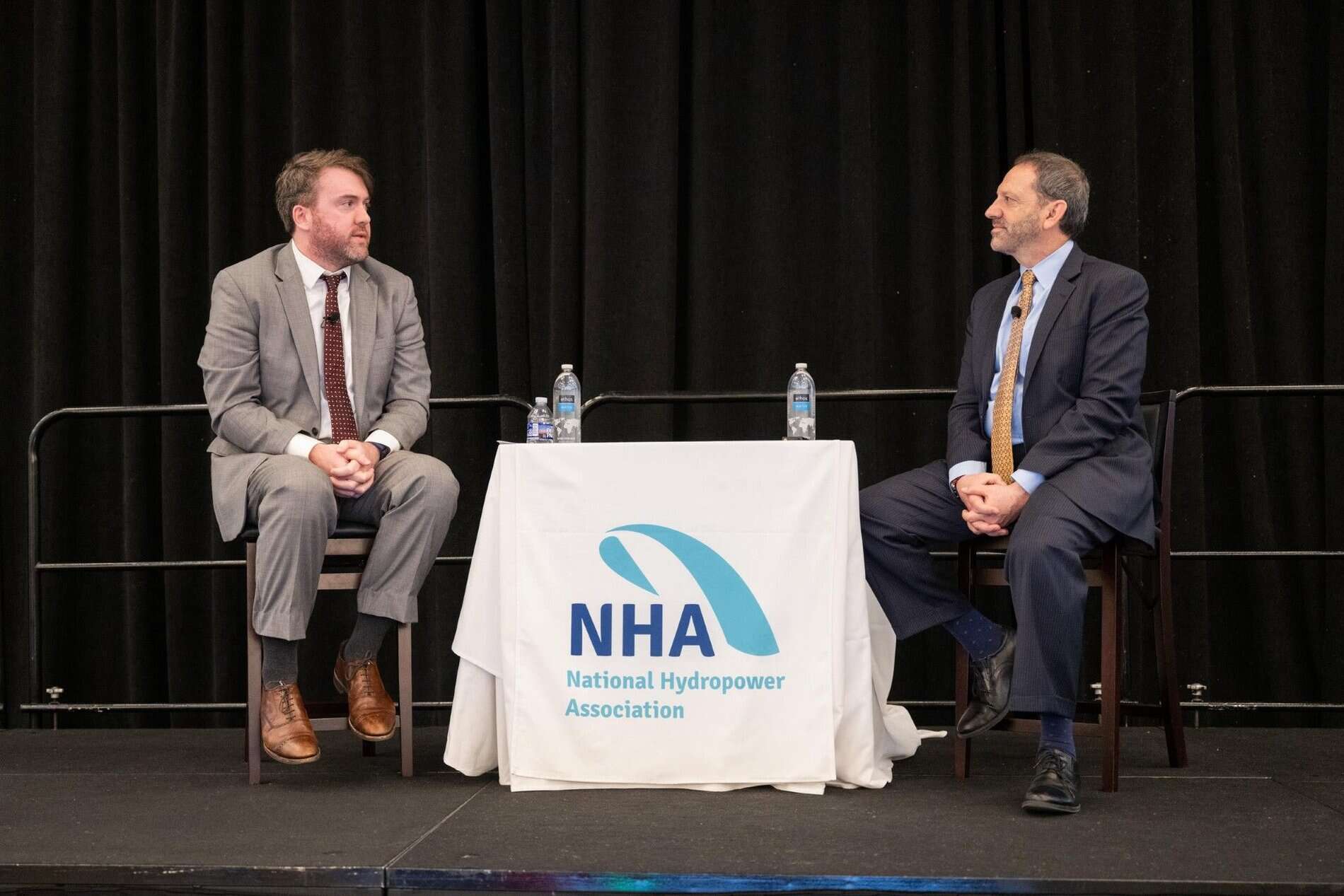
(Left to right) Deputy Assistant Secretary for OCMEI Michael Helmer and NHA’s President and CEO Malcolm Woolf dialogue during Water Power Week plenary (Photo credit – Chris Ferenzi)
USACE RALLIES AROUND HYDRO
Three weeks prior to Water Power Week 2026, the United States Army Corps of Engineers (USACE) announced a new policy memorandum: “Development and Investment of Hydropower through Non-Federal Investment at Corps Facilities.”
The directive signaled a meaningful step towards unlocking additional hydropower capacity at existing federal infrastructure by prioritizing private-sector participation and modernization opportunities.
An NHA priority, and the focal point of both sustained industry advocacy and prior Water Power Week sessions, the memorandum touched on several key areas, including:
- Cataloging hydropower opportunities at Corps’ facilities to identify where upgrades or new non-federal investments could expand generation.
- Updating analytical methodologies used to evaluate potential hydropower development by private entities.
- Reviewing laws and agency policies that may create barriers to entry for non-federal investors while identifying potential policy changes to streamline participation.
For the broader U.S. hydropower industry, this effort matters, as there are significant untapped opportunities at existing federal dams, and enabling responsible, non-federal investment can accelerate upgrades, add new generation, and strengthen the nation’s reliable water power fleet.
NHA has long advocated for clearer pathways for private development at federal facilities, and this memorandum reflects the kind of progress that calculated engagement with federal partners can deliver.
Speaking to this effect at Water Power Week, Ryan A. Fisher, Acting Director of Civil Works at USACE, broke down another recent Corps’ memorandum “Building Infrastructure, Not Paperwork,” during the Thursday plenary session. During his comments, Fisher emphasized the urgency to overhaul the regulatory process (the Clean Water Act and Section 408), ensuring that reforms could be put into action quickly.
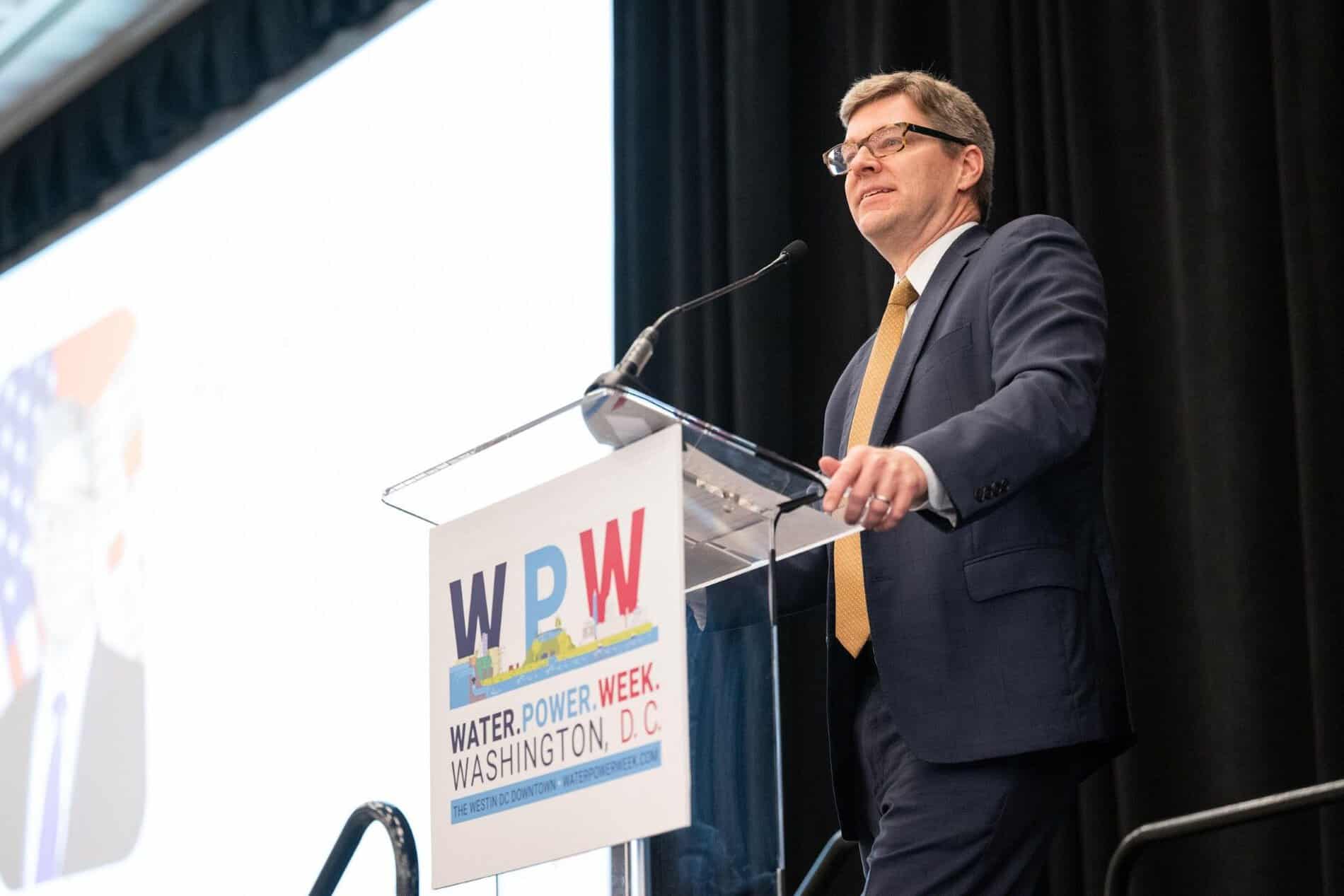
Ryan A. Fisher, Acting Director of Civil Works at USACE, addresses Water Power Week attendees (Photo Credit – Chris Ferenzi)
Delving deeper into the behind-the-scenes work at the Corps, the discussion turned towards the renewed focus on efficiency, hydro preventative maintenance, and an overhaul of how the Corps conducts internal business practices; additionally, Fisher detailed the critical need to direct funds to areas where they matter most.
By following this new roadmap, Fisher connected the Corps’ reprioritization to President Trump’s 2025 Executive Order “Unleashing American Energy,” which encouraged a greater embrace of the nation’s vast energy resources to ensure affordable electricity for Americans while strengthening domestic manufacturing and national security.
MORE INFORMATION
Check out the complete photo gallery from Water Power Week 2026!