
 Back to All
The Bipartisan American Affordability and Jobs Act of 2026 (BAAJA) could deliver the most significant hydropower permitting and licensing reforms in years. The bipartisan package responds to growing concerns about electricity costs, lengthy reviews, unpredictable licensing requirements, and litigation risk, all of which make it more difficult to maintain existing hydropower assets and develop new generation and storage.
For the hydropower industry, the bill represents both a major policy opportunity and the result of years of sustained advocacy by NHA and its members. If its core provisions remain intact, BAAJA would make the permitting system more efficient and predictable for the hydropower industry while preserving important environmental safeguards.
With passage not guaranteed, industry voices will be essential to keeping these reforms in the bill, so contact your lawmakers today.

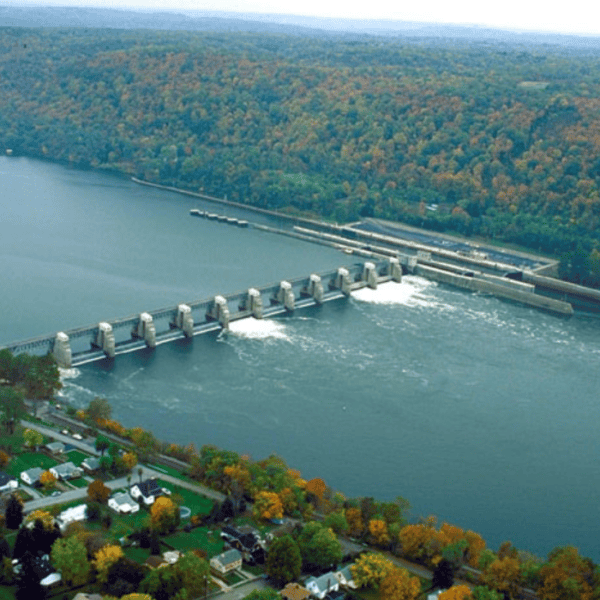
Seattle City Light’s Skagit River Hydroelectric Project in Washington. (Photo Credit – Seattle City Light)
MEANINGFUL REFORMS FOR HYDROPOWER
Among the bill’s most important provisions is a requirement that mandatory conditions under the Federal Power Act Sec. 4(e) be reasonably related to a project’s actual effects. This would bring greater fairness and predictability to licensing by creating a clearer connection between a facility’s impacts and the measures project owners are required to fund.
BAAJA would also streamline approvals for routine maintenance, repairs, replacements, non-substantial alterations, and emergency adjustments. Allowing this work to proceed without automatically triggering environmental review processes designed for major license amendments would help owners invest more efficiently in reliability, safety, and long-term asset performance.
BAAJA would also create a new pathway for marine energy, creating a new licensing pathway for devices less than 5 MW, which fit the definition of marine and hydrokinetic technologies.
The legislation also includes the Federal Energy Regulatory Commission (FERC) Market Barriers study that would require a FERC report accurately explaining the value that hydropower provides to the grid with support services like long duration energy storage, frequency response, and black start capabilities.
The package would further improve Clean Water Act reviews by tying Section 401 certifications more closely to applicable water-quality requirements, requiring clearer explanations for denials and conditions, and encouraging the least burdensome conditions needed to satisfy the law. These reforms will significantly reign in states that have been using Sec. 401 to issue conditions that have nothing to do with water quality.
Reforms to the National Historic Preservation Act would also drastically reduce the length of Section 106 consultations to 60 days.
Under the Endangered Species Act, the BAAJA would create a new pathway for project applicants to elect to consult with their state agencies under Section 7, which could drastically reduce the time required for Section 7 due to state agency expertise with their local species. The BAAJA also defines best available science or commercial data, which should help project applicants work from a standard set of facts during the consultation process.
NEPA reforms would generally establish one-year timelines for environmental assessments and two-year timelines for environmental impact statements.
The BAAJA also supports federal hydropower by increasing executive pay for the Federal Power Marketing Administrations, including the Bonneville Power Administration.
The bill also includes support for FERC staffing, allowing the Commission to more easily hire engineers, lawyers, economists, and scientists who work on hydropower licensing.
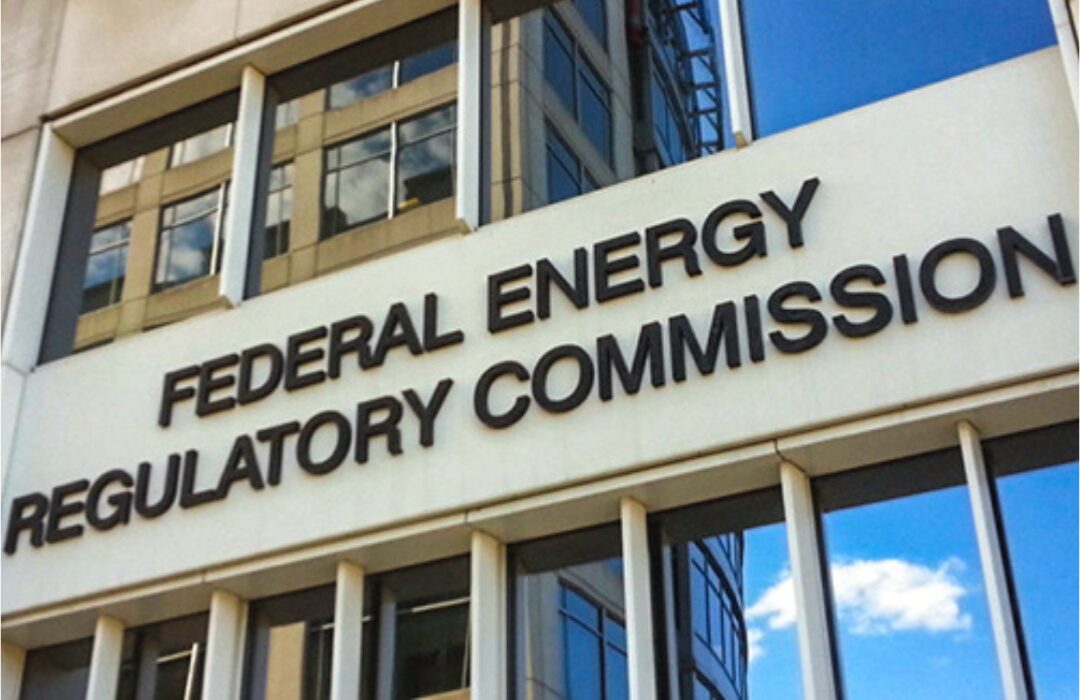
The outside of the Federal Energy Regulatory Commission’s Washington D.C. HQ. (Photo Credit – FERC / Wikimedia)
IMPORTANT DETAILS STILL NEED WORK
While the overall package is an important step forward, several provisions will require continued attention as the bill advances. Senators Heinrich (D-NM) and Whitehouse (D-RI) have communicated that they would like to see continued progress on permitting certainty and that the White House needs to keep its end of the deal and stand down their attacks on wind and solar.
The legislation has also received backlash from some, but not all, environmental non-goverment organizations over some of the changes to the Clean Water Act and Endangered Species Act. As of the time of writing of this article, Tribal organizations have also weighed in on their opposition to the reforms to the National Historic Preservation Act.
Finally, some, but not all, investor-owned utilities have come out in favor of the legislation, while House Energy and Commerce Committee Chairman Brett Guthrie (R-KY) has communicated that he would like to see changes to the transmission language. At least one key House member, Jarred Huffman the ranking member of the House Natural Resources Committee, has come out against the BAAJA.
BIPARTISAN MOMENTUM, BUT MORE WORK AHEAD
BAAJA reflects years of bipartisan engagement by NHA, its members, and a broad coalition of stakeholders. The September agreement among Senate committee leaders gives hydropower priorities meaningful momentum, but passage is not guaranteed. As negotiations continue, industry voices will be essential to keeping these reforms in the bill.
Hydropower companies, employees, suppliers, developers, and community partners should contact lawmakers, respond to NHA advocacy alerts, and explain how permitting delays and unnecessary costs affect customers, jobs, reliability, and investment.
The industry succeeded in securing major priorities in BAAJA. Now it must make dam sure they remain in the bill and that Congress finishes the job.
To make your voice heard, take five minutes, visit NHA’s voter voice page and send emails to your representatives supporting the legislation; you can do that HERE.