
 Back to All
The National Hydropower Association (NHA) has seen significant progress on several of its top legislative and regulatory priorities in recent weeks, as congressional champions, federal agencies, and industry advocates continue working to modernize the policies that govern hydropower licensing and permitting.
From the Senate introduction of legislation addressing unreasonable licensing costs to bipartisan efforts aimed at improving the U.S. Army Corps of Engineers’ Section 408 review process, the past two weeks underscored a growing recognition on Capitol Hill that in order to preserve and expand America’s hydropower fleet, the industry will require a more efficient, consistent, and appropriately scoped regulatory framework.
As you read through the following actions, we strongly encourage your company or organization to add its name to the Letters of Support.
The deadline to sign each of these letters is August 28, 2026, and your voice makes all the difference.
Use the below links to quickly navigate through the sections:
- Senate Companion Introduced for the Hydropower Licensing Affordability Act
- Bipartisan Section 408 Reform Legislation Gains Traction
- FERC Oversight Hearing Reinforces Need for Licensing Reform
- Building Support for Administration Actions
- Looking Ahead: Four Months to Turn Momentum into Industry Wins
- Take Action and Support Beneficial Industry Legislation
- How to Help
SENATE COMPANION INTRODUCED FOR THE HYDROPOWER LICENSING AFFORDABILITY ACT
On July 21st, Senators Steve Daines (R-MT), Jim Risch (R-ID), and Lisa Murkowski (R-AK) introduced the Senate companion to the Hydropower Licensing Affordability Act (S.5048), a major step forward for one of the hydropower industry’s highest priorities.
The bill was originally introduced in the House by Representative Cliff Bentz (R-OR) as H.R. 9337, preceding the Senate Energy and Natural Resources Committee’s oversight hearing of the Federal Energy Regulatory Commission (FERC) on July 22nd.
The legislation is designed to ensure that mandatory conditions imposed under Sections 4(e) and 18 of the Federal Power Act are directly connected to the impacts of a specific hydropower project. For project owners and operators, this distinction is critical because conditions that are not tied to project effects can add substantial cost, delay, and uncertainty to licensing and relicensing proceedings, which makes it more difficult to preserve existing generation and invest in future improvements.
Read the letter HERE.
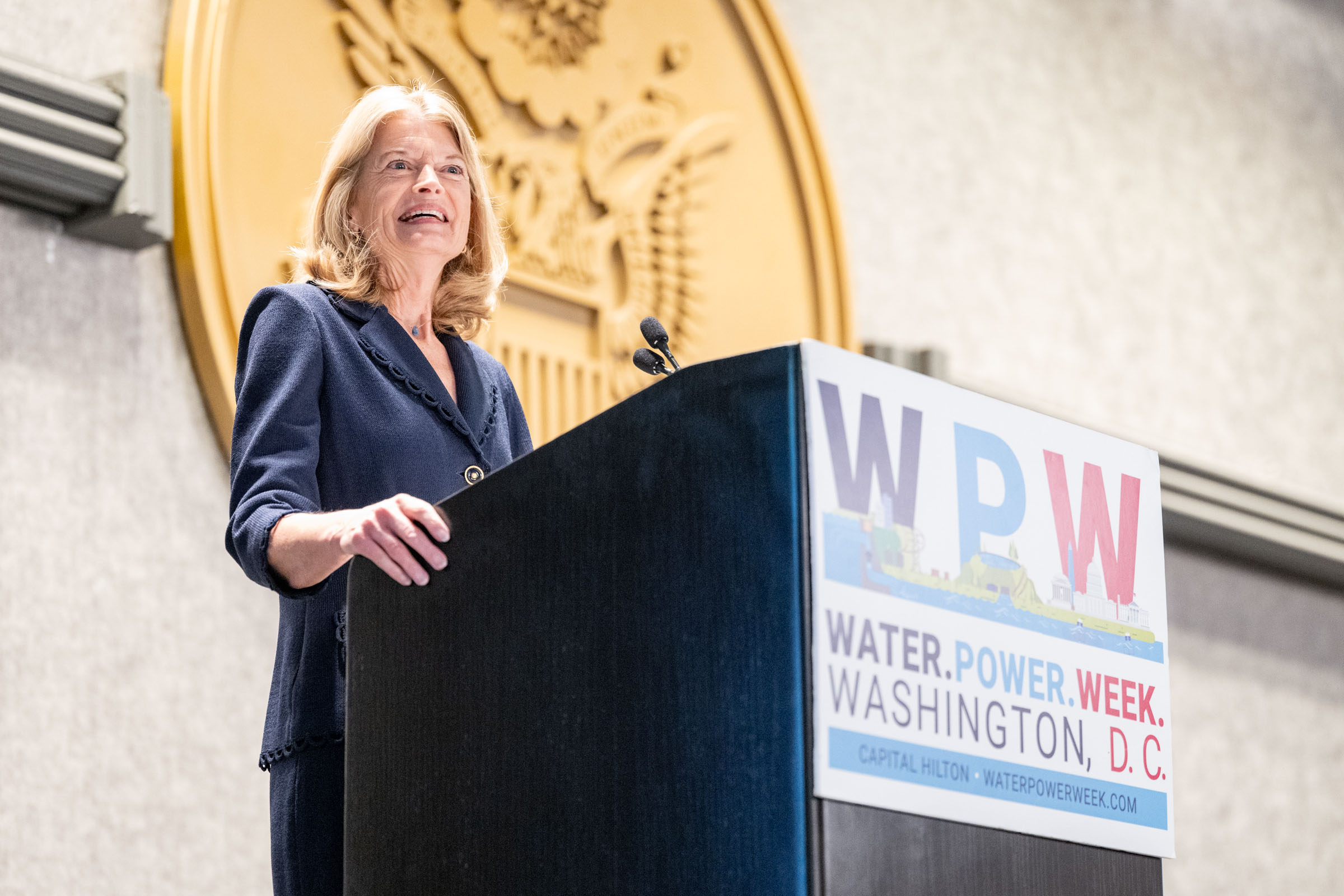
Senator Lisa Murkowski (R-AK) speaks at NHA’s Water Power Week in Washington D.C. (Photo Credit – NHA)
BIPARTISAN SECTION 408 REFORM LEGISLATION GAINS TRACTION
NHA continues to build momentum behind efforts to reform the Section 408 review process for hydropower projects located at U.S. Army Corps of Engineers (Corps) facilities. Section 408 approvals are required when proposed work may alter a Corps’ civil works project, and hydropower developers have long emphasized the need for more predictable and consistent review procedures across Corps districts.
On July 15, Senators Steve Daines (R-MT) and Maggie Hassan (D-NH), along with Representatives Maggie Goodlander (D-NH) and Carol Miller (R-WV), introduced bipartisan legislation to standardize Section 408 review procedures and create greater consistency for applicants seeking to develop or maintain hydropower at Corps-owned infrastructure.
By establishing clearer application requirements and review timelines, the legislation would help reduce uncertainty for hydropower applicants while maintaining the Corps’ important role in protecting federal infrastructure.
The bill’s bipartisan introduction reflects the increasing importance of hydropower as a reliable, domestic, and dispatchable energy resource at a time of rising electricity demand.
Read the letter HERE.
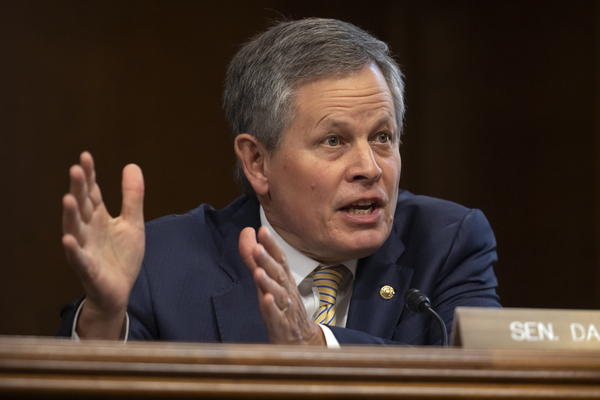
Senator Daines (R-MT) responds during a Senate Energy and Natural Resources hearing. (Photo Credit – U.S. Senate)
FERC OVERSIGHT HEARING REINFORCES NEED FOR LICENSING REFORM
Hydropower licensing and permitting challenges were part of the discussion during the Senate Energy and Natural Resources Committee’s July 22 oversight hearing of the FERC. The hearing provided an important opportunity for lawmakers to examine how FERC and other federal agencies can better support timely, durable licensing outcomes.
In advance of the hearing, NHA worked with industry allies to elevate key messages around licensing reform, mandatory conditioning authority, and the need to ensure that federal reviews remain focused on project-specific effects. That engagement helped reinforce the connection between permitting reform and the long-term reliability of the nation’s hydropower resources.
Watch the hearing HERE.
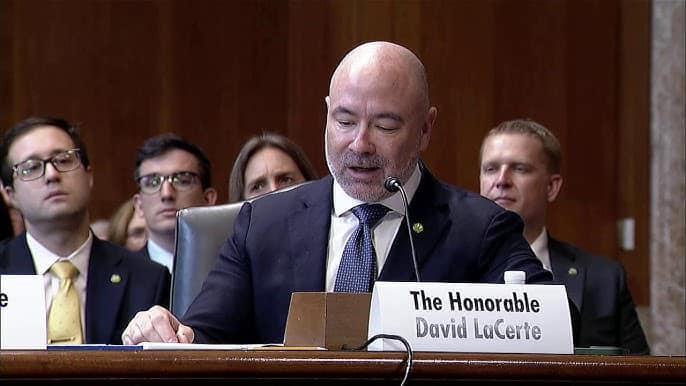
FERC Commissioner David LaCerte responds during the July 2026 FERC hearing. (Photo credit – CSPAN)
BUILDING SUPPORT FOR ADMINISTRATION ACTIONS
Finally, NHA worked with our allies and champions on the Hill to aggregate support for a letter led by Senator Steve Daines; the letter called on federal agencies to initiate rule makings that address mandatory conditioning practices in the hydropower licensing process.
Throughout July, NHA conducted extensive outreach to Senate offices across the country to build support for the letter prior to the FERC oversight hearing. NHA staff emphasized that federal agencies with mandatory conditioning authority should begin rulemakings to limit mandatory conditions to those directly related to project effects while avoiding costly requirements extending beyond hydropower project impacts.
The letter was addressed to Interior Secretary Doug Burgum, Agriculture Secretary Brooke Rollins, Commerce Secretary Howard Lutnick, and FERC Chair Laura Swett, and it urges agencies to take administrative actions that would improve hydropower licensing outcomes while Congress continues broader permitting reform efforts.
As outreach progressed, NHA helped secure support from numerous senators representing major hydropower-producing states, reinforcing growing bipartisan recognition that relicensing reform is essential to maintaining the nation’s existing hydropower fleet and supporting future investment.
Read the full letter HERE.
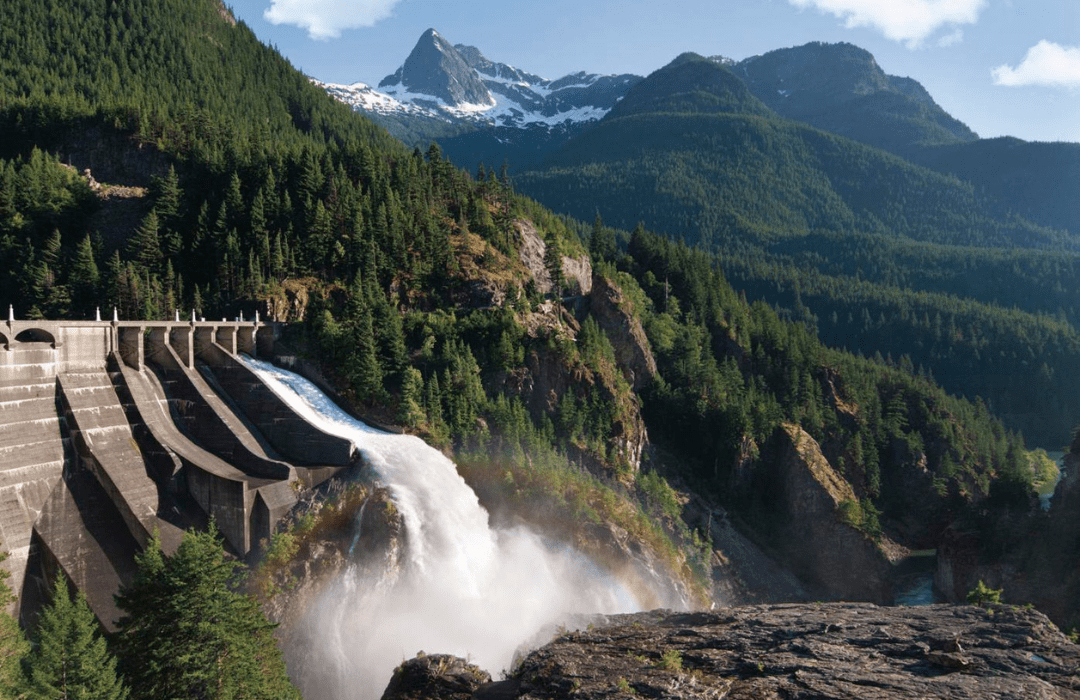
Skagit River Hydroelectric Project in Washington. (Photo Credit – Seattle City Light)
LOOKING AHEAD: FOUR MONTHS TO TURN MOMENTUM INTO INDUSTRY WINS
The past two weeks demonstrated continued bipartisan momentum behind hydropower policy solutions. Between the Senate introduction of the Hydropower Licensing Affordability Act, advances on Section 408 reform, engagement surrounding the FERC oversight hearing, and support-building efforts for Senator Daines’ agency letter, NHA remains actively engaged in shaping policies that promote affordable, reliable, domestically produced hydropower.
Momentum alone will not deliver durable results. The next four months will be a critical window for the hydropower industry to convert growing bipartisan interest into concrete legislative and administrative victories.
When Congress returns from the August recess, lawmakers will make decisions about fall legislative priorities, year-end packages, oversight agendas, and agency direction. At the same time, federal agencies will be responding to congressional pressure and evaluating whether to modernize the rules and practices that shape hydropower licensing outcomes.
For industry executives, the stakes are significant. Licensing uncertainty, escalating mandatory conditioning costs, inconsistent Section 408 reviews, and unpredictable timelines directly affect asset value, capital planning, operational flexibility, and the ability to reinvest in existing facilities. These challenges are not abstract policy problems; rather, they influence whether projects remain economical, if upgrades pencil out, and if hydropower is positioned to meet rising demand for reliable, dispatchable, carbon-free electricity.
That is why industry engagement over the fall will matter. NHA will continue working with congressional champions and federal agencies, but success will require visible, sustained participation from company leaders who can explain how permitting and licensing delays affect real projects, real investment decisions, and real communities.
Lawmakers need to hear directly from executives, operators, asset owners, and developers about what is at risk if the existing process remains unchanged, as well as what becomes possible if practical reforms are enacted.
Over the next four months, NHA will ask industry to lean in by:
- Engaging with congressional delegations
- Reinforcing support for pending hydropower legislation
- Participating in targeted advocacy opportunities
- Elevating project-specific examples
- Making the case that hydropower must be treated as a national energy priority
With coordinated industry action, we have an opportunity to secure meaningful wins that reduce regulatory uncertainty, protect the existing fleet, support new development, and strengthen hydropower’s role in America’s energy future.
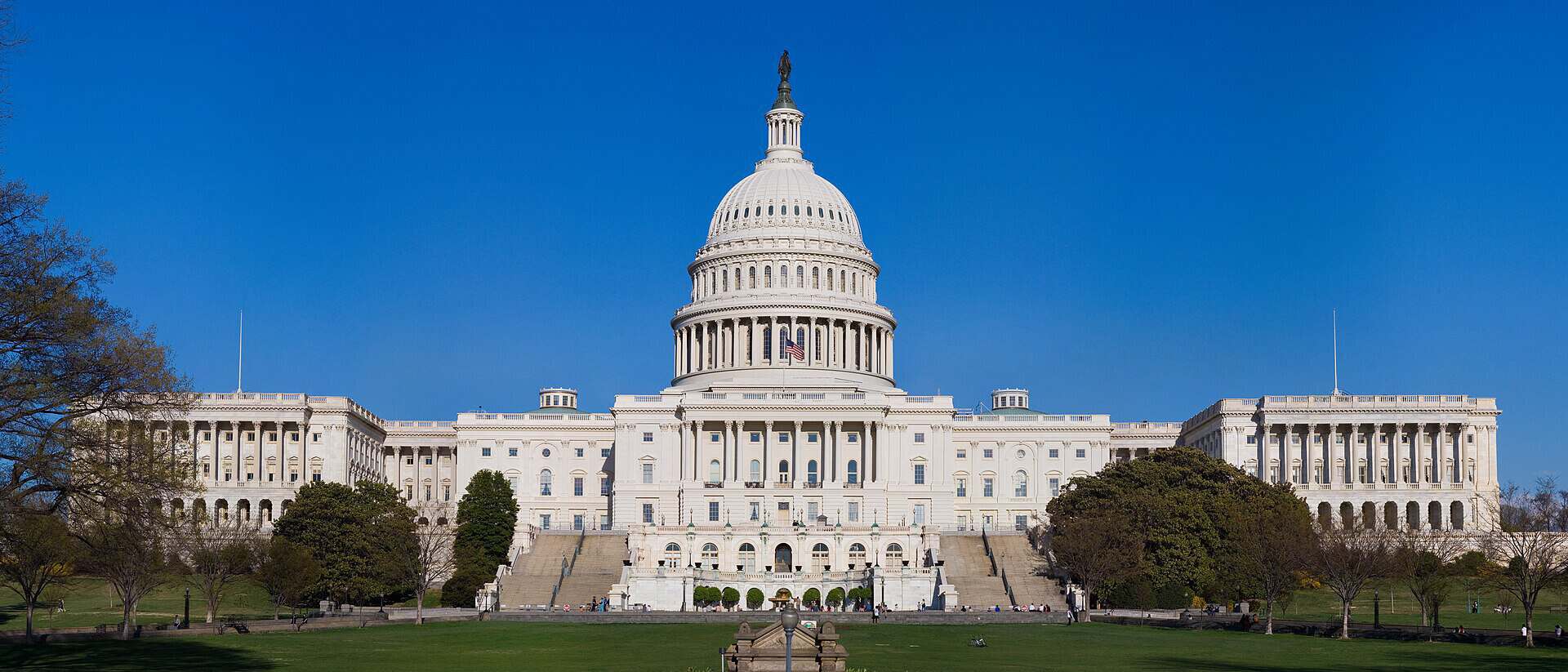
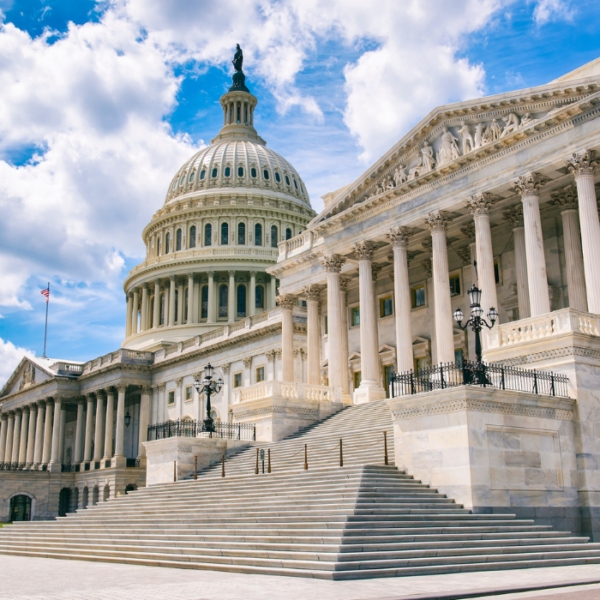
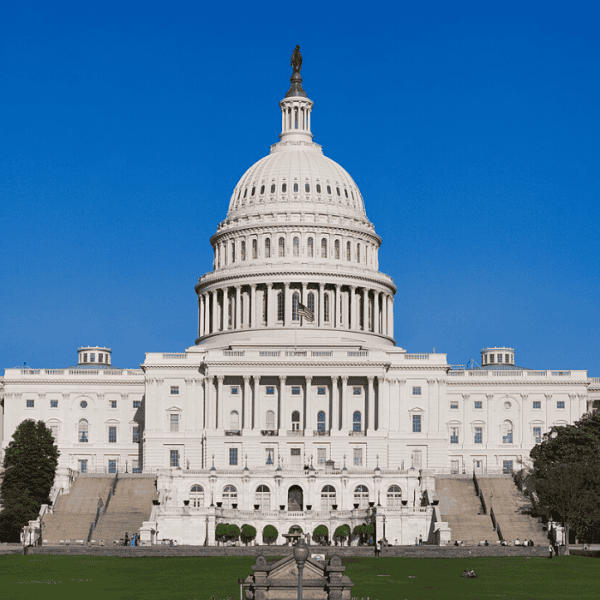
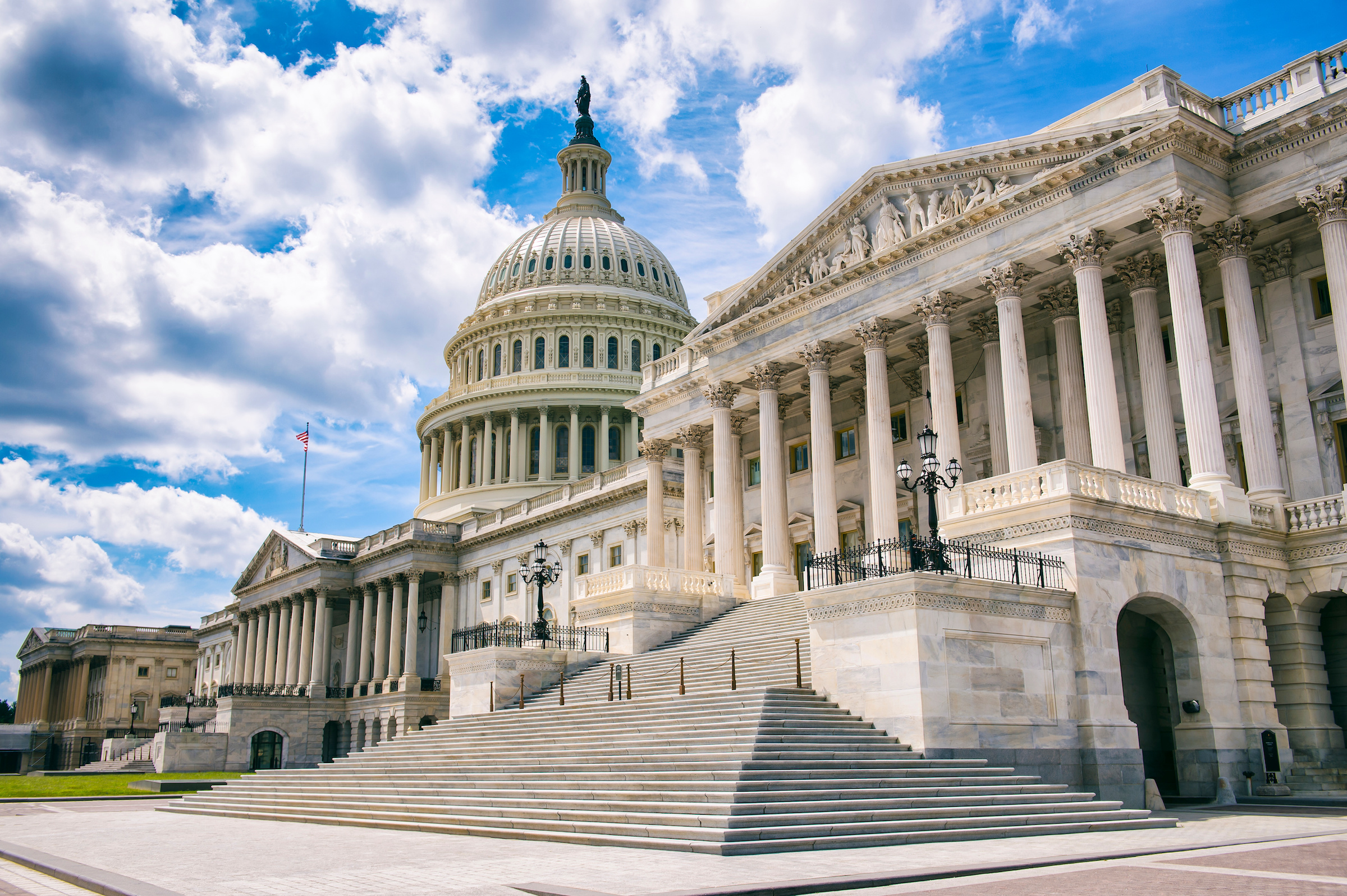
The U.S. Capitol complex in Washington D.C. (Photo Credit – U.S. Department of State)
TAKE ACTION AND SUPPORT BENEFICIAL INDUSTRY LEGISLATION
The industry has fought hard to make inroads with legislation addressing dam safety and tax credit development for hydropower improvement, but in order to take those bills over the finish line, we need your help.
Check out the following legislation, and consider signing onto the letters of support to show lawmakers why these efforts matter to your organization.
FLOWS Act (S. 3518 / H.R. 9806) – Sens. Murkowski (R-AK) and King (I-ME), Reps. Langworthy (R-NY) and Schrier (D-WA)
The FLOWS Act would modernize outdated hydropower regulations by reducing unnecessary federal approvals for routine maintenance and other non-substantial activities at existing facilities while also creating a more appropriate licensing pathway for emerging marine and hydrokinetic technologies. The bill maintains environmental and dam safety protections while helping project owners focus resources on reliability, modernization, and innovation.
Read the letter HERE.
Maintaining and Enhancing Hydroelectricity and River Restoration Act (H.R. 2160 / S. 1183) – Reps. Smith (R-NE) and DelBene (D-WA), Sens. Cantwell (D-WA) and Murkowski (R-AK)
This bipartisan legislation would establish a 30% investment tax credit for hydropower improvement projects, including dam safety upgrades, fish passage improvements, water quality enhancements, environmental mitigation measures, and other investments that strengthen the nation’s hydropower fleet. The bill represents a significant opportunity to encourage modernization and continued operation of critical hydropower infrastructure.
Read the letter HERE.
We strongly encourage your company to add its name to these Letters of Support. The deadline to sign each of these letters is August 28, 2026.
*For H.R. 2160, if your organization is already listed on the previous industry support letter, then no action is required. However, if your company is not currently included and would like to be added, we welcome new signers. For the remaining bills, we are seeking signers from across the hydropower industry.
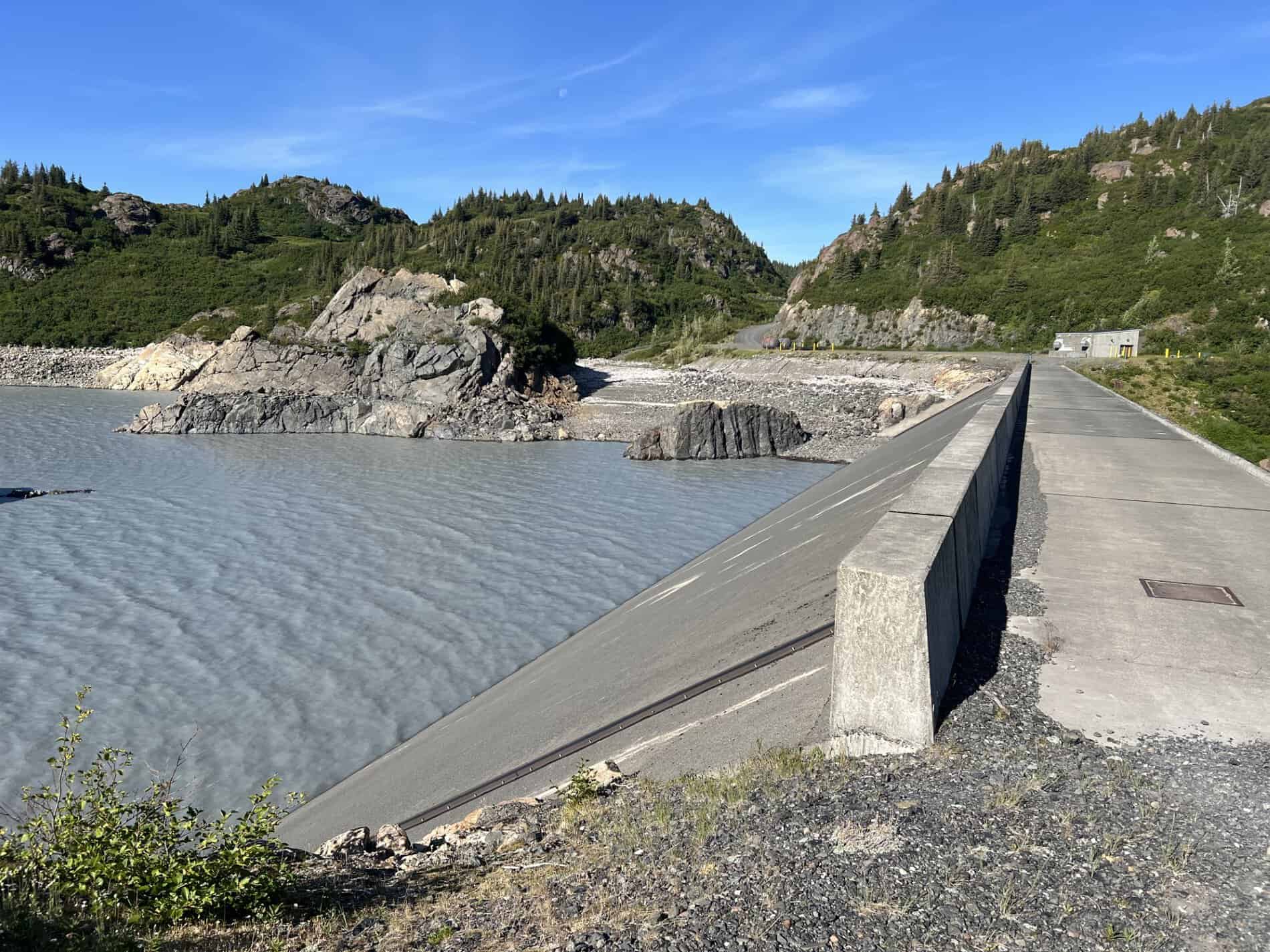
Alaska Energy Authority’s Bradley Lake Hydroelectric Project. (Photo Credit – Alaska Energy Authority)
HOW TO HELP
If your organization would like to support any combination of these letters, please reach out and include:
- Confirmation that your company would like to sign on
- A high-resolution company logo
- Any questions you may have regarding the letters or legislation
- CC Allyson Travis at [email protected] and Erika Ose at [email protected]
You can also take action by visiting NHA’s VoterVoice platform and sending emails of support requesting that lawmakers cosponsor these priority bills HERE.
Thank you for your commitment to advancing the hydropower industry’s advocacy efforts in Congress!