

 Back to All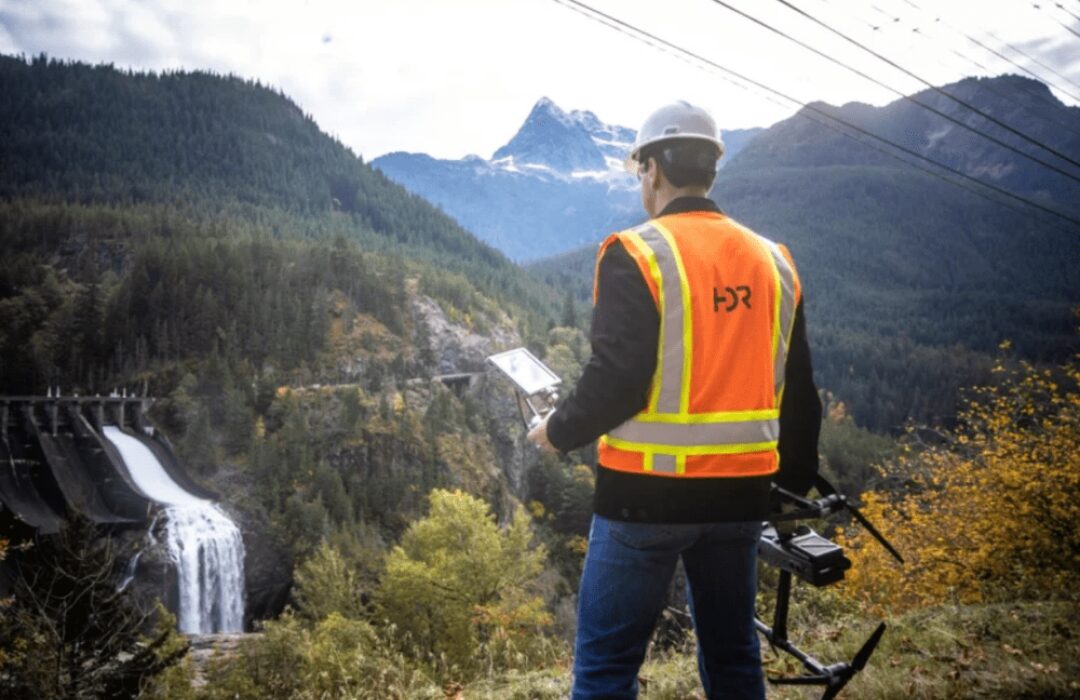
AI is helping drive innovation across several areas of the U.S. water power sector—enhancing wildfire risk mitigation, fortifying cybersecurity, and reimagining structural monitoring.
With the Trump Administration embracing AI solutions, initiatives like the recently released “Winning the AI Race: America’s AI Action Plan” outline over 90 federal policy actions to accelerate innovation, build AI infrastructure, and strengthen U.S. leadership in global security.
Framed as essential to economic prosperity and national defense, the AI Action Plan emphasizes rapid technological development, reduced regulatory barriers, and global partnerships to cement America’s dominance in artificial intelligence.
As demonstrated by multiple Executive Orders related to AI, the current administration is supportive of deeper AI integration into industries like water power, which could leverage artificial intelligence as a means of saving costs, increasing efficiencies, and providing greater reliability and security.
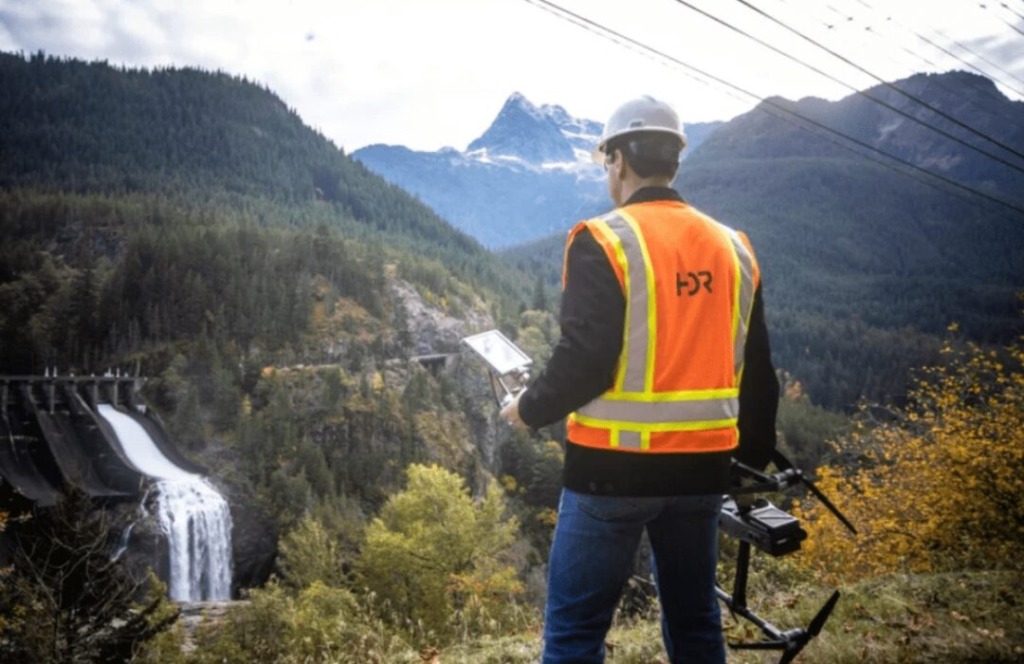
A drone operator surveys a spillway (Seattle City Light).
WILDFIRE PREVENTION
On June 12, 2025, President Trump signed the Executive Order “Empowering Commonsense Wildfire Prevention and Response,” which calls for agencies to consolidate wildfire programs, strengthen cooperation with states, and harness AI, satellite imagery, and data sharing to improve prediction and response. The order also directs the release of decades of federal satellite data, making a vast resource newly available to utilities and researchers.
For water power owners and operators, the implications are multi-faceted. U.S hydropower facilities often sit in remote areas, where vegetation management is essential for protecting both dams and transmission corridors. With devastating wildfires increasing in regularity, the disruptive potential of wildfires is a threat owners and operators must constantly contend with.
Companies like AiDash are already using AI trained on satellite imagery to identify where tree growth poses risks to power lines. With newly released federal datasets, these models can become even more accurate and less expensive, lowering costs so that more utilities can take advantage of predictive tools.
In practice, this means fewer fire-related outages, reduced risks to reservoirs and downstream communities, and stronger resilience for hydropower operations.
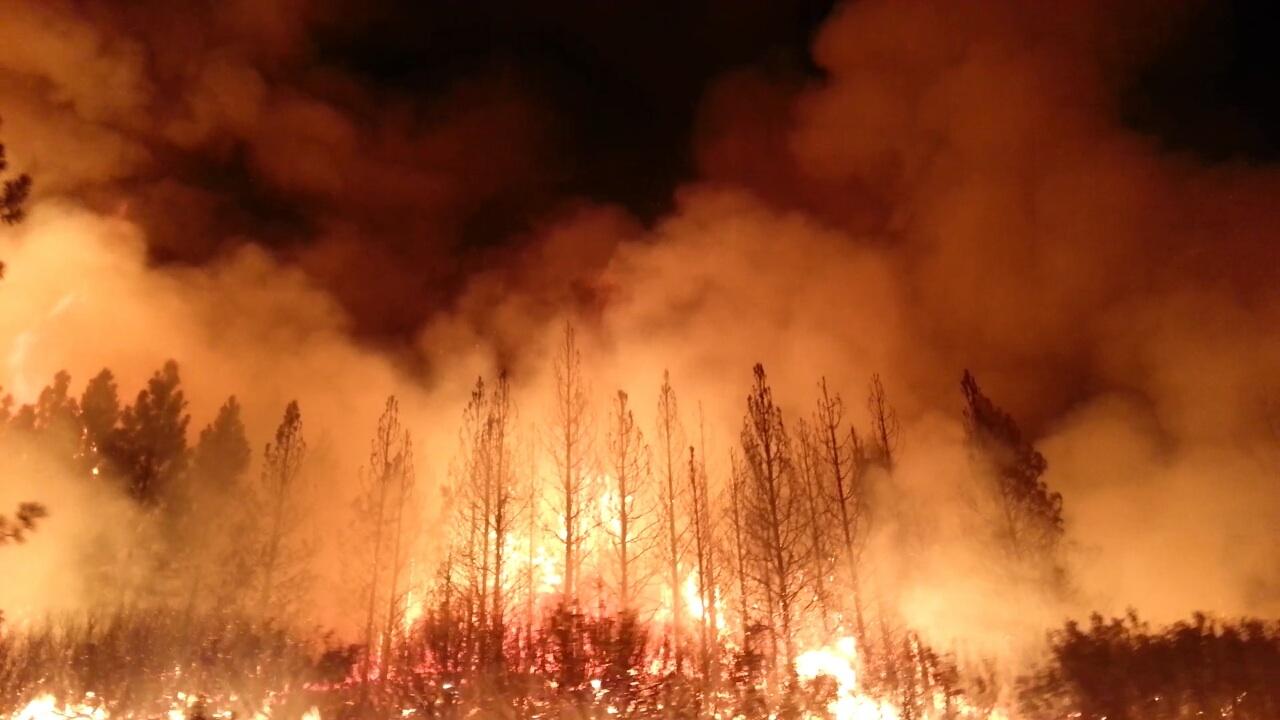
Wildfire near Yosemite National Park.
CYBERSECURITY
On June 6, 2025, the Trump Administration issued an Executive Order titled “Sustaining Select Efforts to Strengthen the Nation’s Cybersecurity,” which aims to unify the United State’s cybersecurity efforts by streamlining requirements for cloud and software security, as well as directing agencies like the National Institute of Standards and Technology (NIST) to set new parameters for AI vulnerability testing and secure software guidelines.
With cyber-attacks against water systems increasing, implementing enhanced defensive systems can help organizations prevent, detect, respond, and recover from incidents. With water power identified as a frequent target of cyber criminals looking to access vital systems, owners and operators can benefit from an array of sophisticated defenses.
The Department of Energy’s National Renewable Energy Laboratory’s Cybersecurity Situational Awareness Tool (CYSAT) was designed to safeguard water power operations. The CYSAT can detect stealthy intrusions in supervisory control and data acquisition (SCADA) systems, and the tool learns to identify anomalies in network behavior, giving operators real-time insight into attacks that might otherwise go unnoticed.
For hydropower facilities, where even a short disruption can affect both communities and the broader grid, tools like CYSAT provide an invaluable service.
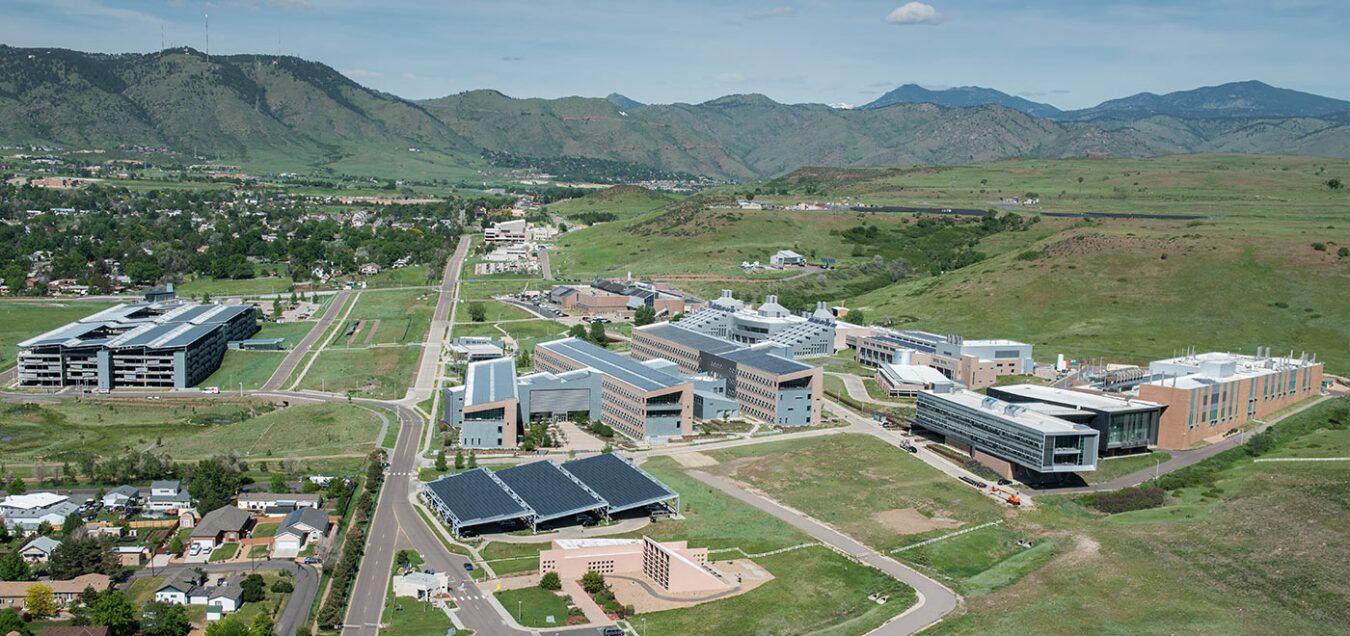
National Renewable Energy Laboratory’s campus in Golden, Colorado.
UNMANNED HELICOPTER MONITORING
Inspection and maintenance represent some of the most labor-intensive and high-risk activities in hydropower. Hydro infrastructure requires constant oversight, and depending on the task, sending specialists incurs additional costs and poses potential hazards.
On June 6, 2025, the Trump Administration issued the Executive Order “Unleashing American Drone Dominance,” clearing the way for broader deployment of unmanned aerial systems and permitting “beyond visual line of sight” operations.
This summer, Southern Company became the first U.S. utility to secure approval for unmanned helicopter inspections. Equipped with high-resolution sensors, these aircraft – designed by SwissDrones – can repeat identical flight paths and produce consistent datasets—for analysis with AI algorithms. For hydropower applications, this means erosion along a dam face, or minor ground movements near a spillway, can be detected at a scale as small as an inch.
Examples of the benefits:
- Inspections become safer and less costly without risking human pilots.
- Operators can act earlier to address small problems before they become large failures.
In effect, drones and AI allow water power facilities to move from reactive maintenance to proactive asset management, extending the lifespan of infrastructure while reducing operational risks.
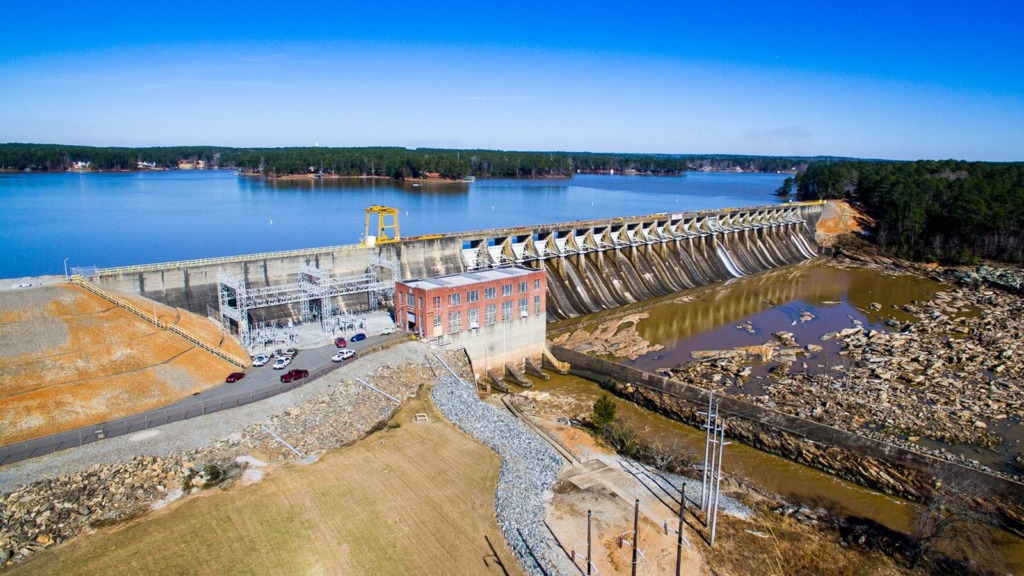
Lake Sinclair in Georgia – operated by Georgia Power (Southern Company).
WHY IT MATTERS
The rapid integration of artificial intelligence into wildfire prevention, cybersecurity, and unmanned helicopter monitoring demonstrates the potential benefits these technologies offer to water power operations.
For hydropower owners and operators, the takeaway is clear: the industry’s ability to anticipate threats – whether from fire, cyberattacks, or structural degradation – will increasingly depend on how quickly and effectively it can adopt and deploy innovative solutions.

