
 Back to All
In December 2025, the U.S. House of Representatives took significant steps to reform federal permitting regulations for energy and infrastructure projects. These actions culminated in the passage of the following:
The bipartisan support of this legislation signals momentum for broader permitting reform, with implications for the hydropower industry and beyond.
Once passed by the Senate and signed into law, the above bills will help not just the hydropower industry, but the entirety of American energy production.
For instance, U.S. hydropower could benefit from a section of the PERMIT Act championed by Representative David Rouzer (R-NC-07) which would clarify the scope of Section 401 approvals for water quality. Limiting Section 401 could prevent costly delays, helping hydro projects move forward with greater predictability.
For more about how the PERMIT Act and SPEED Act could benefit hydro, read on.
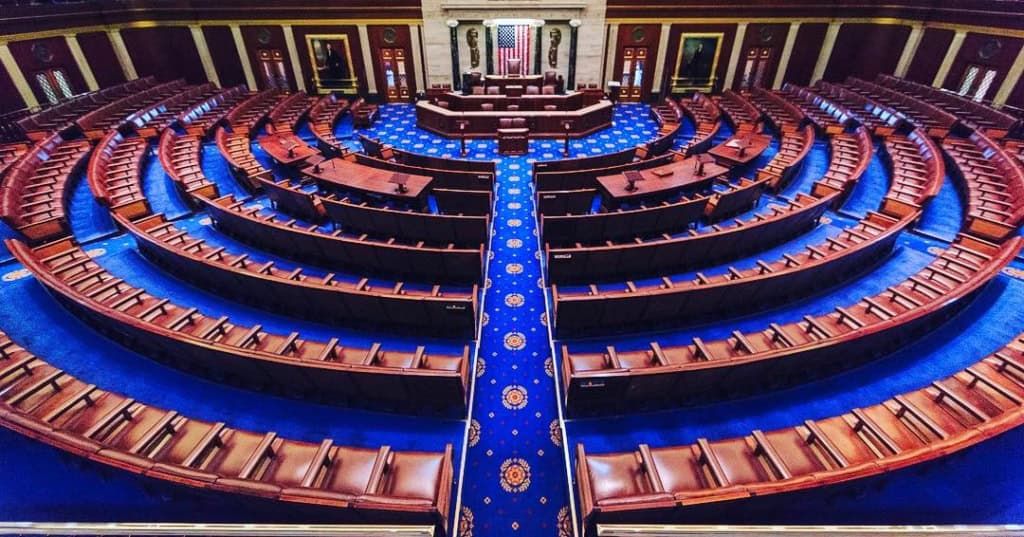
U.S. House of Representatives chamber (Photo Credit – Wikimedia).
BACKGROUND
Permitting under the Clean Water Act (CWA) is essential for protecting communities and the environment. However, the process has become increasingly complex and costly. In recent decades, many mandatory conditions have been added to projects that make their development uneconomic. As energy production evolves, modernizing the CWA is necessary to support new, safe energy projects that meet growing demands.
Recently, the U.S. House of Representatives displayed its strong intent to reform the burdensome and byzantine permitting regulations that energy and infrastructure producers face within the federal government.
On December 11, the House passed H.R. 3898, the Promoting Efficient Review for Modern Infrastructure Today Act (PERMIT) Act, by a bipartisan vote of 221-205. A week later, on December 18, the House passed H.R. 4776, the Standardizing Permitting and Expediting Economic Development Act (SPEED) Act by a bipartisan vote of 221-196.
These bipartisan votes on the Clean Water Act and National Environmental Protection Act (NEPA) reforms send a strong signal to the Senate and White House that a larger deal on permitting reform might be reached in this Congress.
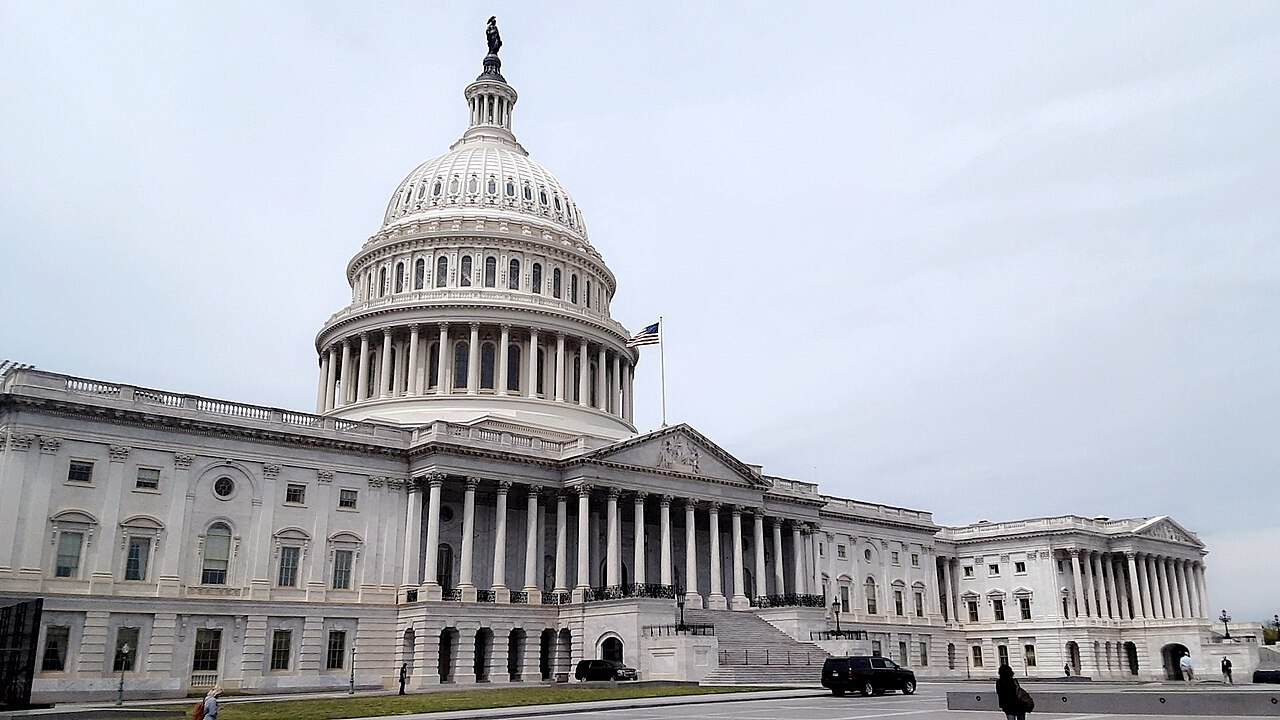
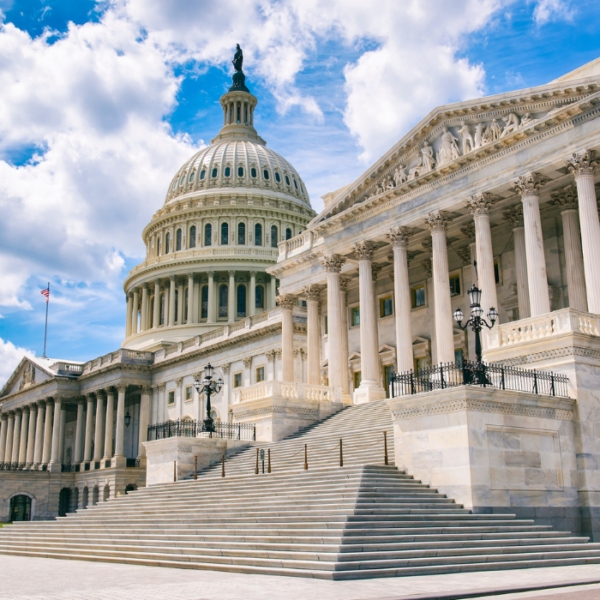
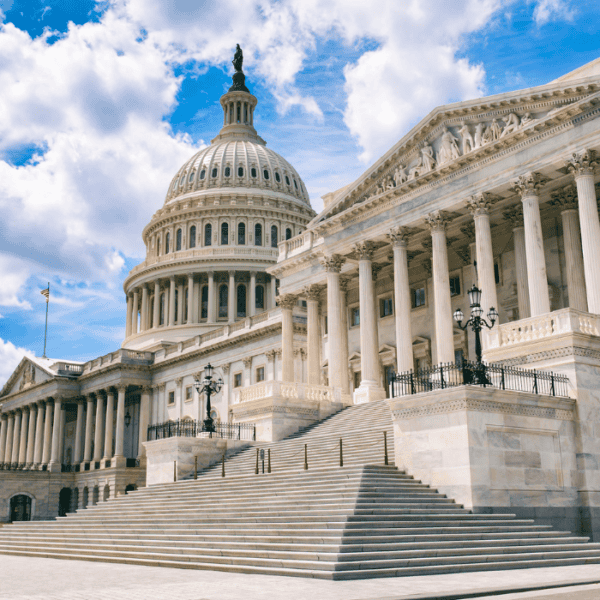
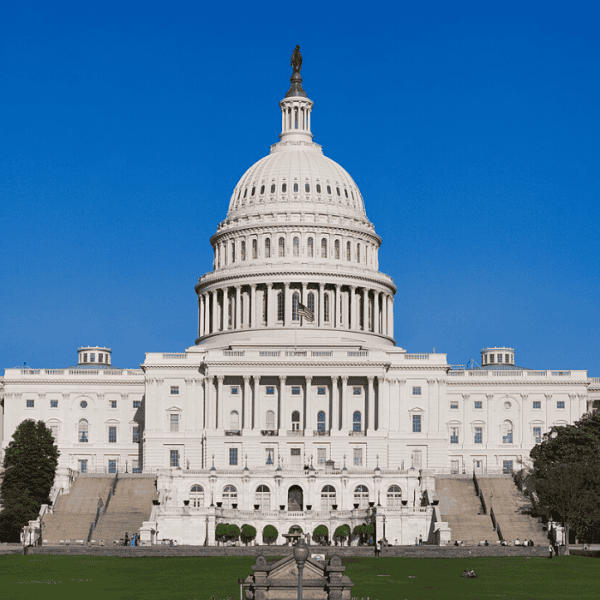
The Capitol Building (Photo Credit – Jessica Rodriguez Rivas).
THE PERMIT ACT: KEY PROVISIONS
Permitting under the CWA is an important part of protecting American communities and our nation’s water resources, but it also comes with significant delays and onerous project conditions.
Modern energy production has become cleaner and more efficient, and the CWA must be updated to meet the needs of today, as current estimates for load growth could reach as high as 40% by 2040. With the world moving toward ever-greater energy needs, reforming the CWA allows for the United States to build and connect the new, safe energy projects our country needs.
The PERMIT Act would amend the Clean Water Act in a number of ways that are beneficial to the hydropower industry.
The PERMIT Act empowers economic growth, accelerates critical projects, and strengthens domestic energy production – all without compromising environmental safeguards. These commonsense reforms and clarifications will ensure that America can build and maintain hydropower assets in a smarter, faster, and more efficient way for generations to come.
Specifically, the PERMIT Act will:
– Ensure that the scope of a water quality certification and related conditions are limited to the water quality effects of the point source discharges that trigger the need for certification. Currently, certifications are frequently issued with conditions unrelated to water quality.
– Clarify and provide certainty on the scope of the request for certification that starts the one-year clock for certifying authorities to grant, deny, or waive certification.
– Clarify that certifying authorities can only grant certifications with or without conditions, waive certification, or deny certification. This will remove the ability for certifying authorities to delay acting on a certification request by denying the request without prejudice and thereby forcing the project applicant to resubmit the request.
– Clarify that certification conditions may be enforced only by the federal licensing or permitting agency. This removes the risk of inconsistent enforcement of certification conditions and removes the ability of certifying authorities to adopt and enforce modified or additional certification conditions after the license or permit has been issued.

The Columbia River (Photo Credit – The U.S. State Department)
THE SPEED ACT: STREAMLINING NEPA
The SPEED Act makes long-needed changes to NEPA that would ease the significant burdens NEPA places on hydropower and other energy producers. This much-vaunted bipartisan legislation was introduced by Representatives Westerman (R-AR) and Jared Golden (D-ME) and, like the PERMIT Act, enjoyed similar bipartisan support.

From left to right: Representative Westerman and Representative Golden.
NHA supports the original intent of NEPA, but not what NEPA has become. Unfortunately, decades of frivolous and abusive litigation have turned this landmark environmental legislation into a cumbersome and expensive process that benefits no one.
The SPEED Act is an opportunity for Congress to clarify its original intent and streamline NEPA processes in a way that provides certainty to both American energy projects and our environment.
The SPEED Act accomplishes this through three specific reforms to NEPA:
– Codifies key elements of the Supreme Court’s decision in Seven County Infrastructure Coalition v. Eagle County (Seven County), clarifying judicial deference to agencies and that agencies may only consider environmental impacts that are reasonably connected to the project.
– Eliminates the evaluation of upstream and downstream environmental impacts that have tenuous links to the original project.
– Eliminates duplicative NEPA analyses in the event that a project’s environmental impacts have already been reviewed by a state or tribal entity or considered under another statute.
INDUSTRY IMPACT AND NEXT STEPS
These permitting reform efforts are small but vital steps toward a future of American leadership in both energy generation and environmental stewardship.
As Congress begins 2026, NHA is now turning its focus toward moving the PERMIT Act and SPEED Act through the Senate for the President’s signature.
The National Hydropower Association (NHA) remains committed to working with its members, energy stakeholders, and Congressional champions to achieve these goals.