
 Back to All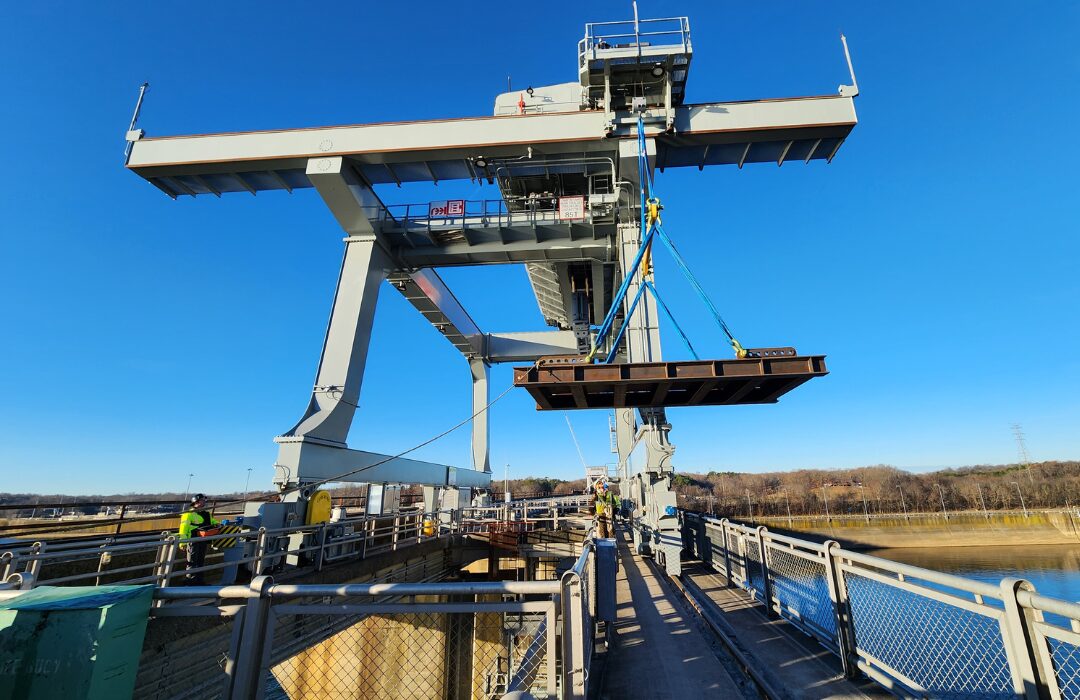
With over 150 installations around North America – powerhouse cranes, draft tube, gate hoists, spillway & intake gantry cranes as well as stop log rack and pinion lifters – REEL COH has demonstrated its mastery of the complex requirements encountered in the hydropower industry.
REEL COH is dedicated in building outstanding material handling equipment, but also assuming full responsibility for its performance.
This has led us to perform both the engineering and manufacturing of all critical components used on our cranes.
Furthermore, REEL COH uses, unless specified otherwise, only components conforming to North American codes.
We have a unique expertise in all requirements and regulations of lifting equipment for hydropower as the majority of the equipment we’ve supplied was for powerhouses in North America in extreme environments for the last 30 years.
Our supply ranges from both new and tired installations, but our expertise lies in repairing and replacing existing installations.
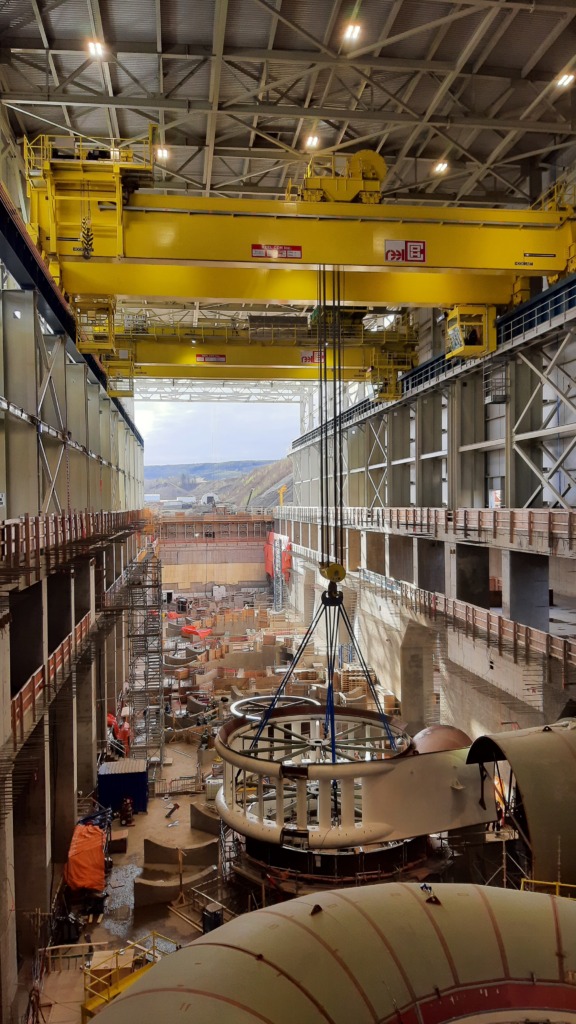
A good example of our expertise is with Powerhouse cranes : a large capacity top running double girder electric overhead crane used in the operation of hydropower generating stations during the construction phase and throughout the economic life of the installation.
In large powerhouses, where the heaviest components to be handled can range from 100 to 1 000 tons, a single crane, a combination of 2 cranes operating independently or in tandem can be used.
In addition to the handling of extreme capacities, powerhouse cranes are required to operate with acute precision and absolute reliability due to the exorbitant costs that would be encountered/generated by powerhouse equipment damage or downtime.
A SIZEABLE CHALLENGE FROM A U.S. CUSTOMER
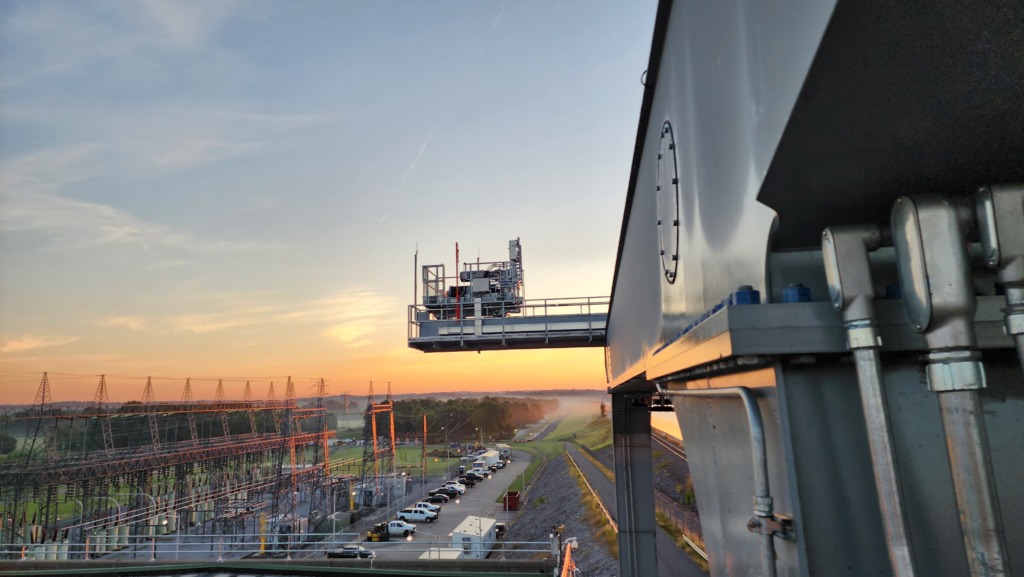
In September 2020, REEL COH was tasked with the design, manufacturing, and installation of a new 165-ton gantry crane at a dam in Kentucky.
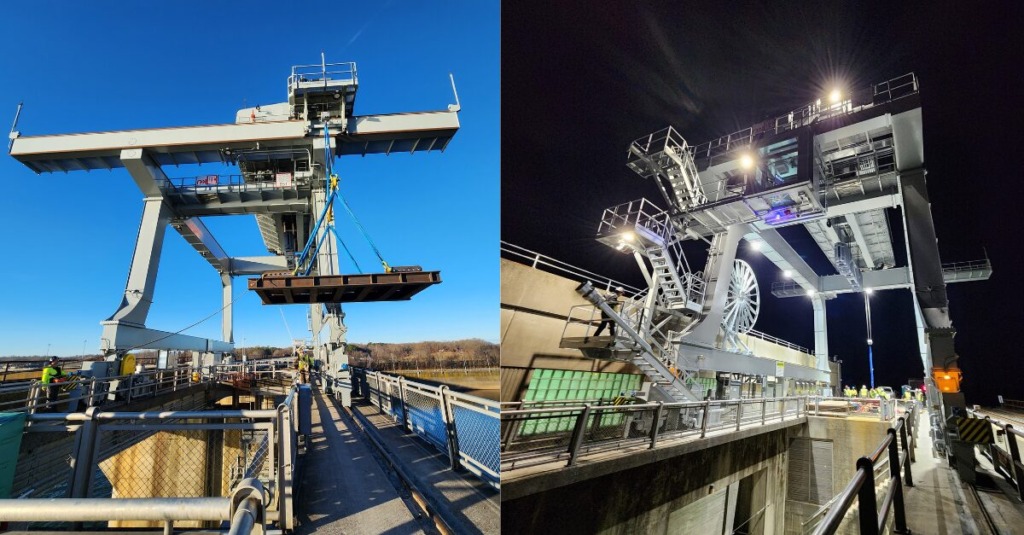
REEL COH won the contract thanks to its expertise in the design of complex custom cranes. As it is the only gantry crane on the dam, it has to be versatile enough to perform several operations, including raising spillway and intake gates, operating a grab, and lifting a maintenance platform rated for personnel lift and waste containers. The main trolley has 5 hoists, along with an auxiliary cantilever trolley.
When REEL COH was awarded the contract, many elements had to be reviewed with the client, including the wheel loads, which was severely limited on the dam. To add to the complexity, we absolutely had to keep the same trolley housing as the previous crane to preserve the historical look of the dam. The structure was optimized as much as possible to reduce the weight of the various components.
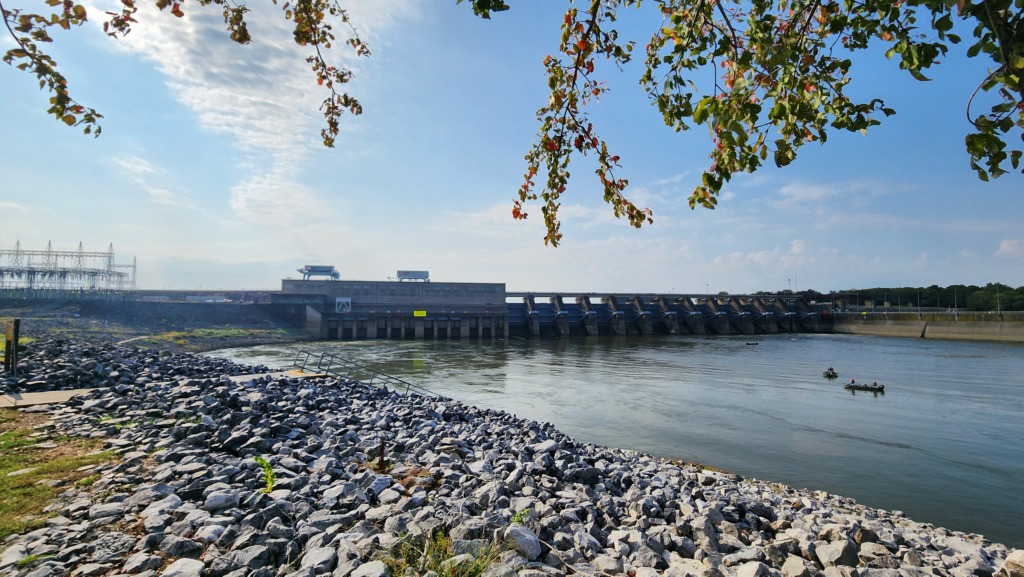
REEL COH is known for its expertise in designing hoists for the safe lifting of personnel. For this project, the main hoist is designed to lift a platform that helps operators to do maintenance work on the spillway gates.
One of the features of the crane is its ability to lower spillway gates while water is still flowing. To confirm forces acting on the new lifting beam, the engineering team used computational fluid dynamics (CFD), in which a computer simulates the forces created by the flow of water on the lifting beam.
The first lifting beam modeled was very similar to the tubular model of the existing crane. Several months of analyses were required to obtain early results. We discovered that uplift was being exerted on the gate, making it impossible to detach the lifting beam from the gate. Many discussions with the customer were needed to explain that their current design, which could only be validated in emergency situations, probably did not work.
Given that information, engineering designed two new models. This time, they used plates in an effort to reduce the load. Two new CFD analyses were launched, which showed that forces were considerably lower and made it possible to detach the gate from the lifting beam. A few modifications were nonetheless required for manufacturability purposes.
Another specific request under this contract involved providing scale models of the crane for display in the power plant and in the customer’s engineering office in Nashville. Three Models build with 3-D printers were created as shown in the photo below.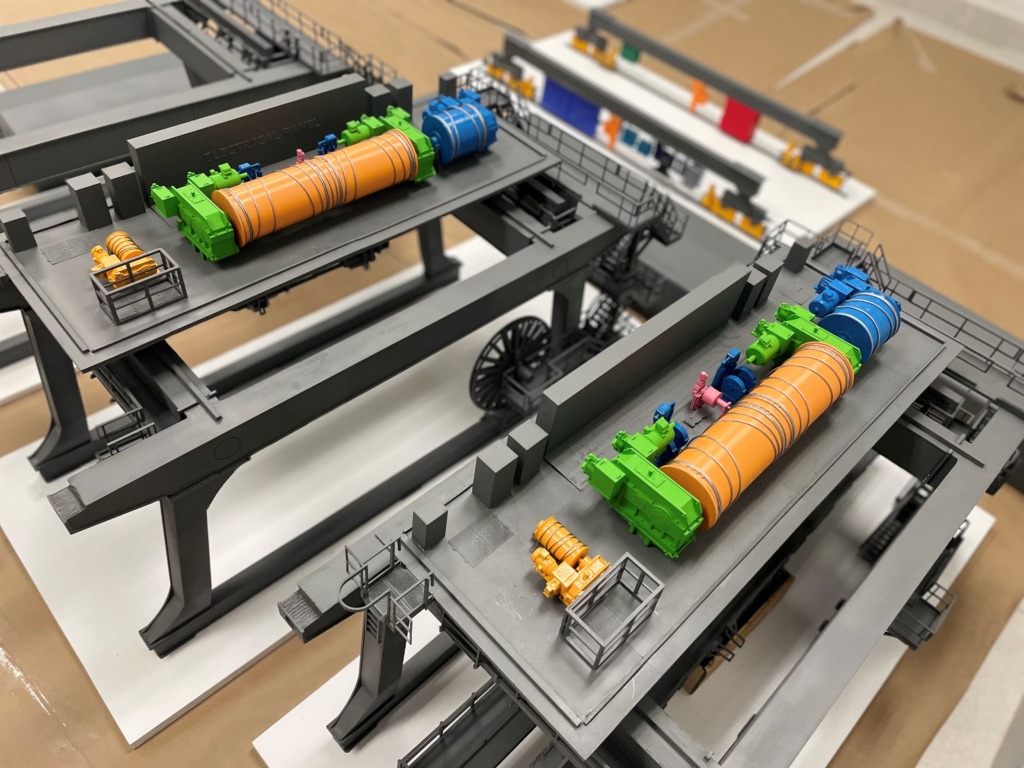
A great thanks to our team that handled engineering, production, and installation, and to BCI Construction USA, Inc. who was our installer on this project.
Despite all the issues we faced, the customer is very satisfied with the design and with REEL COH’s openness to requests, proving again our commitment to one of our Hydropower clients in North America.
Come see us at Clean Currents 2024 in Portland, booth 1037!