
 Back to All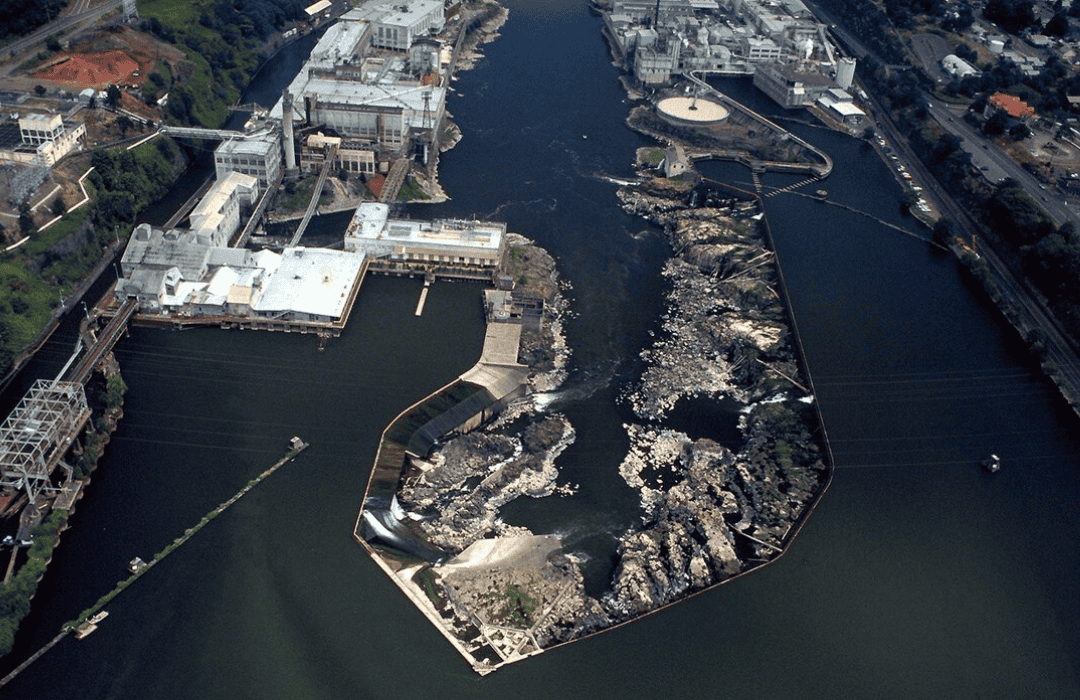
I am ecstatic to share this message at last!
On Tuesday, April 14, the NHA team and I met with James Danly, Deputy Secretary of the U.S. Department of Energy (DOE), who was thrilled to confirm to us that financial grants under the Section 247 program are FINALLY beginning to go out!
As you’ll recall, in 2024, DOE announced $430 million in incentives for 293 projects across 33 states as part of the Bipartisan Infrastructure Law of 2021 (BIL). However, until now, the actual payments to the awardees have been frozen.
A map of organizations who were awarded grants initially is available here.
As we understand from Deputy Secretary Danly, letters to the first tranche of 73 awardees, representing roughly $53 million, have been sent out; a second tranche of letters for the remaining projects is expected in the coming weeks.
Truly, this is a testament to both the commitment of high-level hydropower champions within DOE and across the federal government, and also to the increased level of NHA’s advocacy that our Board and member organizations have committed to in recent months and years. We could not have done this without our increasingly wide, as well as deep, sustained engagement across the federal government.

Hydropower advocates pose for a photo with Representative Newhouse (R-WA) during NHA’s Advocacy Day (Photo Credit – NHA)
BACKGROUND INFO ON 247
Section 247 of the law (added in 2021 via an amendment to the Energy Policy Act of 2005) was created to maintain and enhance existing hydroelectric facilities to ensure asset owners can continue to provide renewable electricity while:
- Providing grid resiliency (such as integrating non-dispatchable energy resources such as wind and solar)
- Improving dam safety
- And/or reducing environmental impacts
Owners and operators of hydropower facilities could potentially receive incentive payments for improvements in the following areas:
1) Grid Resilience – improvements to:
- Adapt more quickly to changing grid conditions
- Provide ancillary services, including black-start capabilities, voltage support, and spinning reserves
- Help integrate variable sources of electricity generation
- Manage accumulated reservoir sediments
2) Dam Safety — improvements to:
- Maintain or upgrade spillways or other appurtenant structures
- Make dam stability improvements, including erosion repair and enhanced seepage controls
- Upgrade or replace floodgates or natural infrastructure restoration or protection to improve flood risk reduction

3) Environmental — improvements to:
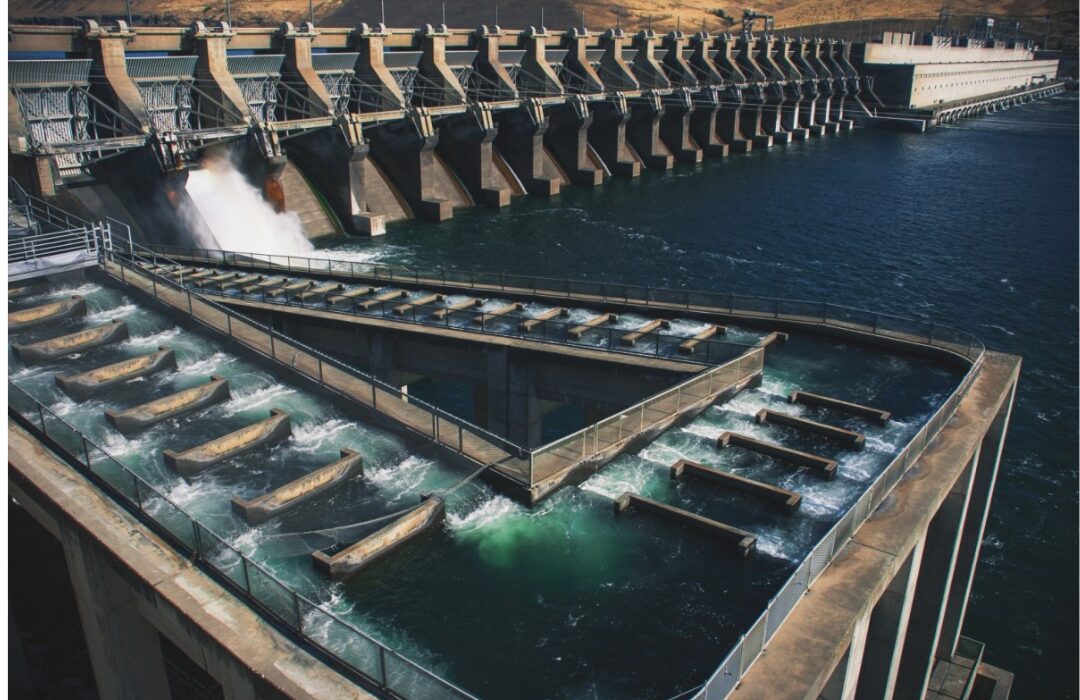
- Add or improve safe and effective fish passage, including new or upgraded turbine technology, fish ladders, fishways, and all other associated technology, equipment, or other fish passage technology to a qualified hydroelectric facility
- Improve the quality of water retained or released by a qualified hydroelectric facility
- Promote downstream sediment transport processes and habitat maintenance
- Improve recreation access to a project’s vicinity, including roads, trails, boat ingress and egress, flows to improve recreation, and infrastructure that improves river recreation opportunity
4) Status:
- $553.6 million available in incentives
- A single qualified hydroelectric facility may only receive one incentive payment from this program within a single fiscal year, and that payment shall not exceed $5 million
- Payment shall not exceed 30% of the costs of the applicable capital improvement
- Draft application guidance was released on February 8, 2023, by the U.S. Department of Energy’s Grid Deployment Office (GDO)
- 247 payments started to release the week of April 13, 2026
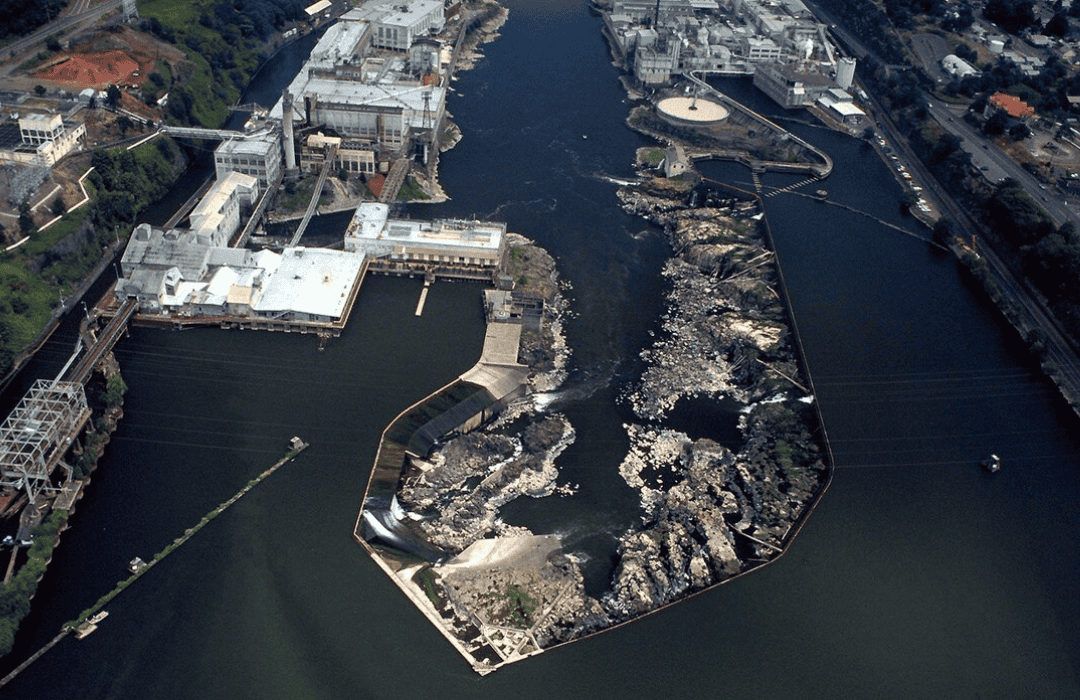
T.W. Sullivan Dam in Oregon City, Oregon, which was selected as a recipient of funds from the 247 program. (Photo Credit – Bob Heims, U.S. Army Corps of Engineers / Wikimedia)
WHAT’S NEXT?
We anticipate an additional round of funding announcements after the accounting settles and it becomes clear how much grant authority remains.
NHA plans to host an informational webinar soon – stay tuned for details!
Please submit any interim questions to Kathleen Robertson, Vice President of Regulatory Affairs at NHA.