
 Back to All
After a historic midterm win by Democrats, and with races still concluding, the state-of-play has flipped, as Democrats will control both chambers of the 120th Congress while President Trump remains in the White House.
Any major legislation still requires presidential approval or enough bipartisan support to overcome a veto. For hydropower, however, divided government does not have to mean divided policy. The 119th Congress offers the roadmap: we must continue to build bipartisan coalitions around practical policies that improve reliability and affordability, modernize regulation, and preserve the existing fleet.
Fortunately, hydropower continues to enjoy bipartisan support despite divided government, retaining key constituencies on both sides of the aisle. The newly established, bipartisan Hydropower Caucus will help us bridge that divide and hit the ground running; learn more about how the Hydropower Caucus will help the industry here.
Energy affordability provides an important backdrop to the election and the policy debate ahead. An October Pew Research Center survey demonstrated that 74% of Americans said they were very concerned about gasoline and energy prices, and this mandate was achieved in the midterm elections, proving that affordability issues were front and center at the ballot box. For the hydropower industry, that makes the connection between licensing reform and household costs essential to explain.
Preserving existing generation, modernizing infrastructure, and reducing unnecessary delays should be discussed not simply as industry priorities, but in terms of their implications for reliable, affordable electricity.
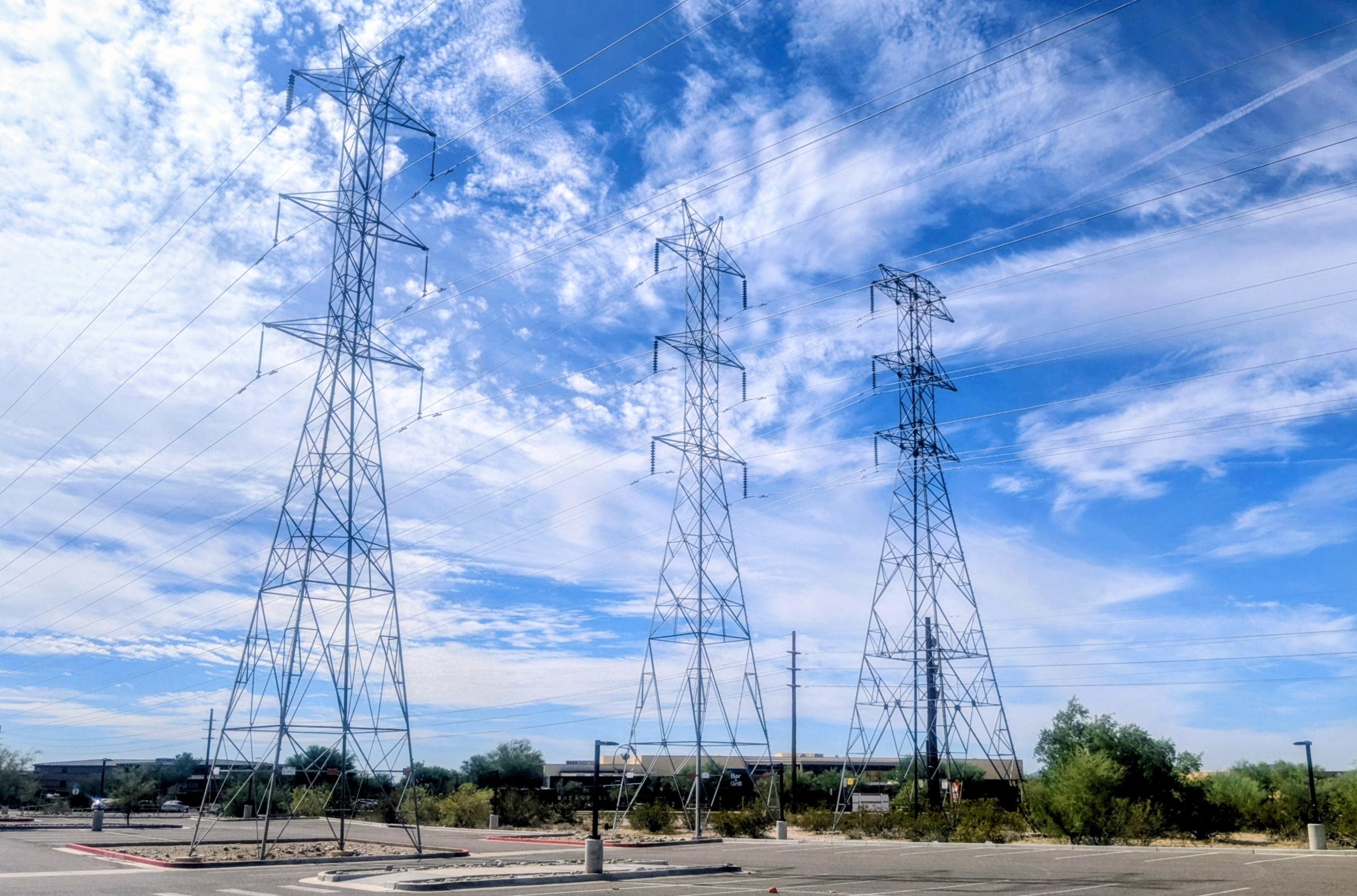
Transmission lines in Arizona. (Photo Credit – NHA)
UNFINISHED BUSINESS DURING THE LAME DUCK OF THE 119th CONGRESS
The Bipartisan Affordability and American Jobs Act of 2026 (BAAJA / S.5653), which is currently in play with Senate action expected as soon as lawmakers return to D.C. today, reflects years of bipartisan engagement by NHA, its members, and a broad coalition of stakeholders. BAAJA carries the potential to deliver the most significant hydropower permitting and licensing reform in years.
For Democrats, who ran on a message of affordability, moving on BAAJA will be a major test, setting the stage to see if they can immediately act on a bill that would help push their agenda forward.
For hydropower, the stakes are considerable and include:
- Hydropower Market Barriers study
- Limiting Section 4(e) mandatory conditions to project effects
- Routine maintenance reforms
- Marine and hydrokinetic licensing pathways for projects under 5 MW
The legislation also makes significant changes to Section 401 of the Clean Water Act, as well as reviews under the National Environmental Policy Act (NEPA), the National Historic Preservation Act (NHPA), and the Endangered Species Act (ESA); you can read about the significant positive changes to these statutes in the legislation here.
Republicans will lose party-line control once the new Congress convenes, so our message through the end of the year must remain simple: Finish the job and enact BAAJA! It is very unlikely that Democrats will be able to negotiate a better deal that the President will sign in the 120th Congress, so the time to push for this transformational legislation is now.
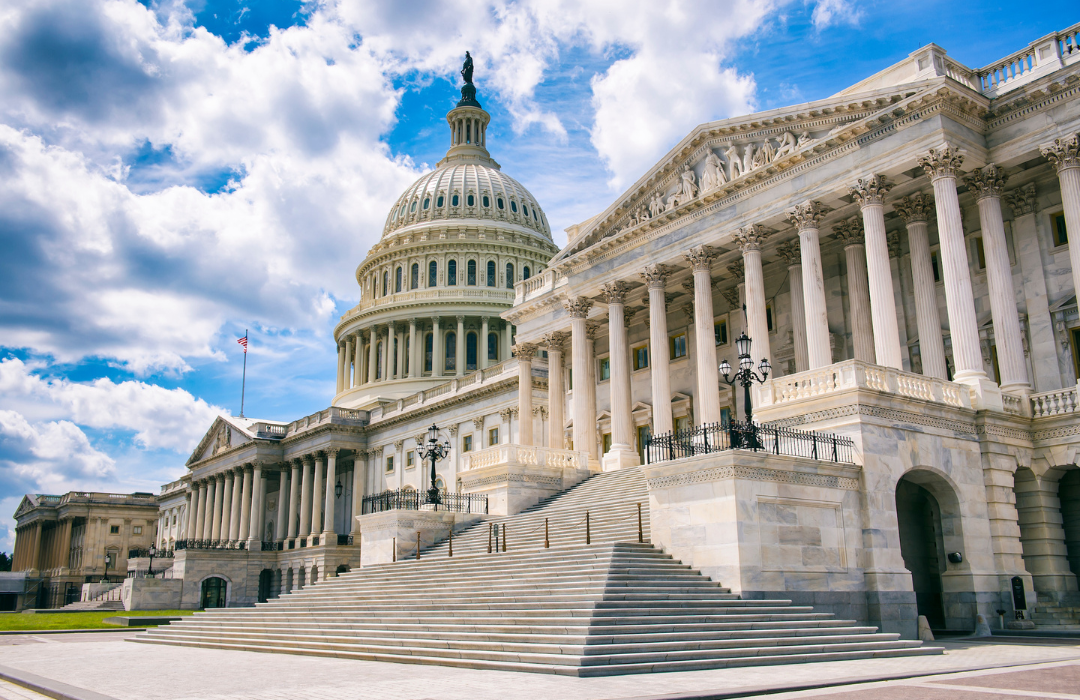
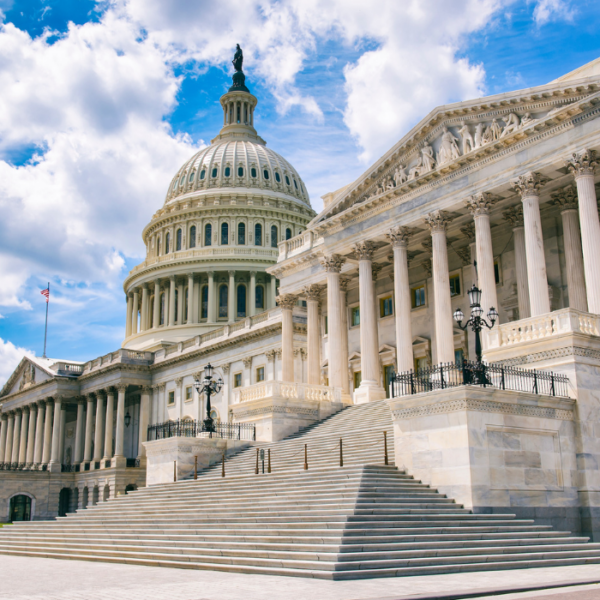
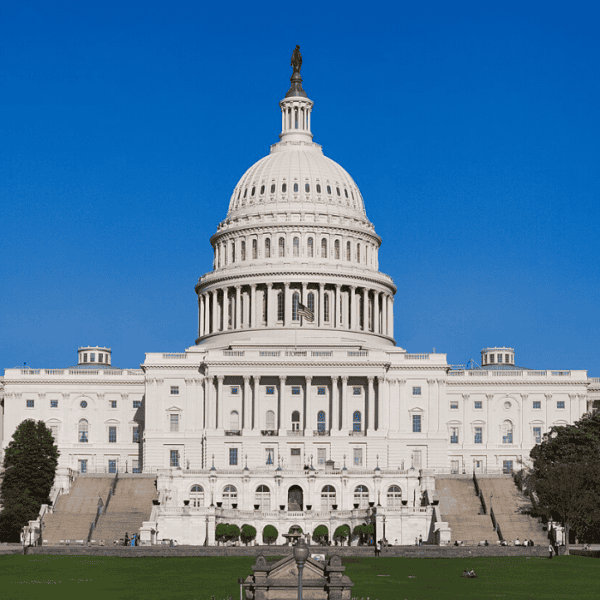
The east front of the United States Capitol building in Washington D.C. (Photo Credit – Wikimedia)
WHAT CHANGES IN THE 120th CONGRESS?
Democratic chairs will now drive oversight and appropriations while Senate control brings leverage over nominations. With FERC and other agencies, courts and state governments are still central to outcomes, making congressionally set policies the most durable wins that survive political transitions. This further emphasizes the importance of demonstrating that licensing reform can be both rigorous and timely without eliminating environmental protections.
With the inevitability of rising energy demand – projected by the Energy Information Administration to continue growing through 2050 – and plant relicensing, which has a six-year median duration, both parties will continue to search for solutions to provide reliable, affordable electricity.
Hydropower is well-positioned to meet national energy needs during the 120th Congress, and Congressional Democrats should prioritize existing American infrastructure, demonstrating the multitude of ways the technology is primed to support a grid comprised of “all-of-the-above” energy solutions.
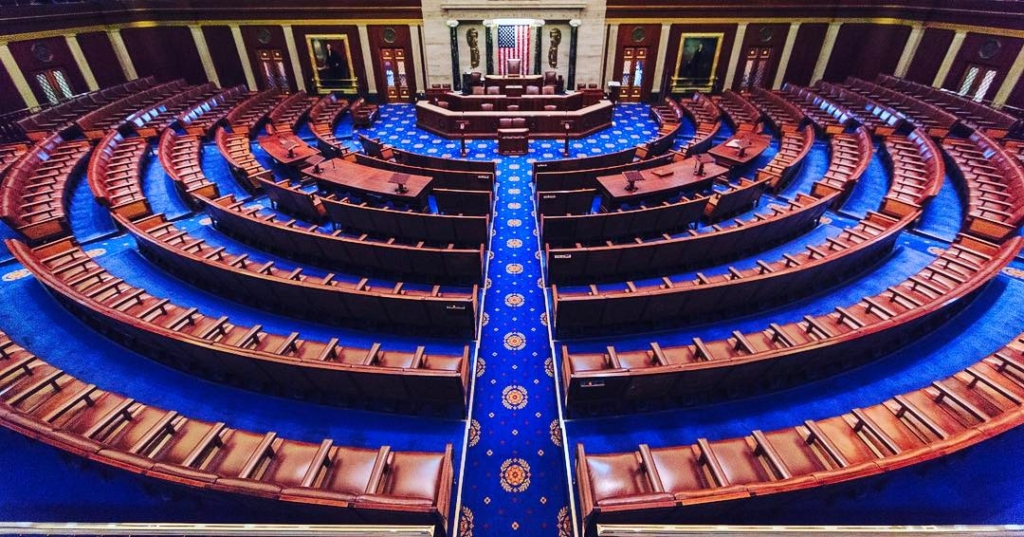
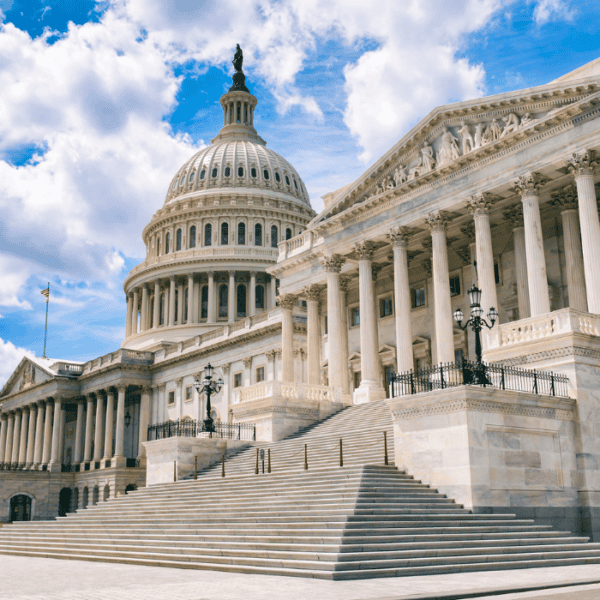
The United States House of Representatives chamber at the United States Capitol in Washington, D.C. (Photo Credit – Office of the Speaker of the House)
WHY DIVIDED GOVERNMENT COULD BENEFIT HYDRO
In the next Congress, targeted bills, appropriations, and oversight will be the principal avenues for policymaking. Due to divided government, NHA expects less legislation to be signed into law by President Trump without his full support. Fortunately, hydropower maintains bipartisan appeal and continues to be championed by those involved in public power, investor-owned utilities, labor organizations, manufacturers, and communities across the United States.
Depending on the success of the lame duck period, the hydropower industry can build coalitions around the following themes:
- Modernize and preserve infrastructure: Predictable relicensing and mitigation must be tied to actual project impacts, and routine repairs shouldn’t trigger lengthy approvals. With a more streamlined process, the United States could take advantage of the nation’s non-powered dams that offer viable opportunities for energy development.
- Own the affordability conversation: Incoming Democrats ran on an affordability message, and the industry must meet them where they are, by talking about how licensing delays increase costs and divert resources from modernization and dam safety. Additionally, tax credits for clean and renewable energy are a high probability for reconsideration, and provide an opportunity to further support existing fleet infrastructure through the tax code. Don’t leave money on the table; check out this article to learn how Federal tax credits could offer, potentially, billions of dollars for new and existing hydro.
TAKE ACTION!
NHA strongly urges you to visit our VoterVoice page, where you can contact your senators, letting them know how vital their support for this legislation could be.
We’re in a critical time for the legislation, and Senate Democrats need to hear from you TODAY, letting them know that his transformational bill is worth supporting. As a reminder, NHA published an article several weeks ago about what’s in the bill for hydropower, and it serves as a sharable reference for your outreach efforts.
Today, the Senate is expected to begin consideration of BAAJA, and NHA will provide updates on the status of the legislation in POWERHOUSE, and on social media.