
 Back to All
Sponsored Content
The future of renewable energy won’t be defined by a single technology. It will be defined by how well our technologies work together; with our communities, our environment, and an increasingly complex electric grid.
Few industries understand that better than hydropower.
For more than a century, hydropower has provided something every modern energy system depends upon: reliability. While renewable energy conversations often focus on what’s next, hydropower occupies a unique position in North America’s energy future because it continues to demonstrate something equally important, its ability to evolve.
Today’s hydropower projects are being asked to do far more than generate electricity. They must improve climate resilience, strengthen grid reliability, enhance fish passage, support recreation, protect communities from extreme weather events, preserve cultural and historical resources, and meet increasingly sophisticated environmental and regulatory expectations.
That’s a remarkable responsibility for infrastructure that, in many cases, was constructed generations ago.
Yet perhaps the industry’s greatest achievement isn’t that hydropower continues to deliver renewable energy after decades of operation. It’s that we’ve fundamentally changed how we think about what success looks like.
The conversation is no longer simply about generation capacity or equipment performance. Increasingly, it is about integration, the ability to deliver multiple benefits through thoughtful planning, collaborative problem-solving, and innovative engineering.
The projects shaping hydropower’s future are proving that the industry’s greatest opportunities don’t lie in choosing among competing priorities. They lie in advancing them together.
Looking at Existing Infrastructure Through a New Lens
For decades, renewable energy development has been driven by a familiar question: what should we build next?
Hydropower is increasingly asking something different: what opportunities have we overlooked?
Across North America, existing dams and water infrastructure are revealing new possibilities for renewable energy generation while minimizing environmental impacts and maximizing previous investments.
The proposed Tygart Hydroelectric Project in West Virginia is one example. Rather than constructing entirely new infrastructure, the project would add renewable energy generation to an existing flood control dam by utilizing one of the power tunnels incorporated into the original design decades ago for future hydroelectric development.
Equally noteworthy is how the project is being developed. Construction professionals were engaged early in the design process to evaluate constructability, construction sequencing, project risks, and cost considerations alongside engineering and environmental objectives. The result is more than better project delivery; it’s better project planning.
The lesson extends well beyond a single project. Collaboration that begins during project development frequently creates opportunities that would otherwise remain undiscovered.
Sometimes innovation isn’t about building something entirely new. It’s about seeing existing infrastructure differently.
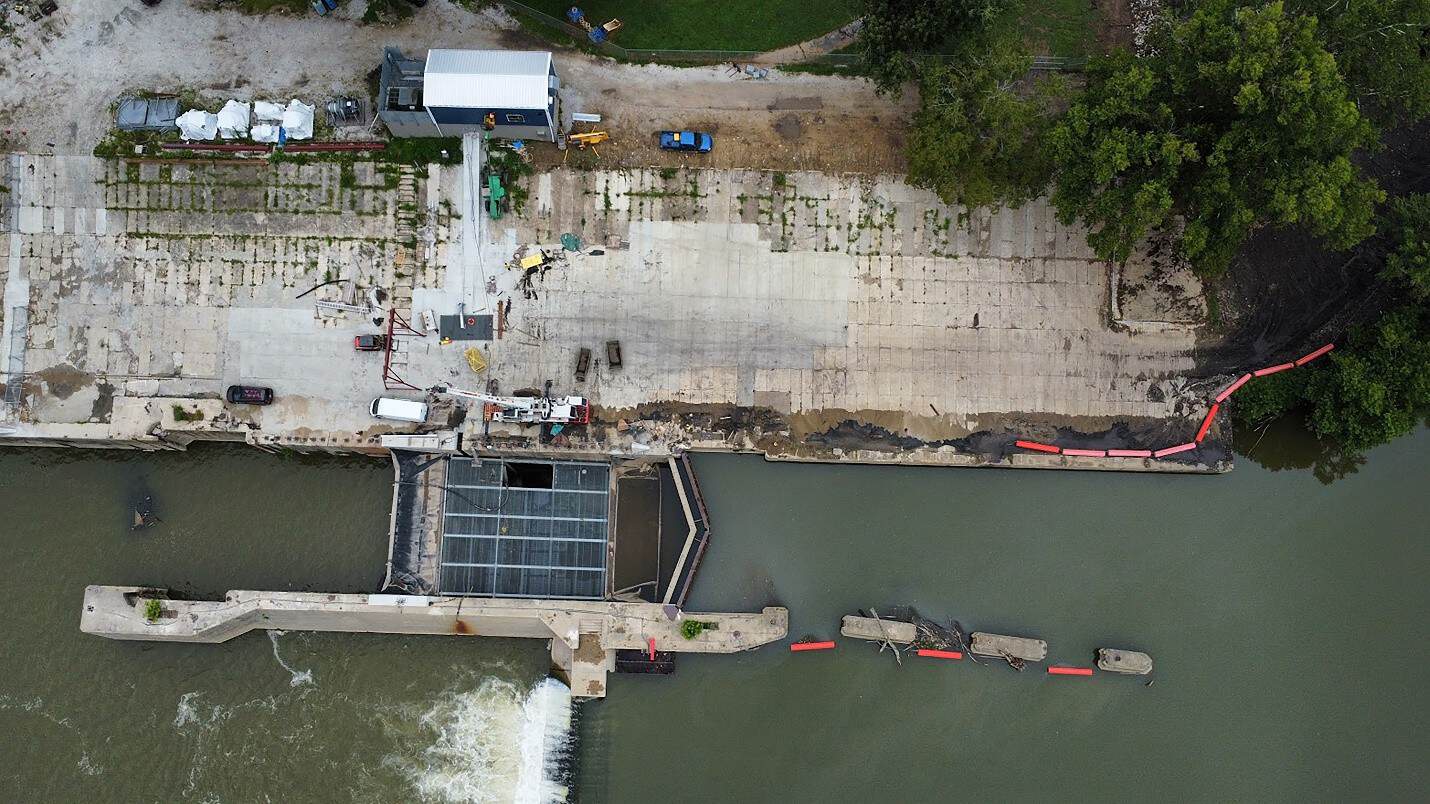
Lock 14 Project
That same philosophy can be found along Kentucky’s historic river navigation system, where the Lock No. 14 Heidelberg Hydroelectric Project is transforming an abandoned navigation lock chamber into renewable energy infrastructure designed to withstand extreme flood events while reducing environmental impacts and long-term maintenance requirements.
By reimagining what already exists, the project demonstrates how hydropower can simultaneously create environmental, economic, and community benefits. Together with its Lock 12 companion facility, it will enable Berea College to offset more than 100 percent of its electricity consumption with renewable hydropower while supporting economic development in Appalachian Kentucky.
Hydropower’s future may not simply be waiting to be built. In many cases, it may already exist.
Environmental Stewardship is Driving Innovation
There was a time when environmental considerations were viewed principally as project constraints. Today’s projects tell a much different story.
Environmental stewardship has become one of hydropower’s most important drivers of innovation.
Fish passage projects provide perhaps the clearest example of that evolution. Modern facilities are expected to balance biology, hydraulics, constructability, dam safety, operations, and long-term environmental performance simultaneously.
The York Haven Nature-Like Fishway project on Pennsylvania’s Susquehanna River illustrates just how project delivery has evolved. Originally conceived as a 300-foot-wide in-river fishway, the project presented significant challenges related to hydraulic conditions, constructability, dam safety, and stakeholder interests.
Through hydraulic modeling, value engineering, and collaborative engagement with regulators and stakeholders, the design evolved into a more efficient and constructable solution anticipated to significantly reduce project costs while continuing to achieve both biological and operational objectives.
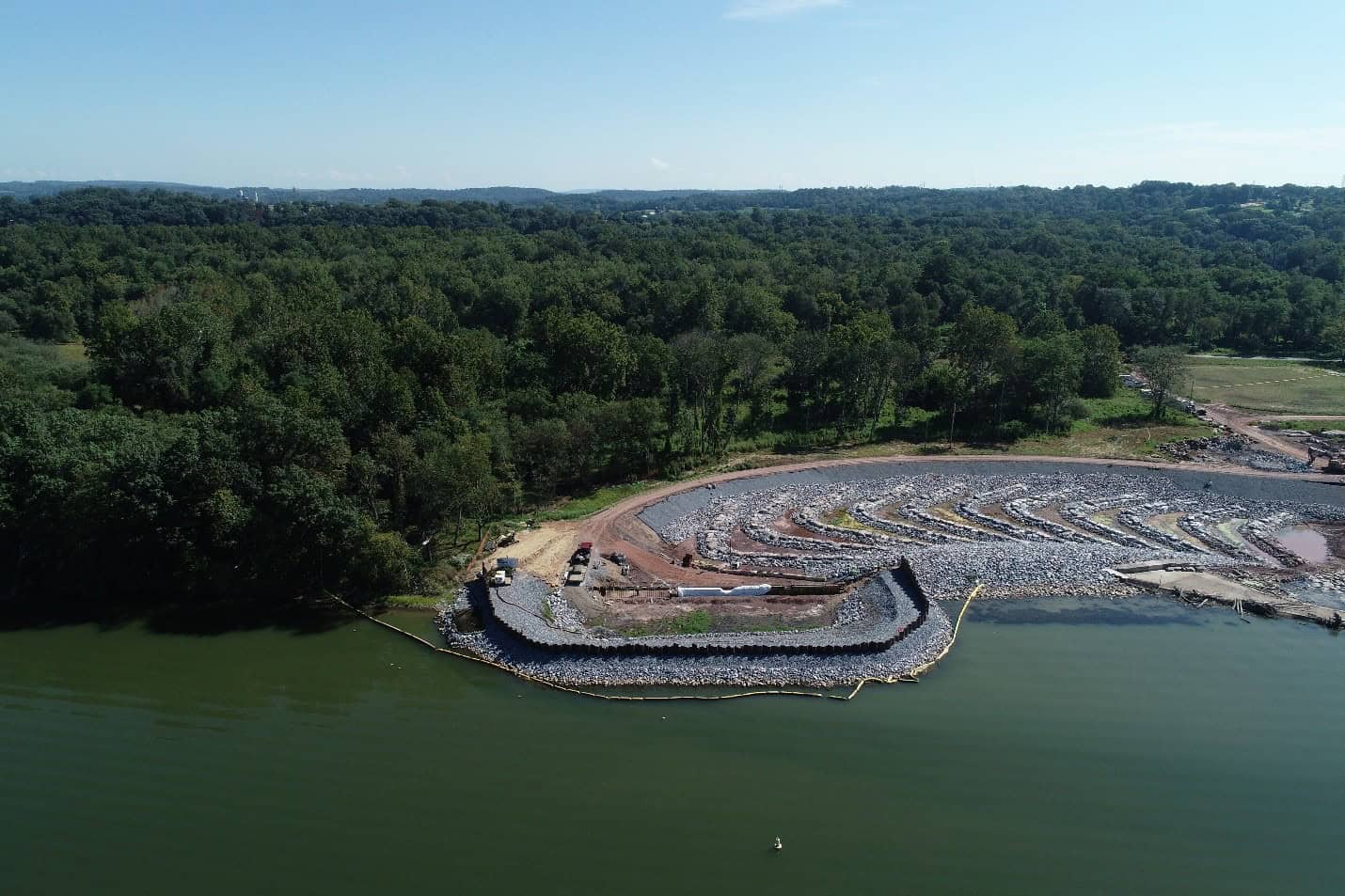
York Haven Nature-Like Fishway
Innovation didn’t stop when construction began. Unusually low river conditions created an opportunity to eliminate the need for a large cofferdam and substantially reduce in-river impacts through an alternative construction approach.
Projects like York Haven demonstrate that environmental stewardship and operational objectives are no longer competing interests. Increasingly, they are informing better solutions.
The same principle extends to projects beyond hydropower generation. At South Carolina’s Lake Conestee Dam Replacement project, public safety, environmental protection, historical preservation, and community priorities all informed the final design.
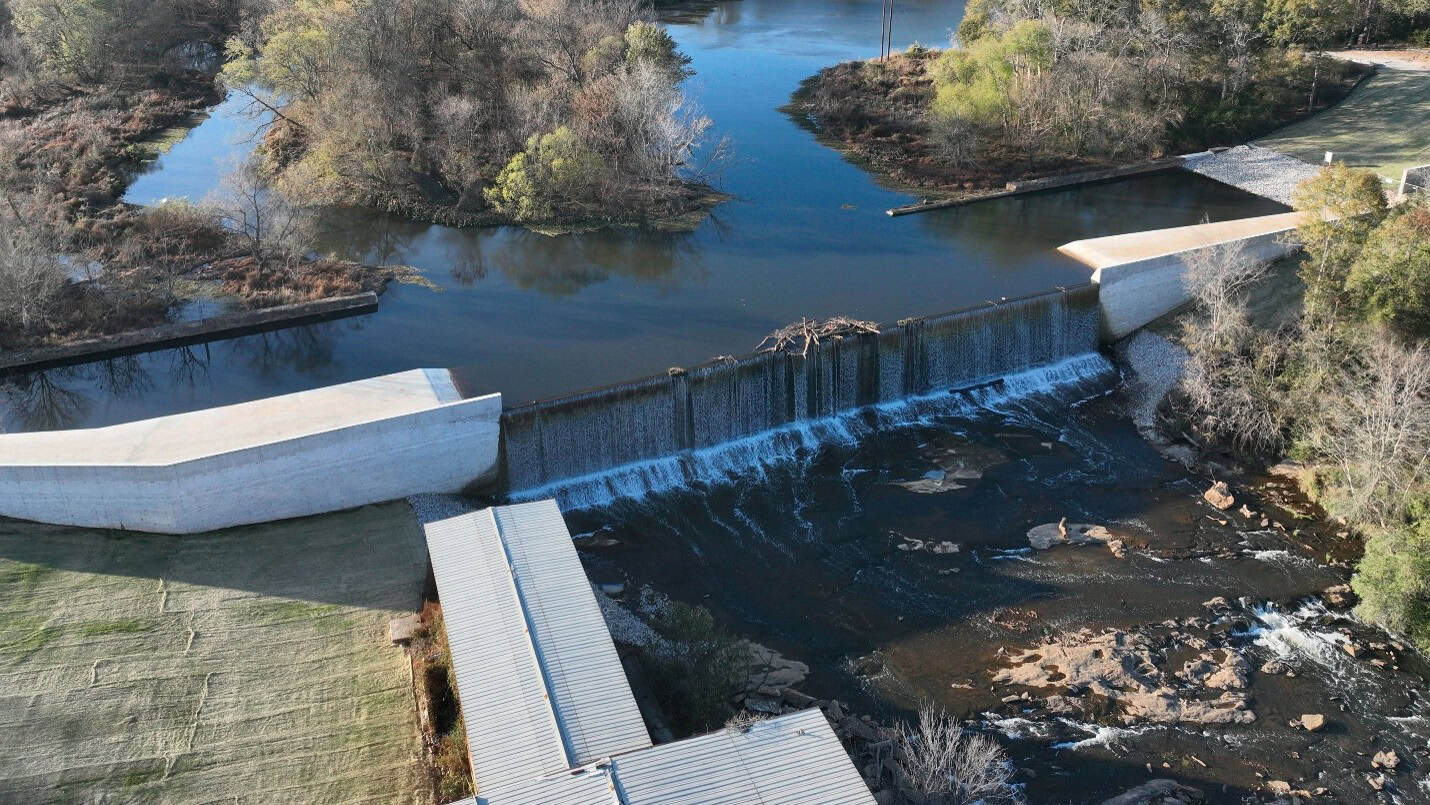
Lake Conesetee Dam
Environmental outcomes are no longer occurring at the margins of projects—they are influencing decisions from conceptual planning through construction and long-term operations.
Collaboration Has Become Critical Infrastructure
Hydropower has always been interdisciplinary. Today’s projects have simply raised the stakes.
Modern water resource projects exist at the intersection of communities, regulators, resource agencies, Indigenous communities, environmental organizations, recreational interests, and renewable energy needs. Successfully navigating those relationships has become every bit as important as solving technical challenges.
The industry’s most significant challenges rarely fit neatly within a single discipline. Operational decisions influence fisheries outcomes. Environmental objectives shape engineering solutions. Regulatory requirements affect construction approaches. Community priorities influence long-term project goals.
As a result, collaboration has become its own form of infrastructure.
Successful relicensing efforts increasingly reflect that reality. Bringing diverse stakeholders together to develop consensus around protection, mitigation, and enhancement measures requires significant investments in transparency, communication, and sustained engagement. Those investments frequently produce benefits that extend far beyond regulatory compliance.
The industry’s most resilient projects are often the ones that embrace complexity rather than attempting to simplify it.
Building for What’s Next
If adaptation has defined hydropower’s past, resilience will define its future.
Climate variability, aging infrastructure, evolving environmental expectations, and growing demands for renewable energy are challenging the industry to think differently about modernization. Resilience is no longer an ancillary project benefit—it has become a primary project objective.
Tomorrow’s hydropower facilities will need to do more than operate safely and efficiently. They will need to respond intelligently to increasingly dynamic conditions while continuing to deliver reliable renewable energy.
That future will demand smarter infrastructure, deeper collaboration, and continued innovation across disciplines.
Hydropower has never been solely about electricity generation. At its best, it represents something larger: the ability to thoughtfully balance competing priorities in service of both people and place.
The next chapter of hydropower will not be defined by a single technological breakthrough or regulatory change. It will emerge through thousands of decisions that recognize renewable energy, environmental stewardship, resilience, and collaboration are not separate ambitions.
They are shared objectives flowing in the same direction.
And that future isn’t decades away. Across North America, it is already taking shape.