


 Back to All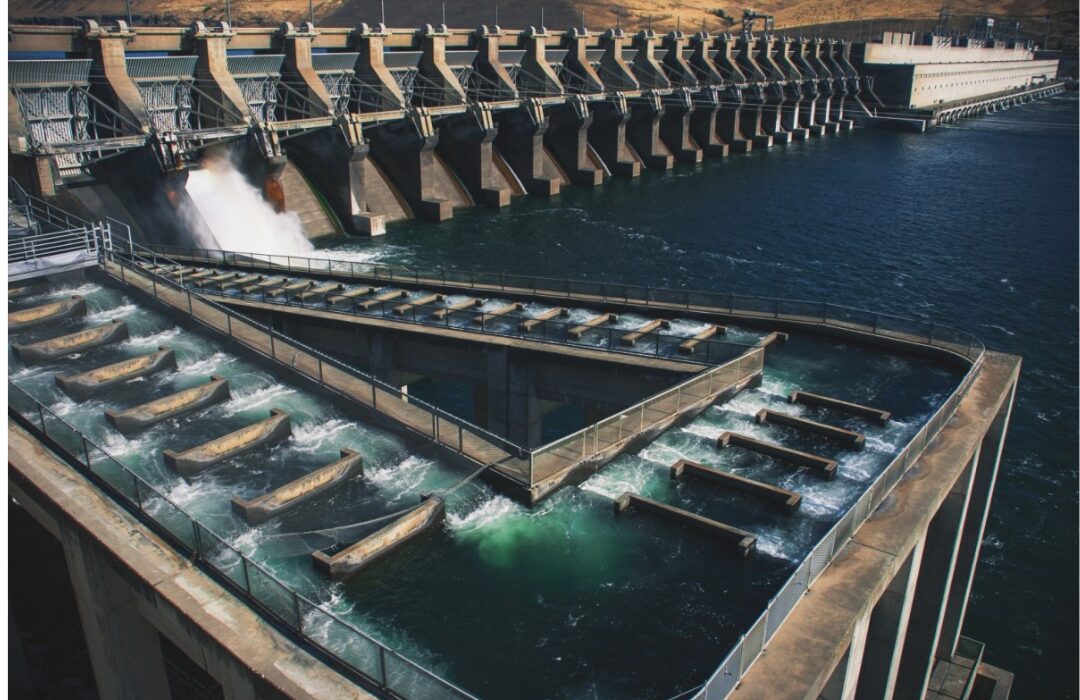
The U.S. hydropower fleet delivers 102 GW of reliable, domestic, baseload electricity — enough to power over 30 million homes and businesses — yet it’s at risk. While the Inflation Reduction Act (IRA) supported new hydropower and pumped storage, it failed to address the maintenance needs of existing facilities, many of which are over 60 years old and in urgent need of modernization.
Without tax parity with other non-emitting technologies, hydropower faces a competitive disadvantage. In fact, one-third of hydropower asset owners are considering license surrender and facility decommissioning, with nearly 400 projects up for relicensing by 2035. Lack of tax support jeopardizes grid reliability and could lead to higher electricity prices.
This is happening as data center growth drives a projected doubling of U.S. electricity demand by 2030, straining the electric grid and outpacing intermittent renewable deployment. Yet, water power’s unique value is undeniable:
- Hydropower’s firm, flexible nature makes it uniquely suited to meet the nation’s rising energy demand.
- Pumped storage provides utility-scale, long-duration energy storage, enabling grid operators to store excess energy and deploy it when needed most.
- Hydropower also supports grid resilience, supplying 40% of the nation’s black start capability – the ability to restart the grid after a blackout.
In an era of soaring energy demand, every megawatt matters — and it’s become increasingly clear that we need on-demand hydropower and the critical grid services it provides.
To safeguard existing hydropower assets, the industry needs targeted policy support and financial tools to make critical infrastructure upgrades and improvements. With the right incentives, hydropower can continue providing baseload, carbon-free power while meeting modern design standards and protecting vital infrastructure.
THE POLICY SOLUTION
This spring, Representatives Adrian Smith (R-NE) and Suzan DelBene (D-WA), along with Senators Cantwell (D-WA) and Murkowski (R-AK), reintroduced the bipartisan Maintaining and Enhancing Hydroelectricity and River Restoration Act (H.R. 2160 / S. 1183).
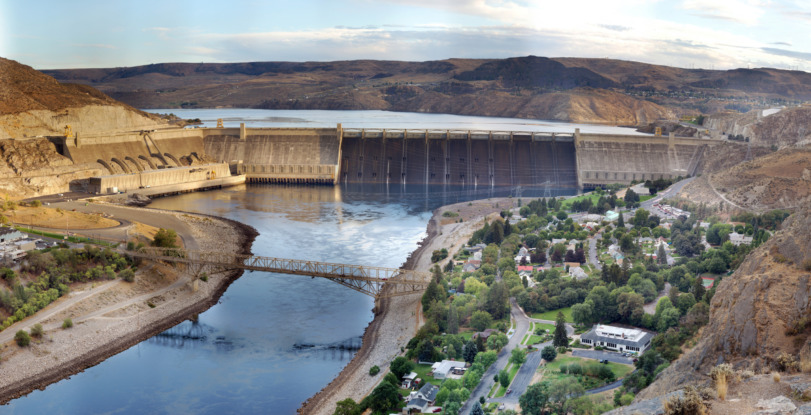
The bill establishes a 30% investment tax credit (ITC) for dam safety and infrastructure upgrades, as well as environmental enhancements at existing hydropower facilities — helping them remain operational, competitive, and compliant with federal regulations.
Eligible improvements include:
- Water quality improvements
- Spillway and floodgate upgrades
- Sediment and habitat management
- Public access and recreation improvements
- Voluntary removal of obsolete river obstructions
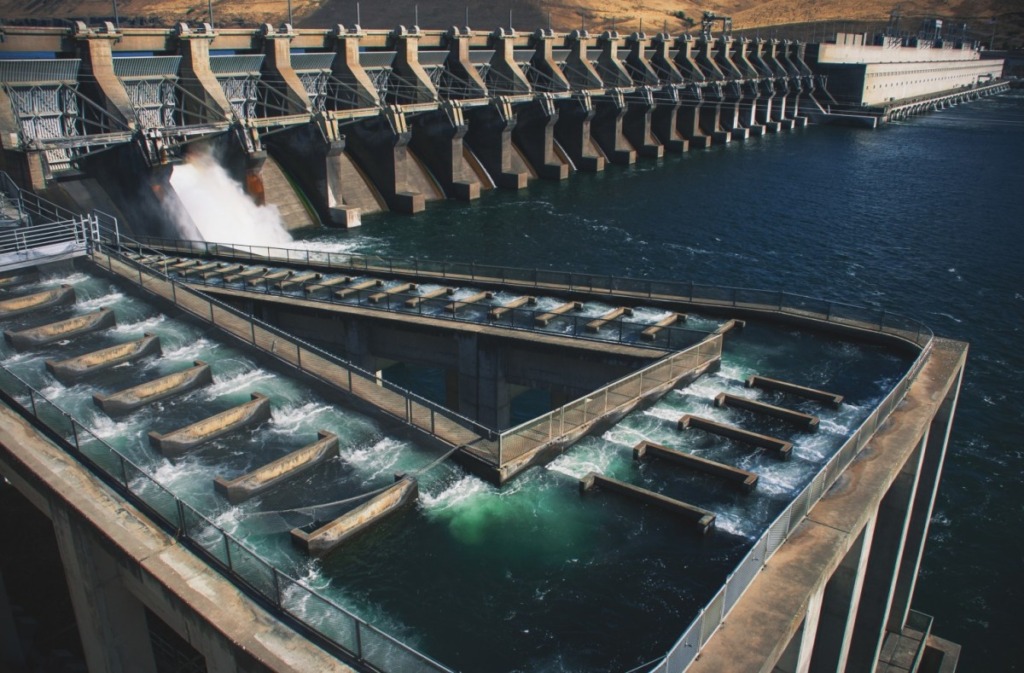
- Fish passage additions or upgrades
Key advantages:
- Elective pay option allows tax-exempt entities (like public utilities and co-ops) to receive a direct payment equal to the credit.
- Low cost: Scored at just $729 million over 10 years by the Joint Committee on Taxation.
A RARE OPPORTUNITY – BUDGET RECONCILIATION
Budget reconciliation is a special legislative tool that allows Congress to pass tax and spending measures with a simple majority in the Senate — bypassing the usual 60-vote threshold. It’s a rare opportunity that requires political alignment across the House, Senate, and White House — a trifecta that doesn’t come around often.
For hydropower, reconciliation offers a unique path to secure targeted tax and policy support for our existing infrastructure. Because all three levers of government are currently controlled by the Republican party, it is crucial H.R. 2160 and S. 1183 – bipartisan bills with strong support across the aisle – secure broad Republican backing in both chambers and the Administration to advance and reach the President’s desk.

HYDROPOWER AND THE ADMIN – THE POLICY SOLUTION THAT FITS TRUMP’S PLAYBOOK
Importantly, President Trump has emphasized American energy dominance, prioritizing domestic, baseload generation. Hydropower is a foundational American resource aligned with this vision.
In fact, hydropower has been specifically recognized in recent Executive Orders advancing U.S. energy independence, including the Unleashing American Energy and National Energy Emergency orders – one of these orders even calls out the “kinetic movement of water” as a priority area. Hydropower was also acknowledged in the Clean Coal Executive Order, where the President explicitly called it “fantastic” – a notable signal that hydropower is seen as a serious contributor to our nation’s energy future.
Supporting the Maintaining and Enhancing Hydroelectricity and River Restoration Act through budget reconciliation is the ideal way for Republicans to affirm their commitment to baseload reliability, national energy infrastructure resilience, and pro-growth energy policy.
It’s a win-win for President Trump’s energy platform and for America’s long-term energy security.

THE CALL TO ACTION
The time to act is now. Literally, now. The House Ways and Means Committee is planning to mark up the draft reconciliation package tomorrow, May 13 at 2 pm ET, and we have a narrow window to get this bill included. Hearing from industry lobbyists only goes so far; Congress needs to hear from its constituents – aka YOU.
Option 1: Conduct Your Own Outreach
Call or email your U.S. Senators and Representatives and urge them to co-sponsor and vote YES on the Maintaining and Enhancing Hydroelectricity and River Restoration Act.
- To find your U.S. Senators, click here. To find your U.S. Representative, click here.
- If you are calling, the office number can be found on the homepage of your legislator’s website.
- If you are emailing the office, please utilize this tool to find the appropriate legislative staffer and their contact information.
Option 2: Utilize NHA’s Newest Advocacy Tool – VoterVoice
Using VoterVoice is quick and easy.
- Access VoterVoice on NHA’s webpage under the “Policy” tab.
- Click on the “Tax Credit for Existing Hydropower” Campaign.
- Enter your name and address (or the address of your facility) to identify your elected officials, and the platform will generate a pre-drafted message that you can personalize. Click send, and your message will be sent directly to your Members of Congress.
Key points to emphasize in outreach to Republican Offices:
- Grid resilience without reliance on foreign supply chains
- Lower electricity prices for consumers, manufacturers, and data centers
- High-quality jobs in rural, working-class communities
Include these supplemental documents:
If you have any further questions, reach out to Matthew Allen, Director of Legislative Affairs, [email protected] or Brittney May, Legislative Affairs Manager, [email protected].