
 Back to All
If there are two words that sum up this year’s state elections, they would be: “ELECTRICITY AFFORDABILITY,” lit up in bright, neon letters.
While 2025 is considered an “off year” for federal elections, voters across the country still decided several critical races on Tuesday, November 4; they included gubernatorial races in Virginia and New Jersey, the New York City mayoral election, statewide referenda, and other local and statewide contests.
In many of these races, voters showed increasing frustration with rising energy costs and delivered big margins of victory to candidates who made bold promises to lower them.
Those of us in the water power industry are keenly aware of these concerns, but the results in this election cycle confirmed it: a broad coalition of voters are demanding solutions for energy affordability from their elected officials, local utilities, power producers, manufacturers, and other energy stakeholders.
As this challenge reaches a fever pitch, the water power industry must do more to leverage hydro’s low-cost, reliability benefits with customers while also acknowledging there’s more work to do, as well as pledging further progress.
Read on to learn what voters in key races are saying and how your organization can connect to everyday Americans to demonstrate that you’re listening and taking action.
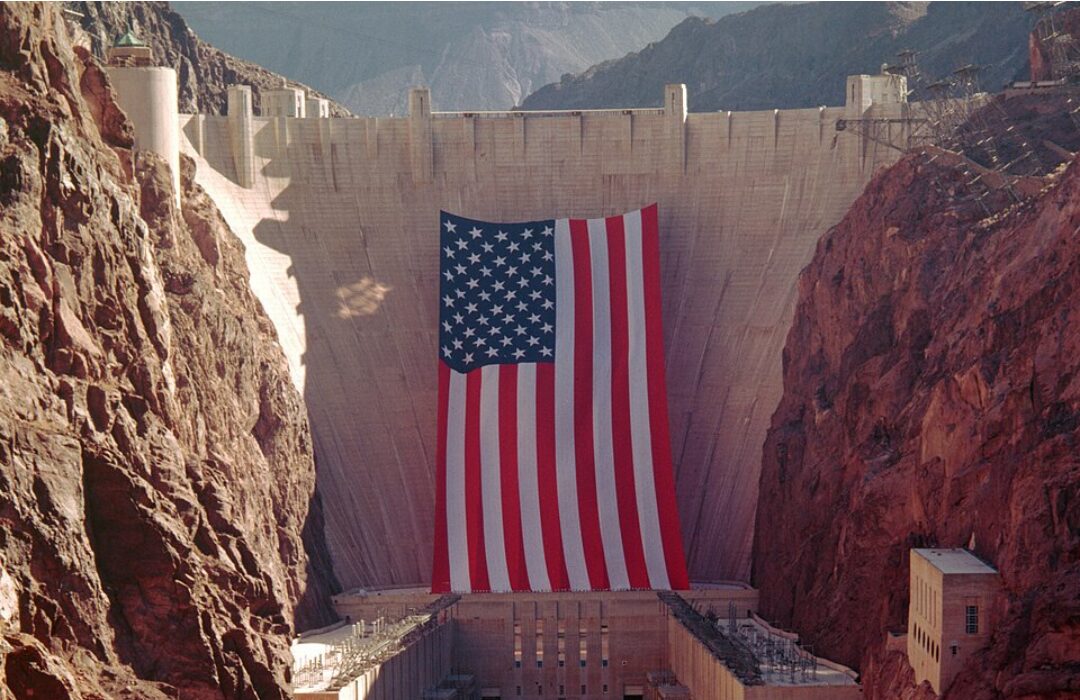
A 505 foot by 255 foot U.S. flag hangs over the Hoover Dam. (Photo credit: U.S. DOD)
UNPACKING NEW JERSEY’S GOVERNOR RACE
In the Garden State, Democrat Mikie Sherrill won the governor’s race by 14 points, despite most polls showing a close race. Governor-elect Sherrill made energy affordability a centerpiece of her campaign,
This isn’t just grandstanding. This summer, energy rates in New Jersey climbed 22% year-over-year, which is higher than any other state except Maine. An analysis of this trend by the New York Times points to a big jump in electricity auction prices in New Jersey and other PJM states as the main reasons for the spike in average costs. According to PJM, these increases are happening because energy demand is outpacing supply.
While Mikie Sherrill and her Republican opponent, Jack Ciattarelli, proposed different and often opposing solutions to respond to this challenge, both made energy affordability a centerpiece of their campaigns. That’s just smart politics – as a CNN exit poll of New Jersey voters found that 87% of respondents say energy prices are a problem where they live.

Mikie Sherrill Photo: Courtesy of Mikie Sherrill campaign
GEORGIA’S PUBLIC SERVICE COMMISSION ELECTIONS
Down south, Georgia held two concurrent elections for seats on the Public Service Commission, the state board responsible for regulating utility rates. Republicans have maintained unanimous control of this board for almost 20 years, but the results on election night were equivalent to a political earthquake.
The victors seized populist anger over growing electric bills, which have increased $43 on average for residential customers between 2022 and 2025. Alicia Johnson, the winner of the PSC District 2 race exclaimed:
“This victory isn’t just mine, it’s ours. It’s for the single mother choosing between groceries and her power bill, the senior trying to keep the lights on, and the young voter who showed up believing that their voice matters.”
Johnson’s appeals have an ever-growing audience according to a new survey that shows more Americans are falling behind on their utility bills. While growing demand, extreme weather events, and other factors may necessitate higher prices in Georgia and elsewhere, these explanations provided little comfort to voters.
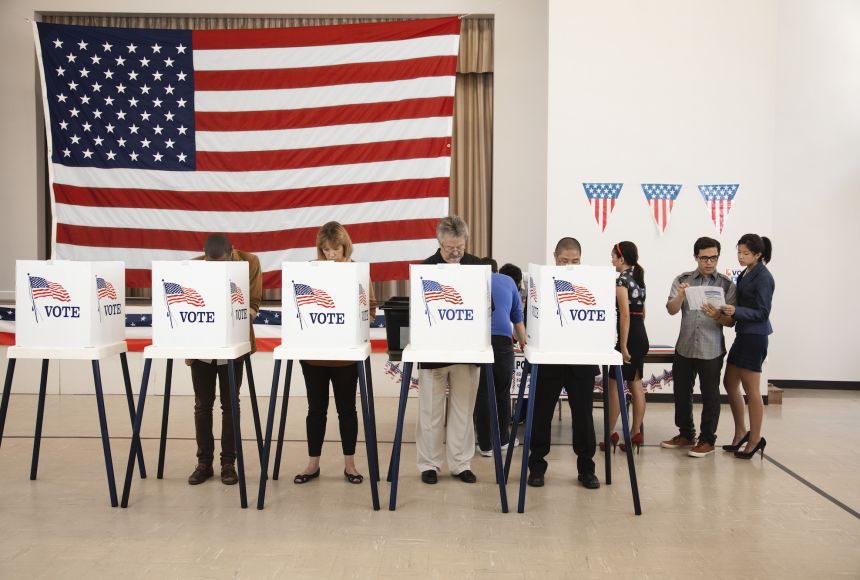
American voters complete their ballots. (Photo Credit: Hill Street Studios)
HOW DOES HYDRO MEET VOTERS WHERE THEY ARE?
While many in water power may see these election results as a cause for alarm and the ‘affordability agenda’ as a hurdle for the industry, we should instead view them as an opportunity. Hydropower has a great story to tell about its ability to strengthen grids and produce clean, affordable energy for communities across the United States.
Below are some ways you can share those benefits with stakeholders and highlight the tools our industry needs to keep prices low:
- Engage with local media: Now is a great time to pitch an op-ed or an interview with local media to share what your organization is doing to help lower costs for consumers. The industry is always introducing new innovations and strategies to enhance energy output, and the growing issue of energy affordability is a great hook to share those successes and future plans.
- Community listening sessions: Simply showing up goes a long way. Public frustration with energy costs and energy demand has reached a fever pitch, and others will seize the narrative if we don’t speak up. Host a listening session or attend public meetings where you can speak face-to-face with your customers and fellow community members. Validate their concerns about rising energy costs, and, more importantly, provide solutions.
- Show hydropower’s ‘bang for the buck’: Consumers love a god “buy-one-get-one” deal, and that’s what hydropower offers. We are the only energy source that provides clear benefits beyond electricity generation; these include irrigation, flood control, recreation, and more. Make your community messengers more aware of hydro’s incredible value proposition.
- Take the fight to federal lawmakers: While hydropower is proven to enhance reliability and affordability, these benefits are at risk if we don’t enact common-sense policies in Washington, D.C., that protect and strengthen our industry. Tell your representatives that we need tax support for costly upgrades for dam safety and environmental improvements, and without that support, these costs may be passed to consumers. Also warn them that a costly and burdensome licensing process for hydropower threatens about 40% of the nonfederal fleet in the relicensing pipeline, and many of these facilities may opt to decommission if Congress doesn’t enact permitting reform that streamlines the current regulatory gauntlet. Removing this clean, firm power from the grid will almost certainly strain energy output, leading to rising costs and less reliable electricity.
One great thing about democracy is the voters’ ability to clearly state their priorities at the ballot box. This year, millions of voters sent a strong mandate for energy affordability, and we must respond just as boldly.
If your organization is successfully messaging affordability in compelling and creative ways, NHA would love to hear about it. Email me at [email protected] to share these updates.