The National Hydropower Association (NHA) is a nonprofit association dedicated to preserving and expanding clean, reliable, affordable hydropower and marine energy.
OUR VISION: Water power, in all its forms, is valued as an essential renewable energy resource to achieve a sustainable, clean, and secure electricity system in North America.
OUR MISSION: Champion water power through policy advocacy, education, and industry collaboration to promote the development and continued utilization of new and existing water power resources.
NHA represents more than 300 companies in the North American hydropower industry, from Fortune 500 corporations to family-owned small businesses.
Our members include both public and investor-owned utilities, independent power producers, developers, equipment providers & manufacturers, service providers, environmental and engineering consultants, attorneys, and public policy, outreach, and education professionals.
NHA members are involved in projects throughout the North American hydropower industry, including both federal and non-federal hydroelectric facilities. NHA members own and operate approximately 85% of the waterpower generating capacity in the United States.
Through membership, individuals and organizations gain access to regulatory bodies, influence over energy and environmental policy and a means to exchange valuable information within the industry.
The National Hydropower Association (NHA) is a nonprofit association dedicated exclusively to promoting the growth of clean, renewable hydropower and marine energy.
As a professional society, the National Hydropower Association is committed to providing an atmosphere that encourages the free expression and exchange of ideas. Consistent with this commitment, it is the policy of the NHA that all participants in NHA activities will enjoy a welcoming environment, free from unlawful discrimination, harassment and retaliation. All participants in NHA activities also agree to comply with all rules and conditions of the activities, which are subject to change. This policy applies to all participants in NHA activities, including but not limited to event attendees, students, guests, staff, contractors, exhibitors, and participants in sessions, tours, and other social events of any NHA meeting or other activity.
Hydropower has been used in the U.S. since the late 1800’s and the origins of the technology reach back thousands of years. Ancient cultures from the Greeks to Imperial Rome to China used water-powered mills for essential activities like grinding wheat.
The precursor to the modern hydro turbine was developed in the mid-18th century. One hundred years later, inventors were steadily improving the efficiency of these technologies. In 1849, an engineer named James Francis developed the Francis Turbine, the type of turbine that is most widely used today.
Hydropower Milestones
1849: Invention of the Francis turbine.
1882: The world’s first hydropower plant begins operations in Appleton, Wisconsin, on the Fox River.
1887: The first hydroelectric plant opens in the West, in San Bernadino, California.
1907: Hydropower accounts for 15 percent of U.S. electrical generation.
1920: Hydropower accounts for 25 percent of U.S. electrical generation.
1931: Construction begins on the Hoover Dam, ultimately employing a total of more than 20,000 workers during the Great Depression.
1937: The Hoover Dam begins to generate power on the Colorado River.
1941-1945: Bureau of Reclamation dams ramped up power output to support America’s efforts in World War II, producing enough electricity to make 69,000 airplanes and 5,000 ships and tanks during a five-year period.
1980: Conventional hydropower capacity is nearly triple compared with 1920 level.
Today: A vast expansion of hydropower’s potential is possible through new technologies for conventional, pumped storage and marine and hydrokinetic projects, modernizing existing hydropower facilities and adding generation to existing non-powered dams.
Source: DOE
State-Specific Water Power FactsFind and click on your state to generate a state-specific water power facts pages JTNDZGl2JTIwY2xhc3MlM0QlMjJuaGEtc3RhdGU…
Below you’ll find NHA’s current and past Annual Reports. Each one captures the Association’s — and the hydropower industry’s — accomplishments throughout a given year.
Membership is corporate — no limit to the number of employees who can participate. ALL of your staff has access to NHA’s full suite of services at no additional cost.
NHA is member driven.
Member organizations get:
A vocal national champion for hydropower in all of its forms, including all marine energy technologies
An advocate for improved regulatory, legislative, and wholesale electricity markets policies for the hydropower industry
Lobbying on behalf of the industry, on Capitol Hill, at federal agencies, and within the administration on hydropower issues
Employee involvement, engagement, and education, through topic-focused committees and councils (see below for the list*)
By participating in the committees/councils, your employees work and learn alongside peers, clients, colleagues, and potential clients on issues important to them.
From this work, your employees have unique opportunities to learn, share industry expertise, network, and build strong relationships.
NHA’s Board of Directors use the input of the committees and councils to set the strategic plan of the organization.
Communicating Hydro’s Message to Various Constituencies
Hydropower Technical Community/Operational Excellence (includes plant operations and maintenance, dam safety, human safety)
Innovation/Research and Development (Waterpower Innovation Council)
Legal Affairs
Legislation
Marine Energy
Organizational Leadership (CEO Council)
Pumped Storage Development
Regulations/Licensing
Small Hydro
Wholesale Electricity Markets
Committees and councils are led by industry members and work through conference calls, emails, webcasts, and face-to-face meetings. There is no limit to the number of employees who can participate in any of these committees and councils.
What will NHA do for your organization?
Advocate to preserve and expand hydropower in all its forms, including all marine energy technologies
Provide an avenue to ‘weigh in’ on a variety of issues important to your organization and forge industry attention on your current and/or emerging challenges
Connect your employees with other hydropower professionals, and create forums to build relationships and facilitate business
Provide insights to your employees about timely policy and industry developments
Create opportunities for member-to-member communication and connection (through the online Member Portal)
Conduct an annual safety survey of asset owners and share results with NHA members
Provide a tool to assist in managing aging assets, training your workforce, improving workplace safety, avoiding forced outages and reduce costs, and help avoid problematic events experienced by others
Get real-time information on operations issues from your peers
Offer discounts on cost of attending, exhibiting at, and/or sponsoring NHA-organized industry events (Clean Currents, Waterpower Week, Regional Meeting Series and others)
Promote your organization – at time of joining, each member is invited to provide an article for placement in the association’s member newsletter, NHA Member Playbook, introducing its organization to the entire membership and recognizing you as a leader in this market
By joining NHA, you put your organization ‘in the know’ on emerging issues and help your team proactively prepare for changing policies that undoubtedly will affect you.
What are the specific benefits my company and my employees get when we join NHA?
Reduced rates for attending, exhibiting at, and/or sponsoring:
Clean Currents, NHA’s new industry-wide tradeshow + conference
Waterpower Week, NHA’s premiere policy conference for the North American industry
Regional meetings held throughout the United States each year
Free organization listing with your company logo and company profile on NHA’s website. Traffic is directed to your website through a link. Buyers can use it as a resource for products and services offered by NHA members
Access to
Its purpose is for industry to learn from each other to improve operations, safety, environmental performance and reduce unplanned outages
Compilation of more than 270 event reports submitted by NHA member organizations at their hydro projects, resulting in more than 1,000 lessons learned and corrective actions
Only confidential event reporting program/database available in the hydropower industry
Serves as a clearinghouse of all hydropower operation-related information
Useful tool for improving operations, workplace safety, and a training resource
Subscription to a bi-weekly newsletter (e-mailed every other Wednesday), NHA Member Playbook, to keep your employees informed and up to date and to help plan their schedules
Access to NHA staff and the Online Members Only Portal, which provides all member employees with detailed, up-to-the-minute information on various issues.
What does NHA membership cost?
Asset Owners: Annual membership dues are based on installed capacity of North American hydropower assets.
Product and Service Providers and Project or Technology Developers: Dues are based on only the North American hydropower portion of your revenues.
2027 Dues Categories for Product and Service Suppliers – Annual Revenue Ranges
Dues
Platinum Leadership > $50 mil
$38,686
Leadership $20 mil – $50 mil
$28,559
Large $5 mil – $20 mil
$22,580
Medium $1 mil – $5 mil
$15,938
Established $ 500K – $1 mil
$10,630
Small $250k – $500k
$6,448
Supporting <$250k
$3,318
The 2027 membership dues rate for Academic Institutions is $1,527.
Dues are based on a calendar year and will be prorated based on the time of year you join.
Click here to begin the online application process.
Where does your investment go?
Every dollar NHA receives from membership dues and fees for attending /exhibiting /sponsoring at NHA-organized events goes to:
Elevating waterpower’s voice in regulatory and market issues
Building NHA’s internal capacity to effectively engage on policy and affect change, including:
Reform of the U.S. federal licensing process
Tax credits and other incentives for new hydropower project development and capacity additions at existing facilities
Expanding NHA’s advocacy beyond federal advocacy to wholesale markets in specific regions throughout the U.S.
Cultivating new allies to achieve legislative priorities
Maintaining a unique event reporting program and database that receives, distributes, and catalogs hydro operating experiences, best practices, and lessons learned (OpEx)
Creating forums (both in person and virtual) for member employees to connect with other hydropower professionals, build relationships, learn from one another, and facilitate business
Building a “Hydro Academy” to offer continuing education for individuals working in the industry
Awards
Achievements in Water Power Awards
The Achievements in Water Power Awards celebrate impactful achievements across the U.S. water power industry – recognizing projects and programs that advance innovation, enhance environmental and recreational outcomes, and strengthen public understanding of water power. Each year, NHA presents the Achievements in Water Power awards at Clean Currents. Learn more about the Achievements in Water Power awards and submit an application for this year’s competition.
The Dr. Kenneth Henwood Award, NHA’s highest individual honor, is presented annually to an individual within the waterpower industry who exhibits dedication to waterpower as an energy technology; persistence in the face of institutional obstacles; appreciation and understanding of the relationships among project engineering, environment and economics; a strong commitment for fair dealing and plain speaking; and uncommon energy, enthusiasm, and excitement as a leading force in the industry.
The Rising Star Award recognizes an early-career professional with 3 to 10 years of total professional experience, who demonstrates not only ongoing leadership, but a commitment to grow their career and leadership roles within the water power industry.
Outstanding Stewards of America’s Waters (OSAW) honors deserving organizations in the hydropower and marine energy industry for projects that exhibit exemplary operational, educational, historical, recreational, or environmental enhancement and stewardship.
Hydropower’s proven track record of providing a domestic source of clean, renewable, and reliable electricity for more than 125 years is no accident. It has taken hard work, perseverance, creativity, innovation, and a collaborative spirit. Today, these same values are also driving a new generation of hydropower projects that harness the power of oceans, tides, man-made conduits and other waterways, in addition to rivers.
How the OSAW Process Works
Eligibility
Specific projects, programs, activities or events pertaining to hydropower in the United States or Canada that meet the three category criteria.
An application for a specific accomplishment may be submitted in only one category; however, an applicant may submit applications for multiple different accomplishments.
An accomplishment, or the intended effect or result of an accomplishment, must have occurred or have been substantially realized in 2024.
Categories
Up to three awards will be presented for each of the three categories:
In 1994, the National Hydropower Association (NHA) created the Hydro Achievement Awards to recognize organizations and projects committed to excellence in the development and operation of hydropower. In 1999, NHA added the Outstanding Stewardship of America’s Rivers (OSAR) Report to profile the best examples of hydropower’s ability to generate clean, renewable, reliable and affordable electricity while protecting the riverine ecosystem.
Beginning in 2007, these two recognition programs were merged to more effectively provide recognition to deserving organizations and to reflect the changing nature of the hydropower industry, particularly the fact that hydropower can be used in various waterways. The new award program is called the Outstanding Stewards of America’s Waters (OSAW).
Hydropower is a unique and essential energy resource. So too, are those who become involved in this great industry. Individuals who work for the hydropower industry spend their careers preserving and improving upon it. They are dedicated and caring individuals whose achievements make a difference for the industry as a whole. They provide leadership, courage and strength.
Dr. Kenneth Henwood, a developer and lover of the hydro resource, possessed these attributes. It seems a fitting tribute that he became the namesake of NHA’s most prestigious individual award to recognize life-time achievement grounded in a commitment and love for the resource with the courage of leadership and vision.
Created in 1990, the award honors this unique individual, and most importantly, pays tribute to those dedicated and caring individuals who have given so much of themselves to hydropower and the hydropower industry. The award is industry’s highest honor and is presented to those who show great leadership and dedication to hydropower in the spirit of its namesake, Dr. Henwood.
Nominations
The Dr. Kenneth Henwood Award is presented to an individual within the hydro industry who exhibits:
Dedication to hydropower as an energy technology;
Persistence in the face of institutional obstacles;
Appreciation and understanding of the relationships among project engineering, environment and economics;
A strong commitment for fair dealing and plain speaking; and
Uncommon energy, enthusiasm, and excitement as a leading force in the industry.
The Dr. Kenneth Henwood Award winner will be announced in September at Clean Currents 2026 in Phoenix, Arizona.
2007: R. Michael Akridge2006: Ronald A. Corso2005: Dan E. Jarvis2004: Jerry Sabattis2003: Julie Keil2002: John J. Devine2001: Nathaniel Willis Washington2000: Wayne Elkins1999: Don Clarke1998: Leslie Eden & Carl Vansant1997: Larry Wimer1996: Gordon Marker1995: Wayne Rogers1994: Carol H. Cunningham & Brian K. Billinson1993: Mark Sundquist1992: John McMahan1991: Gail Greely
2025 Henwood Recipient: Herbie Johnson
The National Hydropower Association (NHA) is pleased to announce Herbie Johnson as the recipient of the 2024 Dr. Kenneth Henwood Award at the fifth-annual Clean Currents. The Henwood Award is the hydropower industry’s highest honor and celebrates a lifetime of achievement to those who demonstrate great leadership in the hydropower field. In recognition of Dr. Kenneth Henwood’s dedication to the industry, Herbie was selected by a committee of his peers for this prestigious honor.
The National Hydropower Association (NHA) is pleased to announce John Ragonese as the recipient of the 2024 Dr. Kenneth Henwood Award at the fourth-annual Clean Currents. The Henwood Award is the hydropower industry’s highest honor and celebrates a lifetime of achievement to those who demonstrate great leadership in the hydropower field. In recognition of Dr. Kenneth Henwood’s dedication to the industry, Thoma was selected by a committee of his peers for this prestigious honor.
The National Hydropower Association (NHA) is pleased to announce Alvin Thoma as the recipient of the 2023 Dr. Kenneth Henwood Award at the third-annual Clean Currents. The Henwood Award is the hydropower industry’s highest honor and celebrates a lifetime of achievement to those who demonstrate great leadership in the hydropower field. In recognition of Dr. Kenneth Henwood’s dedication to the industry, Thoma was selected by a committee of his peers for this prestigious honor.
The National Hydropower Association (NHA) is pleased to announce Mary Gail Sullivan as the recipient of the 2022 Dr. Kenneth Henwood Award at the second-annual Clean Currents. The Henwood Award is the hydropower industry’s highest honor and celebrates a lifetime of achievement to those who demonstrate great leadership in the hydropower field. In recognition of Dr. Kenneth Henwood’s dedication to the industry, May Gail Sullivan was selected by a committee of her peers for this prestigious honor.
The National Hydropower Association (NHA) is pleased to announce Tom Sullivan, PE as the recipient of the 2021 Dr. Kenneth Henwood Award at Clean Currents in Atlanta, GA. The Henwood Award is the hydropower industry’s highest honor and celebrates a lifetime of achievement to those who show great leadership. In recognition of his dedication to the industry, Sullivan was selected by a committee of his peers.
The National Hydropower Association (NHA) is pleased to announce Marc S. Gerken, PE as the recipient of the 2020 Dr. Kenneth Henwood Award at Waterpower Week in Washington. The Henwood Award is the hydropower industry’s highest honor and celebrates a lifetime of achievement to those who show great leadership. In recognition of his dedication to the industry, Gerken was selected by a committee of his peers.
Linda Church Ciocci was presented with the 2019 Dr. Kenneth Henwood Award at Waterpower Week in Washington. Ciocci was selected by a committee of her peers in recognition of herlife-long dedication to the hydropower industry.
“In many ways, Linda has been the compass for our industry. She has been at the forefront of every hydro policy discussion, regulatory proposal and legislative initiative for three decades. She has worked tirelessly to promote hydro, in all of its forms, as the leading renewable source of energy,” said Herbie Johnson, Immediate Past President, National Hydropower Association.
In addition to leading NHA as President and CEO, she served as executive director of the Hydropower Foundation; served on the Business Council for Sustainable Energy’s Board of Directors; as vice chair of the Energy and Environment Study Institute’s Board of Directors; and three terms on the U.S. Department of Commerce Federal Advisory Committee on Renewable Energy.
She was also a founding member of the American Council on Renewable Energy. In 2009, she was named one of the 60 most influential people in the industry by International Water Power & Dam Construction. And in 2014, she received the Women with Hydro Vision Award by HydroVision International.
2018 Henwood Recipient: Michael Murphy
Michael Murphy was presented with the 2018 Dr. Kenneth Henwood Award at Waterpower Week in Washington. Murphy was selected by a committee of his peers in recognition of his life-long dedication to the hydropower industry.
Murphy retired in January, ending a more than 30-year career in the hydropower industry. Prior to retiring, Murphy was Vice-President and National Market Director for Hydropower with TRC, an engineering, environmental consulting and construction management firm with offices across the country.
Kenneth Henwood was born in Kansas City, MO, and grew up in San Jose, CA. He received a bachelor’s and master’s degree in Civil Engineering and a doctorate in Environmental Science from the University of California at Davis. Henwood founded Henwood Energy Services Inc, a consulting firm based in Sacramento that specializes in licensing and relicensing hydropower projects. Today, the firm is led by his brother, Mark, who has remained active in hydro licensing and development.
Ken was a strong believer in hydropower as an environmentally preferable energy source. At age 45, he died of injuries suffered from a fall while working on plans for a plant in the mountains near Georgetown, Calif. He is well remembered by those individuals who met and worked with him.
Henwood spent a great deal of time working with the Federal Energy Regulatory Commission. Ron Corso was head of the hydropower licensing division at that time and describes Henwood as “very committed to hydro development” and as a person who “went about the business of developing hydro projects with an intensity, dedication and a passion for seeing his work become a reality.” Reflecting on the career of this dedicated lover of hydro, Corso said,
“Henwood never wavered or let obstacles deter him from his passion; he became successful because he truly believed in what he was doing.”
Former NHA President Gail Greely once said Henwood’s degrees in engineering and environmental science allowed him to both design projects and to intelligently supervise environmental study work. She said of him,
“He could do it all; I have never known anybody like Ken before, and I never will again.”
NHA created the Past Chairs’ Legacy Scholarship in 2008 to encourage students to consider becoming part of the U.S. waterpower industry. Our growing industry has professionals in many different fields, including engineering, IT, biology, environmental sciences, forestry, hydrology, animal sciences, management, financial services, communications, and other areas. Many companies also offer high-paying skilled labor and technical positions.
Contributions from NHA, the Hydropower Foundation, organizations throughout the industry, and individual givers fund the NHA Past Chairs’ Legacy Scholarship. We encourage everyone who supports the future of clean, renewable, affordable energy to join us in making tax-deductible contributions.
NHA encourages industry companies to distribute information about the scholarship program to their employees, alma maters, local universities, trade schools, and community colleges. If you know of a deserving student, please forward the application materials.
SUBMIT AN APPLICATION
Beginning on January 2, 2026, applications will be accepted for the 2026 NHA Past Chairs’ Legacy Scholarship. The $2,500 scholarship goes to a promising young person who demonstrates the academic skills and commitment to help create the next generation of leaders in the waterpower industry. Applications must be submitted online through the Scholarship America website. Deadline for submission is February 12, 2026.
Who: (1) Current college sophomores or juniors who will be college juniors or seniors beginning fall 2027, or graduate students with a minimum cumulative 3.0 grade point average on a 4.0 scale (or equivalent) GPA who are enrolled in a full-time undergraduate or graduate course of study at an accredited four-year college or university; (2) Applicants must be students with an equivalent GPA at an accredited vocational-technical school or program. All applicants must be U.S. Citizens or legal residents.
Applicant must be pursuing a program of study that is related to the waterpower industry: Engineering, Sciences (biology, fisheries, and hydrology), Communications, or Environmental Studies.
Open for Application: January 2, 2026Deadline: February 12, 2026
PAST WINNERS
2025: Tyler Kleinsasser – Civil Engineering, South Dakota School of Mines and Technology
2024: Kiersten Wilson – Environmental Engineering, Colorado School of Mines
2022 and 2023: Cesar Bedolla-Hurtado – Civil Engineering, Washington State University
2021: Addie Daniels – Civil Engineering, LeTourneau University
2020: Jon Cowart – Electrical Engineering, Pennsylvania State University
2019: Jarrett Nugen – Civil Engineering, Western Michigan University.
2018: Alec Jobbins – Mechanical Engineering, University of California – Berkeley.
2017: Jeremy Price – Regional Planning – Environmental and Land Use Planning, University of Massachusetts – Amherst.
2016: Andrew Shea – Environmental and Natural Resources and Philosophy, Ohio State
2015: Scott Schenkelberg – Mechanical Engineering, University of Nebraska – Lincoln
2014: Thomas John Decker, Environmental Engineering, State University of New York College; and Nicole Peterson, Information Science and Technology, University of Wyoming.
2013: Christopher Budrow – Mechanical Engineering, Clarkson University
2012: Kaitlyn Martin – Mechanical Engineering, Colorado School of Mines
2011: Andrew Longenecker – Science, Environment and Resources, Stanford University
2010: Namratha Gudemaranahalli – Biology, West Virginia University
2009: Erica Hanley – Hydrological Engineering, specializing in Subsurface Hydrology, The Colorado School of Mines
2008: William C. Garrard – Information Science and Technology, Penn State
Working in Waterpower
The National Hydropower Association serves as a conduit to connect individuals interested in career opportunities in the waterpower sector (conventional hydro, pumped storage, and marine energy) with companies and organizations looking for employees.
Research Fellows & Interns
Available throughout the year. Please contact Kimberly Costner with inquiries or questions.
The NHA Job Board is an easy-to-use and highly targeted resource for members and non-members. Job seekers can browse current vacancies, post an anonymous resume and create new job alerts. Employers can post a job or browse the resume bank to find the right candidate. The NHA Job Board is the only job board that uses job posting fees to support, advocate for, and advance the hydro industry.
State-Specific Water Power FactsFind and click on your state to generate a state-specific water power facts pages JTNDZGl2JTIwY2xhc3MlM0QlMjJuaGEtc3RhdGU…
Expanding hydropower and marine energy production in the U.S. is among NHA’s top priorities. Learn more about NHA’s common-sense energy policy reforms to strengthen the industry.
Washington doesn’t operate in a vacuum. What happens in Congress affects the growth and vitality of the hydropower and marine energy industries. Find out how you can take action to support waterpower’s legislative initiatives.
Marine Energy, America’s next-gen renewable consists of wave, tidal, ocean current technologies, which are capable of providing predictable, consistent and affordable clean power.
Pumped storage provides vital support to our nation’s electricity grid, helping to balance the flow of power across transmission networks by absorbing excess when electricity demand is low and releasing it when demand increases.
Hydropower has generated clean, renewable electricity for more than 100 years, but it has yet to realize its full potential. While hydropower provides almost 7 percent of the nation’s electricity, it has enormous growth potential to power more homes, schools and businesses.
Support Funding for Marine Energy and Hydropower Technology
Tell Congress to continue robust funding of the Water Power Technologies Office!
The commercialization of new advanced water power technologies represents a substantial opportunity for the United States to meet our increasing electricity needs with a clean source of energy that stimulates a broad range of job-creating industries.
Today, marine energy is an emerging industry which is developing cutting edge technologies that generate electricity from waves, currents, tides and in-stream resources. And hydropower, one of the most affordable and reliable electricity resources, is developing new technology to improve efficiency, flexibility, and environmental performance.
Funding, however, is needed to assist private sector-led research, development, and deployment of new innovative hydropower, pumped storage and marine energy technologies, which is supported by the Water Power Technologies Office within the Department of Energy’s Office of Energy Efficiency and Renewable Energy.
Federal Legislation to Support the Waterpower Industry
PROVIDE TAX SUPPORT FOR DAM SAFETY UPGRADES AND ENVIRONMENTAL IMPROVEMENTS AT EXISTING HYDROPOWER FACILITIES
The average hydropower project in the U.S. is more than 60 years old. To comply with modern design standards and continue to operate safely and economically, the existing fleet must be upgraded, which will require significant investment.
A lack of tax support leaves many asset owners unable to finance these upgrades and at risk of license surrender. According to a recent industry study, one-third of hydropower owners are actively considering surrendering their licenses and decommissioning their facilities. Without tax incentives to help hydropower facilities fulfill federal safety and environmental regulations, the more than 500 facilities up for relicensing between now and 2035 may retire or be forced to recoup the cost through higher electricity prices.
NHA Advocacy Statement: NHA supports (S. 1183, H.R. 2160) the Maintaining and Enhancing Hydroelectricity and River Restoration Act, which bridges the gap in existing law. This legislation establishes a 30% investment tax credit for dam safety and environmental upgrades at existing hydropower facilities to ensure the existing fleet can continue to provide flexible and affordable electricity to millions of U.S. homes and businesses.
STREAMLINE THE FERC HYDROPOWER LICENSING PROCESS
Nearly half of the nonfederal hydropower fleet, responsible for providing 17GW of clean, flexible power to approximately 13 million U.S. homes, will be up for relicensing by 2035. Many hydropower asset owners are in the process of deciding whether to extend or surrender their licenses, putting those 17GW of baseload energy at risk.
On average, relicensing a hydropower facility takes between seven to ten years to complete and can cost millions of dollars. The current process causes uncertainty, as licensing and relicensing can become bogged down with delays and costs related to bureaucratic reviews imposed by agencies. Depending on location, relicensing a hydropower facility could involve up to thirteen major federal statutes and five major federal agencies, as well as numerous state resource agencies.
Commercialization of Marine Energy
There are abundant potential marine energy resources in the U.S., and technologies to convert them into renewable power are on the cusp of commercialization. Support from the U.S. Federal Government is needed for technology research and development, establishing a clear and predictable regulatory framework for testing and demonstration projects, and creating innovative incentives to facilitate rapid deployment of marine energy systems.
NHA Advocacy Statement: NHA supports increasing federal funding for the research and development of marine energy technologies and streamlining the regulatory and permitting process for marine energy technologies to facilitate the commercialization of these energy resources.
Federal Regulatory Policy
Regulatory Policies
Safety and environmental standards for hydropower exist not only with the Federal Energy Regulatory Commission but with other federal and state agencies (e.g., endangered species, water quality certification, etc.). Hydropower owners are committed to operating safely and within the environmental parameters of their licenses and permits.
NHA Advocacy Statement: NHA supports regulatory constructs that provide certainty and consistency for the hydropower industry.
Market Policies
As our energy mix changes so too must our wholesale market design. Today, regional wholesale markets do not send adequate price signals for flexible resources which are vital for reliable grids. Energy, ancillary services, and capacity markets should be designed to reward resources based on the services they provide to the grid.
NHA Advocacy Statement: NHA supports fair, competitively neutral market policies that reward performance and send accurate price signals to resources that can meet reliability goals.
State-Based Policies
Clean Energy Standards
States need every megawatt of energy generation available to create a future energy system that is reliable and affordable while achieving their clean energy goals. States should avoid policies that discriminate against existing hydropower resources and could contribute to their early retirement.
NHA Advocacy Statement: NHA supports state Clean Energy Standards and Renewable Portfolio Standards that include hydropower generation.
Energy Storage Targets
As wind and solar generation continue to make up a larger share of the nation’s energy generation, the United States needs long-duration energy storage to ensure the reliability of our energy system.
Pumped storage accounts for more than 80% of installed energy capacity in the United States, and is a proven long-duration technology (i.e., 8 or more hours).
Unlike other forms of energy storage, pumped storage is not reliant on critical minerals from foreign countries.
Please utilize this helpful one-pager that synthesizes the benefits of Pumped Storage Hydropower and key policy priorities to strengthen it.
NHA Advocacy Statement: NHA supports state Energy Storage incentives that include pumped storage.
The National Hydropower Association advocates for policies at the federal and state level to support all sectors of the water power industry (conventional hydro, pumped storage, and marine energy).
Federal Advocacy
At the federal level, NHA advocates for legislation to streamline licensing for hydropower, pumped storage, and marine energy and provide tax support for existing hydropower resources. NHA also advocates for market and regulatory policies that accurately reflect the contributions hydropower makes to our energy system.
NHA is also working with the Trump Administration to preserve and expand America’s water power resources.
The Trump Administration has a unique and timely opportunity to advance hydropower as a critical component of America’s energy portfolio. Hydropower is a secure, domestic, clean, baseload resource. Yet, as highlighted in NHA’s recent Hydropower at Risk white paper, 40% of the non-federal fleet is up for relicensing in the next decade and at risk of premature license surrender, with serious implications for grid reliability.
To address this, we recommend:
1) Issuance of an Executive Order to greatly improve the regulatory and economic landscape for new and existing hydropower, pumped storage, and marine energy technologies
2) Federal tax support for the existing hydropower fleet to enhance dam safety and environmental performance
Read our full recommendations to President Trump’s Administration by clicking on the button below.
State Advocacy
At the state level, NHA supports clean energy standards for hydropower and marine energy, as well as energy storage targets for pumped storage, to ensure the water power industries can continue to provide reliable, renewable energy across the country.
What is hydropower? Is there a lot of it in the U.S.? Are hydropower facilities only federally owned?
These are just a few of the questions we often get asked at NHA.
Below you will find answers to these and many more frequently asked questions.
There are a number of different hydropower technologies, but at a fundamental level, all of them produce electricity using the force of moving water, be it from waves, tides, river flows or impounded reservoirs. In conduit projects, for example, small turbines – the devices that create electricity – are placed into existing infrastructure like irrigation canals. The water flows through the turbines, turning blades which are connected to a shaft that spins a generator and generates power that is then sent out to homes and businesses through transmission lines.
The term “hydropower” covers a wide variety of technologies, ranging from large to small and old to new. Most commonly associated with the term are dams, which store water behind a generating facility and harnesses its power through one of many different types of turbines. This type of conventional hydropower project represents the vast majority of U.S. hydropower generation. An profusion of new technologies have entered the market or seen major advances in recent years, including ocean wave, tidal and hydrokinetic power (tapping the power of flowing water, much like wind power does with moving air). For more information on different hydropower technologies, click here.
While these technologies are currently in various stages of research and development, with some early stage commercial deployment, industry estimates have pegged U.S. wave potential at 90 GW. In Florida alone, an estimated 4 to 10 GW of potential is thought possible, according to a University of Florida study. Other recent reports have pegged the potential of these new technologies at 10% of U.S. electricity needs.
The U.S. hydropower industry is committed to future growth that is sustainable in every way. In the future the hydropower industry will focus on projects that maximize the benefits of our existing infrastructure, such as adding new, more efficient generating equipment to existing facilitiesand adding electricity generating capacity to dams that have none today. Other areas of growth include closed-loop pumped storage systems, which allow for additional renewable generation to be added to the grid, and new technologies like hydrokinetic, tidal and wave power that have the potential to open up vast amounts of renewable generation for the U.S.
NHA has long recognized that the future of the hydropower industry is deeply entwined with maintaining ecosystems and fish species for future generations. As the hydropower industry has invested heavily in the protection of fish over the past few decades, it has proved that hydropower and healthy rivers are compatible. In the process, NHA has worked hard to form an important relationship with the NGO community committed to protecting aquatic species. Through compliance with endangered species laws and voluntary equipment installation, our hydropower infrastructure continues to grow even more sustainable. To learn more about that commitment and the mitigation methods being deployed across the country, click here.
The U.S. hydropower industry could install 60,000 MW of new capacity by 2025 depending on policy changes. That only 15% of the total untapped hydropower resource potential in the U.S., meaning hydropower can remain a growing energy source for decades to come.
NHA supports policies that help lower barriers to developing the incredible potential of our hydropower resources. NHA supports making the regulatory approval process for development more efficient,; recognizing hydropower’s value in our energy policy; tax incentives that encourage private sector investment and development in hydropower; and R&D support for new advancements in technology and operations. To learn more about the hydropower industry’s key issues, click here.
The U.S. had 101,000 megawatts of conventional hydropower and pumped storage capacity as of 2014, according to the Business Council for Sustainable Energy. With 1 MW enough to power 750-1,000 average American homes according to Electric Power Supply Association, that’s enough generating capacity to produce electricity for roughly 75 to 101 million homes.
The hydropower industry currently accounts for approximately 200,000-300,000 jobs according to a study by Navigant Consulting Inc.i And according to the same study, with the right policies, the industry could add 1.4 million new cumulative direct, indirect and induced full time equivalents (FTE) jobs by 2025.
According to the Department of Energy’s statistical body, the Energy Information Administration, hydropower accounted for 7% of U.S. electric generation in 2013, representing 52% of renewable generation that year.
According to a recent analysis by Navigant Consulting, Inc. that compared the levelized cost of power from a number of electricity sources, hydropower was the most affordable at $.02/kWh (kilowatt hour). Hydropower’s levelized cost – which accounts for an energy-generating system’s lifetime costs such as initial investment, operations, maintenance and cost of fuel – even beats that of coal-fired power plants according to the study. To learn more about hydropower’s affordability, click here.
Our hydropower resources power homes and businesses in all 50 U.S. states. Some states, especially in the Pacific Northwest, generate the majority of their power from hydropower resources. Check out the Hydropower Industry Snapshot to see where existing hydropower, potential sites, and supply chain companies are located from coast-to-coast. Click here for a list of the top 10 hydropower generating states. To learn about our most available renewable resource, click here.
52% of hydropower generation is owned by the Bureau of Reclamation, Army Corps of Engineers and other federal entities, built not only for power generation but also for other benefits such as water supply, flood control and navigation. The other 48% is owned by private and public utilities, municipalities and others. Many of these owners comprise the diverse membership of NHA. It’s important to note that expanding generation on either the public or privately held systems would benefit a long and broad supply chain of from turbine manufacturers, trucking and construction companies, to engineering firms and other service providers.
Today the federal government, through the Bureau of Reclamation and Army Corps of Engineers, operates a total of 133 hydroelectric power plants – representing 8% of the country’s hydroelectric facilities. The other 92% of U.S. hydroelectric facilities are operated by the private sector, public utilities, and state or local governments. According to the Federal Energy Regulatory Commission (FERC), which regulates non-federal projects, these entities operate 1,623 hydropower facilities in every region of the U.S. In addition to providing electricity to all 50 states, these facilities also come in all shapes and sizes, most of them much smaller than the large federal dams that we typically associate with hydropower. FERC records show that approximately 89% of our non-federal facilities have a capacity of less than 30 MW.
Hydropower is essential to our clean energy future. Solar, wind and battery storage may grab the headlines, yet a simple truth is often overlooked: we can’t achieve deep decarbonization of our electricity system without hydropower.
Why? Because hydropower is the nation’s first renewable resource, providing clean, carbon-free energy to roughly 30 million Americans, and 40 percent of the United States’ overall renewable electricity. In addition, hydropower is flexible enough to integrate increasing amounts of wind and solar onto the grid. That flexibility allows it to quickly provide dispatchable generation to balance the minute-by-minute electricity generation variations caused by cloud cover, wind gusts, or fuel-supply disruptions from non-renewable resources.
Recognizing that hydropower is a climate solution, NHA, American Wind Energy Association (AWEA), Solar Energy Industries Association (SEIA), and Energy Storage Association (ESA) have announced a shared vision of renewables reaching a majority of U.S. electricity generation by 2030
According to the Department of Energy, in 2019, hydropower capacity (80.25 GW) in 2,270 Hydropower Plants in the U.S. accounted for 6.7% of installed electricity generation capacity in the United States and its generation (274 TWh) represented 6.6% of all electricity generated and 38% of electricity from renewables produced in the U.S.
Three main classifications of hydropower facility ownership: federal, public, and private.
The three main federal agencies authorized by Congress to own and operate hydropower: U.S. Army Corps of Engineers (Corps), Reclamation, and the TVA. These agencies operate about 49% of the total installed hydropower capacity through ownership and operation of about 10% of the total number of hydropower facilities.
Public ownership includes public utility districts, irrigation districts, states, and rural cooperatives, whose hydropower resources consist of about 24% of total installed U.S. capacity and 27% of the total number of hydropower facilities
Private owners, including investor-owned utilities, independent power producers, and industrial companies, control about 25% of total installed capacity and 63% of the total number of plants.
Pumped Storage Hydropower is America’s Energy Storage
Everything old is new again. Hydropower is making its comeback, and not just as a generation source. Water can act as a battery, too. It’s called pumped storage and it’s the largest and oldest form of energy storage in the country, and it’s the most efficient form of large-scale energy storage.
Hydropower was America’s first renewable power source. It is often mistakenly considered a tapped resource, but according to the U.S. Department of Energy’s 2016 Hydropower Vision report, hydropower’s capacity can sustainably add 50 new gigawatts by 2050 — 36 GW of which is pumped storage.
The Ultimate Water Battery: Unleashing the Power of Hydropower
Energy Storage
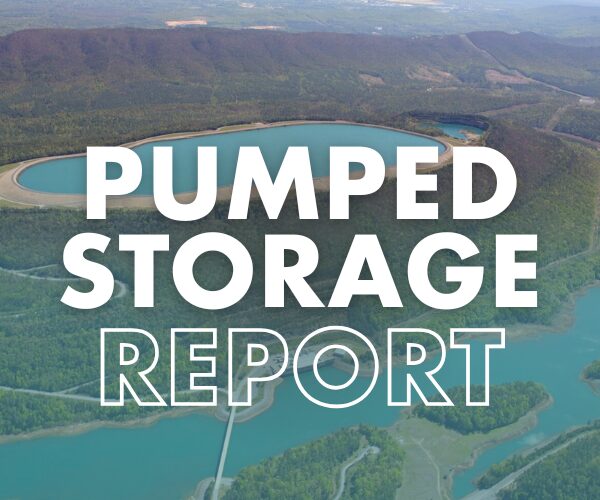
The National Hydropower Association (NHA) released the 2024 Pumped Storage Report, which details both the promise and the challenges facing the U.S. pumped storage hydropower industry.
As the global community accelerates its transition toward renewable energy, the importance of reliable energy storage becomes increasingly evident. Among the various technologies available, pumped storage hydropower (PSH) stands out as a cornerstone solution, ensuring grid stability and sustainability. This report explores the substantial benefits, challenges, and strategic pathways for advancing PSH in North America, emphasizing its vital role in a renewable energy future.
According to the International Hydropower Association’s (IHA) 2024 World Hydropower Outlook, global PSH capacity grew by 6.5 GW in 2023, reaching 179 GW. Projections by the International Renewable Energy Agency (IRENA) to meet a global net-zero scenario by 2050 indicate that over 420 GW of PSH will be required, which means about 10 GW/year of new installed capacity or an annual installed capacity growth rate of approximately 3.3 percent. For the United States to meet its corresponding share of the global net zero goals, it would require an average of about 1000 MW of new PSH installed yearly.
The United States needs new pumped storage to meet its long-duration energy storage needs and support its federal and state renewable energy targets. This report provides an analysis of PSH’s evolution and technological advancements and suggests strategic actions to overcome existing barriers specific to the United States. In the United States, 67 new PSH projects are planned across 21 states, representing over 50 GW of new storage capacity. The future of energy is one where reliability, sustainability, and resilience are all paramount. PSH is uniquely positioned to deliver on all these fronts, making it an indispensable component of our energy strategy.
Pumped storage today makes up 97 percent of utility-scale energy storage in the United States at 42 sites with a total of 23 GW of capacity.
Pumped Storage Explained
Pumped storage facilities are built to push water from a lower reservoir uphill to an elevated reservoir during times of surplus electricity. In pumping mode, electric energy is converted to potential energy and stored in the form of water at an upper elevation, which is why it is sometimes called a “water battery”. Pumping the water uphill for temporary storage “recharges the battery”.
From there, gravity takes care of the rest .During periods of high electricity demand, the stored water is released back through the turbines and converted back to electricity in generating mode like a conventional hydropower facility.
Illustration source: U.S. Department of Energy Hydropower Vision Report
Pumped Storage Enables More Wind and Solar
Pumped storage hydropower enables greater integration of other renewables (wind/solar) into the grid by utilizing excess generation, and being ready to produce power during low wind and solar generation periods. It also has the ability to quickly ramp electricity generation up in response to periods of peak demand.
As the capacity of available firming resources continue to be stretched to their limit to support the growth of
variable renewable energy resources, the U.S. electric industry is moving more toward the deployment of emission-free energy storage resources. Pumped storage provides predictable, consistent generation.
Pumped storage facilities are like sponges; they can suck up this excess energy from the grid and store it for later.
Pumped Storage and the Grid
Other renewables, like wind and solar generation, while less variable with adequate geographic diversity, can present new
challenges for the U.S. grid. The power output in variable generation resources can fluctuate widely as weather patterns change and, while the changing weather patterns may be well understood, the magnitude of renewable energy generation ramps (in particular, when not in correlation with changing load) can be challenging to grid operators when renewable energy resources are a large component of their generation portfolio. This variable output can lead to frequency and voltage fluctuations, which adversely affect grid stability.
Pumped storage, however, meets increased transmission system demands for reliability and system reserves. It shifts, stores, and reuses energy generated until there is the corresponding demand for system reserves and variable energy integration.
This shifting, when performed at a grid-scale, can also avoid transmission congestion periods (i.e., absorb or consume surplus generation to levels consistent with transmission transfer capability), to help more efficiently manage the electric grid (e.g., quick access to significant and sustained energy ramping), and to avoid potential interruptions to energy supply (e.g., supply operating reserves, spinning inertia, etc.). Advanced adjustable speed technology also allows pumped storage to provide an even greater range of fast ramping, both up and down, and frequency regulation services in both the generation and pumping modes.
2,300+
TWh/yr U.S. Technical Resource
220M
Homes Potentially Powered
57%
of 2019 U.S. Generation Equivalent
300 GW
Global Capacity by 2050 (IEA)
680K
Direct Jobs Created by 2050
Now is the Time for Marine Energy
Marine energy technologies — powered by water-based resources such as river and ocean currents, tides, and waves — are undergoing rapid innovation. These technologies are critical to advancing American leadership in affordable, reliable, and secure energy, strengthening U.S. national security, supporting critical infrastructure, and delivering power where reliable energy sources are scarce.
Demonstration projects and research supported by the U.S. Department of Energy (DOE) confirm that marine energy technologies offer meaningful benefits to the electric system — and open significant opportunities for off-grid and mission-critical applications.
A number of US companies will be deploying their next generation marine energy systems in US waters over the next 12-18 months, dramatically lowering the delivered cost of electricity and in many cases, providing the lowest cost electricity solution for their customers. With successful deployments, the US marine energy industry is poised to dramatically accelerate its impact on powering the US economy and exporting these technologies globally over the coming decade.
The National Hydropower Association's Marine Energy Council (MEC) is the U.S. national trade group dedicated to bringing these resources to market — working alongside private sector developers, research institutions, and government partners to accelerate commercialization.
The U.S. sits surrounded by one of the largest untapped energy resources on Earth, and we've barely touched it.
Why Marine Energy is Needed
✓
It can support both on- and off-grid customersFrom reliable power for critical infrastructure to power for offshore oil & gas and remote communities, marine energy can play an important role in providing mission critical energy.
✓
It strengthens energy securityBaseload, highly predictable power that can boost the reliability of local electricity resources.
✓
It complements variable energy resourcesRivers, tides and waves offer predictable energy that supports grid reliability.
Why Now
Global competitors are investing aggressively in marine energy and moving toward export markets. U.S. developers are positioned to deploy real systems in the near term — but sustained support is needed to get there. The resource is vast, the industry is ready, and American leadership in this sector is still within reach.
TigerRAY Wave Energy DeviceC-PowerPhoto: C-Power
SeaRAY Wave Energy DeviceC-Power · HawaiiPhoto: C-Power
CalWave x1 launched in port.CalWave Power Technologies · Deployed off San Diego, CAPhoto: James Donaldson for CalWave Inc.
CalWave x1 operating fully submerged.CalWave Power Technologies · Deployed off San Diego, CAPhoto: James Donaldson for CalWave Inc.
Wave Energy ConverterCorPower OceanPhoto: CorPower Ocean
Wave Energy ConverterCorPower OceanPhoto: CorPower Ocean
Gulf Stream Current Energy SystemHydrokinetic Energy CorpPhoto: Hydrokinetic Energy Corp
OMT S-WEC Systems installed on a COTS data buoy.Ocean Motion TechnologiesPhoto: Ocean Motion Technologies
Ocean Motion Deployment Team recovering data buoy and autonomous vehicle docking station.Ocean Motion TechnologiesPhoto: Ocean Motion Technologies
RivGen® devices (one on station, the other deployed) in the Kvichak River, Igiugig, Alaska.ORPC · Igiugig, AlaskaPhoto: Igiugig Village Council
ORPC TidGen® single turbine test systemORPCPhoto: ORPC
Triton Wave Energy ConverterOscilla PowerPhoto: Oscilla Power
Triton-C Wave Energy ConverterOscilla PowerPhoto: Oscilla Power
By the Numbers: Marine Energy Resources
The U.S. marine energy resource is vast — and almost entirely untapped. Across wave, tidal, ocean current, and riverine sources, the technical potential exceeds half of all electricity the nation generated in 2019.
According to the DOE report Marine Energy in the United States: An Overview of Opportunities, the fifty-state total technical resource of at least 2,300 terawatt-hours (TWh) per year is equivalent to 57 percent of total electricity generated in 2019 and could power approximately 220 million homes.
For comparison, total solar generation in 2019 was 103 TWh — just 2% of all U.S. electricity generation. Realizing these potentials will increase economic growth, create thousands of high-value jobs, support a reliable electricity grid, and promote exports in manufacturing and related services.
Globally, the IEA predicts that by 2050 over 300 GW of marine energy capacity will be installed — resulting in $35 billion of investment, 680,000 direct jobs, and a reduction of 500 million tons of CO₂ per year.
Wave
1,400 TWh/yr
240 TWh/yr reaches the west coast shoreline directly
Tidal
220 TWh/yr
Resource can fully power Alaska economy with additional hot spots in the Northeast and the Pacific NW
Ocean Current
49 TWh/yr
Florida Current and Gulf Stream along the southern Atlantic coast
Riverine
79 TWh/yr
Behind the meter solutions for river-based businesses and for remote communities on diesel
Total Resource
2,300+ TWh/yr
57% of total U.S. electricity generated in 2019
Marine Energy’s Strategic Role
Marine energy is not competing to be another renewable on the grid. It is a strategic power source for the places and missions where reliable energy is hardest to come by.
Defense & National Security
Forward operating bases, remote installations, and undersea surveillance systems require persistent, covert power that cannot depend on fuel supply chains. Marine energy delivers continuous electricity without resupply — reducing vulnerability in contested or austere environments.
Offshore Oil & Gas
Offshore platforms require constant power far from shore. Marine energy can provide on-site generation for platform operations, subsea equipment, and emerging offshore hydrogen production — reducing diesel consumption and emissions while strengthening energy resilience at the wellhead.
Data Centers
The explosive growth of AI and cloud computing is driving unprecedented demand for reliable, always-on power. Marine energy's predictable, baseload generation makes it an ideal match for data center operators seeking to meet sustainability targets without sacrificing uptime. Coastal and riverine sites place generation close to where large-scale computing infrastructure is increasingly being sited — reducing transmission costs and grid dependency.
Critical Minerals
Offshore mineral extraction and deep-sea mining operations require continuous power in remote, grid-isolated environments. Marine energy can provide on-site, carbon-free electricity directly at the source — eliminating the fuel logistics that drive up costs and emissions in these operations. As the U.S. moves to secure domestic critical mineral supply chains, marine energy offers a strategic power solution that scales with extraction demand.
Remote & Island Communities
Hundreds of Alaskan villages and island communities pay some of the highest electricity rates in the nation, importing diesel by barge or small aircraft. Tidal and riverine marine energy can displace that dependency entirely, delivering local, low-cost, carbon-free power where the grid will never reach.
Predictable Grid-Scale Power
Unlike variable renewable energy sources, tidal and ocean current energy follow astronomical cycles — knowable years in advance. That predictability makes marine energy uniquely valuable as a firm, dispatchable complement to variable renewables, supporting grid stability without large-scale storage.
Why Marine Energy Is Different
What sets it apart from other renewables
✓
Predictable by natureTidal cycles are astronomically determined — generation can be forecast years ahead, unlike wind or solar.
✓
Co-located with demandResources sit at coastlines, rivers, and offshore platforms — close to the communities and operations that need power most.
✓
Operates without fuel supply chainsNo diesel. No pipelines. No fueling logistics. Power from the water around you — especially valuable in remote or contested locations.
✓
Vastly underutilized2,300+ TWh/yr of U.S. technical resource remains almost entirely untapped — one of the largest undeveloped clean energy opportunities in the country.
Marine Energy Developers Create Jobs Across the Nation
Interactive map showing U.S. marine energy ecosystem, including: supply chain companies, project locations, technology development sites, and academic institutions working in marine energy. Click markers for details. Disclaimer: This map is not informed by an exhaustive list and is used for advocacy purposes. If your company or project site is missing from this map and you would like to be included, please reach out to Kelly Rogers at [email protected].
Spotlight on Marine Energy Developers
C-Power
cpower.co
C-Power® taps the world's largest battery — our oceans — to supply cost-effective, dependable energy systems from kilowatt- to megawatt-scale, reducing dependency on liquid fuels for offshore energy needs.
C-Power® is an ocean power company, tapping the world's largest battery — our oceans — to supply cost-effective, dependable, and predictable energy generation systems for our customers. Our mission is to deliver ocean energy into the global energy mix to unleash innovation and resilience in the $2 trillion ocean economy and beyond.
From kilowatt- to megawatt-scale products, our systems reduce the dependency on liquid fuels for offshore energy needs and deliver reliable energy onshore. We enable our customers and partners to reduce cost, complexity, and risk of their operations and unlock innovative capabilities not possible today.
In a major joint industry project sponsored by the U.S. Department of Energy (DOE), C-Power is partnering with the Subsea Integration Alliance (SIA) to deploy a next-generation SeaRAY autonomous offshore power system for an 18-month field test to demonstrate the system's ability to provide energy and communications for real-world offshore oil and gas operations.
Commissioned California's first at-sea, long-duration wave energy pilot off San Diego. The x1™ operated fully submerged for 10 months with zero intervention and 99% uptime — exceeding its DOE target.
CalWave successfully commissioned its CalWave x1™ off the coast of San Diego in September 2021 — marking the beginning of California's first at-sea, long-duration wave energy pilot operating fully submerged. The pilot was tested for 10months with the goal of validating the performance and reliability of the system in open ocean.
The x1™ is a scaled-down version of CalWave's utility scale xMW™ architecture . The novel architecture operates fully submerged at a range of different water depths and distances to shore, achieving high performance and and unlocking the ability to autonomously shelter in storm conditions by diving deeper out of the destructive zone.
The x1™ ultimately exceeded the DOE's target deployment duration of 6 months, operating continuously without downtime or interruption for 10 months — successfully concluding California's historic wave energy pilot with zero intervention and 99% uptime.
This unique approach enables several advantageous operating abilities: it survives stormy seas and extreme conditions, causes no visual impact, and allows for unique control of structural loads — eliminating excessive loads during storms that drive up the cost of systems without substantially contributing to annual energy production.
Key Milestones
California's first at-sea, long-duration wave energy pilot — fully submerged operation off San Diego
Exceeded DOE's 6-month target; operated continuously for 10 months with zero intervention
Achieved 99% uptime with no visual surface impact; survives extreme storm conditions
Delivering up to 5X more energy per tonne of equipment than conventional designs, CorPower Ocean's patented WaveSpring technology has proven survivability against 18.5-metre Atlantic storms while generating power in real ocean conditions.
Founded in Stockholm in 2012, CorPower Ocean is a leading wave energy technology developer delivering reliable renewable electricity from ocean waves. Inspired by the pumping principle of the human heart, the company's patented WaveSpring technology allows the buoy to tune into wave motion and amplify energy capture in regular seas — while automatically detuning during storms to protect the system.
CorPower Ocean's commercial-scale C4 Wave Energy Converter has been operating at Aguçadoura, northern Portugal since September 2023, surviving 18.5-metre storm waves and consistently generating power. The system delivers up to 5X more energy per tonne of equipment than conventional designs, with 96–99% power conversion efficiency and AI-based control co-developed with NTNU.
Leading utilities and energy companies including EDP, ESB, and TotalEnergies have partnered with CorPower Ocean to deploy commercial wave energy solutions. Projects are advancing in Portugal, Scotland, Ireland, and Norway. In October 2024, the company secured €32M in Series B funding, with an additional €17.5M from the European Innovation Council EIC Accelerator in early 2025.
Key Milestones
Commercial-scale C4 WEC deployed at Aguçadoura, Portugal in September 2023 — survived 18.5m Atlantic storm waves (Storm Domingos, Nov. 2023)
5X more energy per tonne of equipment than conventional WEC designs, verified in real ocean conditions
€95M+ raised from public and private investors since founding, including €32M Series B (Oct. 2024) and €17.5M EIC Accelerator (Feb. 2025)
HiWave-5 array project underway with TotalEnergies; ESB Saoirse Wave project in Ireland secured €39.4M EU Innovation Fund co-funding
DNV type certification of C5 array targeted for bankable commercial financing by 2027/2028
HEC is generating clean electricity by harnessing the Gulf Stream through proprietary turbine technology, with plans to deploy 8 MW floating platforms for green hydrogen production and subsea data centers.
Hydrokinetic Energy Corp. (HEC), a U.S. company founded in 2014, is a full-spectrum design, research, development, testing, and fabricating facility focused on a new class of hydrokinetic turbines for marine energy systems.
HEC is producing clean electrical energy by harnessing the powerful flow of the Gulf Stream through its proprietary turbine technology. The company plans to deploy large floating platforms — each equipped with eight 1-megawatt turbines — to generate consistent, zero-emission electricity from one of the planet's most reliable natural energy sources.
This renewable electricity will power two transformative applications: green hydrogen and oxygen production via desalination and electrolysis, and subsea data centers that use ocean cooling to dramatically reduce energy demand — eliminating carbon emissions compared to traditional land-based facilities.
Key Applications
Green Hydrogen & Oxygen Production — HEC's process emits 0 kg of CO₂ per kg of H₂, compared to up to 12 kg CO₂/kg for gray hydrogen (currently 95% of U.S. production)
Subsea Data Centers — Ocean-cooled data centers powered by HEC's platforms eliminate energy-intensive cooling and all associated carbon emissions, supporting low-latency cloud computing
Gulf Stream Deployment — 8 MW floating platforms, each with eight 1 MW turbines, tapping one of the world's most consistent and powerful natural energy sources
Technology Highlights
HEC Prototype #7 features proprietary Flow Acceleration Technology (FAT), producing 10 kW in just 4 knots of current
Self-yawing design pivots 360°, automatically orienting to maximize energy capture from any current direction
Compact form factor: 2.2 m overall diameter with 0.75 m rotor — scalable from prototype to utility-scale deployment
Developing AI-controlled small-scale wave energy devices that install on commercially available platforms to power critical big data collection at sea — enabling ocean observation, maritime monitoring, aquaculture, and coastal defense applications.
Ocean Motion Technologies develops innovative small-scale ocean wave energy devices that are controlled by advanced artificial intelligence systems. Our devices can be installed on most commercially available platforms and are designed to power critical big data collection at sea — supporting applications in ocean observation, maritime monitoring, offshore aquaculture monitoring, and surveillance and reconnaissance for coastal security and defense applications.
The team is also advancing a comprehensive suite of hardware and software solutions to enable robust data analytics and device management, essential for realizing the potential of the Ocean of Things paradigm — a vision for a large-scale, interconnected network of intelligent ocean-sensing platforms powered by renewable energy.
Key Applications
Ocean Observation — Continuous, renewable-powered data collection for oceanographic research and environmental monitoring
Maritime Monitoring — Persistent at-sea sensing for vessel tracking, weather, and situational awareness
Offshore Aquaculture — Real-time monitoring of water quality, temperature, and conditions for sustainable fish farming
Coastal Security & Defense — Surveillance and reconnaissance platforms powered autonomously by wave energy
Ocean of Things — Hardware and software solutions enabling large-scale, interconnected ocean sensing networks
With upcoming deployments in the Mississippi River (Louisiana), the St. Lawrence River (Montreal) and the Garrone River (Bordeaux, France) and with its long-running project (since 2019) in the remote community of Igiugig, Alaska, ORPC provides reliable power solutions to customers ranging from critical infrastructure to commercial to remote communities.
ORPC delivers affordable, reliable energy from free-flowing rivers and tides. With 18 successful power system deployments, ORPC has built, operated, and delivered power to the grid from both tidal and river projects and is the only U.S. company to secure FERC licenses for a tidal and a river hydrokinetic project.
ORPC achieved an industry milestone with the longest running hydrokinetic device in the Americas, operating in Igiugig, Alaska, since 2019. With upcoming deployments in the Mississippi River (Louisiana), the St. Lawrence River (Montreal, Canada) and the Garrone River (Bordeaux, France), ORPC provides on- and off-grid power solutions to customers ranging from remote communities to critical infrastructure to industrial users.
The company's global footprint includes subsidiaries in Canada, Ireland, and Chile, and a project office in Anchorage, Alaska. In Maine, ORPC's Portland headquarters are complemented by a research and development lab in Brunswick and an open water tidal energy test center in Eastport.
Developing cost-competitive wave energy technology combining best-in-class energy capture with unparalleled reliability and survivability for energy, defense, homeland security, and oceanography markets.
Oscilla Power is developing cost-competitive wave energy technology that combines best-in-class energy capture with unparalleled reliability and survivability for energy, defense, homeland security, and oceanography. Oscilla Power's Triton wave energy converter will have a rated power of 1 MW and be suitable for installation in energetic locations worldwide. Triton units can be arrayed together to form utility-scale power plants.
Oscilla Power is progressing a number of variants of the Triton architecture for different markets. The 1 MW Triton is only one of the systems currently being developed — the company is also advancing the Triton-C and autonomous underwater vehicle (AUV) variants to address defense, oceanographic sensing, and remote power applications.
Key Milestones
1/6-scale model (1837) successfully tested, validating Triton's multi-mode point absorber architecture in real ocean conditions
Triton-C variant in development for compact, modular deployment across nearshore and offshore environments
AUV model advancing wave-powered autonomous underwater vehicle capabilities for defense and oceanography markets
TRITON WEC™ selected for deployment at the U.S. Navy's Wave Energy Testing Site in Hawaii
Multi-mode energy capture in all six degrees of freedom — heave, pitch, surge, roll, and yaw — enabling production across a wider range of ocean conditions than single-mode designs
The National Hydropower Association's Marine Energy Council connects developers, researchers, and government partners to advance commercialization of marine energy technologies in the United States. Join us.
The marine energy field is supported by a growing body of research, policy analysis, and technical guidance. The resources below represent the best available knowledge on marine energy potential, environmental considerations, and the pathway to commercialization in the United States.
The National Hydropower Association's Marine Energy Council (MEC) is the U.S. national trade group dedicated to promoting technologies and related services to harness the significant untapped marine energy resources.
Established in 2015, the MEC works with private sector companies, academia, and government partners to encourage the commercialization of marine energy technologies and raise awareness of the industry's considerable potential to create good-paying jobs and an affordable, reliable, and environmentally friendly energy future.
The MEC is actively engaged with federal policymakers to increase R&D support, reduce market barriers, and create financial incentives for technology deployment. A broad and actively engaged membership is key to the MEC's success.
Get Involved With the Marine Energy Council
To learn more about joining the National Hydropower Association and how to get involved with the Marine Energy Council, contact NHA Staff: Marla Barnes
Walter Schurtenberger, Hydrokinetic Energy Corp Wesley Williams, UNC – Charlotte
Advocacy Working Group
Don Welch, 3U Technologies Paul Gay, SMI
NHA Members Active in the MEC
Are you an NHA member active in the MEC but are not listed here? Please reach out to Kelly Rogers to have your organization featured.
Hydropower is the nation’s most available, reliable, affordable and sustainable energy source. Requiring only the power of moving water – rivers, streams and ocean tides– hydropower is also domestic and sustainable. Free from a dependence on volatile fuel prices, much of the money invested in hydropower stays in America and expanding hydro capacity would create hundreds of thousands of U.S. jobs.
Available
Hydropower is keeping the lights on in every region of the country. It is America’s largest source of clean electricity, accounting for 52 percent of all renewable energy generation in the United States, and with the right policies, it has significant room to grow.
Hydropower has been a reliable source of power in the United States for over 100 years. That proven reliability benefits the national electric grid in a number of ways, from supporting other renewable energy sources to stabilizing the network to storing electricity for later use.
Hydropower is not only a low cost source of renewable electricity, it is among the most cost effective energy sources across the board. And since hydro taps the self-renewing power of our waterways, electricity from hydro is not subject to unpredictable price swings in the markets for energy commodities.
Using hydropower – our leading source of renewable energy –avoids the emission of approx. 200 million metric tons of carbon pollution in America each year.
America’s hydropower industry has the potential to create 1.4 million cumulative jobs by 2025, putting Americans to work building a 21st century clean energy infrastructure.
Hydropower facilities often do more than produce electricity, also providing vital benefits such as flood control, navigation, irrigation, water supply and a range of recreational opportunities.
Americans view hydropower as a clean, reliable and renewable resource, and support hydro-specific initiatives for tax credits, federal reinvestment in facility upgrades, and federal investment in research and development.
Recognizing how hydropower can contribute to lessening the nation’s carbon footprint, the U.S. Department of Energy released the Hydropower Vision:A New Chapter for America’s 1st Renewable Electricity Source report – a comprehensive, first-of-its-kind roadmap that offers a 360-degree view of the hydropower industry.
The 2016 report offered pathways for hydropower to play a larger role in securing our clean energy future. The Hydropower Vision report fundamentally hit the reset button for our industry by ushering in a new way of thinking about hydropower investments.
As a community, we look to this report as a point of collaboration and prioritization.
As a nation, we look to this report as a roadmap for unlocking hydro’s potential.
Reimagining the Hydropower Vision Roadmap
The clean energy landscape has changed since the Hydropower Vision report was released in 2016. To address industry progress and its impact on the Vision, DOE engaged the broader hydropower community to reimagine the goals for hydropower by 2050.
In collaboration with the national labs, DOE and the Hydropower Foundation facilitated a series of workshops with leaders in the hydropower community to revisit the 2016 report.
The first workshop addressed the overall Vision through the collaborative development of key messages that describe hydropower’s role in our clean energy future. These key messages prioritize sustainable approaches, flexible generation, and dam safety, and we have used them to guide the reimagining process.
Subsequent workshops assessed the relevance of the 2016 goals within the current hydropower landscape and identified priorities for future research and development that were not included in the original Vision, such as cybersecurity and dam safety.
Feedback from these workshops was integrated into new goals which were presented to the broader hydropower community at 2022 Clean Currents and a subsequent webinar.
Beginning in early 2023, the broad hydropower community is invited to engage in discussions to identify and prioritize new activities needed to meet those goals.
Sign up HERE to share your insights! (Or, email [email protected])
Once these discussions have been completed, the Reimagined Hydropower Vision Roadmap will be a living document that can better respond to future opportunities, challenges, and developments within the Hydropower community.
This site is owned by the National Hydropower Association. This Privacy Policy is designed to tell you about our practices regarding collection and use of user information on www.hydro.org.
Site Visitor Consent
By using this site, you agree to the terms of this Privacy Policy. Whenever you submit information via this site, you consent to the collection and use of that information in accordance with this Privacy Policy.
This site is not intended for children under the age of 18. We do not knowingly collect personally identifiable information from this age group without the explicit consent of a parent or guardian.
I. Use of Collected Information
We’re going to be collecting information about visitors to the website and analyzing that information in order to enhance website performance.
Personally Identifiable Information:
No personally identifiable information (i.e. name, address, telephone number, email) will be collected unless it is voluntarily submitted to us via registration for our mailing list or other mechanism.
If personally identifiable information is posted, it will only be used as follows:
To respond to specific requests via email when appropriate;
To report information to regulatory authorities as necessary.
Non-Personally Identifiable Information:
The information we collect may include your IP Address (a number used to identify your computer on the Internet) and other information gathered through our weblogs, cookies, or by other means. Additionally, we may make use of “cookies” in the collection of information you provide us, or when your web browser accesses information on this website.
We may share your personal information with our agents, contractors, or partners in connection with services that these individuals or entities perform for, or with, the National Hydropower Association, such as sending email messages, managing data, hosting our databases, providing data processing services, or providing online consulting services. These agents, contractors, or partners are restricted from using this data in any way other than to provide services for the National Hydropower Association.
We retain the right to disclose collected information if required to do so by law or in exceptionally rare instances if acting on a good faith belief that such disclosure is necessary to protect national, state, or company security or to respond to an emergency situation.
II. Independent Analytics
We will use Independent Analytics in order to examine visitor data.
Web Administrator Use of Data
Independent Analytics will be used to track information on visitors to the National Hydropower Association for the purpose of website optimization and assessing whether key audiences are visiting the site.
Independent Analytics uses a small tracking script on each page of the National Hydropower Association’s site. When a visitor arrives on the National Hydropower Association’s site, the tracking script runs, collecting data about the visitor and the page they’re viewing.
This offers superior privacy to third-party apps that transmit your data to their own servers. With Independent Analytics, your data is both created and saved exclusively on the National Hydropower Association’s servers.
Independent Analytics anonymously tracks how visitors interact with a website, including where they came from and what they did on a site. Independent Analytics collects the following types of information from users:
Type of user agent (web browser) used, software manufacturer, and version number.
Type of operating system
Network location and IP address
Can include country, city, state, region, county, or any other geographic data.
Hostname
Bandwidth (internet connection speed)
Time of visit
Pages visited
Time spent on each page of the website
Referring site
The website (URI) the user came through in order to arrive at this website (example: clicking on a hyperlink from Yahoo.com that took the user to this website)
Search engine query used (example: typing in a phrase into a search engine like Google, and clicking on a link from that search engine)
This data DOES NOT include any personalized identification information such as:
Name
Phone Numbers
Mailing Addresses
Social Security Numbers
Bank Account Numbers
Credit Card Information
This information is used to administer and update the website. The National Hydropower Association will be a more user-friendly site if we know which pages our users are visiting and how often. We will also assess whether the visitors to the site match the expected site demographics and determine how key audiences are navigating the content.
III. Google Analytics and the NHA Member Portal
We will use Google Analytics in order to examine visitor data to the National Hydropower Association’s Member Portal.
Web Administrator Use of Data
Google Analytics will be used to track information on visitors to the National Hydropower Association’s Member Portal for the purpose of website optimization and assessing whether key audiences are visiting the site.
Google Analytics uses a first-party cookie and JavaScript code to collect information about visitors. Visitors to this website who have JavaScript enabled are tracked using Google Analytics. Google Analytics anonymously tracks how visitors interact with a website, including where they came from and what they did on a site. Google Analytics collects the following types of information from users:
Type of user agent (web browser) used, software manufacturer, and version number.
Type of operating system
Screen colors (color processing ability of the user’s screen)
Javascript support
Flash version
Screen resolution
Network location and IP address
Can include country, city, state, region, county, or any other geographic data.
Hostname
Bandwidth (internet connection speed)
Time of visit
Pages visited
Time spent on each page of the website
Referring site
The website (URI) the user came through in order to arrive at this website (example: clicking on a hyperlink from Yahoo.com that took the user to this website)
Search engine query used (example: typing in a phrase into a search engine like Google, and clicking on a link from that search engine)
This data DOES NOT include any personalized identification information such as:
Name
Phone Numbers
Mailing Addresses
Social Security Numbers
Bank Account Numbers
Credit Card Information
This information is used to administer and update the member portal site. The National Hydropower Association will be a more user-friendly site if we know which pages our users are visiting and how often. We will also assess whether the visitors to the site match the expected site demographics and determine how key audiences are navigating the content.
Opt-Out Provision:
Google Analytics offers an opt-out provision for website visitors who do not want their data to be collected. You can receive more information about this option here: http://tools.google.com/dlpage/gaoptout
Google’s Use of Data:
Please note that Google and its wholly owned subsidiaries may retain and use, subject to the terms of its Privacy Policy (located at http://www.google.com/privacy.html, or such other URL as Google may provide from time to time), information collected in your use of Google Analytics.
Review, Update, and Deletion of Collected Information:
If you are concerned about the information you have provided to us or would like to review, update, or delete this information, please email us at [email protected]. We will make reasonable efforts to comply with your requests.
IV. Changes to the Privacy Policy
We may update this policy from time to time. When we do, we will also revise the “last updated” date at the bottom of this policy. We will not make any materially different use of collected information without notifying site visitors.
Last Updated March 26, 2026
Hydro is generating power in every region of the country and is America’s largest source of clean, renewable electricity. Hydropower accounts for 52 percent of the nation’s renewable electricity generation and 7 percent of total electricity generation.
A domestic energy source, hydropower requires only the power of America’s moving waters – rivers, streams and ocean tides – to generate electricity. That means much of the money invested in hydropower stays here in America.
Much of hydropower’s future growth will be focused on facilities and infrastructure already built and in use, which represent opportunities for increasing renewable energy generation without constructing new, large dams.
Hydropower is 1.4 Million Jobs
According to a study from Navigant Consulting, America’s hydropower industry has the potential to create more than 1.4 million cumulative jobs by 2025. These are good-paying engineering, manufacturing, construction and operations jobs that can revitalize American communities. With the right federal policies, the hydropower industry has the potential to create jobs in every state, building a 21st century clean energy infrastructure.
Hydropower has tremendous generation potential
Over the past few years, the Department of Energy has been exploring the untapped hydropower generation that exists across the United States. These findings demonstrate one of the ways the United States can further diversify its energy portfolio with sustainable and clean domestic power generation from the nation’s oldest and leading renewable resource: hydropower.
Maximizing existing water infrastructure
The Energy Department in 2012 detailed the potential to develop electric power generation at existing dams across the United States that aren’t currently equipped to produce power. The report estimates that without building a single new dam, these available hydropower resources, if fully developed, could provide an electrical generating capacity of more than 12 gigawatts (GW), equivalent to roughly 15 percent of current U.S. hydropower capacity.
Full Report | Interactive Map |
Exploring new, sustainable development
The Energy Department released a renewable energy resource assessment in April 2014 detailing the potential to develop new electric power generation in waterways across the United States. The report estimates over 65 gigawatts (GW) of potential new hydropower development across more than three million U.S. rivers and streams – nearly equivalent to the current U.S. hydropower capacity.
Full Report | Fact Sheet
Hydropower is Reliable
Hydropower is a proven renewable energy resource generated and used in all regions of the U.S. for over a century, today providing approximately 30 million homes with affordable power.
Hydropower facilities can quickly go from zero power to maximum output, making them exceptionally good at meeting rapidly changing demands for electricity throughout the day.
Because hydropower plants are the only major generators that can dispatch power to the grid immediately when all other energy sources are inaccessible, they provide essential back-up power during major electricity disruptions such as the 2003 blackout. An estimated 50 million people living in states from New York to Michigan were affected by the blackout, but hydropower facilities in New York and elsewhere, like the Niagara and St. Lawrence-FDR plants, operated continuously through the blackout and helped to restore power to millions of Americans. This unique operational ability, known as blackstart, means that hydropower facilities can resume operations in isolation without drawing on an outside power source.
“[During the blackout,] one relatively large island remained in operation serving about 5,700 MW of demand, mostly in western New York, anchored by the Niagara and St. Lawrence hydro plants. This island formed the basis for restoration in both New York and Ontario.”
— US-Canada Power System Outage Task Force report, 2005
Rivers, tides and waves are a constant source of energy, and hydropower’s proven reliability means that it is an integral part of the overall renewable energy mix and can support other renewable energy sources as they are brought onto the grid. Pumped storage, a type of hydropower technology, can actually help store the electricity generated by other power sources like solar, wind, and nuclear for later use. The technology stores energy in the form of water in an upper reservoir, pumped from a second reservoir at a lower elevation.
“America has only just begun to understand the potential of hydropower. While newer forms of alternative renewable energy have attracted much attention lately, hydropower has been around for decades and continues to grow as a reliable source of green energy.”
— Former Pennsylvania Governor Ed Rendell
Hydropower generation benefits consumers through lower electricity costs. States that get the majority of their electricity from hydropower like Idaho, Washington, and Oregon on average have energy bills that are lower than the rest of the country. Relying only on the power of moving water, hydro prices don’t depend on unpredictable changes in fuel costs.
Hydropower offers the lowest levelized cost of electricity across all major fossil fuel and renewable energy sources, and costs even less than energy efficiency options, according to a recent study from Navigant Consulting and the American Council on Renewable Energy (ACORE).
LEVELIZED COST OF ELECTRICITY FOR VARIOUS POWER AND ENERGY EFFICIENCY OPTIONS, ¢/KWH
Assumes Federal & state incentives. CSP assumes trough technology. Natural gas price of $4.57/MMBTU. Source: Navigant Consulting, Inc. 2010
The levelized costs show above reflects the relatively low cost of hydro in terms of maintenance, operations and fuel costs when compared with other electricity sources and across a full project lifetime. For hydro projects, a longer lifespan (in the Navigant study, assumed at 50 years) means not only are costs spread across a longer timeframe but also takes into account that the power generating equipment used at these facilities can often operate for long periods of time without needing major replacements or repairs.
These low balance-of-system costs only make it more critical that we expand the country’s hydropower capacity, but like any other major power generating source, significant up-front costs remain, and the right mix of tax and other policy incentives will foster growth of this reliable, cost-effective and clean resource. In addition, the new technologies that hold tremendous promise – such as marine and hydrokinetics – need continued R&D funding in order to reach their full potential. Learn more about the policies that support hydro development.
A look at the installed project costs – as opposed to levelized electricity costs – for various types and sizes of hydro projects reveals a wide range, and a number of technologies need continued or expanded federal incentives, supportive tax and regulatory environments and other support to improve and deploy at the project level.
Hydropower Technology
MW Range
Installed Cost ($/kW)
Discussion
Conventional Hydro (impoundment)
50 (average)
$1,000-$5,000
A mature technology, conventional hydro falls at the lower end of the range of installed costs, particularly for upgrade projects at existing sites. New dams and greenfield sites are more expensive.
Microhydro
< 0.1
$4,000-$6,000
The installed cost for low-impact hydro systems is not expected to decline in the near term.
Run of River (diversion.
Approx. 10
$1,500- $6,000
Similar to conventional hydro, installed costs for run-of-river can vary widely.
Pumped Storage
>500
$1,010-$4,500
Traditional pumped storage is a proven technology and costs are not expected to decline going forward. The new underground pumped storage technology has been quoted at $2,000/kW and cost declines can be expected going forward, if the concept proves itself.
Hydropower is a climate-friendly energy source, generating power without producing air pollution or toxic by-products. Using hydropower avoids approximately 200 million metric tons of carbon pollution in the U.S. each year – equal to the output of over 38 million passenger cars. Communities that rely on hydropower as a primary energy source reap the benefits of cleaner air and water. Satellite imagery shows that the Pacific Northwest, home to the most hydropower in the United States, is an island of low carbon emissions.
Courtesy: NYPA
Hydropower is also the nation’s leading source of renewable energy and with new technologies such as marine and hydrokinetics, will continue to provide vast amounts of sustainable energy throughout the country. Learn more about how new technologies are expanding hydropower’s reach.
The hydropower industry is committed to better understanding and mitigating the impacts dams can have on local ecosystems and fish, with hundreds of millions of dollars invested each year in environmental enhancements at hydro facilities. Dams around the country have installed fish passage devices to move fish freely around dams and between sections of rivers – structures such as fish ladders or fish elevators. This is just one of a number of techniques used to mitigate the footprint on the ecosystem. Learn more about how new technologies help protect fish. Through investments in research and mitigation projects, the hydropower industry also takes steps to address possible changes to water quality, local habitats or river flows.
Project owners and operators are part of a rigorous regulatory and permitting structure that ensures hydropower facilities are protecting natural resources. The Federal Energy Regulatory Commission issues licenses for new non-federal hydropower facilities, and for the continuing operation at existing projects, and monitors dam safety and environmental performance. Other federal and state agencies are also involved, including the U.S. Fish and Wildlife Service, the Environmental Protection Agency and state agencies administering the Clean Water Act. Learn more about the hydropower permitting process.
“For almost a century, hydropower has provided…low-cost, renewable and emissions-free electricity. In today’s environment – where talk centers on the need to provide clean and environmentally friendly energy – we must continue to promote and expand the use of hydropower. ”
– Former Rep. Doc Hastings (R-WA)
Hydropower is creating jobs
The U.S. hydropower industry currently employs up to 300,000 workers, from project development to manufacturing to facilities operations and maintenance.
With the right policies in place, hydropower can expand its American workforce. A recent study from Navigant Consulting found that 1.4 million cumulative jobs could be created by hydropower by 2025 when policies such as a renewable electricity standard are deployed.
Learn more about the study from Navigant Consulting
The United States currently has the world’s second largest installed capacity of hydropower at approximately 100GW, a total that includes pumped storage facilities. But huge untapped potential remains for this resource: Navigant estimated that the U.S. could add 60,000 MW of new hydro capacity by 2025, out of a total estimated technical potential of 84GW at inland sites alone.
When developing technologies like wave, ocean current and tidal in-stream energy conversion are taken into account, hydropower’s potential is even larger. Technical capacity from wave power alone is estimated at a massive 90GW, and under a 25pc RES, approximately 14GW of ocean power capacity is realizable from the three technology types together.
To put this in perspective, in 2011, the Energy Information Administration estimates that total electric generating capacity for the country as a whole totaled approximately 1,051GW.
All of this means that by capitalizing on its huge potential for sustainable growth, the hydropower industry can add jobs along the supply chain, from manufacturers to construction workers to plant operations and maintenance.
Dams are built for a number of uses in addition to producing electricity – in fact, only 3 percent of the nation’s 80,000 dams currently generate power. From flood control to recreational activities, dams can help protect, support and improve communities.
Recreation
Swimming, boating, fishing, camping, skiing, and hiking are just some of the recreational activities that take place year-round and across the country at sites developed and supported by the hydropower industry. Dam operators work with local communities to allow for recreational access. For example, dam operators can schedule water releases so that whitewater rafters can hone their skills on tailwaters – fast moving water located immediately downstream from the dam. In just one of many examples, utility PacifiCorp operates 15 recreational facilities along the Lewis River below the Merwin Dam in Washington State. Along the river and shores of three reservoirs, the utility offers the public 304 campsites in four campgrounds, 270 picnic sites and nine boat launch locations.
Dam Safety and Security
The Federal Energy Regulatory Commission (FERC) is responsible for overseeing the safety of non-federal dams and performs routine inspections to ensure compliance. Dam safety is also ensured through a partnership of states, federal agencies and other stakeholders known as the National Dam Safety Program. Headed by the Federal Emergency Management System, the program provides training for dam safety staff and inspectors, issues grants to state dam safety programs and conducts safety research.
Dams have an important role to play in preventing the loss of life or property due to flooding. Flood control dams capture floodwaters and can then release them under controlled circumstances to the river below, or the water can be stored and utilized to meet other needs, not only avoiding potential disaster but turning the event into a future benefit. In a flood situation, federal and non-federal dam operators work together to manage water levels along rivers and other waterways, coordination that saves property and lives.
Flood Control at the Blackwater Dam in Webster, New Hampshire
The US Army Corps of Engineers, which carries out flood control infrastructure projects, operates facilities like the Blackwater Dam.
USES OF DAMS
The USACE describes the dam system: “The principal objective of the dam and reservoir is to protect downstream communities. It is part of a network of five flood control dams in the Merrimack River Basin. These dams work together to control flood waters during heavy rains and storms until rivers begin to drop and the stored water can be slowly and safely released. Located approximately 8.6 miles above the confluence of the Blackwater and Contoocook Rivers, Blackwater Dam helps protect cities and towns from Concord, Manchester, and Nashua, New Hampshire to Lowell, Lawrence, and Haverhill, Massachusetts. Blackwater Dam was completed in 1941 at a cost of $1.32 million and has already prevented $15.3 million in damages. The reservoir has a storage capacity of 15 billion gallons of water. To date, record high water occurred during the flood of April 1987.The reservoir was filled to 93% capacity with a water level of 564.1 mean sea level (msl). The normal level is 518 msl.”
It’s widely known that hydropower is clean and renewable. But it’s value to the grid too often goes unnoticed. Here are a few ways hydropower benefits America’s electrical grid:
Load-following and flexibility reserve: The ability of the power system to balance variability existing in the load over longer timeframes than regulation and frequency response, from multiple minutes to several hours. Most U.S. hydropower units are able to and do effectively provide load following to an hourly schedule, as well as following ramps that occur within the hour time scale.
Energy imbalance service: The transmission operator provides energy to cover any mismatch in hourly energy between the transmission customer’s energy supply and the demand that is served in the balancing authority area.
Spinning reserve: Online generation that is reserved to quickly respond to system events (such as the loss of a generator) by increasing or decreasing output. Except when already running at full load, hydropower offers an excellent source of reserve because it has high ramping capability throughout its range.
Supplemental (non-spinning) reserve: Offline generation that is capable of being connected within a specified period (usually 10 minutes) in response to an event in the system. Offline hydropower generation is capable of synchronizing quickly, and can provide non-spinning reserve to the extent that sufficient water supply is available to the unit for generation.
Reactive power and voltage support: The portion of electricity that establishes and sustains the electric and magnetic fields of AC equipment. Insufficient provision of reactive power can lead to voltage collapses and system instability. All hydropower facilities are operated to follow a voltage schedule to ensure sufficient voltage support. Reactive power is typically a local issue. Because hydropower facilities are often located in remote areas, their ability to provide reactive power in such locations can be essential.
Black start (restoration) service: The capability to start up in the absence of support from the transmission grid. This capability is of value to restart sections of the grid after a blackout and can typically be provided by hydropower
Americans view hydropower as a clean, reliable and renewable resource, and support hydro-specific initiatives for tax credits, federal reinvestment in facility upgrades, and federal investment in research and development, according to a new poll of 1,006 adults conducted by Princeton Survey Research Associates International on behalf of the National Hydropower Association.
VIEWS OF HYDROPOWER
Hydropower enjoys a strongly positive reputation as an energy source. Nearly four-in-five Americans (78%) believe hydropower is cleaner than other current forms of energy, and roughly the same number (77%) think of hydropower as an environmentally-friendly resource. Moreover, hydropower is also seen as renewable (74%) and reliable (72%) by nearly three-quarters of Americans.
With all of these attributes there is broad bipartisan consensus that they describe hydropower well – with majorities of Democrats, Republicans and Independents in agreement.
HYDROPOWER’S FUTURE
Americans believe in maintaining the current hydropower infrastructure – and expanding the energy source going forward.
Four-in-five (81%) say they favor maintaining existing hydroelectric power plants in the United States to generate electricity.
Nearly as many Americans (75%) favor expanding hydropower in the United States.
HYDROPOWER REGULATION & LEGISLATION
Americans are also highly supportive of various initiatives that would improve hydropower regulation and initiatives that would promote hydropower. This support is strong, broad and bi-partisan with majorities of Democrats, Republicans and Independents supporting each of these initiatives. Specifically, majorities favor:
Federal investment in research and development into emerging hydropower technologies (77%),
Federal government reinvestment of revenue from government-owned hydropower facilities to modernize and upgrade these facilities (77%),
Hydropower receiving the same credits and incentives as other renewable energy sources like wind and solar (74%), and;
Changing federal regulations so it takes less time to re-license an existing dam or retrofit a current dam to produce electricity (69%).
BIPARTISAN SUPPORT
A strong majority of Americans in both parties support hydropower and policies to promote it.
Support by Party Identification
Republicans
Democrats
Independents
Maintain Existing U.S. Hydropower
89%
82%
79%
Expand hydropower in the U.S.
84%
75%
72%
Providing credits and incentives similar to other renewables
The Clark Fork Hydroelectric Project (FERC License 2058), is owned and operated by Avista Utilities, and consists of the Cabinet Gorge and Noxon Rapids hydroelectric developments.
With the growing demands on the water in the Catawba-Wateree reservoirs and the new awareness of the Project’s storage limits, the challenge became one of finding the operating scenario that would balance the competing resource interests.
When the New York Power Authority received a federal license in 1953 to build its first generating facility, known today as the St. Lawrence-Franklin D. Roosevelt Power Project, it set a new standard in hydropower development by including an unprecedented degree of conservation and recreational features in its plans.
In 2000, a single Alabama Power employee with a heart for the environment and his community organized a river clean-up event that would later grow into the nationally-recognized Southern Company initiative, Renew Our Rivers. Since that time, over 7 million pounds of debris have been removed from the waterways of Alabama, Florida, Georgia, and Mississippi.
LEARN MORE
In the summer of 2006, Brookfield Power launched a project at its 38-MW School Street hydropower plant in Cohoes, New York, designed to enhance the surrounding area and demonstrate the company’s commitment to the city.
With safety, security, and reliability issues more important than ever in the post-September 11 world, Chelan County Public Utility District (PUD) has pursued an extensive program of upgrades that improve facilities throughout its system.
The San Diego County Water Authority is a public agency working through its 24 member agencies to provide a safe, reliable water supply to support the region’s three million residents and $150 billion economy.
The Skagit River supports some of Washington’s most important and valuable fish resources, including habitats for Puget Sound Chinook, bull trout, and steelhead, all species listed under the Endangered Species Act (ESA).
The Yuba County Water Agency’s Narrows 2 Flow Bypass demonstrates how utilities can work with state and federal organizations and other stakeholders to protect threatened species and enhance their own operations.
LEARN MORE
In the late 1990s the New York Power Authority (NYPA) embarked on what was to become one of largest and most successful collaborative relicensing processes ever attempted at its St. Lawrence-FDR hydroelectric project. As part of its relicensing collaborative, NYPA is constructing lake sturgeon spawning beds to increase opportunities for natural reproduction.
In spring 2008, Puget Sound Energy completed construction of a new floating surface collector (FSC) for the passage of downstream-migrating juvenile salmonids at the Baker River Hydroelectric Project in Washington state.
Vernon Station, one of New England’s most historically significant hydropower developments, will mark its first centennial of operation in 2009. TransCanada recently completed a major re-powering project to ensure that the Station will continue its role as a significant source of clean, renewable energy to the New England power market in the 21st century.
The Lower Yuba River Accord (Yuba Accord) concludes a 20-year California controversy and enables the Yuba County Water Agency to successfully operate the Yuba River Development Project for hydropower, irrigation, flood control, recreation and fisheries benefits — all in an innovative manner that surpasses the projects’ original requirements.
LEARN MORE
American Municipal Power Inc. (AMP), a wholesale power supply and member services organization, serves 129 municipal electric system members in six states. One of AMP’s baseload assets includes the 42 MW Belleville Hydroelectric Plant/Omega JV5.
The relicensing process for the Lake Chelan Hydro Project brought Chelan County Public Utility District (PUD) together with state and federal resource agencies, tribes and the public on a settlement agreement that reviewed priorities for managing and operating the project.
When the New York Power Authority’s (NYPA) Niagara Power Project produced its first power in 1961, it was the largest hydropower facility in the Western world. Today, the Niagara Power Project is the biggest electricity producer in New York State, generating 2,400 MW.
LEARN MORE
Join the National Hydropower Association today to take advantage of all of its benefits.
Download the application and email it to Marla Barnes, Vice President of Member and Industry Engagement.
There are no events at this time. Please check back later.
WHAT WE DO
NHA is the unified voice of the U.S. hydropower industry both in Washington, DC and across the country. Through advocacy, policy, communications, and education initiatives, NHA works every day to maximize the role that available, affordable, reliable and sustainable hydropower plays in the U.S. electricity sector.
NHA accomplishes its policy work and outreach through the following standing committees and councils:
Hydraulic Power Committee: Provides a forum for hydropower owners and operators, as well as equipment and service providers for hydroelectric facilities to exchange information and service providers, to share ideas relating to the technical best practices on operations and aspects of hydropower projects maintenance, dam safety and security, and worker safety.
Legislative Affairs Committee: Develops recommendations for and positions on legislation before Congress.
Public Affairs Committee: Directs NHA’s communication strategies, media outreach and education efforts.
Regulatory Affairs Committee: Develops hydropower policy recommendations and interprets regulatory changes for NHA’s members.
Research and Development Committee: Recommends strategies to promote technological and other advancements and innovations to strengthen and grow the hydropower industry’s contribution to our clean energy future.
Marine Energy Council: Develops policies to support the growth of marine and hydrokinetic technologies. Learn more.
CEO Council: Serves as a forum to bring hydropower executives together to share information about industry challenges and problems and provide strategic counsel to NHA Board.
Pumped Storage Development Council: Assists in the development of policies to support growth in the pumped storage sector.
Small Hydropower Council: Assists in the development of policies to support growth in the small hydro sector with a particular emphasis on conventional hydro projects, development at non-powered dams, irrigation and conduit power.
NHA’s Board of Directors serves as the Association’s policy board and uses recommendations from the standing committees to base their decisions. Representatives from NHA member organizations across the country serve on the board and these committees and councils, providing expertise and recommendations to ensure that NHA’s initiatives serve the interests of the hydropower industry.
We do our best to respond promptly, and we appreciate your interest in the National Hydropower Association.
Ocean Renewable Power Company successfully deployed the RivGen® Power System, a submersible hydrokinetic system designed for river and shallow tidal applications. RivGen supplied one-third of the power for the remote Alaskan village of Igiugig – demonstrating the viability of the marine energy technology for rural communities worldwide.
Background and Challenge
The cost of generating electricity in Igiugig is nearly $0.80/kWh (the national average is $0.10/kWh) due to its reliance on diesel generation. This project was a critical and positive step forward in reducing the cost and environmental impacts of electricity generation in Igiugig and “islanded” rural river communities of millions of people worldwide. Finding affordable energy is often key to their sustainability.
By successfully installing and operating a submersible hydrokinetic system designed for river and shallow tidal applications in a remote, off-grid community and offsetting the community’s diesel fuel consumption by one-third with economical, clean, locally-produced, renewable energy source, ORPC met and accomplished the goals set forth in this project.
Innovation
ORPC’s RivGen® Power System was designed to facilitate installation and retrieval using local equipment, resources and personnel. The turbine generator unit (TGU) is connected to an innovative pontoon support structure which is submerged and raised to the river surface using ballasting. This process eliminates the need for significant marine assets and can be achieved with the use of a small support vessel and an air compression unit.
Results
2015 RivGen® project highlights include:
1. The successful “self-deployment” of the RivGen® device using only local vessels and labor;
2. Interconnection with the Igiugig distribution grid, through which the RivGen® System delivered about one-third of the community’s electricity needs;
3. Demonstration of the efficacy of ORPC’s latest technological enhancements;
4. The collection of significant environmental interaction data during the project, including approximately 1.35 million adult sockeye salmon passing by the device in a 3-day period. Through the project’s biological studies, no obvious physical injuries to fish were detected, and no altered behavior by wildlife near the RivGen® device observed.
5. The University of Washington, a partner in the Northwest National Marine Renewable EnergyCenter, participated in the project as part of a U.S. Dept. of Energy funded project to develop advanced control systems for marine hydrokinetic devices to improve performance of such
devices in turbulent current conditions.
Stakeholder Quotes
On July 1, ORPC hosted Senator Lisa Murkowski (R-Alaska) in Igiugig to show her the RivGen® device prior to deployment. Following her tour of the RivGen® Project, Sen. Murkowski remarked, “The system being tested at Igiugig offers tremendous promise for so many of Alaska’s nearly 100 villages located along rivers to finally be able to use the power of nature’s flowing water in an economic and environmentally sensitive way. This is an important project because it could provide a blueprint for how to reduce rural electricity costs in the future.”
“Igiugig Village has welcomed ORPC for another deployment season, and the community has participated in and watched each milestone with enthusiasm and support. The combination of the ORPC professionals with our local contractors has once again made an awesome team resulting in a very successful operation,” said AlexAnna Salmon, Igiugig Village Council President. “The Kvichak River is now putting clean power into our local grid without a glitch and the community is triumphant!”
Floating Fish Collector
Summary
Utilizing new technology to return salmon populations to the watershed, Tacoma Power developed the Floating Fish Collector at the Cushman Hydroelectric Project. Their innovative system pumps water to screens off fish, while the surface-to-floor nets guide smolts toward the collector. This dynamic project is a leap forward in technology and design, ultimately helping restore fish populations on the North Fork Skokomish River.
Background and Challenge
Tacoma Power’s Cushman Hydroelectric Project provides clean, renewable electricity with two
dams and three powerhouses on the North Fork Skokomish River. The Floating Fish Collector, attached to Cushman Dam No. 1, collects juvenile salmon migrating to the ocean. The 50-foot-wide, 100-foot-long barge pumps water as it screens off fish. It includes surface-to-floor nets that guide smolts toward the collector.
Innovation
The entire collector, including the nets and Net Transition Structure, has to be able to rise and fall, withstand epic storm conditions, collect fish within the entire reservoir operating range and allow employees to safely get on and off. The collector puts a 150,000-pound load on the dam through the connection during extreme storm events.
Engineers built a space-age structural connection that includes a cutting-edge, shock-absorbing connector to anchor the aft end of the collector. This connection allows for the FSC to roll, pitch, move up and down freely, and compress if needed.
Results
It is a dynamic example of how community collaboration can inspire a leap forward in technology and design, ultimately helping restore fish populations on the North Fork Skokomish River. Additionally, it will provide much-needed data about Lake Cushman fish – total populations, timing of how they move, how they approach the collector.
Stakeholder Quotes
“The Skokomish Indian Tribe congratulates the City of Tacoma on the completion of the Floating Surface Collector; it is a major accomplishment and a cornerstone project toward achieving Skokomish Watershed natural resource recovery and management goals. The City has demonstrated a commitment as a watershed partner throughout the design, construction and deployment of this installation. We look forward to continue working with the City on this project, and others that are currently being implemented and projects that are still in the planning stages.” – Joseph Pavel, Skokomish Indian Tribe, Natural Resources Director
“I will be excited to see this new era of the Cushman Project going forward, with anadromous fish once again inhabiting Lake Cushman and the upper North Fork Skokomish River. It’s really gratifying, after a very long relicensing process and eventual collaboration among many stakeholders, to see the results in a Floating Surface Collector specifically adapted to the Cushman Project. The land and waterscape of Lake Cushman makes locating and the sighting of the guide and barrier net at Cushman more complicated than others. We addressed that by exploring a lot of different options with the design/engineering team at Tacoma Power. There was a lot of challenge in trying to include all of the necessary functions in a more compactly scaled FSC design. The Cushman FSC has a smaller attraction flow, but the overall dimensions are smaller too, making it challenging to fit components that don’t scale down so readily. A tram delivers a hopper containing collected smolts down the side of Cushman Dam No. 2. It is clever and definitely has a WOW factor. The same tram also transfers adult fish collected at the adult collection facility to handling facilities near the top of the dam. Although it has only just begun operations, I fully expect the Cushman FSC to become yet another example that efficient downstream fish passage is indeed possible and productive at high-head storage hydro projects.” – Steve Fransen, Fishery Biologist, National Marine Fisheries Service
Huntington Park and Spokane Tribal Gathering Place Renovation
Summary
The Spokane Tribal Gathering Place, previously a parking lot, connects the newly transformed Huntington Park to the City of Spokane’s Riverfront Park, allowing the public access to the Spokane River Lower Falls for the first time in 100 years. Today, visitors can access the Lower Falls and along the way experience interpretive signs, sculptures, and artifacts that depict the area’s history, including Native American, European American and hydroelectric development.
Background and Challenge
The Spokane Tribal Gathering Place is a reflection of Avista’s commitment to the community. The
Park was established in the 1930’s, with renovation efforts in the 1970’s and 1990’s. Even so, the
Park was severely under-utilized with limited accessibility.
In 2012, Avista partnered with the City of Spokane to develop an urban plaza where a city parking
lot existed. As a result, the public has gained phenomenal views of the Lower Falls and river gorge and an opportunity to stroll from Riverfront Park and the City through the new Plaza and Park learning about Native American and European American history as it evolved around the power of the Spokane River’s Lower Falls.
Innovation
Avista installed a stairway that connects to the Post Street Bridge to allow people alternative views of the Upper Falls and the river on the north side of the Post Street Substation. The stairway was custom designed to fit between two existing historic buildings. This is an area that the public had never had access to before.
Additionally, Avista worked directly with the Tribes on the interpretive panels and with a Colville artist to create the Salmon Chief and native women drying and smoking fish sculptures adjacent to the Lower Falls. This ensured the Native American story about their history in the area was shared, especially as it pertained to fishing and gathering in the Lower Falls area.
Results
The Spokane Tribal Gathering Place and Huntington Park allows the the public to experience
and enjoy the Spokane River’s Upper and Lower Falls as they travel seamlessly through downtown
Spokane. Visitor use in the Spokane Tribal Gathering Place was nonexistent before the renovation – going from a few visits a day to thousands of visitors a day on weekends.
Stakeholder Quotes
“These projects have had a tremendous positive impact on our community, and have resulted in
enhanced connections to the Spokane River and our downtown core.
These sites are located adjacent to Spokane City Hall, to our signature 100-acre downtown park,
and to the lower falls of the Spokane River. Before this renovation, the plaza space was a small,
standard parking lot for City Hall, and Huntington Park was an underutilized park area that was not
welcoming to Spokane citizens or visitors. Working with Avista, we set goals of enhancing the
views and access to the river and falls and connecting our citizens to these incredible natural
assets as well as providing another reason to come downtown. We also wanted to acknowledge
the cultural significance of the area to the Spokane Tribe of Indians.
The construction itself was challenging and required a close working relationship between Avista
staff and City staff. Work was completed without impacting the daily operations of City Hall or
Avista’s downtown hydro facility and while accommodating major downtown events including our
Bloomsday Run, a 12k run that attracts about 50,000 participants, and Hoopfest, a 3-on-3 street
basketball tournament with some 7,000 teams.
The results have been well worth all of the effort. Our community now has a plaza featuring basalt
columns, flowing water, and space that stair-steps down to the park below with incredible vistas of
the river. Incredible artwork depicting the Native American connection to the Spokane River and
the salmon that once populated the river has been installed. Between May of 2014, when the
projects opened, and November, the sites received more than 60,000 visits, with more than
100,000 visits so far in 2015.
We are extremely fortunate to have a community partner like Avista to tackle these projects and
bring them to fruition.”
– Spokane Mayor David Condon
Pines Recreation Area and High Falls Trail Project
Summary
Duke Energy successfully developed the Pines Recreation Area and High Falls Trail as part of the West Fork Hydroelectric Project. Visitors now have access to a hiking and whitewater boating access trail, fishing pier, picnic facilities, educational and historical signage, and a swim beach – an engineering marvel, completed with a first-ever design using a concrete cloth material and rock-filled wire gabion baskets.
Background and Challenge
The project team faced three major challenges: installing a gentle-sloping swim beach along the steep shoreline of a mountain lake with the safety of swimmers in mind; a tight construction schedule dependent on the ability to draw down the lake elevation without impacting the summer recreation season, hydro plant operations or the fish spawning season; and designing a sustainable and safe hiking trail in very steep mountainous terrain.
Innovation
The swim beach is a first-ever engineering design application, using concrete cloth material and rock-filled basket gabions. Additionally, the hiking trail, which has be recognized as one of the most well-constructed, minimally invasive and scenic in the region, offers 0.8 miles of scenic downhill trail to the spectacular 120-foot High Falls waterfalls and the West Fork Tuckasegee River gorge. To reduce environmental impacts and promote long-term sustainability, the trail was constructed solely with natural materials found onsite.
Results
The swim beach was the first-ever engineering design application using concrete cloth and wire basket gabions and was successful in creating a safe swim beach for public use in a mountain lake. The hiking trail is already recognized as one of the most well-constructed, minimally invasive and scenic in the region. This engineering design information can be used by other recreation managers who may have to construct similar swim beach areas. The project was safely completed on schedule and within budget. The site is an economic driver for local and regional tourism.
Stakeholder Quotes
“The Pines Recreation Area will be a tremendous asset to the region. It adds to the growing list of sites where residents and visitors can enjoy our region’s natural resources. We appreciate Duke Energy’s commitment to providing great recreation facilities and enhancing our community.” – Chuck Wooten,Jackson County manager.
“Access to high quality recreation is a key economic driver for local tourism efforts. The vision for a mix of new outdoor recreation opportunities was part of stakeholder negotiations that started 15 years ago.” – Mark Singleton, American Whitewater executive director.
Wanapum Dam Video Tour
Summary
Grant County PUD crafted an innovative and concise video to educate the public on the value of hydropower. A capstone of its new fish and hydro interpretive center, the video distills hydropower’s technical language into a 3D virtual tour of how Wanapum Dam meets the renewable energy needs of millions of customers throughout the Pacific Northwest.
Background and Challenge
The story of Grant County PUD is a source of great pride for those who call Grant County home. While the story is fascinating, it has been an ongoing challenge to provide a way for customers to experience the complex history of our hydropower legacy when they visit Wanapum and Priest Rapids dams.
As critical infrastructure requirements increase each year, there are residual challenges to hydroelectric generators wishing to tell their story and provide physical tours of operational hydroelectric plants. In addition to stringent security requirements, those with physical mobility issues have always had difficulties accessing areas of the dam for tours due to the confined spaces and vast expanses of walkways when visiting a plant stretching over a mile across the mighty Columbia River.
These challenges recently presented an opportunity when Grant PUD began work on a new hydro and fish interpretive center in 2015. A capstone component of the new fish and hydro interpretive center is a small theater where visitors both young and old are able to view a brief virtual tour of Wanapum Dam. While nothing can compare to physically standing in an operating hydroelectric plant of Wanapum Dam’s scale, this video provides an engaging and informative alternative to physical tours of the plant.
Innovation
Very seldom do members of the public understand the intricacies and multiple factors which contribute to meeting their energy needs. This video presents complex work in a simple, approachable way. The video provides a visual summary of how Wanapum Dam specifically serves Grant PUD’s customers. This video then explores how electricity is created, and the multiple factors which must be balanced in every decision a hydroelectric operator makes. Raising
awareness about the complexities of hydropower are now incredibly packaged into a presentation just over 10 minutes.
3D Experience: Historically, no one other than a small juvenile salmon was able to see the inside of a turbine while in operation. Now everyone is able to take a look inside a turbine as it spins along courtesy of the film’s 3D animation. Views of sections of the plant where access was once impossible or hazardous for the public are now provided by this video. The video creators used an opportunity to utilize Computer Aided Design (CAD) technology and bring to life a realistic 3D experience. CAD files for the dam had never been put to use in this way before and involved creating a series of layers and overlays to create a realistic experience for the viewer. Each animation reinforces highly technical content in a way that is approachable and inviting for visitors
Results
At the debut of the Grant PUD Visitors Center in December 2015, hundreds of local school children, members of the media, elected officials and employees were able to enjoy the video for the first time in our new theater. Children were amazed at the equipment both large and small that powers Wanapum Dam.. Over the coming years the virtual tour will be available to throngs of visitors stopping by the Hydro and Fish Interpretive Center located adjacent to Wanapum Dam.
Employees, school-children, customers and visitors are now able to see a side of Wanapum Dam which had never before been available. For the first time the control room, spinning turbines, cross sections of the dam, components of the generators, layers of the dam’s earthen embankment were all made accessible to viewers.
Stakeholder Quotes
Kristen Bates – Science Cadre Member, North Central Educational Service District –
“NCESD has a long-term partnership with Grant County PUD in an educational role and I was pleased when Thomas Stredwick, contacted me to evaluate and make suggestions to the script for the Wanapum Dam Video making sure that they (GC PUD) were addressing science learning standards and concepts. They have skillfully woven the concepts of energy and scale throughout the script as well as providing insight to stakeholders of the Columbia River and the need for the hydropower produced.”
Frog Island Wetland Habitat Restoration
Summary
The New York Power Authority (NYPA) has restored two acres of lost fish and wildlife habitat within the middle of the resource-starved Upper Niagara River, with its Frog Island Wetland Habitat Restoration Project, adding a key element that did not exist before: protection against the loss of this restored habitat. To achieve these goals, NYPA overcame especially challenging design and construction considerations, including the inherent high energy river environment, varying water levels, adverse weather conditions, a severely limited construction window, and the presence of the project within surrounding valuable habitat that could not be compromised. This was further complicated by additional competing constraints such as seasonal limitations for fish spawning, visibility to boaters, and the need for a modest appearance. These many variables were addressed with the aid of extensive stakeholder collaboration.
Background and Challenge
By 1985, the once-productive Frog Island area had been reduced to approximately 4.3 acres of largely un-vegetated shallows, and was no longer even visible in aerial photos. Contrarily, deeper waters surrounding this area featured dense beds of aquatic vegetation with high habitat and resource value for fish and waterbirds – scarce features in the highly industrialized Buffalo-Niagara corridor.
This degraded condition was attributed to many powerful erosive forces in the river, as well as to historic human-induced damage from decades of intermittent dredge spoil disposal and gravel mining. While the dredge spoil and mining activities are long discontinued, their impacts remain, and significant natural and human-induced erosive forces continue. The area is frequently subject to storm surges, wind-induced waves, boat wakes and ice scour. Returning Frog Island to its once ecologically productive, marsh-like conditions required that these erosive and other forces be permanently addressed.
Additionally, the project also could not compromise the surrounding deeper and valuably productive areas around it, nor impose a new hazard to boaters or a heavily armored appearance.
Innovation
To restore marshland habitat, two acres of the barren area were excavated to achieve varying depths, and their substrates enhanced with the addition of coarser materials, to sustain a variety of newly planted native emergent and submerged aquatic vegetation. Varying the depths provides sloped surfaces that allows plants (carefully selected for their sustained success in comparable reference marsh areas) to find their preferred depths and to thereby continuously adjust to seasonal and yearly variances in water levels. For wave and ice scour protection, a low-profile stone berm was built to enclose three sides of the newly planted area (the downstream side remains open), sitting largely within the former barren area footprint to avoid unnecessary damage to existing productive areas. In order to make up for the loss of protection that a higher, more massive (and formidable appearing) berm could provide, “plunge pools” were included on the insides of the berm at key areas to dissipate wave energy, and large boulders were embedded on the outsides of the berm to shield them from ice scour damage. Finally, the berm was augmented with raised planting beds, and hummocks were installed within the interior marsh to further soften the aesthetics and improve visibility.
Results
One major project goal, the stability and robustness of the berm, was successfully demonstrated before the dredging/excavation component of the project was even completed. A 50-year storm occurred in November 2013 when the berm had been mostly built, and it survived with no visible or measurable degradation or impact. The partially completed grading inside the berm also fared well and was not affected. The storm was severe enough to damage lesser structures along the river, however, the berm and the inside habitat features passed their first and likely one of its most severe tests. Also, the winter of 2013-2014 was one of the most severe in recent history in terms of ice buildup and, again, the nearly completed berm and inside habitat features proved to be unaffected.
Biologically, despite the project not being complete and before much vegetation had even been planted, a bird species that is rarely seen in the area, the Caspian tern (Hydroprogne caspia), began to colonize, at least temporarily, in significant numbers on some above-water portions of the berm. A few Common tern (Sterna hirundo), a New York State threatened species, were also observed.
Stakeholder Quotes
Paul Leuchner, a former Commissioner of the Niagara River Greenway Commission, praised NYPA for its “grass roots” collaboration model for the project, emphasizing how “…The end result is a quality project that maximizes the ecological benefit to the Niagara River and serves as a catalyst for eco-tourism within the Niagara River Greenway.”
Mike Clancy, a Regional Fisheries Manager for the New York State Department of Environmental Conservation, noted how the project “…benefits fish and wildlife by creating much needed critical spawning and nesting habitat. I was fortunate to observe many rare shore birds using the Island on a recent site visit.”
McArthur Swamp Wildlife Habitat Improvement
Summary
Pacific Gas and Electric Company (PG&E) has restored approximately 500 acres of wetland habitat on PG&E property located along the Pacific Flyway, the major flyway for migratory birds in the Americas that extends from Alaska to Patagonia. The restored McArthur Swamp has seen a 20-fold increase in migratory waterfowl who are benefitting from the feeding and nesting habitat which was constructed by PG&E in collaboration with California Waterfowl Association. The McArthur Swamp Wildlife Habitat Improvement Project (WHIP) created a mosaic of meandering swales, depressions, and loafing islands that are flooded annually with water from the adjacent Big Lake, the headwaters of the Pit 1 Hydroelectric Project.
Background
The WHIP is the restoration component of the 700-acre McArthur Swamp Management Plan required by the 2003 Federal Energy Regulatory Commission (FERC) license for PG&E’s Pit 1 Hydroelectric Project (FERC No. 2687) with annual generation of 310 GWh. The McArthur Swamp is located in northeastern California in an area that is a critically important breeding and staging area for waterfowl in the Pacific Flyway. The McArthur Swamp property had been seasonal wetland before levees were built in the early 1900s to create cattle grazing land.
Challenges
PG&E had a license condition it could have met in any number of ways. Thanks to assistance from agencies and stakeholders, we developed a great project that will benefit many species for many years to come. The approach reflects PG&E’s strong commitments to collaboration and environmental stewardship.
There were numerous hurdles in the project development phase including the presence of endangered species, management of sensitive cultural resources, and design of the water source and water delivery system for the necessary flooding of the area.
McArthur Swamp and Big Lake, the primary water source for the project, are known to provide habitat to both federal and state listed wildlife species of birds and invertebrates.
Even at the late stages of project development, to address local concerns about using canal water for the restored swamp area, PG&E redesigned the project to utilize water from Big Lake. During construction, PG&E’s maintenance crew raised concerns about utilizing diesel pumps to convey water over the levees, including levee vibration, potential spills and emissions. The final solution was to install two large siphons.
Innovation
PG&E worked collaboratively throughout the design and construction phases with the U.S. Fish and Wildlife Service and California Department of Fish and Wildlife to avoid any impacts to the numerous special status species. In particular, to protect the endangered Shasta crayfish and protected rough sculpin, PG&E designed the siphon intakes with screens, and suspended the intake above the bottom of Big Lake.
To manage the flooding of the wetland area, PG&E constructed two water control structures with rip rap energy dissipaters and two large water supply siphons rather than diesel pumps. To protect the restored wetland habitat while maintaining beneficial land uses, PG&E constructed six miles of cattle exclusion fencing and three stock water troughs. Cattle grazing has become a component of the ongoing vegetation management.
Results
Through persistent collaboration and creativity, PG&E overcame numerous challenges to restore the environmental benefits of McArthur Swamp, while maintaining hydroelectric operations. After annual flooding began in 2013, the project provided high-quality feeding habitat, escape cover for adult waterfowl and hatchlings, and nesting habitat protected by water that keeps other animals from preying on eggs and hatchlings. In April 2014, CWA counted approximately 4,000-6,000 waterfowl at one time in the newly-restored McArthur Swamp, compared with less than 200 counted pre-project, demonstrating the project’s success. Birds now observed in the area include the protected bald eagle, peregrine falcon, and white-tailed kite, among more common waterfowl.
Wildlife are not the only beneficiaries of the project. When McArthur Swamp is flooded, water saturates the soil, which recharges the local ground water used as drinking water for local communities.
Just two years after completion of construction, the goals of this project have been exceeded. PG&E’s approach to work closely with stakeholders and resource agencies, use innovative ways to adapt to challenges along the way meant a successful outcome, With the help of others, PG&E is doing its part as an environmental steward to ensure wildlife thrive at McArthur Swamp. Our customers appreciate the efforts we take to improve the environment.
Stakeholder Quote
Mr. Rick Maher, Northeastern California Regional Biologist, California Waterfowl Association: “After many years of a cooperative endeavor from all the partners and PG&E’s tenacious and dedicated commitment to the WHIP, it has made for a successful restoration and enhancement of 500 acres of McArthur Swamp. This project is the epitome of how a diverse team can take a plan on paper and turn it into reality. How gratifying, as a biologist and partner of the working group, that carried this project to fruition and to witness the awesome site of thousands of birds utilizing and benefiting from the newly restored habitat within this part of the Swamp.”
Little Falls Fish Passage Improvement
Summary
Tacoma Power’s improvements at Little Falls on the North Fork Skokomish River in Mason County, Washington, will help secure salmon and steelhead populations for years to come. The project provided many challenges for the team, which used innovation and intellect to overcome them. The project also helped the utility maintain its important relationship with the Skokomish Indian Tribe.
The flow of the river at Little Falls is divided into two channels, both of which were previously identified as barriers to fish. To help ease fish passage and keep the natural beauty of this culturally significant location, Tacoma Power collaborated with the Skokomish Indian Tribe and permitting agencies to carve a fish ladder into existing bedrock. Weirs were created to maintain water elevations along with resting pools and connecting chutes to allow fish to pass the 12-foot-high falls in a series of bursts.
With the project complete, adult fish can now migrate upstream to the base of Cushman No. 2 Dam to the fish collection and transportation facility.
Background
Little Falls has been recognized as a Traditional Cultural Property to the Skokomish Tribe due to its significance as both a fishing and hunting base. In the late 1920s, Tacoma Power constructed two Cushman dams. The dams restricted the flow in the Skokomish River, which created more obstacles for fish and constricted access for the Skokomish people, affecting their traditional way of life.
After a 36-year-long struggle to relicense the Cushman Hydroelectric Project, Tacoma Power reached a settlement in 2010 with the Skokomish Tribe and natural resource agencies. Among other requirements, the utility agreed to reintroduce and restore fish populations in the North Fork Skokomish River. This includes constructing two hatcheries, a collection and transportation system at the No. 2 Dam, and a floating juvenile fish collector in Lake Cushman. During this process, it was discovered that migrating salmon and steelhead would gather below Little Falls, and with current flow conditions, they were unable to successfully ascend and continue to the adult collector.
Challenge
Complications were attributed to accessibility, geomorphology of the bedrock, and the unknowns of a fish passage project constructed from natural materials. In planning, it became immediately apparent that hand excavation would be the appropriate method of construction. The only entrance to the site was a steep, meandering trail, approximately 700 feet long. The delivery of all tools, equipment and supplies and export of spoils required use of a helicopter.
Innovation
Other than Little Falls, Tacoma Power is unaware of a fish passage structure created entirely out of existing bedrock.
The goal of preserving a Traditional Cultural Property while still providing passage led to creative construction methods. Blasting was used to fracture the rock into reasonable sizes for hand removal during the first half of construction. The inconsistencies in blasting and the deterioration of the rock caused a re-evaluation of appropriate techniques. All parties agreed to complete the remainder of the side channel and the entire main channel using rock drills and chipping guns to remove rock more delicately. Although the timeline was hindered by this decision, it allowed the parties to make the changes needed without damaging the remaining rock.
Results
Tacoma Power was successful in creating a fish passage route while preserving the cultural integrity of the site for the Skokomish Tribe. Even with the setbacks, Tacoma Power adapted to the changes and finished in less than four months. Both channels are open and have successfully passed migrating fish. Biologists are collecting information about the fish passage effectiveness and hydraulics of the falls.
With the improvements, migrating salmon and steelhead can return to the Skokomish River and the population will continue to recover. The Skokomish people will once again be able to return to Little Falls and fish the river as their ancestors did.
Stakeholder Quotes
“The City of Tacoma has become an outstanding partner in the Skokomish Watershed community. After years of debate over the appropriate operations of the Cushman Hydroelectric Project, the Skokomish Indian Tribe and Tacoma Public Utilities, as well as State and Federal agencies, have an agreed-upon plan to guide management of the project, including natural and cultural resource protection, management and restoration activities. Tacoma brought to the attention of the Cushman Fish and Habitat Committee (a formal body of stakeholder representatives) that the North Fork Skokomish River “Little Falls” appeared to be a barrier to fish passage. Tacoma worked with the committee to develop a plan to assess the potential barrier and to eventually develop fish passage improvements. The Skokomish Tribe is appreciative that Tacoma has been diligent in seeking the consultation and concurrence of the Tribe through every step of the process as this site is of great cultural significance.”
– Joseph Pavel, Skokomish Tribe, Natural Resources Director
Community Involvement and Contribution in the Blue Lake Hydroelectric Expansion
Summary
On Baranof Island in Southeast Alaska sits the small town of Sitka. Sitkans are known for being fiercely independent and very interested in all aspects of their community. Two years ago when the construction on the expansion of one of their two hydroelectric dams began, it was known that the Utility would have to keep the town informed and heavily involved but how? The City of Sitka Electric Department sought to keep the public engaged with the Blue Lake Expansion Project since not only were they directly paying for over 2/3 of the $150 million project, but also passing along those costs to future Sitkans over the 30 year bond payment. They came up with a series of efforts that proved to be amazingly successful at keeping the public informed and supportive which was a fundamental reason for the overwhelming success of the entire project, despite a substantial rate increase to pay for it.
Background
Sitka is a town of only 8,000 ratepayers and is located on the edge of an island. The only electrical grid is an islanded system completely run on hydroelectricity. In 1961 the Blue Lake Project was built just a few miles out of town. It consists of a single arch 210’ tall dam and a powerhouse with two horizontal driven 3 MW turbines.
In 2007, as the escalating cost of oil prompted the move to electric heat, Sitka was in desperate need of additional hydroelectric energy to eliminate the need for costly diesel generation. The solution was raising the Blue Lake Dam by 83’ and adding a new powerhouse with three new turbines to provide a total of 15.9 MW.
Challenge
The challenges began with bid opening. All bids were 50% greater than the estimate. This did nothing to soothe the negativity towards the project. Immediately, the City of Sitka began an open dialogue with to convince ratepayers this was the best long-term solution. At the end of the evaluation, the City Assembly voted 7 – 0 in favor of moving forward.
The City of Sitka, Construction Manager (McMillen Jacobs Associates), Owner (City of Sitka), and Contractor (Barnard Construction) began work on informing the legislative dignitaries and the locals. Normally, a project of this magnitude could lead to disputes. However, each company worked together to achieve goals—especially community involvement.
Ongoing community involvement for 1 ½ years paid dividends when the town’s drinking water needed to be switched from the pristine unfiltered Blue Lake water to highly filtered/chlorinated Indian River water. The challenge of asking a town to conserve electricity and drink “muddy” water was a feat. However, the community supported and participated in the project.
This town had not experienced a utility rate increase in 30 years. In order to meet bond covenants, the City of Sitka implemented 3 tiers of rate hikes in just 2 years. The rates were raised over 37% and could have produced a major backlash. However, through efforts of public education regarding why it was so important for them and future generations, something completely different happened.
Innovation
Prior to the start of construction, the responsibility to inform the public was great. A series of videos were shared online, aired on local access television, and presented at public meetings. The first video, Rain Power, explained why hydro is so important to the small town of Sitka. This film earned honorable mention at the 2010 Anchorage International Film Festival. The subsequent films were short public service announcements. The final film is yet to be produced but will encapsulate the project from inception to completion.
With video ready and construction beginning in December 2012, the time was ripe for innovative public education including construction site tours and indoor public presentations when the weather was poor. Before the first tour ran in April of 2013, the public was invited to visit websites including Facebook and YouTube. The social media presence proved to be most successful in drawing in residents for tours.
When the first sign up sheet was opened 2 weeks prior to the bus tour, each of the 100 spots on the 2-hour tour was taken in a matter of hours. The owner, construction manager, and contractor all participated to make the tour as successful as possible by collectively creating a presentation, a brochure, and a map of the tour. On a snowy Sunday afternoon in April, 100 Sitkans piled in to their community hall eagerly awaiting their first Blue Lake Dam tour.
The first tour’s overwhelming success led to monthly tours of the construction site April –September in 2013 and 2014. Each tour consisted of a presentation, a tour of the dam site and powerhouse, and a view of Alaska’s largest crane.
After 10 public tours with a total of 1,000 residents, people were buzzing with their new knowledge of the project. This education enabled the team to do their job effectively and efficiently with very little public pushback. This was most important during the biggest challenge of the project – the generation outage.
The team started a media blitz a month before the two-month outage and then weekly updates were sent informing the town of exactly what was going on. Instead of a small town in chaos, everyone banded together and toughed out the two months because, again, they understood what was on the line.
Results
This campaign has accomplished two goals. 1) Sitkans staked their claim to energy independence, and 2) They have clearly demonstrated to the nation that hydro is not a bad word. With collaboration among agencies, elected leaders, and local environmentalists—all with an intimate understanding of the community, we met this energy challenge.
Hometown Hydropower Rededication to Service
Summary
Minnesota Power launched “Hometown Hydropower” in May 2014 to help raise the public profile of the company’s hydroelectric system. The initiative came about two years after historic floodwaters raced down the St. Louis River, severely damaging Thomson Hydro, the heart of the company’s hydropower system, and forcing it offline.
In advance of Thomson’s return to service in November 2014, Minnesota Power decided to rededicate its entire hydroelectric system by highlighting individual hydro stations and reservoirs. “Hometown Hydropower” recognized the important role hydroelectric operations play in providing renewable energy to customers and celebrated more than a century of producing hydropower.
The initiative included a series of facility tours and public events at communities that host Minnesota Power’s hydro stations and reservoirs, creation of a commemorative medallion and time capsule, development of a website devoted to Minnesota Power hydropower, creation and distribution of a variety of educational fact sheets, installation of an outdoor informational sign at a popular reservoir, and donations totaling almost $90,000 to various community projects and organizations.
Background
Minnesota Power has invested heavily in its hydroelectric system in the past decade, especially at Thomson Hydro, the electric utility’s largest hydro station. After being damaged during the historic flooding in June 2012, company personnel worked to repair, renew and modernize the facility.
The flooding and related repairs brought a new level of public awareness to Thomson and by extension to Minnesota Power’s entire hydroelectric system. For decades, the hydro stations and associated reservoirs had quietly provided electricity and recreational opportunities. Here was an opportunity to publicly celebrate the company’s historical commitment to renewable energy and to the customers it serves.
Minnesota Power has 11 hydroelectric stations and 17 reservoirs, including six headwaters storage reservoirs, on three main river systems in Minnesota. The company has been producing hydropower for more than a century.
Hydroelectricity plays a vital role in how Minnesota Power is meeting the state of Minnesota’s renewable energy standards. The company’s EnergyForward strategy relies on hydropower, together with investments in other renewable energy, to build a more sustainable energy future.
Challenges
The company’s hydro facilities and reservoirs span hundreds of miles and operate in communities of varying size and demographic makeup. Minnesota Power called on employees throughout the hydro system to help personalize each event to the community or facility, while still tying in the key themes of delivering renewable hydropower, upgrading and rebuilding for the next century of service, and being proud to serve the customer and community. A simple ice cream social was appropriate at Prairie River while the company participated in a longstanding community festival in Ely, Minn., to highlight its nearby Winton facility.
A steering committee directed overall planning and employees were responsible for ensuring the success of each of the nine events. All of the communications—from event invitations to website development—were researched, written and designed by MP employees.
Innovation
Minnesota Power took an operations challenge—returning a flood-damaged hydro facility to production—and used it as a springboard to help educate the public about hydropower and the company’s hydroelectric system and strengthen relationships with customers and other stakeholders.
“Hometown Hydropower” told the story of Minnesota Power’s hydroelectric system through a variety of platforms, including facility tours, ice cream socials, barbecues, and printed educational materials. While the events and celebrations are over, other aspects of “Hometown Hydropower,” such as the popular commemorative medallion and website (www.mphydro.com), will continue to help generate interest in hydropower for some time.
Results
“Hometown Hydropower” got off to a strong start in May 2014 with an event at the company’s Fond du Lac Hydro station. About 100 dignitaries, employees, community members and others turned out for lunch, speeches and tours of the station and adjacent dam. By late summer, reports from other tours and events suggested that people were interested in hydroelectricity and its role in providing power. A company official at the event in Little Falls noted that many tour-goers were “amazed that we had so many hydro facilities.”
Over the course of about six months, hundreds of people learned about how Minnesota Power produces hydroelectricity near the communities where they live and work. The series of community events elevated the public profile of the hydroelectric system and strengthened Minnesota Power’s relationships and goodwill with residents, customers and other stakeholders.
Stakeholders
“Over the life of the project, MP was confronted with numerous engineering challenges and an unprecedented weather event. The successful completion of this project exemplifies the hard work and dedication of the Minnesota Power staff and represents a great example of how the federal government can partner with industry to create jobs and bring our hydropower infrastructure into the 21st century.”
– Jose Zayas, director of the U.S. Department of Energy’s Wind and Water Power Technologies Office, referring to a turbine replacement at Fond du Lac Hydro. His written remarks were part of the Fond du Lac celebration in May 2014.
“Hello again from Ely, Minn., and bushel baskets of thanks for the great job you did, not only explaining the history here, but including info about what MP is doing across the state, working on new projects, etc. Good PR is always a benefit, especially when one thinks about what MN Power achieves for us personally every day, minute, and hour of our lives!”
– Lolita Schnitzius, an Ely resident and former Ely mayor
Advanced Turbine Design
Summary
From 2002-2013, Grant PUD installed ten new Advanced Turbine Designs at Wanapum Dam on the Mid-Columbia River. The goals of the project were to address the mechanical and hydraulic issues, reduce maintenance, increase generation efficiency, and address fish survival concerns.
The new design included a six-blade Kaplan runner with a spherical hub, new wicket gates, reshaped stay vanes and modifications to the existing draft tubes. These changes improve flow stability, increase hydroelectric capacity and minimize impacts to young salmon.
Best available data reveals that the new design increases generation by an average 3.3 percent. This could allow Grant PUD to deliver clean energy to over 8,000 additional homes. In addition to hydroelectric improvements, available fish passage tests show a slight increase in salmon survival rates.
Background
Built in 1963, Wanapum Dam has delivered clean energy throughout the Pacific Northwest for over 50 years; yet after decades of operation, equipment began to show accelerated signs of wear and deterioration. The original Kaplan (adjustable) turbines began to require frequent, costly maintenance and reliability of the units concerned plant operators. These problems resulted in excessive outages and costly generation loss.
The new advanced turbine design was finalized in 2002 after a decade of research and collaboration among fishery scientists, engineers, utility operators, and the United States Department of Energy. Installation of the first unit was completed in early 2005. Following installation of this unit FERC required a fish passage study prior to proceeding with the remaining nine units.
Challenge
Balancing the needs of existing generation demands, while removing turbines from service, required meticulous monitoring and coordination of over 800 individual tasks throughout the construction process. Each specific task had its own subset of deadlines requiring daily monitoring, scheduling and coordination among engineers, technicians, contractors, inspectors, mechanics and administrative staff.
Many of the scheduling and communication challenges were compounded by the globalization of the supply chain associated with this project. The turbine manufacturer, Voith, had subcontractors manufacture many of the major components in Virginia, Washington, Pennsylvania, Czech Republic, Romania, Brazil and Slovenia.
Every design modification to the turbines and the structure of the dam had to take ESA-listed species into consideration before the solution could be implemented. These biological challenges associated with the project required over 150 different research studies related to salmon behavior in the area.
Innovation
The innovation developed and implemented on the new turbine comes from a collaborative relationship between Grant PUD, Voith Hydro, Inc. and the U.S. Department of Energy. Every design solution had to balance the varied objectives of energy efficiency, cost effectiveness and biological concerns throughout the process.
The design of the new runner (which includes the hub and the blades) incorporates a number of features intended to improve the survival of juvenile salmon passing through the units, along with increased turbine efficiency.
A key element of the design is the increase in the number of blades from five to six, and lowering the blade elevation. These changes significantly reduce a phenomenon known as cavitation which causes metal to corrode on the blades over time and decreases overall efficiency.
The new design captures the entire hydraulic passageway at Wanapum Dam, not just the turbines. Engineers modified the stay vanes, wicket gates and draft tubes to achieve a smooth flow of water, which naturally improves fish passage.
Results
The new turbines have a rated capacity of 112 megawatts at 80 feet of head or 150,000 horsepower. By comparison, the original turbines were rated at 90 megawatts at 80 feet of head or 120,000 horsepower. The best available data reveals that our new advanced turbine design increases power generation and improves efficiency by an average of 3.3 percent, or 20 average megawatts. This new, “incremental” hydropower is one of the most cost-effective resources available and could allow us to provide clean hydroelectric energy to over 8,000 additional homes.
Grant PUD’s advanced-design turbine testing needed to achieve a fish passage survival rate that was equal to or exceeded the survival through an existing turbine, which at the time was 97.7 percent. In addition to the improved turbine efficiency, a final report on the fish passage tests show juvenile salmon survival rates slightly improved (97.8 percent) compared to the previous units, thus meeting the FERC-mandated goal.
Stakeholder Quotes
“I am pleased that PUD No. 2 of Grant County was able to use new technology to both increase capacity and protect fish. We need more clean power in the country, while we conserve our valuable natural resources. This is a win-win for everyone.” – Pat Wood III, Former FERC Chariman
North Fork Skokomish Powerhouse and Fish Facility
Summary
Tacoma Power combined a new, two-generator powerhouse with an innovative fish collection and transportation system. This new source of hydroelectric power on the North Fork Skokomish River in Mason County, Washington:
Serves 1,700 Northwest homes
Captures energy from previously untapped water flows
Working in partnership with the Skokomish Indian Tribe and natural resource agencies, Tacoma Power designed the unique system to use water discharged from turbines to attract migrating adult fish into a collector. The new fish collection and transportation facility re-opens fish passage on the North Fork Skokomish River, which has been blocked since the two Cushman dams were built in the late 1920s.
This $28 million project was supported by a $4.7 million American Recovery and Reinvestment Act award from the U.S. Department of Energy.
Background
The North Fork of the Skokomish River has long been a place of importance for the Skokomish Indian Tribe, known as “People of the River.” The river has provided many uses, including hydropower. Tacoma Power constructed the Cushman Hydroelectric Project, amid controversy, in 1929 to meet the growing electrical needs of the city of Tacoma, Washington. Cushman Dam No. 1 and Cushman Dam No. 2 now produce enough clean, renewable power each year to serve 27,000 Northwest homes.
In 2010, Tacoma Power received a new license for the Cushman Hydroelectric Project after one of the longest relicensing processes in history (32 years).
Challenge
The Skokomish Indian Tribe and natural resources agencies requested that the adult fish collection system be located at the base of Cushman Dam No. 2 to give migrating fish the maximum migration experience and spawning area. Tacoma Power wished to recover the energy from water released flowing into the North Fork Skokomish River at the base of the dam.
The utility tackled four challenges as it designed and built the North Fork Skokomish Powerhouse and Fish Facility.
Use water discharged from the turbines to drive adult fish collection
Design a method to move fish between the base and top of the dam
Construct the powerhouse without dewatering the construction area
Maximize available space at the base and top of the dam
Innovation
Tacoma Power designed the project using water discharged from the turbines to drive the fish collection system. The adult fish collection facility was built on a platform, picked up from four corners and lowered into place.
The fish tram transports adult fish to the top of the dam and juvenile fish to the base of the dam. It doubles as a material lift for moving tools and equipment used to maintain the powerhouse.
Tacoma Power developed innovative methods and used fish-friendly materials for the:
Tram system to move adult and juvenile fish
Fish handing and sorting facilities
Sediment control dam used during construction
Hydropower plant control system
Results
The North Fork Skokomish Powerhouse and Fish Facility:
Provides clean, renewable energy for 1,700 Northwest homes (3.6 additional megawatts)
Supports upstream and downstream fish passage for Coho, Spring Chinook, Steelhead and Sockeye salmon
The facility provides for the needs of both Tacoma Power ratepayers and the interests of the Skokomish Tribe Indian and natural resource agencies.
The successful completion of the North Fork Skokomish Powerhouse and Fish Facility is an outward sign that stakeholders of the Cushman Hydroelectric Project have strengthened their relationship and are working together to enhance the watershed.
Stakeholder quote
“The Skokomish Indian Tribe is pleased to work with City of Tacoma as partners in the Skokomish Watershed. Together we have worked long and hard to develop mutually beneficial hydroelectric power generation and natural resource management strategies. Key to these efforts are fish passage and fish supplementation facilities being developed by the City, in consultation with the Tribe and other Resource management agencies. These facilities, in conjunction with other terrestrial and aquatic habitat restoration and management efforts, are fundamental elements of a comprehensive fishery resource recovery effort in the Skokomish River.” – Joseph Pavel, Director, Skokomish Department of Natural Resources, Skokomish Indian Tribe
Rock Hawk Effigy and Trails: The Outdoor Classroom
Summary
Rock Hawk is a stone effigy, estimated to be more than 2,000 years old and is believed to be one of just two such structures east of the Mississippi River. Both are believed to have been used in a ceremonial manner by Indian tribes who inhabited the river valley thousands of years ago. In partnership with state, local and county agencies, Georgia Power led the preservation and development of a 1,000-acre project centered around the rare rock formation. Enhancements included developing more than 15 miles of hiking and biking trails, displays outlining the history and wildlife of the area, an outdoor museum showcasing 12,000 years of local history, and a unique archery range. The Rock Hawk Park attracts more than 70,000 visitors every year, including many school groups. Atlanta Magazine added the area to its 2013 list of Georgia’s 100 Top Heart Pounding, Adrenaline Pumping Adventures.
Background
The Rock Hawk is near Georgia Power’s Lake Oconee, formed by the Wallace Dam Project FERC #2413. The effigy itself consists of thousands of pieces of milky quartz rocks. Archaeologists believe it once measured 132 feet from wing tip to wing tip, and 100 feet from the head to tail. Five hiking and biking trails now meander more than 15 miles through the Oconee Wildlife Management Area and along the shoreline of Lake Oconee. The trails intersect with Georgia Power’s Lawrence Shoals campground and a waterfowl viewing area and include historical and educational panels where visitors can learn about the history and wildlife of the area. The trails have been enjoyed by thousands of hikers, bikers and nature enthusiasts each year.
Challenges
Providing recreational opportunities in an area with such sensitive resources required extensive study and careful consideration. Cultural and natural resource studies allowed us to modify trail designs to avoid impacts to significant resources. Our comprehensive historical literature review also formed the basis for much of the interpretive material along the trails.
To protect the future of Rock Hawk the company erected a fence around the mound. Visitors can now view the effigy from above via an observation tower. Adding infrastructure while maintaining the natural look and feel of the area provided its own challenges but visitors now have safe, well-marked trails through the area.
Innovation
Two separate archery ranges were added to the property, one of which is unique in its population of artificial animals. Fifteen life-sized stuffed animals are located throughout the hunting range to provide a realistic experience for archers. The ranges are often used by individuals, scouting troops and schools. In 2013, Georgia Power Company joined together with Putnam County Middle School to introduce a pilot program that integrated education with recreation. In the past, area students had the ability to visit the Wallace Dam facility for tours, or to visit the Lawrence Shoals Recreation Area, but never had the opportunity to visit both areas together. The program consisted of hydro electricity production, hiking and wildlife safety, archery, and water safety.
Results
Rock Hawk Park attracts about 70,000 visitors annually with a growth trajectory of 100,000 in three-to-five years. The site offers a historical and archaeological educational experience enhanced by the rare combination of a large lake, a major river, wetlands and varied forest and fields that attract a wide variety of wildlife. The Putnam County school program will be offered to other lake area schools in 2014. Future plans for the Rock Hawk include construction of an outdoor education pavilion to be used for outdoor education by area schools and by the Georgia department of Natural Resources for Hunting Safety and Boating Safety Education.
Stakeholder Quotes
Carla Dabbs, an educator at Putnam County Middle School and a key part of the pilot program said “Georgia Power has developed a ‘gem’. The Rock Hawk trails, along with Lake Oconee and Wallace Dam, give our students a chance to learn about things that are here in their own back yard. This outdoor education program gives some of our students a chance to visit these areas and opportunities they might not otherwise have the chance to take advantage of and to learn life skills.” – Carla Dabbs, Teacher, Putnam County Middle School
CleanHydro Public Education Campaign
Summary
When opinion polls regarding hydropower showed a drop in support, Northwest RiverPartners tackled it with research, brainstorming, collaboration and membership outreach that ultimately generated financial support for a major TV media campaign launched in 2013. The strategic and professionally developed television campaign reached millions in the Northwest with its positive messages on the value of hydro and the Columbia and Snake rivers. Unprecedented in hydropower’s history, it is a perfect example of bringing together people and organizations that are passionate about hydropower – over 90 organizations participated. The ads also helped educate state and federal policymakers and legislators, creating a positive environment and outlook for promoting hydro as the Northwest’s – and the nation’s – cleanest, most affordable and reliable renewable energy source. Public opinion polling conducted before and after the campaign proved the campaign was a great success with support for hydropower’s benefits increasing 3-9% with marked increases in public support for key messages.
Background
Starting in 2009, RiverPartners’ public opinion polling showed an alarming decline in NW citizens’ understanding and appreciation of hydropower, likely due to the high profile removal of Elwha and Condit dams in the region, continued litigation over federal dams on the Columbia and Snake rivers, and media promotion of wind and solar resources as “new” renewables. A massive and proactive education effort was needed, and in 2013 the CleanHydro campaign was born.
Research indicated that urban, Democrat, younger females predominantly tended to undervalue hydropower and river system benefits. And television still remained the best way to reach people on this topic. Employing the expertise of a professional advertising firm (Coates Kokes), two visually compelling TV ads were produced along with print ads, a CleanHydro website and other materials. Nearly a million dollars was raised to fund a media buy targeting the urban areas of Washington and Oregon, and the ads began running in 2013 from February through mid-June.
Challenge
The goal of the CleanHydro Campaign is to educate the public about the many values of hydropower and create a more positive policy, business, regulatory, and legislative environment. Rivers are “owned” by the public, and society’s support for them being used as “working” rivers to generate energy and provide a multitude of other benefits is essential to the hydro industry, utility customers, and families and businesses everywhere. Challenges included: creating a successful creative product within budget, garnering support for the effort including raising a large amount of funds for the media buy, and implementing the campaign successfully.
Innovation
While using TV to convey a message is not pioneering, the electric utility industry and associations generally rely on more traditional approaches such as articles, bill inserts, and websites to educate the public and their customers. Additionally, TV can be expensive and out of the question for smaller organizations with limited communications budgets. The CleanHydro campaign illustrated the adage that: “A rising tide lifts all boats”. All of the CleanHydro contributors recognized that hydropower was losing support and it was time to join together to change that dynamic.
Additionally, our industry, and others, tends toward wanting to persuade people with facts. But most people make decisions based on an emotional connection and how an issue affects their daily lives. TV is innovative in that, if done right, it makes an emotional connection with its audience.
Results
Over 90 organizations, both regional and national, contributed funds to this effort. Our ads reached over three million households, 7 million people in total, and the target audiences saw the spots an average of 15 times. The June polling results showed public opinion increased by 3-9% in the Northwest region, a substantial achievement according to polling experts. Through this effort, every CleanHydro contributor was able to reach the public and their customers with high-quality, informative TV ads and supporting materials that would have been outside the reach of any single organization.
Stakeholder Quote
“Reversing the decline in public perceptions about the value of hydropower and our river system is a long term effort. Let’s build on our success and make sure we preserve this economic engine of our region. The Potato Commission supports the Northwest RiverPartners’ CleanHydro Campaign because we need sustainable power production and water storage, or we have no food.” – Chris Voight, Executive Director, Washington State Potato Commission.
North Fork Art Jam
Summary
Art Jam is an innovative and collaborative outreach program designed to foster public appreciation of the rich history of northwest hydroelectric power.
The 2013 North Fork Art Jam took place over a two-day period in June, where thirty local artists from the Estacada Area Arts Commission were hosted by Portland General Electric (PGE). PGE staff provided the artists with safety gear, safety instruction, a brief history of PGE and generating facilities on the Clackamas River. Artists were given a guided tour of the North Fork Dam and Powerhouse and the new adult fish sorting facility and then created works of fine art in a variety of media based on inspiration from the hydro industry and the surrounding wooded, river environment. These resulting works of art have been made available for public viewing at four venues via a year-long traveling art show that began in September at the Estacada Public Library in Estacada, Oregon.
Background
Over the last seven years, PGE has collaborated with community groups to create “Art Jam” – an annual event in which regional artists are invited to explore PGE’s hydro facilities and create art inspired by their experiences. Art Jam was originally developed in response to public interest in PGE’s hydroelectric facilities and provides a unique opportunity for public access while being sensitive to safety and security concerns.
Art Jam was founded by the Willamette Falls Heritage Foundation in partnership with PGE. The first event was facilitated at PGE’s T.W. Sullivan Power Plant on the Willamette River in 2007.
The success of Art Jam events on both the Willamette River and Sandy River inspired Jane Reid, director of the Estacada Arts Commission, to partner with PGE and organize a similar event for artists on the Clackamas River. There have been four Art Jam events on the Clackamas: the River Mill Powerhouse in 2010, the Oak Grove Hydroelectric Facility in 2011, the Faraday Powerhouse in 2012, and the North Fork Powerhouse in 2013.
Challenges
The 2013 North Fork Art Jam was the largest Art Jam event to date, and was uniquely challenging in several ways. The presence of construction, a high-voltage switchyard, and a vantage from the top of the dam presented PGE staff with unique safety challenges. North Fork’s modern architecture challenged artists to derive inspiration from North Fork’s decidedly 1950s utilitarian design.
PGE staff ensured that the artists remained safe by providing a robust safety orientation and provided hard hats, safety vests, glasses, as well as noise-filters. In addition to these precautions, Portland General Electric invited Mike Bender, the company’s Hydro Safety Coordinator, to participate in the event. He ensured that all construction areas, as well as the high-voltage switchyard, were clearly marked, and that the artists maintained a safe distance from these locations.
In addition to the multiple safety issues, the artists were challenged by the North Fork Dam’s modern architecture. The North Fork Powerhouse is a concrete, windowless structure of starkly utilitarian design. The artists were encouraged to derive inspiration from North Fork’s spartan features as well as the surrounding environment.
Innovation
Hydropower interpreted through fine art has connected the Estacada community with their own local history. The development of hydroelectric power plants on the Clackamas River helped establish the town of Estacada. The results of the collaboration between PGE and skilled, local artists provides an innovative method for telling the Clackamas River Hydropower story through pottery, woodcarving, painting, quilting, and historic narrative. The Art Jam program is a valuable addition to PGE’s public education and outreach programs.
Results
The 2013 North Fork Art Jam event was arguably, the most successful event to date. More artists participated in this year’s event than in previous years and almost twice the amount of art pieces were completed and displayed. Despite the safety challenges, the artists were able to tour the facilities and derive inspiration without injury. The 2013 art exhibit displays the success of the Art Jam and artists in creating unique, compelling works that demonstrate their talent and convey PGE’s rich history of hydropower from a unique perspective, despite the North Fork Dam’s aesthetic challenges.
Stakeholders
“Artists are very grateful to have the opportunity to tour the hydro projects and to work from them. People have begged for access to the dams/powerhouses for years; this project gives PGE the opportunity to provide access to community members, specifically to the artists and through the artists’ work.” – Jane Reid, Director, Estacada Area Arts Commission
Developing a Sustainable Elementary Charter School
Summary
Kaukauna Utilities partnered with 1000 Islands Environmental Center, and Park Community Charter School, to implement National Energy Education Development (NEED) curriculum. Kaukauna Utilities Staff provided tours, engaging demonstrations, and hands-on activities to support the NEED curriculum. This provided school children a beneficial educational experience that included education on the function and history of Kauakauna’s hydropower, a tour of a hydropower facility and other renewable energy and energy efficiency activities. The school was recognized for its efforts by NEED as the top school in the state and was a finalist for national recognition.
Background
Kaukauna Utilities is a municipally owned electric and water utility located in Kaukauna, WI, in what is known as the Fox River Valley. The Fox River exits Wisconsin’s largest inland lake, Lake Winnebago, and travels northeast to Lake Michigan at Green Bay. Kaukauna Utilities owns and operates seven hydroelectric sites which provide approximately 20% of the overall load consumed by the customers in its territory.
Kaukauna Utilities celebrated its 100th year of serving customers in 2012. Since its inception, the utility has believed in making people their highest priority. It is in this spirit of ‘value to our community through innovation’ Kaukauna Utilities leaders partnered with the local Park Elementary School to form a new learning experience called Park Community Charter School. Utility leaders were among the initial members of the Governance Council to foster the concept and bring forward the National Energy Education Development (NEED) curriculum.
Challenge
Built in 1897, Park Elementary School is located high atop one of the main streets in Kaukauna, WI. Up until the fall of 2011, this school provided traditional elementary education to approximately 200 Kaukauna area students. During the spring of 2009, the local leadership at Park Elementary decided to differentiate the learning experience at Park Elementary and begin the process of converting the school to a publicly-funded, privately-operated charter school. Consultants were contracted to provide experience in the conversion. They toured the city and felt strongly a number of local entities and historical sites, most within walking distance from the school, would be great candidates for learning opportunities or partnerships. Two major community institutions were particularly suited for this, namely Kaukauna Utilities and the 1000 Islands Nature Center. Planning and Implementation grants were written and a Governance Council, which included Kaukauna’s general manager, developed.
During the time between inception and start-up a number of key building blocks had to be developed, namely the core curriculum and the guiding principles. The National Energy Education Development (NEED) curriculum was chosen as the core curriculum. A representative from NEED visited the school and spent a week with the faculty for a better understanding of the NEED offerings and how they could be integrated. Multiple Kaukauna Utilities employees joined the educators during this week as part of the partnering experience.
The leadership group deliberated long and hard to develop the guiding principles by which the school would support accountability and innovation. These were chosen to be: Place-based learning, Respectful climate, and Community Connections. It was evident from the start; place-based learning was exciting for the educators to provide an innovative way to meet the needs of the students while growing their sense of community. The community could be an extension of the classroom and the students could actualize what they learn. Finally, the students were accountable and held to a high standard. ‘The Park Way’-Respectful, Responsible, Ready to Learn, is not merely something on the student t-shirts worn to community visits but a mindset of all those involved with this project.
Innovation
Although numerous topics could be provided to students by Kaukauna Utilities, it was important to have the topic tie into what the educator is doing at that time. To that end, annual meetings are held between the Kaukauna Utilities presenters and the educators to align presentations to classroom learnings. Initially, brainstorming was undertaken to develop the initial group of offerings. Subsequent annual meetings have confirmed the initial offerings and opened the door for new offerings. The list below indicates the offerings currently provided as place-based learnings for the students with a brief description of what is provided and how it ties to the classroom:
PowerTown: A tabletop miniature depiction of a typical city with electrical hazards such as substations, extension ladders, television antennas, kites, farm equipment, and others. The system is actually charged and the students see the arc when an electrical item touches the overhead wire. Educators use this to introduce electrical safety and the function of electricity.
Function of Kaukauna Utilities: Introduces the youngest students to what a utility is and what it provides for the residents of the community.
Bucket Rides: Students are elevated to understand what happens when the utility personnel work on elevated problems and introduces the students to what a line crew worker does.
Operations Center-Mapping: Introduces students to what mapping technology is now available. Introduces students to the concepts of a grid with coordinates. Students find their homes on the satellite imagery software.
Hydropower: Introduces students to hydro generation and how it works. Students visit operating generator and are exposed to components.
River Safety: Introduces students to low head dams and the hazards they provide. Students see rushing water up close and the forces associated with it.
Water System and Water Conservation: Students exposed to how potable water is procured, filtered, stored, and used. Students again exposed to grid concepts. Students understand larger residential uses of water and how they can help manage.
History of KU: Students see pictures of the municipal utility in yesteryear. Students see documentation from the utility that date back to early 1900’s.
Simple Machines: Students view examples of levers, mechanical advantage, fulcrums, and others. Students recognize how these items are used in everyday life.
Electrical Safety: Students view the safety equipment of a typical line crew worker and the significance behind each piece. The educator volunteers to wear the gear so it is also entertaining for the students.
Wind Energy: Students are exposed to some to the principles incorporated in wind generation. Kaukauna Utilities has erected two demonstration wind projects at the local high schools. Students view the websites of these turbines and read real-time data.
Solar Energy: Students visit one of the solar demonstration projects provided by the utility. Students are exposed to how the sun’s energy is converted to electricity. Students are exposed to the components.
Sustainability: Students are exposed to the Kaukauna Utilities main office which is LEED certified Gold. Students understand about the requirements to procure this certification.
PedalPower and Electrical Conservation: Students get to understand the components of an electrical generator. Students ride a bike to power incandescent lights, compact fluorescent lights, LED lights, a fan, and a hair dryer. Students understand the cost implications of each of these lighting technologies.
Operations Center-River Management: Students are exposed on what is done to maximize hydro power generation and what other environmental aspects must be considered while trying to maximize generation.
School Energy Efficiency Measurements: Students participate in exercises to measure energy efficiency such as light levels, humidity levels, and temperatures.
Kiosk: Students spend time with the in-house kiosk system. Students view real time output of each hydro generator, wind generator, and solar generator on the system. Students understand what is meant by renewable sources and see how much energy is generated that way.
In addition to the items indicated above, students took part in a city-wide elementary school web-based Energy Challenge hosted by Sustainable Fox Valley and sponsored by Kaukauna Utilities. The students and student’s families made energy saving actions over a twelve week period. Four elementary schools played the game. Park Community Charter School made the most actions thus providing the largest level of energy savings of all schools participating. This result won the school a $1,500 first prize to be used for energy saving devices in the school.
Results
Following its second year under the charter title, the 2012/2013 school year, the Park Community Charter School was again named Wisconsin Primary School of the Year and a finalist for the National Primary School of the Year by the National Energy Education Development Project Board of Directors. Four students attended the presentation of these awards in Washington, D.C. Expenses for two of the students were provided by Kaukauna Utilities.
Ultimately, the results of this endeavor will come many years down the road when these young people are adults. Kaukauna Utilities hopes the experiences provided to the students will result in a life-long appreciation for their community, life-long energy and water efficient behaviors, and a passion to further their education in the electric or water industries.
Innovative Dam Washer
Summary
Removing moss from the face of a dam can be a dangerous and costly process for hydropower plant operators. To address these issues, Tacoma Power employees at the 462 MW Cowlitz River Hydroelectric Project designed and fabricated a remote-controlled pressure washer to safely and effectively remove moss from the utility’s seven dams.
Before employees invented the dam washer, they removed the moss by hand. It was a long, painstaking, costly, and dangerous process. Their Innovative Dam Washer has increased employee safety, resulted in faster and less costly moss removal, and has already been used to clean more than 500,000ft2 of concrete on three of its dams – an area larger than 10 football fields.
Background
Tacoma Power owns and operates seven dams on four Western Washington Rivers. In the moist Pacific Northwest, moss tends to grow on the face of the large concrete surfaces. Tacoma Power needs to remove the moss every eight to ten years to facilitate dam safety inspections by the Federal Energy Regulatory Commission.
Challenge
When an inspector from the Federal Energy Regulatory Commission determined that the moss on Tacoma Power’s Mayfield Dam needed to go, Cowlitz Hydroelectric Project Manager Dean McLeod posed a challenge to his employees to invent a better way to complete the task.
Tacoma Power tackled four issues as it designed and built the dam washer:
Increase employee safety
Increase efficiency of moss removal
Reduce costs of moss removal
Overcome design challenges
Innovation
A hydro project mechanic and electrician combined their skills in design, fabrication and computer programming to create the remote-controlled dam washer from scratch.
A crane is used to lower the dam washer over the edge of the dam and position it. Nozzles shoot water under high pressure back and forth over the concrete and remove the moss with precision. Using the touch screen control unit, employees control the effectiveness of cleaning by adjusting the speed of the carriage that moves the sprayers across the surface of the dam and the vertical travel of the spray nozzles. The rate of travel of the spray nozzles are slowed down for areas with thicker moss, or sped up for areas with less moss.
Tacoma Power’s invention skillfully combined steel framework, aluminum carriage, two spray nozzles, two motors (1 horsepower each) that move the spray nozzles up and the carriage, touch-screen remote control, wireless computer on dam washer that receives signals from remote control, and variable speed control unit that allows operator to control speed of spray nozzles for more effective cleaning.
Each of Tacoma Power’s seven dams has a different curvature, so the utility is working to customize modifications that will allow the dam washer to eventually fit more of its dams. To date, the device has been used to clean Mayfield Dam on the Cowlitz River, Alder Dam and LaGrande Dam on the Nisqually River, and Wynoochee Dam on the Wynoochee River.
Results
Tacoma Power took the wet, dirty and time-consuming job of removing moss from a dam and turned it into a safe, effective process. Employees’ skills and innovation led to an invention that saves time and money. To date, the washer has cleaned more than 500,000 square feet of concrete on three of Tacoma Power’s dams so far – an area larger than 10 football fields.
Increased employee safety: Human safety is the most important benefit of the dam washer. Employees no longer need to be harnessed in a personnel basket and suspended up to 300 feet above a river or concrete below. The former arrangement also required separate life lines and winches for safety.
Increased efficiency of moss removal: The dam washer removes moss four times faster than scraping or pressure washing by hand. It also cleans deeper, which increases the amount of time before the moss grows back.
Reduced time and costs of moss removal: Four people were needed to manually clean the concrete. With hand pressure washers, they were able to clean only two vertical bands of concrete four feet wide per day. Now, two people can perform the task in about half the time.
Stakeholder quotes
“The machine strips the moss off of the dam really well in a five-foot swath. It saves having someone in a Spider basket hanging next to the dam. You’re not spinning around in the basket trying to do the work. It’s amazing… a real time saver.”
– Randy Ketter, NEAS, Contractor for Tacoma Power – Cleaned Wynoochee Dam in two weeks with the dam washer
“Cleaning moss and other organic material off the face of dams has always been a challenge considering the safety risk. The moss cleaning machine removes not only decades of moss, but also most of those safety concerns. It’s quick and effective at exposing the concrete surface for visual inspection.”
– Don Thompson, Tetra Tech, Independent Consultant
Jordan Hydroelectric Project
Summary
The Jordan Hydroelectric Project is the first hydropower facility of its kind in the country, using vertical turbines installed on an intake tower at a U.S. Army Corps of Engineers flood control dam. It involves the installation of two conventional vertical Kaplan turbine-generators, each with a capacity of 2.2 MW under 57.5 feet of gross head and flow of 550 cubic feet per second, installed in a 180-ton steel enclosure (power module) that seals (like a headgate) to the upstream side of the tower’s intake. Due to the adjustable nature of the design, power can be generated nearly 95% of the time without sacrificing any of the normal or flood control capabilities of the dam.
The project was completed at an economically installed cost of approximately $2,300 per kW inclusive of all development, design, equipment, and construction costs (construction of a hydroelectric project in a new powerhouse at an existing dam typically has an installed cost of $4,000 to $5,000 per kW). The lower installed cost for the project is the direct result of not needing to construct significant civil works to house the power generating equipment. The average annual generation is estimated at 16,900 MWH, with the project producing enough electric power for 1,700 homes. The project developed an untapped power source of an existing dam which since 1982 could have generated 500,000 MWH.
Background
The Jordan Dam was constructed in 1982 as a flood control dam without hydroelectric generating capacity. Located in Moncure, NC, 25 miles southwest of Raleigh, the main dam is a rock-filled structure 113 feet high and 1,200 feet long, owned and operated by the U.S. Army Corps of Engineers (USACE) for purposes of flood control and maintaining water quality of the Haw River.
Licensing of the hydroelectric project with the Federal Energy Regulatory Commission (FERC) began in 1993, with a license received in 1997. The initial concept was for an 8.0 MW project consisting of two Power Modules with eight to ten small horizontal turbines in a matrix arrangement. The license was amended in 2006 for the current two-unit, 4.4 MW hydroelectric project after it was determined that the original arrangement had a number of technical challenges associated with it.
Challenges
The project developer and design team faced several challenges including that the design and operation of the project had to comply with USACE design and operational requirements. Paramount of the design and operational requirements was that the project could have no effect on USACE’s control of flow releases or operation of the tower and negligible modifications would be allowed to the discharge tower.
The slender, torsionally light Power Modules also had to resist or transfer to the intake tower the rotational torque developed when generating power; a torque that for conventional powerhouses is typically resisted by anchor bolts and mass concrete. Under normal operation, the generator develops a torque of 51,250 foot-pounds and a short circuit torque of 243,000 foot-pounds. The USACE also expressed concerns for the transmittal of vibrations into the tower from the mass of the rotating equipment.
The requirement of minimum impact to the tower coupled with the low load capacity of the existing structures also presented challenges to the engineering team’s design and installation plans. Final modifications to structural elements of the discharge tower only required the removal of a parapet wall at the top of the tower along the upstream side, and removal of two 13 foot square by 3 feet thick underwater sections of concrete that formed the top of the existing concrete grizzly racks. Structural analyses of the access bridge from the dam crest to the top of the discharge tower indicated that the bridge has a sufficient structural capacity of 250 tons. However, analyses indicated that the discharge tower roof, which was designed to support a 35 ton truck crane transporting a 12 ton load, did not have the capacity to support the weight of a 90-ton rough terrain crane and the loads to be lifted.
In addition, a survey of the plumbness and squareness of the bulkhead slots taken at one foot increments over the height of the tower from invert to roof revealed another challenge for the designers. The distance between piers was narrower than shown on record drawings and the slots were neither plumb nor square to the tower.
Innovation
To address the operational requirements to be able to pass flood flows, the team developed a modular design that houses the hydroelectric units and allows the Power Modules to be raised to pass flood flows and allow maintenance of the equipment, and lowered to allow power generation. Each turbine has a hydraulic discharge capacity of 550 cfs and each Module contains two spill gates with a discharge capacity of 500 cfs each. The project’s Modules can control a flow of up to 3,100 cfs through the turbines and spill gates, flows that occur 86% of the time. Power has already been generated with a Module raised up to five feet with 5,000 cfs being discharged beneath the Module for a total discharge of 8,000 cfs a flow that is exceeded only 5% of the time.
The design includes two conventional vertical Kaplan turbine-generators, each with a capacity of 2.2 MW under 57.5 feet of gross head, installed in a steel enclosed Power Module that seals (like a headgate) to the upstream side of the tower’s intake. Each of the project’s two Power Modules contains a single turbine directly coupled to a synchronous generator, with the generator located 60 feet above the turbine. A weather proof enclosure houses the generator along with a hydraulic power unit and electric control systems need to operate the power-generating equipment. The Power Modules are 13 feet square and 77 feet high from the invert to the generator floor, with an overall height of 120 feet. The Power Modules have a gross weight of 180 tons inclusive of 54 tons of power-generating equipment. The Power Modules are located upstream of the tower’s emergency and services gates, in existing maintenance bulkhead slots. Project switchgear and station service transformer are located in a booth that was cantilevered off of the intake tower.
A novel lifting system was designed that consists of a single 200-ton hydraulic cylinder per Power Module with a 12-foot stroke to raise a Module in 10-foot lifts. The lifting carriage has two rotating cam arms, operating similar to a forklift, that engage a series of steel lift blocks located on the downstream face of the Module. The Module is raised and lowered under balanced head conditions. When being raised or lowered, a Module is temporarily supported by dogging devices while the lifting carriage is repositioned to reengage the Module for another lift. This innovative lifting system allows the Module to be raised or lowered 40 feet by one individual in 45 minutes to pass flood flows. The Modules can be lifted up to 67 feet to raise the turbine runner above the lower access platform to facilitate maintenance.
All operations of the Power Module and power generating equipment are automated when raising a Module. The automated operations include shutting down and locking out the turbine-generator, opening of the Module spillgates to flood the tower downstream of the Module, and retracting of the screw jacks. Once the intake tower is flooded and hydrostatic pressures equalized on the Module, the lifting of the Module begins with a push of a single button. The operating personnel must manually initiate the closing of a USACE gate to allow the tower to be flooded, and that personnel must initiate opening of the same gate once the Module has been raised to the desired level.
To address the rotational toque developed by the generator, each module has six electrically operated screw jacks located at the generator floor which are extended to “lock” the generator floor to the tower bulkhead slots. These jacks resist the generator’s normal running torque of 51,256 ft-pounds (8,543 pounds at the jacks) and short circuit torque of 243,000 foot-pounds (40,563 pounds at the jacks). The jacks are extended before operating the turbine and retracted prior to raising or lowering the module.
Vibration is monitored continuously by a control system and the generating equipment will automatically shutdown if vibration limits are exceeded. A rotating machinery testing and balancing firm tested the equipment for balance and vibration and determined that vibration was well below that normally accepted for rotating equipment. Displacement measurements and values aside, vibrations are low enough that a penny can be stood on edge on the generator housing and will remain in that position for 30 or more minutes, eventually falling over due to air currents inside of the generator enclosure. Higher vibrations are recorded when the unit is offline and water is discharged through the existing tower gates. There are no increases in vibration when the unit is operated with discharges occurring through the tower gates.
The construction logistics of access and load capacity of existing structures had significant impact on the design and resultant weight of individual sections of the Power Modules. The 90-degree turn needed from the dam onto the access bridge to the intake tower necessitated the use of a conventional short-bed, dual axle equipment trailer that could be jackknifed onto the bridge by a rough terrain fork lift, with the trailer loaded to 75% of its structural capacity. In addition, the discharge tower’s roof was originally designed to support a truck crane with a 90,000 pound GVW when transporting its design load while a 90 ton rough terrain crane, with a GVW of 115,000 pounds was required to lift sections of a Power Module weighing up to 62,000 pounds. The roof’s capacity restrictions necessitated stripping the crane down to 83,000 pounds by removing the counterweights, jib boom, and crane hook, and the crane’s boom was raised to 57 degrees to evenly distribute the loads on the axles when being positioned on the tower. Finally the crane was set up on a set of three 21-inch high steel beams spanning the width of the tower to transfer all crane loads to the tower’s side walls.
Design modifications and in-field problem solving were required as a result of the discharge tower not having plumb or square guide slots along its upstream face where the Power Modules were installed.
Results
The project is unique in application by taking existing, proven hydropower technology, installing it in a location that has been historically overlooked as a potential power source, and cost-effectively producing renewable power under a range of flow conditions. The project was completed at an economically installed cost of approximately $2,300 per kW inclusive of all development, design, equipment, and construction costs whereas construction of a hydroelectric project in a new powerhouse at an existing dam typically has an installed cost of $4,000 to $5,000 per kW.
The lower installed cost for the project is the direct result of not needing to construct significant civil works to house the power generating equipment. The steel Power Modules that house the generating equipment were manufactured and assembled off-site and installed in large sections, eliminating the need for on-site “stick-building” of a powerhouse.
While the engineering concept and many of the operating systems were custom designed to fit the site, accessibility, and operating requirements, many of the project components can be adapted and economically installed at other similar dams, USACE or otherwise, that contain an intake tower. The project did not utilize any proprietary or patented design, equipment, or operating systems and adoption of the project’s concept in other locations can be cost effectively implemented, resulting in the generation of additional renewable energy from an existing dam.
Stakeholder Quotes
Project Developer Jim Price, President of JHLP stated, “The design done by Kleinschmidt and NFEI overcame several complicated aspects of the installation of hydropower at Jordan Dam. Their collaborative solution allowed the project to be completed at a very competitive cost in today’s market for new hydropower.” He added, “The success of the Kleinschmidt and NFEI design is evidenced by the fact that the installation meets its planned maximum generation of 4.4 MW and has operated efficiently and reliably since start-up. Kleinschmidt’s effort was an essential part of the success of this Project.”
Kleinschmidt’s Project Manager Paul Cyr spoke to the benefits of the collaborative design process stating, “The core of the design and construction team was assembled based on long-standing business relationships, not but competitive proposals. Prior to this project, we had worked with JHLP for 15 years and with NFEI for 10 years. These long-standing relationships brought a high level of trust and an ease of communications that helped us all work well together to resolve the many challenges we faced during the project.”
Geocache Challenge: Take the D3 Tour
Summary
From Memorial Day to Labor Day during 2012, visitors to three Columbia River dams had the opportunity to try a high-tech educational treasure hunt using geocaching technology –finding hidden clues using GPS (global positioning system) devices or smart phones. Visitor centers at the Bureau of Reclamation’s Grand Coulee Dam, the Army Corps of Engineers’ Chief Joseph Dam and Chelan County PUD’s Rocky Reach Dam all participated by hiding three or four caches on their public grounds and then providing GPS devices (or participants could use their own smart phones) for anyone who wanted to search for the hidden items and learn about clean, renewable hydropower along the way. The intent was to help visitors discover the hidden treasures of hydropower production and other essential facts about the role dams play in the Pacific Northwest. Visitors at Rocky Reach, for example, followed coordinates to find caches filled with interesting tidbits about the dam and its history. Those finding all the caches at Rocky Reach got a stamp in their “D3 Tour” passport and received a prize – a little steel piece of a Rocky Reach stator wedge to take home. Those getting successful stamps from all three dams earned a unique geocaching embroidered patch. Tour guides at all three projects helped explain the challenge and offered instruction. Nearly 300 people participated at each hydro project, offering highly positive comments when they finished. Plans are to expand the challenge next year with more hidden items at each dam.
Background
Visitor centers at large hydro projects nearly became an endangered species after 9/11. Fears about additional attacks on critical infrastructure led to restricting public access to many hydro projects, putting visitor centers in jeopardy. Thanks to stepped up security measures following 9/11, the visitor centers at Grand Coulee, Chief Joseph and Rocky Reach were able to remain open to the public. The challenge has always been how to attract more visitors so the compelling story of clean, renewable hydropower can be told to as many people as possible. Guides and staff at the three visitor centers mentioned in this application (Grand Coulee, Chief Joseph and Rocky Reach) had cooperated informally in the past to encourage visitors to stop at each other’s hydro projects – touting various different activities available at each stop – but an effort involving this much cooperation and collaboration had not been tried previously.
Challenge
With approximately 100 miles of highway travel between Rocky Reach on one end and Grand Coulee on the other (with Chief Joseph in between), getting people to contemplate visiting all three hydro projects (… seen one turbine/generator, seen ’em all …) was the challenge. A desire for cooperation and collaboration among the three hydro projects had been voiced by the respective visitor center staffs in previous years, but no single project had ever been found that could easily, uniquely and effectively link all three. Visitor numbers have also been declining in some locations due to the perceived inconvenience of increased security measures (due to metal detectors, guard screening, etc.) at hydro projects where public access is still allowed. Including Grand Coulee Dam in the program (largest hydro project in the U.S. with its highly touted laser light show) was a boost for the other two projects, and the location of Rocky Reach along the highly traveled Cascade Loop Highway system linking Western Washington with Eastern Washington offered another point of initial contact for many summertime visitors to sunny North Central Washington. Visitors who might not have been tempted to drive all the way to Grand Coulee could be introduced to the concept of geocaching and hear about the three-dam challenge. Several hundred made the trip to all three projects.
Another challenge was learning the details and formal protocol of geocaching from its many enthusiasts and making the experience at the three hydros conform to their requirements so it could be included on the internationally accessible geocaching website.
Innovation
Since each of the three hydro projects has extensive publicly accessible grounds where visitors can picnic and enjoy the outdoors, the idea of hiding educational clues outdoors seemed like it would offer a good opportunity to show off the projects and provide a free, fun, family-friendly activity. An employee of Chelan County PUD with extensive experience in geocaching was invited to join the planning team and to help establish the steps and procedures that could help make the experiment a success. That employee was able to guide the planning committee through the work needed to qualify the sites for inclusion on the international geocaching website. That employee also understood what kind of a prize would help inspire geocachers to visit all three projects and would be eagerly sought by them – a souvenir embroidered patch (see later page of application) that could be sewn onto backpacks or jackets or other cloth items.
Many meetings were held to come up with an interesting name for the project and develop a logo that would go on the patch and be identifiable to participants. The team also had to decide how to make geocaching available to people who might not be familiar with it and who might not have equipment. The decision was made to purchase a number of GPS units (seven at Rocky Reach, alone) that would be loaned to people who did not have proper equipment or did not have smart phones with the right capabilities. Explanatory written materials had to be developed, and guides had to be trained in how to coach people through the process once the activity was launched on Memorial Day weekend.
Publicity about the activity was developed around a news release to regional media, and website information was placed on the geocache site and on the respective utility and agency websites. The activity was also promoted on the Rocky Reach Dam Facebook page. A kickoff picnic was held at Chief Joseph Dam to focus attention on the starting weekend and to meet staff from all three dams who would be supporting the activity throughout the summer.
Results
Participants who completed the challenge at each hydro project during the summer visitor season between Memorial Day and Labor Day weekends:
Grand Coulee Dam 253
Chief Joseph Dam 283
Rocky Reach Dam 304 (through Oct. 31)
Novices as well as experienced geocachers participated, and many did it as a family activity. Comments were universally positive. According to the Chelan County PUD staff, the majority of the geocachers that came to Rocky Reach had never been there before and were amazed at what they saw and what they learned. All of the clues were educational. Regardless of what project you were at, you left knowing something you didn’t know prior to coming to that particular dam.
At Rocky Reach, geocachers thought this was an interesting and different geocache experience and asked that we add another clue for next year; they plan to come back. Next year’s kickoff will be at Rocky Reach in May.
Staff at Grand Coulee said more than 350 visitors came to Grand Coulee Dam during the summer of 2012 with the goal of completing the three geocaches located around the dam (not all finished the challenge, as reflected in the number above). People who visited each geocache found an educational activity sheet which highlighted features and benefits of the dam (hydropower, flood control, irrigation and recreation) and the Columbia River. Those visitors completing the geocaches at all of the dams were rewarded with discovering both similarities and differences between the dams. The D3Challenge brought people to the area, many for the first time, to discover aspects of these features that may easily be overlooked. Reactions of the visitors were overwhelmingly positive, with feedback such as, “Thanks for bringing us here – would have missed the area otherwise.” “My daughter loved answering the questions.” “Easy find and was fun answering the questions, we learned a lot.”
Other hydro project operators who heard about the effort loved the idea. Specifically, Grant County PUD (just downstream on the Columbia from Chelan PUD) has said they are interested in coming on board, as well as Bonneville Dam, (all located in the Pacific Northwest on the Columbia River).
Stakeholders’ Quotes
“Engaging visitors in new ways to visit and learn about sites such as dams on the Columbia River can be challenging and fun. The D3 Geocache Challenge was an exciting and interactive way to highlight three of the biggest power producers on the Columbia River (Grand Coulee Dam, Chief Joseph Dam, and Rocky Reach Dam). The D3 Challenge brought people to the area, many for the first time, to discover aspects of these features that may easily be overlooked. The D3 Geocache Challenge was a success in its first year and will continue to educate visitors about the dams into the future.” –Lynne Brougher, Grand Coulee Dam
“Dear Rocky Reach Visitor Center,
I just wanted to say thanks for providing the D3 Geocaching experience. Our family philosophy is that there’s a story and adventure around every corner, and boy did you prove it. I never used a GPS before, much less used it for a treasure hunt. The person giving instruction couldn’t have been nicer. The adventure was on and the cache was found!! Better yet, I learned more about the Columbia and hydropower while having fun. What a great idea on your part . Of course I want the patch, so off to Grand Coulee next. Thanks again for making this available.” –Tonillee Hanson, Geocache participant
Upper Falls Aesthetic Spill Project
Summary
Avista successfully restored two channels downstream of their Upper Falls Development on the Spokane River to look much the way it did long ago, before the channels were altered to divert water to numerous flour and lumber mills, as well as for hydropower generation. The channel restoration, using weirs shaped and colored to look like the bedrock throughout the river, spread water more evenly throughout the two channels and has now functioned successfully through an entire spill season. Combined, they produce an aesthetically pleasing flow over the falls that viewers can enjoy throughout the year.
Background
For hundreds of years, the Spokane River and falls served as the gathering place for Native American tribes. Today the falls are at the center of the 100-acre Riverfront Park in the heart of downtown Spokane, Washington. Avista owns five hydroelectric developments on the Spokane River, collectively known as the Spokane River Project. The Project received a new 50-year Federal operating license in 2009.
The Upper Falls Hydroelectric Development is located within Riverfront Park and has a licensed capacity of 10 megawatts. The development includes two dams on either side of Havermale Island in the Spokane River. The north channel dam and control works structure creates the by-pass reach that includes the Upper Falls, while the south channel contains a dam and headgate structure that leads to the powerhouse. The north cannel bypass reach splits into the North and South channels that flow around Canada Island. Although the development is operated as run-of-river, the two dams control the release of water to downstream areas of the Spokane River that are frequently viewed by the public.
The river channel at the Spokane Falls has been heavily impacted by human activity since the late 1800’s. Until recently, water flow slowed to a trickle (less than 30 cfs) in both channels during the summer months, with all of the water flowing through the south channel. The lack of water exposed barren river banks and rocks within the river. Aesthetic qualities including flow, mist, and sound, were severely diminished when water ceased to flow through the dams and downstream channels.
During the relicensing process for the project in early 2000s, stakeholders requested an aesthetics study for the Upper Falls development. The study focused on identifying the desirable viewing times and river flow attributes that appealed to the public. At the same time, Avista staff offered an innovative and creative idea: modifying river channels to change the appearance of the flowing water and balance the amount of water in each channel. The more than 40 stakeholder groups were open to the concept but were unsure that it would prove successful. Some stakeholders were persistent in requesting that Avista simply increase the amount and duration of aesthetic flows year-round rather than modifying the channel. Following extensive negotiations, stakeholders agreed with the proposal to evaluate channel modifications to determine if Avista could produce acceptable aesthetic spills with 300 cfs released from the dam, and if not it would release minimum aesthetic spills of at least 500 cfs on a year-round basis. Avista would also release 100 cfs during nighttime hours to accommodate downstream fish passage and to prevent stranding.
Subsequently, the Federal license for the Spokane River Project was issued by the Federal Energy Regulatory Commission and included the Washington Department of Ecology’s 401 Water Quality Certification. The Certification included a specific requirement for a year-round aesthetic spill at the Upper Falls HED that was based on stakeholder recommendations. The Washington State Department of Ecology later modified the Certification in accordance with a Settlement Agreement between Avista, the Sierra Club and the Center for Environmental Law and Policy. The Certification also required development of a long-term aesthetics spill plan, a pilot study to determine the effectiveness of possible channel modifications, analysis of the modifications with regard to any ecological impacts of modification such as fish entrainment, stranding or trapping. Ultimately, stakeholders were required to mutually agree on the success of the project.
Challenge
As license implementation began, and as Avista staff theorized, not only would channel modifications even out flows, but with proper planning less water (300 cfs) could provide the same or better visual and audible effects than more water (500 cfs) could. The additional water could be run through the powerhouse rather than spilled and would increase generation at Upper Falls, an appealing concept for the utility. Yet, to the knowledge of Avista’s staff or to the consultant teams that were working on the project, no project like this had been attempted in North America. The overall scale of the project was intimidating, and gaining stakeholder support and ultimately buy-in would prove challenging. Rather than hypothesize or model what impact channel modifications might have on flows, Avista initiated a real-life pilot-test in the river channel. Stakeholders were enlisted to evaluate the location, size and impact of the various weir structures on the aesthetic appeal of the river as 300 cfs was released into the bypass reach.
Prior to the pilot-test, some stakeholders expressed concern that balancing the water between the two channels could negatively detract from the south channel, which received the most flow during near-dry periods. As a result, the test focused on evaluating the way that flows influenced each channel.
The pilot-test process was designed to assess the effectiveness of potential channel modifications on the visual and audible effects of flows in the river. The goal was for the visual and audible effects to be similar to or better than those achieved by a spill of 500 cfs through the bypass reach without channel modifications. Over a period of months, Avista continued to work to identify possible locations for various weirs, basically engineered “rocks” used to modify the channel and redirect the water flow. Aerial photos and reconnaissance visits were critical in determining the proposed location and size of the prospective weirs. Test weirs were constructed of a mix of materials, including 1-cubic-yeard bags of pea gravel placed next to each other, smaller bags filled with sand, and ecology blocks (large concrete blocks). Many of the weirs had sheets of plastic attached to better deflect water. The test plan was approved by FERC in June 2010.
The pilot-test consisted of several components including establishing temporary river channel modifications, conducting a viewer preference survey, assessing results and obtaining data for use in construction of the permanent structures. Stakeholders were invited to join the Evaluation Team. The team included a diverse range of parties and organizations that had a keen interest and background in the aesthetic condition of the Upper Falls. The participating organizations included the Sierra Club, Spokane City Parks and Recreation, Ecology, Friends of the Falls, the Center for Environmental Law and Policy, and the Spokane Canoe and Kayak Club. In addition to these groups, representatives from Avista worked on the pilot-test and participated as Evaluation Team members, as did consultants agreed upon by Avista, the Center for Environmental Law and Policy, and the Sierra Club. Subject-matter experts served as Evaluation Team members and were present during the pilot-test to answer technical questions.
After each Evaluation Team review, suggestions were made regarding changes in the distribution of water between two channels and “fine tuning” changes within each channel to improve aesthetic flow characteristics. Suggestions that were agreed upon resulted in manipulating weirs or adding new ones. The process that was required to make these changes involved Avista shutting off flows from the Upper Falls Dam into the river channels, waiting several hours for the flows in the channel to be low enough to safely work in it, Land Expressions making the requested changes, Avista releasing 300 cfs back into the river, and then waiting several hours for the 300 cfs flows to stabilize in the river channels before the Evaluation Team could again make observations. After the conclusion of the pilot-test, all of the materials were removed from the river channels.
Avista also had numerous meetings with Washington Department of Fish and Wildlife (WDFW) and Washington Department of Ecology, in which downstream connectivity and entrainment were the focus of discussions. Prior to and throughout the pilot-test, biologists assessed the potential impacts of various flows in the study area, including the potential for fish entrainment. Any fish stranded, as the channels were emptied for the pilot-test, were hand captured and relocated downstream. All parties concluded that the structures used during the pilot-test maintained and appeared to enhance connectivity. This led the team to work with Washington Department of Fish and Wildlife during the design phase to ensure downstream passage and connectivity were incorporated into the weirs as appropriate. As a result, three of the weirs were modified during construction to allow fish to move downstream and to reduce the probability of stranding fish at night when the flows are reduced from 300 cfs to 100 cfs.
Innovation
The project is an exception in that it was truly a win-win for everyone involved. With a goal of not only evening and enhancing the flows in the two channels but also modifying the channels in a way that blended with the existing environment, Avista hired two specialty firms to develop detailed designs for the weirs to modify the channels. The two firms normally work on landscape architecture and creation of artificial rock structures for water features and exhibits. Reshaping the Spokane River was a water structure of a different scale altogether. The riverbed at the location of the falls includes various basalt rock formations, textures, and colors. Avista and its consultants worked closely with representatives from Washington Department of Fish and Wildlife and Washington State Department of Ecology as they designed the weirs. It was extremely important that the shapes and colors were consistent throughout each weir structure to ensure that the natural look was maintained even if the weir structures were damaged over time.
“Avista and our contractors took a new and creative approach to restoring the falls to a more natural state,” said Spokane River License Manager Speed Fitzhugh. “We matched the color, shape and texture of the weirs to that of the bedrock to produce seamless, natural looking river flows. As far as we’ve been able to determine, it’s the first project of its kind in North America.”
Results
Avista observed the weir structures through an entire spill season, declaring the project complete in fall 2012. Photo evidence shows that post construction, with 300cfs flowing through the channels, the Spokane Falls actually appear similar to the way they previously appeared with a 1,500 to 1,600 cfs flow. Informal surveys showed visitors lingering on bridges over the falls throughout the summer months, which virtually never happened when the two channels were dry. And, with 300 cfs flowing through the two channels, Riverfront Park visitors cannot locate the weir structures within the natural bedrock channels, indicating true success.
The total cost of the multi-year project was approximately $1,400,000. Although the additional generation benefits can be calculated, the overall value of the project to the more than 2 ½ million annual visitors to Riverfront Park is impossible to quantify.
Stakeholder Quotes
“For more than 120 years, Avista has been an integral part of the Spokane community. Providing services throughout the area, they have implemented projects that not only enhance their own functionality but that also improve the quality of life for residents in the cities they serve.
Avista’s completion of the Upper Falls Aesthetic Spill Project has enabled us to enjoy the Spokane Falls through every season. It has enhanced the beauty of our community without sacrificing the quality or efficiency of Avista’s services to citizens throughout the region. The innovative nature of the project, as well as the strong collaboration between Avista and multiple stakeholder groups, is a prime example of the quality of work Avista continues to produce in our community. Additionally, the project’s 12-year drive to completion is a testament to Avista’s thorough work and dedication to a successful project for our community.”
– City of Spokane
“This challenging project was achieved through the collaborative, thoughtful and hard work of Avista staff and multiple stakeholders from throughout the region.
Avista has again achieved excellence as an organization by continuing to work innovatively and collaboratively with our community ensuring challenging projects are completed to the satisfaction of all.”
– Spokane County
Great Gorge Railway Trail Stone Stairway
Summary
NYPA’s Great Gorge Railway Trail Stone Stairway is a new recreational feature built as part of the Niagara Power Project relicensing which connects the existing hiking trails at the top and bottom of the Niagara Gorge to form a hiking loop, thereby enhancing the gorge’s appeal to everyday users. The gorge is a unique and spectacular scenic area but is greatly underused by the tourist public due to challenges from the steep, rugged terrain and a lack of easy, family-friendly access. To deal with the complex underlying geology and steep slope while maintaining the natural character of the gorge setting, NYPA partnered with New York State Parks to install this dry-laid stone stairway set into the surface contours of the slope. The result is an exceptionally beautiful, unobtrusive, easy-to-hike stairway and path that enhances its natural surroundings.
Background
The New York Power Authority’s (NYPA’s) 2,400 MW Niagara Power Project, which was completed in 1961 at Niagara Falls and Lewiston, New York, is the largest producer of electric power used in New York State. The original license issued by the Federal Energy Regulatory Commission (FERC) for construction of the Niagara Power Project expired in late 2007, however, in 1999, NYPA initiated a collaborative relicensing process for this project. Over 100 stakeholders were involved in the Niagara Power Project relicensing, including NYPA, state and federal resource agencies, private-sector power consumers, Native American tribes, non-governmental organizations, local officials, and other interested parties. Together, NYPA and the other stakeholders identified a wide range of ecological, recreational and economic issues to be addressed.
Recreational improvements figured prominently in this collaborative relicensing process. Some of the agreed-upon improvements were to be built by NYPA, and some were to be built by the New York State of Office of Parks, Recreation and Historic Preservation (NYSOPRHP) with funding from NYPA. Among the latter group was the development and installation by NYSOPRHP of several projects in and along the Niagara River Gorge.
Of these Niagara Gorge projects, the most eagerly anticipated was the installation of a new connecting link in the City of Niagara Falls between two existing hiking trails at and below Whirlpool Street: 1) the rim trail that runs along the top of the gorge, and 2) the trail that gradually descends from the top of the gorge and then runs alongside the Niagara River. The lower trail is known as the Great Gorge Railway Trail for its historic, early twentieth century use as the alignment for a railway that ran scenic tours into and through the gorge. The railway was converted into a hiking trail following its demise in 1935.
While the rim trail and the Great Gorge Railway Trail both begin near a common parking area at the top of the gorge, users wishing to enjoy both the scenic vistas afforded by the rim trail and the contemplative experience of a walk through a unique natural setting alongside the swiftly moving Niagara river could not do so without doubling back along both trails. It was therefore agreed during relicensing that a connection between the two trails would be highly desirable, as it would offer an attractive additional recreational opportunity to the many people who come to see the mighty Niagara Falls, but who often spend little additional time in the area.
NYPA recognized the value of this trail connection to the community and, through its relicensing settlement agreement with NYSOPRHP, committed to fund its design and installation. Following license issuance, however, progress on several recreational projects began to lag due to significant state budget cuts to NYSOPRHP. In order to ensure the fulfillment of its relicensing commitments, NYPA therefore initiated a collaborative partnership arrangement with NYSOPRHP that permitted NYPA to take primary responsibility for the projects’ design and installation while involving NYSOPRHP in all aspects. This is but one example of how the collaborative process used by NYPA to achieve a successful relicensing in 2007 continues on through the post-license implementation phase.
Challenge
The basic goal of the Great Gorge Railway Trail Stairway project was a challenge in and of itself: to link two nearly parallel existing trails across a vertical separation of approximately 200 feet that consisted of a very steep, rocky and heavily vegetated slope. Under most circumstances, this could be accomplished by various conventional means, and it was thought at first that the obstacles to be overcome were fairly obvious and manageable through careful selection of the installation routing and by diligent engineering. In fact, the original concept for the project envisioned a set of engineered metal stairway sections which would be supported on foundations anchored to stable subsurface materials and linked by short trail segments.
Upon detailed investigation of potential locations, however, it was learned that slope stability was a wider concern than first realized, and that suitable foundations would need to extend to significant depths at every possible location. The process of taking geotechnical borings alone proved to be highly formidable, with the effort hampered by serious safety concerns and ultimately stopped after being judged too risky.
A further challenge was ensuring that any new installation in the Niagara Gorge would maintain or enhance the gorge’s unique, attractive natural setting. Given the newly realized need for deeper and more substantial foundations, NYPA and NYSOPRHP saw that the footprint of an engineered metal structure and the need for heavy equipment access for installation would run counter to this important criterion.
Finally, the new connection needed to appeal to a broad population of users, and not be aimed only at skilled and well-equipped hikers and climbers. It needed to be attractive and unintimidating to most casual visitors to the Niagara Falls area, including children. This translated into a need for more modest slopes and more landings than might otherwise have been the case, thereby enlarging the footprint of the project and further challenging the criteria for minimal intrusiveness and least disturbance.
Innovation
Given the particular challenges presented above, NYPA and NYSOPRHP took a step back from their first assumptions about what type of connection ought to be installed, and undertook a wider examination of modern trail and stairway installations, particularly on significant slopes, to determine what techniques and materials were most successful in current or recent use. This led to the reconsideration of stone as a potential building material. While there were examples of stone stairways built many decades earlier at two other locations in the Niagara Gorge, their severely deteriorated condition and the apparent flaws in their initial construction had caused this form of stairway to be discounted initially. This wider examination also led to realization that there were professional trail-building firms that specialized in the application of these materials and associated techniques to particularly challenging situations. Ultimately, identification and inspection of several modern stone stair and trail installations led to the specification of dry-laid stone as the method of choice for the Niagara Gorge. Thus, a significant “outside the box” innovation on this project was something of a paradox – looking not to ever more sophisticated technological solutions, but toward methods from the past informed by modern experience and improved tools.
In parallel with the investigation of materials and techniques, NYPA and NYSOPRHP also recognized that their typical contracting sequence of developing a detailed design, followed by bidding of such a design to conventional construction firms, could limit the range of expertise that might respond to a request for proposal. It was therefore decided to use an atypical integrated design/build approach for this particular project to attract innovative thinking for design and implementation. (Conventional design and construction firms were not precluded from bidding, however.) This approach, while somewhat more routine for private firms seeking design and construction services, was innovative within the less flexible realm of procurement practices for state government agencies.
Results
The specification of dry-laid stone as the primary material for the installation and the use of a design/build contracting approach led to the selection of a partnership of small professional trail designers and builders to implement the project. The partnering firms, who put together the lowest bid, were Peter S. Jensen, LLC; Tahawus Trails, LLC; and Timber and Stone, LLC (referred to below as “the Jensen Team”). The results of their work are, in a word, stunning, and stakeholders agree, as indicated in the quotes section below.
Their subtly elegant installation can be broadly viewed as having two main segments: 1) a gradually descending horizontal/diagonal run from the trailhead at the top, which brings hikers about one third of the way down the slope, and, 2) an essentially vertical run from there which ends at the Great Gorge Railway Trail. The horizontal/diagonal run is a smoothed, widened and stabilized version of what once served as an unfriendly and dangerous access path to an abandoned and sealed stormwater outfall situated within the side of the stone gorge cliff. Above this run is the stone cliff face, while below it is a rugged and wooded slope. Incorporating a series of gently sloping stone dust trail segments, several sets of hand-hewn stone stair treads, and small barrier stones (known as “gargoyles”) set along the downslope side, the horizontal/diagonal run is now a pleasant and easy walk that takes the hiker alongside the exposed cliff’s geological features and beneath a canopy of tall trees. Right from the trailhead, one feels completely removed from the urban/suburban setting found above the rim. Careful design of this section reduced path slopes so that they are now gradual enough for casual users, and incorporated drainage features to address chronic runoff erosion problems that had led to dangerous conditions in the past.
The mostly vertical run, a highlight of the project, incorporates a series of winding stone stairs with short landings and turnouts in between. Barrier rails made of black locust wood are anchored for fall protection on the downslope edges of many portions of this run. The run makes maximum use of the terrain’s natural features, winding at one point between two huge boulders, using them as both structural anchors for the stairs and as natural fall protection barriers.
The above description makes this achievement sound deceptively simple, however, the result is anything but. The overall aesthetic effect is a sense that this stairway has always been there, as several observers have remarked. If one looks closely, one notices not only how the beautiful stonework under one’s feet and the black locust railings blend in with their surroundings, but also how the intricately carved and stacked stone crib walls supporting much of the installation have been carefully placed and worked into the slope. One may also discern how the thoughtful choice of routing exploits the natural features of the terrain.
What is no longer obvious in the completed project, however, is the ingeniously productive, but delicately careful and intense effort that it took in the field to achieve this installation. The dedicated professional and expert designers and craftsmen employed by the Jensen Team cleared only brush and a handful of tree limbs from the path of this trail and stair, and felled only one tree – alongside the path – that was about to fall over anyway. Each of the 244 stone stair treads (approximately 900-lbs. per tread) was hand-hewn at the quarry to its approximate dimensions and then shipped to Niagara Falls. Stones were then delivered to staging locations within the gorge using a single stand-behind compact motorized carrier – no heavy construction equipment was involved. Even more noteworthy, each stone was finally delivered from its staging area to its installation point by hand-rigging methods using a combination (known as “high lines”) of overhead cables, winches and slings, or by lowering them down temporary wooden chutes, and then hand-cut to their final shape. Achieving such a large and challenging installation with these non-intrusive methods, and with no safety incidents whatsoever, was nothing short of remarkable. Further, the Jensen Team achieved this result within the scheduled time frame of less than a year from start of design to its opening to the public, and maintained costs within the project budget – all while simultaneously executing a similar feat, but on a smaller scale, on two other nearby fishing access stairs for NYPA and NYSOPRHP.
Stakeholder Quotes
“Of the many bold and breathtaking views offered all across New York State, there may be none more beautiful than the Niagara River Gorge. NYPA’s investment and installation of the stone stairs and walkways into the gorge allow this treasure to become even more accessible to those looking for an experience of a lifetime. The improvements to the trails at Whirlpool were not only long overdue but sorely needed. NYPA’s interest and willingness to accept and guide this project has added a priceless value to this already amazing resource,” said Rose Harvey, Commissioner of the New York State Office of Parks, Recreation and Historic Preservation.
“I’ve been hiking and fishing the Niagara Gorge the better part of my life. I’ve taken my children and grandchildren, as well as leading several hikes a year for the Adirondack Mountain Club, of which I’ve been a member for twenty years. How fortunate I am that I live within miles of this easy and accessible treasure.
I just recently joined a hike being led by the State Parks Department and had the opportunity to use the newly installed trail/stairway that’s just south of the Whirlpool Bridge. I was in complete awe of the great job that was done. I’m a lifelong woodworker and a real stickler for detail. It was really impressive to see how the hand railings were incorporated and attached to the rocks, and how perfectly the stone steps were leveled and secured – truly a work of art!
I’ve always encouraged people to use this trail because of the great view from the bottom. To see two waterfalls framed by the Rainbow Bridge at the end of the Gorge – just awesome! Now that the trail to the top has been improved, it’ll make a great loop hike. I understand improvements have been made north of the Queenston Bridge, I plan to check those out in the next week or two.” – Mike Promowicz, member, Adirondack Mountain Club Niagara Frontier Chapter.
Bald Eagle Management and Monitoring Plan
Summary
To protect two pairs of nesting bald eagles located within 2,600 feet of construction at the Holtwood hydropower facility PPL Holtwood partnered with the U.S. Fish and Wildlife Service and Pennsylvania Game Commission to develop a site-specific adaptive management plan. This plan includes seasonal construction restrictions, phased construction activities and monitoring studies at the nests during blasting. Results from these studies have produced new knowledge about the tolerance of bald eagles to construction activities. This information will assist regulators, consultants and licensees in understanding how to protect the iconic symbol of the U.S. and how to develop reasonable solutions to avoid disturbing eagles during construction.
Background
PPL Holtwood, LLC (PPL) owns and operates the Holtwood Hydroelectric Project (Project) on the lower Susquehanna River in Lancaster County, PA. This project is currently about one-third the size of the hydroelectric projects immediately upstream and downstream. As a result, PPL has licensed and started redeveloping the Project by adding an additional 125 MW of power to the existing 100 year old 107 MW powerhouse. The expansion project requires excavation to expand the forebay and construction of a new skimmer wall above the dam. It also includes construction of a new powerhouse adjacent to the existing one as well as excavation of several areas below the dam to allow water to pass downstream without creating backpressure on the generating units, while simultaneously creating an enhanced route for anadromous fish passage. Additionally, PPL is installing a draft tube extension to an existing unit that will divert water through a diversion wall into an existing river channel, known as Piney Channel, for an enhanced secondary migratory fish passage route. Other project improvements include fishing access downstream of the powerhouses, creation of whitewater boating features, and enhancements to existing boating access points on the Project reservoir. PPL’s goal is to complete these projects in time to have the new powerhouse station operational by the end of 2013.
Two pairs of nesting bald eagles live within 2640 feet of the construction project. The United States Fish and Wildlife Service (Service) protected the bald eagle under the Endangered Species Act until 2007. Currently, the Service protects the bald eagle under the Bald and Golden Eagle Protection Act and Migratory Bird Treaty Act. The bald eagle is a threatened species in Pennsylvania and the Pennsylvania Game Commission (PGC) is the state agency that regulates the protection of bald eagle in the state. The Service uses the National Bald Eagle Management Guidelines (Guidelines) to provide guidance to landowners regarding how to protect bald eagle from disturbance and prevent violations of these regulations. PPL consulted with the Service and PGC under the FERC licensing process for their Holtwood Hydroelectric Redevelopment to develop a site specific plan that would allow PPL to complete their project and prevent disturbance of bald eagles. PPL produced the Holtwood Redevelopment Bald Eagle Management and Monitoring Plan (Plan) using the Guidelines but adapted the guidance using existing scientific knowledge of the tolerances of bald eagle to construction related impacts. PPL recognized that the Guidelines were general and PPL could improve the scientific understanding through monitoring bald eagle activities during the Holtwood Redevelopment.
Challenge
From 2009 to 2012, PPL faced the difficult challenge of balancing the efficient redevelopment of the Holtwood Project with the sensitivity of two nesting bald eagles within 2640 feet of the construction site. As written, the Guidelines prevent blasting within 2640 feet of a bald eagle nest during the nesting season. In this region, the nesting season lasts from approximately December to the end of June. This only provided PPL with 22 weeks each year when their contractor could blast and complete 1.8 million cubic yards of excavation within this 2640 foot protection zone. PPL completed a literature review and hired experts to analyze the existing knowledge of the effects of construction activities, in particular blasting, on bald eagle nesting and foraging. PPL’s research found that specific studies regarding the effects of construction activities, including blasting, were not available for bald eagle. PPL was able to evaluate the potential effects of blasting and construction activities based on studies from related species or other similar human activities near bald eagle nests. The Service and PGC agreed with PPL’s research and decided that restricting construction activities and blasting to a certain distance away from the bald eagle nests would not necessarily protect the bald eagles. Instead, the Service, PGC, and PPL determined that regulation of the noise or ground vibrations would be a better measure for minimizing the effects of the construction activities on the nesting bald eagle.
Through this consultation with the Service and PGC, PPL developed the Plan using scientific research to adapt the standard guidance provided in the Guidelines. The Plan reduced the minimum distance of blasting activities from 2640 feet down to 1320 feet from all eagle nests. PPL protected the trees within 330 feet of the bald eagle nests by redesigning excavation away from the land that the eagles were nesting. PPL also did not allow construction activities within 660 feet of a bald eagle nest during the nesting season. The Plan also required sequencing construction activities to limit the footprint of the project at any given time. This allowed portions of the construction site to remain available to the eagles for feeding in nearby habitat without the threat of disturbance. To assure that this plan was implemented and functioning as planned, PPL hired an ornithologist to monitor the construction site during the eagle nesting season and observe the nesting behavior of the eagles during blasting.
The challenge became even more difficult with the construction delays caused by flooding from Hurricane Irene and Tropical Storm Lee in 2011. In order to make up for losing 15 weeks of excavation season during 2011, PPL needed to modify the Plan to allow excavation within previously restricted zones during the bald eagle nesting season. The most significant modification involved reducing the blasting restriction from 1320 feet away from the eagle nests to 660 feet. Fortunately, PPL had two years of experience monitoring the bald eagles and managing construction activities to protect the bald eagles. This experience provided PPL with the information needed to collaborate with the Service and PGC to modify the Plan and allow the excavation to get back on schedule and still endeavor to protect the nesting bald eagle during 2012. The Service and PGC issued a Federal Fish and Wildlife Permit (Permit) in January 2012 that would allow PPL to make these modifications to the Plan.
Innovation
The primary concern of the Service and PGC was the effect of blasting noise on eagle nesting activities. Therefore, PPL designed the monitoring in the Plan to focus on whether or not blasting noise would affect eagle nesting activities. PPL monitored the closest nest to the construction activities because this nest would have the most potential for disturbance by construction activities. To complete the monitoring, PPL installed a 120-foot tower and mounted video and audio monitoring equipment on the tower to observe the eagles during the nesting season. This tower contains two remotely operated cameras, a decibel meter with pre-amp, and a seismograph to complete all necessary monitoring for the duration of construction.
To minimize the potential for disturbing the nesting bald eagles during research, PPL designed the monitoring equipment to be autonomous during the eagle nesting season. A solar power and battery storage system power the electronics on the tower. Scientists can control the cameras and sound meter by radio signals from the Holtwood Powerhouse. All video, audio, and seismic data is transmitted to offsite computers for data storage and review.
Scientists monitored and recorded the live video feed 30 minutes before and after a scheduled detonation of a blasting charge. A trained ornithologist reviewed the video for observed bald eagle behavior before and after detonation to detect changes in behavior. In addition, the scientists measured sound by recording peak decibels and A-weighted decibels. Scientists used all recorded decibel data to monitor noise from redevelopment activities, and determine if these noises correlate to eagle behavior. PPL also included seismic monitoring at the eagle monitoring tower to determine how ground vibrations may also be contributing to eagle reactions to blasting.
Another related study that was included in the Permit was a Global Positioning System (GPS) telemetry study that monitored the activities of two juvenile bald eagles fledged from one of the nearby bald eagles nests. The GPS telemetry study would provide information on how juvenile bald eagles use foraging habitat in the presence of nearby construction activities. Future data produced by the GPS telemetry equipment may also show if these juvenile eagles return to the area for feeding or potentially nesting.
Results
From 2009-2011, PPL successfully completed the excavation required for Piney Channel, Unit One Diversion, and the Powerhouse. PPL monitored two nesting seasons and observed that the bald eagle nest successfully produced a total of three young from 2009-2011. After changes were made to the Plan in 2012, PPL pioneered the research regarding the effects of construction activities, in particular blasting, on nesting bald eagle.
During the 2012 nesting season, PPL recorded the responses of bald eagle during 147 blasts. From these blasts, the bald eagles responded to the stimuli of the blasts only 10 times. The eagles at the observation nest did not successfully nest in 2012. This was likely caused by a combination of factors including nearby construction activities and increased competition from a new collection of great blue heron nests that were active adjacent to the eagle nest in 2012. The construction activity may have disrupted the daily routine of the bald eagle, leaving the nest susceptible to predation by the neighboring heron.
PPL is still studying the results from these studies; however, the research has shown that higher decibels and seismic activity caused responses from the bald eagle. PPL was able to successfully blast less than 2640 feet from a bald eagle nest and the majority of the blasts did not cause a reaction from the bald eagles. PPL has demonstrated that contractors can adjust blasting techniques to minimize the effect of noise and seismic activity on bald eagle. PPL plans to further analyze the results from this study at the completion of the redevelopment and make the information available to the public through publication in a peer reviewed scientific journal.
Once the bald eagles completed nesting activities, PPL was able to resume construction activities with few restrictions because the construction did not disturb bald eagles that were foraging in the construction site. PPL regularly observed that adult and juvenile bald eagles continued to find food in the waters within and around the construction activities. The GPS telemetry study in 2012 demonstrated that juvenile bald eagle chicks behaved normally, even in the presence of nearby construction activities. The two bald eagles the researchers tracked with GPS telemetry equipment spent the majority of their time in Piney Channel, a fish passage channel enhanced by PPL to create fish habitat and feeding opportunities for wildlife. As the eagles became strong enough to fly longer distances the two young eagles joined other bald eagles at well-known feeding locations in the Chesapeake Bay.
PPL’s Plan was unique because it provided a mechanism to provide site-specific studies while minimizing the effects of the on-going construction activities on the bald eagles. The monitoring studies provided the science that was required to allow PPL to complete a large amount of excavation in an environmentally sensitive location. Working with the Service and PGC, PPL demonstrated that a cooperative relationship with the regulators provides mutual benefits. The research from this Project will provide regulators and scientists access to the methods from PPL’s Plan that could advance similar research with other protected species, as well as provide regulators and conservationists with management practices for the protection of other bald eagle nests. PPL’s efforts have maintained high standards for environmental stewardship and successfully completed construction tasks.
Little Beaver Island Habitat Improvement Project
Summary
Innovations at the New York Power Authority’s newly relicensed Niagara Power Project continue on many fronts, including completion of a large wetland restoration project benefitting an array of fish and wildlife species in a region where suitable habitat for such species has been continually diminishing due to development.
NYPA worked through a collaborative process to restore the historic wetland area at Little Beaver Island that had been impacted by human activity. Overcoming many challenges, they were able to design a highly functional wetland configured to provide important aquatic, wetland and riparian habitat; protect the newly installed young plants from fish and bird herbivory; increase recreational benefits to a wider range of park users; protect sections of eroding shoreline that could impact the newly created wetland; minimize disruption to park users during construction; and develop practical, beneficial disposal solutions for over 69,000 cubic yards of excavated fill.
Background
In 1999, the New York Power Authority initiated a collaborative relicensing process for its 2,400 MW Niagara Power Project, the largest producer of electricity in New York State. Together, NYPA and the other stakeholders identified a wide range of ecological, recreational and economic development issues to be addressed.
As part of the collaborative relicensing agreement, NYPA agreed to design and install eight habitat improvement projects (HIPs) that improve important habitat for rare, threatened and endangered (RTE) species, restore valuable wetland and island habitat, and control invasive species.
One of the eight projects, first identified by the New York State Department of Environmental Conservation (DEC), was the Little Beaver Island HIP. This wetland restoration opportunity involved a large, historic wetland area at Little Beaver Island that had been filled in during the 1950s with material dredged from different recreation development sites in the area. Subsequent to its being filled in, the area was maintained primarily as a large mowed lawn as part of the Beaver Island State Park, which is owned and operated by the New York State Office of Parks, Recreation and Historic Preservation (OPRHP).
Challenge
A wide range of challenges was presented by this project. The first was to develop a design that achieved the desired hemi-marsh conditions. This involved preparing a grading plan that exposed the native wetland soil (and its historic native seedbank) below the fill, allowed for a stable configuration, adequate water exchange, and a range of water depths to suit a diverse mix of submerged aquatic and emergent vegetation. The design needed to work in concert with a planting plan that incorporated the proper mix of such vegetation to encourage fish feeding and spawning, attract migratory birds, and provide habitat for fish, amphibians and other wildlife species.
Such a design challenge presented implementation obstacles as well. The fill area of approximately 10 acres required the removal and disposal of over 69,500 cubic yards of soil. If hauled over a significant distance, the costs involved would quickly render the project cost-prohibitive, while also disrupting park operations. New vegetation added as part of the restoration would be vulnerable to native species until fully established and able to survive without protection. The company also needed to identify and add features to the project that would provide immediate recreational benefit to users of the park beyond the medium and long term ecological benefits that would result from the completed wetland restoration.
Innovation
After careful consideration and consultation with a wide range of stakeholders, NYPA and its design team of engineers and biologists developed an excavation and grading plan and a planting plan to accomplish the challenging goals of restoring the hemi-marsh conditions with the right combination of water depths and plant species to achieve a viable and sustainable wetland, and mechanisms to protect the new plants.
Instead of trucking it miles away, the fill material was used to expand an existing sledding hill – making it larger and safer for visitors – and convert a deteriorating asphalt parking lot into a green parking area. An innovative combination of in-water fencing, a flagged grid network of twine, and upland fencing minimized grazing threats to vulnerable vegetation by carp, geese, and deer. Other new park features added for immediate enjoyment by visitors were an ADA-accessible kayak launch, extension of a hiking trail with a raised earth wildlife viewing area which offers a view of another new feature: an osprey nesting pole.
Results
The project to provide additional fish and wildlife habitat through restoration of a former wetland has been a biological and aesthetic success. OPRHP staff reported immediate sightings of more birds than had been previously seen in the restored area, even before the completion of the installation of new plantings. Niagara River flows through the different wetland planting zones have been found to be continuous and adequate to avoid stagnation, fish continue to move freely in and out of the channel, and plant installation has so far yielded a high degree of successful plant establishment. Herbivory by fish and wildlife has been minimal.
Public acceptance of the wetland restoration portions of project has been clearly evident, as indicated by increased recreational use of project areas, and through feedback from kayakers observing wildlife from the water, hikers, and bird watchers. Stakeholder feedback has been uniformly enthusiastic about the immediate aesthetic beauty of the wetland and very positive about the project’s prospects for sustaining high quality wildlife habitat value.
Stakeholder Quote
“The Power Authority and its partners achieved the goal of re-creating an ecologically valuable wildlife habitat on Little Beaver Island, with the added accomplishment of unlocking a vault of plant diversity that has been buried for over 50 years, symbolizing the ultimate potential for renewal of a forgotten landscape. Perhaps the greatest lesson learned from this project is an affirmation that human effort is just as capable of transforming developed areas into natural areas, as it is to do the opposite.” – Ken Roblee, Wildlife Biologist, New York State Department of Environmental Conservation
The two dams that make up the Thompson Falls project have been a barrier to upstream fish migration since it began operation in 1915. In the early 2000’s, biologists confirmed that large numbers of many species of fish were blocked from proceeding as many as 100 miles upstream to their spawning tributaries, highlighting the large geographic impact of the blocked upstream fish migrations.
This fish ladder constructed to overcome this obstacle is precedent-setting as it is the first full-height fish passage ladder in the United States built specifically for the bull trout, a threatened species. The project provides bull trout and other fish species access to hundreds of miles of the upstream Clark Fork River and its tributaries.
Background
The Clark Fork River at Thompson Falls was originally a natural waterfall. In the early 20th century, the energy of this river made this an attractive site to construct a hydroelectric project to power the area’s growing settlements. In 1915, the Thompson Falls Project began operation.
Challenge
Concern grew that blocking upstream adult fish passage could have a profound effect on the reproduction and survival of Clark Fork River fish populations. However, no one had ever designed or built a fish ladder specifically to benefit the bull trout. Attempts to study the bull trout proved difficult and yielded limited successes due to small population sizes. No one really knew how to design a fishway to attract and pass this species. In addition, some fundamental information about migratory behavior of bull trout in the project area was not known and the complex nature of the Thompson Falls Project site raised questions about fishway location.
The project’s listing on the National Register of Historic Places presented another challenge as constructing a fishway would modify the historic character of the site.
Innovation
PPL Montana established an interagency, multi-disciplinary Technical Advisory Committee (TAC) to work collaboratively to find solutions to these questions. The TAC included members from PPL Montana, Montana Fish, Wildlife and Parks, the U.S. Fish and Wildlife Service, the Confederated Salish and Kootenai Tribes, Avista Corporation, Northwestern Energy, and a consultant team to provide technical support.
In October 2006 the TAC made a unanimous decision to pursue a full height fish ladder at the right bank of the Main Dam Spillway. Design work began in 2007, and ladder construction was begun in 2009 and completed in 2010. The ladder — which replaced an experimental, small-scale temporary fish passage system used since 2003 —has 47 individual concrete step pools that permits fish to gradually ascend about 75 feet to the top of, and over, the dam.
The ladder is designed for maximum operational flexibility, so that hydraulic conditions can be modified to accommodate the preferences of the bull trout. The panels that separate individual pools of the ladder can be adjusted so that they operate as either weirs or orifices. Operators can make this adjustment without dewatering the ladder, so that it is convenient to test which configuration is preferred by bull trout.
Attraction flow is adjustable as well. The ladder can operate with as little as 6 cfs. However, auxiliary water can be added to add to the attraction flow if needed to assist fish to find the facility. A high velocity jet, which releases water from the ladder into the tailrace to attract fish, can be used whenever conditions require it.
A sampling loop was built into the upstream end of the ladder to allow biologists to monitor the fish using the ladder. The ladder can be configured to allow fish volitional passage into the reservoir upstream, or fish can be routed into the sample loop for data collection and tagging.
Areas downstream of the Project site contain several species of non-native fish which are considered by local fisheries managers to be undesirable. A fish return pipe has been provided which allows biologists to sort these fish and return them to the tailrace, without allowing upstream fish passage.
Results
The Thompson Falls Fish Ladder now provides upstream access to hundreds of miles of main stem river Clark Fork River habitat, plus tributaries known to be bull trout spawning streams, that wereinaccessible to fish since 1915. Many of these river miles are designated as “critical habitat” for bull trout by the U.S. Fish and Wildlife Service. Over time, providing upstream adult fish passage at Thompson Falls Dam will result in more bull trout successfully returning to their natal streams to spawn. In addition, other game fish and native non-game fish will also be able to complete migrations and spawn in their preferred habitats, enhancing the health of the entire Clark Fork River aquatic ecosystem.
The ladder was fully operational on March 16, 2011. The first fish, a rainbow trout, was collected at the sampling facility on March 21, 2011. The first bull trout ascended the ladder and was released upstream on April 13, 2011.
High spring flows in the Clark Fork River necessitated a shutdown of the ladder on May 24, 2011. Unusually high flows in 2011 resulted in damage to the Main Dam Spillway. Repairs to the spillway required that the reservoir be drawn down to crest, which delayed the time when the ladder could be placed back in operation. The ladder was re-opened on August 22, 2011. Large numbers of trout and other native fishes were collected during August and September. The total catch at the ladder during 2011 was 1,723 fish, of 11 species, including two bull trout. This was a very positive result as the ladder was not expected to pass such a large number and diversity of fish species, nor the wide range of fish sizes.
Stakeholder Quote
“On behalf of myself, tribal people and our ancestors, I thank you. It’s good to see people looking back and repairing some of the damages done in the past.” Tony Incashola, director of the Salish-Pend d’Oreille Tribal Cultural Committee.
Cowlitz Salmon Hatchery Visitor Center
Summary
Tacoma Power’s Cowlitz Salmon Hatchery Visitor Center provides one-of-a-kind opportunities for people of all ages to experience hands-on, engaging ways to understand the life cycle of salmon. Visitors explore the connection between salmon and 5 “Hs” – hatcheries, habitat, high seas, harvest and hydropower. They learn how Tacoma Power sustains natural and hatchery salmon populations in the Cowlitz River while providing fish for harvest – all while generating clean, renewable electricity at the Cowlitz Hydroelectric Project.
Visitors follow salmon eggs through a survival maze and witness how hazards on the journey affect the number of fish that return to spawn. Marbles represent the eggs and travel from the hatchery to the ocean and back to the Cowlitz River to spawn.
Background
Tacoma Power owns and funds the Cowlitz Salmon Hatchery as part of its responsibility for operating the Cowlitz Hydroelectric Project, which includes Mossyrock and Mayfield dams in rural Lewis County, Washington. Tacoma Power rebuilt the hatchery as part of its federal license for the project, and it supplies salmon for sport, commercial, and tribal fishing while protecting and improving habitat for naturally spawning salmon.
When it was first constructed in 1968, the Cowlitz Salmon Hatchery was the largest salmon hatchery in the world. Now the hatchery supports the restoration of wild stocks while maintaining harvest; the utility accomplishes that with its newly rebuilt state-of-the-art facilities.
Challenge
Tacoma Power tackled four challenges as it designed and built the Cowlitz Salmon Hatchery Visitor Center: It sought to enhance public understanding of salmon and hydropower, reach a target audience in a rural setting, deliver key messages with impact and customize its centerpiece interactive attraction, the salmon marble run.
Innovation
Tacoma Power’s visitor center immerses visitors into a world where their senses come alive. Visitors are welcomed by soft, watery lights, inviting colors and sounds of salmon splashing and sea lions grunting. They dive into hands-on learning: lifting fish, using levers and buttons, playing educational games and watching educational videos.
The visitor center takes both kids and adults on an adventure as they learn how the salmon life cycle is connected to natural elements and human activities. The largest interactive exhibit, a marble activity in the middle of the visitor center, is a unique way to follow the life cycle of the salmon as they go through many obstacles on their journey. Five other interactive exhibits support other educational objectives.
The central marble interactive piece is based on the five “Hs” and how they connect to each other. A visitor begins by turning a crank and releasing hundreds of marbles, which represent salmon eggs. As the marbles roll down the ramp that curves around the room, some drop through holes to show they have been eaten by a predator, caught by an angler or lost to habitat destruction. Before moving on to the next “H” section, the visitor notes the number of marbles that remain and releases them into the next section by lifting a lever.
In the final leg of the journey, the few remaining marbles (adult salmon that return to the hatchery) roll into a Tacoma Power fish truck. A visitor turns a horizontal wheel to transport the fish around the dam and releases them on the upstream side. Through the “diminishing marbles,” visitors learn about the salmon life cycle and the obstacles that salmon face on their life journey – from fresh water, to salt water, and back to fresh water.
Our other interactive exhibits and activities include:
Heft-a-fish – Visitors lift realistic models of different species of Cowlitz River salmon and steelhead.
Survival game – Visitors roll a coin down the chute of a retrofitted arcade game and learn that natural and environmental factors influence survival as salmon return home to spawn.
Raising smolts – Visitors learn how young fish are cared for at the hatchery and take a quiz about basic fish needs.
Harvest interactive – Visitors learn about the role of harvest in salmon returns.
Sort the fish – Visitors play the part of a hatchery worker. They look for distinguishing characteristics of a fish to determine species and if it is wild or hatchery-raised.
Viewing window – Visitors get an up-close view of hatchery workers removing eggs and milt from salmon and mixing them together to create the next generation of salmon at the hatchery.
Results
The Cowlitz Salmon Hatchery Visitor Center is a transformational space of education, discovery and excitement for everyone who enters it. The new visitor center is a bright place that awakens peoples’ senses while they are engaged in activities and exhibits.
After a soft opening of the visitor center in September 2011, Tacoma Power provided guided tours for 120 students from North Tapps Middle School and 25 members of a Girl Scout group. Self-guided visitors have also discovered and enjoyed the visitor center each week. Tacoma Power anticipates that the Cowlitz Salmon Hatchery Visitor Center will become a destination along the National White Pass Scenic Byway and give an economic boost to Lewis County.
Stakeholder Quote
“All of the activities placed in the Cowlitz River Salmon Hatchery Exhibit were really cool but my favorite was the marble ramp because of the excitement that rushes through you as you watch hundreds of fish (marbles) travel down the river (ramp) and getting caught by predators (falling into little holes). “ – Sam Fairchild, 11 years old
Optimizing Efficient Operation and Dispatch of Osage Plant Turbines
Summary
A major part of the new FERC license for Ameren Missouri’s Osage Project at Missouri’s Lake of the Ozarks, received in 2007, included new environmental operating restrictions for such things as increased minimum flows, increased requirements for dissolved oxygen (DO) and Total Dissolved Gas (TDG), and several restrictions on discharge flow rates following flood flows, etc.
The Osage Project successfully utilized several proven technologies along with considerable innovative control techniques to greatly increase generation capability by 20.5% while meeting all new environmental requirements. By the end of 2010, the Plant completed a multi-year project which replaced 4 of its 8 main turbines and both house turbine/generator sets to improve DO/TDG discharge and to improve efficiency. The most significant new accomplishment included the development and implementation of a totally new and innovative generation dispatch algorithm in the Supervisory Control and Data Acquisition (SCADA) system. This SCADA system runs both the air flow and generation dispatch algorithms to optimize the plant environmental discharge parameters while also optimizing plant efficiency by controlling the way each unit is vented and operated.
Background
The Osage Plant was completed in 1931 and was originally equipped with six 25 MW main units and two 2 MW house units. Two additional main units were added to the plant in 1953. All of the original turbines were Allis-Chalmers vertical Francis-type turbines. The licensed capacity of the plant was 176.2 MW. In 2002 two of the original main units were upgraded with new American Hydro runners capable of discharge aeration and 32 MW of generation.
Challenge
The new minimum flow exceeds the capacity of the 2 old house units and therefore would require operating main units at very inefficient points for a considerable amount of time. The new DO and TDG requirements would necessitate adding a considerable amount of air to the water passage. With the old turbines and venting configurations, this would have a significant impact on unit efficiency.
Ameren Missouri thus embarked on a process of evaluating equipment, processes, and operational parameters to determine the best way to operate under the new rules. The overall goals of the project were to meet environmental compliance parameters required by the new FERC license while optimizing plant efficiency. This was extremely difficult to define in an engineering scope for an automated system because so many variables had to be considered at the same time. The system would be required to quickly respond and change plant operation each time any one of the variables changed.
The most significant challenge was to design a control system that would take any plant load, at any given headwater and tailwater elevation, and select the most efficient way to operate each of the plant’s eight main units and two house units so that the combined overall plant efficiency is maximized while at the same time meeting all of the regulatory environmental requirements.
Innovation
In order to meet the DO criteria, it was necessary to install some kind of new equipment. Several options were extensively evaluated. All options would be expensive and several were determined to be capable of obtaining the DO criteria. The option selected was to install four new main unit runners that had better capabilities for air mixing with water.
In order to meet the new minimum flow requirements without running large units at inefficient points, it was necessary to upgrade the house units with higher capacity runners.
The most innovative improvement and the one responsible for the most efficiency improvement is the new Supervisory Control and Data Acquisition (SCADA) system. The Advanced Features Control System (AFCS)was also programmed to optimize turbine venting operation to reduce efficiency loss and maximize water quality. The original control system only provided for vents to be fully open or fully closed, but the AFCS uses an algorithm that determines the optimum air flow for each unit and automatically adjusts pneumatically controlled vent valve positioners.
Results
With the installation of the new main and house units, the Osage Plant rating has increased from 176.2 MW to 242 MW. By utilizing all new control technologies to go along with the turbine upgrades that were needed for environmental compliance, Ameren Missouri was able to greatly improve generation capabilities by over 20%, while meeting the new environmental standards.
Stakeholder Quotes
“Most people who work in the hydro industry have a deep rooted interest in our environment and see the beneficial use of producing power with clean renewable water. I am excited about the efficiency improvements made in the Osage control system and with the new turbines, because it allows us to produce more energy with the same amount of water. Additionally, it helps Ameren Missouri keep rates lower while producing more revenue for the company in the Midwest Independent System Operator (MISO) ancillary service market.”- Philip M. Thompson, Superintendent, Osage Plant, Ameren Missouri
Wanapum Dam Fish Bypass
Summary
The Wanapum Dam Fish Bypass project is one of the largest construction projects undertaken at the Priest Rapids Project since Wanapum Dam was built in the early 1960s. This structure is the first of its kind on the Columbia River and in the United States. The project is the result of a collaborative effort among diverse stakeholders.
The new fish bypass is essentially a 290-foot water slide that provides a non-turbine passage route past the dam for downstream migrating juvenile salmon. After completing two years of testing, the Wanapum Dam Fish Bypass results reveal a remarkable 98 percent survival rate for sockeye salmon and a 99 percent survival rate for steelhead. The outcomes of this project demonstrate a blend of sound economic practices, biological protection and enhancement of natural resources and greater engineering efficiencies for hydroelectric generation.
Background
Grant PUD has been involved in researching alternative fish passage through Priest Rapids and Wanapum dams since the 1980s. A component of the recently acquired 44-year license includes a stated goal of at least 95 percent fish survival past the dams. Until recently, nearly 75 percent of downstream migrating smolts (juvenile salmon) entering into the Priest Rapids Project passed through turbines. Of those passing through turbines, 92.6 percent survived. To achieve this new 95 percent survival target Grant PUD set out to evaluate a number of fish passage alternatives.
For the past ten years, engineers, biologists, academicians and consultants worked to create a detailed analysis of how fish approached and passed through Wanapum Dam. Grant PUD worked in concert with federal, state, local and tribal parties to develop and review study plans designed to examine various fish passage alternatives. These efforts led to Grant PUD’s fish passage solution now known as the Wanapum Dam Fish Bypass.
Challenge
The main focus throughout this project was set on improving downstream migrating juvenile salmon passage survival. The best way to achieve this was by providing an alternative route past the dam. The challenges associated with this lay in attracting and safely passing the smolts through a route other than the turbines while using less water than spillway passage.
In addition to the need for improved fish passage results, consideration of other stakeholders was also weighed. Staff incorporated the best possible outcomes for: increased hydroelectric generation, flood control, tribal considerations, federal reliability and compliance standards, recreation constraints, economic limitations and impacts to wildlife. Beyond these issues, were also a number of logistical and engineering constraints.
Innovation
The dimension, design, and fish passage water depth are all very unique to the project and a model for other hydro facilities. The design also incorporates an innovative air supply near the entrance gates which prevents adverse water pressures for passing fish. Many fish passage systems force fish through narrow channels of deep water that often involve human collection and transport past dams, yet the Wanapum Dam Fish Bypass utilizes natural falling water.
Results
The plant reached its 10-year operating anniversary in 2009. Between the six plant employees, over 150,000 person-hours were worked through November 2009 without a lost time accident. The plant employees have now proven to be experts in their field. As AMP undertakes construction of new hydroelectric projects, it notes with pride that the staff and employees working at the Belleville Hydroelectric Plant have set the bar high for the operators of these future plants.
Stakeholder Quotes
“The survival and fish passage efficiency numbers being generated by the Wanapum Dam Fish Bypass facility speak for themselves. What is likely not so obvious is the process Grant PUD employed to get to final construction. The utility engaged some of the best minds in the business and made use of state-of-the-art tools to develop a safe and effective route of passage for juvenile salmon and steelhead at Wanapum Dam. The utility also worked in close partnership with the agencies and tribes at nearly every step of development. So, while the new bypass is certainly a success, the process Grant PUD employed to develop the bypass should not be overlooked as a model for others to consider.”- Scott Carlon, Fish Biologist, National Marine Fisheries Service
Public Safety Outreach Program
Summary
The goals of Brookfield’s public safety outreach program is to help reduce public safety accidents and near-miss incidents in and around Brookfield’s hydropower facilities and to expand the general public’s awareness of the potential risks associated with boating, swimming and recreational activities by river environments, particularly when in close proximity to hydropower operations.
These objectives are accomplished through a variety of marketing communications outreach initiatives at outlets/venues in close proximity to Brookfield’s U.S. Operations, including: advertising campaigns in newspapers; public service announcements (PSA) aired on radio/television stations; advertisements in regional tourism/sports publications; educational posters; safety presentations developed exclusively for high school-age young adults; presence at community fairs/festivals and development of safety-specific brochures. Brookfield collaborates with a multitude of national and state public/private agencies on its safety outreach program. The entire public safety outreach program incorporates the National Safe Boating Council’s Wear It! life jacket messaging.
Background
Public safety is one of Brookfield’s top priorities, and its level of significance drives the company’s public safety outreach initiatives. With 101 hydropower facilities scattered throughout the United States, the way Brookfield’s disseminates its public safety messaging may vary within each operations but its messaging remains consistent.
Challenge
Essentially Brookfield faces four primary challenges for its public safety outreach program:
Brookfield’s 101 hydropower facilities are scattered throughout the United States, often in remote, rural areas away from large population centers. Thus, there are limited media resources available to cover this vast geography.
Brookfield’s safety program targets individuals ages 18 to 65 that may recreate on or near water. The messages must resonate year-round with numerous target audiences – including locals that are familiar with a river to people visiting a region who are unfamiliar with local waterways. In addition, most safety-related accidents occur during the warm weather months.
Brookfield understands the importance of leveraging relationships with public/private entities, thereby using existing public education programs for a larger, broader campaign that conveys similar messages. This approach is particularly challenging since many public agencies are experiencing diminished financial and staffing resources.
Brookfield works to convey public safety messages to multi-lingual audiences by incorporating pictograms into many of its safety signage and marketing collateral.
Innovation
The paramount innovation of Brookfield’s public safety outreach program is the public/private collaboration!
For instance in Maine, Brookfield and the Maine Department of Inland Fisheries & Wildlifekicked-off its unique collaboration by giving away a limited supplied of life jackets at Millinocket’s Kid’s Day event held on July 3, 2010. The safety awareness campaign also included televised PSAs that ran on stations in the Portland and Bangor, Maine areas for ten weeks from July 4 through Labor Day weekend in September. Finally, Brookfield and the Maine Warden Service also co-sponsored Fox 23’s Alive at Five Concert Series in Downtown Portland on Thursday evenings from July 8 through August 5. The partners also co-sponsored the WCSH 8th Annual Downtown Auto Show in downtown Portland on Saturday, August 23.
Results
In New York alone, Brookfield’s newspaper campaign, with 130 seasonal safety advertisements, reached more than 300,000 readers. The company’s radio PSA campaign had a total of 5,401 radio spots secured, through a partnership with the New York State Broadcasters Association. Brookfield had a similarly successful campaign in Maine with television PSAs.
Stakeholder Quotes
“Brookfield Renewable Power has been a key partner in Wear It! New York. That partnership included reaching out to audiences that recreated near their facilities with safety signage and informational materials. Brookfield also sponsored numerous public service announcements, both in print and radio, in a coordinate effort to reach the recreational boater. These types of outreach are invaluable in spreading the core message that life jackets do save lives.
Once again Brookfield Renewable Power has shown its commitment to public safety through sponsorship of numerous ads and radio spots promoting the “Wear It! New York” safety message directed at reinforcing the importance of remembering to always wear a life jacket when on the water.” – Brian Kempf, New York State Boating Law Administrator, Albany, NY
Dexter Duck Swim Safe Safety Tips Animated Video
Summary
The Dexter Duck “Swim Safe Safety Tips” animated video was created to enhance the Turlock Irrigation District’s educational program for water safety, as well as to assist with branding the District’s mascot.
The TID Education Specialist travels to pre-school and elementary schools throughout the 662 square-mile electric service area to discuss the importance of canals as conveyance for irrigation water and to stress the dangers associated with them. The animated video brings Dexter to life and reaches modern-day children in a way that is both fun and memorable, highlighting four key safety messages: 1. Always swim with a grown-up. 2. Always wear a life jacket when near the water. 3. Learn how to swim. 4. Never swim or play near a canal.
Background
Prior to 2007, Turlock Irrigation District had no single identifiable children’s character for communicating safety & conservation messages. In an attempt to expand education efforts for both water and electrical safety, TID created its own mascot: Dexter Duck. A duck was selected for the mascot because as a swimmer and a flyer it can be used to physically relate to the district’s two primary services, the delivery of irrigation water to farmers through the canal system and retail electricity. Although, the irrigation service area is 307 square-miles, TID understands the importance of water safety and delivers the message to anyone in the 662 square-mile electric service area. Since his May 2007 debut, Dexter has been visiting classrooms, attending health & safety fairs and other community events.
Challenges and Innovation
Challenges to creating the video were finding a local animation company, cost, time, and the decision on whether to adopt a humorous versus serious approach.
As video development is costly, the process had to be split into phases to cover the span of two budget cycles. Spread across two budget cycles the video had to be planned well in advance since it would take nearly 60 percent of the allotted portion of the TID Education Program budget for 2010.
Striking a balance between engaging and serious, the final decision was to make the video humorous while reiterating the safety messages. The seriousness could be left to the explanations of the TID Education Specialist.
The video brings Dexter to life and makes kids that much more excited to meet him. Additionally, the video illustrates the four main water safety messages in an interactive and memorable way. The concept for the video focuses on four main water safety messages – 1. Always swim with a grown-up. 2. Always wear a life jacket when near the water. 3. Learn how to swim. 4. Never swim or play near a canal.
Results
The Dexter Duck “Swim Safe Safety Tips” is a nearly six-minute animated video that is taken to classrooms throughout the TID service area, plays in the mobile TID Education Trailer, and is viewable on the TID website.
Additionally, a 30-second HD theater ad was created from aspects of the video and will be played in the local movie theater, in an effort to reach a wide audience.
The video has been a huge success with children. Its target demographic ranges from ages 3 to 11, but even adults enjoy watching the video. Kids are actively engaged, often shouting correct answers as Dexter experiences mishap after mishap.
Stakeholder Quote
“Thank you for teaching me about the water cycle and water safety. I learned about how to not swim in a canal. I like the duck show because of the duck ninja. Thank you again,” Rylan, 2nd Grader, Brown Elementary School
Pelton Round Butte Selective Water Withdrawal Project and Fish Collection Facility
Summary
Portland General Electric (PGE) and the Confederated Tribes of the Warm Springs Reservation of Oregon (CTWS) successfully completed construction of a first-of-its-kind fish bypass/intake structure at the 465-MW Pelton Round Butte Hydroelectric Project near Madras, Oregon. In addition to restoring downstream passage of anadromous fish, this 273-foot tall structure – all but five feet of it underwater – allows management of temperatures in the lower Deschutes River to achieve natural patterns while maintaining existing generating capacity.
Project completion means that, for the first time in more than 40 years, Chinook salmon, steelhead and sockeye salmon have the opportunity to complete their life cycles in the Deschutes River basin. During its first year of operation in 2010, more than 100,000 fish have passed through the structure. This project is a culmination of modeling and design efforts that began over 15 years ago, and reflects a close partnership between the licensees, resource agencies, engineering; fabrication; and construction firms.
Background
The 440-foot high Round Butte Dam, with 340-MW capacity, was constructed in 1964 as the uppermost, largest, and last dam in the 3-dam hydroelectric complex. Round Butte Dam impounds Lake Billy Chinook, which is fed by three rivers: the Deschutes, the Metolius, and the Crooked. All three dams were originally constructed with fish passage facilities in the 1950s and 1960s.
The bypass and intake structure was one of the central elements of an historic 50-year relicensing agreement for the Pelton Round Butte Project. The new federal license was issued in 2005. Officially known as the Selective Water Withdrawal Project, the structure is the only known floating surface fish collection facility coupled with power generation in the world. It was designed to reflect the latest scientific data about fish migration patterns, especially biologists’ greater understanding of the critical role river currents play in helping juvenile salmon and steelhead to make their downstream journey to the Pacific Ocean.
The structure itself is a marvel of engineering. It stands 273 feet tall — just 25 feet short of the Statue of Liberty — with all but the top five feet of the structure sunken in the waters of Lake Billy Chinook, located just east of the Cascade Mountains about 1,932 feet above sea level. The success of this project serves as an important advancement in the area of fish migration and biology, and will serve as a model for future efforts aimed at restoring fish passage around the nation.
In addition, the project means that, with time, the Tribes will be able to once again harvest sockeye and Chinook salmon, an important part of their cultural heritage. The success of this project has also spawned a series of projects and innovations upstream, which will not only provide improved spawning and rearing habitat and improved fish passage, but also improved educational and recreational opportunities for the residents of the region.
Challenge
At a cost of $108 million, and with no historical precedent to confirm the system would successfully resolve migration problems, moving forward with the device represented a leap of faith, especially as traditional systems hadn’t been as successful as hoped in the past. As complicated and difficult as the engineering challenges of this project were, PGE and the Tribes faced an equally daunting task: obtaining support for this project from more than 22 stakeholder organizations and agencies with a diverse and sometimes competing range of objectives, including the National Marine Fisheries Service, the Oregon Department of Environmental Quality, the Oregon Department of Fish and Wildlife and the U.S. Department of the Interior.
Following issuance of the new license, the next challenge was to take the concept to design, and ultimately to fruition. The SWW is unique in that it is the only known floating surface fish collection facility coupled with power generation in the world. Using the structure to satisfy water quality requirements contributes to the uniqueness, as does the size of the structure and the construction methods. Adding to the challenge was the fact that the reservoir could not be drawn down to allow construction in “the dry,” requiring assembly of components on site in a size-constrained construction area.
Innovation
PGE and the Tribes began efforts to develop a design to meet the objectives in the mid-1990s. This effort involved collaboration between the project owners, more than 22 local, state and federal agencies, environmental groups and engineering/consulting firms. Research included utilizing Doppler radar to measure stream flow of the three rivers in various parts of Lake Billy Chinook, and the development of 3-D hydrodynamic and temperature computer models to evaluate reservoir conditions based on varying flows through the structure. The final design was the result of value-engineering analysis and computer modeling, and finally, construction of a 1:20 scale physical model at ENSR/AECOM in Seattle Wash. PGE’s engineering department and the engineering firms of CH2M Hill, EES Consulting, and ENSR/AECOM were instrumental in arriving at the final design.
Results
The SWW reestablishes salmon and steelhead runs above Round Butte Dam as part of a comprehensive plan to restore anadromous fish runs while maintaining water flow for both fish collection and power generation, provides a source of certified green power for the region, secures a 50-year federal license to produce low-cost hydropower, supports the local economy with continued jobs, and improves water quality in reservoirs and rivers.
To support the returning fish, PGE and the Tribes have set aside $21.5 million to restore habitat in areas ranging from the Metolius, upper Deschutes and Crooked Rivers above the dams to Trout Creek and the Warm Springs Reservation below the dams. To date, nearly 30 projects have been completed that provide improved water quality, aquatic and terrestrial habitat; and fish passage, and increased stream flows in the upper Deschutes basin.
Many utilities and agencies in the region are looking at the Selective Water Withdrawal as an example of incorporating fish passage while not adversely affecting hydro power generation.
Stakeholder Quotes
“PGE has raised the bar for US hydropower operators by addressing the recreational and natural resource objectives of the National Forests and providing tangible benefits to their public visitors.” –Rod Bonacker, Deschutes/Ochoco National Forest, Special Projects Coordinator
Saluda Hydroelectric Project Tree House Archaeological Project
Summary
From 2008 through 2010, SCE&G conducted archaeological data recovery investigations at the Tree House Site (38LX531) located along the Saluda River in Lexington County, South Carolina.
The Tree House Site is a large, well preserved, deeply stratified archaeological site with prehistoric occupations ranging from approximately 13,500 to 700 years ago. Data recovery investigations included the excavation of approximately 200 square metersup to 3.65 meters deep, making it one of the largest, most logistically challenging archaeological projects ever undertaken in South Carolina. More than 37,000 artifacts were recovered and 80 pits, hearths, and posts were excavated. Also uncovered were the remains of one Middle Woodland Period structure (ca. 2,500 to 1,500 years old), and possible Early and Middle Archaic structures (ca. 10,000 to 5,500 years old). The latter two structures are among the oldest known structures ever found in South Carolina.
Background
The Tree House Site (38LX531) is located along the lower Saluda River, approximately one mile downstream from the Lake Murray dam. The site was initially discovered in April 2006 during a Phase I survey being conducted as part of SCE&G’s Application for New License for the Saluda Hydroelectric Project. Based on initial Phase I and subsequent Phase II investigations, the site appeared to contain archaeological deposits spanning more than 10,000 years. An agreement was reached between SCE&G, FERC, the South Carolina State Historic Preservation Office (SHPO), and the Catawba Indian Nation Tribal Historic Preservation Office (THPO), and Phase III data recovery investigations were undertaken to mitigate the adverse effects of erosion occurring on the portion of the site located on private property.
Challenge
In consultation with the SHPO and THPO, a data recovery plan was developed that specified various research questions that would be addressed during the investigations. One of the primary research issues was examining diachronic change from the Paleoindian through Mississippian Periods (13,500 to 500 years ago). Unlike other parts of the eastern United States, the sequence of cultural phases is not well established in the vicinity of the study area.
Innovation
To address the new investigative challenges of the site, an excavation strategy was devised and implemented.
One of the major challenges of the investigation was to obtain as much information as possible using good archaeological excavation methods and recording procedures, while at the same time ensuring the safety of the archaeologists by complying with OSHA excavation safety requirements. Typically, archaeological excavation blocks are excavated with vertical walls to maximize surface exposure to gain a better understanding of the site’s stratigraphy and to also ensure standardized sampling of the soils and artifacts. Because archaeological deposits at the site were more than 3.5 meters deep, and soils were classified as unconsolidated loamy sands (Type C soils), an innovative approach to excavation was necessary.
To ensure the safety of the workers, excavation blocks were benched and sloped using a design approved by a licensed Professional Engineer with more than 20 years of experience in geotechnical explorations. Each block had a combination of hand excavation and mechanical excavation. A staff member performed daily inspections at the site to ensure that OSHA trenching and excavation safety guidelines were being adhered to, and a professional engineer and safety coordinator conducted periodic safety inspections.
Results
As a result of the excavation, more than 37,000 artifacts were recovered and 80 pits, hearths, and posts were excavated.
The excavations and resulting report not only fulfilled SCE&G’s requirements under Section 106 of the National Historic Preservation Act, but also satisfied the concerns of the FERC, SHPO, THPO, and other stakeholders, who were extremely pleased with the results of the investigations.
In addition, SCE&G is currently preparing artifact and interpretive displays at two local public facilities, Saluda Shoals Park and the Lake Murray Visitors Center. Combined, these facilities attract more than 400,000 visitors each year, including many school groups. SCE&G is also producing an educational booklet describing the general history and prehistory of the area, as well as the results of the excavations at the Tree House site. This brochure will be provided to the public at no cost. Lastly, SCE&G will protect and preserve their portion of the site in perpetuity through a restrictive covenant. Not only does this ensure preservation of the site for future generations, but it is extremely cost-effective in that time-consuming and expensive excavations did not have to be conducted on that portion of the property.
Stakeholder Quotes
“It is our opinion that they [SEC&G] went above and beyond the call of their legal responsibilities of Section 106 of the national Historic preservation Act in covering the costs for obtaining this extremely important data from the site.” –Wenonah G. Haire, DMD, Tribal Historic Preservation Officer, Catawba Indian Nation
Recovery of Baker River Sockeye Salmon
Summary
Throughout the 8½-decade history of the Baker River Hydroelectric Project, stakeholders have attempted many creative solutions to protect the river’s sockeye salmon population. A variety of preservation attempts, such as building a fish-collection barge in the late 1950s for juvenile-salmon migration, met with varying degrees of success. When the river’s sockeye population plummeted in the 1980s, PSE undertook a series of collaborative studies and urgent fish-recovery initiatives. Since then, the utility’s ongoing efforts are producing dramatic results. In 2010, adult sockeye salmon returned to the Baker River in record numbers – seven times the annual average run.
Background
In 1978 the Baker River sockeye salmon population was predicted to be extinct within three generations (i.e., by 1990). PSE collaborated with resource agencies (National Marine Fisheries Service, U.S. Fish and Wildlife Service, and the Washington Department of Fish and Wildlife), Indian Tribes (Upper Skagit Indian Tribe, the Swinomish Tribal community, and the Sauk-Suiattle Indian Tribe), the US Forest Service and National Park Service to develop a series of studies and innovative techniques, including improved fish-passage technology, population enhancements, disease-management protocols, and other progressive methods to promote recovery.
Challenge
Evaluation of return data in the late 1970s found that Baker River sockeye and coho populations were experiencing decline with no clear explanation of why. PSE and its agency partners initiated a suite of studies for a variety of parameters related to productivity. These studies were continued for about 20 years.
Innovation
The Baker River committee, an ad hoc group composed of PSE, federal and state fisheries agencies, tribal biologists, and the US Forest Service was formed in 1985 to postulate solutions.
The results from reanalysis of migration data from the 1960s focused attention on developing improvements to fish passage around PSE’s two Baker River hydroelectric dams. And over a decade, the group developed an understanding that the real key to success for downstream passage with a floating-surface collector was guide nets. Previously unused in an industrial setting for this purpose, small prototype net placements were incrementally expanded in length and depth, over a decade becoming an exclusionary reservoir barrier from shore to shore and bottom to surface, leading like a funnel to the collector barge. The nets essentially acted like soft screening for the entire flow of the upper Baker River while directing fish to the collector barge. The nets included special features to allow flood flows with associated debris to pass over while permitting rapid redeployment afterward. Later in the prototype’s design development, a specialized piece of equipment, the Net Transition Structure (NTS), created a gradual connection from the barrier created by the guide nets to the floating fish-collector barge. These combined efforts helped boost the counted number of juvenile sockeye migrants leaving the Baker River basin from 75 in 1987 to over 436,000 in 2010.
Other features to assist the salmon population were also adopted. A new and improved spawning beach was built to replace a smaller one constructed at the head end of Baker Lake, which had become vulnerable to a failing water supply and flooding exposure. In addition, PSE and its partners developed a better understanding of the transfer mechanism of a virulent disease, infectious hematopoietic necrosis (IHN), which resulted in a special disease-control protocol to permit only healthy fish to go into the spawning-beach system. Agency pathologists hypothesized and determined that sockeye fry were infected through vertical transmission from adults lingering in the beach after spawning, having not expired before the fry emerged. Consequently, a simple but effective general protocol was initiated to remove all adults well before any potential contamination with the progeny.
Results
The recovery of the Baker River sockeye clearly is a success story. With an average of just under 3,000 adults returning to the river between 1926 and 1959 (when Upper Baker Dam was commissioned), the stocks suffered a severe decline in the 1980s, resulting in a historic low of 99 fish returning in 1985. The stock was facing extinction and was listed as a candidate under the Endangered Species Act. However, due to the ambitious and visionary work by a number of individuals from PSE, state and federal fish agencies and Skagit River Basin Indian tribes, the stock not only recovered enough for removal from the ESA-candidate list, but since 1993 has enjoyed eight of its 10 highest runs in history, including 2010’s record run of more than 22,500 fish. The teamwork initiated by the ad hoc committee was codified in the recently issued Baker River License to become the Baker River Coordinating Committee, a group that continues to collaboratively address resource issues to find a better way.
Stakeholder Quotes
“Too often one encounters an apparent commitment to prevent extirpation of a resource, as in, ‘not on my watch.’ Less common, and far more satisfying has been the sustained effort shown by PSE to not only prevent the loss of the endemic Baker sockeye salmon, but through their cooperation and collaboration, PSE and the agencies and tribes have jointly recovered these fish to their former abundance. And this seems to be just a new beginning. It appears as though this population will continue to increase in abundance.”- Steve Fransen, National Marine Fisheries Service NOAA Fisheries
Safety Excellence
Summary
American Municipal Power Inc. (AMP), a wholesale power supply and member services organization, serves 129 municipal electric system members in six states. One of AMP’s baseload assets includes the 42 MW Belleville Hydroelectric Plant/Omega JV5. This run-of-the-river facility located on the Ohio River near Belleville, WV, is owned by 42 participating member communities through the Ohio Municipal Electric Generation Agency Joint Venture. In 2009, the plant reached its 10-year anniversary and through November 2009 the plant personnel had accumulated over 150,000 person- hours without a lost-time injury or reportable incident.
This milestone was achieved despite the fact that hydropower was new to AMP when the Belleville plant was commissioned in 1999. The safety excellence accomplishment represents the long-term achievement of the plant personnel.
Background
In 1999, the Belleville Hydroelectric Plant project became the first hydroelectric plant commissioned in more than a decade on the Ohio River. This facility has two, horizontal shaft bulb turbine generators and many recreational facilities visited by some 10,000 people annually. In 2009, the Belleville Hydroelectric Plant celebrated its 10-year operational anniversary. One of the most notable achievements during this first decade of operation is the safety record achieved by the plant operators. There are six full time plant employees, one of which is a working supervisor. The employees are responsible for plant operations, plant maintenance and up-keep of the recreational facilities.
Challenge
Prior to the Belleville plant initial start-up, most of the plant personnel hired had very little power generation background, and no experience with hydroelectric generation. The current plant operators are the original six employees, hired before the plant’s 1999 commissioning. Operators perform day-to-day operating duties as well as routine and major maintenance of equipment and recreational facilities. The challenge was to create a cooperative working environment that promotes safety, while training plant operators on the operation and maintenance of the plant’s components and systems.
AMP’s Belleville Hydroelectric Plant is unique because this manned facility operates 24-hours a day. Since this is the only hydroelectric plant currently operated by AMP, the safety and training program had to be created from scratch.
Some of the major maintenance and repair activities performed to date by plant employees include:
Removed the emergency closure gate from service. Plant personnel disconnected and pulled the corroded and leaking shaft from the gate for repair.
Replaced all 16 wicket gate bearings that had worn and corroded seals.
Replaced unit 2 draft tube discharge ring seal to prevent water leaking in the plant.
Upgraded log grabber from gas engine operation to electric.
Removed and repaired trash rake hydraulic cylinders.
Completed several other repairs to the recreational facilities.
Due to the magnitude and duration of these tasks, the risk of injury was increased and emphasis on safety was required above and beyond that needed for day-to-day plant operation.
Innovation
Once hired, an initial assessment of talents and capabilities of plant operators was performed to identify areas where individuals could excel. The plant’s operations and maintenance supervisor was hired from the United States Army Corps of Engineers after more than 30 years working on the Ohio River. Relying on his experience, and a multitude of additional resources, a training manual and safety program were developed for the plant. A key part of the program involves plant operators. A safety officer is selected, on a rotating basis, from plant employees. This individual schedules and leads regular safety meetings with the other employees, along with periodic safety audits of procedures and policies. When specific tasks or work assignments require more than one person, these are scheduled during times when the work shifts overlap. Often, plant operators work alone in the plant, which takes special consideration to avoid accidents.
Results
The plant reached its 10-year operating anniversary in 2009. Between the six plant employees, over 150,000 person-hours were worked through November 2009 without a lost time accident. The plant employees have now proven to be experts in their field. As AMP undertakes construction of new hydroelectric projects, it notes with pride that the staff and employees working at the Belleville Hydroelectric Plant have set the bar high for the operators of these future plants.
Stakeholder Quotes
“While 2008 again presented challenges for the operation of the Ohio Municipal Electric Generation Agency Joint Venture 5 (OMEGA JV5) Belleville Hydroelectric Plant, the facility continued to provide a solid source of efficient, renewable energy for much of the year. Production was up from the levels achieved in 2007, although again limited by high river flow conditions in late winter and low river flow conditions in late summer and into fall. Plant operators were able to offset this to some degree by holding non-flow-related derates-the time that a unit is offline not attributed to river flow conditions-to just 0.56 percent of the total, a very good result. Much of this can be attributed to the dedicated workforce operating the Belleville facility. Each of the six full-time staff members at Belleville was recognized in 2008 for 10 years of service to OMEGA JV5; all have been with the plant since the first day it came on line and began producing electricity. The OMEGA JV5 Belleville Hydroelectric Plant provides a blueprint for the successful operation of a run-of-the-river hydroelectric plant.” — Mayor Don Robart, Cuyahoga Falls, Chairman, OMEGA JV5
Chelan River Habitat Restoration and Enhancement Project
Summary
The relicensing process for the Lake Chelan Hydro Project brought Chelan County Public Utility District (PUD) together with state and federal resource agencies, tribes and the public on a settlement agreement that reviewed priorities for managing and operating the project.
In November 2006, this 59-MW project was licensed for 50 years by the Federal Energy Regulatory Commission. The project sits on Lake Chelan, a 50-mile long lake of exquisite aesthetic appeal, which provides a unique setting for extensive summer recreation, fishing opportunities, a source of irrigation water for surrounding orchards and vineyards, domestic water for neighboring communities. The lake also serves as a reservoir that powers two hydro generators at Chelan Falls Powerhouse.
Borne from the collaborative settlement agreement was the $16 million Chelan River Habitat Restoration and Enhancement Project that included:
Restoration of the natural function of the Chelan River, previously bypassed for much of the year as all water ran from the dam through a 2.2-mile penstock to the powerhouse; and
Addition of habitat in the lower reach of the 4-mile river and tailrace for Chinook salmon and steelhead spawning and rearing.
The Chelan River Habitat Restoration and Enhancement Project was completed in October 2009. It provides for year-round water flow of at least 80 cubic feet per second (cfs) from the dam to restore the natural character of the river and adds nearly four acres of fish habitat in the lower reach and tailrace. Included is a newly constructed channel designed to attract adult fish for spawning and juvenile rearing, new habitat in the tailrace for spawning, and a pump station to provide cold water from the powerhouse tailrace to supplement the 80-cfs year-round flow in the channel.
The innovative approach to the design and creation of the new channel enables Chelan County PUD to meet its environmental stewardship responsibilities while ensuring continued production of clean, renewable hydropower for the Pacific Northwest. The first salmon have already spawned in the new channel and tailrace habitat.
Background
When the Chelan Dam was completed in 1927, flow through the Chelan River was diverted most of the year into an underground penstock that carries the water to the powerhouse near the lower mouth of the Chelan River. Water was only present in the Chelan River during spring runoff when the hydraulic capacity of the two units fed by the penstock exceeded inflows into Lake Chelan and spill at the dam was required to keep the lake level from rising too high behind the dam.
When the relicensing process began on the Lake Chelan Hydro Project in 1998, a mandate from the state Department of Ecology and state and federal fishery agencies ensured that year-round flows to the river system would be restored. This would allow for spawning habitat near the mouth of the river for Chinook and steelhead. During the eight-year licensing process from 1998 to 2006 interested parties collaborated on plans that eventually led to license approval.
Challenge
Goals for the Chelan River Habitat Restoration and Enhancement Project were numerous, with specific focus on how to balance competing needs that had evolved over 70-plus years of previous hydro operations. For instance, Lake Chelan was drawn down through routine hydropower generating operations beginning each fall to make room for the snowpack and to fill the lake as it melted into runoff in the spring and early summer. Property owners and business people in the community wanted high lake levels for longer durations to benefit tourism. Fishery agencies wanted year-round flows re-established in the Chelan River to provide a natural system for cutthroat trout and to enhance spawning habitat for salmon and steelhead at the lower reach of the river. In addition, aesthetic interests had to be considered under the hydropower plant’s 401 Water Quality Certificate from Washington State’s Department of Ecology. All interests were merged with Chelan County PUD’s need to run water through the penstock to generate electricity.
Thus, a method had to be devised that would allow proper water levels in the upper and lower river for cutthroat steelhead and salmon spawning, and that would protect against high spill flows through the river channel in the event of extreme spring runoff or extreme weather events. Also, the plan had to accommodate as much power generation as possible.
Innovation
As part of the Lake Chelan Hydro Project relicensing, the following innovative solutions were completed under the $16 million Chelan River Habitat Restoration and Enhancement Project:
Re-establish year-round flows in the river adequate for fish, recreation and aesthetics but not so high as to divert too much water away from electrical power generation and make the project economically questionable;
Enhance river flows where needed by taking water already passed through the powerhouse turbines and pumping it up to the head of the lower reach of the river, thereby using water for both power generation and fishery habitat;
Find the coldest water available for year-round river flows by creating a new low-level outlet at the dam. The existing intake tunnel for a second penstock installed when the dam was constructed in the 1920s was found to be a suitable new conduit for the coolest water from the bottom of the lake above the dam;
Expand spawning area at the lower reach of the Chelan River by adding a new precisely designed, man-made channel fed by water from a pump station drawing cool water from the powerhouse tailrace;
Add new habitat in the tailrace as additional spawning area; and
Protect newly built spawning habitat by creating structures to divert high spill flows from the dam in spring and summer into the old river channel and bypass the new habitat channel.
Results
Starting October 15, 2009, year-round flows of at least 80 cfs resumed in the Chelan River. A new mile-long trail at the upper reach of the river – directly below the Chelan Dam — affords public access to the river that previously did not exist.
In addition, water now flows through the new habitat channel, where fall Chinook salmon are spawning. More than 250 Chinook salmon redds were counted in fall 2009 and hopes are that steelhead will use it in the spring 2010.
The pump station works and delivers an additional 240 cfs of water to the habitat channel to create flows most suitable for attracting spawning salmon and enabling nest creation.
Power is generated at the twin units in the Chelan Falls Powerhouse, and efficiency has been increased with upgrades and modernizations to the two units, raising nameplate generating capacity from 48 MW to 59 MW overall.
Stakeholder Quotes
“The (Washington State) Department of Ecology is pleased and proud to have been a partner and not just a regulator in this important project. Restoring the lower Chelan River and riparian habitat will allow for fish and wildlife to prosper and provide a unique world class feature that will allow the public and scientists to better understand how restoration can work with a little help from humans. Providing for cool clean water from Lake Chelan year around for the Chelan River, the first time in 80 years, is truly an accomplishment that all parties and the public can appreciate and enjoy for years to come. The restoration project is still a work in progress, but already great things have been accomplished. The restoration project represents the best efforts between state, federal, tribal agencies and the PUD to find workable solutions that add value to our lives. I am proud to have had a small part of making the project a reality.” — Tom Tebb, Director of Central Regional Office, WA Department of Ecology
Niagara Power Project — Common Tern Habitat Improvement Project
Summary
When the New York Power Authority’s (NYPA) Niagara Power Project produced its first power in 1961, it was the largest hydropower facility in the Western world. Today, the Niagara Power Project is the biggest electricity producer in New York State, generating 2,400 MW. Recently NYPA completed a project that benefits Common Tern (Sterna hirundo), a state-listed threatened bird species whose recovery has been hampered by the limited nesting habitat available in the region.
Subject to extreme wind and waves coming off of Lake Erie, existing breakwaters maintained by the U.S. Army Corps of Engineers provide, at best, marginal nesting habitat. NYPA and its design team developed two practical, innovative solutions to improve nesting for Common Terns. Thus, two state-of-the-art gravel nesting beds were designed and installed, one a 2,100 square-foot fixed installation mounted to one concrete breakwater end cell and another consisting of a 1,300 square-foot modified barge moored to another breakwater.
During 2009, monitoring indicated that both were highly successful, providing 3,400 square feet of improved nesting habitat that supported 550 new nests and over 1,000 fledgling chicks.
Background
The original license for the Niagara Power Project issued by the Federal Energy Regulatory Commission expired in late 2007. In 1999, with foresight in mind, NYPA initiated a collaborative relicensing process based on innovative concepts championed by the National Hydropower Association and the Hydro Reform Coalition. More than 100 stakeholders were involved in the Niagara Power Project relicensing to address a wide range of ecological, recreational and economic issues.
Among the ecological issues identified was the opportunity to develop additional stable habitat in the highly industrialized Buffalo/Niagara corridor for ecologically and recreationally important fish and wildlife species. As part of its settlement agreement, NYPA agreed to design and install a set of eight habitat improvement projects for such species.
While production of reliable hydroelectric energy provided many benefits, it also brought environmental consequences, including blocking the movement of your American eels migrating from the Atlantic Ocean to the upper St. Lawrence River and Lake Ontario. Mitigation to this impediment was provided in the 1970’s when Ontario Hydro (now Ontario Power Generation), the owner of the Canadian half of the International Power Project, installed an eel ladder on its portion of the Dam. The need for additional passage at the Dam was an issue raised by the U.S. Fish and Wildlife Service (FWS) and the New York State Department of Environmental Conservation (DEC) during the CCP relicensing process.
Of concern — especially to the New York State Department of Environmental Conservation (DEC) – was how to improve the quality and extent of nesting habitat for Common Tern. Tern populations have been on the decline since the 1980s because of the loss of suitable nesting habitat in the region, as well as disturbance by humans, and predation.
Past measure included the placement of a number of temporary, seasonal improvements to the breakwaters. Therefore, NYPA agreed to develop a more permanent and less labor-intensive approach to nesting site improvement. Installation of both Common Tern nesting improvements was completed in April 2009 at a cost of approximately $183,000.
Challenge
The breakwaters were designed to protect Buffalo Harbor from the massive wind, wave, and ice forces coming off of Lake Erie. In spite of robust construction of concrete and rock 10 to 15 feet above the water, the breakwaters were frequently overtopped by waves and ice, and even summer storms have severe impacts. Therefore, the Common Tern nesting habitat improvements needed to be strong enough to withstand the harsh weather conditions at the breakwaters without jeopardizing structural integrity or historic nature. A further concern was to ensure that the tern nesting habitat not interfere with the capability to fully and readily inspect and repair the breakwaters.
Another factor that complicated the installation was the timing of the nesting season. Terns in the Buffalo harbor area begin to nest very early in the spring, often about the same time ice in Lake Erie begins to break. There is only a very narrow window of time after the ice breaks but before the terns begin to nest in which access to the breakwaters is possible. At much risk, DEC crews in past years braved mid-March to early April waters each year to rebuild temporary nesting improvements on the breakwaters.
Innovation
Careful consideration and consultation with a wide range of stakeholders was needed, including the U.S. Army Corps of Engineers for permission to construct improvements on their breakwaters. NYPA and its design team of engineers and biologists included Kleinschmidt Associates (Pittsfield, ME), Riveredge Associates (Massena, NY), and Gomez and Sullivan Engineers (Williamsville, NY). The team conceived two Common Tern habitat improvement designs.
The first was the revised form of the fixed Common Tern nesting installation used in previous years. The second habitat improvement option was for a mobile design that creates nesting habitat on a barge that can be towed out to the harbor and moored to the breakwater for the nesting season. The purpose of this design is to rapidly deploy pre-constructed nesting habitat out to the breakwaters. The design also affords a completely new nesting location while improving an existing, marginal nesting area at the end of the nesting season, in mid-August, the entire barge can be removed from the breakwater.
Results
Installation of both Common Tern nesting improvements was completed in April 2009 at a cost of approximately $183,000. Rapid deployment enabled installation within a narrow window of ice-free conditions within Buffalo Harbor, thereby meeting one of the key design objectives.
Following construction of both the fixed and mobile nesting installations, terns immediately began nesting on the newly installed gravel. The first nest scrape was made within 24 hours of creating the installation. Terns quickly began nesting in large numbers, and a month after the gravel installation was complete, the end cell and tern barge had approximately 550 nests. These 550 nests represent a full third (34.0%) of all nests (1617) recorded in Buffalo Harbor for 2009. The end cell improvement contained 50% of all tern nests on this particular breakwater, more than had ever been recorded here. The barge contained an additional 225 nests in entirely newly created habitat.
Terns that nested on the end cell and barge had productivity (chicks fledged per nest) over five times higher than terns that nested on the cement sections of the breakwater. In 2009, many nests on the unimproved, bare cement failed due to high winds, waves, and flooding from rainstorms. In contrast, the gravel of the end cell and barge provided stable, well-drained substrate and productivity was very high.
Both fixed and mobile nesting improvements were deemed to be successful, and in total, over 1,000 tern chicks were fledged in 2009 on the gravel provided by the Common Tern Habitat Improvement Project. These birds will migrate to Central and South America and return to the Buffalo Harbor breakwaters at age two or three to breed themselves. As a result, the Common Tern Habitat Improvement Project is providing critically needed, high-quality nesting habitat for this state-listed threatened species.
Stakeholder Quotes
“NYPA worked collaboratively with Army Corps of Engineers regulatory staff and engineers on the project to improve Common Tern nesting habitat on the Corps’ breakwaters in Buffalo Harbor, developing designs that minimized impacts to the breakwaters yet allowed relatively easy access for future inspections and maintenance needs. NYPA completed the breakwater habitat project in April 2009, the same month that the Corps authorized it. NYPA kept the Corps sufficiently informed at all times, including during the construction process, post-construction site visits, and on the success of the nesting improvements.” — Robert W. Remmers, P.E., PMP, Chief, Operations and Technical Support Section U.S. Army Corps of Engineers, Buffalo District
Lake Sturgeon Spawning Beds
The NYPA receives the OSAW award at NHA’s Capital Hill reception on May 11, 2009.
Summary
In the late 1990s the New York Power Authority (NYPA) embarked on what was to become one of largest and most successful collaborative relicensing processes ever attempted at its St. Lawrence-FDR hydroelectric project. As part of its relicensing collaborative, NYPA is constructing lake sturgeon spawning beds to increase opportunities for natural reproduction.
In doing so, NYPA has broken with the typical approach of qualitatively characterizing an area and “giving it a try” by supplementing the traditional method with a detailed analytic approach that has achieved outstanding results. NYPA has built two spawning beds after a systematic site selection process that was supported by detailed study of the river characteristics and sturgeon activity. Large numbers of sturgeon were attracted to the area and high levels of successful reproduction occurred in the first season after the beds were in place. NYPA intends to continue this approach to locate additional beds in the future.
NYPA’s FDR Project in New York is the location of a new, innovative method of developing spawning beds for Lake Sturgeon. The use of a comprehensive analytical approach has yielded positive results for NYPA.
Background
The St. Lawrence-FDR Power Project relicensing provided the opportunity to try this unique restoration approach. Lake sturgeon have been present for thousands of years in the Great Lakes system. Through a variety of stresses, the population has been severely reduced to the point that it is now classified as a threatened species in New York. Sturgeon were known to be present in the vicinity of the St. Lawrence Project, and the New York Department of Environmental Conservation placed great value on expanding the existing population through natural reproduction. Improving lake sturgeon spawning opportunities was identified in NYPA’s collaborative relicensing process as an unmet need and became one of the Habitat Improvement Projects incorporated into the new license. NYPA has agreed to install a total of six sturgeon spawning beds.
A bottom opening hopper barge proved to be an effective means of distributing bed material evenly and precisely in select areas where spawning was observed.
Challenge
NYPA personnel encountered a number of obstacles when developing the spawning beds for long-term success. One obstacle was the need to understand water flow velocities in the areas being considered for the new beds. Sufficient flow is essential to provide water circulation around the eggs and to keep the spawning bed free of siltation and clogging vegetation. Data on flows, particularly at the level of detail needed for these purposes, was not available.
In addition, the depth of the spawning bed is an important characteristic, yet data on this matter was conflicting. Previous studies in the literature showed a high preference in other sturgeon populations to spawn at shallower depths than what had been observed in the area under consideration. However, research on the Detroit River, also in the Great Lakes system, had determined that lake sturgeon can successfully spawn in deeper waters.
Finally, the need for the new spawning bed to be placed in an area of high current velocity complicated the implementation of the spawning material on the river bed.
Lake Sturgeon swim across spawning beds placed on the bottom of the St. Lawrence River. Lake Sturgeon are a threatened species in New York, and the spawning beds are designed to increase the population.
Innovation
NYPA began the spawning bed construction process by conducting a comprehensive survey of the project impoundment – Lake St. Lawrence – using underwater videography and gill netting to determine where sturgeon were active during the spawning season.
To understand the water flow velocities in the areas considered for the new beds, NYPA initiated a study using an acoustic Doppler current profiler that produced high quality data on flow rates throughout the water column and with great detail near the bottom. With this information, NYPA was able to optimize the locations that had suitable depth and form and the most beneficial flow characteristics.
Working with a contractor, NYPA identified a bottom opening hopper barge as the most practical means of placing the bed material evenly and precisely in the identified areas. By using GPS equipment to locate the sites, it was possible to deposit multiple loads of the material to ensure that it was well distributed in the area selected.
Results
In spring 2008, NYPA conducted video monitoring, and sturgeon were observed on and near the beds. Continued monitoring showed that their numbers increased gradually at first and then dramatically. This sharp peak was believed to be the result of the dynamic of males gathering slowly and the females arriving quickly as conditions became optimal for spawning. After the sturgeon were observed, NYPA staff placed egg traps to see if spawning was occurring. Following an appropriate incubation period, drift nets were put out to indicate if larvae had successfully hatched. Production levels approached those found at very productive natural spawning beds. The beds had become an unqualified success in their first year of use.
Stakeholder Quotes
“The project team successfully utilized traditional low tech field techniques coupled with high tech Doppler profiling to bring all the necessary information components together. Collaboration and guidance from the Technical Advisory Committee was well received and aided in project design. Engineering challenges were overcome by hiring competent and experienced marine contractors. The end result was the implementation of an outstanding project which will hopefully be productive for years to come.
“To date the lake sturgeon spawning beds have been extremely successful and show great promise for the future of this species in the St. Lawrence River. Hard work, dedication, and the willingness for collaboration from NYPA’s environmental staff has led to a project that will likely be modeled by other State and Federal agencies in the future.” — Rodger Klindt, Aquatic Biologist, New York Department of Environmental Conservation
Floating Surface Collector and Fish Passage Implementation Plan
PSE receives the OSAW award at NHA’s Capital Hill rally on May 11, 2009.
Summary
In spring 2008, Puget Sound Energy completed construction of a new floating surface collector (FSC) for the passage of downstream-migrating juvenile salmonids at the Baker River Hydroelectric Project in Washington state. Successful first-year operation and performance show promise for the application of the technology in deep-water reservoirs throughout the region.
Development of the FSC was a collaborative effort involving resource agencies, tribes, engineering and biological consulting firms, and Puget Sound Energy (PSE). Design concepts reflect over 20 years of biological evaluations and incremental improvements to the original collectors and passage system, which helped to reverse the steep decline of the Baker River’s predominant population of sockeye salmon.
The FSC is a vee-screen channel and fish holding complex contained within a floating facility. Pumps draw water and fish into the channel, past screens, and into holding areas. The FSC and fish passage facilities, in association with the implementation of other license articles, will contribute to the expansion of the Baker River’s salmon populations, with associated benefits to tribal, recreational, and commercial interests, as well as to the region’s environmental quality and improved standard of living.
Puget Sound Energy’s floating surface collector has significantly increased the recovery rate of salmonids. In some cases, the recovery rate exceeds 95 percent, roughly double the rate of older generation fish collectors.
Background
The Baker River system is home to eight species of anadromous salmonids. Coho and sockeye salmon are the two most abundant species in the basin, averaging 94% of the adult salmonids returning to the Baker River upstream migrant trap. The sockeye stock, very important to the region because of its uniqueness, has been actively managed since 1895 by both state and federal agencies.
Since the completion of the Lower Baker dam in 1929, fish passage has been an important issue in the Baker River system, and many techniques have been adopted over the years to ensure salmonids can migrate downstream. First generation FSCs or “gulpers” have been used at Upper and Lower Baker dams since the 1960s and, with modifications in the 1980s, have shown to be an effective tool to improve fish passage, especially in deep-water reservoirs.
During the relicensing of the Baker River Project, PSE’s fish passage technical team reviewed all passage alternatives to replace existing facilities and, after an exhaustive selection process, determined that the floating surface collector was most applicable for the project.
The new floating surface collector is the first of several next-generation deep-water reservoir surface collectors coming on line in the next decade and is a prime example of this important emerging technology.
The Baker River Hydroelectric Project in Washington state features a deep water reservoir. The new floating surface collector has proven to be an effective tool for enhancing fish passage at these facilities.
Challenge
Given the importance of fish passage in the Baker River system and the limitations of existing passage technology, PSE had to devise an efficient and cost-effective way to safely pass as close to 100% of migrant salmonids as possible from a deep-water reservoir.
Accomplishing this goal presented various technical challenges in the design and installation of the FSC. With reservoir levels capable of fluctuating at least 50 feet, obstacles emerged in the position control of the free floating structure and its ability to access and transport fish.
The design of the facility also had to account for the ability of operators to pass flood flows through the reservoir in a way that did not require the removal of the facility. Moreover, uncertainty regarding design assumptions with the corresponding need to address issues such as acceleration and capture velocity also posed a challenge.
Workers on the floating surface collector ensure that fish pass safely through the Baker River project. The floating surface collector transports fish to trucks that haul them around the dam.
Innovation
Reservoir fluctuations required the design of a complicated moorage system consisting of 13 anchor points and lines. The addition of a stairway tower and landing platform to the dam face as well as a cableway and docking station for access and transport helped the project adapt to the reservoir fluctuations.
A deflatable guide net floatation allowed the permanent installation of guidance facilities while providing operators with the ability to deal with infrequent flood events.
The use of guide nets as a “soft screen” was also innovative in that shoreline-to-shoreline, surface-to-bottom exclusionary netting provided a cheaper alternative than conventional “hard screens.” Computer modeling techniques helped direct the design of the guide nets to optimize guidance flows in this “soft screen” technology.
Results
The mean fish recovery rate of the new FSC was 75% during the first year of operation. With an agreed adjustment for study impacts on performance, the recovery rate approaches the 95% performance standard and exceeds it in some study treatments. This compares to a rate of between 49-52% for the old Upper Baker “gulper.”
The success of the project’s relicensing hinged on the selection of an effective downstream fish passage facility. When compared to the likely alternative, at an estimated cost of as much as 17 times that of the FSC, the $50 million project cost proved to be a bargain. Furthermore, it not only secured a 50-year license, but also solidified a collaborative relationship with stakeholders to address future issues.
Stakeholder Quotes
“I’m hoping that what we learn through our evaluation of the FSC is that it provides the level of success, fish passage effectiveness, that we’re looking for and that the Baker FSC will become the model for the silver bullet regionally, that this will be the model or concept around which downstream fishways are built at storage projects. We don’t have successful fish passage at hydro storage projects, yet there are a fair number of fish restoration plans that are wholly contingent on the ability to successfully pass juvenile fish from storage reservoirs behind power dams and so if the Baker FSC is as successful as we hope and other models are developed from this prototype, I expect to see – certainly want to see, in fact I do expect to see – a host of other fish restoration programs become successful building on the success of this particular fishway.” — Steve Fransen, Fisheries Biologist, National Marine Fisheries Service
“… Puget Power was working with the tribe and other co-managers here to further the sustainability of the sockeye run, and they’ve done a good job over the years of working with us and the Department of Fish & Wildlife to bring that run back to where it is today, where it’s actually harvestable now – there’s harvestable numbers of fish – that the Tribe fishes on, and to Puget’s credit, they’ve done a bang-up job I guess, if you would, of meeting that challenge after that bleak year of ‘85.
“Well, again, I think they’ve done a phenomenal job and have stepped up to the plate over the years and to work with us and the state to promote sustainable runs on the Baker and they’ve been very supportive of the Tribe, sustaining our tribal fisheries, which of course is very important to us too.
“We actually had a base for a very good relationship with Puget Power prior to the relicensing discussions. You know, we’ve worked in the Valley for years and we knew most of their employees and we had a long history of a presence there, so it wasn’t a big step for us to take that initial relationship and turn it into a close tie during the relicensing discussions, I guess, with Puget Power, and they’ve always worked with us.” — Scott Schuyler, Policy Representative & Tribal Member, Upper Skagit Indian Tribe
Vernon Station: Honoring the Past, Powering the Future
John Ragonese accepts the OSAW award on behalf of TransCanada at NHA’s Capital Hill rally on May 11, 2009.
Summary
Vernon Station, one of New England’s most historically significant hydropower developments, will mark its first centennial of operation in 2009. TransCanada recently completed a major re-powering project to ensure that the Station will continue its role as a significant source of clean, renewable energy to the New England power market in the 21st century.
As the steward of this important Connecticut River landmark, TransCanada has produced a high-definition video for regional distribution to schools, libraries, and museums for the purposes of interpreting the historical value of Vernon Station and documenting the challenging re-powering project with a unique, up close view of the transition between old and new technology.
Vernon Station was the site of a repowering project that TransCanada documented through an educational DVD that captures and celebrates the transition of this remarkable facility into its second century of operation.
Background
Vernon Station was in many ways the cornerstone of New England’s modern-day integrated power system as it was the first hydro station east of Niagara Falls to transmit power over a long distance. The innovative construction techniques and the technology employed represented significant engineering achievements in 1909.
As hydropower technology advanced during the 20 th century, Vernon was periodically upgraded and modernized. With the recent completion of its most significant upgrade, Vernon has again advanced the application of hydropower technology, by replacing the four remaining original three-wheel turbines with advanced axial flow Kaplan runners. These new units provide significant advances in operational range and efficiency and substantially increase Vernon Station’s output.
As part of its plan to address historic resource impacts associated with the upgrade, TransCanada chose to supplement existing Vernon photographic documentation with a video portraying the powerhouse’s historic features; the existing units in operation; the removal of the old equipment; the powerhouse preparations for new units; and the installation of the new units. Completed with preservation of the historic character of the Station at the forefront, the re-powering project offered an opportunity to capture on video Vernon Station’s past and its transition into its second century.
TransCanada’s repowering projects centered on replacing the existing three-wheel turbines with advanced axial flow runners. Under ideal conditions, the new turbines can double the output of their predecessors.
Challenge
From a creative perspective, an overarching challenge was to avoid creating a simple step-by-step documentary and to bring the film to life by making it visually interesting as well as informative. This challenge was met in two ways: by placing the re-powering project into Vernon’s historical context with still photos and historical narration and by capturing the necessary hands-on nature of the work in progress to provide a greater appreciation of the skills needed to complete a project of this scale.
In addition, TransCanada’s collaborative work with both the Vermont and New Hampshire State Historic Preservation Offices (SHPOs) and the Federal Energy Regulatory Commission (FERC) resulted in a Memorandum of Agreement between the parties that formed the framework for the evaluation of construction alternatives and the preservation of significant historic resources.
Fulfilling the Memorandum of Agreement while orchestrating a major renovation project and recording that project in real time required TransCanada to meet multiple challenges. TransCanada officials had to identify key activities and stages in the repowering project to capture in the film; mobilize the independent film crew onsite at the exact times needed to safely document the once-in-a-lifetime changes as they occurred; and maintain coordination and clear communication among multiple stakeholders throughout the two year project.
Vernon Station was the first northeastern hydro plant designed to transmit power at high voltages over long distances. The map above displays the early service area of Vernon Station with electricity provided to communities in Central Massachusetts.
Innovation
The documentary filming required an innovative approach. An independent film production company was chosen because of its expertise and proximity to Vernon. Crew members essentially remained on-call in order to be available to run down to the project site and film important project milestones. Good communication, prior identification of key sequences, and ongoing coordination between the project team, contractors and the film crew were necessary to ensure the safety of both the workers and film crew while videotaping on the construction site.
In addition to the film documentary, the re-powering project itself was innovative. It took extremely creative engineering to structurally modify Vernon Station to accept these drastically different turbine generators from the inside of the powerhouse, without compromising structural integrity or architectural features. Finally, the specification and installation of the four new Litostroj Saxo axial-flow Kaplan turbines was itself, new and innovative. The Vernon Station installation represents the first such installation of these units in the United States, ironically, at one of the country’s oldest hydro facilities.
Results
At the conclusion of the re-powering project in September 2008, TransCanada held Vernon Station’s Centennial Celebration and Open House that featured plant tours, a dedication of a memorial plaque, and a preview of the documentary film Vernon Station – Honoring the Past, Powering the Future. The documentary received high praise at the Centennial Celebration, which attracted over 400 community members, municipal officials, and present and past employees, including a 95-year old retiree who worked at Vernon Station in the 1930’s.
The film captures in striking detail, the unique historical character of Vernon Station, along with archival images of the initial construction and the technological advancements it encompassed. The film also captures the labor intensive processes required to carefully remove early 20 th century equipment and install 21 st century technology. Through the images of the workers, one gets a sense of the pride that went into the initial construction, the sadness that goes with the removal of aged but honored machines, and the excitement of building new hydro capacity.
Stakeholder Quotes
The Hinsdale Historical Society appreciated the opportunity to see Vernon Station at the beginning and end of the repowering project, during the two Station tours. We are cognizant of TransCanada’s efforts to keep the historical context of the building. We are extremely grateful for their ongoing support of our efforts to acquire the Colonel Ebenezer Hinsdale House as a home for our collection of historical artifacts including Vernon Station photographs and equipment. We can’t ask for better partners than TransCanada.” — John Smith, President, Hinsdale Historical Society
“The video provides an excellent distillation of footage taken during the removal of historical generating equipment as specified in the Memorandum of Agreement for the project. The VDHP commends TransCanada for expanding the concept of the video to include information about the historical significance of the station. The use of historical images along with a narrative script and music makes for an informative and entertaining video that can serve both as documentation for the removal of the historic generating equipment and teaching the values of historic preservation and alternative energy production. We are delighted that TransCanada, in its role as steward of the historic Vernon Station, has decided to produce this professional video with the intent of distributing to public schools, libraries, and museums in Vermont and New Hampshire.”— Giovanna Peebles, Vermont State Archeologist, VT Division of Historic Preservation
Lower Yuba River Accord
The Yuba County Water Agency receives the OSAW award at NHA’s Capital Hill rally on May 11, 2009.
Summary
The Lower Yuba River Accord (Yuba Accord) concludes a 20-year California controversy and enables the Yuba County Water Agency to successfully operate the Yuba River Development Project for hydropower, irrigation, flood control, recreation and fisheries benefits — all in an innovative manner that surpasses the projects’ original requirements. As a settlement agreement, the Yuba Accord is the final product of nearly three years of intense negotiations among seventeen stakeholders, including local irrigation districts, state and federal resource agencies, and conservation groups. Based upon the success of two, one-year pilot programs, the State of California approved the agreement in 2008, and it is now fully operational. The Yuba Accord is unprecedented in that it combines increased instream fisheries flows – for wild, native salmon and steelhead – with increased supplemental water supplies for California cities and farms, while preserving all of the project’s clean, renewable hydropower generation capacity. The Yuba Accord also reaffirms the water rights of the Yuba County Water Agency and its member irrigation districts. The Yuba Accord represents a nexus of smart engineering, collaborative partnership, and strategy development in the pursuit of a sustainable solution to a complex controversy.
The Yuba River Development Project provides climate-friendly, renewable electricity to residents of Northern California. A variety of other benefits also stem from the project including recreation, irrigation, and flood control.
Background
The Yuba Accord is a culmination of Yuba County Water Agency’s (YCWA) decision to develop a collaborative solution to a conflict with fisheries groups over whether minimum flows in YCWA’s water rights permits adequately protected fish at the Yuba River Development Project (YRDP), a series of dams, reservoirs, and hydropower facilities in the Yuba River watershed.
In early 2001, more than a decade after the conflict began, the California State Water Resources Control Board (State Board) issued a decision that increased minimum instream flow requirements; directed YCWA to consult with state and federal fisheries agencies to reduce fish losses resulting from water diversions; mandated YCWA address potential concerns regarding water temperatures for Chinook salmon and steelhead; and required studies and consultation on other issues.
After legal challenges failed to significantly change the State Board’s decision, YCWA recognized the controversy was draining its resources without advancing a sustainable solution, so the Agency sought a different venue and approach to resolve this problem.
The Lower Yuba River Accord produced a sustainable solution to a 20-year legal and regulatory controversy in California. Stakeholders have praised YCWA for embarking on such a collaborative and effective water use program.
Challenge
Any alternative process faced several formidable obstacles: the number and diversity of competing interests and stakeholders on the river; multiple jurisdictional entities with specific and often overlapping areas of responsibility; the potentially high costs of resolving the competing issues; and, perhaps most difficult, the entrenched and acrimonious positions of many of the stakeholders.
The objectives necessary to secure a viable compromise agreement included several seemingly competing needs:
Implementing a level of protection for the lower Yuba River’s fisheries equivalent to or greater than the proposed State Board requirements;
Maintaining or improving Yuba County water supply management and reliability, including maintaining the ability to deliver water to meet current and future local service area needs;
Securing a revenue source to finance necessary actions and settlement costs, while providing in-lieu revenue for YCWA, and;
Retaining the operational flexibility of the Yuba River Development Project, particularly New Bullards Bar Reservoir in order to maintain generation capacity.
At the core of the Lower Yuba River Accord is an innovative set of flow schedules. The schedules were developed through negotiations between YWCA biologists, consevationists and state and federal resource agency officials.
Innovation
A biologist team from YCWA, the state and federal resource agencies, and conservation representatives spent 18 months crafting an innovative set of flow schedules that provided the most useable water possible through a range of year classes – very wet to very dry.
These instream flow schedules form the heart of three innovative agreements that comprise the Yuba Accord.
The Fisheries Agreement provides seven total year classes of flow regimes for the Lower Yuba River, a monitoring and oversight program, and a forum for ongoing multi-party decisions regarding Lower Yuba River operations.
The Conjunctive Use Agreements establish a comprehensive, voluntary conjunctive use program between YCWA and seven of its local irrigation districts.
The Water Purchase Agreement implements a long-term commitment by YCWA to provide 660,000 acre-feet of water for the CALFED Environmental Water Account and supplemental water supplies for cities and farms throughout California.
Results
As of late 2008, several key elements of the Yuba Accord were already yielding tangible results:
The Lower Yuba River Management Team (RMT) meets bi-monthly, works collaboratively to address operational and flow change decisions on the Lower Yuba, and is in the second year of an eight-year, $5.5 million study and monitoring program. This monitoring program is one of the most comprehensive single-river programs focused on endangered anadromous salmonids in California.
YCWA has made over 300,000 acre feet of additional water available both to Lower Yuba fisheries and to downstream users since the advent of the pilot programs and ultimately the Yuba Accord.
YCWA, in cooperation with PG&E, is fully utilizing the clean, renewable hydropower generation capabilities of the Yuba River Development Project.
Overall, the Yuba Accord releases up to 175,000 acre feet of water to the Lower Yuba River depending on year class and reduces the incidence of dry year flows substantially in comparison to the previous instream flow requirements that the Yuba Accord replaced.
Stakeholder Quotes
“The Accord should serve as a model for building unique alliances to find and implement integrated solutions to California’s water challenges. The most short-sighted definition of success in California’s water wars is “beating the other side.” The operative spirit of the Yuba Accord is collective problem-solving by unlikely partners; the result is a lasting outcome.” — Chuck Bonham, Director, Trout Unlimited, California
The Yuba Accord “…is a landmark achievement not only because it will improve salmon and steelhead habitat and provide certainty for water rights and irrigation, but also because it is the product of unparalleled cooperation and compromise.” — Ryan Broddrick, Director, California Department of Fish and Game
The Yuba Accord is “…an elegant solution in providing increased instream flows, water for these flows, and revenues to implement the Accord…” — Nova Blazej, Manager, Environmental Review Office, The U.S. Environmental Protection Agency, Region IX
School Street Hydroelectric Generating Facility
The powerhouse above was part of a comprehensive enhancement project Brookfield Power undertook at its School Street facility in Cohoes, New York.
Summary
In the summer of 2006, Brookfield Power launched a project at its 38-MW School Street hydropower plant in Cohoes, New York, designed to enhance the surrounding area and demonstrate the company’s commitment to the city. Although Brookfield Power is already pursuing enhancements at the site as part of its 40-year Federal Energy Regulatory Commission (FERC) license, this effort exceeded the company’s required improvements to highlight its commitment to being a good neighbor.
Cohoes Falls is New York’s largest waterfalls after Niagara. The spot is a popular recreational and scenic destination, and the School Street plant has been an important cultural site since its opening in 1915. Brookfield Power worked with local officials to reflect these priorities in its improvements, ensuring that enhancements to Overlook Park and other changes at the facility blend with the area’s aesthetics. The company also designed the enhancements to complement Craner Park, an adjacent site it also helped renovate.
Today, visitors to Cohoes Falls can enjoy landscape designs, improved picnic facilities, new benches, and a spectacular view of the waterfalls. Less obvious enhancements include upgrades to the powerhouse and gatehouse, both of which appear on the National Register of Historic Places. Brookfield Power’s efforts ensure that its neighbors in Cohoes – and visitors from around the world – can enjoy the site and appreciate its continuing contributions to the community.
The Col. Robert R. Craner Veterans Park sits adjacent to the School Street site and honors a local hero.
Background
The 38-MW School Street facility sits downstream of the historic Cohoes Falls on the Mohawk River in the City of Cohoes, New York. The hydropower facility was built in 1915. Plant owner and operator Brookfield Power received a 40-year FERC operating license in February 2007. However, prior to the license renewal, Brookfield Power began a comprehensive improvement project at this historic power plant, further demonstrating the company’s commitment to the surrounding community. The project honors the School Street project’s cultural and historical significance and its contribution to the city’s historic district. These enhancements go beyond the improvements the company is currently making as required by its FERC operating license.
The three main components of the School Street site enhancement plan included exterior building improvements, grounds maintenance, and access road improvements. Adhering to the National Park Service Preservation Briefs, the company used materials and methods consistent with the facility’s historic surroundings, and it received state and city historic approval before proceeding with the enhancement project.
In keeping with the major cultural and historic aspects of this project, Brookfield made significant aesthetic improvement to Overlook Park. With new pavers, landscaping, benches, and picnic facilities, visitors now have a year-round, unobstructed view of the beautiful Cohoes Falls.
Brookfield Power also provided funding for Fraser Engineering, an Albany, New York-based firm, to work with the Cohoes Remembers Veterans Committee to develop plans for Craner Veterans Park adjacent to the site. The company’s contribution supported the detailed redesign and construction for Craner Park and provided a way for Brookfield Power to honor Lt. Col. Robert R. Craner, a local Cohoes hero and Vietnam War veteran, who was a prisoner-of-war alongside Sen. John McCain (R-AZ). The redesigned park features new pavers, flagpoles, and sod, as well as a new biographical signboard offering details about the park’s namesake
The School Street facility sits downstream of the historic Cohoes Falls on the Mohawk River in New York.
Challenge
Because the School Street plant is part of the City of Cohoes’ Harmony Mills National Historic Landmark District, preserving the facility’s look, feel, and historic integrity was a challenge and priority for Brookfield Power. From the planning process through construction, Brookfield used materials and designs that ensured the plant would remain compatible with other local sites. Working with local historic preservation officials, the company even incorporated techniques recommended by the National Parks Service into its construction efforts.
From left to right: NHA President Leslie Eden, Kim Osmars, Lela Katzman, Tom Uncher, David Youlen, and Julie Smith-Galvin.
Innovation
The three main components of the School Street site enhancement plan included exterior building improvements, grounds maintenance, and access road improvements. Brookfield used materials and methods consistent with the facility’s historic surroundings throughout the effort.
The lower gatehouse and the powerhouse required the most work, and because both buildings are on the National Register of Historic Places listing of the Harmony Mills National Historic Landmark District, Brookfield made a special effort to protect their historic value during the enhancement. The lower gatehouse, constructed in 1915, lies between the fore bay and the powerhouse. It is a steel-framed brick and concrete building, 152 feet long, 48.5 feet wide, and 57.5 feet high, containing trash racks and five steel head gates. The powerhouse is a steel framed brick building measuring 170 feet long by 78 feet wide, housing five generating units.
Enhancements included:
Exterior building improvements: Masonry repair, new windows, exterior lighting, and painting.
Grounds maintenance: Concrete resurfacing, removal or underground relocation of retired-in-place above-ground transmission equipment and overhead power lines, and removal of vegetation along the power canal bank.
Access road improvement: Brookfield Power replaced the facility’s access road off the main thoroughfare and aligned it with a new road. The road is supported by a retaining wall that crosses and partially fills in the existing gully near the lower gatehouse.
Results
Brookfield Power’s efforts have offered immediate benefits to the community. The School Street facility’s refreshed look harmonizes it with other parts of the local historic district and enhances its visual appeal. The newly reconstructed Overlook Park is now a popular recreational destination for neighbors and visitors alike. And, the community has a better understanding of Brookfield Power’s commitment to the town – the company receives almost daily compliments from both local residents and other park visitors.
Local officials have expressed their appreciation, too. On October 10, 2007, representatives from the New York State Conservation Council, Inc., and the Rensselaer County Conservation Alliance, Inc., joined Cohoes Mayor John McDonald III at the official ribbon cutting for Overlook Park. Both organizations also presented Brookfield Power’s General Manager Tom Uncher with plaques in appreciation of the company’s stakeholder relations efforts during the historical enhancement project, as well as its outreach during the School Street settlement agreement and FERC relicensing process. RCCA issued a press release to the local media regarding the award Brookfield Power received at the ribbon cutting.
Local media coverage turned out for the October 2007 ribbon cutting, with a pre-ribbon cutting article, a post-event, front page story, and a four-page photo montage in the Troy Record. Albany’s ABC television affiliate WTEN Channel 10 also broadcast a segment about the opening on its morning news show.
Stakeholder Quotes
“These improvements will preserve the historical aspect of the School Street facility and the nearby Harmony Mills Historic District, protect this natural hydropower resource, and add to the quality of life for Cohoes residents and visitors to the city. Brookfield Power’s improvements, in concert with our efforts to increase tourism to this area via our recreational trails, lighting of the Cohoes Falls and the revitalization of the Harmony Mills, will all create a dramatic sense of place.” — Mayor John T. McDonald III, City of Cohoes, New York
“The recent improvements at the Cohoes Falls hydroelectric site constitute a substantial enrichment of one of the most significant locations in RiverSpark, New York State’s first Heritage Area. We routinely bring visitors from far and wide, from school children to seniors, from the disadvantaged to the V.I.P., to view this historic natural and industrial wonder. They stand within a city block of the route of the original Erie Canal, alongside what was once the largest cotton textile mill in the nation and is now a National Historic Landmark, on the very same overlook that has dazzled visitors for centuries. Because of the recent upgrades to the property, they get to see essentially the same scene that the naturalist Audubon painted over 175 years ago. I wish every historic site in our Heritage Area would get such treatment.” — Thomas Carroll, PhD, Executive Director, RiverSpark Heritage Area and Hudson Mohawk Industrial Gateway, Troy, New York
“We are impressed with major enhancements currently underway by Brookfield Power. The company continues to effectively demonstrate how to partner with various stakeholders to preserve renewable resources.” — Howie Cushing, Rensselaer County Conservation Alliance, Inc., Troy, New York
“Brookfield Power’s flexibility and ‘can do’ attitude established a positive partnership with us as we began to implement increased water flow for wildlife and heritage tourism at Cohoes Falls. Their interest and support in creating quality wayside exhibits on the history and environment of the second largest waterfall in the northeast has been refreshing.” — Frank Dean, Executive Director, Erie Canalway National Heritage Corridor, Waterford, New York
Comprehensive Utility Security Program
Security Director Dick Robert can view all camera monitors from his office. The monitors were added as part of a security upgrade program that Chelan County PUD implemented after September 11.
Summary
With safety, security, and reliability issues more important than ever in the post-September 11 world, Chelan County Public Utility District (PUD) has pursued an extensive program of upgrades that improve facilities throughout its system. The effort includes a $3.8 million network that protects dams, transmission lines, distribution infrastructure, water/wastewater systems, fiber-optic lines, buildings, computers, and, most important, people.
Achievements include:
A network of 80 video and thermal-imaging cameras to scan facilities day and night and feed a high-quality image-monitoring network.
Cyber-security, badging and 24-hour guards to deter intruders.
Collaboration with law enforcement that allows camera images to be shared in real-time with the regional emergency dispatch center and with other state and local government agencies.
Self-sufficient maintenance, operations, and training that provides in-house expertise for continuous operating capability.
The District is recognized as a model for other utilities and has been asked to share its best practices with the Department of Homeland Security, the Federal Energy Regulatory Commission, the Western Electricity Coordinating Council, North American Electric Reliability Corporation, and others.
A guard station checks all who enter the Rocky Reach Hydro Project. The security upgrades have allowed a public visitor center and museum at Rocky Reach Dam to remain open.
Background
After 9/11, Chelan County PUD contracted with security expert Dick Robert, a former FBI agent, to advise the District on protecting critical infrastructure associated with three dams, a domestic water system, several small sewage systems, and a vital fiber-optics network that links all PUD facilities throughout 2,920-square-mile Chelan County, Washington.
Robert had to determine what steps would be required to protect approximately 700 employees along with $6 billion worth of physical assets including hydroelectric dams, switchyards, transmission lines, water reservoirs, pipes, office buildings, vehicles, and computer data. As a public utility that had always operated in a climate of openness and accessibility, implementing and communicating the changes created special challenges for the District.
Robert joined the staff full-time in August 2002 to create a new Security Department. National organizations dedicated to security and safety operations have recognized the work Robert and his team have done, and the District’s efforts have become a model for similar efforts around the country.
From left to right: NHA President Leslie Eden, former FBI Agent Dick Robert, Chelan County PUD Commissioner Werner Janssen, and Julie Smith-Galvin of Brookfield Power.
Challenge
Under repeated warnings about possible terrorist attacks on energy systems, Robert had to devise a plan that would protect facilities 60 miles apart, including power and communication lines that cover more than a thousand miles – much of it through deep back country forest.
Robert and his staff had to educate, convince, and train utility employees to carry ID badges, to log on to their computers repeatedly during the day, and to check in at guard posts when going to work sites. The team had to build guard stations, remodel building entrances, and install eighty security cameras.
A utility with the motto, “Owned by the people we serve,” faced a major culture and attitude change – and it had to explain to its “owners” why they could not go everywhere and see everything they could in the past.
The public also questioned the company’s request for several million dollars to install state-of-the-art protection systems. Utility employees also felt the fiscal impact as they watched funds that the District could have allocated for other programs go to security needs.
Innovation
Part of the Security Department’s key to success was building collaborative, supportive relationships with local law enforcement agencies. Robert knew they faced even more financial constraints than the PUD, so he arranged a series of mutually beneficial steps that served the needs of all. When the District installed and connected security cameras over high bandwidth fiber-optic cables, Robert made sure the cameras were also accessible by the local emergency centers known as RiverCom 911, the Washington State Patrol District 6 Dispatch, and the Chelan County Department of Emergency Management. Both the PUD security staff and dispatchers at these first-responder centers can control the cameras remotely.
Robert signed contracts with local law enforcement for security services (such as staffing an airport-style metal detector at the Rocky Reach Dam Visitor Center) so the PUD could avoid hiring dozens of new security staff. The PUD contracted with a local private security firm to provide guards who could staff entry gates at the dams and who could monitor visitor traffic at office entrances, which now used electronic badge readers.
Robert also trained PUD employees to operate and maintain proprietary systems, which ensures that the company can respond to emergencies even when vendors are far away.
Results
PUD facilities have suffered no major attacks nor damage since the District implemented these measures. PUD employees feel more secure because they know security personnel carefully monitor access by outsiders.
Anti-hacking computer systems and virus protection have blocked hundreds of thousands of attempts to penetrate PUD firewalls.
Guards on patrol have apprehended thieves and vandals in the act of damaging PUD structures and equipment. The camera system has also helped law enforcement monitor suspicious activity near the facilities, capturing images of situations as diverse as water-main breaks, suspects hiding from police, and even a prowling cougar.
The Visitor Center and Museum at Rocky Reach Dam has been able to remain open to the public because the Federal Energy Regulatory Commission is convinced the security measures in place at the dam are sufficient to protect the facilities and the public.
As a result of crisis management and emergency response training, PUD employees have also become Incident Command System (ICS) working partners with other local agencies during major fires and power outages and are prepared for all emergencies.
Stakeholder Quotes
“The PUD has acted to promote public trust and confidence in the District’s resiliency and recovery capabilities in a variety of ways, including, most notably, establishing partnerships to foster and facilitate activities and initiatives designed to improve critical infrastructure protection and homeland security in our community.
“The PUD has shared and analyzed threat and vulnerability information and has helped the public resist attacks and take preventive steps to address exposures in our community.
“Importantly, these efforts have established emergency response structures that are aligned with the decentralized nature of the nation’s homeland security. The District’s ability to respond to emergencies has been substantially strengthened due to these efforts.” — Mike Harum, Chelan County Sheriff
“Over the past several years, the CCPUD has cultivated a strong partnership with local public-safety agencies. This partnership is built upon a foundation of trust, respect and professional support. Through our collective efforts, we continue to enhance our state of emergency preparedness in this region. Examples:
“The CCPUD has provided video monitors to the WSP, which enables us to watch for safety/security incidents at numerous locations. In fact, this resource once allowed the WSP to successfully apprehend a suspect who was involved in a felony hit and run collision.
“In November of last year, the CCPUD invited the WSP to co-develop a full-scale “eco terrorism” exercise at Rocky Reach Dam. This exercise proved invaluable, as we gained a mutual understanding of capabilities, consequences and recommended alternatives.” — Captain William F. Larson, District 6 Commander, Washington State Patrol
“The invitation made by the Chelan County PUD to assist the US Government at their project site in establishing a sound and valid security risk assessment standard is also clear evidence that they are continuously pro-active in their pursuits of excellence in their security operations. The discussions and interactions I witnessed at the project site also convinced me that the stakeholders and the electric power user community are benefiting well from the highest level of protection for their investments.” — Rudolph V. Matalucci, President, PhD, P.E., Rudolph Matalucci Consultants, Inc.
Rancho Penasquitos Pressure Control Hydroelectric Facility
The Rancho Penasquitos Pressure Control/Hydroelectric Facility (RP PCHF) is located in a neighborhood near Mira Mesa, California.
Summary
The San Diego County Water Authority is a public agency working through its 24 member agencies to provide a safe, reliable water supply to support the region’s three million residents and $150 billion economy. The Rancho Penasquitos Pressure Control Hydroelectric Facility (RP PCHF) is an important addition to the Water Authority’s extensive water delivery system and includes a 4.5-MW hydroelectric generator and four sleeve valves.
The RP PCHF provides several major benefits. The project improves the flexibility of pipeline operations, eliminating the limitation of moving water in only one direction and increasing the ability to keep water flowing to member agencies. The hydroelectric unit generates clean, renewable energy that reduces the Water Authority’s costs and supplies enough power for 5,000 homes. Using hydroelectric power instead of fossil fuels avoids emissions of more than 200 tons of sulfur dioxide and nitrous oxide annually.
The Water Authority and San Diego Gas and Electric Company also entered into a 10-year contract for the purchase of power generated by this facility that will help stabilize water rates for the ratepayers and offset the Water Authority’s operations and maintenance expenses.
The Horizontal Francis Turbine Generator allows the RP PCHF to generate 4.5 MW of clean, reliable power.
Background
The San Diego County Water Authority is a public agency serving the San Diego region as a wholesale supplier of water that services more than 24 million local residents.
In 1989, the San Diego County Water Authority launched a Capital Improvement Program (CIP) to improve the pipeline delivery system and to make the method of supplying the water throughout the county more flexible. The Water Authority is not only committed to improving water reliability within the region by tapping into local sources, but also to offering energy savings where possible.
The Water Authority’s Board adopted an energy strategy in 2001 that seeks to work in coordination with local energy programs, develop economical energy supplies, and monitor ongoing developments in the energy market. State legislation extended this strategy by authorizing the Water Authority to enter wholesale energy markets, sell power to any retail electricity provider, own and operate electric-power generation facilities, and conduct other energy-related activities.
The Water Authority demonstrated its commitment and leadership by taking the initiative to design and construct the 4.5-MW Rancho Penasquitos Pressure Control and Hydroelectric Facility (RP PCHF), a key ingredient in the CIP water delivery system.
From left to right: NHA President Leslie Eden, Betty Ferguson, Chair of San Diego County Water Authority’s Engineering and Operations Committee; Kelly Rodgers, Julie Smith-Galvin, and Don Froelich.
ChallengeThe Water Authority faced several challenges in developing and implementing the CIP. For example, although water reliability during earthquakes is a high priority, two key aqueducts sit between major faults. Pipeline designs that rely on gravity to move water allowed for transfers only in one direction, severely limiting the Water Authority’s ability to move water around the region during shortages.
Innovation
The $21 million RP PCHF involved implemented, coordinated, and innovative engineering approaches to enhance existing systems and offer new services. By pressurizing a 22-mile section of pipeline, the Water Authority created new water delivery and management options for the region. At the same time, the pressurized flows also created a new clean-energy resource for the area. Not only is the Water Authority able to service customers more effectively, but it now supports state energy and environmental goals through its electricity generation and enjoys a revenue stream that helps stabilize ratepayer costs.
Results
The $21 million project offers several key benefits to the region:
The improved pipeline operations provides more flexibility for moving power throughout the region by creating a pressurized, bi-directional system that keeps water flowing to member agencies.
High-pressure flows in the pipelines are also allowing the Water Authority to generate electricity through a 4.5-MW turbine generator. This year-round operation provides a clean energy resource to the area and avoids the emissions associated with generating electricity through fossil-fuel plants.
Through a 10-year contract with the San Diego Gas and Electric Company, the Water Authority will be able to sell electricity to the utility, which reduces the need to import power from other regions and resources. Generating this electricity offers the Water Authority a revenue stream estimated at $1.3 million to $1.6 million per year, which reduces costs and helps stabilize consumer costs.
Stakeholder Quotes
“The San Diego County Water Authority showed great foresight in building a facility that would meet diverse demands and incorporate environmentally sustainable technology by making use of a completely renewable energy source. Successful completion of this multi-faceted facility also required a combination of water and energy expertise found in very few companies. By making use of available hydraulic pressure, this water facility is able to generate substantial electricity without harmful emissions.” — Dan McCarthy, President and CEO, Black & Veatch Global Water Business
Skagit Hydroelectric Project: Endangered Fish Species Recovery Implementation Program
Boulder Creek, a tributary to the Cascade River in the Skagit watershed, will be permanently protected by Seattle City Light’s purchase of the 1,080 acre Boulder Creek watershed.
Summary
The Skagit River supports some of Washington’s most important and valuable fish resources, including habitats for Puget Sound Chinook, bull trout, and steelhead, all species listed under the Endangered Species Act (ESA). Protecting these species requires an in-depth understanding of their life-cycles and the environmental factors affecting their survival, so partners from both the public and private sectors are working together on efforts to learn more and identify effective recovery and protection plans.
Through a multi-faceted collaborative effort Seattle City Light, the Skagit Watershed Council, three Skagit tribes, the Nature Conservancy, and other stakeholders are developing and implementing recovery plans, completing research to guide recovery actions, acquiring and restoring critical freshwater and estuarine habitats, and building support for multi-species fish recovery in the Skagit River watershed. The partners believe this effort will foster relationships among state-resource agencies, tribes, and non-governmental conservation organizations capable of looking beyond traditional regulatory boundaries for the benefit of these species.
Seattle City Light and the Washington Dept. of Fish and Wildlife are partnering on a comprehensive monitoring study on the distribution and population trends of bull trout in the Skagit River.
Background
With an area of 3,200 square miles, the Skagit River is the largest watershed in the Puget Sound region. The river supports the largest wild population of Chinook salmon in the Puget Sound, with about 60 percent of wild Chinook in this region spawning in the 25-mile reach downstream of Seattle City Light’s Skagit Hydroelectric Project. The Skagit River also has the largest population of bull trout in Western Washington, with the 25-mile reach below the project providing important foraging and migration habitat for this species. The river also supports one of the largest wild steelhead runs in Western Washington.
Following the 1999 listing of bull trout and Puget Sound Chinook salmon as threatened under the Endangered Species Act, the City of Seattle implemented the ESA Early Action Program (EAP) to provide funding and support for recovery projects targeting these species in the Skagit River watershed. This voluntary program focuses on projects that protect and restore key habitats limiting Chinook salmon and bull trout populations, as identified through best available science. In 2007, steelhead trout were also listed as a threatened species in the Puget Sound, adding another species to the focus of the EAP.
Seattle City Light has sponsored a wide variety of research, restoration, and land acquisition projects in the headwater, mainstem, estuary, and nearshore areas of the Skagit. Through the end of 2007, Seattle City Light provided over $2.3 million in direct funding for habitat and restoration projects in Skagit watershed. This program has attracted an additional $4.8 million in grants and state and federal matching funds for salmon recovery projects in the Skagit watershed.
Seattle City Light partnered with the University of Washington to study the diet and migratory patterns of bull trout in the Skagit River.
Challenge
Because the Skagit River supports the most important populations of Chinook salmon, bull trout, and steelhead in the Puget Sound, successful implementation of recovery efforts in the Skagit watershed will be critical to the recovery of these ESA-listed species on a region-wide basis. However, recovery can only be accomplished by understanding the life histories of these species and the environmental factors that limit survival at different life stages and by developing and implementing recovery actions that will both protect and restore the habitats that these fish need. For Seattle City Light, this means expanding our efforts and actions well beyond the 25-mile reach of the Skagit River immediately below our hydroelectric project. Recovery will require the protection and restoration of habitat in major Skagit sub basins, including the Cascade and Sauk rivers, which support distinct populations of Chinook, steelhead, and bull trout. It will also require the restoration of habitats in the middle and lower Skagit mainstem, which provide migratory and juvenile rearing habitat for bull trout and juvenile steelhead, and in the estuary and nearshore areas of the Skagit, which are critical to the growth and survival for juvenile Chinook and steelhead.
Colleen McShane, Seattle City Light’s Manager of Natural Resources and Environmental Planning, delivers a speech on behalf of Seattle City Light, which won an OSAW Award for implementing an endangered fish recovery program.
Innovation
Seattle City Light worked closely with the 35-member Skagit Watershed Council to develop recovery and implementation action plans for Chinook salmon. Through this collaboration, the partners launched a three-year recovery action plan in 2007 that includes habitat protection and recovery projects to protect and restore the six independent populations of Chinook present in the Skagit. Seattle City Light provided both staff and financial support to the Skagit Watershed Council to strengthen the development and implementation of the three-year plan. To address the recovery needs of bull trout and steelhead, Seattle City Light became a strong proponent for multi-species fish recovery in the Skagit River watershed. Building support for funding and implementing bull trout and steelhead recovery projects has been challenging in the Skagit watershed and in the Puget Sound because of the strong focus on Chinook recovery in this region. In 2007, Seattle City Light took the lead role in supporting research, land acquisition, and habitat restoration projects targeting bull trout and steelhead in the Skagit watershed. These projects succeeded thanks to the development of long-standing partnerships with federal and state resource agencies, tribes, and non-governmental organizations.
Results
Seattle City Light’s approach towards multi-species ESA fish recovery involves three key components: 1) developing and implementing watershed-wide research programs that improve the scientific understanding of the life history and habitat requirements of listed species; 2) protecting the highest quality habitats remaining that are vital to existing fish populations in the watershed; and 3) restoring habitat conditions in areas throughout the watershed that are limiting the survival and spatial distribution of listed fish species. Working closely with federal and state resource agencies, tribes, and non-governmental conservation organizations, Seattle City Light accomplished major successes in all three areas of this integrated recovery approach in 2007.
Stakeholder Quotes
Regarding Seattle City Light’s purchase of the Boulder Creek Property:
“Seattle City Light’s (SCL) purchase of 1080 acres in the Boulder Creek drainage is the most significant land protection action undertaken in the Upper Skagit River basin within the last five years. Purchase of Boulder Creek not only affords protection to listed species, like bull trout. It further ensures continuation of high water quality inputs to the Cascade River, which directly benefits the Cascade River’s spring Chinook run — another federally listed species. In addition to preserving these fish species, the purchase also protects potential nesting and dispersal habitat for marbled murrelets and spotted owls, respectively, both of which have been documented from adjacent lands.
“Of special importance to more wide-ranging species like the wolf, grizzly bear, wolverine, and other carnivores is the reconnection of two large tracts of mature/old growth forest, managed by the Department of Natural Resources, that were separated by the privately held Boulder Creek ownership. With SCL’s purchase a 3 mile wide swath incorporating portions of the Boulder and Inez Creek drainages are now under public ownership and management.
“The utility, which is the leader within the energy industry in wildlife habitat protection, and the previous landowner are to be commended for the perseverance they exhibited during their 2.5 year long negotiations. The resulting purchase is a distinct public benefit. It is also exemplary of the excellent work SCL has done to protect wildlife in the Skagit Basin since signing the Negotiated Settlement of 1991, which relicensed the hydropower dams on the Skagit River.” — Fayette Krause, Senior Conservation Advisor, The Nature ConservancyRegarding Seattle City Light’s implementation of the “Skagit Chinook, Steelhead and Bull Trout Yearling Studies”:
“The yearling studies [sponsored by SCL] provide much needed ecological data about federally listed bull trout, steelhead and Chinook that are critical to the effectiveness of future restoration and recovery actions and planning occurring throughout one of the most significant watersheds in the state of Washington.” — Eric Beamer, Research Director, Swinomish & Sauk-Suiattle Tribes as represented by the Skagit River System Cooperative
Narrows 2 Hydro Power Plant Flow Bypass Project
A rainbow emerges from Engelbright Dam and the Narrows 2 Powerhouse. The U.S. Army Corps of Engineers constructed the dam in 1941 to protect the lower part of the Yuba River from sediment and debris.
Summary
The Yuba County Water Agency’s Narrows 2 Flow Bypass demonstrates how utilities can work with state and federal organizations and other stakeholders to protect threatened species and enhance their own operations. The $12.2 million, 18-month effort overcame dam safety, engineering, scheduling, operation, and environmental challenges. Today the project maintains optimum flow and water temperature to sustain valuable fisheries.
Through this project, Yuba County created a way to protect threatened spring-run Chinook salmon and help to preserve the last self-sustaining wild steelhead population in California’s Central Valley. By maintaining a steady flow of cold water, even during emergencies, the project benefits fish-spawning grounds downstream on the Yuba River.
A bypass system was designed and installed at the Narrows 2 Powerhouse. Completed in January 2007, the bypass improved reliability by automatically maintaining flow and water temperature in the Yuba River during emergencies.
Background
The Yuba River is home to several threatened species. Aside from supporting the Central Valley’s last self-sustaining wild steelhead population, the river has an extensive spawning area downstream of Englebright Dam that supports spring-run Chinook salmon and steelhead trout, both of which are listed as threatened under the Endangered Species Act. Maintaining water levels and temperature conditions, especially during spawning season, is critical to the survival of these species.
Although the Narrows 2 power plant incorporates features that provide cold water releases and water-level management options that benefit downstream fisheries, these features do not function during plant or transmission-system outages. Water levels can drop and temperatures can rise at such times, adversely affecting the spawning grounds. Yuba County built the Narrows 2 Flow Bypass project to avoid this by automatically maintaining flow and temperature during emergencies.
From left to right: NHA President Leslie Eden, Yuba County Water Authority President John Nicoletti, Steve Onken, Yuba County Water Authority General Manager Curt Aiken, and Julie Smith-Galvin of Brookfield Power.
Challenge
There were many challenges in retrofitting the bypass to the existing dam and powerhouse. They ranged from design to safety and included the need to lessen the environmental footprint during construction.
Hydraulic design – Developing a design for the bypass that would not adversely affect the hydraulics and operation of the existing hydroelectric power plant.
Dam Safety – Avoiding structural damage to Englebright Dam and Narrows Powerhouse.
Rock Conditions – Rock at the site was a very hard quartzite that was six times stronger than concrete, which made drilling and excavation very difficult.
Personnel Safety – The worksite is adjacent to the river channel downstream of an operating spillway that generates continuous spray during high river flow conditions.
Construction Access – Because of concerns about entrainment of angular crushed rock into downstream spawning gravels no construction roads were permitted in the river channel.
Operations – Minimizing impacts during construction on water releases from Englebright Dam and power generation operations at Narrows 2 Powerhouse.
Schedule – Construction work had to be completed within a 12-week power plant maintenance outage.
Environmental – Adverse impacts to anadromous fish and water quality because of blasting, rock excavation and other construction operations were unacceptable.
Construction Risk – Developing a construction agreement to deliver the project within a specific cost and schedule given the high construction risks involved.
Innovation
In meeting the challenge of this project, Yuba County Water Agency took some innovative approaches.
Hydraulic design – The design of the bypass connection was tested in a hydraulic laboratory to ensure that its hydraulic design was feasible.
Construction Access – To protect anadromous fish, the tunnel and outlet structure were constructed using a crane instead of using a temporary construction road. This option lessened the risk that washout of the road could have affected downstream spawning habitat.
Controlled Blasting – Careful planning and use of controlled blasting techniques allowed construction of a 30 foot deep excavation for the bypass valve outlet structure adjacent to the powerhouse. It also allowed construction of the new bypass tunnel within 5 feet of the existing power tunnel while the tunnel and power plant were operating. In doing so, the project was able to maintain operations during most of the construction, serving local citizens with clean, reliable power.
Incentive Based Construction Contract – A Fixed Price construction contract was developed which included incentives for timely performance and avoidance of construction claims.
Communications – An interactive collaborative website was used to manage the project and provide 24/7 access to project information. During the latter part of the power plant outage the construction team worked 24/7.
Results
The project was successfully implemented without adversely affecting downstream fish spawning habitat, providing a lasting improvement for fish habitat and helping to protect important fish species for future generations. In addition, the project resulted in significant accomplishments.
Personnel Safety – The project was completed safely without lost time accidents.
Dam Safety – State-of-the-art monitoring of rock vibration during blasting operations succeeded in ensuring that there was no damage to Englebright Dam or Narrows 2 Powerhouse.
Schedule – Despite delayed delivery of large diameter valve equipment from Europe and installation challenges that required a one month extension of project shutdown, the project was successfully completed in 18 months.
Cost – The project was completed for a construction cost of $12.2 million. Funding sources included $300,000 from USFWS Anadromous Fish Program, $8,535,567 from CALFED, and $3,416,657 from Yuba County Water Agency.
Stakeholder Quotes
During a tour of the completed project in April 2007 held for resource agencies, stakeholders, and the public the following two quotes lauding the project were reported in local newspapers.
“The valve will improve the reliability of fish reproduction by keeping enough cool water flowing over the gravel where fish lay their eggs.” — Ryan Broddrick, Director, California Fish and Game
“It’s an exciting development. This should improve strandings and should be an overall improvement for the Yuba salmon.” — Jason Rainey, Executive Director, South Yuba River Citizens League
Clark Fork Project
Summary
In northern Idaho, picturesque Lake Pend Oreille is home to a prized destination fishery. Kokanee salmon form the backbone of the fishery, which is valued at more than $17 million annually. In the early 1990s, Idaho Department of Fish and Game began observing increasing numbers of lake trout in Lake Pend Oreille. By 2000 the kokanee fishery had been closed and measures had been taken to increase harvest on both lake trout and rainbow trout to reduce predation on kokanee. Kokanee are also a critical food source for the bull trout, a federally-listed threatened species. By 2005, it was clear that the Lake Pend Oreille kokanee fishery was on the verge of collapse. Through a multi-faceted collaborative effort, Avista, Idaho Department of Fish and Game, Lake Pend Oreille Idaho Club and others are working together to reduce the population of lake trout through commercial netting, angler incentives and education programs. Altogether, these efforts are an attempt to save a listed native species and one of Idaho’s most valuable fisheries.
Background
The Clark Fork Hydroelectric Project (FERC License 2058), is owned and operated by Avista Utilities, and consists of the Cabinet Gorge and Noxon Rapids hydroelectric developments. Noxon Rapids and Cabinet Gorge are located along the lower Clark Fork River, in northern Idaho and northwest Montana and received a new federal operating license that became effective in 2001.
Lake Pend Oreille (LPO) is located in northern Idaho, seven miles downstream of Cabinet Gorge Hydroelectric Development. A destination recreation fishery with more than 94,000 surface acres and 1,152 feet of depth, LPO is one of the largest, deepest freshwater lakes west of the Mississippi. Recent economic surveys estimate the fishery is worth about $17 million annually. LPO tributaries drain over 24,200 square miles of Idaho and Montana and provide key spawning and rearing habitat for the federally-listed, threatened bull trout. During the relicensing process for the Clark Fork Project in the late 1990’s, recovery of bull trout was identified as the priority fisheries mitigation activity. Due to the possible impacts of ongoing peaking operation and the potential for Cabinet Gorge to harm water quality by adding total dissolved gas to the water, through the relicensing process Avista established a collaboratively-managed mitigation effort that extends to LPO and its tributaries. The mitigation process is managed by Avista, and overseen by a group of stakeholders known as the Clark Fork Project Management Committee (CFMC) and including representatives from federal and state agencies, tribes and NGOs.
Challenge
Over the past sixty years, LPO fisheries have faced a number of challenges, including the legal and illegal introduction of numerous exotic fish species, such as Mysis shrimp. Kokanee salmon were established in the lake in 1933, have become central to the prized recreation fishery, and are a key forage species for the native bull trout and the introduced rainbow trout. In 2000, research identified that an already depressed LPO kokanee population was in serious trouble, as a result of predation. (In other northwest lakes where Mysis shrimp and lake trout have become established, kokanee populations collapsed in some case to the point of extinction, followed by drastic declines in bull trout populations.) During 2000, the Idaho Fish and Game Commission approved emergency rules which closed the kokanee fishery to harvest, removed take limits on lake trout, and liberalized take limits on rainbow trout. At the same time, Idaho Department of Fish and Game (IDFG) embarked on a public information program to encourage anglers to harvest rainbow and lake trout. Angler response was insufficient to curb growth in the lake trout population, and predation by rainbow trout continued to prevent kokanee recovery.
At the request of IDFG, in 2003 and 2005 Avista contracted with Harbor Fisheries to experiment with commercial trap nets as a tool for capturing lake trout. Due to social concerns, the nets were only used to make an estimate of lake trout population size, and no lake trout removal occurred. Anglers were still encouraged to harvest predators, and in 2005 additional incentives (funded by Avista) were provided for lake trout harvest during fishing derbies. Trap netting during fall of 2005 revealed the lake trout population had grown, and acoustic data revealed that kokanee populations were extremely challenged. Meanwhile, many anglers continued to express doubts about the likelihood of a collapse of the fishery and reservations about the use of nets to suppress lake trout.
By the fall of 2005, it was clear to IDFG there was an emergency situation and without a significant reduction in rainbow and lake trout, the kokanee population would collapse within four years. The collapsing kokanee population would reduce forage opportunities for bull trout, a major concern to Avista and others. Together, IDFG, Avista, and the Clark Fork Project Management Committee set out to use the collective energy of the public and Avista mitigation funding to save the LPO kokanee fishery. The major objectives involved immediate development and implementation of predator management strategies to prevent a kokanee collapse, and providing guidance for species-specific goals for incorporation into the 2007-2012 Statewide Fishery Management Plan. Measures of success include assessment of kokanee survival rates, calculation of exploitation rates of rainbow and lake trout, and determining long-term population reduction targets for both species.
Innovation
Saving the collapsing fishery involves a multi-faceted effort, with goals based on the research of Dr. Mike Hansen, Fisheries Professor University of Wisconsin, Stevens Point. Under contract with Avista and IDFG, Hanson developed a population dynamics model including management implications, which provided the basis for exploitation and recovery goals. In 2006, Avista contracted with Harbor Fisheries to begin lake trout suppression. This effort included use of trap nets, gill nets, baited cod traps and set lines, at a cost of approximately $250,000. As approved by the CFMC, Avista will also provide up to $15,000 for an evaluation of lake trout exploitation, and $12,000 to pay anglers to assist with PIT tagging of rainbow trout for a mark/recapture population estimate.
In addition to research, public education and buy-in was identified as critical to the success of the recovery effort. IDFG formed a Lake Pend Oreille fishery Recovery Task Force, composed of anglers, marina owners, charter boat captains and general public to assist in getting the word out, while Avista shared information through the Clark Fork Management Committee representatives, who also approved $20,000 for the education effort. Avista utilized a public relations program to develop media articles on proposed programs and update the public regarding progress. Avista also contracted for the development of two videos designed to increase anglers’ effectiveness in catching lake trout and rainbow trout. Free copies of the videos were placed at IDFG offices and libraries. Two additional Avista-funded fishing seminars also focused on angler efficacy.
Anglers also received encouragement to harvest rainbow trout and lake trout through a structured incentive program approved by the CFMC and funded by Avista at a cost of $279,000 in funding to pay for angler incentive awards. The original structure of the Angler Incentive Program included PIT tag rewards, monthly cash drawings and individual lottery tickets for every fish entered from the end of April to August. In addition to the Avista-funded program, the Lake Pend Oreille Idaho Club ran their own “Last Chance Predator Derby” in early June to evaluate the effectiveness of bounties to encourage anglers to harvest predators. The results were encouraging, so the IDFG task force agreed to use about $15,000 of Avista funding for another predator derby in August. As a result of the successful derbies, at the end of August, a bounty incentive was initiated for rainbow and lake trout. In a unique cooperative effort, the bounty program is funded by Avista administered by LPOIC to avoid IDFG overhead charges.
(left to right) Dave Youlen, John Whittaker representing Avista Utilities & Julie Smith Galvin)
Results
Although these efforts have only been underway for a short time, initial results are reason for cautious optimism. Since April 29 through November 30, 2006, anglers had killed 16,610 rainbow and lake trout through the use of angler incentives. Another 4,387 were removed using trap nets and gill nets since the spring of 2006. Based on Dr. Hansen’s research, exploitation was at approximately 42.4%, with additional fishing still occurring during December. Annual exploitation is just above the 50% exploitation rate deemed necessary to achieve successful population reduction. Measures including assessment of kokanee survival rates, determination of exploitation rates, and development of long and short term population reduction targets will continue over time, helping to shape future efforts.
Short term successes include the relatively quick transition from program conceptualization to implementation, due to the collaborative efforts of Avista Utilities and their Clark Fork Project stakeholders, IDFG and the citizens’ task force, the Lake Pend Oreille Idaho Club, and the public. The flexibility and adaptive management concepts that are keys to Avista’s mitigation program allowed for major program shifts and fund allocations in a short timeframe. Successful communication with the public is a second element of success, for although population reduction of the trophy trout fishery is controversial, communication efforts have helped the public understand the necessity of reducing predator numbers to prevent a kokanee collapse. In terms of cost effectiveness, Avista’s 2006 investment of $831,100 is considered an investment to save a priceless fishery. Overall, the process, programs and relationships developed will ensure a smooth and unified front as we attempt to save a threatened species and one of Idaho’s most valuable fisheries.
Stakeholder Quotes
“Suppressing lake trout and restoring a healthy prey population of kokanee are vital to bull trout conservation efforts system, as Lake Pend Oreille supports one of the foremost lake dwelling populations of bull trout remaining in N. America. The suppression project is also critical to restoring what was once the most popular sport fishery in the state of Idaho, and will ensure that other Avista funded conservation projects such as fish passage and tributary habitat restoration will be successful. The innovative project, which incorporates both angler incentives and the use of commercial netting gear, would not be possible without the financial support provided by Avista through the stakeholder driven Clark Fork Management Committee. As importantly, the collaborative nature of the group provides for open discussion and critical review of the project, helping to ensure it is both biologically sound and socially accepted.” — Charles “Chip” Corsi, Idaho Department of Fish and Game
“The world class fisheries of Lake Pend Oreille are threatened by the collapse of the kokanee fishery and loss of trophy rainbow and native bull trout. Fortunately, Avista created a unique collaborative process and a significant funding base that encourages innovative solutions to help solve complex problems. This fishery recovery effort would not be possible without Avista support.” — Ned Horner, Idaho Department of Fish and Game
“The Lake Pend Oreille Idaho Club is a 62-year-old non-profit organization dedicated to the preservation and enhancement of Lake Pend Oreille and its fishery. Over the past few years a united effort has been underway to understand and manage aggressive species that affect this great fishery. Avista, Idaho Department of Fish and Game and the Lake Pend Oreille Idaho Club as well as local citizens have all participated in a predator suppression program. Our organization has been proud to participate in this collaborative effort. We are confident and optimistic that this group will meet future challenges and together we will enhance this trophy fishery for generations to come.” — Bill Friedmann, Lake Pend Oreille Idaho Club President
A Cooperative Basin-Wide Approach for Improving Water Management
(left to right) Dave Youlen, Jeff Lineberger (Duke Energy Rep.) and Julie Smith Galvin.
Summary
Duke Energy began relicensing its Catawba-Wateree Hydroelectric Project on the heels of a four-year, record-setting drought that threatened the region’s electricity production and public water supply. One of the more challenging relicensing issues was that of future water supply for industrial, public water system, aquatic and recreation uses. With the growing demands on the water in the Catawba-Wateree reservoirs and the new awareness of the Project’s storage limits, the challenge became one of finding the operating scenario that would balance the competing resource interests.
Duke and other regional Stakeholders utilized the results of a Water Supply Study to develop a Low Inflow Protocol and a Drought Management Advisory Group (DMAG) to manage water use during periods of drought. They also formed a voluntary Water Management Group to oversee and fund tangible long-term projects to protect the water supply. These water management tools were included in a 70-party Comprehensive Relicensing Agreement (CRA) (filed with the FERC along with the New License Application on August 29, 2006) and are being implemented immediately and voluntarily, ahead of the requirements of the New License.
Duke Energy believes this process demonstrates an excellent use of technological tools and stakeholder collaboration during licensing. The resulting hydrological optimization with water management oversight is expected to significantly extend the use of the available water supply and enable more public and environmental benefits than could have been achieved otherwise.
Background
Duke’s Catawba-Wateree Project (NO. 2232) consists of 13 hydroelectric stations (831MW) located on 11 reservoirs on the Catawba and Wateree rivers in North and South Carolina. The Project spans over 225 river miles, has a total drainage area of 4,750 square miles, and encompasses approximately 1,795 miles of reservoir and island shoreline within nine counties in NC and five counties in SC.
Duke elected to use the FERC’s traditional licensing process and chose to significantly enhance this process with additional opportunities for stakeholder participation and collaboration. Stakeholders had a direct role in negotiating agreements that resolve issues and balance interests related to the Project’s future operation. As a result, a Comprehensive Relicensing Agreement (CRA) was developed by Duke and the Stakeholders. The 70-party CRA was signed on August 12, 2006 and submitted to the FERC along with the Application for New License on August 29, 2006.
Challenge
There is an intricate set of dependencies on the Catawba-Wateree River system, all hinging on the delicate balance of water use. The future depends on the balance and flexibility achieved in the New License for the Project. Accompanying the typical array of interests, Duke and other relicensing stakeholders quantitatively factored the following needs into their models, measures, and decision-making processes:
Energy – In addition to currently providing the energy to power 116,000 average-sized homes and water to support over 8,100 MW of fossil and nuclear-fueled power plants, the Catawba-Wateree River is a critical component in meeting future electric supply needs. The Licensee’s electric demand is expected to more than double over the next 50 years.
Drinking Water – The Catawba-Wateree provides a reliable drinking water supply for over 1.3 million people. Future public water supply needs are projected to increase over 200% in the next 50 years.
A drought of record that occurred from 1998 through 2002 made it obvious to the Stakeholders that the Project’s storage could be quickly taxed during dry periods and significantly larger minimum continuous flows into the Project’s riverine and bypassed reaches proposed for the New License would add considerable stress on the storage. The drought exposed a lack of needed coordination among the water withdrawers and determined that new water management measures needed to be implemented.
Innovation
Information and analysis related to current and future water storage demands was developed during the relicensing process. Specifically these include the Water Supply Study and the use of the CHEOPSTM Operations Model.
Water Supply Study – Guided by a broad-based stakeholder team, Duke conducted a Water Supply Study, the most comprehensive assessment of the 50-year future needs for water supply ever conducted for any North or South Carolina river basin. The study evaluated current water supply needs for the Project as well as provided a 50-year forecast (out to 2058) of water supply needs in the basin. One conclusion was the prediction that the region’s water supply demands would double more than over the term of the New License.
CHEOPST Operations Model – Working with a stakeholder team, Duke developed a customized application of the CHEOPSTM Operations Model that examined the complexities of operating the 11-reservoir system in conjunction with all the predicted storage demands for the next 50 years. The operations model was used to determine the operations scenario that would provide the best balance for all water uses. The inputs accounted for water supply projections, greater needs for flow releases from the reservoirs to support recreation and aquatic species downstream, new reservoir level requirements, current-day bathymetry of the reservoirs, and expected sedimentation over the next 50 years. The model analyzed integrated Project operations for various proposed operational alternatives and provided detailed Performance Measures that were used to determine whether flow and reservoir levels of any scenario would be adequate to support the interests of the various stakeholders (see the Performance Measures sheet provided in Section 5).
A Low Inflow Protocol has been developed to assess and manage drought conditions in the basin.
Low Inflow Protocol – Building on the Licensee’s experience with the droughts, stakeholders developed a Low Inflow Protocol (LIP) that provides trigger points and procedures for operating the Project and determining appropriate water withdrawal responses during periods of low inflow. The protocol’s basis is that all entities with interests in water usage will share the impacts of low inflow. Using the LIP also defines conditions for assessing the stages of a drought as it worsens and as the system recovers and provides the framework for basin-wide drought response on a level of coordination that is perhaps unmatched by any other FERC hydro project license. The LIP also calls for the development of the Catawba-Wateree Drought Management Advisory Group (DMAG) with 24 public water suppliers, Duke, and resource agencies to review the LIP implementation and recommend any needed revisions.
A Water Management Group has been created that will provide Duke and the water suppliers a mechanism for collaboration on future plans for the basin. This group will plan and fund projects that will improve storage management and water use.
Water Management Group – During the relicensing process, Duke proposed to collect water withdrawal fees under the Commission’s standard joint-use article. While it is common practice for owners of FERC-licensed reservoirs to require compensation for non-project water withdrawals, Duke had to this point, chosen not to require compensation. This became one of the most broadly contentious issues in the relicensing process. Duke’s original proposal was to use the fee collections to reinvest in improving the system storage. The water suppliers offered a counter proposal that would create a voluntary group of users that pay dues and identify and manage projects that help preserve, extend and enhance the capabilities of the reservoir system. The counter proposal was acceptable to the stakeholders and to Duke and the Water Management Group (WMG) was formed. Two important outcomes of these negotiations were that Duke will not charge withdrawal fees to members in good standing of the WMG for the term of the New License, and Duke will also pay dues to be a WMG member. The group will invest $550,000 per year in these improvement projects.
Results
Collaboration during this licensing process has led to the development of many improvements in the Project operations that will be implemented over the term of the New License. Included in this is the development of the LIP, DMAG and the WMG. These new collaborative efforts will allow the Project to sustain the expected growth in water demand for the Catawba – Wateree River Basin.
The stakeholders showed cooperation, inventiveness, originality and determination in developing a program to balance the competing resource interests in the Catawba-Wateree River Basin that will protect and extend the public water supply. Some of the activities that are currently underway include the following:
Duke agreed to maintain the CHEOPST Operations Model and its inputs throughout the New License. It will be used by water suppliers and state agencies in evaluating future withdrawal requests. The first updates will occur in January 2007.
The LIP drought monitoring procedures are in place and, during late 2006, indicated an early-stage drought condition. The condition calls for the immediate convening of the CW-DMAG to discuss coordination needs including voluntary water use restrictions. This meeting began an unprecedented regional cooperation on drought management.
The LIP calls for Large Water Intake Owners (> 1 MGD) to update their drought response plans and ordinances to ensure compliance and consistency with the LIP by early 2007.
The Water Management Group convened to establish its organization and assess potential projects. Already, it is working with the US Geological Survey to identify locations for and help fund the installation and O&M costs of 3 to 7 new groundwater monitoring wells recommended by the DMAG for assessing drought recovery.
Eel Passage Facility
(left to right) Dave Youlen, Steven Schoenwiesner (NYPA Rep.) and Julie Smith Galvin.
Summary
When the New York Power Authority received a federal license in 1953 to build its first generating facility, known today as the St. Lawrence-Franklin D. Roosevelt Power Project, it set a new standard in hydropower development by including an unprecedented degree of conservation and recreational features in its plans. In 2003, the St. Lawrence-FDR project again broke new ground when it received a new 50-year license for its use for an innovative, collaborative approach to relicense the Project. Following that achievement, the Authority continued to set the standard in its collaboration with the U.S. Fish and Wildlife Service (FWS) and the New York State Department of Environmental Conservation (DEC) for a state-of-the-art passage facility at the Project’s Robert Moses Power Dam for American eel migrating upstream to the Upper St. Lawrence River and Lake Ontario.
Designing the passage facility required not on a state-of-the-art ladder section for eels to climb, but also a practical and innovative solution to the challenge of delivering eels from the top of the Dam to a safe release location upstream. Although an upstream delivery system of eels has never been used, the Authority and its design team successfully designed and tested such a system which included a passage pipe and a receiving basing in the River. In its first year of operation, all aspects of the fishway performed almost flawlessly; all eels that ascended the ladder on the Dam successfully swam through the passage pipe. With a total of 8160 eels completing the journey through the facility and a similar number using the ladder on the Canadian portion of the Dam, the number of eels passing upstream doubled in 2006. The outstanding performance of the state-of-the-art facility was celebrated by the Authority, FWS, and DEC in mid-summer as they gathered at the Dam to mark its success and to look forward to years of providing safe upstream passage for an increasing number of eels.
Background
Breaking ground in 1954, over 6,000 construction workers took five years to build the 912-MW St. Lawrence-Franklin D. Roosevelt Power Project, part of the joint United States-Canadian effort to create the International Power Project and the associated ST. Lawrence Seaway. Forty years later, the New York Power Authority, owner of the American portion of the International Power Project, organized a much smaill team of staff members to relicense its flagship hydropower facility, whose 50-year license was set to expire in 2003.
Drawing on concepts championed by the National Hydropower Association and the Hydro Reform Coalition, the Authority developed an innovative strategy for early and active public participation in the complex task of relicensing the Project for the 21st century. The resulting Cooperative Consultation Process (CCP) involved about 100 stakeholders across a wide cross section of public and private interests. The CCP team met regularly to identify issues, resolve their differences, and reach consensus on issues ranging from environmental impacts to socioeconomic concerns. Their efforts culminated in the Comprehensive Relicensing Settlement Accord, which recommended specific terms of the Project’s new license to the Federal Regulatory Commission.
While production of reliable hydroelectric energy provided many benefits, it also brought environmental consequences, including blocking the movement of your American eels migrating from the Atlantic Ocean to the upper St. Lawrence River and Lake Ontario. Mitigation to this impediment was provided in the 1970’s when Ontario Hydro (now Ontario Power Generation), the owner of the Canadian half of the International Power Project, installed an eel ladder on its portion of the Dam. The need for additional passage at the Dam was an issue raised by the U.S. Fish and Wildlife Service (FWS) and the New York State Department of Environmental Conservation (DEC) during the CCP relicensing process.
The need for additional passage facilities was affirmed through studies that demonstrated the there were a substantial number of eels on the American side of the Dam and that many of these eels did not move to the eel ladder in Canada. The Authority, FWS, and DEC agreed that another eel ladder would provide an opportunity to increase upstream eel passage.
Challenge
The Authority began planning the new fishway by reviewing the performance of the ladder on the Canadian side of the Dam and an eel ladder installed in 2000 at Hydro Quebec’s Beauharnois Power Dam near Montreal. While the experience at these ladders provided valuable information for design and on seasonal and daily periods of eel movement, an unexpected issue was discovered. Almost half the eels that successfully climbed the ladder on the Canadian portion on the Dam fell back below the Dam, presumably through the turbines. This fall back indicated that a ladder to carry eels above the international Dam was not enough. Its was necessary to release eels at a location where they would be less likely to fall back through the turbines. The challenge ws two fold – find a safe release location and design the system to deliver eels to it.
Innovation
The location of the safe release point was determined by a study in which tagged eels were released at various locations upstream of the Dam and then were trapped downstream of the Dam to see what proportion fell back through the turbines. The study showed that the fall-back rate decreased to approximately 6% at a release location 980 ft. upstream of the Dam, with only slightly lower fall-back rates at release pointes still farther upstream. Based on this information, this location was selected for the release of the eels.
Several methods were considered for a system to safely deliver eels to the release location. A pipe was judged to be the simplest and most cost-effective method, but a pipe had never been used to move eels over a distance of 980 ft. The Authority assessed the feasibility of this approach with a 100-ft test pipe with initial testing attempting to flush them through with high flows. Despite the belief that juvenile eels are not thought to be strong swimmers, the eels readily swam against all but the highest velocities (5.9 feet per second) and were not effectively washed through the pipe with the flow. Undeterred, the biologists realized that they could use an eel’s natural inclination to swim into a current by reversing the direction of flow in the pipe thereby allowing eels to swim through the pipe. When the flow direction was reversed, all test eels swam against a relatively low flow and successfully passed through the pipe.
With this information in and working with engineers and biologists at FWS and DEC, the Authority and its design team of engineers from C&S Engineers (Syracuse, N.Y.) and eel biologist from Milieu, Inc (LaPrairie, Quebec) completed design of the fishway. It consisted of five distinct elements: a ladder that provides the pathway for the eels to ascend to the top of the Dam, a collection hopper that provides a transition to a passage pipe, the passage pipe that provides a transition to receiving basin, and a receiving basin in the River that provided a safe haven for eels after passage through the facility before they return to the river. Detailed descriptions of these five components are provided in Section 5.
During design, the team uncovered yet another challenge in the upstream delivery system. The receiving tank’s two functions – supplying a steady flow to the passage pipe and allowing eels to move from the pipe to the receiving basin – required an effective separation of two separate flows into the tank; a 0.71 cubic feet per minute flow released at the top of the ramp that leads to the receiving basin and the 10.95ft3/min flow introduced into the bottom of the tank for the passage-pipe flow. For eels to find the much smaller flow from the climbing ramp, it was necessary to eliminate cues provided by the flow for the passage pipe. This was accomplished by delivering the greater flow through an inclined porous false perforated plate in the bottom in the receiving tank. This porous plate physically separated eels from this flow and dispersed it through a large enough area that it minimized any flow cues.
Results
Completed in June 2006 at a cost of approximately $2 million, the facility began to operate on July 1. All components of the fishway performed exceptionally well, with nearly 100% availability through the four-month period of eel migration. During its first year of operation, a total of 8060 eels completed the journey through the facility. With a similar number using the ladder on the Canadian portion of the Dam, the number of eels passing upstream doubled in 2006.
The fishway’s operational success was mirrored by its effectiveness in passing the eels as demonstrated by equipment throughout the facility that monitored the movement of tagged eels. As expected, monitoring shoed that eels successfully climbed the ladder, typically in approximately 60 minutes. For the upstream delivery system, monitoring showed that every eel that climbed the ladder successfully moved through the passage pipe, typically in about 30 minutes, and successfully reached upstream waters. One eel moved through the entire facility in 36 minutes! Furthermore, eel fall back through the turbines was below 2%, less that the 6% estimated from the release-location study. This success validated the design of the facility, especially the unique elements for the upstream delivery system, and surpassed the expectation of even the most optimistic member of the design team.
The Authority is extremely pleased that years of study and careful planning have resulted in a fishway that performed almost flawlessly during its first year of operation. The outstanding performance of this state-of-the-art facility allowed the Authority, FWS and DEC to gather at the Dam in mid-summer to celebrate its success and to look forward to years of providing safe upstream passage for an increasing number of eels.
Renew Our Rivers
Summary
In 2000, a single Alabama Power employee with a heart for the environment and his community organized a river clean-up event that would later grow into the nationally-recognized Southern Company initiative, Renew Our Rivers. Since that time, over 7 million pounds of debris have been removed from the waterways of Alabama, Florida, Georgia, and Mississippi.
In 2006, sister companies across Southern Company participated together in a Renew Our Rivers event unlike any other to improve the waterways of the Mississippi Gulf Coast, an area in desperate need of clean-up following Hurricane Katrina. 33.5 tons of debris were removed during the highly successful three-day event.
Southern Company owns and operates more than 47,000 MW of generation capacity, including 2,756 MW of hydro capacity, 38,286 MW of fossil capacity, and 5,598 MW of nuclear capacity. Plants are located within the states of Alabama, Florida, Georgia, Mississippi, and North Carolina.
Background
In 1999, Gene Phifer, an Alabama Power Gadsden Steam Plant employee, organized a small group of plant employees to clean up the shoreline of the Coosa River, adjacent to the plant. The group removed approximately one ton of litter, but Phifer soon realized that the rest of the river desperately needed this same kind of attention. So, in 2000, Phifer organized a much larger clean-up event called Renew the Coosa, involving hundreds of volunteers. The initiative quickly caught on, expanding to several river systems over a three-state area. In 2003, the cleanups were renamed Renew Our Rivers to better reflect the expanded magnitude of the program. In 2005, the goal of removing 5 million cumulative pounds since 2000 was surpassed!
Southern Company owns and operates more than 47,000 MW of generation capacity, including 2,756 MW of hydro capacity, 38,286 MW of fossil capacity, and 5,598 MW of nuclear capacity. Southern Company Generation is the business unit that oversees Southern Company’s coal, oil, gas and hydro generating units. This includes 34 hydropower plants within the states of Alabama and Georgia and fossil fuel plants in Alabama, Florida, Georgia, Mississippi, and North Carolina.
(left to right) Dave Youlen, Flinda Hill (Southern Company Rep.) and Julie Smith Galvin.
Challenge
Typical challenges of these annual river and lake cleanups include high levels of debris, large and bulky items (e.g. refrigerators, freezers, and tires) that require specialized clean-up equipment, safety challenges, and finding clean-up sites suitable for volunteers of all ages and capabilities.
In addition to these typical challenges, Hurricane Katrina presented additional unique challenges to the coordination and implementation of successful cleanups at Southern Company’s Mississippi Power. These included boating hazards, volunteer logistics, and limited resources.
Hurricane Katrina ravaged the Gulf Coast in August, 2005. Over 100 Mississippi Power employees were left homeless and countless others sustained partial damage to their homes — many of them are still living in FEMA trailers. Waterways were filled with so much debris that navigation was virtually impossible. With all of the devastation, it was over a year later before it was safe enough to even consider a river cleanup.
After it was decided to host a cleanup, the next challenge was how to leverage resources and expertise. Traditionally, Mississippi Power hosted shoreline cleanups where volunteers worked on foot. Clearly a much larger scale effort was needed, utilizing specialized clean-up equipment and expertise.
To reflect the challenges along the Gulf Coast, Southern Company titled its 2006 clean-up campaign Renew Our Rivers: A New Beginning in 2006.
Innovation
The Renew Our Rivers program is the model of private-public partnerships. The program brings together not only employees but a wide and diverse group of volunteers, including environmental stakeholders and government agencies for a common goal — removing trash from the waterways. In addition to private-public partnerships, the program is innovative in its coordination of employees across four states and operating companies working together to improve the communities in which they live. Employees routinely share their keys to success and celebrate their common achievements.
While most of the 2006 Renew Our Rivers cleanups were coordinated as in the past, it would take additional detail and multiple resources to plan a cleanup for the Gulf Coast. Flinda Hill, Mississippi Power Environmental Specialist and Renew Our Rivers Coordinator, was up to the challenge and enlisted numerous internal and external organizations to help, including nationally recognized Living Lands & Waters, sister companies Alabama Power and Georgia Power, several government agencies, and local businesses. It is not uncommon for Renew Our Rivers coordinators to solicit support from local contacts, but it is very different to cross state and operating company lines to solicit this support. Resources provided by sister companies included volunteers to help with all aspects of the cleanup, including cooking, safety patrol, and other logistics, boats designed for removing large debris, and clean-up supplies.
Results
2006 was another successful year for Renew Our Rivers. Over 984 tons of debris were removed from waterways across Alabama, Georgia, Florida, and Mississippi. 33.5 tons of this were the result of the highly successful three-day Mississippi Gulf Coast clean-up. This brings the total to over 7.5 million pounds collected since the program’s inception in 2000.
In addition to the quantifiable results, the impact on stakeholders was tremendous, especially to the coastal residents. As Beth Irving of Living Lands & Waters noted, “We’re used to picking up trash and things that were intentionally put in water by careless people, but it was tough picking up parts of people’s homes.”
In recognition of the efforts in Mississippi and across the Southeast, Southern Company was awarded the 2006 1st Place Award for Litter Prevention by Keep America Beautiful.
Future
Southern Company is excited about the Renew Our Rivers program and the strides it is making in cleaning up our waterways. In keeping with the stretch goals of the past, Toward 11 in 2007 has been selected as the theme for 2007. In addition, plans are currently under way to expand the scope of Renew Our Rivers by increasing the number of cleanups and public participation and by rolling out a system-wide public education campaign geared to elementary school students.
Chad Pregracke, founder of Living Lands & Waters, in an internal Mississippi Power newsletter article: “It’s great to see so many groups coming together and working for the same cause.” This statement acknowledges the efforts of the many organizations it took to coordinate a successful Renew Our Rivers clean-up across state and company lines.
Ray Empson, President of Keep America Beautiful, in a letter to Jerry Steward, Executive Vice President of Southern Company Generation: “This program continues to set the standard for corporate partnerships along with KAB’s affiliates and communities working together for a better environment for everyone.This has opened a new chapter for unity. Working together removing thousands and thousands of pounds of trash and debris from the coastal rivers in Mississippi was an enormous task.” This statement acknowledges the collaborative partnerships working on a common goal, but also recognizes the challenges faced.
NAVIGANT STUDY 2009
In early 2009, the National Hydropower Association commissioned Navigant Consulting to conduct a study examining the hydropower industry’s job-creation and capacity-growth potential.
Navigant’s assessment confirmed what former Energy Secretary Steven Chu described as an “incredible opportunity” to develop America’s “lowest-cost energy option.”
The results demonstrate the industry’s extraordinary potential to expand its contribution to the country’s energy, environmental, and economic goals: Hydropower can create 1.4 million cumulative jobs and add 60,000 megawatts of affordable, domestic, renewable energy by 2025.
Background:
The study examined the industry’s potential under two different scenarios: business as usual, where national policies mandate 10 percent renewable electricity, and an accelerated case, where a 25 percent renewable electricity requirement is in place.
Both scenarios also assume that existing federal and state incentives for renewable energy development, such as tax incentives and state RES programs, remain in place. In both scenarios, Navigant found, the U.S. hydropower industry has the potential to create hundreds of thousands of new jobs.
In assessing the potential for new generating capacity, the study looked at several major classes of hydropower technology: conventional, microhydro, run-of-river, hydrokinetic, pumped storage and among developing technologies, wave, ocean current and tidal in-stream conversion.
Conventional hydropower has made huge contributions to the U.S. energy landscape, and there is a suite of new and advanced hydropower technologies that produce electricity in diverse ways. The National Hydropower Association promotes hydropower in all of its forms and supports legislative, regulatory and other policies to ensure the full range of established and developing hydro technologies grow and expand.
The most affordable, achievable means of storing electricity at scale, this technology uses electricity from the grid to move water uphill to a reservoir during times of low power demand and can send the electricity back to the grid by running that water downhill through a hydro turbine during times of peak demand.LEARN MORE
Allowing water to flow from a reservoir through a dam and turbine system, conventional hydro has been reliably generating electricity for decades — and is poised to expand through upgrades and capacity additions at existing facilities.
LEARN MORE
Developers and local communities in all regions of the country are re-examining existing dams and infrastructure to support small hydro installations. Small hydro is an important component to expanding U.S. hydro capacity.
LEARN MORE
Hydropower Protects Ecosystems and Fish
The hydropower industry, which generates approximately 7 percent of the nation’s electricity, invests considerable time, effort and financial resources to better understand its environmental impacts and mitigate them to the fullest extent possible. Through voluntary efforts and through the licensing process, the hydropower industry is undertaking thoughtful and well-planned measures to protect the environment in which it operates.
Employing fish passage and ladder devices, dam operators help migrating species (such as salmon, steelhead and shad) move through river systems, while a number of best practices and technologies help preserve the aquatic environment for in-river fish species (such as bull trout and rainbow trout) The hydropower industry has for many years pursued a variety of measures to improve fish populations and new technologies are being developed and deployed successfully by hydropower operators to further reduce hydropower’s impacts.
Techniques to lessen dam impacts on animals, plants and surrounding lands include:
Reservoir sediment and river erosion management
Constructing fish passage facilities
Modifying dam operations to restore river flows
Building fish hatcheries
Controlling the temperature and oxygen levels of water released from dams
Conserving and remediating land surrounding reservoirs, rivers and dams
Puget Sound Energy efforts result in record sockeye salmon returns to Baker River in 2010 and 2011
For decades now, America’s hydropower industry has undertaken major efforts to improve aquatic habitat, replenish fisheries and protect endangered species. Accomplished mostly through investing in environmentally-friendly technologies and vigilant monitoring upriver and downriver from facilities, hydropower producers have seen efforts pay off in dramatic ways. One of the most recent – and ecologically significant – successes can be found on Washington State’s Baker River where Puget Sound Energy (PSE) has worked with community stakeholders to bring about record returns for adult sockeye salmon.
Things weren’t always so great on this tributary of the Skagit River. Before PSE turned things around, the sockeye’s survival there was in serious jeopardy. An average of approximately 3,000 adults returned to the river between 1926 and 1959, with the situation growing dire in the 1980s. In 1985, a historic low of 99 fish returned to the Baker River. And in 1987, only 75 juveniles migrated out of the watershed.
All of that changed when PSE, federal and state fisheries agencies, tribal biologists and the U.S. Forest Service came together to save the sockeye. The solution for downstream migration of juvenile salmon has been an innovative floating surface collector (FSC). Paired with shore-to-shore, surface to lake-bottom guide nets, the 1,000-ton facility contains massive, variable-speed water pumps that simulate river current to lure young salmon into the FSC’s holding pens. From there, the fish are trucked downstream by “fish taxi” around PSE’s two Baker River dams. For getting adult sockeye back upstream (traditionally the more difficult task), PSE completed construction in 2010 of a new, highly-automated fish trap below Lower Baker Dam. As with juvenile salmon, the captured adult sockeye receive “fish taxi” transport around both Baker River dams.
The results have been dramatic. In 2010, 22,500 adult sockeye returned to the Baker River and 436,000 migrated from the watershed – stunning turnarounds from the mid-1980s. And 2011 has already blown past those numbers. At the end of September, more than 36,600 sockeye had returned to the river, approximately 62% higher than the prior year’s record run.
Puget Sound Energy and its Baker River watershed partners demonstrate that it’s possible to have clean, sustainable hydropower and greater numbers of fish. It’s the primary reason the company won NHA’s Outstanding Stewards of America’s Waters award for Recreational, Environmental or Historical Enhancement last year. NHA continues to work with the environmental and scientific communities to find solutions that meet our energy needs in the most sustainable way possible.
Fish Lifts
Fish lifts are one of several technologies used by the hydropower industry to help local wildlife move through and around dam structures.
The Safe Harbor Fish Lift System
The 417 MW Safe Harbor Dam in Pennsylvania sits on the Susquehanna River. Since the early 1950s, a partnership of electric utilities, government agencies and environmental and sporting groups have worked together to restore American shad to the Susquehanna River. Safe Harbor has been called a success story, and the facility owner a “good corporate citizen,” by American Rivers.
By installing fish lifts, Safe Harbor and three other hydropower projects on the Susquehanna (Conowingo, York Haven and Holtwood) have reopened 435 miles of the river to natural migrations and restored annual spawning populations, spending over $75 million to help these migratory fish, which are a vital part of Pennsylvania’s natural, cultural and economic heritage.
The fish lift at Safe Harbor was completed in 1997 at a cost of $17 million. During the first year of operation, the Safe Harbor fish lift’s performance beat all expectations. The facility lifted over 200,000 fish past the dam, including nearly 21,000 American shad.
Fish Ladders
Fish ladders are another way that hydropower facilities mitigate dam impacts and help local wildlife to flourish. Structures like the one pictured above allow migrating fish to bypass the dam by swimming up a series of shallow steps and into the waters on the other side of the structure.
Working with local communities, environmental groups and regulators, dam operators around the country have taken steps to enhance the local ecosystem surrounding their facilities.
The Chelan County Public Utility District, which recently relicensed its Lake Chelan Hydro Project, is developing a $16 million project to restore the natural function of the Chelan River among other benefits to the local environment.
Working with local communities, environmental groups and regulators, dam operators around the country have taken steps to enhance the local ecosystem surrounding their facilities.
Southern Company, the nation’s largest electricity generator, is a prime example of stewardship within the hydropower industry. Southern Company operates 34 hydropower facilities in Alabama and Georgia totaling 2,730MW. Generating up to 5pc of the company’s electricity output, hydropower is a valuable energy resource keeping the light on for millions of the utility’s customers in the Southeast.
With waterways providing power, flood and drought control, and recreational benefits to communities throughout the South, taking care of these valuable resources is a high priority. Southern Company’s nationally-recognized initiative, Renew Our Rivers, has removed more than 10 million pounds of trash since the program began in 2000. The program began with one volunteer from Southern subsidiary Alabama Power cleaning up the banks of the Coosa River, and has grown to encompass yearly activities on the Chattahoochee, Coosa, Tallapoosa, Mobile, Alabama and Black Warrior Rivers. Alabama Power’s 14 hydroelectric plants provide more than 150,000 acres of water and 4,000 miles of shoreline for the public’s enjoyment, and the company has taken a lead role in maintaining the many additional benefits that hydropower can provide and ensuring that there is a healthy ecosystem for fish and wildlife.
Support Tax Incentives for Hydropower and Marine Energy
Expanding renewable energy production and manufacturing in the United States are among NHA’s top priorities. The U.S. has long used targeted tax credit programs to incentivize investment and innovation in the energy sector. This is true for fossil and renewable resources alike. Tens of thousands of jobs and billions of dollars in private investment across industries — not to mention gigawatts of affordable, reliable, and renewable power — have been driven by smart tax policies.
Currently, the tax incentives for hydropower are expired, while other electricity resources – notably wind and solar – are enjoying long-term extensions. This disparity puts hydropower development at a significant competitive disadvantage, particularly in the eyes of investors who are seeking clarity and certainty.
Hydropower is the nation’s single largest source of renewable electricity. However, further deployment of this clean, reliable energy resource is in jeopardy. As an industry, we strongly urge immediate action on the incentives and policies that have played a critical role in increasing the industry’s contribution to our national energy portfolio. NHA supports an all-of-the-above energy tax policy, but the Congress must fix the inequities under the current policy, which have set up a system that is picking winners and losers.
Common-sense Energy Incentive Reforms
Given the extraordinary potential for expansion of hydropower and marine energy deployment and job creation, NHA supports these common-sense energy incentive reforms:
Extending the Production Tax Credit for Renewable Energy: NHA supports extension of the Production Tax Credit (PTC) beyond its current expiration at the end of 2014. Since 1992, the PTC has been supported by both parties and has helped grow the country’s renewable energy production to where it is today. However, hydropower technologies were only included under the program in 2005 and marine and hydrokinetics in 2008. Hydropower continues to count for a majority of U.S. renewable energy production and the PTC is an important policy for expanding hydropower’s benefits for American electricity consumers and American industry in the future.
Equalizing the Production Tax Credit for Hydropower: Currently hydropower receives only half the credit available to other renewable energy sources. That disparity skews investment and job creation away from these projects and leaves potential private sector dollars on the table. Equalizing the tax credit for hydropower will create a burst of investment and unlock the huge job and energy potential of this technology.
Extending the Investment Tax Credit for Hydropower: Another important tax policy for the growth of America’s renewable hydropower resources is the Investment Tax Credit, or ITC, which NHA is working to extend through 2018. The ITC allows America’s hydropower developers to receive a 30% tax credit for new development and is an important tool in spurring the sometimes capital intensive addition of new hydropower generation. NHA also supports allowing energy storage projects to qualify for the ITC.
Extending and Expanding the Clean Renewable Energy Bonds (CREBs) Program: NHA supports the extension and expansion of the Clean Renewable Energy Bonds program for public power providers, electric cooperatives and state and local governments. First created in 2005, CREBs have become an important tool for these entities as they set out to grow America’s hydropower resources, with little cost to the taxpayer.
Allowing Energy Storage to Qualify for the Investment Tax Credit and Clean Renewable Energy Bonds (CREBs) Program: Expanding our nation’s energy storage capacity is essential to ensuring a secure and stable grid as well as integrating more renewable energy — and today, pumped storage (link to Pumped Storage) technology is the only cost-effective, large-scale storage method. Currently, there are no incentives for energy storage project development, including pumped storage, which hinders deployment and further innovation. NHA supports a 20% Investment Tax Credit and CREBs eligibility for all energy storage technologies, which will help drive pumped storage projects and help America deploy an even wider array of clean, renewable power across the grid
Preserving Tax Exempt Financing for Municipalities: State and local governments and governmental entities, including public power utilities, have utilized municipal bonds as a financing tool for new infrastructure projects, including hydroelectric and other renewable energy projects.Historically, interest paid on municipal bonds is exempt from federal tax, which allows these entities to issue bonds at reasonable rates and assists in meeting their capital needs. NHA, on behalf of our public power utilities, believes the interest exclusion should be preserved. To do otherwise, would impose higher borrowing costs that will limit investment in critical infrastructure, including energy infrastructure like hydro projects.
EPAct 2005 Section 242 and 243 Incentives: Reauthorize the hydropower production and efficiency incentive payment programs with improvements to benefit hydropower developers and ensure successful Department of Energy implementation of the programs.
Expanding Clean Energy Manufacturing Tax Credits: NHA supports restoring funding for the Section 48C tax credit for the investments in manufacturing facilities for clean energy technologies. These tax credits have been essential to growing domestic clean energy manufacturing and increasing American clean energy exports. The U.S. hydropower industry is already responsible for hundreds of manufacturing facilities across the country, and these credits helped the industry to expand and create good-paying jobs during the economic downturn.
Next Generation Waterpower
Research and development is critical to waterpower’s future. Today, the private sector, national laboratories, and government agencies are undertaking technological and environmental research to develop tomorrow’s hydropower.
The hydropower industry takes an active role in supporting investment in new technologies and project improvements. Among the hundreds of millions of dollars invested each year in environmental enhancements at hydro facilities, companies are developing a new generation of turbines that improve fish passage, generate more power, utilize water more efficiently, and improve the oxygen content of the water released downstream of a facility, among many other inventive projects.
U.S. Department of Energy’s Water Power Program
At the center of hydropower R&D is the U.S. Department of Energy’s Water Power Program, which is a critical source of support for the researchers, scientists and developers working to grow hydropower’s contribution to our country’s clean energy resources.
Working with national laboratories, industry, universities, and other federal agencies, the DOE Waterpower Program is charged with developing and deploying innovative technologies for hydropower and marine energy.
Innovation in the hydropower industry also goes beyond creating new technologies. The DOE program plays an important role in gathering baseline industry data, developing updated resource assessments and new growth analyses, studying project operations for maximization of both energy and environmental values, as well as studying new issues that may affect the industry — from potential effects of climate change on plant operations to addressing the energy storage needs to maintain a secure and functioning electric grid.
Support Funding for Hydropower & Marine Energy Research
Unlocking the vast hydropower potential of our rivers, oceans, tides and conduits requires funding to make innovative ideas a reality. Continued investment in this program is crucial to ensuring that innovative new technologies come to market and are able to generate the clean electricity America needs.
PUMPED STORAGE
Pumped storage is an essential solution for grid reliability, providing one of the few large-scale, affordable means of storing and deploying electricity. Pumped storage projects store and generate energy by moving water between two reservoirs at different elevations. At times of low electricity demand, like at night or on weekends, excess energy is used to pump water to an upper reservoir. During periods of high electricity demand, the stored water is released through turbines in the same manner as a conventional hydro station, flowing downhill from the upper reservoir into the lower and generating electricity. The turbine is then able to also act as a pump, moving water back uphill.
Pumped storage is one of the most cost-effective utility-scale options for grid energy storage, acting as a key provider of what is known as ancillary services. Ancillary services include network frequency control and reserve generation – ways of balancing electricity across a large grid system. With an ability to respond almost instantaneously to changes in the amount of electricity running through the grid, pumped storage is an essential component of the nation’s electricity network.
The U.S. has more than 20GW of pumped storage capacity today, with facilities in every region of the country. Developers have proposed an additional 31GW, primarily in the West, to support an increasing amount of variable generation that is coming online.
Click below to find out more about hydropower where you live.
CONVERTING NON-POWERED DAMS
Only 3 percent of the nation’s 80,000 dams currently generate electricity, and as we move to a clean energy economy, it is vital that we tap these unused resources.
By installing electricity generation equipment at these currently non-powered dams, America’s hydropower industry can tap the waters already flowing through this existing infrastructure. Converting these dams expands our supply of domestic, renewable energy and maximizes the benefits of our existing infrastructure while continuing to safeguard the state of our watersheds.
Developing these untapped hydropower resources would create and support hundreds of thousands of good paying jobs that cannot be outsourced. A 2009 Navigant study indicates that installing 60,000 MW would result in 1.4 million cumulative jobs by 2025. Ten thousand of those megawatts will come from converting non-powered dams, creating jobs in every region across the country.
Project Highlight: Missouri River Energy Services
In August 2014, Missouri River Energy Services broke ground on their Red Rock Hydroelectric Project.
Once completed, it will be the second largest hydropower project in Iowa and provide enough affordable clean energy to meet the needs of 18,000 homes.
Building on an Army Corps of Engineers dam, MRES is maximizing the public benefit of existing non-powered water infrastructure by adding clean, reliable power. With only 3 percent of the nation’s dams equipped to generate electricity, the Department of Energy estimates this type of low-impact development could add 12,000 MW of hydropower capacity to the nation’s grid.
This project’s inclusion in President Barack Obama’s Climate Action Plan ensured that environmental reviews were balanced with the goals of reducing carbon emissions and providing additional clean energy promptly.
Among the three projects that have already begun construction is the Smithland Locks and Dam. The $400 million Smithland project will have a capacity of 72MW. As many as 400 construction workers will be employed to build the project, and 7-9 permanent operating positions will also be established.
Two other projects are also underway, at the Captain Anthony Meldahl Locks and Dam and the Cannelton Locks and Dam, and another three — the RC Byrd, Willow Island and Pike Island dams — are in development.
CONVENTIONAL HYDROPOWER
Conventional hydropower projects make up the majority of the water power generated in the U.S. today and have been doing so reliably for decades.
Some conventional hydropower projects use a dam to collect and release water
in controlled circumstances. Dams are often built on rivers where there is a drop in elevation creating what is known as “head” — the height difference between the water contained in the reservoir behind the dam and that of the water released below the dam, use the gravity of the flowing water to produce clean renewable power. A higher head means that water will flow with more force through a turbine to generate more power.
Water stored behind a dam enters the turbine through a pipe called a penstock. Water flows from the penstock to turn the blades of a turbine, which spins a shaft connected to the generator that generates electricity. Water then flows out of the turbine and back into the river beyond.
There are approximately 80,000 dams in the U.S., but only three percent of them currently generate electricity. Learn more about adding power to our existing dams.
Wave and tidal power technologies represent a huge opportunity to create reliable, clean energy. While these technologies are currently in various stages of research, development and deployment, industry estimates have pegged US wave potential at 90GW. In Florida alone, an estimated 4 to 10GW of potential is thought possible, according to a University of Florida study.
To focus on these new technologies, the National Hydropower established the Marine Energy Council. The council collaborates with NHA’s standing committees to focus attention on the potential growth opportunities of emerging technologies, share information among industry members, and provide a forum in which to discuss the various challenges ocean, tidal, hydrokinetic and emerging water technologies face.
The council focuses on:
Securing vital funding for research and development through the Department of Energy’s Water Power Program and providing input on how best to leverage those investments to further the marine energy sector;
Supporting legislative efforts to secure the long-term inclusion of marine energy technologies in federal incentives for renewable energy including the Production Tax Credit, the Clean Renewable Energy Bonds (CREBs) program and others;
Recognizing these new technologies in clean energy programs, such as a Renewable Portfolio Standard;
Developing a smart and expeditious permitting scheme;
Creating or increasing research, demonstration and development programs at other federal agencies that fund and support these emerging technologies; and,
Promoting the important role emerging technologies can play in meeting increased demand for clean energy.
Wave power
The unceasing movement of ocean waves creates a continually available and predicable power source that has an estimated technical potential in the U.S. of 90GW. Among other benefits, oceans are close to major population centers that need electricity most, while the potential wave power installations have a low visual impact and no fuel costs.
With a range of innovated technologies under development, wave power energy conversion devices can capture energy located on the ocean shoreline, near the shore or floating offshore. Technologies in development include:
Point absorber technologies use a float that sits on top of the waves, generating electricity via an attached, moored conversion device.
Attenuators are long floating structures located parallel to the direction in which waves are traveling. When waves cause the water to rise and fall to different heights along the structure, it flexes and those flex points are connected to hydraulic pumps or other converters that capture the energy.
Overtopping technologies have been tested both for onshore and offshore applications. A reservoir is filled as waves deposit water, which is then released, driving a turbine or other conversion device.
Tidal Energy
While wave technologies capture energy from individual waves, tidal technologies tap into the predictable — and powerful — ocean tides, while other hydrokinetic technologies can capture the energy in natural river flows. Tidal barrages, undersea tidal turbines and other technologies are currently under development, particularly in areas with high tidal ranges — the difference in water levels between low and high tide — which are ideal for this type of marine hydropower.
Simple tidal energy technologies like tide mills have been used for hundreds of years, but new technologies in this area offer great promise for wider deployment. Among them are:
Barrage technology funnels water delivered ashore by tides into an estuary, and that water is then emptied and sent through turbines to generate power.
Tidal stream generators use water to power turbines in the same way that wind turbines generate power from moving air.
Instream hydrokinetic technology uses the natural river flow to generate electricity without using dams.
In conduit hydropower, existing tunnels, canals, pipelines, aqueducts and other manmade structures that carry water are fitted with electric generating equipment. Conduit projects often qualify as small hydro, and are able to extract power from water without the need for a large dam or reservoir.
Conduit projects are efficient, cost-effective and environmentally friendly, as they are able to generate electricity from existing water flows, exploit synergies with infrastructure already in place and often requiring less of a capital investment.
Recognizing the benefits of conduit projects, the Federal Energy Regulatory Commission provides a permitting exemption to certain qualifying facilities, but there is work that could be done to further support this technology. In a July 2010 report, the National Hydropower Association’s Small Hydro Council issued a set of preliminary recommendations on FERC’s conduit and small hydro permitting process.
In 2013, NHA secured enactment of legislation that removes certain conduit projects from FERC jurisdiction, thus expediting the process. Learn more about the Hydropower Regulatory Efficiency Act of 2013.
Project highlight: San Diego County Water Authority
The Rancho Penasquitos Pressure Control/Hydroelectric Facility (RP PCHF) is located in a neighborhood near Mira Mesa, California.
The San Diego Water County Authority is one water infrastructure operator to take advantage of the synergies offered by conduit hydro, installing a 4.5MW generator at its Ranchos Penasquitos Pressure Control Hydroelectric Facility (RP PCHF). An important addition to the Water Authority’s extensive water delivery system, the project can provide enough power for approximately 5,000 households in the area. The project, completed in 2007, was undertaken in tandem with needed water system upgrades. The San Diego County Water Authority signed a long-term agreement to sell the facility’s power to utility SDG&E; it expects to be able to pay back the cost of installing the hydroelectric project in just seven years.
The Horizontal Francis Turbine Generator allows the RP PCHF to generate 4.5 megawatts of clean, reliable power.
Among the project’s key benefits are:
The improved pipeline operations provide more flexibility for moving power throughout the region by creating a pressurized, bi-directional system that keeps water flowing to member agencies.
High-pressure flows in the pipelines allow the Water Authority to generate electricity through a 4.5-megawatt turbine generator. This year-round operation provides a clean energy resource to the area and avoids the emissions associated with generating electricity through fossil-fuel plants.
Through a 10-year contract with the San Diego Gas and Electric Company, the Water Authority will be able to sell electricity to the utility, which reduces the need to import power from other regions and resources. Generating this electricity reduces the Water Authority’s costs and makes surplus power from the project available to the region.
Small hydro is a readily available technology that includes a wide range of projects spread across the U.S. In fact, records from the Federal Energy Regulatory Commission show that approximately 89% of our non-federal facilities have a capacity of less than 30 MW.
These smaller projects can capture energy from low-head stream flows or using existing dam or irrigation infrastructure. Installing small turbines in irrigation canals, water-treatment plant outfalls and existing hydroelectric facilities means projects often have little to no environmental impact.
Government support, critical to fostering these small hydro resources, includes research and development, continued tax incentives in support of renewable energy development, and enhanced intergovernmental cooperation in the federal licensing process. This environment will support the delivery of more clean, low-cost power to consumers. Learn more about the policies and incentives that support small hydro.
Project Highlight: Natel Buckeye South Extension Project
California-based Natel Energy Inc. completed the installation of its first commercial small hydro project last year. Located in Buckeye, Arizona, the project saw Natel partner with the Buckeye Water Conservation and Drainage District to install an SLH engine in one of the district’s canals.The SLH is a low head hydropower system made by
Natel, which enables power generation from low head dams and, existing irrigation canals. “We have chosen to focus on the low head market because there are numerous settings in the U.S. where existing low head infrastructure could be retrofitted to capture energy that is currently wasted,” Natel’s co-founder, chairman and chief executive officer Gia Schneider, said in a hearing before the House Natural Resources committee in July 2010. Beyond being a low-impact technology, Schneider said, “we believe the potential exists to implement projects that both deliver renewable energy and create positive environmental co-benefits.”
The Buckeye project is currently being tested and will be connected to the grid once an agreement is reached with Arizona Public Service.
Read more of Schneider’s testimony here.
Project Highlight: Bowersock Mills & Power Company Expansion Project
For nearly 100 years, the Bowersock Mills & Power Company has been generating electricity from the Kaw (Kansas) River. The only operating hydroelectric plant in Kansas, Bowersock not only provides very important river flow and public water services to the city of Lawrence, KS, but generates 2.35 MW of power each year. The clean, renewable electricity produced by the plant’s seven generators flows into the electrical grid and is purchased by the Kansas Power Pool providing enough power for approximately 1,800 homes.
Recognizing the benefits this small hydropower facility brings to the surrounding communities and the state of Kansas, Bowersock is in the process of building a major $20 million addition to furnish power to the Kansas City (KS) Board of Public Utilities under a 25-year contract. The expansion will add four larger generating units that will produce an additional 5 MW of power. When fully operational, the project is expected to produce enough electricity to supply 3,300 homes, avoiding 44,000 tons of carbon dioxide emissions
The Bowersock Mills & Power Company remains privately-owned by the same family that started the company in 1874. Stephen Hill, who has run the company since 1972 and his daughter, Sarah Hill-Nelson, who joined in 2002, are Kansas business leaders carrying on a long tradition of bringing renewable hydropower to the local community. With a strong commitment to the environment and Kansas economy, Bowersock has been a small hydro success for over a century.
NORTHEASTERN U.S. HYDRO GENERATION PROFILE, 2013
State
Conventional Hydro MWh
Total MWh
Total Renewables MWh
Hydro as a % of total
Hydro as a % of renewable
Powered & Non-powered Dams
Connecticut
409,041
35,443,880
1,079,040
1.15%
37.91%
726
Maine
4,044,597
14,078,880
8,553,600
28.73%
47.29%
647
Massachusetts
1,145,372
33,773,340
3,144,370
3.39%
36.43%
1,602
New Hampshire
1,453,050
19,783,730
3,114,050
7.34%
46.66%
653
New Jersey
0
64,847,850
1,549,000
0%
0%
504
New York
25,148,473
135,337,400
31,006,470
18.58%
81.11%
1,982
Pennsylvania
2,622,107
227,682,900
8,336,110
1.15%
31.45%
1,546
Rhode Island
0
6,294,929
100,000
0%
0%
215
Vermont
1,357,030
6,921,298
2,066,030
19.61%
65.68%
367
Sources: USACE NID, EIA
Hydropower in the Northeast
Hydropower transformed New England into a center of industry by the mid 19th century, with mill towns across the region churning out essential products during a pivotal point in our nation’s history. Now, as we look to strengthen the American economy, developers are turning to these hydropower resources in the Northeast once more as a plentiful, low-cost energy source.
Hydroelectric power accounted for more than 61 percent of total renewable generation across the region’s nine states last year. The area not only hosts significant hydro resources in states such as Maine and Vermont, but it is also home to some of the country’s leading manufacturers and engineering firms.
Project highlight: PPL and SteelFab
In Pennsylvania, utility PPL more than doubled capacity at its 108 MW facility at the century-old Holtwood Dam along the Susquehanna River. The project was actually cancelled in 2008 – another victim of the recession – but stimulus funding resurrected the Holtwood expansion project. The stimulus bill extended the availability of a program that allows qualifying facilities to exchange tax credits for federal grants, a key incentive that helped to move the project forward. With that backing, PPL was able to add 125 MW of new hydro power, enough renewable generation to power 100,000 homes.
Other parts of the hydropower supply chain are also a source of economic vitality in the region. Harking back to New England’s industrial roots, Fitchburg, Massachusetts –based Steel-Fab builds water control gates – devices that can maintain water flow and levels for hydroelectric plants and flood control dams. The company builds gates that suit varying dam designs, as well as custom gates.
An American-owned manufacturing company, Steel-Fab is helping to grow the hydropower industry here at home.
WESTERN U.S. HYDRO GENERATION PROFILE, 2013
State
Conventional Hydro MWh
Total MWh
Total Renewables MWh
Hydro as a % of total
Hydro as a % of renewable
Powered & Non-powered Dams
Alaska
1,426,193
6,203,230
1,569,190
23%
90.89%
96
Arizona
5,950,654
110,126,600
8,597,650
5.40%
69.21%
346
California
24,541,380
199,997,700
61,105,380
12.27%
40.16%
1,468
Colorado
1,258,341
53,396,300
8,901,340
2.36%
14.14%
1,795
Hawaii
90,780
9,813,795
1,039,815
0.93%
7.55%
138
Idaho
9,100,528
15,741,960
12,274,530
57.81%
74.14%
428
Montana
9,953,300
27,573,220
11,614,300
36.10%
85.70%
2,916
Nevada
2,681,573
36,494,480
6,493,570
7.35%
41.30%
512
New Mexico
185,477
36,042,320
2,802,480
0.51%
6.62%
519
Oregon
33,457,372
60,164,740
41,984,370
55.61%
79.69%
935
Utah
633,830
42,822,570
1,576,830
1.48%
40.2%
795
Washington
77,906,959
113,321,300
86,657,960
68.75%
89.90%
746
Wyoming
716,600
52,395,110
5,131,600
1.37%
13.96%
1,416
Sources: USACE NID, EIA
Hydropower in the West
Hydropower accounts for more than 22 percent of all the electricity generation in these 13 western states. In states like Washington, Oregon and Idaho, hydropower accounted for more than half of each state’s electricity generation in 2013. Fed by powerful waterways like the Colorado and Columbia rivers, electricity from hydropower helps several western states enjoy some of the lowest electricity prices in the country as well as cleaner air.
Project Highlight: Alstom Power Inc.
The second largest hydropower dam in the United States is getting a 21st century upgrade thanks to National Hydropower Association member Alstom Power Inc. The company is currently at work on the manufacture, supply and refurbishment of several Francis turbine components for the Chief Joseph Dam project in Bridgeport, Washington.
Chief Joseph Dam, the largest dam operated by the U.S. Army Corps of Engineers, was originally completed in 1961. It is home to the nation’s longest straight-line powerhouse and sends clean, affordable power to eight western states.
This modernization project will increase the facility’s power generation capacity by more than 40 MW and boost turbine efficiency to 95% or better. Alstom’s new ultra-efficient Francis runners (the central, rotating parts of hydroelectric turbines) are not only bringing the facility up to date, but when completed, will also deliver clean electricity to an additional 30,000 homes in the Northwestern U.S.
Already underway, the $120 million project will provide an economic boost to the region through 2017. Installing the new Alstom equipment will also protect wildlife such as salmon and steelhead. The project is an example of the incredible opportunities to grow renewable energy generation sustainably at the country’s existing dams.
MIDWESTERN U.S. HYDRO GENERATION PROFILE, 2013
State
Conventional Hydro MWh
Total MWh
Total Renewables MWh
Hydro as a % of total
Hydro as a % of renewable
Powered & Non-powered Dams
Illinois
140,767
202,890,600
10,439,770
0.07%
1.35%
1,504
Indiana
417,297
110,377,600
4,227,300
0.38%
9.87%
1,142
Iowa
667,062
56,875,540
16,398,060
1.17%
4.07%
3,374
Kansas
–
48,645,150
9,486,000
0%
0%
6,087
Michigan
1,306,871
104,969,800
6,106,870
1%
17%
927
Minnesota
384,241
51,262,700
10,313,240
0.75%
3.73%
1,021
Missouri
1,213,462
92,211,140
2,452,460
1.32%
49.48%
5,099
Nebraska
1,089,026
37,196,620
2,949,030
2.93%
36.93%
2,358
North Dakota
1,852,421
35,361,140
7,387,420
5.24%
25.08%
866
Ohio
520,970
136,702,100
2,409,370
0.38%
21.60%
1,577
South Dakota
4,076,759
10,357,950
6,764,760
39.36%
60.26%
2,516
Wisconsin
1,264,628
65,586,620
4,494,630
1.93%
28.14%
1,163
Sources: USACE NID, EIA
Hydropower in the Midwest
Of the 28,000 existing dams in the Midwest, those that generate electricity supplied thousands of megawatt hours (MWh) of power to the region in 2013. South Dakota enjoys the highest percentage of hydro in its generation mix, and at more than 4 million MWh, the state produced nearly 40 of its electricity from hydro facilities in 2013.
Project highlight: Consumers Energy
The Midwest was home to the first hydropower plant in America, which was built in Wisconsin in the late 1800s. From those beginnings, hydro has grown into the country’s largest source of renewable power and makes up approximately 7 percent of the total electricity generated in the U.S. each year.
Hydroelectric plants can operate for decades, and there is great potential to increase the amount of clean, reliable and affordable electricity we generate from hydropower by modernizing power plants at existing dams. In the region that saw the birth of this energy source, Consumers Energy is one company investing in the future of hydropower by upgrading its existing facilities.
Consumers provides electricity to more than six million people in Michigan and operates 13 hydroelectric plants along five waterways, enough power to serve about 70,000 customers. In 2008 and 2009, the utility invested in a turbine upgrade at its Hardy Dam located on the Muskegon River. First built in 1930, the installation of a new water turbine on Unit 3 means the unit can now produce 11,400 kW of electricity, an increase from 10,800kW before the upgrade. Hardy now not only produces more power, but produces it in a more sustainable way. The new turbine helps to increase dissolved oxygen levels in the plant’s outflow, which benefits the fish habitat downstream from the dam.
Consumers received a production tax credit (PTC) for the Hardy project. The PTC program is a tax credit awarded to generators of qualifying renewable energy, and hydroelectric facilities like Hardy receive 1.1¢ for each kilowatt hour of electricity they produce.
SOUTHERN U.S. HYDRO GENERATION PROFILE, 2013
State
Conventional Hydro MWh
Total MWh
Total Renewables MWh
Hydro as a % of total
Hydro as a % of renewable
Powered & Non-powered Dams
Alabama
12,646,761
150,408,400
15,895,760
8.41%
79.56%
2,228
Arkansas
2,708,798
60,493,940
4,362,800
4.48%
62.09%
1,229
Delaware
–
7,615,925
122,000
0.0%
0.0%
86
District of Columbia
–
60,215
–
0.0%
–
0
Florida
197,626
219,724,500
4,815,630
0.09%
4.10%
892
Georgia
3,418,902
120,976,100
7,027,900
2.83%
48.65%
4,606
Kentucky
3,365,668
89,934,690
3,692,.67
3.74%
91.14%
1,050
Louisiana
1,044,561
101,378,800
3,566,560
1.03%
29.29%
557
Maryland
1,531,447
35,487,420
2,465,450
4.32%
62.12%
340
Mississippi
–
52,890,100
1,509,190
0.0%
0.0%
3,533
North Carolina
6,433,282
124,921,700
9,380,280
5.15%
68.58%
3,382
Oklahoma
2,126,311
73,576,310
13,346,310
2.89%
15.93%
4,755
South Carolina
2,799,604
94,919,260
4,759,600
2.95%
58.82%
2,421
Tennessee
11,737,163
78,669,450
12,819,160
14.92%
91.56%
1,215
Texas
1,185,525
433,525,500
38,969,530
0.27%
3.04%
7,170
Virginia
1,424,788
77,184,920
4,269,790
1.85%
33.37%
1,642
West Virginia
1,717,117
75,927,320
3,119,120
2.26%
55.05%
562
Sources: USACE NID, EIA
Hydropower in the South
The South has more hydroelectric capacity than many realize, and Alabama, Tennessee and North Carolina all fall in the top ten for state hydro generation. Even states without hydropower facilities within their borders – such as Delaware, which has very few energy resources overall – benefit from the grid stability provided to the regional transmission system, which incorporates hydropower.
Driven in part by the availability of clean, low-cost hydroelectric power, Alabama ranks 5th among states for renewable electricity generation overall, and with numerous projects along the Alabama and Coosa Rivers, is one of the largest hydroelectric producing states east of the Rocky Mountains. The largest electricity producer in the U.S., Southern Company, operates 34 hydropower facilities in Alabama and Georgia totaling 2,730MW. Generating up to 5 percent of the company’s electricity output, hydropower helps keeps the lights on for Southern’s more than 4 million customers in the Southeast.
Project highlight: Duke Energy
Duke Energy has embarked on a project to ensure the safety of three of the hydroelectric dams in its generating portfolio. The projects located near Nebo, North Carolina, are known collectively as the Bridgewater Hydroelectric Project are characterized as small hydro with a capacity of 20MW.
Construction on the first site, the Paddy Creek Dam, began in 2005, and work there as well as at the Catawba and Linville Dams was completed in 2012.
The dams are being strengthened against the potential effects of an earthquake in the area, meeting new federal regulations. Modifications will include building large structures along the downstream slopes of the dams to support the installations.
Duke operates 30 hydro stations in North Carolina, and the facilities are inspected routinely by the utility’s own staff, the Federal Energy Regulatory Commission and every five years, by an independent engineering consultant.
Past Winners
2016 WINNERS
Summary
Ocean Renewable Power Company successfully deployed the RivGen® Power System, a submersible hydrokinetic system designed for river and shallow tidal applications. RivGen supplied one-third of the power for the remote Alaskan village of Igiugig – demonstrating the viability of the marine energy technology for rural communities worldwide.
Background and Challenge
The cost of generating electricity in Igiugig is nearly $0.80/kWh (the national average is $0.10/kWh) due to its reliance on diesel generation. This project was a critical and positive step forward in reducing the cost and environmental impacts of electricity generation in Igiugig and “islanded” rural river communities of millions of people worldwide. Finding affordable energy is often key to their sustainability.
By successfully installing and operating a submersible hydrokinetic system designed for river and shallow tidal applications in a remote, off-grid community and offsetting the community’s diesel fuel consumption by one-third with economical, clean, locally-produced, renewable energy source, ORPC met and accomplished the goals set forth in this project.
Innovation
ORPC’s RivGen® Power System was designed to facilitate installation and retrieval using local equipment, resources and personnel. The turbine generator unit (TGU) is connected to an innovative pontoon support structure which is submerged and raised to the river surface using ballasting. This process eliminates the need for significant marine assets and can be achieved with the use of a small support vessel and an air compression unit.
Results
2015 RivGen® project highlights include:
The successful “self-deployment” of the RivGen® device using only local vessels and labor;
Interconnection with the Igiugig distribution grid, through which the RivGen® System delivered about one-third of the community’s electricity needs;
Demonstration of the efficacy of ORPC’s latest technological enhancements;
The collection of significant environmental interaction data during the project, including approximately 1.35 million adult sockeye salmon passing by the device in a 3-day period. Through the project’s biological studies, no obvious physical injuries to fish were detected, and no altered behavior by wildlife near the RivGen® device observed.
The University of Washington, a partner in the Northwest National Marine Renewable EnergyCenter, participated in the project as part of a U.S. Dept. of Energy funded project to develop advanced control systems for marine hydrokinetic devices to improve performance of such devices in turbulent current conditions.
Stakeholder Quotes
On July 1, ORPC hosted Senator Lisa Murkowski (R-Alaska) in Igiugig to show her the RivGen® device prior to deployment. Following her tour of the RivGen® Project, Sen. Murkowski remarked,
“The system being tested at Igiugig offers tremendous promise for so many of Alaska’s nearly 100 villages located along rivers to finally be able to use the power of nature’s flowing water in an economic and environmentally sensitive way. This is an important project because it could provide a blueprint for how to reduce rural electricity costs in the future.”
“Igiugig Village has welcomed ORPC for another deployment season, and the community has participated in and watched each milestone with enthusiasm and support. The combination of the ORPC professionals with our local contractors has once again made an awesome team resulting in a very successful operation. The Kvichak River is now putting clean power into our local grid without a glitch and the community is triumphant!”
-AlexAnna Salmon, Igiugig Village Council President.
This is a text block. Click the edit button to change this text.
2015 Winners
Frog Island Wetland Habitat Restoration
Summary
The New York Power Authority (NYPA) has restored two acres of lost fish and wildlife habitat within the middle of the resource-starved Upper Niagara River, with its Frog Island Wetland Habitat Restoration Project, adding a key element that did not exist before: protection against the loss of this restored habitat. To achieve these goals, NYPA overcame especially challenging design and construction considerations, including the inherent high energy river environment, varying water levels, adverse weather conditions, a severely limited construction window, and the presence of the project within surrounding valuable habitat that could not be compromised. This was further complicated by additional competing constraints such as seasonal limitations for fish spawning, visibility to boaters, and the need for a modest appearance. These many variables were addressed with the aid of extensive stakeholder collaboration.
Background and Challenge
By 1985, the once-productive Frog Island area had been reduced to approximately 4.3 acres of largely un-vegetated shallows, and was no longer even visible in aerial photos. Contrarily, deeper waters surrounding this area featured dense beds of aquatic vegetation with high habitat and resource value for fish and waterbirds – scarce features in the highly industrialized Buffalo-Niagara corridor.
This degraded condition was attributed to many powerful erosive forces in the river, as well as to historic human-induced damage from decades of intermittent dredge spoil disposal and gravel mining. While the dredge spoil and mining activities are long discontinued, their impacts remain, and significant natural and human-induced erosive forces continue. The area is frequently subject to storm surges, wind-induced waves, boat wakes and ice scour. Returning Frog Island to its once ecologically productive, marsh-like conditions required that these erosive and other forces be permanently addressed.
Additionally, the project also could not compromise the surrounding deeper and valuably productive areas around it, nor impose a new hazard to boaters or a heavily armored appearance.
Innovation
To restore marshland habitat, two acres of the barren area were excavated to achieve varying depths, and their substrates enhanced with the addition of coarser materials, to sustain a variety of newly planted native emergent and submerged aquatic vegetation. Varying the depths provides sloped surfaces that allows plants (carefully selected for their sustained success in comparable reference marsh areas) to find their preferred depths and to thereby continuously adjust to seasonal and yearly variances in water levels. For wave and ice scour protection, a low-profile stone berm was built to enclose three sides of the newly planted area (the downstream side remains open), sitting largely within the former barren area footprint to avoid unnecessary damage to existing productive areas. In order to make up for the loss of protection that a higher, more massive (and formidable appearing) berm could provide, “plunge pools” were included on the insides of the berm at key areas to dissipate wave energy, and large boulders were embedded on the outsides of the berm to shield them from ice scour damage. Finally, the berm was augmented with raised planting beds, and hummocks were installed within the interior marsh to further soften the aesthetics and improve visibility.
Results
One major project goal, the stability and robustness of the berm, was successfully demonstrated before the dredging/excavation component of the project was even completed. A 50-year storm occurred in November 2013 when the berm had been mostly built, and it survived with no visible or measurable degradation or impact. The partially completed grading inside the berm also fared well and was not affected. The storm was severe enough to damage lesser structures along the river, however, the berm and the inside habitat features passed their first and likely one of its most severe tests. Also, the winter of 2013-2014 was one of the most severe in recent history in terms of ice buildup and, again, the nearly completed berm and inside habitat features proved to be unaffected.
Biologically, despite the project not being complete and before much vegetation had even been planted, a bird species that is rarely seen in the area, the Caspian tern (Hydroprogne caspia), began to colonize, at least temporarily, in significant numbers on some above-water portions of the berm. A few Common tern (Sterna hirundo), a New York State threatened species, were also observed.
Stakeholder Quotes
Paul Leuchner, a former Commissioner of the Niagara River Greenway Commission, praised NYPA for its “grass roots” collaboration model for the project, emphasizing how “…The end result is a quality project that maximizes the ecological benefit to the Niagara River and serves as a catalyst for eco-tourism within the Niagara River Greenway.”
Mike Clancy, a Regional Fisheries Manager for the New York State Department of Environmental Conservation, noted how the project “…benefits fish and wildlife by creating much needed critical spawning and nesting habitat. I was fortunate to observe many rare shore birds using the Island on a recent site visit.”
McArthur Swamp Wildlife Habitat Improvement
Summary
Pacific Gas and Electric Company (PG&E) has restored approximately 500 acres of wetland habitat on PG&E property located along the Pacific Flyway, the major flyway for migratory birds in the Americas that extends from Alaska to Patagonia. The restored McArthur Swamp has seen a 20-fold increase in migratory waterfowl who are benefitting from the feeding and nesting habitat which was constructed by PG&E in collaboration with California Waterfowl Association. The McArthur Swamp Wildlife Habitat Improvement Project (WHIP) created a mosaic of meandering swales, depressions, and loafing islands that are flooded annually with water from the adjacent Big Lake, the headwaters of the Pit 1 Hydroelectric Project.
Background
The WHIP is the restoration component of the 700-acre McArthur Swamp Management Plan required by the 2003 Federal Energy Regulatory Commission (FERC) license for PG&E’s Pit 1 Hydroelectric Project (FERC No. 2687) with annual generation of 310 GWh. The McArthur Swamp is located in northeastern California in an area that is a critically important breeding and staging area for waterfowl in the Pacific Flyway. The McArthur Swamp property had been seasonal wetland before levees were built in the early 1900s to create cattle grazing land.
Challenges
PG&E had a license condition it could have met in any number of ways. Thanks to assistance from agencies and stakeholders, we developed a great project that will benefit many species for many years to come. The approach reflects PG&E’s strong commitments to collaboration and environmental stewardship.
There were numerous hurdles in the project development phase including the presence of endangered species, management of sensitive cultural resources, and design of the water source and water delivery system for the necessary flooding of the area.
McArthur Swamp and Big Lake, the primary water source for the project, are known to provide habitat to both federal and state listed wildlife species of birds and invertebrates.
Even at the late stages of project development, to address local concerns about using canal water for the restored swamp area, PG&E redesigned the project to utilize water from Big Lake. During construction, PG&E’s maintenance crew raised concerns about utilizing diesel pumps to convey water over the levees, including levee vibration, potential spills and emissions. The final solution was to install two large siphons.
Innovation
PG&E worked collaboratively throughout the design and construction phases with the U.S. Fish and Wildlife Service and California Department of Fish and Wildlife to avoid any impacts to the numerous special status species. In particular, to protect the endangered Shasta crayfish and protected rough sculpin, PG&E designed the siphon intakes with screens, and suspended the intake above the bottom of Big Lake.
To manage the flooding of the wetland area, PG&E constructed two water control structures with rip rap energy dissipaters and two large water supply siphons rather than diesel pumps. To protect the restored wetland habitat while maintaining beneficial land uses, PG&E constructed six miles of cattle exclusion fencing and three stock water troughs. Cattle grazing has become a component of the ongoing vegetation management.
Results
Through persistent collaboration and creativity, PG&E overcame numerous challenges to restore the environmental benefits of McArthur Swamp, while maintaining hydroelectric operations. After annual flooding began in 2013, the project provided high-quality feeding habitat, escape cover for adult waterfowl and hatchlings, and nesting habitat protected by water that keeps other animals from preying on eggs and hatchlings. In April 2014, CWA counted approximately 4,000-6,000 waterfowl at one time in the newly-restored McArthur Swamp, compared with less than 200 counted pre-project, demonstrating the project’s success. Birds now observed in the area include the protected bald eagle, peregrine falcon, and white-tailed kite, among more common waterfowl.
Wildlife are not the only beneficiaries of the project. When McArthur Swamp is flooded, water saturates the soil, which recharges the local ground water used as drinking water for local communities.
Just two years after completion of construction, the goals of this project have been exceeded. PG&E’s approach to work closely with stakeholders and resource agencies, use innovative ways to adapt to challenges along the way meant a successful outcome, With the help of others, PG&E is doing its part as an environmental steward to ensure wildlife thrive at McArthur Swamp. Our customers appreciate the efforts we take to improve the environment.
Stakeholder Quotes
Mr. Rick Maher, Northeastern California Regional Biologist, California Waterfowl Association: “After many years of a cooperative endeavor from all the partners and PG&E’s tenacious and dedicated commitment to the WHIP, it has made for a successful restoration and enhancement of 500 acres of McArthur Swamp. This project is the epitome of how a diverse team can take a plan on paper and turn it into reality. How gratifying, as a biologist and partner of the working group, that carried this project to fruition and to witness the awesome site of thousands of birds utilizing and benefiting from the newly restored habitat within this part of the Swamp.”
Little Falls Fish Passage Improvement
Summary
Tacoma Power’s improvements at Little Falls on the North Fork Skokomish River in Mason County, Washington, will help secure salmon and steelhead populations for years to come. The project provided many challenges for the team, which used innovation and intellect to overcome them. The project also helped the utility maintain its important relationship with the Skokomish Indian Tribe.
The flow of the river at Little Falls is divided into two channels, both of which were previously identified as barriers to fish. To help ease fish passage and keep the natural beauty of this culturally significant location, Tacoma Power collaborated with the Skokomish Indian Tribe and permitting agencies to carve a fish ladder into existing bedrock. Weirs were created to maintain water elevations along with resting pools and connecting chutes to allow fish to pass the 12-foot-high falls in a series of bursts.
With the project complete, adult fish can now migrate upstream to the base of Cushman No. 2 Dam to the fish collection and transportation facility.
Background
Little Falls has been recognized as a Traditional Cultural Property to the Skokomish Tribe due to its significance as both a fishing and hunting base. In the late 1920s, Tacoma Power constructed two Cushman dams. The dams restricted the flow in the Skokomish River, which created more obstacles for fish and constricted access for the Skokomish people, affecting their traditional way of life.
After a 36-year-long struggle to relicense the Cushman Hydroelectric Project, Tacoma Power reached a settlement in 2010 with the Skokomish Tribe and natural resource agencies. Among other requirements, the utility agreed to reintroduce and restore fish populations in the North Fork Skokomish River. This includes constructing two hatcheries, a collection and transportation system at the No. 2 Dam, and a floating juvenile fish collector in Lake Cushman. During this process, it was discovered that migrating salmon and steelhead would gather below Little Falls, and with current flow conditions, they were unable to successfully ascend and continue to the adult collector.
Challenges
Complications were attributed to accessibility, geomorphology of the bedrock, and the unknowns of a fish passage project constructed from natural materials. In planning, it became immediately apparent that hand excavation would be the appropriate method of construction. The only entrance to the site was a steep, meandering trail, approximately 700 feet long. The delivery of all tools, equipment and supplies and export of spoils required use of a helicopter.
Innovation
Other than Little Falls, Tacoma Power is unaware of a fish passage structure created entirely out of existing bedrock.
The goal of preserving a Traditional Cultural Property while still providing passage led to creative construction methods. Blasting was used to fracture the rock into reasonable sizes for hand removal during the first half of construction. The inconsistencies in blasting and the deterioration of the rock caused a re-evaluation of appropriate techniques. All parties agreed to complete the remainder of the side channel and the entire main channel using rock drills and chipping guns to remove rock more delicately. Although the timeline was hindered by this decision, it allowed the parties to make the changes needed without damaging the remaining rock.
Results
Tacoma Power was successful in creating a fish passage route while preserving the cultural integrity of the site for the Skokomish Tribe. Even with the setbacks, Tacoma Power adapted to the changes and finished in less than four months. Both channels are open and have successfully passed migrating fish. Biologists are collecting information about the fish passage effectiveness and hydraulics of the falls.
With the improvements, migrating salmon and steelhead can return to the Skokomish River and the population will continue to recover. The Skokomish people will once again be able to return to Little Falls and fish the river as their ancestors did.
Stakeholder Quotes
“The City of Tacoma has become an outstanding partner in the Skokomish Watershed community. After years of debate over the appropriate operations of the Cushman Hydroelectric Project, the Skokomish Indian Tribe and Tacoma Public Utilities, as well as State and Federal agencies, have an agreed-upon plan to guide management of the project, including natural and cultural resource protection, management and restoration activities. Tacoma brought to the attention of the Cushman Fish and Habitat Committee (a formal body of stakeholder representatives) that the North Fork Skokomish River “Little Falls” appeared to be a barrier to fish passage. Tacoma worked with the committee to develop a plan to assess the potential barrier and to eventually develop fish passage improvements. The Skokomish Tribe is appreciative that Tacoma has been diligent in seeking the consultation and concurrence of the Tribe through every step of the process as this site is of great cultural significance.”
– Joseph Pavel, Skokomish Tribe, Natural Resources Director
Community Involvement and Contribution in the Blue Lake Hydroelectric Expansion
DCIM100GOPRO
Summary
On Baranof Island in Southeast Alaska sits the small town of Sitka. Sitkans are known for being fiercely independent and very interested in all aspects of their community. Two years ago when the construction on the expansion of one of their two hydroelectric dams began, it was known that the Utility would have to keep the town informed and heavily involved but how? The City of Sitka Electric Department sought to keep the public engaged with the Blue Lake Expansion Project since not only were they directly paying for over 2/3 of the $150 million project, but also passing along those costs to future Sitkans over the 30 year bond payment. They came up with a series of efforts that proved to be amazingly successful at keeping the public informed and supportive which was a fundamental reason for the overwhelming success of the entire project, despite a substantial rate increase to pay for it.
Background
Sitka is a town of only 8,000 ratepayers and is located on the edge of an island. The only electrical grid is an islanded system completely run on hydroelectricity. In 1961 the Blue Lake Project was built just a few miles out of town. It consists of a single arch 210’ tall dam and a powerhouse with two horizontal driven 3 MW turbines.
In 2007, as the escalating cost of oil prompted the move to electric heat, Sitka was in desperate need of additional hydroelectric energy to eliminate the need for costly diesel generation. The solution was raising the Blue Lake Dam by 83’ and adding a new powerhouse with three new turbines to provide a total of 15.9 MW.
Challenges
The challenges began with bid opening. All bids were 50% greater than the estimate. This did nothing to soothe the negativity towards the project. Immediately, the City of Sitka began an open dialogue with to convince ratepayers this was the best long-term solution. At the end of the evaluation, the City Assembly voted 7 – 0 in favor of moving forward.
The City of Sitka, Construction Manager (McMillen Jacobs Associates), Owner (City of Sitka), and Contractor (Barnard Construction) began work on informing the legislative dignitaries and the locals. Normally, a project of this magnitude could lead to disputes. However, each company worked together to achieve goals—especially community involvement.
Ongoing community involvement for 1 ½ years paid dividends when the town’s drinking water needed to be switched from the pristine unfiltered Blue Lake water to highly filtered/chlorinated Indian River water. The challenge of asking a town to conserve electricity and drink “muddy” water was a feat. However, the community supported and participated in the project.
This town had not experienced a utility rate increase in 30 years. In order to meet bond covenants, the City of Sitka implemented 3 tiers of rate hikes in just 2 years. The rates were raised over 37% and could have produced a major backlash. However, through efforts of public education regarding why it was so important for them and future generations, something completely different happened.
Innovation
Prior to the start of construction, the responsibility to inform the public was great. A series of videos were shared online, aired on local access television, and presented at public meetings. The first video, Rain Power, explained why hydro is so important to the small town of Sitka. This film earned honorable mention at the 2010 Anchorage International Film Festival. The subsequent films were short public service announcements. The final film is yet to be produced but will encapsulate the project from inception to completion.
With video ready and construction beginning in December 2012, the time was ripe for innovative public education including construction site tours and indoor public presentations when the weather was poor. Before the first tour ran in April of 2013, the public was invited to visit websites including Facebook and YouTube. The social media presence proved to be most successful in drawing in residents for tours.
When the first sign up sheet was opened 2 weeks prior to the bus tour, each of the 100 spots on the 2-hour tour was taken in a matter of hours. The owner, construction manager, and contractor all participated to make the tour as successful as possible by collectively creating a presentation, a brochure, and a map of the tour. On a snowy Sunday afternoon in April, 100 Sitkans piled in to their community hall eagerly awaiting their first Blue Lake Dam tour.
The first tour’s overwhelming success led to monthly tours of the construction site April –September in 2013 and 2014. Each tour consisted of a presentation, a tour of the dam site and powerhouse, and a view of Alaska’s largest crane.
After 10 public tours with a total of 1,000 residents, people were buzzing with their new knowledge of the project. This education enabled the team to do their job effectively and efficiently with very little public pushback. This was most important during the biggest challenge of the project – the generation outage.
The team started a media blitz a month before the two-month outage and then weekly updates were sent informing the town of exactly what was going on. Instead of a small town in chaos, everyone banded together and toughed out the two months because, again, they understood what was on the line.
Results
This campaign has accomplished two goals. 1) Sitkans staked their claim to energy independence, and 2) They have clearly demonstrated to the nation that hydro is not a bad word. With collaboration among agencies, elected leaders, and local environmentalists—all with an intimate understanding of the community, we met this energy challenge.
Hometown Hydropower Rededication to Service
Summary
Minnesota Power launched “Hometown Hydropower” in May 2014 to help raise the public profile of the company’s hydroelectric system. The initiative came about two years after historic floodwaters raced down the St. Louis River, severely damaging Thomson Hydro, the heart of the company’s hydropower system, and forcing it offline.
In advance of Thomson’s return to service in November 2014, Minnesota Power decided to rededicate its entire hydroelectric system by highlighting individual hydro stations and reservoirs. “Hometown Hydropower” recognized the important role hydroelectric operations play in providing renewable energy to customers and celebrated more than a century of producing hydropower.
The initiative included a series of facility tours and public events at communities that host Minnesota Power’s hydro stations and reservoirs, creation of a commemorative medallion and time capsule, development of a website devoted to Minnesota Power hydropower, creation and distribution of a variety of educational fact sheets, installation of an outdoor informational sign at a popular reservoir, and donations totaling almost $90,000 to various community projects and organizations.
Background
Minnesota Power has invested heavily in its hydroelectric system in the past decade, especially at Thomson Hydro, the electric utility’s largest hydro station. After being damaged during the historic flooding in June 2012, company personnel worked to repair, renew and modernize the facility.
The flooding and related repairs brought a new level of public awareness to Thomson and by extension to Minnesota Power’s entire hydroelectric system. For decades, the hydro stations and associated reservoirs had quietly provided electricity and recreational opportunities. Here was an opportunity to publicly celebrate the company’s historical commitment to renewable energy and to the customers it serves.
Minnesota Power has 11 hydroelectric stations and 17 reservoirs, including six headwaters storage reservoirs, on three main river systems in Minnesota. The company has been producing hydropower for more than a century.
Hydroelectricity plays a vital role in how Minnesota Power is meeting the state of Minnesota’s renewable energy standards. The company’s EnergyForward strategy relies on hydropower, together with investments in other renewable energy, to build a more sustainable energy future.
Challenges
The company’s hydro facilities and reservoirs span hundreds of miles and operate in communities of varying size and demographic makeup. Minnesota Power called on employees throughout the hydro system to help personalize each event to the community or facility, while still tying in the key themes of delivering renewable hydropower, upgrading and rebuilding for the next century of service, and being proud to serve the customer and community. A simple ice cream social was appropriate at Prairie River while the company participated in a longstanding community festival in Ely, Minn., to highlight its nearby Winton facility.
A steering committee directed overall planning and employees were responsible for ensuring the success of each of the nine events. All of the communications—from event invitations to website development—were researched, written and designed by MP employees.
Innovation
Minnesota Power took an operations challenge—returning a flood-damaged hydro facility to production—and used it as a springboard to help educate the public about hydropower and the company’s hydroelectric system and strengthen relationships with customers and other stakeholders.
“Hometown Hydropower” told the story of Minnesota Power’s hydroelectric system through a variety of platforms, including facility tours, ice cream socials, barbecues, and printed educational materials. While the events and celebrations are over, other aspects of “Hometown Hydropower,” such as the popular commemorative medallion and website (www.mphydro.com), will continue to help generate interest in hydropower for some time.
Results
“Hometown Hydropower” got off to a strong start in May 2014 with an event at the company’s Fond du Lac Hydro station. About 100 dignitaries, employees, community members and others turned out for lunch, speeches and tours of the station and adjacent dam. By late summer, reports from other tours and events suggested that people were interested in hydroelectricity and its role in providing power. A company official at the event in Little Falls noted that many tour-goers were “amazed that we had so many hydro facilities.”
Over the course of about six months, hundreds of people learned about how Minnesota Power produces hydroelectricity near the communities where they live and work. The series of community events elevated the public profile of the hydroelectric system and strengthened Minnesota Power’s relationships and goodwill with residents, customers and other stakeholders.
Stakeholders
“Over the life of the project, MP was confronted with numerous engineering challenges and an unprecedented weather event. The successful completion of this project exemplifies the hard work and dedication of the Minnesota Power staff and represents a great example of how the federal government can partner with industry to create jobs and bring our hydropower infrastructure into the 21st century.”
– Jose Zayas, director of the U.S. Department of Energy’s Wind and Water Power Technologies Office, referring to a turbine replacement at Fond du Lac Hydro. His written remarks were part of the Fond du Lac celebration in May 2014.
“Hello again from Ely, Minn., and bushel baskets of thanks for the great job you did, not only explaining the history here, but including info about what MP is doing across the state, working on new projects, etc. Good PR is always a benefit, especially when one thinks about what MN Power achieves for us personally every day, minute, and hour of our lives!”
– Lolita Schnitzius, an Ely resident and former Ely mayor
2014 Winners
Summary
Ocean Renewable Power Company successfully deployed the RivGen® Power System, a submersible hydrokinetic system designed for river and shallow tidal applications. RivGen supplied one-third of the power for the remote Alaskan village of Igiugig – demonstrating the viability of the marine energy technology for rural communities worldwide.
Background and Challenge
The cost of generating electricity in Igiugig is nearly $0.80/kWh (the national average is $0.10/kWh) due to its reliance on diesel generation. This project was a critical and positive step forward in reducing the cost and environmental impacts of electricity generation in Igiugig and “islanded” rural river communities of millions of people worldwide. Finding affordable energy is often key to their sustainability.
By successfully installing and operating a submersible hydrokinetic system designed for river and shallow tidal applications in a remote, off-grid community and offsetting the community’s diesel fuel consumption by one-third with economical, clean, locally-produced, renewable energy source, ORPC met and accomplished the goals set forth in this project.
Innovation
ORPC’s RivGen® Power System was designed to facilitate installation and retrieval using local equipment, resources and personnel. The turbine generator unit (TGU) is connected to an innovative pontoon support structure which is submerged and raised to the river surface using ballasting. This process eliminates the need for significant marine assets and can be achieved with the use of a small support vessel and an air compression unit.
Results
2015 RivGen® project highlights include:
The successful “self-deployment” of the RivGen® device using only local vessels and labor;
Interconnection with the Igiugig distribution grid, through which the RivGen® System delivered about one-third of the community’s electricity needs;
Demonstration of the efficacy of ORPC’s latest technological enhancements;
The collection of significant environmental interaction data during the project, including approximately 1.35 million adult sockeye salmon passing by the device in a 3-day period. Through the project’s biological studies, no obvious physical injuries to fish were detected, and no altered behavior by wildlife near the RivGen® device observed.
The University of Washington, a partner in the Northwest National Marine Renewable EnergyCenter, participated in the project as part of a U.S. Dept. of Energy funded project to develop advanced control systems for marine hydrokinetic devices to improve performance of such devices in turbulent current conditions.
Stakeholder Quotes
On July 1, ORPC hosted Senator Lisa Murkowski (R-Alaska) in Igiugig to show her the RivGen® device prior to deployment. Following her tour of the RivGen® Project, Sen. Murkowski remarked,
“The system being tested at Igiugig offers tremendous promise for so many of Alaska’s nearly 100 villages located along rivers to finally be able to use the power of nature’s flowing water in an economic and environmentally sensitive way. This is an important project because it could provide a blueprint for how to reduce rural electricity costs in the future.”
“Igiugig Village has welcomed ORPC for another deployment season, and the community has participated in and watched each milestone with enthusiasm and support. The combination of the ORPC professionals with our local contractors has once again made an awesome team resulting in a very successful operation. The Kvichak River is now putting clean power into our local grid without a glitch and the community is triumphant!”
-AlexAnna Salmon, Igiugig Village Council President.
This is a text block. Click the edit button to change this text.
Modernizing Hydropower
Hydropower has generated clean, affordable electricity for more than 100 years, but it has yet to realize its full potential. A study from Navigant Consulting shows that nearly 9,000MW of new capacity could be added through modernizing existing hydropower facilities.
Modernization projects upgrade turbines and other equipment, expanding the capacity and lifespan of existing hydropower facilities.
The process of upgrading America’s hydropower facilities has already begun, with great success. In November 2009, the Department of Energy announced that it would award up to $30.6 million in Recovery Act funding for seven hydropower projects that modernized existing facilities and quickly generated jobs in local communities.
The selected projects will increase electric generation by an estimated 187 GWh per year, at an average cost of less than 4 cents per kWh. And the projects are not only low cost, they are environmentally friendly – the incremental energy from the seven hydropower plants will result in a reduction in carbon dioxide emissions of over 110,000 tons per year compared to electricity from the average U.S. grid, DOE estimates. Using the latest technologies to generate power also benefits wildlife, helping to preserve ecosystems and increase fish populations.
“One of the best opportunities we have to increase our supply of clean energy is by bringing our hydropower systems into the 21st Century. With this investment, we can create jobs, help our environment and give more renewable power to our economy without building a single new dam.”
— Energy Secretary Steven Chu, Nov. 4, 2009
The seven projects selected by DOE are:
Alabama Power Company will receive up to $6 million for a project in Mitchell, AL, that will upgrade four units at three hydroelectric plants on the Coosa River, increasing generation by 36,087 MWh annually.
Alcoa, Inc. will receive up to $13 million for a project in Robbinsville, NC, to replace four 90-year-old Francis Turbines with four new high-efficiency stainless steel turbines, generators, and transformer at its Tapoco Cheoah plant. Annual generation would increase by 95,000 MWh.
Tacoma Power will receive up to $4.67 million for a project in Potlatch, WA, where the PUD will add two 1.8 MW Francis Turbines to the existing Cushman No. 2 Dam, increasing annual generation by 23,500 MWh. The project will incorporate an upstream fish collection pool to enable reintroduction of native fish above the dam for the first time since the 1920s.
The City of Boulder, CO will receive up to $1.18 million for a project in Boulder, CO. The city is upgrading its 100-year-old Boulder Canyon Hydroelectric Project by replacing two older turbines with a single, high-efficiency unit.
Energy Northwest will receive as much as $800,000 for a project in Packwood, WA. Adding a new turbine to its Packwood Lake Hydroelectric facility will increase generation by 5,868 MWh while also benefiting the downstream ecosystem and increasing fish populations.
North Little Rock Electric Department will receive up to $450,000 for a project in Little Rock, AR. The electric department plans to install a device at its facility on the Arkansas River to clear debris currently obstructing the intake and allow the facility to operate consistently at near peak efficiency and significantly reduce the high cost of dredging.
Seattle Sees Positive Energy, Economic, and Environmental Benefits Thanks to CREBs
Seattle City Light is undertaking an upgrade of its 1050 MW Boundary Hydroelectric Project on the Pend Oreille River in Washington State, with the assistance of federal Clean Renewable Energy Bonds (CREBs). The investment will allow the public power utility to increase generation, create new jobs, and improve environmental performance.
With $53 million of low-interest bonds, SCL will complete two generator and turbine refurbishments, as well as replace two generator step-up transformers. The end result is expected to add 40 MW of new capacity to the project, enough to provide about 4,000 homes with access to clean, reliable hydropower. Using CREBs will save the utility $24 million of interest payments over the life of the bond – savings that ensure hydropower remains an affordable electricity resource for SCL’s ratepayers.
The economic benefits of the work are not just being felt in Washington State. In addition to the four temporary employees needed at SCL to complete the upgrades, contracts signed resulted in up to 15 contract employees to provide installation services for the generators and transformers. The turbine runners for the upgrade are American-made, manufactured right in Pennsylvania by Weir American Hydro before being shipped on a three week trek across 13 states to Boundary.
The aquatic life of the Pend Oreille River will also enjoy improved habitat as a result of the upgrade. The new turbines will reduce the total dissolved gas in the tailrace waters of the project, improving water quality for fish that call Pend Oreille home, including ESA-listed Bull Trout.
Seattle City Light is just one of the success stories of the CREBs Program; many public utilities are employing CREBs to bring additional hydropower and other renewable energy technologies online. CREBs allow tax-exempt entities to secure financing for projects by allowing them issuing bonds that are financed through tax credits paid out to the bond holder. Since these entities do not qualify for tax incentives like the production tax credit (PTC), CREBs are vital.
Learn more about CREBs and other policies that are incentivizing expanded hydropower development.
TESTING AND TESTING
This is a text block. Click the edit button to change this text.
Today, there are over 140 hydropower
projects, representing over 18,000 MWs in the permitting process.
Without a process that is more timely, coherent and collaborative, we are leaving more hydropower and jobs on the sidelines.
Development of new and existing hydropower is hampered by conflicting priorities, overlapping agency authorities, and deferred decision making.
It shouldn’t take 10 years or more to license a facility…
Hydropower is more than just America’s leading generator of clean, renewable electricity.
It also helps states meet clean energy goals by enabling more renewables, like wind and solar, onto the grid. Hydropower utilizes excess generation, and stands ready to produce power during low wind and solar generation periods. Hydro also has the ability to quickly ramp electricity generation up in response to periods of peak demand.
Hydropower is more than just clean, renewable energy…
Tell your member of Congress that you support hydropower
Hydropower is more than just America’s leading generator of clean, renewable electricity.
Throughout the U.S., hydropower operators are working with communities to protect wildlife and enhance environmental protections. For example, in Washington, PacifiCorp teamed up with the Rocky Mountain Elk Foundation to acquire 5,000 acres of land, resulting in 15,162 total acres of wildlife mitigation lands in the Lewis River basin.
In addition to helping states meet clean energy goals by enabling more renewables onto the grid, hydropower enriches our communities in more ways than you think. From wildlife protection to boating, no other renewable protects and preserves our natural ecosystem, while providing recreational opportunities, like hydropower.
Hydropower is more than just clean, renewable energy…
Tell your member of Congress that you support hydropower
Hydropower is clean, renewable electricity.
Hydropower is America’s first renewable. And today it’s the largest generator of clean, renewable energy. With a U.S. fleet of over 2,000 active power plants, hydropower provides energy to over 30 million American homes. As impressive as that sounds, its growth potential is immense.
How does it work? Well, it’s simple. The force of falling water spins a turbine. The turbine connected to a generator. The turbine causes generator to spin, which converts it into electric energy.
HYDROPOWER IS MORE THAN JUST AMERICA’S LEADING GENERATOR OF CLEAN, RENEWABLE ELECTRICITY.
Throughout America, countless hydropower facilities are providing recreational opportunities in their communities.
In addition to helping states meet clean energy goals by enabling more renewables onto the grid, hydropower enriches our communities in more ways than you think. From wildlife protection to boating, no other renewable protects and preserves our natural ecosystem, while providing recreational opportunities, like hydropower.
Hydropower is more than just clean, renewable energy…
Tell your member of Congress that you support hydropower
Hydropower is more than just America’s leading generator of clean, renewable electricity.
Throughout America, countless hydropower facilities are providing recreational opportunities in their communities. For example, in North Carolina, Duke Energy successfully developed the Pines Recreation Area and High Falls Trail as part of the West Fork Hydroelectric Project. Visitors now have access to a hiking and whitewater boating access trail, fishing pier, picnic facilities, educational and historical signage, and a swim beach.
Additionally, the hiking trail, which has been recognized as one of the most well-constructed, minimally invasive and scenic in the region, offers 0.8 miles of scenic downhill trail to the spectacular 120-foot High Falls waterfalls and the West Fork Tuckasegee River gorge.
In Spokane, Washington, Avista Corporation developed the Huntington Park and Spokane Tribal Gathering Place. Previously a parking lot, the Spokane Tribal Gathering Place connects the transformed Huntington Park to the city’s Riverfront Park, allowing the public access to the Spokane River Lower Falls for the first time in 100 years. Today, visitors can access the Lower Falls and along the way experience interpretive signs, sculptures, and artifacts that depict the area’s history, including Native American, European American and hydroelectric development.
From family picnic areas to fishing, no other renewable enriches our communities by providing recreational opportunities, like hydropower.
Hydropower is more than just clean, renewable energy…
Tell your member of Congress that you support hydropower
National Hydropower Day 2025
August 24 is National Hydropower Day! For over 140 years, hydropower has fueled the nation with clean, renewable energy. To collectively recognize hydropower’s contributions to bolstering the nation’s clean energy infrastructure and providing grid resiliency and reliability, we’ve established August 24 as National Hydropower Day.
Because National Hydropower Day falls on a Sunday this year, we encourage you to plan your celebrations on Friday, August 22nd.
We invite you to join us in celebrating America’s original renewable energy source by posting to social media and amplifying the posts of our industry on this day.
Keep scrolling for tools and tips on how to make your voice heard, including a communications toolkit and a messaging guide.
As an industry we know that hydropower is a vital resource in the U.S., yet the public isn’t as aware of the value hydropower provides as a cornerstone of clean energy grids and more.
That’s why NHA has selected this theme – to show hydropower’s many benefits to our communities.
Local Clean Energy
Recreation
Local Jobs
24/7 Reliability
Irrigation and Flood Control
Innovative Solutions
…and more!
Schedule a Lawmaker Tour!
NHA also encourages you to invite local lawmakers to tour your business, facility or recreation area in conjunction with National Hydropower Day. You can easily send that request to your Members of Congress by utilizing NHA’s new VoterVoice tool.
Visit hydro.org/votervoice/ for step-by-step instructions on how to quickly and easily invite your Members of Congress on a tour.
On NHD, we want you to voice your support for hydropower on social media! If your organization is active on social media, we encourage you to post a message supporting National Hydropower Day 2025 using the following hashtag: #HydroIsHere.
Communications Toolkit
To make the process as turnkey as possible, NHA has developed a Communications Toolkit which includes sample social media posts and a hydropower messaging guide. As we get closer to Hydropower Day, we will add more graphics and shareables, so check in often.
In addition to being active on social media, we encourage you to:
Send a press release to your local reporters, tv and radio outlets.
Submit a letter to the editor to your local newspaper in support of National Hydropower Day.
Organize a media tour with local media to showcase your hydropower facility.
Invite your confessional delegation to tour your facility while they are in their home district! To quickly and easily send that invitation to your Senator or Respresentative, please visit hydro.org/votervoice/
Highlights From Prior Celebrations
Through the years, National Hydropower Day has helped spur compelling engagement with a variety of leaders — and we’re engaging with more every year!
NHD 2021: DOE Office of Electricity National Hydropower Day Q&A Panel
DOE Office of Electricity National Hydropower Day Q&A session w/Administrators from Western Area Power Administration, B0nneville Power Administration, Southwestern Power Administration & Southeastern Power Administration.
WATCH MORE VIDEOS FROM NATIONAL HYDROPOWER DAY 2022:
The National Hydropower Association is pleased to support the Women in Hydropower Mentorship Program, which provides an opportunity for women to connect, generate new friendships and networks, and share experiences in a supportive environment that highlights the powerful contributions women from around the world make in the hydropower industry.
The goal is to create a meaningful connection where the mentor and mentee become collaborators in each other’s success. The mentor brings her life experience and a willingness to listen, give counsel, and provide network connections that support the mentee. The mentee brings her growth and development goals, opportunities, and challenges with a willingness to openly discuss them. This program is open to all women from around the world involved in the hydro industry, including agency, stakeholder and tribal representatives.
“Many women—both in North America and around the world—are participating in this program, providing a unique opportunity to learn from each other, establish relationships, and contribute to each other’s success in the hydroelectric workforce,” says Kelly Schaeffer, Kleinschmidt Associates, who serves as Co-Chair of the Women in Hydropower Mentorship Program Steering Committee.
A current mentee noted, “My mentor is one of the most important relationships in my life. This program has activated me to make advances in my career and to be prepared for opportunities as they come.”
“The feedback about women’s experiences in this mentorship program has been overwhelmingly positive and illustrates how critical women-to-women mentorship is.”
-Nora Rosemore, Minnesota Power, Member, Women in Hydropower Mentorship Program Steering Committee.
A volunteer Steering Committee, passionate about mentorship and supporting women in the hydro industry, matches applicants into mentorship pairs/groups. Each mentorship pair/group is unique and adapts to a relationship style and meeting format that works best for them, typically meeting once a month for eight months, October to May.
The mentorship program is open to women active in the hydropower industry around the world.
The initiative is also supported by the International Hydropower Association (IHA), Northwest Hydroelectric Association (NWHA), and Midwest Hydro Users Group (MHUG).
The National Hydropower Association is pleased to support the Women in Hydropower Mentorship Program, which provides an opportunity for women to connect, generate new friendships and networks, and share experiences in a supportive environment that highlights the powerful contributions women from around the world make in the hydropower industry.
From the CEO’s Desk: A Vision to Expand NHA’s Value and Impact
Change is afoot at NHA. Unlike the log jam in other parts of Washington, D.C., NHA’s recent Board of Director’s meeting was extremely productive. At the Board meeting, I shared my vision for expanding NHA’s value and impact.
As you will see, I hope to deepen NHA’s value proposition in three areas:
CONNECTION to help members build relationships with potential clients and vendors, and broaden their corporate and personal brands;
INSIGHTS to offer members timely business and policy intelligence that can help ring the cash register; and
ADVOCACY to preserve and expand hydropower in all its forms.
NHA’s advocacy efforts will focus on six drivers of potential market growth for hydropower, specifically:
Streamlining the license process through a new bipartisan reform effort;
Seeking parity in Congress (in tax treatment, appropriations and other technology-inclusive bills);
Shaping potential carbon pricing at the federal, state and/or RTO level;
Obtaining full market valuation of hydropower’s attributes (such as flexibility, reliability and resiliency, black start and carbon-free generation) in RTOs and ISOs;
Raising the profile of hydropower “Beyond the Beltway,” leveraging Governors’ energy advisors and state political umbrella groups such as the National Association of Regulatory Utility Commissions and the National Association of State Energy Officials; and
Expanding our public affairs efforts with a new campaign, the Path to Clean Energy Flows Through Hydropower, targeting energy policy thought leaders at the federal and state level.
To implement this ambitious vision, the Board approved the creation of a Rapid Response Policy Team as a pilot in 2020. We hope this policy team will enable NHA staff to obtain member feedback in a more timely, transparent and accountable way.
To keep the group small and nimble, we are offering participation as a voluntary membership upgrade, with a tiered payment structure. The Executive Committee will actively recruit members if it finds gaps in representation. In the coming weeks, we will be providing you with more detailed information about the Rapid Response Policy Team, along with an invitation for your company to join.
NHA Welcomes New 2020 Board Officers and Members
NHA recently announced its new officers and members of the 2020 Board of Directors. The Executive Officers of the Board of Directors who start their terms of service on January 1, 2020 are:
Chair: Jay Anders, Black & Veatch
Vice Chair: Mike Haynes, Seattle City Light
Treasurer: David Culligan, HDR
Secretary: Debbie Mursch, GE Renewables
Immediate Past Chair: Alvin Thoma, PG&E
NHA is also welcoming five new elected members to its Board of Directors. They are:
Scott Hennessey, Brookfield Renewable
Mary Gail Sullivan, Northwestern Energy
Carl Atkinson, Voith Hydro
Mike Hayes, Seattle City Light (2nd term)
Randy Herrin, Duke Energy (2nd term)
In addition to the newly elected members, the Board also appointed the following two individuals from NHA member companies to serve as advisory members on the Board:
David Gatto, Ames Construction
Jeffrey Leahey, SMI
As advisory members, they will serve a one-year term in a non-voting capacity.
Leaving the Board at the conclusion of 2019 are:
Jane Cirrincione, Northern California Power Agency
Bob Gallo, Voith Hydro
Steve Boyd, Turlock Irrigation District
Travis Smith, SNC-Lavalin (Advisory Member)
Doug Spaulding, Nelson Energy (Advisory Member)
Waterpower technologies included in House Dems renewable energy tax bill
NHA is pleased to report that hydropower, marine energy and pumped storage resources are included in the draft tax bill released this past week by House Ways and Means Democrats that focuses on renewable energy and efficiency.
Click here for the text of the Growing Renewable Energy and Efficiency Now Act (GREEN Act).
Click here for a section-by-section summary of the bill.
In brief, the bill contains the following provisions of interest to NHA based on this year’s tax policy priorities:
a 7-year extension of the PTC for hydropower and marine energy projects at the current credit rate. This includes a 2-year retroactive extension for 2018 and 2019, along with 5-years going forward through 2024.
the election to take the ITC at full rate of 30 percent, again through 2024.
creation of an ITC for energy storage at a rate of 30 percent through 2024, with a phase down to 26 percent in 2025 and then 22 percent in 2026. Pumped storage is included in the definition of energy storage.
inclusion of hydropower, marine energy and pumped storage in a new direct payment program. This provision allows taxpayers to elect to be treated as having made a payment of tax equal to 85 percent of the value of the credit they would otherwise be eligible for under the PTC or ITC. Rather than opting to carry forward credits to years when their credits exceed their tax liability, taxpayers can take a reduced credit and request a refund of any resulting overpayment of tax. This allows entities with little or no tax liability to acclerate utilization of these credits.
extension of the advanced energy project credit (Section 48C) for manufacturers. The provision allows an additional $2.5 billion in credits for each year from 2020 through and including 2024. These credits were created in the 2009 stimulus bill to support investments in manufacturing facilities for clean energy technologies.
an extension and modification of the electric vehicle tax credit.
This discussion draft represents the most comprehensive inclusion of water power technologies in a long-term tax policy proposal. NHA staff, along with the engagement of members, worked hard all year to ensure that our technologies were not left out of this proposal or the extenders bill for which work continues.
As NHA has consistently stated to both the House and Senate, long-term certainty is absolutely necessary in order for tax policy to fully drive project deployment in the hydropower sector.
NHA Files Comments on CAISO Extended Day-Ahead Market
Last week, NHA submitted comments to the California ISO (CAISO) on the Extended Day-Ahead market (EDAM) issue paper posted on October 10, 2019. The purpose of the EDAM proposal is to “improve market efficiency and more effectively integrate renewable resources by optimizing day-ahead unit commitment and scheduling across a larger footprint.”
Recognizing that EDAM market mechanisms will affect the voluntary dispatch of hydropower across the west to support renewable energy and carbon reduction goals., NHA offered comments with an eye toward optimizing hydropower participation in the delivery of firm, carbon-free power products to EDAM customers.
FERC Increases Cybersecurity Oversight of Hydropower
Last week, the Federal Energy Regulatory Commission (FERC) detailed it its continuing efforts to address cybersecurity challenges, including creation of a new security-focused group within the Office of Energy Projects’ Division of Dam Safety and Inspections.
The group will address cyber, as well as physical, security concerns at jurisdictional hydropower facilities. According to FERC, the Commission’s Office of Energy Projects has taken steps to meet current and future needs in its security program for jurisdictional Hydropower Projects by establishing a new security-focused group within the Division of Dam Safety and Inspections (D2SI) composed of Physical and Cyber Security Specialists.
The formation of this new group will allow D2SI dam safety engineers to focus on dam safety at jurisdictional projects while the new security group will focus on physical and cyber security concerns. The new security group will be responsible for:
Maintaining technical expertise, mentoring, and performing as team leaders for analyses and resolution of cyber and physical security issues for the Commission’s Dam Safety Program.
Performing special security inspections, both physical and cyber, and participating as an evaluator during security exercises.
Conducting surveys and risk analyses to assess security needs, identifying and assessing the degree of vulnerability, and ensuring that selected protection measures are implemented effectively.
These efforts build upon the Commission’s Security Program for Hydropower Projects that was established in 2001 with Cyber security guidance that became effective January 2016.
NHA is seeking a Vice President of Government Affairs to lead our federal and state legislative efforts. This person will spearhead our efforts to raise the profile of hydropower in state energy policy conversations.
In addition to devising political and policy strategies to advance the Association’s policy objectives and NHA’s strategic plan, this person will support efforts to build alliances with traditional and non-traditional allies to strengthen hydropower’s profile in on-going energy policy debates.
This senior position, based in Washington, D.C., will report to the President & CEO.
Register Today for NHA 2019 California Regional Meeting
Join NHA for our California Regional Meeting on December 9-10 in Sacramento, CA. As part of the meeting, we are offering tours of both the California Independent System Operator (CAISO) and Folsom Dam on Tuesday, December 10!
NHA thanks host Northern California Power Agency and the steering committee for putting together a great agenda. We look forward to seeing you in Sacramento!
For security purposes, Folsom Dam requires that we submit a list of attendees two weeks in advance. If you wish to join NHA at the tour of Folsom Dam, please register by November 26, 2019.
As an association, NHA is laser-focused on bolstering advocacy efforts on legislative, regulatory, and markets issues. Achieving success in these areas starts with leveraging our member organizations’ knowledge base and expertise.
To do that, NHA is offering its member organizations the opportunity, through a voluntary membership upgrade , to become part of a Deep Dive Policy Team.
Once an NHA member organization chooses to join the Deep Dive Policy Team, the organization nominates individual(s) to participate in team strategic calls with NHA staff.
Team participants have a front-row seat in shaping the association’s policy agenda (based on priorities laid out by the Board of Directors). They provide input and guidance on specific policy and legislative proposals.
How Does the Deep Dive Policy Team Work?
The Policy Team enhances NHA’s policy development process by acting as a “go-to” policy brain trust for NHA’s CEO and policy staff. The expectation is for the Team to be both proactive and nimble to assist NHA staff in responding to the real-world legislative and regulatory time frames.
The Team typically meets monthly; NHA’s CEO may call additional meetings as needed in response to policy developments.
Members of the Policy Team help NHA’s CEO and policy staff to:
Evaluate potential policy opportunities and threats, guided by the factors in NHA’s Policy Development Process document
Provide consistent policy perspective across NHA member organizations
Prioritize among policy opportunities to inform NHA’s level of effort
Seek input from affected NHA committees, councils, and/or state and regional member organizations as appropriate
Prepare recommendations to NHA’s Board on issues of first impression
Why Should My Organization Be Interested?
Participating on the Policy Team offers member organizations:
Priorityaccess to quickly-evolving policy intelligence
Expandedvisibility across various committees & councils (e.g., legislative, regulatory, markets, pumped storage development, marine energy)
Opportunity for deeper engagement with NHA’s CEO and policy staff
Greaterability to influence NHA’s policy advocacy activities
Who Will Be Represented on the Policy Team?
With hundreds of individuals at member organizations on NHA’s Legislative Affairs and Regulatory Affairs committees, we’ve grown too large to simply ask for volunteers. To maximize our effectiveness, we need a small group that can be nimble to help NHA respond quickly to policy opportunities and threats.
Joining the Deep Dive Policy Team is available to any NHA member organization – power producers/asset owners (both public and privately owned), project developers, service providers (e.g., consulting firms, law firms, engineering firms), manufacturers, and suppliers.
Joining the Team is done through a voluntary membership upgrade, with a tiered payment structure, as outlined below.
Tiered Payment Structure
How Do We Join?
The Deep Dive Policy Team is an opportunity to roll up your sleeves and make your voice heard on issues facing our industry. NHA is offering participation as a voluntary membership upgrade, with a tiered payment structure.
To join the Deep Dive Policy Team, or obtain more information, please contact Marla Barnes at [email protected] or 816-588-4639.
NHA filed comments on FERC’s Notice of Proposed Rulemaking (NOPR) to reform the Public Utility Regulatory Policies Act (PURPA). While PURPA has successfully led to the financing and construction of scores of small hydropower projects the last few decades, use of PURPA by technologies other than hydropower has, in some cases, raised serious concerns with electric utilities. In our comments, NHA argues for the preservation of PURPA benefits for eligible hydropower projects, because the underlying issues related to PURPA are specific to other non-hydro renewable resources.
Specifically, NHA requests the Commission retain the 20 MW rebuttable presumption for hydropower Qualifying Facilities (QFs). As the Commission has proposed for cogeneration, this will give states the flexibility to determine whether or not hydropower projects of 20 MW or less have access to competitive markets.
Supreme Court Rejects Hearing on Hoopa CWA 401 Case
Back in January, the U.S. Court of Appeals for the District of Columbia issued a decision in the case CALIFORNIA TROUT, ET AL. V. HOOPA VALLEY TRIBE, ET AL., which involved Clean Water Act Section 401 water quality certifications and waiver of state authority. The decision essentially challenged the long-time practice of “withrdaw-and-resubmit”, wherein applicants would take back their requests before refiling them to the State in an effort to reset the 1-year timetable for review.
In its Orders List issued this morning,announced that it would not grant certiorari in the case. This decision means that the disposition of the case is now final.
NHA is pleased to announce that we are accepting applications for the 2020 Outstanding Stewards of America’s Waters (OSAW) award cycle.
As an industry, we recognize deserving organizations in the hydropower and marine energy industry for projects that exhibit exemplary operational, recreational, or environmental stewardship.
Applications are due March 1st, 2020. Winners will be notified in March 2020. The award ceremony will take place during the 2020 Waterpower Week in Washington, May 19-21, 2020 in Washington, D.C.
Operational excellence
Public Education
Environmental, Recreational, or Historical Enhancement
NEWS ARTICLE: Reclamation, DWR move forward with seismic upgrades at B.F. Sisk Dam
Associated Press (12/5/19) Following an updated analysis on the potential risk of a large earthquake in the area, The US Bureau of Reclamation and California Department of Water Resources announced today that they are moving forward on an estimated billion-dollar seismic upgrade project at the the B.F. Sisk Dam and San Luis Reservoir.
The project will add stability berms and other features along the existing embankment, thereby reducing the risks of a significant seismic event in the area. Exploratory blasting in preparation for the eventual construction (slated for the summer of 2021) will be taking place over the next few months.
In the meantime, Reclamation has implemented additional risk reduction measures such as real-time seismic monitoring and dam safety tabletop exercises with local responders.
NEWS ARTICLE: Fish size affects Snake River salmon returns more than route through dams
(Science Daily 11/25/19) The survival and eventual return of juvenile Snake River salmon and steelhead to spawning streams as adults depends more on their size than the way they pass through hydroelectric dams on their migration to the ocean, new research shows.
Bypass systems are designed to carry juvenile salmon and steelhead around dam turbines on the Columbia and Snake rivers. The study found little evidence fish that go through these systems suffer delayed or “latent” mortality once they reach the estuary and ocean. Rather, they survive at about the same rate as fish that go through spillways and turbines.
PRESS RELEASE: Department of Energy Challenges Innovators to Harness the Power of the Oceans
The U.S. Department of Energy (DOE) announced developments in two new prizes: Waves to Water, and the Powering the Blue Economy Ocean Observing Prize.
The Waves to Water Prize was launched as part of the Administration’s Water Security Grand Challenge, and is awarding a total of $200,000 to competitors today to conclude the initial “CONCEPT” leg of the contest. Winning submissions were able to provide compelling ideas of how to use wave energy to desalinate water.
The Ocean Observing Prize was announced by the DOE and NOAA in September, and is open for submissions now. There are multiple competitions within the prize – the ultimate goal being the integration of ocean observing technologies with marine energy systems.
NHA is seeking a Vice President of Government Affairs to lead our federal and state legislative efforts. This person will spearhead our efforts to raise the profile of hydropower in state energy policy conversations.
In addition to devising political and policy strategies to advance the Association’s policy objectives and NHA’s strategic plan, this person will support efforts to build alliances with traditional and non-traditional allies to strengthen hydropower’s profile in on-going energy policy debates.
This senior position, based in Washington, D.C., will report to the President & CEO.
In Congress: Deal Struck on Appropriations & Tax Extenders
Leading into the final legislative week of the year, lawmakers reached an agreement on appropriations and energy tax extenders.
The $1.4 trillion package that will raise discretionary spending by $49 billion for the rest of fiscal 2020 includes a record $148 million in funding for hydropower and marine energy. The agreement allots $109,000,000 for marine energy research, development and testing. Conventional hydropower will receive $39 million for research initiatives, of which $7 million is designated for the section 242 program of the Energy Policy Act of 2005.
Congressional tax negotiations also secured an agreement to extend a number of expired energy tax credits. For hydropower and marine energy, the PTC and ITC were extended through the end of 2020, with 2018 and 2019 retroactively added to the code.
NHA will continue to provide updates as these bills move to the floor.
NY PSC Exempts Small Hydro From Changes to Capacity Factors in CDG Program
The New York Public Service Commission accepted changes proposed by several NHA members in support of small hydropower.
The comments, developed by Dana Hall and signed by NHA and several other hydropower parties, defend the capacity factor of small hydropower projects eligible for the Community Distributed Generation program.
The New York PSC accepted the comments in an order issued on December 12th.
John Suloway, with Gomez & Sullivan, recently testified on behalf of NHA before the New York City Council. The city is considering a bill that would add conduit hydropower to the city’s efficiency arsenal.
In his testimony, Suloway noted that small conduit projects are primed to add to hydropower’s already sizable contribution’s to the State’s climate policy objectives.
Skipwith Confirmed as U.S. Fish and Wildlife Service Director
Last Thursday, the Senate confirmed Aurelia Skipwith as the next director of the U.S. Fish and Wildlife Service on a mostly party-line vote of 52 to 39.
The vote, which puts Skipwith in line to be sworn in as the Agency’s first African American director, is a promotion from her post as Assistant Interior Secretary for for fish and wildlife and parks.
OPINION: Roadless Rule hampers affordable power for Southeast Alaska
(Anchorage Daily News 12/13/19) Most of the coverage surrounding the proposed exemption of the Tongass National Forest from the 2001 federal Roadless Rule focuses on the timber industry. What’s being left out of the debate is the thousands of Alaskans who must pay for the Roadless Rule through their electric rates.
Alaska’s electric utilities work hard to provide safe, reliable and affordable power. New investments in renewable energy through hydro power in Southeast are helping high cost areas lower their price of power. The Roadless Rule has not only stifled the speed at which renewable energy has progressed, but it has also negatively and expensively impacted the necessary maintenance that comes with operating an electrical system.
NEWS ARTICLE: European Hydropower Industry Launches Major International Project to Demonstrate Flexibility
(Power Magazine 12/11/19) In a new attempt to secure a concrete role for the international hydropower industry within the decarbonization movement, several utilities, equipment manufacturers, universities, research centers, and consultancies have scaffolded to demonstrate how modern hydropower plants can provide flexibility to markets that are increasingly inundated by variable generation like wind and solar.
On Dec. 10, the European Commission and a consortium of 19 partners launched the four-year XFLEX HYDRO (Hydropower Extending Power System Flexibility) project at the ongoing United Nations (UN) climate change conference (COP25) in Madrid, Spain. The €18 million ($20 million) initiative’s main goal is to increase hydropower’s potential in terms of plant efficiency, “thereby boosting electrical power systems and enabling plant and system operators to operate more successfully in electricity markets,” said Patrick Child, Deputy Director-General for the European Commission’s Directorate-General Research and Innovation.
The flexibility technologies are slated to be tested in three distinct phases over the next four years at sites in Switzerland, Portugal, and France.
The NHA Past Presidents’ Legacy Scholarship will begin accepting applications January 2, 2020. Postmark deadline to submit applications is February 15, 2020. Scholarship information and the application are posted on the NHA website, www.hydro.org. All application must be sent to Scholarship America at:
The National Hydropower Association
Past Presidents’ Legacy Scholarship Program
Scholarship Management Services
One Scholarship Way
Saint Peter, MN 56082
Applicants must meet one of two criteria to be eligible for the NHA Past Presidents’ Legacy Scholarship: (1) current college sophomores or juniors who will be college juniors or seniors beginning fall 2020, or graduate students with a minimum cumulative 3.0 grade point average on a 4.0 scale (or equivalent) GPA who are enrolled in a full-time undergraduate or graduate course of study at an accredited four-year college or university; (2) Applicants must be students with an equivalent GPA at an accredited vocational technical school or program. All applicants must be U.S. Citizens or legal residents.
For more information, please contact Kimberly Costner at [email protected].
Looking Back On NHA’s 2019 CA Regional Meeting
Thank you to all 2019 California Regional Meeting Attendees!
NHA extends a special thanks to the host Northern California Power Agency as well as the Steering Committee for the creation of such a robust and engaging agenda. Thank you to sponsors American Hydro, Andritz, Black & Veatch, GE, HDR, JHP Hydro, Kleinschmidt, Mavel, SNC Lavalin, Stantec, TRC, Troutman Sanders, TurbinePros, Van Ness Feldman, Voith, and WSP for their support of this meeting. NHA also thanks regional sponsors Lignum Vitae and Mesa Associates and media sponsor Hydrovision.
NHA is heading to Charlotte, NC for the 2020 Southeast Regional Meeting. Stay tuned – dates and venue will be announced shortly!
Join NHA’s Rapid Response Policy Team
In recent weeks, NHA has put forth an ambitious vision to bolster our advocacy efforts on legislative, regulatory and markets issues. Achieving success in these areas, however, starts with better leveraging our industry’s knowledge base.
As a pilot program for 2020, we created the NHA Rapid Response Policy Team – a small and nimble group, representative of our broad and diverse membership, to advise NHA staff on implementation of the Board’s policy priorities.
Participation on the team, which is offered as a voluntary membership upgrade, will enable member organizations to take a more active role in shaping the future of our industry.
Sponsorship and Registration for NHA 2020 Northeast Regional Meeting Now Open
Join NHA for our Northeast Regional Meeting on March 31-April 1 in Niagra, NY!
Sponsorship opportunities are also now available. Please contact Marycella Dumlao at [email protected] for more information
From all of us here at the National Hydropower Association we’d like to extend a heartfelt Season’s Greetings! We’d also like to sincerely thank each and every one of our members for being a part of our organization. 2019 was filled with hard work and some key victories for America’s first renewable, and we couldn’t have done it without your help.
CONGRESS PASSES 2020 SPENDING BILL, PRESIDENT SIGNS IT
Last week The Senate voted 71-23 to approve the broader of the two FY 2020 spending packages passed earlier this week by the House. This bill, H.R. 1865, includes the appropriations funding for the Department of Energy, including the Water Power Technologies Office (WPTO), as well as the extension of the hydropower and marine energy PTC and ITC.
The bill then went to the desk of The President, who signed the bill before Friday’s midnight deadline.
NREL: U.S. Submarine Cable Analysis on Marine Energy
NREL recently published a news article on the possibility of overlapping Submarine telecommunications cables and marine energy systems.
These telecom cables are heavily relied on as international transporters of the world’s data and voice traffic, but with the ubiquity of marine energy generation on the rise the two industries might be at odds in the future.
DOE AWARDS $40 MILLION FOR SMALL BUSINESS INNOVATION RESEARCH
This week the Department of Energy published a press release announcing that it has issued a second Funding Opportunity Announcement (FOA) for the Small Business Innovation Research (SBIR) and Small Business Technology Transfer (STTR) programs for Fiscal Year (FY) 2020.
The Phase I Release 2 FOA, with approximately $40 million in available funding, will provide funding for innovations that address multiple research and development programs throughout DOE, including the Office of Energy Efficiency and Renewable Energy.
Recently, the Water Power Technologies Office published a press release announcing that after more than a decade of technology development and five years of engineering, design, and fabrication, the Energy Department-funded Ocean Energy (OE) Buoy has arrived at Joint Base Pearl Harbor-Hickman in Hawaii for a ribbon cutting.
The deployment of the buoy is a critical step toward the large-scale validation of commercial, grid-connected wave energy devices in the United States.
The NHA Past Presidents’ Legacy Scholarship will began accepting applications January 2, 2020. Postmark deadline to submit applications is February 15, 2020. Scholarship information and the application are posted on the NHA website, www.hydro.org. All application must be sent to Scholarship America at:
The National Hydropower Association
Past Presidents’ Legacy Scholarship Program
Scholarship Management Services
One Scholarship Way
Saint Peter, MN 56082
Applicants must meet one of two criteria to be eligible for the NHA Past Presidents’ Legacy Scholarship: (1) current college sophomores or juniors who will be college juniors or seniors beginning fall 2020, or graduate students with a minimum cumulative 3.0 grade point average on a 4.0 scale (or equivalent) GPA who are enrolled in a full-time undergraduate or graduate course of study at an accredited four-year college or university; (2) Applicants must be students with an equivalent GPA at an accredited vocational technical school or program. All applicants must be U.S. Citizens or legal residents.
For more information, please contact Kimberly Costner at [email protected].
Join NHA’s Rapid Response Policy Team
In recent weeks, NHA has put forth an ambitious vision to bolster our advocacy efforts on legislative, regulatory and markets issues. Achieving success in these areas, however, starts with better leveraging our industry’s knowledge base.
As a pilot program for 2020, we created the NHA Rapid Response Policy Team – a small and nimble group, representative of our broad and diverse membership, to advise NHA staff on implementation of the Board’s policy priorities.
Participation on the team, which is offered as a voluntary membership upgrade, will enable member organizations to take a more active role in shaping the future of our industry.
REGISTRATION FOR NHA 2020 SOUTHEAST REGIONAL MEETING NOW OPEN
Join NHA in Charlotte, North Carolina on February 25 – 26 for the 2020 NHA Southeast Regional Meeting.
A tour of Cowans Ford Hydroelectric Station will be offered on February 25.
Sponsorship and Registration for NHA 2020 Northeast Regional Meeting Now Open
Join NHA for our Northeast Regional Meeting on March 31-April 1 in Niagra, NY!
Sponsorship opportunities are also now available. Please contact Marycella Dumlao at [email protected] for more information
MISO FILES “STORAGE AS A TRANSMISSION ASSET” WITH FERC
The Midcontinent ISO (MISO) filed tariff changes with the Federal Energy Regulatory Commission (FERC) to allow storage assets to be considered solutions to identified transmission issues. If the tariff is approved by FERC, qualifying storage assets would be eligible to receive the same cost recovery methods as transmission assets. NHA commented on the proceeding in January, 2019.
The proceeding singularly mentions battery storage in its argument. NHA has requested that MISO include the full suite of energy storage technologies, specifically pumped storage.
The NHA Markets Task Force is hosting a conference call on January 13, 2020 at 2:00pm EST to discuss the proposed tariff and its implications on both pumped storage and battery storage at run-of-river projects. If you are interested in joining the discussion, please contact Dennis Cakert at [email protected].
NEWS ARTICLE: MAINE AGENCY STAFF GIVES GREEN LIGHT TO TRANSMISSION LINE
PORTLAND, Maine (AP) — A rural zoning agency’s staff has concluded that a proposed $1 billion transmission line aimed at bringing Canadian hydropower to the New England grid meets land use regulations.
The recommendation dated Monday comes ahead of a Jan. 8 meeting of the Maine Land Use Planning Commission, which tabled a previous discussion after a debate over whether a remote pond would be harmed.
Central Maine Power later amended its proposal to avoid the pond at a cost of about $1 million.
NEWS ARTICLE: JUDGE AFFIRMS BOULDER COUNTY’S RIGHT TO REVIEW GROSS RESERVOIR EXPANSION
Over the holiday the Denver Post reported that a Boulder District judge stated that Boulder County did not exceed its authority in its requirement that Denver Water submit its reservoir expansion plan to the County’s permitting process.
Boulder County cited State House Bill 1041 as the source of this authority. Passed in 1974 the bill allows local governments to review and regulate matters of statewide interest through local permitting. Denver Water challenged this by filing a lawsuit last April alleging the County’s overreach – an argument struck down in Judge Macdonald’s ruling.
While Denver Water considers how to move forward, they and the County are awaiting a final decision from the Federal Energy Regulatory Commission on a Hydropower licensing amendment that would be necessary for Denver Water to continue with the expansion plan.
NEWS ARTICLE: RECLAMATION AWARDS $75,000 TO BOOST INNOVATION FOR EXCLUDING FISH FROM WATER DIVERSIONS AND INTAKES
The Bureau of Reclamation recently chose the winners of a prize competition they’d launched back in March. The competition sought to identify new fish exclusion technologies that could mitigate the limitations of or completely replace fish screens currently used at intake sites.
Of the 38 potential solutions submitted, six winners were chosen to share the $75,000 prize pool and also to move on to the next leg of the competition. Expected to launch in January 2020, the stakes in this portion will be even greater as it will include up to $700,000 in prizes, support, and laboratory vouchers.
PRESS RELEASE: WAYS AND MEANS CHAIRMAN REQUESTS ECONOMIC INVESTIGATION INTO HYDROELECTRIC IMPORTS
On Friday House Ways and Means Committee Chairman Richard Neal requested an economic investigation into Canadian hydroelectric imports for Massachusetts.
NHA is accepting nominations for the 2020 Dr. Kenneth Henwood Award. The Henwood Award, NHA’s highest individual honor, is presented annually to an individual within the hydropower industry who exhibits:
Dedication to hydropower as an energy technology
Persistence in the face of institutional obstacles
Appreciation and understanding of the relationships among project engineering, environment and economics
A strong commitment for fair dealing and plain speaking
Uncommon energy, enthusiasm, and excitement as a leading force in the industry
To nominate an outstanding hydropower professional for the Dr. Kenneth Henwood Award you’ll be asked to fill out a nomination form through NHA’s online application portal. The form will allow you to describe, in no more than 500 words per criterion, how the nominee meets the 5 aforementioned criteria.
Nominations will be accepted until February 21, 2020.
NHA is pleased to announce that we are accepting applications for the 2020 Outstanding Stewards of America’s Waters (OSAW) award cycle.
As an industry, we recognize deserving organizations in the hydropower and marine energy industry for projects that exhibit exemplary operational, recreational, or environmental stewardship.
Applications are due March 1st, 2020. Winners will be notified in March 2020. The award ceremony will take place during the 2020 Waterpower Week in Washington, May 19-21, 2020 in Washington, D.C.
Operational excellence
Public Education
Environmental, Recreational, or Historical Enhancement
In recent weeks, NHA has put forth an ambitious vision to bolster our advocacy efforts on legislative, regulatory and markets issues. Achieving success in these areas, however, starts with better leveraging our industry’s knowledge base.
As a pilot program for 2020, we created the NHA Rapid Response Policy Team – a small and nimble group, representative of our broad and diverse membership, to advise NHA staff on implementation of the Board’s policy priorities.
Participation on the team, which is offered as a voluntary membership upgrade, will enable member organizations to take a more active role in shaping the future of our industry.
The NHA Past Presidents’ Legacy Scholarship is now accepting applications! Postmark deadline to submit applications is February 15, 2020. Scholarship information and the application are posted on the NHA website, www.hydro.org. All application must be sent to Scholarship America at:
The National Hydropower Association
Past Presidents’ Legacy Scholarship Program
Scholarship Management Services
One Scholarship Way
Saint Peter, MN 56082
Applicants must meet one of two criteria to be eligible for the NHA Past Presidents’ Legacy Scholarship: (1) current college sophomores or juniors who will be college juniors or seniors beginning fall 2020, or graduate students with a minimum cumulative 3.0 grade point average on a 4.0 scale (or equivalent) GPA who are enrolled in a full-time undergraduate or graduate course of study at an accredited four-year college or university; (2) Applicants must be students with an equivalent GPA at an accredited vocational technical school or program. All applicants must be U.S. Citizens or legal residents.
For more information, please contact Kimberly Costner at [email protected].
REGISTRATION FOR NHA 2020 SOUTHEAST REGIONAL MEETING NOW OPEN
Join NHA in Charlotte, North Carolina on February 25 – 26 for the 2020 NHA Southeast Regional Meeting.
A tour of Cowans Ford Hydroelectric Station will be offered on February 25.
Sponsorship and Registration for NHA 2020 Northeast Regional Meeting Now Open
Join NHA for our Northeast Regional Meeting on March 31-April 1 in Niagra, NY!
Sponsorship opportunities are also now available. Please contact Marycella Dumlao at [email protected] for more information
Last week, the House Energy and Commerce Committee reported out H.R. 3361, the Reliable Investment in Vital Energy Reauthorization Act’’ or ‘‘RIVER Act’’ by Representatives David McKinley (WV-1).
The RIVER Act is the reauthorization bill for the EPAct of 2005 Section 242 and 243 hydropower production and efficiency incentives. The bill would re-open the eligibility window to allow qualified facilities – existing dams and conduits that add a new turbine or other hydroelectric generating device – to receive payments under the programs if funded through the appropriations process annually.
A companion bill (S.859) passed the Senate in July. NHA will continue to provide updates as the bill moves through Congress.
House Energy and Commerce Committee Releases Climate Discussion Draft
The House Energy and Commerce Committee last week released its long-awaited climate “discussion draft”. Legislative text will not be available for several weeks, but the bill appears to include several of the priorities that NHA has been working on with the Committee over the last year:
First, the draft recognizes that hydropower is an essential part of any climate solution. As such, we will get equal treatment with wind, solar anther low-carbon technologies.
Second, with 30% of the U.S. hydropower fleet up for license renewal by 2030, the draft also recognizes that license reform is a necessary prerequisite towards development of a carbon-free grid that is reliable, affordable and secure. Coming from the House Democrats, this is a significant step forward.
Given that the Committee was developing an economy-wide climate bill, Committee staff alerted us that they were unable to devote significant attention to negotiating new license reform provisions. Instead they based the draft’s provisions on Congressman Rush’s 2017 amendment that focused on encouraging negotiated rulemakings. We have already spoken with both sides of the aisle about strengthening the license reform provisions as the bill works its way through the Committee process.
The Council on Environmental Quality (CEQ) proposed revisions to the National Environmental Policy Act (NEPA) in a Notice of Proposed Rulemaking (NOPR) last week. The proposed changes are aimed at streamlining and modernize federal permitting processes.
CEQ is accepting comments on the NOPR until March 10, 2020. Summaries of the NOPR can be found here and here.
NHA’s Regulatory Committee is holding a conference call on January 23 at 3 pm EST to discuss NHA’s response to the proposal. By way of background, NHA previously filed NEPA reform comments with the CEQ in 2018.
If you are interested in joining the conference call, please contact Dennis Cakert at [email protected] or 202-697-2404.
Please join us for our Members Webinar: NHA CEO 2020 Outlook on January 22, at 1:00-1:30 EST, presented by NHA President and CEO Malcolm Woolf.
With an ambitious vision for 2020, NHA has its sights on bolstering our advocacy efforts on legislative, regulatory and markets issues and deepening our level of member engagement. As we hit the ground running in the new year, our first priority is to get you, as a member, up-to-speed on what we hope to accomplish.
Therefore, we invite you to participate in our “townhall” style webinar, where you will be able to ask questions and provide your insights on how we are moving the industry, and the association, forward.
Below you will find a link to join the webinar:
VIDEO:
To view the webinar from your computer, tablet or smartphone, please click the following link: https://global.gotomeeting.com/join/872881725 AUDIO:
To connect to audio, please join the conference call:
1-866-809-4014
Code: 1120120
WHEN:
January 22, 2020
1:00 – 1:30 pm EST
ACCESS NHA’S MEMBER PORTAL
During the last part of 2019 we began rolling out our new Member Portal. You may have received email or read something in NHA Today before encouraging you to utilize this new resource, as it is meant to be a one-stop-shop for all your NHA Membership needs. In order to register for NHA Regional Meetings at the membership discount, you must go through the portal. Through the portal you can manage your personal account, register for events, subscribe to committee and council web pages and access member only information.
Upon clicking the button below to access to your account for the first time, you will be prompted to enter and submit your email address. You will then be sent an email with your username and a temporary password that will expire in two days. Please check your spam filter and junk folder if you do not receive an email within a few minutes. Follow the prompts to create your new password.
Once you are logged into the member portal, please update your contact info, by clicking on “My Profile”. For your convenience, we suggest you use your email address as your username and create a new password. Please reset your password for future access.
Need help? Contact CJ Greco at [email protected] or Diane Lear at [email protected].
Check it out today!
NHA is accepting nominations for the 2020 Dr. Kenneth Henwood Award. The Henwood Award, NHA’s highest individual honor, is presented annually to an individual within the hydropower industry who exhibits:
Dedication to hydropower as an energy technology
Persistence in the face of institutional obstacles
Appreciation and understanding of the relationships among project engineering, environment and economics
A strong commitment for fair dealing and plain speaking
Uncommon energy, enthusiasm, and excitement as a leading force in the industry
To nominate an outstanding hydropower professional for the Dr. Kenneth Henwood Award you’ll be asked to fill out a nomination form through NHA’s online application portal. The form will allow you to describe, in no more than 500 words per criterion, how the nominee meets the 5 aforementioned criteria.
Nominations will be accepted until February 21, 2020.
NHA is pleased to announce that we are accepting applications for the 2020 Outstanding Stewards of America’s Waters (OSAW) award cycle.
As an industry, we recognize deserving organizations in the hydropower and marine energy industry for projects that exhibit exemplary operational, recreational, or environmental stewardship.
Applications are due March 1st, 2020. Winners will be notified in March 2020. The award ceremony will take place during the 2020 Waterpower Week in Washington, May 19-21, 2020 in Washington, D.C.
Operational excellence
Public Education
Environmental, Recreational, or Historical Enhancement
REGISTRATION FOR NHA 2020 SOUTHEAST REGIONAL MEETING NOW OPEN
Join NHA in Charlotte, North Carolina on February 25 – 26 for the 2020 NHA Southeast Regional Meeting.
A tour of Cowans Ford Hydroelectric Station will be offered on February 25.
Please join us for our Members Webinar: NHA CEO 2020 Outlook on January 22, at 1:00-1:30 EST, presented by NHA President and CEO Malcolm Woolf.
With an ambitious vision for 2020, NHA has its sights on bolstering our advocacy efforts on legislative, regulatory and markets issues and deepening our level of member engagement. As we hit the ground running in the new year, our first priority is to get you, as a member, up-to-speed on what we hope to accomplish.
Therefore, we invite you to participate in our “townhall” style webinar, where you will be able to ask questions and provide your insights on how we are moving the industry, and the association, forward.
Below you will find a link to join the webinar:
VIDEO:
To view the webinar from your computer, tablet or smartphone, please click the following link: https://global.gotomeeting.com/join/872881725 AUDIO:
To connect to audio, please join the conference call:
1-866-809-4014
Code: 1120120
WHEN:
January 22, 2020
1:00 – 1:30 pm EST
DOE Energy Storage Grand Challenge
Earlier this month the Department of Energy announced the launch of the Energy Storage Grand Challenge (ESGC), a comprehensive program to accelerate the development, commercialization, and utilization of next-generation energy storage technologies and sustain American global leadership in energy storage. The Grand Challenge builds on the $158 million Advanced Energy Storage Initiative announced in the administration’s Fiscal Year 2020 budget request.
As a first step in the Challenge, DOE will soon release requests for information (RFI) soliciting stakeholder feedback on the key questions and issues the Challenge seeks to address. Over the coming weeks, DOE will host a series of workshops with key stakeholders to share information about various storage technologies, share about current barriers to deployment, and help shape the work that will bring those technologies to market.
Pumped storage is among those technologies being considered.
REMINDER – 2020 MEMBERSHIP RENEWALS AVAILABLE ONLINE!
Over the past few months, NHA has been rolling out a new Member Portal, which offers you a multitude of member benefits from one location. From managing your membership to registering for an event, this portal is a new and exciting way for us to enhance member engagement, while providing you with a more integrated experience.
The Primary Member is responsible for processing the annual membership dues invoice and now it can easily be done online!
Please click here to retrieve access to your account for the first time and follow the directions. Please check your spam filter if you do not receive an email within a few minutes. Once you are logged into the member portal, please update your contact info, by clicking on “My Profile”. Follow the prompts to create your new username and password. For your convenience, we suggest you use your email address as your username.
Click on “My Invoices” to view and pay your company’s 2020 membership renewal. You can pay it online with a credit card, or download the invoice to pay by check or ACH. If you have any questions please do not hesitate to contact Diane Lear at [email protected] or Kimberly Costner at [email protected].
Lastly, as the Primary Member, you have editing capability for your organization’s information as well as all of your organization’s staff. Please click on “My Organization” to review your company data and “My Associates” to make any changes necessary.
We are excited to put you in the driver’s seat for your managing your organization’s NHA membership. We are interested in your feedback as we transition to this new system. And, as always, thank you for supporting NHA.
NHA is accepting nominations for the 2020 Dr. Kenneth Henwood Award. The Henwood Award, NHA’s highest individual honor, is presented annually to an individual within the hydropower industry who exhibits:
Dedication to hydropower as an energy technology
Persistence in the face of institutional obstacles
Appreciation and understanding of the relationships among project engineering, environment and economics
A strong commitment for fair dealing and plain speaking
Uncommon energy, enthusiasm, and excitement as a leading force in the industry
To nominate an outstanding hydropower professional for the Dr. Kenneth Henwood Award you’ll be asked to fill out a nomination form through NHA’s online application portal. The form will allow you to describe, in no more than 500 words per criterion, how the nominee meets the 5 aforementioned criteria.
Nominations will be accepted until February 21, 2020.
NHA is pleased to announce that we are accepting applications for the 2020 Outstanding Stewards of America’s Waters (OSAW) award cycle.
As an industry, we recognize deserving organizations in the hydropower and marine energy industry for projects that exhibit exemplary operational, recreational, or environmental stewardship.
Applications are due March 1st, 2020. Winners will be notified in March 2020. The award ceremony will take place during the 2020 Waterpower Week in Washington, May 19-21, 2020 in Washington, D.C.
Operational excellence
Public Education
Environmental, Recreational, or Historical Enhancement
REGISTRATION FOR NHA 2020 SOUTHEAST REGIONAL MEETING NOW OPEN
Join NHA in Charlotte, North Carolina on February 25 – 26 for the 2020 NHA Southeast Regional Meeting.
A tour of Cowans Ford Hydroelectric Station will be offered on February 25.
Each year, industry professionals and power producers and suppliers converge on the nation’s capital to shape the future of waterpower.
This 3-day jam packed event provides you the opportunity to network, learn about legislative and regulatory initiatives, and discuss the issues impacting the hydropower industry.
NHA Opposes MISO’s Storage as a Transmission Only Asset Proposal
NHA, along with DTE Electric Company, Consumers Energy, the American Wind Energy Association, the Natural Resources Defense Council, the Michigan Attorney General, and several other stakeholders, recently filed in opposition to the Mid-Continent ISO’s (MISO) proposed tariff changes to include “Storage as a Transmission Only Asset” (SATOA). If successful, the proposal would allow transmission owners to use storage devices to address transmission issues instead of using traditional poles and wires. NHA is opposed to the proposal because it excludes existing resources from eligibility and it is discriminatory to pumped storage. NHA requested FERC reject the filing.
The MISO Transmission Expansion Plan identifies transmission issues and allows cost of service payments to the lowest cost solution. The MISO SATOA proposal would allow storage devices to be used to address transmission issues and receive cost of service payments, which is a potentially attractive way to finance to capital intensive storage projects. However, the SATOA proposal discriminates against existing resources by considering them as part of the base case. Therefore, existing pumped storage facilities located in the MISO footprint would not be eligible to participate as a SATOA under the MISO proposal, regardless of whether or not they can address a transmission issue. Allowing new resources the opportunity to receive cost of service payments to provide the same services currently provided by existing pumped storage facilities is discriminatory and conflicts with one of NHA’s positions: “Market rules should facilitate fair and equitable participation among internal, external or voluntary resources.”
In addition, the MISO proposal is discriminatory to new or existing pumped storage because it prevents any excess capacity of a SATOA from participating in the capacity, energy, or ancillary services markets. All existing or proposed pumped storage projects in the MISO footprint have more capacity than is required to address a transmission issue. Therefore, the MISO proposal limits the ability of pumped storage to qualify and instead favors storage devices with less capacity. This conflicts with an NHA position: “Market rules should be technology neutral and not discriminate among non-emitting resources that provide similar services.”
MISO Proposes Changes to Market Monitoring and Mitigation
NHA, along with the New England Power Generators Association (NEPGA), filed in opposition to MISO’s proposal to require resources without capacity obligations to bid into the energy market at all times unless they can prove it is uneconomical. NHA requested Federal Energy Regulatory Commission (FERC) either reject the MISO proposal or contain its acceptance to MISO only, rather than set precedent that other RTO/ISO’s must follow.
If the MISO proposal is successful it would undermine the important distinctions between the capacity market and the energy market. Currently, resources that bid into the capacity market and receive capacity payments are required to bid into the energy markets. The tradeoff is resources receive payments in advance and agree to bid into the energy markets and make themselves available if MISO calls on them. On the other hand, resources that do not receive capacity payments, because they either did not bid or clear the capacity market, are not required to bid into the energy markets. Resources receive no advance payments and are not required to make themselves available to MISO. Instead, they can choose to sell their power elsewhere.
However, the new MISO proposal would require all resources to bid into the energy market unless they prove it is uneconomical. This contradicts with one of NHA’s position statements: “Reliability programs should recognize and value the reliability benefits hydropower projects can provide.” The MISO proposal would require hydropower resources that did not clear the capacity market, and therefore do not receive capacity payments, to bid into the energy market at all times, despite not being compensated for doing so. In short, MISO would receive greater reliability benefits from hydropower resources without providing compensation. NHA is opposed to that position.
FERC’s McNamee not seeking 2nd term as commissioner
Last week, Federal Energy Regulatory Commissioner Bernard McNamee announced he will not seek another term on the commission.
As he was appointed to finish out former Chair Kevin McIntyre’s term at FERC, his time at the commission officially ends on June 30. He does plan to stay through the end of the year or until another commissioner is appointed, whichever comes first.
FERC Chair Neil Chatterjee said he expects McNamee, based on “his commitment to public service,” to continue working past June 30, until another commissioner is appointed. “I can tell you with complete confidence that, barring some unforeseen incident, we will not lose quorum this year,” he told reporters.
NY TIMES LETTER TO THE EDITOR: HYDROPOWER IS A CLIMATE SOLUTION
This past week the New York Times published a Letter to the Editor penned by NHA CEO Malcolm Woolf.
Within it, Malcolm finds fault with and responds to a recent Op-Ed which criticizes hydropower’s status as a producer of clean renewable energy.
NHA is accepting nominations for the 2020 Dr. Kenneth Henwood Award. The Henwood Award, NHA’s highest individual honor, is presented annually to an individual within the hydropower industry who exhibits:
Dedication to hydropower as an energy technology
Persistence in the face of institutional obstacles
Appreciation and understanding of the relationships among project engineering, environment and economics
A strong commitment for fair dealing and plain speaking
Uncommon energy, enthusiasm, and excitement as a leading force in the industry
To nominate an outstanding hydropower professional for the Dr. Kenneth Henwood Award you’ll be asked to fill out a nomination form through NHA’s online application portal. The form will allow you to describe, in no more than 500 words per criterion, how the nominee meets the 5 aforementioned criteria.
Nominations will be accepted until February 21, 2020.
NHA is pleased to announce that we are accepting applications for the 2020 Outstanding Stewards of America’s Waters (OSAW) award cycle.
As an industry, we recognize deserving organizations in the hydropower and marine energy industry for projects that exhibit exemplary operational, recreational, or environmental stewardship.
Applications are due March 1st, 2020. Winners will be notified in March 2020. The award ceremony will take place during the 2020 Waterpower Week in Washington, May 19-21, 2020 in Washington, D.C.
Operational excellence
Public Education
Environmental, Recreational, or Historical Enhancement
REGISTRATION FOR NHA 2020 SOUTHEAST REGIONAL MEETING NOW OPEN
Join NHA in Charlotte, North Carolina on February 25 – 26 for the 2020 NHA Southeast Regional Meeting.
A tour of Cowans Ford Hydroelectric Station will be offered on February 25.
Each year, industry professionals and power producers and suppliers converge on the nation’s capital to shape the future of waterpower.
This 3-day jam packed event provides you the opportunity to network, learn about legislative and regulatory initiatives, and discuss the issues impacting the hydropower industry.
NEW NHA OP-ED: AMERICA’S ‘FIRST’ RENEWABLE RESOURCE OVERLOOKED AS STATES EMBRACE CLEAN ENERGY
NHA recently published a new op-ed in Greentech Media. In the opinion piece, NHA contends that hydropower’s unique benefits are being undervalued as states adopt increasingly ambitious clean energy goals.
NHA filed comments on California ISO’s (CAISO) Resource Adequacy Enhancements proposal, which is considering methodologies for determining forced outage rates and unforced capacity values for hydro and storage resources. These provisions may influence the value and dispatch of hydropower as the CAISO seeks to enhance reliability and operability within a transforming, decarbonizing grid.
Given that individual projects can be subject to a wide array of environmental restrictions or operational limitations that affect their availability, NHA’s comments reflected the need for the appropriate accounting mechanism to address loss of water due to drought or environmental restrictions. Additionally, NHA requested more information on the calculations for pumped storage, which have significantly different operational characteristics than other storage devices.
The rate of forced outages related to mechanical issues could also vary widely depending on project age, unit type and rehabilitation status. NHA believes that any new methodology must be based on site specific calculations, rather than one size fits all approach.
USACE & RECLAMATION ISSUE JOINT COMMITMENT ON WATER INFRASTRUCTURE
The U.S. Army Corps of Engineers and the Bureau of Reclamation recently released The State of the Infrastructure: A Joint Report by the Bureau of Reclamation and the U.S. Army Corps of Engineers. The two agencies have a long history of collaboration to construct, operate and maintain the nation’s crucial water-related infrastructure.
National water-related infrastructure provides water supply, hydroelectric power generation, navigation, flood control, recreation and other benefits. Combined, the Army Corps and Reclamation oversee and manage more than 1,200 dams, 153 hydroelectric power plants, over 5,000 recreation areas, 25,000 miles of navigable waterways and tens of thousands of miles of canals and other water conveyance infrastructure. Those facilities provide enough water for 130 million people and irrigation for 10 million acres of farmland. And, combined hydroelectric power plants generate renewable electricity for 10 million homes.
DOE and Bureau of Reclamation Collaborate to Launch New Fish Protection Prize
This past week the U.S. Department of Energy (DOE) Water Power Technologies Office (WPTO) within the Office of Energy Efficiency and Renewable Energy (EERE) announced the opening of the Fish Protection Prize, a prize focused on developing more reliable and sustainable water structures while protecting fish from traveling into unknown, dangerous waters, diversions, and intakes. The goal of the Prize is to improve fish protection, or exclusion, technologies to decrease the number of fish susceptible to river and canal diversions, unscreened diversion pipes, or intakes at hydropower dams.
ORPC has released a video about the remote community of Igiugig, Alaska, using sustainable, local energy to provide baseload power for their off grid village. Igiugig has partnered with ORPC to harness energy from the free flowing Kvichak River using ORPC’s RivGen® Power System to offset their diesel consumption.
NHA is accepting nominations for the 2020 Dr. Kenneth Henwood Award. The Henwood Award, NHA’s highest individual honor, is presented annually to an individual within the hydropower industry who exhibits:
Dedication to hydropower as an energy technology
Persistence in the face of institutional obstacles
Appreciation and understanding of the relationships among project engineering, environment and economics
A strong commitment for fair dealing and plain speaking
Uncommon energy, enthusiasm, and excitement as a leading force in the industry
To nominate an outstanding hydropower professional for the Dr. Kenneth Henwood Award you’ll be asked to fill out a nomination form through NHA’s online application portal. The form will allow you to describe, in no more than 500 words per criterion, how the nominee meets the 5 aforementioned criteria.
Nominations will be accepted until February 21, 2020.
The NHA Past Presidents’ Legacy Scholarship will began accepting applications January 2, 2020. Postmark deadline to submit applications is February 15, 2020. Scholarship information and the application are posted on the NHA website, www.hydro.org. All application must be sent to Scholarship America at:
The National Hydropower Association
Past Presidents’ Legacy Scholarship Program
Scholarship Management Services
One Scholarship Way
Saint Peter, MN 56082
Applicants must meet one of two criteria to be eligible for the NHA Past Presidents’ Legacy Scholarship: (1) current college sophomores or juniors who will be college juniors or seniors beginning fall 2020, or graduate students with a minimum cumulative 3.0 grade point average on a 4.0 scale (or equivalent) GPA who are enrolled in a full-time undergraduate or graduate course of study at an accredited four-year college or university; (2) Applicants must be students with an equivalent GPA at an accredited vocational technical school or program. All applicants must be U.S. Citizens or legal residents.
For more information, please contact Kimberly Costner at [email protected].
UPCOMING NHA EVENTS
REGISTRATION FOR NHA 2020 SOUTHEAST REGIONAL MEETING NOW OPEN
Join NHA in Charlotte, North Carolina on February 25 – 26 for the 2020 NHA Southeast Regional Meeting.
A tour of Cowans Ford Hydroelectric Station will be offered on February 25.
Each year, industry professionals and power producers and suppliers converge on the nation’s capital to shape the future of waterpower.
This 3-day jam packed event provides you the opportunity to network, learn about legislative and regulatory initiatives, and discuss the issues impacting the hydropower industry.
The CLEAN Future climate draft, released by the U.S. House Energy and Commerce Committee in January, represents a turning point for hydropower in the climate debate. In establishing a 100% clean energy goal, the bill recognizes hydropower’s contributions to a carbon-free grid. Yet the newly released 660 page text reveals that there is much work to be done.
NHA has prepared two summaries highlighting how this bill might affect hydropower. One summary provides a broad summary of the bill, while the other provides a more detailed analysis of the hydropower license reform proposal.
Having just concluded NHA’s first Board meeting of the year, it’s clear that 2020 is going to be eventful. Here’s my Top-Ten list of take-aways from the Board meeting:
1) Exciting staff changes to enhance NHA’s value and impact – I’m pleased to announce that Jehmal Hudson will be joining NHA as our new Vice President of Government Affairs. Jehmal currently serves as Director of FERC’s Government Affairs Division and will be a huge asset in raising hydropower’s visibility on Capitol Hill and beyond.
At the same time, I’m happy to share that Diane Lear has been promoted into an expanded role as NHA’s new Vice President of Operations and Member Services. Francesca Blanco has also been promoted to be NHA’s Director of Meetings and Events. These changes will expand NHA’s value and impact for years to come. Please join me in offering them our congratulations!
2) Hydropower receives tax parity – and is ready to push for long-term extension – Hydropower received a long-overdue holiday present with the December 19 renewal of the federal hydropower tax credits. The law reinstates the 30% investment tax credit and a production tax credit of 1.2 cents per kilowatt/hour for 2018, 2019 and 2020. No longer an “orphan” tax credit, NHA has already begun coordination with other trades to support the five-year extension proposed by House Democrats in the GREEN Act.
3) Hydropower is front and center in the new federal climate proposal – The CLEAN Future climate draft, released by the House Energy and Commerce Committee Democrats in January, represents a turning point for hydropower in the climate debate. In establishing a 100% clean energy goal, the bill recognizes hydropower’s contributions to a carbon-free grid. Yet the newly released 660 page text reveals that there is much work to be done, including adding hydropower to the list of technologies that are deemed to be carbon-free. Click here for NHA’s summary of the bill.
4) “Uncommon Dialogue” with river and climate communities seeks common ground – The Board spent a great deal of time discussing the “Uncommon Dialogue,” an effort led by Dan Reicher of Stanford University to find common ground between the hydropower industry and the river and environmental communities. The effort, first launched in 2018, is exploring a range of issues, including how to more accurately value and monetize the attributes that hydropower provides the grid, options for improving safety at non-powered dams, and potential approaches to achieve better river outcomes, including voluntary off-site mitigation and basin-scale evaluations. Recognizing the value of continued engagement and conversation, the Board agreed to be actively involved in these discussions as the group explores potential areas of agreement.
5) Renewed push for fundamental license reform – The Board also discussed several potential pathways for fundamental license reform. NHA is encouraged that the House Democrats recognized the need for hydropower license reform and included numerous proposals in the CLEAN Future Act. As discussed in NHA’s analysis that can be found here, the proposal largely recycles a number of old proposals that the industry did not believe would effectively address the problem. NHA has been working with several leading House Republicans on a competing proposal, likely to be introduced in coming weeks, that would provide greater certainty to licensees while preserving environmental safeguards.
Neither of these proposals are likely to become law, however. As a result, the Board encouraged continued conversations (such as the Uncommon Dialogue discussed above) to build bridges with the river and climate communities and change the political calculation on Capitol Hill.
6) Market Valuation Task Force elevated to a full Committee, reflecting continued support for NHA’s expanded engagement – NHA is heeding the advice offered in the classic 1996 movie, Jerry Maguire, to “Show me the money!” The Board voted to elevate the Market Valuation Task Force to a standing NHA Markets Committee. Under the leadership of Suzanne Grassell of Chelan PUD and Kimberly Harriman of NYPA, the Task Force in recent months has engaged in a range of proceedings, including successfully advocating to allow the opportunity cost of hydro generation to be included in any CAISO mitigated price floor, and filing comments in NYISO’s “Grid in Transition” initiative and CAISO’s extended day-ahead market proposal.
7) NHA dives into state clean energy standards with new op-ed – The Board appreciated NHA’s continued public affairs efforts to raise the industry’s visibility and weigh in on key issues. Over the last month, the New York Times published a letter from NHA (click here to view letter) highlighting hydropower’s role in a carbon-free grid, and an op-ed in GreenTech Media (click here to view op-ed) urging state officials pushing a wave of 100% clean energy standard bills to allow all carbon-free technologies, including hydropower and marine energy, to participate on an equal footing.
8) NHA’s Regulatory Committee is actively shaping a wide array of reform proposals, including CWA 401, NEPA and ESA, and evaluating perennial methane concerns. As the Trump Administration enters its fourth year, numerous reform proposals are approaching the finish line. NHA’s Regulatory Committee is actively engaged on reform of Clean Water Act section 401 and NEPA. In addition, rules finalized last year, such as reform of the Endangered Species Act, are likely to be subject to challenge in federal court.
In addition to being actively engaged in these proceedings, the Board discussed strategies to address the narrative surrounding potential methane emissions from reservoirs. NHA is working with several partners to more properly evaluate such concerns and compare reservoir methane emissions, if any, with other emission sources, such as natural gas production and agriculture. Such efforts are designed to bolster existing studies showing that methane emissions from reservoirs with hydropower generation are less than solar emissions and on par with wind and nuclear.
9) DOE’s Waterpower Technology Office continues to support industry through HydroWiRES and updating of the Hydropower Vision report. Tim Welsh and Marisol Bonnet from DOE’s Waterpower Technology Office briefed the Board on several ongoing WPTO initiatives to support the hydropower and marine energy industries. The HydroWiRES effort complements NHA’s markets engagement by evaluating the services that hydropower can provide to the evolving grid. Similarly, numerous industry representatives are working with WPTO to update the landmark 2016 Hydropower Vision report.
10) Make plans now to join NHA in May for Waterpower Week in Washington and the International Conference on Ocean Energy (ICOE) – and/or at an NHA Regional Meeting near you! – Waterpower Week in Washington, the industry’s premier policy conference, will be held from May 19-21. With so many exciting industry and policy developments, WPW promises to be better than ever. This year, NHA is also simultaneously hosting the ICOE conference so get ready for a more international atmosphere than ever before. And the dates have been set for NHA’s regional meetings here. Hope to see you soon!
DOE SOLAR ENERGY TECHNOLOGIES OFFICE RELEASES FUNDING OPPORTUNITY
New Energy Department funding opportunity announcement includes the topic area: Control and Coordination of a Hybrid PV Plant. Hybrid PV plants, defined as group of PV and one or more generation or storage resources, such as pumped hydro, that is connected as a single resource to the grid.
You can find the full funding announcement here. For a description of Topic Area 5.3: Control and Coordination of a Hybrid PV Plant click the button below
NHA is accepting nominations for the 2020 Dr. Kenneth Henwood Award. The Henwood Award, NHA’s highest individual honor, is presented annually to an individual within the hydropower industry who exhibits:
Dedication to hydropower as an energy technology
Persistence in the face of institutional obstacles
Appreciation and understanding of the relationships among project engineering, environment and economics
A strong commitment for fair dealing and plain speaking
Uncommon energy, enthusiasm, and excitement as a leading force in the industry
To nominate an outstanding hydropower professional for the Dr. Kenneth Henwood Award you’ll be asked to fill out a nomination form through NHA’s online application portal. The form will allow you to describe, in no more than 500 words per criterion, how the nominee meets the 5 aforementioned criteria.
Nominations will be accepted until February 21, 2020.
OPEX: HELP US TO RAISE THE HYDROPOWER INDUSTRY’S STANDARD OF PERFORMANCE!
Submit an Event Report and be eligible to win a $500 Gift Certificate (two available) or a Free Registration to NHA’s 2020 HPC Fall Retreat.
If you are not presently a registered OpEx user register for the OpEx Program at hydroexcellence.org.
Want to learn more about OpEx? Schedule an OpEx Informational Webinar for employees in your company.
Please contact Luciana at [email protected] for details and scheduling opportunities.
UPCOMING NHA EVENTS
REGISTRATION FOR NHA 2020 SOUTHEAST REGIONAL MEETING NOW OPEN
Join NHA in Charlotte, North Carolina on February 25 – 26 for the 2020 NHA Southeast Regional Meeting.
A tour of Cowans Ford Hydroelectric Station will be offered on February 25.
Each year, industry professionals and power producers and suppliers converge on the nation’s capital to shape the future of waterpower.
This 3-day jam packed event provides you the opportunity to network, learn about legislative and regulatory initiatives, and discuss the issues impacting the hydropower industry.
On the heels of the U.S. House Majority’s CLEAN Future Act, House Republican leadership recently released a climate plan focusing on using trees and technology to capture carbon emissions from fossil fuels. The plan is broken down into the four following bills:
Permanently extend the carbon sequestration tax credit known as 45Q
Carbon Capture, Utilization, and Storage Innovation Act
New Energy Frontiers Through Carbon Innovation Act of 2020
The Trillion Trees Act
Additionally, Representatives David B. McKinley (R-WV) and Kurt Schrader (D-OR) have developed bipartisan legislation to address climate change. Their bill would accelerate the innovation of clean energy technologies and establish a federal Clean Energy Standard to achieve an 80-percent reduction in emissions by 2050. Click below to read more a USA Today op-ed their bipartisan climate work.
DOE AND BUREAU OF RECLAMATION COLLABORATE TO LAUNCH NEW FISH PROTECTION PRIZE
The U.S. Department of Energy (DOE) Water Power Technologies Office (WPTO) within the Office of Energy Efficiency and Renewable Energy (EERE) announced the opening of the Fish Protection Prize, a prize focused on developing more reliable and sustainable water structures while protecting fish from traveling into unknown, dangerous waters, diversions, and intakes. The goal of the Prize is to improve fish protection, or exclusion, technologies to decrease the number of fish susceptible to river and canal diversions, unscreened diversion pipes, or intakes at hydropower dams.
NHA is accepting nominations for the 2020 Dr. Kenneth Henwood Award. The Henwood Award, NHA’s highest individual honor, is presented annually to an individual within the hydropower industry who exhibits:
Dedication to hydropower as an energy technology
Persistence in the face of institutional obstacles
Appreciation and understanding of the relationships among project engineering, environment and economics
A strong commitment for fair dealing and plain speaking
Uncommon energy, enthusiasm, and excitement as a leading force in the industry
To nominate an outstanding hydropower professional for the Dr. Kenneth Henwood Award you’ll be asked to fill out a nomination form through NHA’s online application portal. The form will allow you to describe, in no more than 500 words per criterion, how the nominee meets the 5 aforementioned criteria.
Nominations will be accepted until February 21, 2020.
NHA is accepting applications for the 2020 Outstanding Stewards of America’s Waters (OSAW) award cycle.
Applications are due March 1st, 2020. Winners will be notified in March 2020. The award ceremony will take place during the 2020 Waterpower Week in Washington, May 19-21, 2020 in Washington, D.C.
Each year, industry professionals and power producers and suppliers converge on the nation’s capital to shape the future of waterpower.
This 3-day jam packed event provides you the opportunity to network, learn about legislative and regulatory initiatives, and discuss the issues impacting the hydropower industry.
Come shape the future of the renewable ocean energy that will shape the world!
Join us for the International Conference on Ocean Energy (ICOE) on May 19-21, 2020 at the Marriott Marquis Washington, D.C.
ICOE 2020 is designed to showcase breakthroughs in ocean energy technology research and development, prepare ocean renewable energy to benefit the larger “Blue Economy” and the electrical grid, and identify research needed to further advance the state of the technology.
Last week, NHA joined a coalition letter from Carbon Free New York (CFNY) to New York Governor Andrew M. Cuomo urging his support for the carbon pricing plan proposed by New York Independent System Operator (NYISO).
Carbon pricing can help us achieve emission reduction goals at lower costs because it values existing carbon free resources like hydropower, which enable greater amounts of wind and solar onto the grid. Approval of the carbon pricing plan will charge those who produce carbon-intensive electricity and reward those who produce “clean” carbon-free electricity such as hydropower.
Carbon pricing also fosters clean technology innovation and can easily accommodate new waterpower technologies over time because it is technology neutral.
The letter was sent in response to FERC’s recent decision regarding buyer-side mitigation in New York. By embracing the carbon pricing plan proposed by NYISO, New York is in a unique position to avoid the near-term consequences of this FERC action and transition its electrical grid toward a cleaner future.
Meet our new Vice President of Government Affairs, Jehmal Hudson!
NHA is happy to welcome our new Vice President of Government Affairs, Jehmal Hudson. Jehmal just finished serving as director of FERC’s Government Affairs Division and will be a huge asset in raising hydropower’s visibility on Capitol Hill and beyond.
A lawyer by training, Jehmal served in a variety of positions on the Hill before joining FERC’s Government Affairs Division in 2010. He worked his way up in the office, becoming its Director a few years ago. In this role, he led FERC’s congressional engagement, building strong relationships with both sides of the aisle and learning how to navigate the corridors of influence in Washington D.C. Jehmal will be a huge asset on both the Hill and in raising hydropower’s visibility.
NHA is pleased to share its 2019 Annual Report. We are grateful to all of our members for their support throughout last year and look forward to an even more successful 2020.
NHA is accepting nominations for the 2020 Dr. Kenneth Henwood Award. The Henwood Award, NHA’s highest individual honor, is presented annually to an individual within the hydropower industry who exhibits:
Dedication to hydropower as an energy technology
Persistence in the face of institutional obstacles
Appreciation and understanding of the relationships among project engineering, environment and economics
A strong commitment for fair dealing and plain speaking
Uncommon energy, enthusiasm, and excitement as a leading force in the industry
To nominate an outstanding hydropower professional for the Dr. Kenneth Henwood Award you’ll be asked to fill out a nomination form through NHA’s online application portal. The form will allow you to describe, in no more than 500 words per criterion, how the nominee meets the 5 aforementioned criteria.
Nominations will be accepted until February 28, 2020.
NHA is accepting applications for the 2020 Outstanding Stewards of America’s Waters (OSAW) award cycle.
Applications are due March 1st, 2020. Winners will be notified in March 2020. The award ceremony will take place during the 2020 Waterpower Week in Washington, May 19-21, 2020 in Washington, D.C.
Each year, industry professionals and power producers and suppliers converge on the nation’s capital to shape the future of waterpower.
This 3-day jam packed event provides you the opportunity to network, learn about legislative and regulatory initiatives, and discuss the issues impacting the hydropower industry.
Come shape the future of the renewable ocean energy that will shape the world!
Join us for the International Conference on Ocean Energy (ICOE) on May 19-21, 2020 at the Marriott Marquis Washington, D.C.
ICOE 2020 is designed to showcase breakthroughs in ocean energy technology research and development, prepare ocean renewable energy to benefit the larger “Blue Economy” and the electrical grid, and identify research needed to further advance the state of the technology.
SENATE INTRODUCES BIPARTISAN ENERGY BILL, INCLUDES HYDROPOWER PROVISIONS
Last week, the Senate Energy Committee, led by Senators Lisa Murkowski (R-AL) and Joe Manchin (D-WV), introduced the American Energy Innovation Act (AEIA), a bipartisan legislative energy bill combining many elements of legislation considered over the last year.
The bill contains key provisions affecting the hydropower industry; notably, it houses the Better Energy Storage Technology (BEST) Act which would boost research and development to support energy storage (including pumped storage).
With significant opportunities for facility upgrades and new generation at existing facilities, AEIA also includes provisions of the Reliable Investment in Vital Energy Reauthorization Act (River Act), which reauthorizes EPACT Sections 242 and 243 hydropower production and efficiency incentives.
And for marine energy, AEIA incorporates the Marine Energy Research and Development Act to provide critical innovation funding to push the industry toward commercialization.
FERC REJECTS MISO’S PROPOSED MARKET CHANGE; AGREES WITH NHA
On Friday, the Federal Energy Regulatory Commission unanimously agreed to reject the Midcontinent Independent System Operator (MISO)’s proposal to require resources without capacity obligations to bid into the energy market at all times unless they can prove it is uneconomical. Last month, NHA, along the New England Power Generators Association filed comments opposing the proposal.
Currently, resources that bid into the capacity market and receive capacity payments are required to bid into the energy markets. The tradeoff is resources receive payments in advance and agree to bid into the energy markets and make themselves available if MISO calls on them. On the other hand, resources that do not receive capacity payments, because they either did not bid or clear the capacity market, are not required to bid into the energy markets. Resources receive no advance payments and are not required to make themselves available to MISO. Instead, they can choose to sell their power elsewhere.
The MISO proposal would require hydropower resources that did not clear the capacity market, and therefore do not receive capacity payments, to bid into the energy market at all times, despite not being compensated for doing so. In short, MISO would receive greater reliability benefits from hydropower resources without providing compensation.
FEDS RELEASE COLUMBIA RIVER SYSTEM ENVIRONMENTAL IMPACT STUDY
On Friday, The U.S. Army Corps of Engineers, Bureau of Reclamation and Bonneville Power Administration released a draft environmental impact assessment for the 14 federal dam and reservoir projects that comprise the Columbia River System. In addition to the system being a source of economical, reliable and clean power generation, the report found that breaching the dams would increase the emissions of power-related greenhouse gases by 10% due to supplementing the grid with natural gas-generated electricity.
For media coverage on the EIS, follow the links below:
Seattle Times: Feds reject removal of 4 Lower Snake River dams in key report
NHA’S MALCOLM WOOLF IN CONVERSATION WITH NASEO ABOUT STATES’ CLEAN ENERGY FUTURES
NHA’s President and CEO, Malcolm Woolf, was interviewed by the National Association of State Energy Officials (NASEO) last week. In the interview, he discussed the key obstacles and opportunities that will unlock the reliability, cost, load flexibility, and environmental benefits that hydro systems have to offer.
When discussing how states can move to a clean energy future, he explained that it will be difficult, if not impossible, to integrate high levels of variable wind and solar without flexible, long-duration reservoir hydro and pumped storage. Allowing all carbon-free technologies to compete will enable a state to achieve its clean energy goals while promoting reliability and affordability at the same time.
Each year, industry professionals and power producers and suppliers converge on the nation’s capital to shape the future of waterpower.
This 3-day jam packed event provides you the opportunity to network, learn about legislative and regulatory initiatives, and discuss the issues impacting the hydropower industry.
Come shape the future of the renewable ocean energy that will shape the world!
Join us for the International Conference on Ocean Energy (ICOE) on May 19-21, 2020 at the Marriott Marquis Washington, D.C.
ICOE 2020 is designed to showcase breakthroughs in ocean energy technology research and development, prepare ocean renewable energy to benefit the larger “Blue Economy” and the electrical grid, and identify research needed to further advance the state of the technology.
Earlier this week Rep. Suzanne Bonamici (D-OR) introduced the Water Power Research & Development Act (H.R. 6084). The legislation would authorize over $800 million for the U.S. Department of Energy’s Water Power Technologies Office during the next five years.These funds support research, development and demonstration of advanced hydropower, pumped storage and marine energy technologies.
We expect the legislation to be considered by the Energy Subcommittee on Thursday, March 12, 2020 and then later by the full House Science Committee. Original cosponsors of the bill include Rep. Don Young (R-AK), Rep. Ted Deutch (D-FL), Rep. David McKinley (R-WV), as well as the Chair of the House Science, Space and Technology Committee, Rep. Eddie Bernice Johnson (D-TX).
LOS ANGELES TIMES DISCUSSED THE NEED FOR PUMPED STORAGE
The LA Times released an article discussing hydropower’s role in the country’s transition away from fossil fuels, citing the need for pumped storage.
In addition to highlighting the Eagle Mountain Pumped Storage project in California, the article describes how PSH is helping states meet clean energy goals.
Rural Energy for America Program (REAP): USDA’s REAP program has nearly $40 million in grant funding available for marine energy and small hydropower projects. Applications for funding are due by March 31st. Please see contact information below for questions on the program.Fred Petok, CEM, [email protected], 202.690.0784
Marine Energy/ARPA-E: ARPA-E is expected to release a funding opportunity announcement for SHARKS (Submarine Hydrokinetic And Riverine Kilo/megawatt Systems)
All NHA members receive a complimentary listing in the NHA Membership Directory and Resource Guide which will be distributed at Waterpower Week in Washington May 19-21. Ensure your organization’s information is updated and accurate before March 13th by contacting Kelly Rogers at [email protected].
Pumped Storage Committee: Thursday, March 12th at 1:00 PM EST
Water Power Innovation Council: Friday, March 27th at 2:00 PM EST
Call-in information will be provided via email to each respective committee.ALSO: Stay tuned for information regarding committee meetings taking place at Waterpower Week May 19-21.
UPCOMING NHA EVENTS
Sponsorship and Registration for NHA 2020 Northeast Regional Meeting Now Open
Join NHA for our Northeast Regional Meeting on March 31-April 1 in Niagara, NY!
Sponsorship opportunities are also now available. Please contact Marycella Dumlao at [email protected] for more information
Each year, industry professionals and power producers and suppliers converge on the nation’s capital to shape the future of waterpower.
This 3-day jam packed event provides you the opportunity to network, learn about legislative and regulatory initiatives, and discuss the issues impacting the hydropower industry.
As the COVID-19 situation continues to evolve rapidly, we want to share updates regarding upcoming 2020 NHA events.
As you know, our first priority is the health and safety of our attendees and staff. We will continue to closely monitor the response by healthcare and government officials so we can ensure the protection of all our attendees.
First, due to growing concerns, we have made the decision to postpone our 2020 Northeast Regional Meeting. We are working diligently with our host utility, NYPA, to reschedule this event – hopefully for summer 2020. Once a date is finalized, we will email all attendees and automatically transfer all registrations to the new date. If you are unable to attend on the rescheduled date a refund will be issued.
With respect to Waterpower Week and ICOE 2020, scheduled for May 19-21, we are actively exploring our options with the hotel, with the well-being of our attendees guiding any future decisions. The situation remains fluid and we will continue to provide timely updates.
Below you will find a current list of 2020 NHA Events.
NHA 2020 EVENTS:
NE Regional Meeting TBD | Niagara, NY – POSTPONED TO SUMMER
Waterpower Week in Washington May 19-21 | Washington, DC – CONTINUING AS SCHEDULED
International Conference on Ocean Energy (ICOE) May 19-21, 2020 – Marriott Marquis, Washington DC – CONTINUING AS SCHEDULED
AK Regional Meeting August 24 | Anchorage, AK – CONTINUING AS SCHEDULED
Hydraulic Power Committee Fall Retreat October 20 – 22 | St. Louis, MO – CONTINUING AS SCHEDULED
NW Regional Meeting/Workshop November 4 – 5 | Hood River, OR – CONTINUING AS SCHEDULED
CA Regional Meeting December 2 – 3 | San Diego, CA – CONTINUING AS SCHEDULED
In addition to communicating up-to-date event information via email, you can also visit hydro.org.
To be sure, NHA’s advocacy efforts will remain fully active and we thank you in advance for your patience and understanding.
NHA filed comments in support of the Council on Environmental Quality’s (CEQ) reforms to the National Environmental Policies Act (NEPA), which contain many provisions recommended by NHA from 2018. NHA is pleased that the CEQ’s proposed revisions clarify the roles of both lead and cooperating agencies, revising several key definitions, and proposing revisions to the types of information and studies that may be used to develop environmental documents.
In the comments, NHA noted that significant changes are needed to modernize CEQ’s NEPA regulations in a manner that will inform “major Federal actions significantly affecting the quality of the human environment” through “a detailed statement” that evaluates environmental impacts, environmental effects, and alternatives and will do so in a manner that is more cost-effective, reduces redundancy, and is time-sensitive.
Waterpower R&D Bill Passed House Energy Subcommittee
Last week Rep. Suzanne Bonamici (D-OR) introduced the Water Power Research & Development Act (H.R. 6084). The legislation would authorize over $800 million for the U.S. Department of Energy’s Water Power Technologies Office during the next five years. These funds support research, development and demonstration of advanced hydropower, pumped storage and marine energy technologies. Original cosponsors of the bill include Rep. Don Young (R-AK), Rep. Ted Deutch (D-FL), Rep. David McKinley (R-WV), as well as the Chair of the House Science, Space and Technology Committee, Rep. Eddie Bernice Johnson (D-TX).
The bill passed the House Science Committee’s Energy Subcommittee, and we expect it will be considered by the full committee in the near future.
FERC Sides With NHA in MISO Proposal; Recent NHA Market Filings
NHA’s Markets Committee secured another victory and filed two additional sets of comments.
First, FERC sided with NHA and did not approve MISO’s “Storage as a Transmission Only Asset” proposal. Instead, FERC will host a technical conference to discuss the proposal in greater detail. NHA opposed the proposal because it was discriminatory to pumped storage and it excluded all existing hydropower resources from eligibility
In addition, NHA’s Markets Committee filed two more sets of comments. The first urged California energy agencies to include all forms of hydropower in the state’s clean energy standard. The second requested FERC direct PJM to improve their methodology for valuation of pumped storage and run of river hydropower.
Links to recent action:
Last week, the Senate fell short of the 60 votes needed to advance the American Energy Innovation Act. The reason for the derailment is unrelated to any of the hydropower provisions that we support. There is an unresolved issue regarding the phaseout of curbing hydrofluorocarbons (HFCs) and the state preemption in any legislation curbing the use of them. As of now, it remains to be seen what may happen next with the energy package.
By way of background, the bill contains key provisions affecting the hydropower industry. Notably, it reauthorizes Sections 242 and 243 hydropower production and efficiency incentives, and houses the Better Energy Storage Technology (BEST) Act which would boost research and development to support energy storage (including pumped storage).
IN THE NEWS
NW River Partners Published Op-ed on Hydro in the Pacific Northwest
Kurt Miller, Executive Director of Northwest River Partners published an op-ed concerning the attacks on the Northwest Hydropower System.
Marine Energy Council: Tuesday, March 13th at 3:00 PM EST
Water Power Innovation Council: Friday, March 27th at 2:00 PM EST
Call-in information will be provided via email to each respective committee.ALSO: Stay tuned for information regarding committee meetings taking place at Waterpower Week May 19-21.
UPCOMING NHA EVENTS
WIC/DOE R&D Webinar Series
WIC WEBINAR: Small Hydro Cyber Attack Recovery
WHAT: Small Hydro Cyber Attack Response and Recovery
WHEN: Wednesday, March 18th at 2:00 pm EST
As part of our Waterpower Innovation Council webinar series, Darlene Thorsen will present on Small Hydro Cyber Attack Response and Recovery. Darlene and the team at Pacific Northwest National Lab are helping the hydro sector to effectively respond and recover (R&R) from a cyber intrusion with a generic process flow diagram that will bring the functions of the dam back on line safely. This effort, primarily focused on smaller dams who do not have a R&R plan, will also assist operators with connections to external governmental, sector, and stakeholder assistance as appropriate.
Each year, industry professionals and power producers and suppliers converge on the nation’s capital to shape the future of waterpower.
This 3-day jam packed event provides you the opportunity to network, learn about legislative and regulatory initiatives, and discuss the issues impacting the hydropower industry.
Due to the impacts and uncertainty of the COVID-19 pandemic, we have made the difficult decision to cancel Waterpower Week in Washington 2020 and postpone the International Conference on Ocean Energy (ICOE) to 2021. This decision, which was not made lightly, is the result of our extensive conversations with NHA’s Board of Directors, the Ocean Energy Systems’s (OES) Executive Committee, and feedback from our membership.
As you know, the safety of our staff and attendees is our primary concern. We also cannot predict the duration of the pandemic. As such, we chose to err on the side of caution and to avoid rescheduling for another date in 2020 that might prove unworkable.
To be sure, planning Waterpower Week and ICOE did not happen in a vacuum. From content development to recruiting moderators, countless members from our industry stepped up to help us develop the best event possible. We appreciate all that you have done and look forward to working with you in the future to make the next conference successful.
If you are currently registered for either event, you will be issued a full refund in the method that payment was submitted. Please allow three weeks for this to be reflected in your account. If you have any questions in regards to your registration refund, please contact the registration department at [email protected] for WPW and [email protected] for ICOE. Similarly, industry sponsors and exhibitors will be given the option for full reimbursement or full credit to 2021. They will be contacted by our sponsorship team (Sponsorship Boost) regarding these options. If you had a reservation at the Marriott Marquis DC, please call the hotel to cancel at 855-821-4281. Airlines have relaxed their cancellation and change fees, so please contact your airline or travel agent.
We are actively working to identify a date for Waterpower Week and ICOE 2021 and will alert you when dates are finalized.
As of today, NHA’s regional meetings will continue as scheduled, except for the NE Regional Meeting, which has already been postponed, but are subject to change. We will continue communicating with you via NHA Today and email alerts to provide up-to-date information. We also encourage you to visit our events page, https://hydro.org/news/nha-2020-events-update/, for the latest news.
As the COVID-19 outbreak evolves, NHA remains open for business, leveraging on-line tools to share industry insights and advocating on your behalf here in Washington and in the state / regional energy policy debates.
All of the NHA staff is currently working from home, and we remain at your disposal during this new normal.
Thank you for your support and understanding.
We wish you and your families well during these uncertain times.
FERC Extends Filing Deadlines, Creates COVID-19 Point of Contact
Last week, FERC issued a notice providing guidance to licensees regarding an extension of deadlines due to the COVID-19 pandemic. FERC decided to extend non-statutory filing deadlines until May 1, 2020.
In addition, FERC created a primary point of contact for all industry COVID-19 related inquiries: Caroline Wozniak, who can be reached at [email protected]
Licensees are encouraged to be proactive and contact FERC with any questions related to site visits, joint meetings, study requirements, and other licensing related activities.
NHA will be hosting a conference call Thursday 3/26 at 3pm to discuss these updates. Please contact Dennis Cakert at [email protected] if you’d like to join this call.
You can also dial in using your phone.
United States: +1 (571) 317-3117
Access Code: 351-103-645
Senate COVID-19 Stimulus Package; NHA Joins Clean Energy Letters
The Administration and the Senate continue to work on legislation in response to COVID-19 including an economic stimulus package.
An agreement has not been reached yet on a congressional bill to address the coronavirus crisis. As a result, the Senate failed to adopt the motion to proceed on Sunday evening by a vote of 47-47, due to Democratic opposition to the package released by Senate Republicans. While talks are continuing to be fluid and constantly evolving, there will be tremendous pressure on Congress to show some progress. However, there are many key issues that are dividing the parties, but these issues are unrelated to hydropower.
Last week, NHA signed onto letters led by ACORE and the Baseload Power Coalition that would request an extension of start of construction, safe harbor deadlines, and direct payments. Moving forward, NHA would support any package that would include a positive effect in stimulating investment in the waterpower sector, such as the production tax credit and investment tax credit, the Section 1603 Program, and the 48C advanced energy manufacturing investment tax credit.
Hydro Industry Preparedness for COVID-19; Weekly Webinar
Last week, NHA’s OpEx Program held a webinar focused on industry preparedness for COVID-19. Attendees shared challenges they’re currently facing and steps they’re taking to prepare for the virus. Topics included prioritization of work, onsite vs. offsite needs, triggers of sequestering employees, and contingency planning.
A webinar will now be held once a week as the hydropower industry navigates its response to the pandemic.
Helpful resources have also been posted to the OpEx website’s Resources page, including guidance documentation from the Cybersecurity and Infrastructure Security Agency.
Dan Reicher, former U.S. Assistant Secretary of Energy for Energy Efficiency and Renewable Energy at the U.S. Department of Energy published an op-ed in The Hill discussing the response to the global COVID-19 pandemic and the opportunity to use that response to move toward a cleaner energy future.
NCA&T Ocean Design Class Visits CSI to Test Oscillating Wave Column
Last month 15 mechanical engineering students tested their oscillating wave column for the first time on a large scale at the Coastal Studies Institute’s (CSI) wave tank. The students are part of North Carolina Agricultural and Technical State University’s (NCA&T) Ocean Energy Senior Design course, a class first offered within the university in 2018. See more on testing of the prototype via the link below.
Regulatory Affairs Committee: Thursday, March 26th at 3:00 PM EST
Water Power Innovation Council: Friday, March 27th at 2:00 PM EST
Call-in information will be provided via email to each respective committee.
OPEX: HELP US TO RAISE THE HYDROPOWER INDUSTRY’S STANDARD OF PERFORMANCE!
Submit an OpEx Event Report and be eligible to win a $500 Gift Certificate (two available) or a Free Registration to NHA’s 2020 HPC Fall Retreat.
If you are not an OpEx user, register at hydroexcellence.org
Want to learn more about OpEx? Schedule an OpEx Informational Webinar for employees in your company.
NHA Unveils New Industry Trade Show: Clean Currents 2021
With an eye towards 2021, and confidence in the nation’s ability to address COVID-19, NHA recently announced the creation of Clean Currents 2021, a new industry-led tradeshow and conference that will bring all waterpower technologies together – conventional hydropower, pumped storage, small hydro, and marine energy.
Clean Currents 2021, which will be held October 20-22 at the Georgia World Congress Center in Atlanta, marks the evolution and growth of the waterpower industry.
For the first time, NHA, the industry’s trade association since 1983, is going to own and operate its own tradeshow and conference to bring together the full array of waterpower technology companies, including utility generators, public power providers, equipment manufacturers, and engineering and technical consultants, in one conference that supports the entire U.S. hydropower energy industry.
NHA’s OpEx Hosts Webinar On Industry Preparedness For COVID-19
Last Friday, an OpEx Webinar regarding COVID-19 Prepardness was held with over 100 attendees. FERC D2SI’s Director, Dave Capka joined the conversation providing an overview of FERC actions regarding dam safety. Included in his update, he mentioned that the main priority right now is supporting the safe operating of projects. He asked licensees to move to e-filing to the greatest extent possible and has postponed inspections until the end of April.
Dave also asked that Part 12’s, PMA’s or project meetings be postponed to the extent possible. FERC is being flexible as the COVID situation develops.
Later, the webinar focused on generators providing updates to their industry response. The conversation included updates to Pandemic Plans and Continuation of Operations Plans. The call notes will be uploaded to the OpEx website by COB Tuesday, March 31st.
FEMA has a Pandemic Influenza Continuity of Operations Annex Template which provides guidance in developing a continuity of operations plan. This resource, among others, is uploaded to the OpEx website. Register for OpEx at www.hydroexcellence.org.
Congress Passes COVID-19 Stimulus Package; Looking to Phase Four
With the passage of the $2.2 trillion bipartisan on Friday, all eyes are turning to a potential phase 4 stimulus package.
NHA is actively working to ensure that the hydropower sector receives equal treatment to other energy sectors in a potential phase 4 stimulus package. For example, we are communicating with our allies on Capitol Hill to support a 5 year extension of the hydropower tax credit, which currently expires at the end of 2020.
In addition, the economic downturn adds further urgency to reauthorize and expand funding for the section 242 incentives to upgrade nonpowered dams and conduits (which is oversubscribed and hasn’t accepted new projects since 2015) and the section 243 program to add power at existing hydropower facilities, which has never been funded.
NHA will continue to advocate for a host of additional tax and infrastructure measures to keep the pipeline of hydropower and marine energy projects moving forward during these turbulent economic times.
IN THE NEWS
Bloomberg News: Natel Energy Receives A Bill Gates-Led Investment
Natel Energy, Inc. has developed a new hydropower turbine that lowers the cost of construction at power plants and allows safer fish passage.
Bloomberg News: New York Grid Operators Living On-Site To Keep Power Flowing
To ensure reliability in the power grid, four teams of operators for the New York Independent System Operator (NYISO) moved into on-site trailers for a voluntary sequestration that could last weeks.
NHA MEMBERS ELIGIBLE FOR REGISTRATION DISCOUNT AT HYDROVISION INTERNATIONAL
Don’t miss the opportunity to leverage your NHA membership. Through a partnership with Clarion, all NHA members are eligible for a 30% registration discount. Check the box on your registration and enter code: NHAMEM.
As of now, the HYDROVISION event is still on schedule for July, but Clarion Events is watching the situation carefully and will keep the industry informed if any changes occur.
While at HYDROVISION in Minneapolis, please visit NHA in booth 935!
Pass on this application for an education scholarship program for women enrolled in an accredited college or university and majoring in a discipline relevant to entering the hydropower industry.
Applications are due April 17, 2020.
This award is announced at HYDROVISION International July 14-16, 2020.
The U.S. Army Corp of Engineer’s Director of Contracting is seeking vendors with the ability to perform or supply the following items:
“Build-out” or retrofit of existing space (arenas, convention centers, dormitories, hotels, or other facilities) into alternate care facilities
Field Medical Units
Temporary Medical Enclosures
Please send capabilities statements to USACE’s dedicated COVID-19 Contracting mailbox:
[email protected].
Please Note: Vendors of other supplies and services are welcome to submit capability or interest statements regarding support of the USACE COVID-19 Response. All interested parties are requested to register at the SAM.gov website under the “Disaster Registry” tab.
Learn more about the Disaster Registry at: https://www.acquisition.gov/disaster-response-registry.
Due to the volume of submissions, individual responses are not possible.
A Note From NHA’s President and CEO, Malcolm Woolf
As we all continue to work through the COVID-19 crisis, we want to provide an update on NHA’s activities on behalf of the hydropower and marine energy family. Above all, we hope that you are healthy and safe. NHA staff are healthy, working from home, and remain committed to strengthening member value, particularly during this difficult time.
First, recognizing the challenges that generators face as they plan continuity of operations services, we developed a weekly industry preparedness webinar through our Operational Excellence program. The webinar is enabling our industry to share best practices on issues such as managing outages and sequestering personnel. On a recent call, we were joined by FERC D2SI’s Director, Dave Capka, who offered an overview of FERC actions regarding dam safety. This Thursday, we are hosting a joint call with Waterpower Canada to promote cross-border learning as well (see below for details).
We are also fully engaged on the legislative front, as Congress debates a potential economic and infrastructure stimulus package. Our priority is to preserve and expand our industry’s ability to provide clean renewable energy, all while minimizing any disruption to our industry suppliers and manufactures. As Congress works to stabilize and mitigate the negative impacts of the crisis, we are working to ensure our industry receives equal treatment with other clean energy technologies both in terms of tax treatment as well as any potential infrastructure stimulus package.
To that end, if you have anecdotes regarding how your organization is being impacted by the crisis, please share them with us. Your stories will help to shape our legislative outreach.
In addition to addressing the COVID-19 pandemic, we remain focused on advancing all of NHA’s priorities. As you may have seen, our committees and councils continue to make progress on issues ranging from regulatory to marine energy.
With the economic uncertainty associated with COVID-19, we also wanted to reassure you about the financial footing of the Association. NHA’s revenue will be significantly impacted this year with the cancellation of Waterpower Week 2020 and the postponement of the International Conference on Ocean Energy until spring 2021. However, with the addition of our new tradeshow, Clean Currents 2021, we hope to offset our revenue shortfall next year.
While we may not be in the office, we are working each day to move the industry forward. If you have any questions, please do not hesitate to contact us.
Stay safe and healthy.
Malcolm
IN THE KNOW…
NHA’s OpEx & Waterpower Canada To Host Webinar For COVID-19 Industry Response
With COVID-19 impacting the industry on a global scale, NHA and Waterpower Canada will be hosting a joint call this Thursday at 3:00 pm EDT. As the hydropower industry has no borders, the two organizations see value in our members collaborating on their response to the COVID-19 pandemic.
Thursday’s call will connect operators only as a starting point in providing an opportunity to share in pandemic response. The two organizations will discuss common responses and challenges across the industry and the possibility of additional joint webinars.
NHA Welcomes New Vice President of Market Strategies and Regulatory Affairs
NHA is happy to welcome our new Vice President of Market Strategies and Regulatory Affairs, Cameron Schilling. Cameron just finished serving as an intergovernmental affairs specialist of FERC’s Office of External Affairs and will be a huge asset in advocating for hydropower’s visibility and market equality.
In his previous role, Cameron established and maintained working relationships with key state officials, consumer groups, and international energy regulators who worked on policy areas that affected FERC jurisdictional authorities.
Cameron also provided overviews on electricity markets and pricing issues and updated senior Office of External Affairs staff on energy market proceedings affecting key FERC stakeholders. With his experience, Cameron will be a great asset to promote hydropower’s visibility and ensure the industry’s equality in the market with other clean energy generators.
Cameron can be reached at [email protected] and 202-750-8409.
NHA’s Waterpower Innovation Council Developing Index
A Request for Information (RFI) to build the WIC Index was released in the end of March to several government and nongovernment research entities. The development of the WIC index, a database of current and ongoing research within the hydropower industry, is a continued priority for the WIC in 2020. Data gathered will be housed within an index available to NHA members and will be used to identify gaps in R&D efforts, with a goal of directing funding to fill-in these gaps.
WIC leadership is also calling on member organizations to contribute information in the advancement of the industry. Steve Wenke, WIC Vice Chair, is heading up this effort on behalf of the WIC. If you have information that you can provide, please contact Luciana at [email protected].
Congress Debates a Fourth COVID-19 Stimulus Package
With the passage of the third economic stimulus package, Congress is still requesting ideas for a fourth coronavirus package down the road. As lawmakers negotiate the legislation, infrastructure may not be a priority at this moment and may have to wait for another bill beyond this one.
When there is an opportunity for a stimulus package that will include infrastructure, NHA will advocate for the hydropower sector to receive equal treatment to other energy sectors such as extending the start construction and safe harbor guidelines to qualify for renewable tax credits for 5 years. Senate Energy Natural Resource Committee Chairman Lisa Murkowski is strongly considering submitting the American Energy Innovation Act as a part of any infrastructure package. This legislation maintains provisions that we support such as:
the BEST Act that benefits pumped storage;
the River Act, which expands, reauthorizes and funds Section 242 and 243 EPAct of 2005 hydropower programs; and
Marine Energy Council: Tuesday, April 7th at 3:00 PM EST
Regulatory Affairs Committee: Thursday, April 9th at 3:00 PM EST
Call-in information will be provided via email to each respective committee.
NHA Requests COVID-19 Anecdotes
NHA is asking our members to submit any anecdotal information stemming from the COVID-19 crisis.
To better serve our members’ interests, we are asking for information as to how the crisis has affected your business. Specifically, work that has been deferred or canceled such as major projects, upgrade work, and employee furloughs or layoffs.
If you have any information to share, please contact Luciana Ciocci ([email protected]). This information will be useful as NHA communicates the virus’ impact to congressional members and staff.
The Julie Keil Scholarship
Pass on this application for an education scholarship program for women enrolled in an accredited college or university and majoring in a discipline relevant to entering the hydropower industry.
Applications are due April 17, 2020.
This award is announced at HYDROVISION International July 14-16, 2020.
With an eye towards 2021, and confidence in the nation’s ability to address COVID-19, NHA recently announced the creation of Clean Currents 2021, a new industry-led tradeshow and conference that will bring all waterpower technologies together – conventional hydropower, pumped storage, small hydro, and marine energy.
Clean Currents 2021, which will be held October 20-22 at the Georgia World Congress Center in Atlanta, marks the evolution and growth of the waterpower industry.
FERC Directs PJM to Consider Hydro for ELCC
On Friday, the Federal Energy Regulatory Commission (FERC) ruled that hydropower was not adequately represented in the Effective Load Carrying Capability (ELCC). The decision echos comments filed by NHA in support of the ongoing stakeholder process on developing ELCCs.
ELCC is a method to determine the capacity value of a given resource as it relates to system resource adequacy. In a changing resource mix, it is more important than ever to accurately account for hydropower’s value to reliability. The ELCC will have a significant impact on how much hydro resources may offer into the PJM capacity market.
In addition, the association requested that FERC direct PJM to work with hydropower stakeholders when considering various inputs to the ELCC model as hydropower resources are unique and that run of river hydro should be evaluated separately given its distinctive attributes. Finding that PJM’s current methodologies are unclear (including those related to hydro), FERC directed stakeholders to develop a new methodology by October 30, 2020.
NHA will continue to monitor and engage in the ongoing proceeding and stakeholder process.
IN THE KNOW…
NHA’s OpEx & WaterPower Canada Host Webinar On Industry Preparedness For COVID-19
On Thursday, April 9th, NHA and WaterPower Canada joined in hosting the North American Hydropower COVID-19 Response Webinar for each organization’s operator members. The webinar provided the opportunity for operators to share in their response to the pandemic across borders, including sequestration, impacts to supply chain and restart planning.
The two organizations will continue to identify future opportunities to discuss common responses and challenges across the industry.
Congress Debates a Fourth COVID-19 Stimulus Package
While Congress is discussing additional legislative packages to address the coronavirus pandemic, NHA continues to advocate for economic proposals that would provide immediate investment to the hydropower sector.
After the CARES Act became law, Congress began discussing additional legislative packages to address the coronavirus pandemic. Initial discussions contemplated an infrastructure package, but Congressional leadership shifted focus to improving the CARES Act. However, a stalemate emerged over next steps for Congress to provide financial relief for the COVID-19 pandemic. As a result, following what may be several smaller bills to address technical issues and funding shortfalls from the CARES Act, Congress will likely turn its attention to legislation intended to jump-start the economy following the coronavirus crisis and get Americans back to work. Congressional Committees with jurisdiction over the nation’s infrastructure are formulating a package, and proposals are likely to surface in the coming weeks.
Senate Energy Natural Resource Committee Chairman Lisa Murkowski is strongly considering submitting the American Energy Innovation Act, which NHA supports due to helpful provisions to our industry, such as the BEST Act (pumped storage development language), the River Act (242/243 of EPAct 2005), and marine energy research development. Additionally, NHA responded to the House Science, Space and Technology Committee request for input for possible inclusion in future economic stimulus bills to address the impacts of the COVID-19 pandemic. In response to their narrowly-tailored request, we recommended several policy proposals to the committee including the Water Power Resources and Development Act (H.R. 6084), increased funding for the Department of Energy’s WPTO, EERE, and ARPA-E programs, which would create project deployment opportunities in partnership with private industry across the water power sector. NHA will continue to zealously advocate for economic proposals that would provide immediate investment to the hydropower sector.
IN THE NEWS
Clean Technica: Secret Renewable Energy Weapon Lurks Beneath Waters of the US
With an eye towards life after the COVID-19 pandemic, this article discusses the deployment of marine energy as an economic recovery strategy.
UPCOMING NHA COMMITTEES & COUNCILS CONFERENCE CALLS AND WEBINARS
Tuesday, April 14th: 3:00 PM EST – Marine Energy Council Webinar NREL & DOE LCOE Targets Update Feedback Process
Wednesday, April 15th: 2:00 PM EST – Waterpower Innovation Council & DOE Hydropower R&D Highlights Webinar Series
Thursday, April 16th: 3:00 PM EST – Regulatory Affairs Committee
Tuesday, April 21st: 3:00 PM EST – Marine Energy Council Transparency Lab Briefing with DOE
Call-in information will be provided via email to each respective committee.
Last Call – Membership Directory and Resource Guide Contact Info
The publishing date for NHA’s Membership Directory and Resource Guide is quickly approaching. NHA members receive a complimentary listing in the directory and resource guide which is printed and distributed to 2,000 professionals across America’s hydropower industry.
NHA wants to ensure each member organization is listed how they wish, so please take the time to log into NHA’s Member Portal to verify your organization’s contact information is as accurate as possible.
NHA is asking our members to submit any anecdotal information stemming from the COVID-19 crisis.
To better serve our members’ interests, we are asking for information as to how the crisis has affected your business. Specifically, work that has been deferred or canceled such as major projects, upgrade work, and employee furloughs or layoffs.
This information will be useful as NHA communicates the virus’ impact to congressional members and staff.
The Julie Keil Scholarship
Pass on this application for an education scholarship program for women enrolled in an accredited college or university and majoring in a discipline relevant to entering the hydropower industry.
Applications are due April 17, 2020.
This award is announced at HYDROVISION International July 14-16, 2020.
With an eye towards 2021, and confidence in the nation’s ability to address COVID-19, NHA recently announced the creation of Clean Currents 2021, a new industry-led tradeshow and conference that will bring all waterpower technologies together – conventional hydropower, pumped storage, small hydro, and marine energy.
Clean Currents 2021, which will be held October 20-22 at the Georgia World Congress Center in Atlanta, marks the evolution and growth of the waterpower industry.
NHA Files Comments on CAISO Resource Adequacy Enhancements
Last week, NHA filed new comments on California ISO’s (CAISO) Resource Adequacy Enhancements proposal, which is focused on ensuring effective procurement of capacity to ensure grid reliability during all of hours of the year.
NHA’s comments focus on the factors influencing accurate modeling for different forms of existing and new hydropower. In addition, in response to CAISO’s proposal to prevent planned outages between June 1 – Oct 31, NHA requested the CAISO consider the different factors that determine when hydropower facilities take planned outages, including license provisions and water levels throughout the year.
Lastly, NHA continues to support a resource adequacy program that addresses the problem of speculative supply.
Energy Department Publishes Environmental Pumped Storage Report
Recently, the Department of Energy published a report on the comparison of environmental effects of closed-loop and open-loop pumped storage hydropower. The report describes how effects are avoided, minimized, or mitigated at existing and proposed projects and discusses the relative significance of the environmental issues.
The report concludes that the environmental effects of closed-loop projects are generally lower than those of open-loop projects because they are located “off-stream,” potentially minimizing aquatic and terrestrial impacts, and often have greater siting flexibility than open-loop projects.
In particular, the impacts to aquatic resources are typically lower for closed-loop projects than for open-loop, as closed-loop projects are not continuously connected to any naturally-flowing body of water. This avoids the movement of water between reservoir and free-flowing water that drives many impacts of open-loop projects. For closed-loop projects, the impacts on aquatic resources are primarily related to the initial withdrawal of surface water for reservoir fill, which could reduce the availability of surface water for other uses.
Congress Delays Return to Washington; NHA Continuing Congressional Engagement
Congress officially delayed its return to Washington until the week of May 4. Once returned, if the next COVID-19 bill includes language for tax relief and infrastructure investment, NHA will advocate for tax parity with other renewable energy resources and for several past, existing, and new tax provisions that can stimulate investment in the hydropower sector.
A handful of pro-forma sessions are scheduled in the Senate through the remainder of April. If an agreement on the next response bill is reached before lawmakers are slated to return, each chamber can seek to approve the legislation quickly by voice vote.
Additionally, NHA will push for funding used for power equipment operations and maintenance, upgrades, as well as efficiency and capital improvements at existing facilities that would support critical infrastructure investments made by developers and operators.
In Case You Missed It…Marine Energy Funding Opportunity
The Department of Energy’s Water Power Technologies Office (WPTO) recently announced a $22 million funding opportunity to leverage the expertise and intellectual capital of non-federal research institutions by supporting foundational research and development (R&D) and expanded testing capacity to advance the marine energy industry.
Daily Mail: Queen Wins Battle to Build Small Hydro
Her Majesty, the Queen of England, won a battle to build a 2 MW hydropower turbine able to generate £650,000-worth of power on her estate’s land in Scotland. The turbines will be the fourth and fifth installed there. The first was supplied to provide electric light to Queen Victoria in 1898.
UPCOMING NHA COMMITTEES & COUNCILS CONFERENCE CALLS AND WEBINARS
Join tomorrow’s MEC & DOE Transparency Lab Briefing Webinar Series with Mirko Previsic presenting on Re Vision’s project, Application of Wave Prediction and Optimal Controls for WEC Devices.
Tuesday, April 21st: 3:00 PM EST – Marine Energy Council Transparency Lab Briefing with DOE
OpEx: Help Us to Raise the Hydropower Industry’s Standard of Performance!
Submit an OpEx Event Report and be eligible to win a $500 Gift Certificate (two available) or a Free Registration to NHA’s 2020 HPC Fall Retreat.
If you are not an OpEx user, register at hydroexcellence.org
Want to learn more about OpEx? Schedule an OpEx Informational Webinar for employees in your company. Please contact Luciana at [email protected] for details and scheduling opportunities.
Pass on this application for an education scholarship program for women enrolled in an accredited college or university and majoring in a discipline relevant to entering the hydropower industry.
Applications are due April 30, 2020.
NHA is asking our members to submit any anecdotal information stemming from the COVID-19 crisis.
To better serve our members’ interests, we are asking for information as to how the crisis has affected your business. Specifically, work that has been deferred or canceled such as major projects, upgrade work, and employee furloughs or layoffs.
If you have any information to share, please contact Luciana Ciocci ([email protected]). This information will be useful as NHA communicates the virus’ impact to congressional members and staff.
NHA Welcomes New Member, IDEAL ELECTRIC!
Founded in 1903, IDEAL ELECTRIC, formerly Hyundai Ideal Electric Co., is a globally established American manufacturer of specialty induction, synchronous, wound rotor, and permanent magnet electric motors, generators, condensers, switchgear, power systems and controls up to 50 MVA. IDEAL machines are built to the highest specifications, to all standards and conditions, and proven in every application.
IDEAL ELECTRIC is the only 100% American owned manufacturer of fixed and variable-speed hydroelectric generators with hundreds of references across North, Central, and South America and the Austral Asian territories. Our facilities feature more than 500,000 square feet of production uniquely suited for building and testing all types of small-to-medium hydro generators for new and refurbishment projects. When it comes to protecting your investment, always insist on Genuine IDEAL Parts & Service.
Contact us today at [email protected], +1 (419) 522-3611, www.theidealelectric.com
STAY UP-TO-DATE
NHA’s Upcoming Events
Follow NHA’s response to the ongoing COVID-19 pandemic and the status of our upcoming events.
With an eye towards 2021, and confidence in the nation’s ability to address COVID-19, NHA recently announced the creation of Clean Currents 2021, a new industry-led tradeshow and conference that will bring all waterpower technologies together – conventional hydropower, pumped storage, small hydro, and marine energy.
Clean Currents 2021, which will be held October 20-22 at the Georgia World Congress Center in Atlanta, marks the evolution and growth of the waterpower industry.
The New England Electrical Blackout That Never Happened
At 4:15pm on April 1, a fault in the switchyard of a New England nuclear plant caused the plant to trip offline. Despite the loss of over 1,200 MW of power, the equivalent of nearly half a million homes, the lights throughout the region didn’t even flicker. That’s because the region’s two pumped storage hydropower facilities instantly generated power to help make up the shortfall. Instead of a shortfall leaving hundreds of thousands of households without power, to most citizens in New England, nothing happened.
But for the men and women in western Massachusetts working at Bear Swamp and Northfield Mountain, that is hardly the case. Within seconds, thousands of additional cubic feet per second of water came pouring through their powerhouses. This is nothing new, however. In fact, it is part of the daily routine.
Bear Swamp and Northfield Mountain function as two enormous water batteries – they pump water uphill to a reservoir during times of low energy demand and then generate electricity when demand increases by releasing water back downhill. To put the sheer magnitude of these facilities in perspective, New England’s largest lithium battery, a 6 MW battery in Nantucket, can only provide 1% of the power of Bear Swamp and 0.5% of the power of Northfield Mountain.
The two facilities are arguably New England’s most important electrical resources for maintaining grid reliability.
In addition to providing substantial emergency reserves, pumped storage hydropower is also used to smooth out variations in wind and solar generation. As New England transitions towards a clean energy economy, pumped storage hydropower will continue to be an essential resource to keep the lights on.
In the face of COVID-19, Hydropower Operators Go Above and Beyond
In mid-March, as New York became an epicenter for the coronavirus in the United States, a NYPA electricity power plant control operator tested positive. Immediately, he and the four fellow control room operators with whom he works in close quarters were put in quarantine. What if more of these highly specialized control room operators were to get ill? Would the utility be able to keep the lights on?
NYPA immediately sprung into action, becoming the first utility in the United States to activate its critical employee sequestration plan. At its Niagara Hydropower Project in Lewiston, which normally has over 200 employees on site, NYPA has decreased employees down to “several dozen or less.” Two teams of sequestered employees, including control operators, cleaning crews and other essential employees, now live on-site for 30 days at a time. To ensure a reliable source of electricity, they volunteered to cut off their physical contact with all others, including their families, who could expose them to the coronavirus.
Since then, a number of other electric utilities have also activated their critical employee sequestration plans. To date, there have been no reported major disruptions.
Since the start of the crisis, NHA has facilitated hydropower operators talking to and learning from one another – sharing on-site management measures such as employee safety, sequestration, generation reliability and restart planning, as well as the challenges of supply chain issues.
Hydropower provides essential power for those providing essential services to the public. In addition to generating clean energy, hydropower provides critical grid reliability services such as black start capabilities and flexibility. We will continue to do everything we can to support the dedicated men and women in the hydropower industry and minimize the disruption to hydropower generators, suppliers and manufacturers.
From the Industrial Revolution to World War II to the growth of the tech sector, hydropower has helped power American innovation and ingenuity. And it stands ready to do its part in helping the nation through this difficult time.
Wait, What? Pumped Storage is More Affordable Than Batteries?
Approximately 270 pumped storage hydropower plants are operating or under construction around the world, representing a combined generating capacity of more than 127,000 megawatts (MW). Why, then, does the buzz in the United States about energy storage typically focus exclusively on batteries? The part of the answer lies in debunking the myth that batteries are a more affordable storage solution than pumped storage hydropower.
The U.S. Department of Energy (DOE) released a study last year using methods to compare pumped storage hydropower and battery power, as well as other energy storage technologies, to get a true comparison of life-cycle costs.
The DOE’s report, Energy Storage Technology and Cost Characterization, found pumped storage hydropower (and compressed air energy storage) to be the “most cost-effective energy storage technology” on a cost per kilowatt-hour basis. Additional technologies evaluated include lithium-ion, lead-acid, redox flow, sodium-sulfur, sodium metal halide and zinc-hybrid cathode batteries, as well as flywheels and ultracapacitors.
Pumped storage is more expensive upfront than battery and other storage technologies, but the facilities are longer-term investments with lifespans of half a century or more. Projects cost approximately $1,700/kilowatt (kW) to $2,500/kW, based on an estimated 1,000 MW sized project.
Though the construction costs may be higher, pumped storage costs less than any other battery storage technology overall, at $19/kWh-yr (the fixed operations and management costs throughout the facility’s lifespan) compared to $74/kWh for Li-ion batteries, which was the lowest cost battery available today.
Pumped storage offers lower costs for long-term storage as well, at $165/kWh compared to $469/kWh for battery storage. Pumped storage has been used for decades; as a result, it’s a more mature technology than batteries, with higher rates of round-trip efficiency.
Pumped storage allows for greater integration of wind and solar resources into the grid system by reducing the curtailments of excess variable renewable generation. It also can be deployed in less-traditional geographies. All of these features improve grid reliability and reduce reliance on fossil-fueled generation.
When determining the most cost-effective storage technology, it’s important to look at the entire lifecycle and compare technologies apples-to-apples. And as it turns out, pumped storage is a pretty good choice.
Decarbonizing America’s Grid: Umm, Not Without Hydropower…
Solar, wind and battery storage may grab the headlines, yet a simple truth is often overlooked: we can’t achieve deep decarbonization of our electricity system without hydropower.
Why? Because hydropower is the nation’s first renewable resource, providing clean, carbon-free energy to roughly 30 million Americans, and 40 percent of the United States’ overall renewable electricity. In addition, hydropower is flexible enough to integrate increasing amounts of wind and solar onto the grid. That flexibility allows it to quickly provide dispatchable generation to balance the minute-by-minute electricity generation variations caused by cloud cover, wind gusts, or fuel-supply disruptions from non-renewable resources.
Hydropower is an essential part of our emerging clean energy grid for at least three reasons. First, hydropower currently provides 80 GWs of reliable, carbon-free electricity. That’s nearly 7% of U.S. generation, which is roughly the same amount as wind and three times more than solar. The wind and solar industries have ambitious plans to replace all outdated coal and natural gas fossil generation by 2050, but even the most aggressive deep decarbonization modelling still relies upon existing hydropower to keep the lights on.
Second, the U.S. electricity system also benefits from 23 GWs of pumped storage. Representing about 93 percent of the nation’s energy storage, pumped storage hydropower facilities are like sponges; they absorb excess energy from the grid and store it for later. Pumped storage facilities in California, for example, now routinely pump during the afternoon to prevent the excess solar power from being curtailed and generate power in the evening as the sun sets. In other words, hydropower is a force multiplier; it’s the flexible, renewable resource that helps integrate the other renewables.
Finally, hydropower has the potential to add an additional 50 GW of new carbon-free power by 2050 – without damming any new rivers. According to DOE’s 2016 Hydropower Vision Report, this capacity can be realized from upgrades and efficiency improvements to the existing system and new projects at existing non-powered dams, conduits and new pumped storage. Such growth would create over 195,000 hydropower-related jobs through 2050 and $148 billion in cumulative economic investment. And this doesn’t even consider ongoing research to harness ocean waves, tidal streams, ocean currents, river currents, and ocean thermal gradients.
Nevertheless, hydropower should not be taken for granted. Over 1,000 of the nation’s 2,500 hydropower facilities licenses expire by 2030. Yet red-tape and bureaucratic infighting between federal and state regulators has resulted in hydropower relicensing proceedings often dragging on for well over a decade. The costs and uncertainty associated with the licensing process has also led an increasing number of operators to simply relinquish their licenses in recent years.
At the same time, hydropower fails to be treated equally with other zero-carbon electricity producers at either the federal or state level. Most state renewable portfolio standards, for example, do not include existing hydropower. Several states have created zero-energy credits to support nuclear power, yet again fail to include hydropower. Similarly, the federal tax code until recently also incentivized other zero-carbon technologies at the expense of hydropower.
If the nation is serious about achieving deep decarbonization, hydropower deserves far greater attention in the nation’s energy and climate policy debates. Like all forms of energy technology, it is not a perfect solution in all circumstances. Yet, it is critical to the vitality of the nation’s clean energy and carbon-free future.
Tax incentives have historically been used as the primary federal policy tool to accelerate the deployment of clean energy. For years, hydropower has had a significant competitive economic disadvantage as incentives like the Production Tax Credit and Investment Tax Credit often applied only to other zero-carbon technologies like wind and solar. Even when tax incentives were in place for hydropower, the credit was a fraction of what the other technologies received and the timing was out of step with hydropower’s longer construction and permitting cycle.
In the eyes of investors who are seeking clarity and certainty, tax credits provide a predictable market signal for project development, which in turn leverages private investment and promotes job creation and local economic benefits across the country.
The potential, for example, to develop new facilities on existing dams is great, but such projects are often highly capital intensive. A new pumped storage project can cost well over $1 billion. If hydropower is going to play a large role in helping to decarbonize the electric grid, tax policy that accommodates the longer development lead times for projects is needed.
As an industry, we welcome tax policies that provide parity across all technologies, which will attract substantial private investment and foster job growth and local economic benefits around the country. We support extending start construction and safe harbor deadlines to qualify for renewable tax credits to mitigate pandemic-related delays, and making renewable credits eligible for direct pay to encourage their monetization.
Furthermore, we support direct pay tax credits for stand-alone energy storage to stimulate renewable growth and help protect the more resilient grid we need, particularly in these challenging times.
With only 3 percent of America’s existing 90,000 non-powered dams equipped to generate power, hydropower’s growth potential is immense. And while there are hundreds of hydropower projects in the federal licensing process, one project in particular illustrates how hydropower is playing a major role as a long-term climate solution.
Later this fall, the Des Moines River, which sits approximately three miles southwest of the small city of Pella, Iowa, will be transformed to generate enough electricity to meet the needs of the community and the 18,000 thousand homes within Marion County.
Over fifty years ago, the U.S. Army Corps of Engineers constructed the Red Rock Dam on the river for the purposes of flood control and recreation. Fast forward half a century, this existing non-powered dam will soon become a source of clean, renewable hydropower with the completion of the 36.4 MW Red Rock Hydroelectric Project.
Conventional hydropower, however, is just one sector where we’re seeing growth within the industry. The last major pumped storage facility was completed in 1995. With states throughout the country seeking clean energy solutions, off-river, closed loop pumped storage is being looked at again with new facilities starting to take shape.
In 2019, the 393-MW Swan Lake North Pumped Storage Project in Oregon received its license to construct. Swan Lake is joined by two other pumped storage facilities (Eagle Mountain in California and Gordon Butte in Montana) that have the potential to start construction by 2021, for a total capacity of approximately 2.1GWs.
Make no mistake, hydropower isn’t tapped out. And it will continue to play an essential component to decarbonizing our national electricity grid.
California Sees Pumped Storage Hydropower As Key to Meeting Clean Energy Goals
Like many states throughout America, California is actively seeking solutions for a clean energy future. As part of its long-term decarbonization efforts, the California Public Utilities Commission (CPUC) recommended 973 MWs of new pumped storage hydropower development by 2026 to help meet the state’s clean energy goals. The recommendation is based on models designed to create an optimal portfolio of generation resources to meet a GHG target of 46 MMT by 2030.
In response to stakeholders who argued the proposed GHG target was not aggressive enough, the CPUC ran an additional scenario slashing GHG emissions even further to 38 MMT by 2030. Under that scenario, the model recommends 1,605 MW of new pumped storage. Based on the CPUC models, greater quantities of new pumped storage development is needed for greater emissions reductions. As GHG emissions targets decrease towards 0 MMT, pumped storage development becomes an increasingly more important and economical option to maintain resource adequacy.
The CPUC commissioners will vote to approve or deny the recommendation next month, which then begins the process for Load Serving Entities (LSE’s) to develop and submit their Integrated Resource Plans (IRPs). If the CPUC recommendation is adopted, LSE’s are required to document current or future activities related to the procurement of pumped storage or other long duration storage technologies. In addition, the CPUC is looking at concrete steps to support the development of these resources in ongoing procurement proceedings.
A closer look at the modeling assumptions suggests even more pumped storage is needed beyond what is recommended by CPUC at this time. Two examples stand out:
First, the model suggests an unprecedented build out of battery storage, leading to at least 20 parties expressing concern over the reliance on battery storage, including the California Independent System Operators (CAISO). The CAISO also pointed out that the CPUC model does not include replacement costs of resources. While the lifetime of a battery varies from 5-10 years, pumped storage hydropower is proven to last well over 50 years. Pumped storage is a potential solution to concerns about overreliance on and replacement costs of battery storage.
Second, the model retains nearly the entire natural gas fleet. While natural gas is essential for reliability purposes at present, it is an emitting resource, absent carbon capture. As a result, the CPUC is requiring all LSE’s to evaluate how to reduce reliance on natural gas. Pumped storage hydropower is one potential carbon-free, reliable alternative to natural gas.
The CPUC recommendation is only a recommendation – individual LSE’s may or may not decide to include pumped storage in their IRPs. However, it is clear that models are increasingly demonstrating a need for new pumped storage hydropower development.
Last week, NHA debuted a new newsletter: Path to Clean Energy.
Despite being one of the largest generators of renewable energy, sometimes hydropower gets overlooked. Yet, as the title of the newsletter suggests, hydropower is essential to a reliable, carbon-free electricity grid. Path to Clean Energy is distributed beyond the hydropower industry providing outreach to sectors that may not be aware of hydro’s importance to a clean energy future.
The goal of the newsletter is to share informative hydropower articles and to encourage support for America’s First Renewable.
NHA Signed Onto Geological Survey Letter; Senate Urges Treasury Secretary for PTC/ITC Extension
NHA signed onto a letter led by the 3DEP Coalition that would provide $146 million to the U.S. Geological Survey 3-D Elevation Program. This program will satisfy the growing demand for consistent, high quality topographic data that would benefit from enhanced elevation data. The data procured can be applied to dam safety and pumped storage facilities.
Meanwhile, Congress enacted the fourth piece of legislation in response to the COVID-19 pandemic, H.R. 266, the Paycheck Protection Program and Health Care Enhancement Act.
This package, however, did not contain hydropower provisions. Lawmakers and the White House have begun to set markers for the next package. The negotiations could end up being an intense fight between fossil fuel interests and renewable energy concerns. Currently, the extension of the PTC and ITC, as well as the extension of the continuity of safe harbor for projects already commenced have been issues that have been discussed in early discussions. NHA will continue to be engaged to ensure that our priorities will be heard by Congress. Senate Finance Committee Chairman Chuck Grassley (R-IA) and Ranking Member Ron Wyden (D-OR), along with Senators John Thune (R-ND), Maria Cantwell (D-WA), Lisa Murkowski (R-AK), and Joe Manchin (D-WVA), sent a letter to Treasury Secretary Steven Mnuchin yesterday, urging an extension of the continuity safe harbor under IRS commence construction guidance for both the production and investment tax credits.
NHA’s OpEx & WaterPower Canada Host Webinar On Industry Preparedness For COVID-19
Last week NHA and WaterPower Canada held their second joint North American Hydropower COVID-19 Response Webinar for each organization’s operator members. The webinar provided the opportunity for operators to share in their response to the pandemic across borders, including operations updates, family support services and restart planning. This Friday OpEx will hold the OpEx Industry Preparedness for COVID-19 webinar at 3:00 pm EDT.
In an effort to assist members in their planning and response efforts, multiple resources have been uploaded to the OpEx website. Resources include:
Sample Hydro Generation Pandemic Plan,
Sample Sequestration Plan,
Presentation from New York Power Authority (NYPA) regarding their COVID-19 Sequestration Program,
Sample COVID-19 Pandemic Human Resources Guideline,
Coronavirus (COVID-19) Maintaining a Healthy Work Environment document,
The NEED Project has free Distance Learning resources for teachers and parents available at www.need.org. The NEED Project uploaded a video with a fun, at-home waterpower project to see how many paper clips you can lift by building a water wheel! Find the video with NEED’s Curriculum Director, Emily Hawbaker below.
NHA and NEED work collaboratively to create K-12 hydropower curriculum. NHA’s VP of Operations and Member Services, Diane Lear, has been a long-term member of their Board of Directors.
UPCOMING NHA COMMITTEES & COUNCILS CONFERENCE CALLS AND WEBINARS
Markets Committee: Thursday, April 30th at 2:00 PM EDT
Regulatory Committee: Thursday, April 30th at 3:00 PM EDT
OpEx COVID-19 Industry Preparedness Webinar: Friday, May 1st at 3:00 PM EDT
Call-in information will be provided via email to each respective committee.
Hydropower Foundation: Submit Your Hydropower and Marine Energy Educational Resources
The Hydropower Foundation partnered with the Department of Energy and NREL to develop an educational infrastructure to inspire and train future water power professionals for the hydropower and marine energy industries.
They are currently looking for hydropower and marine energy educational resources such as curricula, lesson plans, pacing guides, teacher kits, and other educational activities that could be shared. If you have or know of any materials that you think would be beneficial to this effort and you are willing to share them, please send them to [email protected].
Rescheduled : HYDROVISION International 2020
As a consequence of the ongoing local and global impact of the COVID-19 pandemic, Clarion Events North America (formerly PennWell) is rescheduling HYDROVISION International 2020. The event, which was due to take place from July 14-16, will now run November 17-19, with co-located activities and industry organization meetings taking place Monday, November 16, and Tuesday morning, November 17.
The venue – the Minneapolis Convention Center in Minneapolis, Minnesota, United States – remains unchanged.
NHA Welcomes New Member, Crowder Industrial Construction!
Crowder Industrial Construction LLC (“CIC”) was founded in 1947 and is based out of Spartanburg, SC. CIC self performs all civil, structural, mechanical, electrical, millwright and fabrication scopes. Crowder supports hydro projects from Balance of Plant, Hoist systems, Fabrication and installation or gates (Tainter, intake, stoplogs, Trash Racks….), electrical upgrades from substations thru the hydro station, disassembly/reassembly, to runner replacements. Safety is our number one priority.
Contact Crowder Industrial Construction LLC at [email protected].
STAY UP-TO-DATE
NHA’s Upcoming Events
Follow NHA’s response to the ongoing COVID-19 pandemic and the status of our upcoming events.
With an eye towards 2021, and confidence in the nation’s ability to address COVID-19, NHA recently announced the creation of Clean Currents 2021, a new industry-led tradeshow and conference that will bring all waterpower technologies together – conventional hydropower, pumped storage, small hydro, and marine energy.
Clean Currents 2021, which will be held October 20-22 at the Georgia World Congress Center in Atlanta, marks the evolution and growth of the waterpower industry.
Welcome to NHA’s new newsletter: Path to Clean Energy. Despite being one of the largest generators of renewable energy, sometimes hydropower gets overlooked. Yet, as the title of the newsletter suggests, hydropower is essential to a reliable, carbon-free electricity grid.
We hope that you will find these articles informative, and encourage you to support America’s First Renewable.
NHA Opposes New EPA Regulations on Hydroelectric Facilities
The EPA proposed a new framework for regulating cooling water at hydroelectric facilities, to which NHA filed comments in opposition. NHA’s position is that cooling water regulations are intended for thermal resources, not hydroelectric facilities, and any issues with cooling water intake structures at hydroelectric facilities are best addressed through the NEPA, ESA, and FERC licensing processes.
Trump Declares National Emergency on Bulk Power System
On Friday, President Trump issued an Executive Order which declares a national emergency with regard to the security of the Bulk Power System. The EO directs the Secretary of Energy consult with other secretaries and agencies to identify bulk-power electric equipment “designed, developed, manufactured, or supplied” by a “foreign adversary” which “poses an undue risk of sabotage to or subversion” of the bulk-power system in the U.S.
The EO defines “bulk-power system electric equipment” to include equipment such as “Substations, control rooms, or power generating stations, including reactors, capacitors, substation transformers, current coupling capacitors, large generators, backup generators, substation voltage regulators, shunt capacitor equipment, automatic circuit reclosers, instrument transformers, coupling capacity voltage transformers, protective relaying, metering equipment, high voltage circuit breakers, generation turbines, industrial control systems, distributed control systems, and safety instrumented systems.”
NHA is actively working to determine what implications the EO may have on the hydropower industry. As we continue to gather information, if you have current or future transactions that you think may be affected, please let us know.
FERC Director of D2SI, Dave Capka, Featured on the OpEx Industry Preparedness for COVID-19 Webinar
Last week’s OpEx Industry Preparedness for COVID-19 Webinar featured Dave Capka, FERC Director of D2SI. Mr. Capka provided an update on D2SI’s recent activities and directives. The webinar was facilitated by Hydraulic Power Committee Chair, Eric Van Deuren and also featured American Hydro’s Gerry Russell for the “Supply Chain: Manufacturer’s Viewpoint” update and Alan Lackner of Avista Corp providing a “Preparing for the New Normal: Restart Planning” update.
Notes from the call will be posted to the OpEx website by Wednesday of this week.
Legislative Update
While the Senate returns today, the House of Representatives did not return to Washington based on recommendations from the attending physician. It is likely that the next COVID-19 response bill will once again be focused on immediate health and job needs directly tied to COVID-19. It is unclear when economic recovery may be considered; however, Senator McConnell’s staff encouraged stakeholders to continue to share COVID-19 response and economic recovery ideas with Members of Congress, emphasizing the role of congressional committees in drafting potential future legislation. We have also been told that the regular appropriations process will move forward. It is anticipated that the FY2021 Energy and Water bill would likely move earlier than other appropriations bills, however no definite timeline or packaging of bills has been decided.
Additionally, 5 Congressional Republicans led by U.S. Representative Paul Gosar (R-AZ) sent a letter to IRS Commissioner Charles P. Rettig asking that the IRS issue updated guidelines to extend the “continuity safe harbor” for renewable energy projects currently under construction on federal lands and waters.
NHA to Host a Webinar About Snake River Dam Removal
To remove? Or not to remove? As the nation transitions to a clean economy, is hydropower an essential resource? Or a barrier to progress?
Nowhere in the U.S. are these questions being debated with more intensity than on the Lower Snake River. While the results from the Lower Snake River NEPA process will have immediate implications for the Pacific Northwest, they will also shape the debate in other parts of the country.
We’ve asked a panel of regional experts to share their firsthand experience from the Lower Snake River and offer advice on what to expect if this debate comes to a hydropower facility near you.
As COVID-19 negatively impacts many industries, hydropower is expecting modest growth during 2020. Overall, COVID-19 is having a significant impact on the global energy system. But, while other traditional resources drop, hydropower is expected to remain a reliable source of clean energy.
Energy demand projected to fall 6% in 2020 – seven times the decline after the 2008 global financial crisis.
Advanced economies are expected to see the biggest declines, with demand set to fall by 9% in the United States and by 11% in the European Union.
Global emissions could fall by up to 8% (or almost 2.6 Gt), a record annual decline.
Full lockdowns have pushed down electricity demand by 20% or more in some markets and demand is set to decline by 5% year-on-year.
However, thanks to their priority access to grids and low operating costs, renewable electricity generation is set to grow by 5% (still much lower than previous years).
Hydropower generation is projected to grow at below 1%, down from the 2.5% recorded in 2019.
IN THE NEWS
CNBC: Tidal Project Installed of China Coast Despite COVID
A tidal stream turbine has been installed off the Chinese coast, with work on the project taking place against the backdrop of the coronavirus pandemic.
The 500-kilowatt tidal stream turbine, which has a rotor diameter of 18 meters, was installed in the past week in the Zhoushan archipelago off China’s east coast.
Addition of leading hydroelectric turbine controls company builds on Emerson’s renewable energy capabilities and supports customer sustainability strategies.
UPCOMING NHA COMMITTEES & COUNCILS CONFERENCE CALLS AND WEBINARS
Marine Energy Council Monthly Membership Call: Tuesday, May 5th at 3:00 PM EST
Call Information: 1-800-264-8432; Code: 1122040#
OpEx North American COVID-19 Response Webinar: Thursday, May 7th at 3:00 PM EST
Markets Committee Webinar – Hydro’s Role as Regions Develop Climate Policies: Wednesday, May 13th at 2:00 PM EST
NHA Past Presidents’ Legacy Scholarship
The 2020 recipient is Jon Cowart, a Junior studying Electrical Engineering at Pennsylvania State University. During the summer of 2018, Cowart worked as an intern at Exelon Corporation focusing on transmission and substation reliability.
DOE Upcoming Webinar and Recent Publications
The Department of Energy’s Water Power Technologies Office has an upcoming webinar to discuss recent announcements and publications, share project updates, and discuss upcoming priorities. The DOE will also discuss COVID-19 impacts to events and DOE funded work.
The webinar will take place May 12th. This webinar is one of WPTO’s many efforts to ensure transparency and engagement with the diverse groups of water power science and research stakeholders.
Additionally, the WPTO released the 2019 WPTO Peer Review Report. This report presents peer reviewers’ evaluation of the Hydropower and Marine Hydrokinetic Program Strategies, new strategic initiatives like HydroWIRES and Powering the Blue Economy, and 77 individual projects representing about $230 million in executed funding.
The WPTO also issued an RFI for Hydropower Program R&D Strategy and HydroWIRES Research Roadmap. The goal of this RFI is to gain strategic and technical feedback on the long-term Hydropower Program R&D Strategy and the HydroWIRES initiative.
NHA Welcomes New Member, Emerson!
Emerson, a global technology and engineering leader, has provided digital controls to thousands of power plants across the globe representing over 1.3 million megawatts of electric generation. Our hydropower solutions help utilities deliver reliable power generation through renewable energy and be highly responsive to the dynamic needs of the electric grid. The acquisition of American Governor Company, a leader in technologies and services for hydroelectric turbine controls, further strengthens our technology capabilities and expertise in the renewables and power industry.
STAY UP-TO-DATE
NHA’s Upcoming Events
Follow NHA’s response to the ongoing COVID-19 pandemic and the status of our upcoming events.
With an eye towards 2021, and confidence in the nation’s ability to address COVID-19, NHA recently announced the creation of Clean Currents 2021, a new industry-led tradeshow and conference that will bring all waterpower technologies together – conventional hydropower, pumped storage, small hydro, and marine energy.
Clean Currents 2021, which will be held October 20-22 at the Georgia World Congress Center in Atlanta, marks the evolution and growth of the waterpower industry.
NHA Sends Waterpower Economic Recovery Package to Congress
Last week, NHA sent a waterpower economic recovery package letter to Congressional leadership. The letter urged them to consider measures that invest in our nation’s power generation infrastructure which will help support a strong economic recovery and a clean energy future as they move to quickly address the urgent needs of the American people during the early stages of the COVID-19 pandemic.
To view NHA’s tax and infrastructure recommendations, click below.
NHA Receives Additional Guidance From FERC Regarding COVID-19
NHA continued its outreach to FERC regarding COVID-19. Last week, we obtained additional answers from FERC staff in response to member questions about licensing and compliance during this challenging time.
Coming Soon: Final Rule for Revised Clean Water Act Sec. 401 Regulations
The EPA is expected to issue the 401 Final Rule this month, based on the schedule outlined in the President’s Executive Order issued on April 10, 2019, which directs the EPA to “finalize such rules no later than 13 months after the date of this order.”
NHA commented on EPA’s Notice of Proposed Rulemaking in October and provided a comprehensive analysis of how 401 certification for hydropower can be improved.
MARKETS WEBINAR – A Grid in Transition: Hydro’s Role as Regions Develop Climate Policies
Please join NHA’s markets committee on May 13th at 2pm ET for a webinar on A Grid in Transition: Hydro’s Role as Regions Develop Climate Policies.
We will be joined by panelists Nicole Bouchez (NYISO), Alan Michaels (NYPA) and Stu Caplan (Troutman Sanders) to discuss implications for hydro resources as regional markets in the northeast adapt to state climate policies.
OffShore Energy: Orkney ranks third in EU Responsible Island Prize
Scotland’s Orkney Islands have won third place in the EU RESPonsible Island Prize being recognized for innovation, sustainability and close community ties.
Orkney is home to a marine energy test center, the European Marine Energy Centre (EMEC), and has produced all of its energy needs from renewable energy since 2013.
CBC News: ‘Salmon Cannon’ Coming to Help Threatened Fraser River Fish Bypass Rock Slide
Construction of a fish ladder is underway in conjunction with the installation of a pneumatic fish pump — otherwise known as a “salmon cannon” — that will carry spawning salmon through tubes over the slide area that’s been blocking the river since late 2018.
The WPTO issued an RFI for Hydropower Program R&D Strategy and HydroWIRES Research Roadmap. The goal of this RFI is to gain strategic and technical feedback on the long-term Hydropower Program R&D Strategy and the HydroWIRES initiative.
Submission Deadline Extended For Fish Protection Prize Concept Stage
The Bureau of Reclamation and DOE Office of Energy Efficiency and Renewable Energy’s Water Power Technologies Office has extended the Concept Stage submission deadline for the Fish Protection Prize to May 13.
Up to $700,000 in cash prizes and technical support from PNNL, NREL and Reclamation will be divided among winners in the final Pitch stage of the contest this fall.
With an eye towards 2021, and confidence in the nation’s ability to address COVID-19, NHA recently announced the creation of Clean Currents 2021, a new industry-led tradeshow and conference that will bring all waterpower technologies together – conventional hydropower, pumped storage, small hydro, and marine energy.
Clean Currents 2021, which will be held October 20-22 at the Georgia World Congress Center in Atlanta, marks the evolution and growth of the waterpower industry.
NHA Issues 1st FERC filing on ISO-NE Proceeding to Support Hydro Valuation
NHA’s markets committee filed its first comments on an ISO-NE proceeding at FERC as part of its efforts to monetize the value of hydropower in organized markets. The comments support ISO-NE’s Energy Security Improvements (ESI) proposal to address fuel security issues in New England. The ISO is being challenged with a resource mix that is increasingly made up of generators with just in time fuel deliveries (wind, solar and natural gas) that can be constrained during times when the weather or the gas pipeline system limit their output. The ESI proposal is an effort to more accurately price the value of certain reliability services that generators with firm fuel supplies, like hydro with pondage and pumped storage, provide to the grid during these constrained times.
As ISO-NE noted in their filing, hydro and pumped storage resources are among the facilities that currently provide the grid with off-line fast start, reserve to provide reliable delivery of energy on short notice. These flexible hydro resources frequently are used to supply the reserve needed for ISO to reliably meet its forecast energy needs for the next day. Today, this is done outside the market without the opportunity for compensation of hydro and other resources supplying that day ahead reserve. Fully valuing these services through the proposed ESI market-based approach will provide much needed market incentives to hydro and pumped storage units in the region.
On Friday, the House passed a $3 trillion coronavirus relief bill. That piece of legislation has been declared non-starter in the Senate, where Republicans are taking a wait-and-see approach. While the Senate Republicans understand that there is a real need for immediate relief for critical infrastructure, including clean energy, they do not want to work on a broad energy infrastructure bill until there can be a discussion on long-term investment strategies together with finding ways to remove regulatory hurdles so that it is easier for future capital investment. But for now, the stalemate almost certainly ensures the House, Senate and White House won’t get an agreement on, and pass, another rescue package before the Memorial Day recess. NHA will continue to identify legislative vehicles for our $1.5 billion Waterpower Economic Recovery Package.
For the FY 2021 Appropriations bills, it is highly likely that there will be a Continuing Resolution (CR) this year. It is expected that the House will finish their appropriations bills by this summer. The Senate may complete 10 out of the 12 appropriations bills out of their respective committees; the two bills that may have a challenge are the military construction and Department of Homeland Security. When Congress returns from August recess, the November elections will determine the duration of the CR. If there is no change in leadership at the White House or the Senate, an omnibus bill will pass in December. However, a new White House administration or Senate leadership can extend the CR until the end of February.
NHA Signs Onto Joint Statement by International Hydropower and Generator Associations
NHA has joined hydropower and generator associations from across the globe in signing a joint statement supporting common goals for recovery once this health emergency comes to an end.
The statement calls on policy makers to be bold and move quickly with ambitious green recovery planning efforts. The statement also underlines how the coronavirus pandemic has demonstrated hydropower’s resilience and critical role in delivering power and water supplies to communities, industry and medical services.
NHA Webinar: Pumped Storage Development Council Quarterly Call
Please join NHA’s Pumped Storage Development Council on May 20, 2020 at 1:00 – 2:00 PM EST, for a discussion on pumped storage development in the eastern U.S. Call participants will discuss Dominion’s Tazewell project in southwest Virginia and FirstLight’s legislative priorities in Massachusetts. In addition, we will review the Council’s 2020 Playbook, which outlines strategic objectives for the year.
Call in Details
Access Video Webinar: https://global.gotomeeting.com/join/598389365
Dial in: +1 (646) 749-3122
Access Code: 598-389-365
E&E NEWS: Critics blast EPA rule to seize control of state permits
Hannah Northey and Kelsey Brugger
Wednesday, May 13, 2020
EPA is planning to roll out a final rule as early as tomorrow that would allow the agency to issue Clean Water Act permits over state objections about an energy project’s impact on climate change or air quality, according to one source familiar with the matter.
The exact timing of the release, the source said, hinges on the Office of Management and Budget approving a number of other regulatory matters.
The upcoming rule already has critics decrying the limits the regulation would place on state authority in energy project decisionmaking.
EPA in August released a proposed version of the rule, formally known as “Updating Regulations on Water Quality Certification,” which would prevent states from considering issues other than water quality in their certifications (Greenwire, Aug. 9, 2019).
The EPA rule would ban states from considering issues other than water quality when issuing permits for pipelines or coal terminals. Specifically, it would limit the scope of the permits. And it would mandate the state to approve or disapprove the permits within a year.
The rulemaking is contentious, especially in states like New York and Washington that have used the state certification process to raise questions about climate change or other issues. Critics say some blue states have intentionally dragged out decisions on permits.
While the rule is seen as a boon for the oil and gas sector, it would also boost the hydropower sector, which has said that state reviews cause some of the biggest delays in the relicensing and permitting process for both preexisting and new facilities.
The rule stems from an April 2019 executive order President Trump signed that directed EPA to finalize the rule within 13 months. According to the Trump regulatory plan, the rule should be released this month.
After the regulation is finalized, other agencies such as the Federal Energy Regulatory Commission and the Army Corp of Engineers have three months to finalize similar guidance.
Reaction
While proponents of the rule hope it will clarify and streamline the permitting process, critics are concerned states won’t have enough time to work through detail-heavy filings or raise objections outside the scope of water, including climate change and air pollution.
The National Hydropower Association in a release said that through Section 401 of the Clean Water Act, states and other certifying authorities play an important role in ensuring that discharges from federally licensed and permitted activities, including hydropower projects, comply with water quality requirements.
“Over the many years since EPA adopted its section 401 rules, however, the issues that states have sought to address in their certification decisions have expanded far beyond the water quality concerns reflected in section 401,” the association wrote. “This expanded scope is not only inconsistent with section 401, it is also a substantial intrusion on the exclusive licensing authority that Congress has assigned.”
LeRoy Coleman, a spokesman for the association, added in an email that the group believes the statutory time period provided under the CWA gives states enough time to make certification decisions. He noted the federal hydropower licensing process — which involves states and resource agencies — begins years before a certificate is issued.
But Betsy Southerland, a former career official in EPA’s Office of Water, said the rule represents a “big constraint” for states because often the first draft applications lack the details needed for them to thoroughly evaluate impacts.
States wanted the clock to start only after they deemed the application complete, not from the moment the first draft of the application was sent to them, she said. The proposed rule also would limit the issues that states could use to ask for rejection or modification of the federal permit, she added.
Under Section 401 of the Clean Water Act, states are allowed to certify whether a federally licensed project will violate their water quality standards including consideration of climate change impacts, which the proposed rule wants to disallow, she said.
“Once again EPA reveals that the agency is a champion of state rights only when states lack the resources or political will to protect public health and the environment,” Southerland said. “This new guidance severely limits states’ ability to set conditions on interstate construction projects such as pipelines in order to protect their drinking water, fisheries and flood controls. Once again EPA protects the oil and gas industry instead of the American public.”
Industry representatives, however, charged that some states have weaponized the permit process for political gain.
In a comment on the proposal, several oil and gas trade groups wrote last year that some states are “improperly using Section 401 to inappropriately delay or halt altogether the permitting process for pipelines that transport natural gas in interstate commerce.” They also characterized state actions as a “disservice to cooperative federalism.”
Click button to read more
Smart Energy Decisions: Villanova Univ. to source 50% power from hydro plant 5/11/19
Villanova University recently announced that they have signed an agreement that will allow them to ensure that 50% of the energy they purchase will be sourced from the Holtwood Hydroelectric Power Plant.
The Pennsylvania university completed a multi-year agreement with ENGIE Resources through their independent energy consultant, Evolution Energy Partners. Of the 52,000 MWh of electricity that Villanova purchases from ENGIE, this agreement ensures that 50% will come from the 252 MW hydro plant, which is owned by Brookfield Renewable and located on the Susquehanna River in Lancaster County.
Upcoming NHA Committees & Councils Conference Calls And Webinars
Marine Energy Council – Transparency Lab Briefing With DOE: Tuesday, May 19th at 3:00 PM ET
Waterpower Innovation Council – DOE Hydropower R&D Highlights Webinar Series: Wednesday, May 20th at 2:00 PM ET
Pumped Storage Development Council – 2nd Quarterly Call: Wednesday, May 20th at 1:00 PM ET
OpEx Industry Preparedness Webinar: Friday, June 5th at 3:00 PM ET
Heads Up For The Membership Directory!
Production has started for the 2020 NHA Membership Directory and Resource Guide. Since we are cancelling or postponing some of our regional meetings that would have coincided with the initial distribution of our Membership Directory and Resource Guides, they will be shipped right to you! We are expecting the directories to get to you in mid-June.
If any organization contact information has changed since the last time we reached out to you, please contact Diane Lear ([email protected]) or Kelly Rogers ([email protected]).
DOE New Funding Opportunity: Section 242 Program
The Department of Energy is now accepting applications for $7 million in the Hydroelectric Production Incentive Program’s latest round of funding under section 242 of Energy Policy Act of 2005 (EPACT). The program provides funding for projects adding hydroelectric power generation to existing dam infrastructure in the United States. Applications for this new round of funding are due by July 13, 2020.
OpEx: Help Us to Raise the Hydropower Industry’s Standard of Performance!
Submit an OpEx Event Report and be eligible to win a $500 Gift Certificate (two available) or a Free Registration to NHA’s 2020 HPC Fall Retreat.
Want to learn more about OpEx? Schedule an OpEx Informational Webinar for employees in your company. Please contact Luciana at [email protected] for details and scheduling opportunities.
NHA Welcomes New Member, Cloverland Electric Cooperative!
Cloverland Electric Cooperative is a not-for-profit, member-owned electric utility established in 1938. It serves a five-county area in Michigan’s Eastern Upper Peninsula, including 60 islands. The annual energy use of this region is approximately 900 million kilowatt-hours. Renewable hydroelectric power accounts for nearly 50 percent of Cloverland Electric Cooperative’s annual power supply.
The cooperative’s landmark hydroelectric plant in Sault Sainte Marie, Michigan, generates 30 percent of the hydroelectric power. An additional 20 percent is generated from the U.S. Army Corps of Engineers hydro plant, located in the Soo Locks. For more history and facts, visit https://cloverland.com/hydro-electricity/.
With an eye towards 2021, and confidence in the nation’s ability to address COVID-19, NHA recently announced the creation of Clean Currents 2021, a new industry-led tradeshow and conference that will bring all waterpower technologies together – conventional hydropower, pumped storage, small hydro, and marine energy.
Clean Currents 2021, which will be held October 20-22 at the Georgia World Congress Center in Atlanta, marks the evolution and growth of the waterpower industry.
Update on Central Michigan Dam Breaches
Last week, after many days of prolonged rain, the Tittabawassee River in Central Michigan swelled enough to breach the Edenville and Sanford dams. FERC Chairman Neil Chaterjee said that Commission will send a staff engineer to the site to assist with an investigation. The Commission pledged to work closely with state officials and coordinate their investigatory efforts wherever possible.
In response to the unfortunate event last week, NHA released a statement, along with general industry dam safety talking points.
NHA continues to monitor the ongoing situation and will provide updates as the situation unfolds.
Info Needed: Energy Department’s Bulk Power System EO
As you may recall, the President’s recent Executive Order (EO) in regard to securing the Bulk Power System (BPS), requires the Energy Department to develop and publish rules and regulations prohibiting certain acquisitions, import, transfer, or installation of bulk-power system components where there is a credible threat that could compromise the BPS.
NHA is actively engaged with DOE as it develops a mechanism to pre-qualify equipment and vendors for the BPS supply chain. To assist in our outreach, we are asking members to send us the following information:
The economic impacts that the EO is having on your business and/or industry
The questions that you would like NHA to submit to DOE on the EO
Government officials and/or organizations we should contact to discuss the EO
Please provide this information to Jehmal Hudson at [email protected] by close of business Wednesday, May 27.
EPA Releases Report on Thermal Total Maximum Daily Load for Columbia and Lower Snake
The EPA released a report titled, “Total Maximum Daily Load (TMDL) for Temperature in the Columbia and Lower Snake Rivers” which discusses the impacts of federal dams on summertime water temperature.The report is related to a recent decision by the Washington State Dept of Ecology to add a river temperature provision into an EPA permit for Columbia River Basin dams. The report is being released for public review and comment through July 21st.
Northwest RiverPartners released a statement in response to the EPA’s TMDL Report. In their statement, Northwest RiverPartners mentions the report found that the water entering the U.S. from Canada is already too warm ”by a substantial margin” to meet the Washington state standard in the summer months.
You can read more of the released statement via the link below.
WPTO Announces $4.4 Million for Phase I Small Business Innovation Projects
NHA is happy to announce that several NHA members will receive funding from the WPTO for Small Business Innovation Research (SBIR) and Small Business Technology Transfer (STTR) research and development projects. Members receiving funding include, Natel Energy, Inc. for Hydropower Decision-Support with Machine Learning and Satellite Driven Forecasts, Oscilla Power, Inc. for their Integrated Wave Power Charging Capability for Ocean Observing Vehicles Project, Columbia Power Technologies, Inc. for Wave Energy Power Generation System for Hybrid Oil and Gas Drill Rigs Project, and Resolute Marine Energy, Inc. for Nereus™ – Powering AUVs using Ocean Waves.
The majority of Phase 1 projects will receive $200,000 in funding, winners of Phase 1 will have the ability to apply for Phase 2 awards in fiscal year 2021 ranging from $1,100,000 to $1,600,000.
Hydropower and Marine Energy STEM Workforce Development
In partnership with the U.S. Department of Energy’s Water Power Technology Office, the National Renewable Energy Laboratory and the Hydropower Foundation are working to provide access to industry information and educational materials about the hydropower and marine energy industries to help grow the U.S. STEM workforce.
NREL has created two wiki sites (for Hydropower and Marine Energy) to help connect educators, students, and the general public with more information on waterpower technologies and the career opportunities in these sectors.
The program is seeking marine energy experts willing to speak with classes about marine energy and the role they play within the industry. If you have any education and training materials, videos, virtual or in-person tour information, or other information that might be helpful to include in these web portals, please send them to:
Jennifer Daw ([email protected], (303) 275-4678).
FERC Report: Update on Snowpack Levels and Hydro Predictions
According to a new FERC report titled, “Summer Energy Market and Reliability Assessment,” typical snowpack levels are an indicator of how much hydro generation the state will have during spring and summer. The report notes that California’s snowpack is 54 percent below average as of April 1st—the lowest levels since 2018. Since smaller snowpacks melt faster than larger ones, the low snowpack also suggests that available hydro generation would peak earlier in the year and that less hydro generation would be available to help meet peak electric demand mid- to late-summer.
Upcoming NHA Committees & Councils Conference Calls And Webinars
OpEx Event Report Highlights Webinar: Thursday, May 28th at 2:00 PM ET
Legislative Committee: Monday, June 1st at 3:00 PM ET
OpEx Industry Preparedness Webinar: Friday, June 5th at 3:00 PM ET
TEAMER Program, Sponsored by DOE, Accepting Applications
The Testing Expertise and Access for Marine Energy Research (TEAMER) Program is accepting applications starting today, May 26.
Last year DOE sponsored NHA member Pacific Ocean Energy Trust (POET) as the Network Director for the TEAMER program. TEAMER will release $13 million over the next three years for marine energy testing and expertise support.
The DOE WPTO has released a Request for Information (RFI) to solicit feedback from industry and other stakeholders on its Hydropower Program Research and Development Strategy and HydroWIRES (Hydro and Water Innovation for a Resilient Electricity System) Research Roadmap. WIC leadership in conjunction with other NHA councils and committees will provide a response to the RFI from an industry perspective. WIC also welcomes comments from membership from an industry approach.
Specifically, desired responses will focus on strategic and technical feedback on both the foundational framing materials for the long-term Hydropower Program R&D strategy, and the detailed research roadmap for the new HydroWIRES initiative.
Submit input for NHA’s response to Luciana Ciocci at [email protected] by June 5th.
OpEx: Help Us to Raise the Hydropower Industry’s Standard of Performance!
Submit an OpEx Event Report and be eligible to win a $500 Gift Certificate (two available) or a Free Registration to NHA’s 2020 HPC Fall Retreat.
Want to learn more about OpEx? Schedule an OpEx Informational Webinar for employees in your company. Please contact Luciana at [email protected] for details and scheduling opportunities.
With an eye towards 2021, and confidence in the nation’s ability to address COVID-19, NHA recently announced the creation of Clean Currents 2021, a new industry-led tradeshow and conference that will bring all waterpower technologies together – conventional hydropower, pumped storage, small hydro, and marine energy.
Clean Currents 2021, which will be held October 20-22 at the Georgia World Congress Center in Atlanta, marks the evolution and growth of the waterpower industry.
IRS Extends Safe Harbor Requirements; Allowing Clean Energy Industry Flexibility
In a new guidance issued, the IRS extended safe harbor requirements for the investment and production tax credits by a year, allowing developers facing pandemic-related delays to more easily claim the incentives. One additional year of safe harbor for 2016 and 2017 projects provides the flexibility the industry needs to prevent the immediate harms from COVID-19 disruptions, without costing the Federal government any additional money.
This action shows hydropower is an important factor in the reliability of the grid during the pandemic. The safe harbor extension also shows that clean energy is an economic driver with bipartisan appeal to help the country recover from the awful crisis.
The IRS guidance this week came after a letter from Senate Energy and Natural Resources Chairwoman Lisa Murkowski (R-Alaska) and two other Senate Republicans.
Clean Power Together; NHA President and CEO to Join Clean Energy Leaders on Live Stream
On Tuesday, June 2nd from 2-4 PM ET, NHA’s President and CEO, Malcolm Woolf, will be participating in an online panel via a live stream along with other clean energy industry leaders including AWEA, SEIA, and ESA.
This live stream will host leading renewable energy associations coming together to discuss their collective vision for 2030 and how we’ll get there, the current state of renewables, and how they are collaborating through these challenging times to create a shared vision.
Since the project began in October 2016, the Sandia National Laboratories (SNL)-led team has conducted, and continues to conduct, discussions with project developers to collect detailed, quantitative environmental compliance cost associated with permitting/ licensing, and monitoring and compliance of marine hydrokinetic projects.
This project aims to understand and develop strategies for overcoming challenges associated with the environmental permitting and compliance process.
Comprised of working groups of academic, regulatory, and industry experts, the ECCA identifies and prioritizes marine energy cost-reduction strategies, critical information gaps, and targeted research needs. In the future, the ECCA team will publish a summary findings report of all work group meetings and progress.
Upcoming NHA Committees & Councils Conference Calls And Webinars
Marine Energy Council: Tuesday, June 2nd at 3:00 PM ET
OpEx Industry Preparedness Webinar: Friday, June 5th at 3:00 PM ET
Markets Committee: Friday, June 12th at 2:00 PM ET
Discussing resource adequacy in the West with representatives from CAISO and Chelan PUD
Hydropower Section 242 Funding Available!
The Energy Department is accepting applications for in the Hydroelectric Production Incentive Program’s latest round of $7 million in funding under section 242 of Energy Policy Act of 2005. The program provides funding for projects that add hydroelectric power generating capabilities to existing dams throughout the United States.
Applications for this new round of funding are due by July 2.
Competition Update: 2020 Marine Energy Collegiate Competition Going Virtual
The U.S. Department of Energy Marine Energy Collegiate Competition (MECC), originally scheduled to take place in person at the 2020 International Conference on Ocean Energy, will be held virtually this summer.
The MECC challenges undergraduate and graduate students to develop unique solutions that could help advance marine energy. During the virtual event, 15 participating teams will showcase their competition deliverables.
TEAMER Program, Sponsored by DOE, Accepting Applications
The U.S. Testing Expertise and Access to Marine Energy Research (TEAMER) Program is now accepting applications for its first Request for Technical Support (RFTS). The application period will close July 31st.
The RFTS is open to applicants seeking technology support with modeling and analysis; laboratory and bench tests; and tank, flume, tunnel, and basin tests. Open-water testing will be available in future RFTS cycles. Applicants will be required to contact approved network facilities, which are listed on the TEAMER website, to discuss their testing needs prior to applying for the RFTS.
A prerecorded webinar, offering application information, will be available on June 2 at 9 a.m. Pacific Time.
The DOE WPTO has released a Request for Information (RFI) to solicit feedback from industry and other stakeholders on its Hydropower Program Research and Development Strategy and HydroWIRES (Hydro and Water Innovation for a Resilient Electricity System) Research Roadmap. WIC leadership in conjunction with other NHA councils and committees will provide a response to the RFI from an industry perspective. WIC also welcomes comments from membership from an industry approach.
Specifically, desired responses will focus on strategic and technical feedback on both the foundational framing materials for the long-term Hydropower Program R&D strategy and the detailed research roadmap for the new HydroWIRES initiative.
John Cowart, a junior studying Electrical Engineering at the Pennsylvania State University, is the winner of the 2020 Past Presidents’ Legacy Scholarship. During the summer of 2018, Cowart worked as an intern at Exelon Corporation focusing on transmission and substation reliability.
With an eye towards 2021, and confidence in the nation’s ability to address COVID-19, NHA recently announced the creation of Clean Currents 2021, a new industry-led tradeshow and conference that will bring all waterpower technologies together – conventional hydropower, pumped storage, small hydro, and marine energy.
Clean Currents 2021, which will be held October 20-22 at the Georgia World Congress Center in Atlanta, marks the evolution and growth of the waterpower industry.
Renewables Shared Vision: Majority by 2030
Last week, for the first time ever, NHA joined American wind, solar and storage associations in coming together to announce a shared vision of renewables reaching a majority of U.S. electricity generation by 2030.The four industries have released a set of joint advocacy principles that will enable them to realize this bold vision. Along with increased collaboration, these shared principles include building a more resilient, efficient, sustainable, and affordable grid; achieving carbon reductions; and advancing greater competition through fair market rules.
EPA recently released its Final Rule to modernize regulations implementing Clean Water Act (CWA) Section 401.The final rule provides much needed timeliness and certainty to water quality certification for hydropower licenses by enhancing coordination between federal and state review and ensuring that certification requests are acted upon within a reasonable period of time, which the Clean Water Act defines as not longer than one year
NHA hosted a Regulatory Committee call last week to compare the EPA’s Final Rule to NHA’s comments. The agency accepted several NHA comments and rejected others. Notably, the EPA agreed with NHA that issues such as fish passage and minimum flows are beyond the scope of 401, but declined to directly address the issue in the Final Rule.
The EPA is also holding a public webinar on June 17th at 2:00pm EDT
NHA Accepting Nominations for 2021 Board of Directors
Do you know someone who would be a great addition to NHA’s Board of Directors? NHA is now accepting nominations for 2021! If you have someone in mind, please click the link below to access our nominations portal. In 500 words or less, tell us why your nominee should serve on NHA’s board.
Nominations are due by August 14st.
About the Board
The board is entrusted with setting the strategic direction and policies that govern the Association’s activities. It is an active board and expects its members to take an engaged role in the Association.
Potential Candidates
Candidates must be members in good standing with strong leadership qualities and experience. Additionally, candidates must have the support of their companies to run for a board seat and be able to travel to attend at least four of the five annual board meetings.
The Nomination Process
Once the nomination window closes, the Board of Directors will approve the nomination slate of candidates based off of the recommendations from NHA’s Nominating Committee. The slate will contain 10 nominees to fill 5 open board seats. In early October, NHA primary members will be encouraged to visit the portal to vote for nominees. The election will conclude this fall with the newly elected board members beginning their four-year term in January 2021.
INVEST in America Act is Foundation of Green Infrastructure Package
The House Transportation and Infrastructure Committee Chair Pete DeFazio (D-OR) released the surface transportation reauthorization bill called, the “INVEST in America Act.” The legislation will serve as the foundation for the green infrastructure package expected to move through the House.
The Energy and Commerce Committee is expected to have a number of provisions added to the bill, along the lines of the “Moving America Forward Framework” released by the House earlier this year. NHA will be doing outreach to House Transportation and Infrastructure Committee staff to learn more about the legislative outlook on the surface transportation bill and other green infrastructure pieces of the legislation.
NHA Member Florida Atlantic University Involved in Record-Breaking Demo
NHA member Florida Atlantic University, through its Southeast National Marine Renewable Energy Center (SNMREC), partnered in late May with project developer OceanBased Perpetual Energy LLC to field three ocean current energy converters about 20 miles offshore of the southeast Florida coast – between Florida and the Bahamas.
The project resulted in 24 hours of continuous electricity generated from the Gulf Stream current for the first time ever.
Here, velocities of the Gulf Stream current often range from 3.5 to 5.5 miles an hour. However, according to SNMREC, these slower flows can have the power of a gale-force wind because water is more than 800 times more dense than air. Unlike wind, however, the ocean currents like the Gulf Stream offer non-intermittent opportunities to generate base load utility-scale power.
The result?
For the first time ever, the team was able to demonstrate that turbines can generate electricity continuously for 24 hours using the perpetual flow of water in the Gulf Stream.
Florida Atlantic University’s SNMREC is one of three centers in the U.S. designated by the U.S. Department of Energy to assist companies with responsible development of marine energy.
The 1 Big Takeaway?
One step closer to commercialization! With this successful demonstration, the concept of commercial applications to use water flow in the Gulf Stream to generate clean, renewable electricity is one step closer to reality.
We anticipate more discussion about this important milestone on upcoming Marine Energy Council (MEC) virtual meetings, as well as next year at the International Conference on Ocean Energy (ICOE) being organized by NHA in collaboration with the U.S. Department of Energy in spring 2021 in Washington, D.C.
NHA Welcomes Marla Barnes, New Senior Director of Industry Collaboration
NHA is thrilled to welcome Marla Barnes to our team in the newly created position of Senior Director of Industry Collaboration.
Marla brings a wealth of industry experience, having worked since 1989 to provide communications and opportunities for information and business exchange for professionals involved in the waterpower industry.
Marla can be reached at [email protected] and 816-588-4639.
IN THE NEWS
Oregon’s PacWave: Jump-starting US Marine Energy Market
The U.S. Department of Energy has poured $35 million into PacWave, a testing facility for wave-energy devices that will shortly enter construction. In the works since 2013, PacWave will comprise four wave-energy testing berths at a site located about seven miles from shore on Oregon’s Central Coast.
Upcoming NHA Committees & Councils Conference Calls And Webinars
Markets Committee Webinar; Resource Adequacy in the West: Friday, June 12th at 2:00 PM ET
Join NHA’s markets committee for a webinar covering recent updates to CAISO and NWPP’s resource adequacy efforts. The webinar will include presentations from Karl Meesuen (CAISO), Lea Fisher (Public Generating Pool) and Gregg Carrington (Chelan PUD). The panelists will focus on implications for hydro resources in California and the Northwest.
MEC and DOE Transparency Lab Briefing Webinar: Tuesday, June 16th at 3:00 PM ET
WIC & DOE Hydropower R&D Highlights Webinar: Wednesday, June 17th at 2:00 PM ET
NHA Meetings Update: Alaska Regional Meeting Cancelled; and HPC Fall Retreat to Go Virtual
NHA’s in-person Alaska Regional Meeting previously scheduled for August 24th has been cancelled. NHA will still be in Anchorage in order to co-locate with the Alaska Power Association’s meeting in Homer next year. Please stay tuned for further information regarding the re-scheduling.
Additionally, the Hydraulic Power Committee’s Fall Retreat will be moved to a virtual platform this year. HPC will host an in-person Spring Retreat, so stay tuned for more information regarding those changes.
OpEx: Help Us to Raise the Hydropower Industry’s Standard of Performance!
Submit an OpEx Event Report and be eligible to win a $500 Gift Certificate (two available) or a Free Registration to NHA’s 2021 HPC Spring Retreat.
Want to learn more about OpEx? Schedule an OpEx Informational Webinar for employees in your company. Please contact Luciana at [email protected] for details and scheduling opportunities.
Funding Opportunity: Marine Energy Foundational Research and Testing Infrastructure
DOE WPTO released a funding opportunity announcement. The full application submission deadline is July 7, 2020 5:00 PM ET. The FOA addresses four main topic areas.
With an eye towards 2021, and confidence in the nation’s ability to address COVID-19, NHA recently announced the creation of Clean Currents 2021, a new industry-led tradeshow and conference that will bring all waterpower technologies together – conventional hydropower, pumped storage, small hydro, and marine energy.
Clean Currents 2021, which will be held October 20-22 at the Georgia World Congress Center in Atlanta, marks the evolution and growth of the waterpower industry.
FERC Issues First Hydropower License After Finding State Waived 401 Authority
On June 8, 2020, FERC issued a new license for Placer County Water Agency’s (PCWA) 224 MW Middle Fork American River Hydroelectric Project. PCWA’s project offers insights into how FERC will treat state conditions after having found the state waived its authority under Section 401 of the Clean Water Act (CWA).
This is the first license issued for a project in California following a series of orders by FERC finding that the California State Water Resources Control Board (State Board) waived its water quality certification authority. PCWA’s license order demonstrates that FERC will use its discretion to reject some or all of the conditions in an invalid 401 certification as appropriate.
NHA’s Markets Committee Held Panel Discussing Resource Adequacy in the West
Last week, NHA’s Markets Committee held a webinar covering recent updates to CAISO and Northwest Power Pool’s (NWPP) Resource Adequacy Program Development Project. The webinar included presentations from Karl Meesuen (CAISO), Lea Fisher (Public Generating Pool) and Gregg Carrington (Chelan PUD). The panelists focused on implications for hydro resources in California and the Northwest.
The panelists’s specific discussion topics were: Current Status of Resource Adequacy for Imports and Hydropower in CAISO, Import Resource Adequacy in California: Impacts on NW Hydro, and NWPP’s Resource Adequacy Program Development Project.
Event Update Finalized: Waterpower Week in Washington 2021
NHA is pleased to announce that Waterpower Week in Washington 2021 will take place on April 28-30, 2021. The event will continue to focus on legislation, policy and regulation affecting our industry, and will take place simultaneously with the now-rescheduledInternational Conference on Ocean Energy.
Join NHA’s Inaugural Congressional Webinar Speaker Series
NHA’s Legislative Committee will hold its inaugural Congressional Speaker Series on Monday, June 29 at 3pm EST. Our first guest will be Alejandro Moreno, Director of the Department of Energy’s Water Power Technology Office.
Learn how this office is playing a pivotal role in ensuring that hydropower is a critical component to the future of the electric grid, the agency’s mission, and how they are accomplishing their goals.
For more information on NHA’s new speaker series, contact Jehmal Hudson at [email protected].
NHA MEMBERS IN THE NEWS
Washington Post: Capturing The Green Energy Of The Deep Blue Sea
OceanBased Perpetual Energy, agreed to work with Florida Atlantic University to develop a way to generate electricity by harnessing the steady-flowing Gulf Stream. The project is now ready for the first test of five types of turbines anchored 80 feet below the ocean’s surface.
Star Tribune: Great Northern Transmission Line Powers Up, Bringing Manitoba Hydropower To Minnesota
Minnesota Power will soon receive half of its electricity from renewable sources, boosting its renewable energy portfolio by transmitting electricity generated by hydropower from Manitoba Hydro.
Has your company made the news lately? Please alert us so we can share with other NHA member companies. Send your information to Marla Barnes, our new senior director of industry collaboration at [email protected] or text to: 816-588-4639
MEMBER UPDATES
Upcoming NHA Committees & Councils Conference Calls And Webinars
Markets Committee Webinar: Tuesday, June 16th at 2:00 PM ET
MEC and DOE Transparency Lab Briefing Webinar: Tuesday, June 16th at 3:00 PM ET
WIC & DOE Hydropower R&D Highlights Webinar: Wednesday, June 17th at 2:00 PM ET
Legislative Committee Congressional Speaker Series: Monday, June 29th at 3:00 PM ET
NHA’s 2020 Membership Directory and Resource Guide has been published and should be arriving to your doorstep soon.
For your convenience, we also have provided an online version of the Membership Directory & Resource Guide.
NHA Member Is A Winner In Second Stage Of DOE “Waves to Water” Prize
NHA member, Wells Engineering, was one of seventeen winners in the second stage of the DOE’s “Waves to Water” Prize who developed a technical plan and supporting analysis of their wave-power desalination system. The “Waves to Water” prize calls on U.S. innovators to leverage the power of the ocean to provide potable drinking water to remote coastal and island communities through wave energy-powered desalination systems.
Another NHA Member, the Coastal Studies Institute, has been selected to host the final stage for the contest. Contestants will build and test their innovative systems that use only waves as a power source for desalination systems capable of providing clean water in disaster and recovery scenarios, as well as in water-scarce coastal and island locations.
DOE Selected Four New Projects For Technology Commercialization Fund Recipients
DOE’s Office of Technology Transitions announced the 2020 selections in the latest round of the Technology Commercialization Fund (TCF)—a program that transitions research and development (R&D) funding to applied energy programs to advance promising technologies with the potential for impact across industry.
The Water Power Technologies Office (WPTO) funded four projects in 2020, including several with Pacific Northwest National Laboratory (PNNL), as well as one co-funded with the Wind Energy Technologies Office.
Listed below are the four new projects in detail.
Deep learning for fish identification from sonar data: American eels are vulnerable to hydropower turbine mortality during outmigration from inland waters to the sea. Due to the protracted nature of outmigration, cost-effective monitoring requires a high degree of automation for efficient data analysis. Imaging sonar is an effective technology for fish migration monitoring. PNNL will work to develop the software tools and supporting data sets—which started under a previous WPTO-funded PNNL project with the Electric Power Research Institute—to develop machine learning tools for automating the identification of eels with sonar data. Core project tasks include building a sonar image database of eels and non-eel objects, developing an image classification algorithm as a software tool, and establishing a user-friendly graphical interface to automatically identify and enumerate eels site passage.
Optimization of the autonomous sensor fish device for understanding interactions of aquatic animals: PNNL’s Sensor Fish is a small autonomous device filled with sensors that analyze the physical stressors that fish experience when passing through or around dams and other aquatically located structures. Licensed to Advanced Telemetry Systems in 2019, PNNL continues to develop new methods of optimizing the design and applications of the Sensor Fish. This award will focus on developing three new forms of the device: (1) an autonomous Marine Sensor Fish to study interactions of aquatic animals with marine energy technologies; (2) two versions of a Flexible Sensor Fish design with embedded sensors to characterize blade strike testing for hydropower turbines; and (3) optimization and commercialization of the Sensor Fish Mini for small hydro deployment and physical model testing.
Optimization and commercialization of the juvenile eel/lamprey acoustic transmitter and micro-battery: Since 2015, PNNL has been developing the smallest acoustic fish transmitters in the world, which have been designed to provide hydropower facility owners and operators the information needed to develop effective strategies for improving the environmental performance of their facilities. This TCF project will focus on optimizing an injectable micro acoustic transmitter designed for tracking and analyzing two sensitive species in American Eel and Pacific Lamprey. Primary tasks include optimizing the design by enhancing firmware, improving frequency accuracy, improving acoustic signal strength, and reducing the size of the transmitter; optimizing and commercializing the devices’ micro-batteries by conducting two trial runs of battery production; and developing an advanced manufacturing process for the transmitter.
Advanced drivetrain lubricants for enhanced reliability in harsh conditions: Wind power plant operation and maintenance requirements represent a significant portion of costs throughout industry. Many limiting factors stem from insufficient protection provided by the current state of the art in materials and lubricants relative to harsh operational conditions on drivetrains (a challenge similar to that facing many marine energy developers today). Argonne National Laboratory has developed and patented a new class of nanotechnology-based lubricant that is capable of forming protective layers on contacting surfaces that are thicker and more robust than current lubricant technology. Argonne will work with several project partners, including GE Renewable Energy and Exxon Mobil Corporation, to optimize this new lubricant for drivetrain applications, conduct custom benchtop testing for rapid performance evaluation, and execute full-scale drivetrain testing and field trials. While the target market for this award is the wind industry, this lubricant has potential for marine energy applications in the future.
NHA Meetings Update: Alaska Regional Meeting Cancelled; and HPC Fall Retreat to Go Virtual
NHA’s in-person Alaska Regional Meeting previously scheduled for August 24th has been cancelled. NHA will still be in Anchorage in order to co-locate with the Alaska Power Association’s meeting in Homer next year. Please stay tuned for further information regarding the re-scheduling.
Additionally, the Hydraulic Power Committee’s Fall Retreat will be moved to a virtual platform this year. HPC will host an in-person Spring Retreat, so stay tuned for more information regarding those changes.
STAY UP-TO-DATE
NHA’s Upcoming Events
Follow NHA’s response to the ongoing COVID-19 pandemic and the status of our upcoming events.
With an eye towards 2021, and confidence in the nation’s ability to address COVID-19, NHA recently announced the creation of Clean Currents 2021, a new industry-led tradeshow and conference that will bring all waterpower technologies together – conventional hydropower, pumped storage, small hydro, and marine energy.
Clean Currents 2021, which will be held October 20-22 at the Georgia World Congress Center in Atlanta, marks the evolution and growth of the waterpower industry.
FERC Announces Carbon Pricing Technical Conference; NHA Submits Questions to NYPSC on Hydro’s Flexibility
Last week, FERC announced a technical conference taking place on September 30th to address carbon pricing in FERC jurisdictional wholesale markets. This comes on the heels of filings by NHA and over 30 other stakeholders requesting the Commission hold a discussion on carbon pricing mechanisms in wholesale markets.
In related markets news, on June 16th, NHA submitted questions to the New York Public Service Commission (NYPSC) ahead of its July 10th technical conference on resource adequacy. The NYPSC is examining how to reconcile resource adequacy programs with the State’s energy and environmental goals. The technical conference will examine a recent Brattle report on potential policy options for the state to consider. NHA’s questions are aimed at ensuring that the value of hydropower’s flexibility is taken into account as the state seeks to reform its resource adequacy programs.
Report Says Marine Energy Devices Likely to Pose Minimal Risk to Marine Life
Last week, Ocean Energy Systems (OES)-Environmental’s 2020 State of the Science report, a collaborative effort of the International Energy Agency’s OES-Environmental, found marine energy devices are likely to pose minimal risk to marine life.
The report assessed the effects of marine energy devices on the environment once deployed. The report took into account several stressors including, collision with a device; underwater noise generated by a device; electromagnetic fields emitted by cabling or a device; encounters with mooring systems and sub-sea cables; and changes in habitat and oceanographic systems.
Join NHA’s Inaugural Congressional Webinar Speaker Series
NHA’s Legislative Committee is launching a new speakers series. Join us on Monday, June 29, at 3-3:30 pm ET for an informative discussion with Alejandro Moreno, director of US DOE’s Waterpower Technology Office (WPTO).
In a fire-side chat with NHA’s CEO Malcolm Woolf, Alejandro will share why he loves waterpower, his perspective on hydropower and marine energy’s contributions to the evolving electricity grid and the WPTO’s top priorities.
Women in Hydropower Mentorship Program Now Accepting Applications
The Women in Hydropower Mentorship Program is accepting applications now through August 3 for the 2020-2021 mentorship cycle. Pairs will be announced in early September.
The program provides an opportunity for women to connect, generate new friendships and networks, and share experiences in a supportive environment that highlights the powerful contributions women from around the world make in the hydropower industry. The goal is to create a meaningful connection where the mentor and mentee become collaborators in each other’s success.
Charlotte Business Journal: Duke Energy To Recruit More Local, Diverse Contractors Through Hire North Carolina Program
Duke Energy Corp.’s two North Carolina power utilities and Piedmont Natural Gas are expanding efforts to hire local and diverse contractors as the Hire North Carolina program is rolled out for major construction projects.
Podcast: Watt It Takes: Building Climate-Resilient, Restorative Hydropower
The “Watt It Takes” podcast features an interview with Natel Energy co-founder and CEO Gia Schneider, who talks about starting a company with her family, how to balance short-term tech development with long-term deployment goals, and how the coronavirus pandemic could impact the next phase of growth.
Hydro Review: Southern Company, Exelon recognized on Top 50 Companies for Diversity list
Southern Company and Exelon Corporation have been recognized on DiversityInc’s 2020 Top 50 Companies for Diversity list, with Southern Company ranked No 26 and Exelon No. 29.
NHA Members Recognized for Using IT in Innovative Ways
NHA member companies Eaton, Exelon, GE, and Pacific Gas and Electric Company are among 100 organizations receiving the CIO 100 Award for 2020. The award celebrates 100 organizations and the teams within them that are using IT in innovative ways to deliver business value, whether by creating competitive advantage, optimizing business processes, enabling growth or improving relationships with customers.
Has your company made the news lately? Please alert us so we can share with other NHA member companies. Send your information to Marla Barnes, our new senior director of industry collaboration at [email protected] or text to: 816-588-4639
MEMBER UPDATES
Upcoming NHA Committees & Councils Conference Calls And Webinars
Regulatory Committee Call: Tuesday, June 23rd at 3:00 PM ET
NHA’s Regulatory Committee will hold a call on June 23rd at 3 pm ET to discuss potential comments on EPA’s TMDL for temperature in the Columbia and Lower Snake Rivers.
Call-in: 866-809-4014 Pin: 1120020#
WIC Q2 Call: Friday, June 26th at 1:00 PM ET
Legislative Committee Congressional Speaker Series: Monday, June 29th at 3:00 PM ET
Join NHA on Monday, June 29, at 3-3:30 pm ET for an informative discussion with Alejandro Moreno, director of US DOE’s Waterpower Technology Office (WPTO).
Marine Energy Council Monthly Membership Call: Tuesday, July 7th at 3:00 PM ET
World Bank Webinar: Building Back Better and Greener With Hydropower
The World Bank will be hosting a two-day webinar event on building greener and sustainable hydropower from June 24th to June 25th. The event will focus on key drivers such as: the renewables transition, energy access in developing countries, interconnection, regional and collaboration.
Leaders from the World Bank Group, donors, and partner organizations will present their thoughts on key topics, and audience participants will have the opportunity to pose questions to enrich the discussion.
Did you miss NHA’s CEO Update?
Last week, NHA’s President and CEO Malcolm Woolf released a Q2 Update. Woolf touched on a few takeaways from NHA’s Board Meeting, big news for NHA’s team, updates on upcoming events, and current NHA action to bring hydropower to the forefront of the clean energy field.
If you missed it, be sure to view the CEO Update at the link below!
Four NHA Members Involved in Advancing Promising Technologies
Last week in NHA Today, NHA reported that the U.S. Department of Energy’s Office of Technology Transitions announced the 2020 selections in the latest round of the Technology Commercialization Fund (TCF).
Among the selections are four technologies related to waterpower. Four NHA members – Electric Power Research Institute (EPRI), GE Renewable Energy, InnovaSea, and Natel — are involved in work on these projects.
The purpose of the TCF is to advance promising technologies that have the potential for significant impact across an industry. Through the program, DOE transitions research and development funding to applied energy programs.
The four waterpower-related programs selected and the NHA members involved are:
Deep learning for fish identification from sonar data
Electric Power Research Institute (EPRI)
Optimization of the autonomous sensor fish device for understanding interactions of aquatic animals:
Electric Power Research Institute (EPRI)
Natel
Optimization and commercialization of the juvenile eel/lamprey acoustic transmitter and micro-battery:
InnovaSea
Advanced drivetrain lubricants for enhanced reliability in harsh conditions (Co-funded with the DOE wind program):
With an eye towards 2021, and confidence in the nation’s ability to address COVID-19, NHA recently announced the creation of Clean Currents 2021, a new industry-led tradeshow and conference that will bring all waterpower technologies together – conventional hydropower, pumped storage, small hydro, and marine energy.
Clean Currents 2021, which will be held October 20-22 at the Georgia World Congress Center in Atlanta, marks the evolution and growth of the waterpower industry.
House Democrats Unveil Two Comprehensive Energy Bills
Last week, House Democrats unveiled the details of the Moving Forward Act, their 2300+ page infrastructure modernization bill. While focused primarily on bridges, roads and transportation, the bill includes a number of tax and other provisions that NHA requested in our economic recovery package sent to congressional leadership in May. For NHA members, there are proposals that can impact existing projects as well as new developments. Issues included in the bill are: dam safety, renewable energy tax policy, bond provisions, electric grid investments, energy storage, environmental restoration programs and more.
Also last week, nearly 50 House Democrats introduced a long-awaited package of clean energy tax incentives to accelerate wind, energy, and other low-emission energy sources. The Growing Renewable Energy and Efficiency Now (GREEN) Act recognizes the value of hydropower, pumped storage and marine energy as integral parts of a reliable, low-carbon grid. It also provides needed long-term certainty to the tax code, supporting modernization of existing hydropower projects and new deployments, enabling our industry to make even greater strides in reducing carbon emissions.
NHA, Along With Fellow Clean Energy Organizations, Published Op-Ed On Majority Renewables
Last week, NHA, along with American Wind Energy Association, Solar Energy Industries Association and the U.S. Energy Storage Association, published an op-ed in the Morning Consult. The op-ed discusses their shared vision of renewables reaching a majority of U.S. electricity generation by 2030.
Working together, they believe they can bring about a market transformation to build a strong, resilient U.S. electric grid that derives more than half its power from clean energy by the end of the decade.
NHA Submits Comments on DOE HydroWIRES Research Roadmap
Last week, NHA submitted detailed comments in response to the Department of Energy’s request for information about the Hydropower Program Research and Development (R&D) Strategy and HydroWIRES Research Roadmap.
In the Courts: Friends of the River Ninth Circuit Case Updates
In October 2018, NHA participated in an amicus brief on behalf of the hydropower industry in Friends of the River v. National Marine Fisheries Service before the U.S. Court of Appeals for the Ninth Circuit. The case involves the important issues of whether agencies must analyze the effects of pre-existing dams on listed species as part of the agency action, rather than as part of the environmental baseline, during Endangered Species Act (ESA) consultation, and whether blockage of fish migration alone constitutes a prohibited “take” of listed species under the ESA. The district court upheld the National Marine Fisheries Service’s (NMFS) decision to not treat existing dams as part of the proposed action for purposes of ESA consultation and rejected the argument that the mere existence of a dam in a stream constitutes a “take.” On October 3, 2019, the Ninth Circuit remanded the case to the district court on procedural grounds, finding that NMFS had not made clear its rationale for reversing its position from its prior biological opinion (BiOp) regarding whether the dams in the Lower Yuba River in California are part of the environmental baseline, and directing NMFS to provide a “reasoned explanation” for excluding from the scope of the proposed action in its current BiOp the continued existence of the dams. In addition, the Ninth Circuit reversed, in part, the district court’s determination on the “take” claims, and remanded the case for the court to consider the legal merits of Friends of the River’s argument that the Corps of Engineers (Corps) is liable for take arising from third-party operations at water diversions and hydropower facilities at the dams.
On June 17, 2020, Yuba Water Agency (YWA), an intervenor in the case, filed a motion requesting the district court to direct NMFS to promptly provide the requested explanation so judicial review of NMFS’s BiOp can proceed on the merits. The motion requests the court to order NMFS to produce the explanation within 45 days and to issue a stay of Friends of the River’s “take” allegation until NMFS has furnished the explanation required by the Ninth Circuit. YWA filed the motion to request the court to conclude a case that has languished unresolved for more than nine months since the Ninth Circuit’s remand order. The motion also presents the district court with an alternative to a proposed settlement between the federal defendants and Friends of the River that would eliminate a precedent-setting court decision that was a basis for the nationally-significant 2013 Corps ESA Guidance that environmental impacts from the continued existence of Corps structures and facilities do not need to be mitigated as part of ESA compliance. YWA’s motion remains pending before the district court.
WHAT WE’RE READING
Forbes: Steven Chu: Long-Term Energy Storage Solution Has Been Here All Along
The most efficient energy storage technology may be as close as the nearest hill, according to former Energy Secretary Steven Chu. There has been a resurgence of interest in pumped storage hydropower. Pumped hydro takes advantage of the efficiency of converting electricity to mechanical motion using an electric motor, and converting it back again using generator.
Chattanooga Times Free Press: TVA Gives Distributors More Flexibility To Generate Their Own Power
For the first time in its 87-year history, the Tennessee Valley Authority is allowing the municipal power utilities and electric cooperatives that distribute TVA electricity to generate up to 5% of their own power to sell directly to their customers.
Infrastructure company Aecom has named its chief financial officer, W. Troy Rudd, to chief executive, succeeding Michael Burke, who is retiring.
Los Angeles-based Aecom (NYSE: ACM) also named Lara Poloni, currently the company’s chief executive of Europe, the Middle East and Africa, to president.
Both Rudd and Poloni will begin their new roles Oct.1.
Six NHA Member Utilities Named ‘Most Trusted’ by Customers
NHA members American Electric Power, Ameren, Duke Energy, Idaho Power, Puget Sound Energy, and Seattle City Light are among 44 utilities named the 2020 “Most Trusted Brands” in the Cogent Syndicated Brand Trust Index.
The index indicates customer trust in utilities has hit a history high due to the industry’s effective response to the COVID-19 pandemic.
Has your company made the news lately? Please alert us so we can share with other NHA member companies. Send your information to Marla Barnes, our new senior director of industry collaboration at [email protected] or text to: 816-588-4639
MEMBER UPDATES
Upcoming NHA Committees & Councils Conference Calls And Webinars
Legislative Committee Congressional Speaker Series: Monday, June 29th at 3:00 PM ET
Join NHA on Monday, June 29, at 3-3:30 pm ET for an informative discussion with Alejandro Moreno, director of US DOE’s Waterpower Technology Office (WPTO).
Alert! Opportunity For NHA Members Who Do Work Outside The United States
The government of Montenegro’s Ministry of Economy has approached NHA about an opportunity for its members who are looking for business opportunities outside the United States. This eastern European country has built an undersea cable to transmit electricity to Italy. The government is now proceeding with development of indigenous energy resources, with emphasis on hydro, solar, and wind. The plan is for Montenegro to export electrical power to Italy and other European countries. The government is looking for potential partners in hydro project development.
As a member service, NHA is willing to host a virtual presentation exclusively for interested member companies, at which representatives of the Montenegro government will share plans for new development, specifically the proposed 172-MW Komarnica project.
Want to be invited to join the presentation? Please email Marla Barnes, Senior Director of Industry Collaboration: [email protected]
NHA is Accepting Nominations for 2021 Board of Directors
NHA is accepting nominations for its 2021 Board of Directors. As the nation grapples with racial inequality and injustice, our call for submissions is an opportunity to reaffirm our commitment to diversity and inclusion within our industry. Additionally, our Board benefits from increased gender diversity.
Our Board, and our industry, should be reflective of the people that benefit from the clean energy that we provide.
Nominations are due by August 14th, we encourage all of you to look within our industry to identify NHA’s next leaders.
With an eye towards 2021, and confidence in the nation’s ability to address COVID-19, NHA recently announced the creation of Clean Currents 2021, a new industry-led tradeshow and conference that will bring all waterpower technologies together – conventional hydropower, pumped storage, small hydro, and marine energy.
Clean Currents 2021, which will be held October 20-22 at the Georgia World Congress Center in Atlanta, marks the evolution and growth of the waterpower industry.
House Passes Infrastructure Bill With Hydro Provisions
Last week, the House passed the Moving Forward Act, a 2300+ page infrastructure modernization bill. While focused primarily on bridges, roads and transportation, the bill includes a number of tax and other provisions that NHA requested in our economic recovery package sent to congressional leadership in May. For NHA members, there are proposals that can impact existing projects as well as new developments. Issues included in the bill are: dam safety, renewable energy tax policy, bond provisions, electric grid investments, energy storage, environmental restoration programs and more. Among the key hydropower provisions are a 5 year extension of the hydropower PTC and ITC, a new ITC credit for storage (including pumped storage), direct payments for entities with little or no tax liability, an advanced manufacturing tax credit, an extension and expansion of the existing hydropower production and efficiency improvement incentives, and new dam safety provisions.
Also during a busy week, Congresswoman Cathy McMorris Rodgers (WA-05) unveiled the Hydropower Clean Energy Future Act to expand clean, renewable, reliable, and affordable hydropower production in America and promote the innovation of the next generation of hydropower technology.
In addition to recently proposed legislation, Committee Democrats of the House Select Committee on the Climate Crisis released a majority staff report titled, Climate Crisis Action Plan. The Committee’s plan recommends policies aimed at achieving zero-carbon energy and green transportation, including a clean power standard for electric utilities, a price on carbon and a zero-emissions vehicle standard. The recommendations found in the report are aimed at achieving net-zero greenhouse gas emissions by 2050.
DOE and NREL to Host Hydropower Regulatory and Permitting Information Desktop (RAPID) Toolkit Webinar
The U.S. Department of Energy and the National Renewable Energy Laboratory are hosting in a webinar on the Hydropower Regulatory and Permitting Information Desktop (RAPID) Toolkit.
This webinar will provide guidance on federal and state hydropower regulations, and it will serve as a great tool to navigate hydropower project development. The webinar will be helpful for anyone who is an industry stakeholder looking to secure project approvals, or a member of the community interested in learning more about hydropower regulations and project development.
DOE Prize Updates; New Competition Opportunity and First Stage Winners
During a Facebook Live event last week, the U.S. Department of Energy’s (DOE) Assistant Secretary for Energy Efficiency and Renewable Energy, Daniel R Simmons, announced the launch of the Innovations in Advanced Manufacturing for Hydropower (I AM Hydro) Prize, a new competition designed to lower costs and improve the performance of hydropower components and facilities by using advanced manufacturing.
Additionally, in partnership with the Bureau of Reclamation, he announced the winners of the first, or CONCEPT, stage of the Fish Protection Prize, a competition designed to solicit creative methods to increase the energy efficiency of dams by keeping fish out of water diversions and dam intakes.
NHA Event Update: NE Regional Meeting Going Virtual
Join NHA for their first Virtual Regional Meeting! The Northeast Virtual Regional Meeting will be held July 30 at 10:00 AM – 12:00 PM ET. Register today!
For more information, go here. For questions, contact Marycella Dumlao at [email protected].
Power: Rethinking Hydropower Eligibility for State Renewable Incentive Programs
In the absence of a comprehensive federal renewable energy policy, many states have established regulatory frameworks that incentivize or require utilities to purchase or develop a percentage of renewable electricity (a renewable portfolio standard, or RPS) or else pay a penalty, and progress toward renewable energy targets tracked by renewable energy certificates (RECs).
Bloomberg: China’s Era of Mega-Dams Is Ending as Solar and Wind Power Rise
It’s the beginning of the end for the era of mega-dam building in China. Last week, China Three Gorges Corp. turned on the first set of generators at the massive Wudongde hydropower plant, deep in the mountains of Yunnan province.
China’s hydro industry is down-shifting toward smaller projects and pumped storage. Engineers have run out of the easiest locations to power massive sets of turbines and the falling cost of rival energy sources such as solar mean it isn’t worth moving on to more challenging locations.
Dominion Energy Inc. canceled the 600-mile Atlantic Coast Pipeline project under development with Duke Energy Corp., despite winning approval in the Supreme Court last month, citing legal uncertainty about large-scale energy and infrastructure development in the United States. Dominion also sold its entire natural gas transmission operation to Warren Buffett’s Berkshire Hathaway energy unit for just under $10 billion, marking the utility’s turn toward relying more on renewable energy while Buffett doubles down on fossil fuels in his first major deal since the onset of the coronavirus pandemic.
Has your company made the news lately? Please alert us so we can share with other NHA member companies. Send your information to Marla Barnes, our new senior director of industry collaboration at [email protected] or text to: 816-588-4639
MEMBER UPDATES
Upcoming NHA Committees & Councils Conference Calls And Webinars
Marine Energy Council Monthly Membership Call: Tuesday, July 7th at 3:00 PM ET
Department of Energy: RAPID Toolkit Webinar, Thursday, July 9th at 1:30 PM ET
NHA Unveils 2020 Membership Directory & Resource Guide; Online Version Available
NHA’s 2020 Membership Directory and Resource Guide has been published and should be arriving to your doorstep soon.
For your convenience, we have provided an online version of the Membership Directory & Resource Guide.
Women in Hydropower Mentorship Program Now Accepting Applications
The Women in Hydropower Mentorship Program is accepting applications now through August 3 for the 2020-2021 mentorship cycle. Pairs will be announced in early September.
The program provides an opportunity for women to connect, generate new friendships and networks, and share experiences in a supportive environment that highlights the powerful contributions women from around the world make in the hydropower industry. The goal is to create a meaningful connection where the mentor and mentee become collaborators in each other’s success.
WEBINAR: Eaton to Host a Free, Educational Webinar Series This Month
Join Eaton’s free Hydro Solutions Educational webinar series for the month of July.
Learn from experienced experts in a collaborative and interactive virtual environment. Review case studies of actual hydro modernization and upgrade projects. A different topic will be explored every Wednesday in July.
NHA Excited to Announce New Member, HPI Energy Services, LLC!
HPI Energy Services, LLC, is a specialist engineering company focused on the provision of automation & control solutions for the turbomachinery industry, including hydroelectric, gas turbine, steam turbine, and electric drive applications. We design bespoke solutions using the latest PLC and COTS technology tailored to meet the customer’s requirements. Solutions include turbine control, governors, excitation, monitoring & diagnosis, protection, synchronization & plant-wide SCADA/DCS. Our solutions are found worldwide in the Power Generation, Oil and Gas, Marine and Nuclear sectors. HPI Energy Services, LLC, is headquartered in Houston, Texas.
Call us at +1(713)457-7600 or email [email protected].
August 3: Applications due for mentorship participation in the Women in Hydropower Mentorship Program
August 14: Nominations due for NHA Board of Directors candidates
STAY UP-TO-DATE
NHA’s Upcoming Events
Follow NHA’s response to the ongoing COVID-19 pandemic and the status of our upcoming events.
With an eye towards 2021, and confidence in the nation’s ability to address COVID-19, NHA recently announced the creation of Clean Currents 2021, a new industry-led tradeshow and conference that will bring all waterpower technologies together – conventional hydropower, pumped storage, small hydro, and marine energy.
Clean Currents 2021, which will be held October 20-22 at the Georgia World Congress Center in Atlanta, marks the evolution and growth of the waterpower industry.
In this week’s Path to Clean Energy, we take a look at U.S. universities that are leveraging hydropower to meet sustainability goals, unpack the new bold vision unveiled by renewable energy industries on the future of our clean energy grid, and hone in on Congress’ latest efforts that make hydropower a priority in clean energy legislation.
Think Again: Universities Look to Hydropower as Renewable Solution
In 1904, Cornell University built its first hydropower plant to power its Ithaca campus with clean, renewable energy. Fast forward over a hundred years later, colleges throughout the country are still looking to add hydro to their energy portfolio, but not just for the generation.
Universities are evolving to become more sustainable by lessening their carbon footprint. Similar to the Clean Energy Standards being adopted by states, universities are increasingly developing sustainability targets that source their energy from renewable resources.
A few months ago, Villanova University announced that as part of its plan to achieve carbon neutrality by 2050, they entered into an agreement to source 50% of its energy from hydropower. The power will come from Brookfield Renewable’s 252-MW Holtwood Hydroelectric Power Plant, located on the Susquehanna River.
Villanova isn’t alone. In the Midwest, the University of Notre Dame is currently building a 2.5-MW hydropower facility on an existing city-owned dam in South Bend, Indiana. The hydropower facility, which is expected to provide 7% of the school’s power, will help the university meet its target of reducing its carbon footprint by half by 2030.
While “going green” or meeting clean energy targets might seem synonymous with the development of wind and solar, universities are seeing the value that hydropower brings to the renewable table. Not only is hydropower a carbon-free resource, but it provides critical electrical grid reliability services.
Last year, the University of Pittsburgh signed a letter of intent with Rye Development to purchase 100 percent of the power from a hydropower facility to be built on an existing non-powered dam, located just a few miles from the campus. Slated to open in 2022, the new facility will supply 25 percent of the university’s electricity, and bring the school one step closer to meeting its goal of 50 percent renewable energy by 2030.
At the University of New Hampshire, they view their hydropower as “artisanal energy”. The university is sourcing 10 percent from three nearby small hydropower facilities — Fiske Hydro (Hinsdale), Ampersand Energy Partners (Groveton) Steels Pond Hydro (Antrim).
Universities are a microcosm of the role that hydropower can play. As states search for clean energy solutions, hydropower will be needed to help them achieve decarbonization goals.
Back in Ithaca, Cornell’s hydropower facility, which today generates approximately 2% of the campus’s electricity, is a working roadmap of our clean energy future. After one hundred years of service, the facility is just as needed as when it came online.
If hydropower is good enough for the institutions training tomorrow’s best and brightest, then perhaps we all should be taking a closer look.
Shared Vision: Majority Renewables by 2030
In May of this year, the U.S. Energy Information Administration announced that for the first time in over 130 years, U.S. renewable energy consumption surpassed coal. While this event was rightly heralded as a major milestone, the American hydropower, wind, solar, and energy storage industries believe that it is just a bellwether of changes coming to the electricity landscape.
The National Hydropower Association has joined with the American Wind Energy Association (AWEA), Solar Energy Industries Association (SEIA), and Energy Storage Association (ESA) to articulate a vision for majority renewables within a decade. Under this vision, more than half of the electricity generated in the U.S. will come from clean, renewable resources supported by energy storage by 2030.
Our four industries have released a set of joint advocacy principles that will enable us to realize this bold vision of a majority renewables grid. Along with increased collaboration, these shared principles include building a more resilient, efficient, sustainable, and affordable grid; achieving carbon reductions; and advancing greater competition through fair market rules. Each of these areas is critical to attaining the shared vision for 2030.
Read Our Joint Op-ed: The U.S. Electric Grid of the Future Powers a Stronger Economy and Environment
Learn More About Our Shared Vision:U.S. Renewable and Clean Energy Industries Set Sights on Market MajorityHow Does Hydropower and Pumped Storage Help Get Us There?
Hydropower and pumped storage hydropower are renewable energy force multipliers: carbon-free electricity generation and storage that power over 30 million American homes while providing needed flexibility to help integrate other renewables onto the grid.
Since 97 percent of existing U.S. dams are not currently used for power generation, hydropower can grow by adding generation to non-powered dams.
Hydropower and pumped storage already provide over 100 GW of carbon-free capacity and have the potential to add almost 25 GW more onto the grid by 2030.
The path towards an affordable, reliable, carbon-free electricity grid starts by harnessing the immense potential of hydropower, wind, solar and energy storage to work together.
Congress Recognizes Hydropower in Recent Legislation
In recent weeks, Congress has introduced a number of clean energy bills, including the passage of the House’s infrastructure bill, that contain provisions that enable hydropower, pumped storage and marine energy to help accelerate America’s transition to a clean electricity grid.
Topline Bill Takeaways:
House Select Committee on the Climate Crisis, Climate Crisis Action Plan: Hydropower included in the national clean energy standard as a zero-emission technology to achieve net-zero emissions in the electricity sector by no later than 2040.
Hydropower Clean Energy Future Act: Modernizes the licensing process and encourages proper market compensation for hydropower grid reliability services.
Moving Forward Act: Extends renewable energy production tax credit and investment tax credit for hydropower, pumped storage and marine energy through 2025.
Why It Matters: To unlock hydro’s potential, the industry needs a licensing process that allows for greater transparency, timeliness and predictability. Equally important, tax incentives for new facilities on existing dams are critical in light of the capital-intensive nature of these projects and to create a level playing field with other carbon-free technologies.
By the Numbers
The International Renewable Energy Agency’s (IRENA) new report, Global Renewables Outlook, shows how hydropower can bring important synergies to the international energy system of the future. In its “Transforming Energy Scenario”, hydropower capacity would need to increase 25% by 2030, and 60% by 2050, while pumped hydro storage capacity would need to double. When including both types of hydropower, around 850 GW of newly installed capacity is required in the next 30 years – or roughly adding the entire power system capacity of the European Union in 2020.
Forbes: Former Energy Secretary Steven Chu says Pumped Storage, Our Long-Term Energy Storage Solution Has Been Here All Along
Congresswoman Diana DeGette Introduces Clean Energy Standard Bill; Hydro’s Role
Last week, Congresswoman Diana DeGette (D-CO) introduced a revised version of her Clean Energy Innovation and Development Act that would establish a national 100% clean energy standard by 2050.
NHA successfully worked with her office such that this revised bill recognizes that hydropower has a carbon intensity of zero just like wind and solar (although hydropower associated with a dam built after the date of enactment would need a site-specific assessment). Similarly, the bill would provide hydropower equal tax treatment with other renewable resources.
The legislation is similar to renewable and clean energy standards already in place in 30 states. If approved, it would create a system to award all U.S. energy providers with a credit for every megawatt-hour of electricity they produce without emitting any carbon in the process. It would also award companies a credit for each ton of carbon dioxide they remove from the atmosphere through a process known as “carbon capture, utilization and storage.”
NHA will continue to inform its membership with any updates regarding this important climate legislation.
EPA’s 401 Final Rule Officially Published in Federal Register; NHA Prepared to Defend
EPA’s Final Rule to modernize regulations implementing Clean Water Act (CWA) Section 401 was officially published in the Federal Register today. The final rule becomes effective in 60 days.
NHA anticipates legal challenges to the Final Rule, based on official written comments and statements in the press from other stakeholders. It is NHA’s intention to defend the Final Rule by issuing an RFP to bring on legal counsel to lead NHA’s 401 Working Group.
As a reminder, the 401 Working Group consists of 20-25 industry experts on CWA sec 401.
In the Courts: D.C. Circuit Invalidates FERC’s Use of Rehearing Tolling Order
On June 30, 2020, in Allegheny Defense Project v. FERC, the U.S. Court of Appeals for the D.C. Circuit (D.C. Circuit) issued a decision that could radically disrupt and fundamentally alter the way the Federal Energy Regulatory Commission (FERC) handles challenges to its orders.
The court held that the Natural Gas Act (NGA) does not authorize FERC to issue “tolling orders” solely to prevent the expiration of the 30-day statutory period for FERC to act on requests for rehearing, which under the NGA results in the request being “deemed denied.” For over 50 years, FERC has routinely issued such “tolling orders,” which the courts have found to foreclose immediate petitions for judicial review of a FERC decision. Under the court’s decision, if FERC fails to act on the merits of a rehearing request within 30 days, the rehearing is deemed denied by operation of law and the party seeking rehearing may seek to obtain judicial review.
The court found that FERC’s routine use of tolling orders is contrary to the plain language of the NGA and prevents aggrieved parties from obtaining timely judicial review of a FERC decision.
Clean Currents 2021 – Inviting NHA Member Companies to Secure Exhibit Space
NHA is pleased to announce that the “exhibitor prospectus” for the Clean Currents 2021 conference + tradeshow, which will be October 20-22, 2021, in Atlanta, Georgia, is hot off the press.
NHA is now proactively reaching out to member companies to provide the opportunity for reserving exhibit space before opening sales industry wide. Outreach to members is in priority order based on financial support of NHA and its activities.
This event — hosted by Georgia Power (a Southern Company utility) and driven by the industry, for the industry — is an important opportunity for those who offer hydro-related services and products to meet with decision makers, show support of current customers, reach new audiences, showcase your products and/or services, market your organization, recruit talent, gain new insights, and make lasting connections.
All proceeds from Clean Currents will go directly toward funding the activities and work of NHA.
“By participating in Clean Currents, we can unite with one another to amplify our clean hydropower voice. This exciting new conference allows us to champion the broader work of the industry and further support the NHA,” said Jay Anders, P.E., NHA Board Chairman and Associate Vice President, Hydropower & Hydraulic Structures for Black & Veatch.
For questions about exhibiting, please contact Francesca Blanco at: [email protected]; 202-750-8400.
Utility Dive: California Regulators Consider Proposal To Incorporate Climate Planning Into Utility Rate Cases
On Monday, California regulators issued a proposal to have the state’s investor-owned utilities incorporate climate change vulnerability assessments into their general rate case cycles, in an effort to guide infrastructure investments over the long term.
Hydro-Québec: Governor Mills Secures Discounted Electricity for Maine from Hydro-Québec
Governor Janet Mills announced last week that Hydro-Québec had signed a formal binding commitment to sell electricity directly into Maine at a discounted price via the New England Clean Energy Connect (NECEC). The commitment will result in enough clean energy to power approximately 70,000 homes or 10,000 businesses in Maine. Additionally, as part of the commitment, Hydro-Québec will accelerate $170 million in benefits negotiated last year, including rate relief for Maine consumers and incentives for broadband, electric vehicle charging stations, and heat pumps.
Other benefits negotiated in the 2019 Stipulation approved by the Public Utilities Commission include scholarships for Maine youth, host community funds, electric grid stability and improvement, and a preference for Maine workers, among other benefits.
Under the commitment, Hydro-Québec will sell 500,000 megawatt (MWh) hours per year of hydroelectricity to Maine via NECEC, if permitted, at a discount of four dollars per MWh (US$4.00/MWh). To implement the commitment, the Governor’s Energy Office (GEO) and Hydro-Québec will finalize either: 1) a 20 year power purchase agreement with one or more Maine Buyer(s) at the discounted price; or 2) if a power purchase agreement is not entered into, Hydro-Québec will pay a total of $40 million in installments over 20 years to an entity designated by the GEO that ensures benefits to Maine retail energy customers.
Business Wire: Eaton Commits to Aggressive Science-based Targets to Mitigate Catastrophic Climate Change
Power management company Eaton (NYSE:ETN) announced it will join the global movement to limit the increase of the world’s temperature to 1.5°C by committing to science-based targets. These targets include cutting carbon emissions from the company’s operations by at least 50 percent by 2030, positioning Eaton to achieve carbon neutrality at the same time. Eaton will also work with its customers and suppliers to reduce its indirect emissions by 15 percent.
On Sunday, Virginia-based utility Dominion Energy Inc announced plans to sell almost all of its natural gas pipeline and storage assets to Warren Buffett’s Berkshire Hathaway Inc for $4 billion. At the same time, the Virginia-based utility said that it’s killing the Atlantic Coast gas pipeline despite a Supreme Court ruling that would grant it passage underneath the Appalachian Trail.
Has your company made the news lately? Please alert us so we can share with other NHA member companies. Send your information to Marla Barnes, our new senior director of industry collaboration at [email protected] or text to: 816-588-4639
MEMBER UPDATES
Upcoming NHA Committees & Councils Conference Calls And Webinars
WIC Research Index Virtual Meeting: Wednesday, July 15th at 2:00 pm ET
Regulatory Affairs Committee Call: Thursday, July 16th at 4:30 PM ET
MEC Webinar – Update on International Technical Committee (IEC) Activities for Marine Energy Standards, Marine Energy Certification and Young Professionals Program: Tuesday, July 21st at 3:00 PM ET
MEC Meetup – Directly Following the MEC Webinar: Tuesday, July 21st at 4:00 PM ET
Meet NHA’s Summer Fellows
Join NHA next Friday, July 17th at 1:00pm ET as the Fellows reveal the conclusions of their research. Four students participated in a Summer Fellowship with NHA conducting research on important and unanswered questions in the hydropower industry, including development of specific non-powered Army Corps dams near Minneapolis and Pittsburgh, feasibility of conduit hydropower in New York, and methane emissions from hydropower reservoirs.
Member input and advice is critical, as the Fellows will be circulating their research to relevant policy makers at the local, state, and federal level.
2020 Virtual Marine Energy Collegiate Competition Awards Ceremony
Alejandro Moreno, Director for the Water Power Technologies Office, will announce the winners at the Marine Energy Collegiate Competition Thursday, July 23rd at 12:00 PM EDT.
Over the last two months, fifteen teams comprised of undergraduate and graduate students have presented business plans and technical designs for marketable marine energy devices to advance to blue economy.
Join NHA for its first virtual regional meeting! The Northeast Regional Virtual Meeting will be held on Thursday, July 30 at 10:00 AM ET. The agenda will be released this week. For more information, please visit our website.
August 3: Applications due for mentorship participation in the Women in Hydropower Mentorship Program
August 14: Nominations due for NHA Board of Directors candidates
STAY UP-TO-DATE
NHA’s Upcoming Events
Follow NHA’s response to the ongoing COVID-19 pandemic and the status of our upcoming events.
With an eye towards 2021, and confidence in the nation’s ability to address COVID-19, NHA recently announced the creation of Clean Currents 2021, a new industry-led tradeshow and conference that will bring all waterpower technologies together – conventional hydropower, pumped storage, small hydro, and marine energy.
Clean Currents 2021, which will be held October 20-22 at the Georgia World Congress Center in Atlanta, marks the evolution and growth of the waterpower industry.
NHA To Host Inaugural Path to Clean Energy Virtual Event; Sen. Murkowski To Participate
Join NHA on July 23 at 3:00 pm EST for the inaugural Path to Clean Energy Virtual Event, “What’s After Renewable Portfolio Standards?” hosted in partnership with the National Association of State Energy Officials.
For years, states adopted Renewable Portfolio Standards (RPS) to compensate renewable resources for their environmental attributes and incentivize investments in new generation. Increasingly, states are considering whether to replace their RPS with modern Clean Energy Standards (CES) that provide a technology-neutral mechanism for encouraging all forms of carbon-free generation, both new and existing.
The webinar will showcase a panel of leading state energy officials to discuss options for achieving states’ increasingly ambitious clean energy goals.
This webinar will also feature a discussion with U.S. Senator Lisa Murkowski (R-Alaska), chair of the U.S. Senate Energy and Natural Resources Committee, who will share her thoughts on America’s clean energy future.
State Energy Officials Panel:
Angela Navarro, Deputy Secretary of Commerce and Trade, Commonwealth of Virginia
Sushma Masemore, Deputy Assistant Secretary for Environment and State Energy Director, North Carolina Department of Environmental Quality
Victoria Hackett, Deputy Commissioner of Energy, Connecticut Department of Energy and Environmental Protection
The virtual event, sponsored by the National Hydropower Association and the National Association of State Energy Officials, will explore both federal and state efforts to modernize the nation’s electricity grid.
CEQ Issues Final Ruling Overhauling NEPA Regulations
Last week, the Council on Environmental Quality (CEQ) published its long-awaited final rule to amend its regulations implementing the National Environmental Policy Act of 1969 (NEPA). The statute requires federal agencies to take a “hard look” at the environmental impacts of certain proposed projects, but does not mandate any particular outcome. The final rule follows CEQ’s June 2018 Advanced Notice of Proposed Rulemaking (ANOPR) and the January 2020 Notice of Proposed Rulemaking (NOPR).
CEQ’s revisions represent the first update to the NEPA rules in 40 years. While they codify many streamlined practices federal agencies already use, they also introduce important changes to the review process. Many of the significant aspects of the final rule remain largely unchanged from the NOPR, including reduced timing agencies have to complete NEPA reviews; page limit, content, and recommended format for NEPA documents; and process for referral to CEQ of actions causing unsatisfactory environmental effects.
NHA filed comments on the NOPR that supported many of CEQ’s proposed revisions to the NEPA process.
Angela Levin is a partner in Troutman Pepper’s San Francisco office, Chuck Sensiba is a partner in Troutman Pepper’s Washington, DC office, and Elizabeth McCormick is an associate in Troutman Pepper’s Washington, DC office.
FERC issued a Notice of Proposed Rulemaking (NOPR) last week on dam safety related to 18 CFR Part 12D. During a FERC briefing, the staff’s presentation on the NOPR highlighted key aspects of the proposed rule.
The NOPR proposes the adoption of a two tier independent consultant inspection cycle, a shift of focus toward the qualifications of the independent consultant team versus who is inspecting, and codify a requirement that owners of high and significant hazard dams prepare and maintain an Owner’s Dam Safety Program.
FERC also issued for comment four draft chapters of engineering guidelines related to the regulations. These documents are available below. NHA staff will be holding a call with several NHA committees in the near future to hear member questions and concerns related to the NOPR. Staff will send questions collected to FERC and will provide membership with FERC’s response once received.
Recent Action On The Hill; Energy Incentives and Hydro Appropriations Moving Forward
On July 13th, The House Appropriations Committee approved the Fiscal Year 2021 Energy and Water Development bill, which funds the Department of Energy Water Power Technologies Office at a level of $145.5 million, with $98 million directed to marine energy initiatives and $39 million directed for hydropower and pumped storage programs. Current year funding for the WPTO is $148 million. However, $26 million of this total was targeted for further development of the PacWave marine energy test facility in Oregon, which starts construction later this year. Therefore, the $145 million proposed by the House Energy and Water Subcommittee would provide substantial new resources to the WPTO.
Also happening last week, the House Energy and Commerce passed the “Reliable Investment in Vital Energy Reauthorization Act” (RIVER Act), HR 3361, out of committee on a voice vote with no votes in opposition.The bill reauthorizes EPACT Sections 242 and 243 hydropower production and efficiency incentives. A similar bill has already passed out of the Senate Energy Committee and is part of the broader Senate energy bill. NHA will continue to push this bill, although the path to enactment remains uncertain.
WHAT WE’RE READING
Empire Press: Opinion | Rep. Dan Newhouse: The Next Generation Of Hydropower
“These critical water infrastructure projects provide countless benefits to our communities, local economies and robust agriculture industry. I have been proud to defend and fight for our dams in Congress, and I will continue to support advancing hydropower technology.”
AP News: Floods Kill 14 In China As Water Peaks At Three Gorges Dam
At least 14 people have died in the latest round of seasonal rains and flooding in southern China, as soldiers and workers built makeshift barriers with sandbags and rocks Saturday to keep the Yangtze River and its tributaries at bay.
Three NHA Members Earn DOE Investment For Small Business Innovation Projects
NHA members Ocean Renewable Power Company (ORPC), Oscilla Power, Inc., and Resolute Marine Energy, Inc. have been selected by the U.S. Department of Energy to receive grants to further pursue innovations. The funding program is through DOE’s small business innovation research and small business technology transfer R&D programs.
Business Wire: The Exelon Foundation Launches First-Ever Virtual STEM Innovation Leadership Academy
The Exelon Foundation in collaboration with Exelon Corp. has announced the return of its annual STEM Innovation Leadership Academy, which was launched in 2018 to encourage young girls to pursue careers in Science, Technology, Engineering and Math (STEM). As a result of the pandemic, this year’s STEM Academy events will be held virtually for the 180 participants, with an emphasis on examining issues relating to climate change.
Has your company made the news lately? Please alert us so we can share with other NHA member companies. Send your information to Marla Barnes, our new senior director of industry collaboration at [email protected] or text to: 816-588-4639
MEMBER UPDATES
Upcoming NHA Committees & Councils Conference Calls And Webinars
MEC Webinar: Tuesday, July 21st at 3:00 PM ET
MEC Meetup – Directly Following the MEC Webinar: Tuesday, July 21st at 4:00 PM ET
NHA Joint Committee Call: Wednesday, July 22nd at 12:00 PM ET
DOE Marine Energy Collegiate Competition Ceremony: Thursday, July 23rd at 12:00 PM ET
Markets Committee: Thursday, July 23rd at 2:00 PM ET
Path to Clean Energy Virtual Event: Thursday, July 23rd at 3:00 PM ET
DOE Released Draft Energy Storage Grand Challenge Roadmap with Highlights on Pumped Storage
Last week, the U.S. Department of Energy (DOE) released the Energy Storage Grand Challenge Draft Roadmap and a Request for Information (RFI) seeking stakeholder input on the Draft Roadmap, including strong emphasis on Pumped Storage Hydropower (PSH).
The Energy Storage Grand Challenge (ESGC) is a comprehensive program to accelerate the development, commercialization, and utilization of next-generation energy storage. The Draft Roadmap outlines a Department-wide strategy to accelerate innovation across a range of storage technologies based on three concepts: Innovate Here, Make Here, Deploy Everywhere.
In particular, the Draft Roadmap highlighted that “PSH provides large-scale energy storage, enabling balancing of variable renewable resources such as wind and solar PV on timescales from seconds to seasons, and it can also provide a suite of non-energy services to support reliable grid”, and “given PSH capabilities to generate GW-scale power with 10+ hour duration, it remains an attractive option for large-scale energy storage and provision of other grid services operation.
“Despite the relative technological maturity of PSH as an energy storage technology, a critical challenge is accurately understanding the value PSH provides to the system. PSH can offer a full range of services to the system, from GWs of capacity and GWhs of energy to fast-response reliability services and inertia. Co-optimizing provision of these services, some of which can be provided simultaneously and many of which involve tradeoffs with other services, is highly complex. Furthermore, the large size of some PSH plants can demand power system models that accommodate price-maker rather than price-taker approaches. Understanding the full stack of system values that PSH can provide, particularly as operations change, is an active area of research.”
“The most significant constraint on PHS deployments is obtaining suitable available land for the upper and lower reservoirs. Closed-loop systems that are not connected to a natural water source have less environmental impact and therefore greater flexibility in siting options. Closed-loop systems are the predominant technology being explored for future developments. Round-trip efficiencies, historically around 70%, have been improved over the years, with future R&D efforts by DOE targeting systems capable of >80% round-trip efficiencies.”
“For suitable sites, PSH deployments still face a number of barriers, including return on investment, capital costs, and time to commissioning. Return on investment can be highly uncertain because of the long asset lifetime for PSH; given the rapid rate of changes in electricity markets and generation mixes, use cases valuable today may change significantly over the 50+ year asset lifetime. High initial capital costs are a significant barrier for PSH, even while variable costs are low. Long time to commissioning adds to the uncertainty and difficulty of deploying new PSH plants; a ballpark estimate of total time from project initiation to operation is 10 years.”
On future DOE activities, “the hydropower subprogram continues research to quantify and understand the economic value of the services provided by hydropower and PSH, and the additional costs or technical requirements of operating hydropower systems in a changing grid” the report proposes.
It also proposes R&D on “new, transformative designs that could reduce capital investment requirements, expand siting possibilities, and shorten development timeframes for new facilities, thus creating incentive for private investment.”
DOE is now requesting information from stakeholders to inform the suite of activities proposed in the Draft Roadmap through a formal Request for Information. Responses to this Request for Information must be submitted electronically to [email protected] no later than August 21, 2020.
DOE launched the Innovations in Advanced Manufacturing for Hydropower (I AM Hydro) Prize, a new competition designed to leverage the power of advanced manufacturing to address some of hydropower’s most critical challenges.
NHA Excited to Announce New Member, Pacific Netting Products!
PNP provides exclusion, guidance, and collection solutions for debris, fish, algae and silt. These are products and services that enhance generation output, protect environment and satisfy safety and regulatory concerns. Our solutions include supply of Multi-Function Booms™; barrier and guidance structures that are deployed in the tail race or forebay, designed to last the life of your project, providing superior efficiency with minimal costs.
If your site is looking for cost effective debris, demarcation or security solutions, if reducing trash at the trash racks can improve your operational performance or dam safety, contact Andy Peters at [email protected]or call 1.206.451.4988.
Quinn Dang, a recent graduate of the Villanova Engineering and Humanities program, is looking for employment in the hydropower industry. Here is her resume, research paper on non-powered dams in Pennsylvania, and linkedin.
If you’re interested in speaking with Quinn, please email her directly at [email protected] or 207-922-8027
July 30: NHA Virtual NE Regional Meeting; Register Here
August 3: Applications due for mentorship participation in the Women in Hydropower Mentorship Program
August 14: Nominations due for NHA Board of Directors candidates
STAY UP-TO-DATE
NHA’s Upcoming Events
Follow NHA’s response to the ongoing COVID-19 pandemic and the status of our upcoming events.
With an eye towards 2021, and confidence in the nation’s ability to address COVID-19, NHA recently announced the creation of Clean Currents 2021, a new industry-led tradeshow and conference that will bring all waterpower technologies together – conventional hydropower, pumped storage, small hydro, and marine energy.
Clean Currents 2021, which will be held October 20-22 at the Georgia World Congress Center in Atlanta, marks the evolution and growth of the waterpower industry.
Sen. Murkowski Sees Bright Future For Hydro at Path To Clean Energy Virtual Event
Last week, NHA hosted its inaugural “Path to Clean Energy” Virtual Event which included an interview with Sen. Lisa Murkowski and a discussion with state energy leaders.
Sen. Murkowski expressed her optimism for hydropower’s bright future in US clean energy policy. Sen. Murkowski stated, “Hydropower is a critical base-load generating and energy storage asset. Hydropower is clean, it’s renewable, it’s exactly what we’re looking for a clean energy future.” So the hydro industry “needs to be proud of what you have to offer” and to “demand to be part of the country’s energy policy.”
She also called for “greater recognition of hydropower’s potential” and described hydro as “clean, renewable and exactly what we are looking for in terms of abundant, affordable, emission free energy.”
The full webinar also featured state energy leaders discussing the question, “What’s After RPS Standards.”
NHA thanks Sen. Murkowski, Angela Navarro of VA, Sushma Masemore of NC, Victoria Hackett of CT for participating and NASEO for co-sponsoring this inaugural “Path to Clean Energy” event with us!
FERC Cites NHA Comments, Changes PURPA Regulations in Final Rule
FERC released the Final Rule regarding PURPA implementation on July 16, 2020. NHA filed comments on the proposed rule in December, 2019, encouraging FERC to consider the unique benefits and challenges of small hydropower development.
FERC cited NHA’s comments and capped eligibility for avoided cost rates at 5 MWs, as opposed to previously suggested 1 MW.
FERC Summary of NHA’s comments (page 365):
““Hydropower Association asserts that, despite their potential, hydropower resources do not receive the same tax treatment and eligibility for state RPSs and therefore have not enjoyed the same growth rate as other renewable energy small power producers. Hydropower Association urges the Commission to retain the 20 MW rebuttable presumption for hydropower resources, as would be the case for cogenerators, because hydropower resources are required by the FPA section 10(a) to be best adapted for comprehensive uses, including non-power generation purposes such as irrigation, flood control, navigation, recreation, environmental restoration, and wildlife preservation. Hydropower Association states that non-powered dams by definition were not constructed to generate power. Because power generation is therefore a secondary use of these facilities, Hydropower Association asserts that subjecting these facilities to new avoided cost calculations will necessarily burden hydropower resources more than other small power production facilities. Hydropower Association also asserts that there is almost 5 GW of potential non-power dams that could be developed and that the 20 MW exemption should be retained for these resources.”
FERC decision on eligibility for avoided cost rates:
“However, recognizing some of the challenges that QFs near 1 MW have in participating in such markets that have been identified by commenters, in this final rule we lower the rebuttable presumption from 20 MW to 5 MW, rather than from 20 MW to 1 MW as proposed in the NOPR. Under the final rule, small power production facilities with a net power production capacity at or below 5 MW will be presumed not to have nondiscriminatory access to markets, and, conversely, small power production facilities with a net power production capacity over 5 MW will be presumed to have nondiscriminatory access to markets.”
On Deadline: Keeping Track of Pending NHA Policy Proceedings
From FERC’s NOPR on Dam Safety, to CAISO’s Extended Day Ahead Markets, to DOE’s Bulk Power Rule, there many impactful policy proceedings with deadlines approaching.
For convenience sake, NHA has complied a list of the proceedings, along with the committee taking the lead on responses, the due date, and NHA staff contact information.
Hydraulic Power Committee:
· FERC NOPR on Dam Safety (Late September)
Markets Committee:
· CAISO Resource Adequacy Enhancements (August 7)
· New York PSC Resource Adequacy (Aug 21)
· New York PSC Whitepaper on Clean Energy Standards (August 31)
· CAISO Extended Day Ahead Markets (September 10)
· PJM Effective Load Carrying Capability (October 31)
Regulatory Committee:
· EPA’s Temperature TMDL for Columbia and Snake Rivers (August 21)
· 401 Final Rule Legal Challenges (TBD)
Legislative, WIC, and HPC Committees
· DOE Bulk Power Rule (August 24)
Pumped Storage Development Council:
· DOE Energy Storage Grand Challenge (August 21)
Happening Thursday: NHA’s First Virtual Regional Meeting
Join NHA for the first Virtual Regional Meeting! The Northeast Virtual Regional Meeting will be held July 30 at 10:00 AM – 12:00 PM ET.
The Regional Meeting will include speakers from FERC’s New York Regional Office sharing a regulatory outlook, including the just-released dam safety “notice of proposed rulemaking”. Also being discussed will be the changes to Clean Water Act Section 401 and how they will affect the industry.
The NE Virtual Regional Meeting will also include special speaker, Anna Wildeman, EPA Principal Deputy Assistant Administrator of the Office of Water.
Only 3 Weeks Left to Submit Nominations for NHA’s 2021 Board of Directors!
NHA is accepting nomination’s for its 2021 Board of Directors. As the nation grapples with racial inequality and injustice, our call for submissions is an opportunity to reaffirm our commitment to diversity and inclusion within our industry.
Additionally, our Board benefits from increased gender diversity.Our Board, and our industry, should be reflective of the people that benefit from the clean energy that we provide.
The board is entrusted with setting the strategic direction and policies that govern the Association’s activities. It is an active board and expects its members to take an engaged role in the Association.
Candidates must be members in good standing with strong leadership qualities and experience. Additionally, candidates must have the support of their companies to run for a board seat and have the ability to travel (when travel resumes) to at least 3 of 4 quarterly board meetings.
Nominations are due by August 14th, we encourage all of you to look within our industry to identify NHA’s next leaders.
Business Daily: KenGen Eyes Floating Solar Plants In Three Hydropower Dams
State-owned Kenya Electricity Generating Company (KenGen) is mulling a floating solar energy installation in three of its key hydropower dams, which experts say is a cheaper option for renewable energy than land-based solar farms.
Natel and Alden Research Labs:The Most Powerful Renewable Energy
Is it possible to make clean, renewable energy from rivers while actually restoring wildlife and the wider habitat? Engineers have been looking to change the future of hydropower through fish-safe turbines.
FirstLight Power: New Report Shows Big Environmental, Economic Benefits From Increased Northfield Mountain Operation
A competitively-bid contract that ensures two of Northfield Mountain’s four pumped-storage hydroelectric units operate during periods of highest-cost electricity would help Massachusetts achieve major savings in energy costs and carbon emissions and maximize the benefits of future offshore wind power, according to a new report by Energyzt Advisors LLC.
In late 2019, the DOE’s Water Technologies Office (WPTO) gathered with stakeholders to improve generation and environmental performance of the recently upgraded High Rock Hydroelectric Facility. Located on the Yadkin River outside Charlotte, North Carolina, the upgraded High Rock facility showcased a new type of hydropower turbine, designed by General Electric (GE), that directly infuses dissolved oxygen into the water.
In addition to GE, project partners included Eagle Creek Renewable Energy (formerly Cube Hydro) and the Pacific Northwest National Laboratory (PNNL).
Has your company made the news lately? Please alert us so we can share with other NHA member companies. Send your information to Marla Barnes, our new senior director of industry collaboration at [email protected] or text to: 816-588-4639
MEMBER UPDATES
Upcoming NHA Committees & Councils Conference Calls And Webinars
NHA Joint Committee Call: Monday, July 27th at 3:00 PM ET
Small Hydro Council Call: Tuesday, July 28th at 4:00 PM ET
Legislative Affairs Committee Call: Monday Aug. 3rd at 3:00 PM ET
Marine Energy Council Call: Tuesday, Aug. 4th at 3:00 PM ET
Reclamation Launches Prize Competition Seeking Innovative Sediment Removal Solutions For Critical Water Infrastructure
The Bureau of Reclamation is launching a new prize competition that is seeking crowdsourced ideas that will lead to innovative sediment removal solutions for water infrastructure. The “Guardians of the Reservoir” challenge seeks ideas to remove or transport the amount of sediment building up in the reservoirs, replacing available space for water storage, that provide critical water supplies for the country. There will be up to a total of $550,000 in cash prizes available for the three-phase the competition.
PacifiCorp RFP And Accepting Pumped Storage Hydro Proposals
Pacificorp seeks to secure least-cost, least-risk resources, consistent with the intent of its 2019 integrated resource plan. PacifiCorp will accept bids from pumped storage hydro (PSH) resources requiring longer lead time to develop and construct that places the project completion within a reasonable period of time beyond the required 2020AS RFP December 31, 2024 commercial operation date (COD). Responses to its “all-source RFP” are due August 10.
OPEX: New Event Report Added To The Operational Excellence Database
During an outage on a unit, a portion of a turbine shutoff valve’s control valve oil tubing was disassembled while still pressurized. Oil sprayed on workers and on the floor of the powerhouse. What could have been done to prevent this incident? What did the utility do to prevent this from happening again? What can you learn from this? Check out the OpEx database to get these answers.
NHA’s Operational Excellence program is a tool available to ALL individuals at any NHA member company.
You can schedule a free informational webinar for your staff to have a walk-through of the Operational Excellence database by contacting [email protected]. This database is a great tool available to all NHA members.
Please ignore scam emails from companies claiming to have NHA lists for sale. NHA does not sell marketing lists.
Dates to Remember
July 30: NHA Virtual NE Regional Meeting; Register Here
August 3: Applications due for mentorship participation in the Women in Hydropower Mentorship Program
August 14: Nominations due for NHA Board of Directors candidates
STAY UP-TO-DATE
NHA’s Upcoming Events
Follow NHA’s response to the ongoing COVID-19 pandemic and the status of our upcoming events.
With an eye towards 2021, and confidence in the nation’s ability to address COVID-19, NHA recently announced the creation of Clean Currents 2021, a new industry-led tradeshow and conference that will bring all waterpower technologies together – conventional hydropower, pumped storage, small hydro, and marine energy.
Clean Currents 2021, which will be held October 20-22 at the Georgia World Congress Center in Atlanta, marks the evolution and growth of the waterpower industry.
Rep. Young Passes Approps Amendment Supporting DOE’s Water Power Office
Last week, the House unanimously passed Congressman Don Young (AK-R) “message” amendment to the House Energy and Water bill (H.R. 7617), as part of a bipartisan amendment package. The amendment called for the $150 million increase in funding for the Department of Energy’s Water Power Technologies Office (WPTO) to deploy hydropower, pumped storage and marine energy projects and related transmission infrastructure in low-income, economically distressed, underserved, or rural communities, for which no cost share is required.
Designed to highlight the need for increased funding for the WPTO in support of project deployment, it will serve as a marker for expanding funding for the office during negotiations with the Senate as the final bill comes together.
As you will recall, WPTO was already allocated $146.5 million in FY 2021 appropriations, an amount which included a $1 million increase stemming from an amendment also championed by Rep. Scott Perry (PA-R).
NHA’s Legislative Speaker Series To Host Congresswoman Cathy McMorris Rodgers
As part of NHA’s Legislative Committee’s Speaker Series, Congresswoman Cathy McMorris Rodgers will be joining NHA’s CEO and President, Malcolm Woolf, for a fireside chat. Congresswoman Rodgers will share her perspective on waterpower’s role in a clean energy future.
This member-only conversation will take place Monday, August 10th from 1-1:30 PM ET. More specific meeting details will be provided at a later time.
NHA Prepares Summary of FERC Dam Safety NOPR
Late last month FERC issued a Notice of Proposed Rulemaking (NOPR) on dam safety related to 18 CFR Part 12D. NHA has prepared a summary of the NOPR. NHA is also in the proccess of drafting comments, and prepared a schedule for member feedback.
NHA’s schedule for submittal of comments to the FERC NOPR on dam safety is provided below. In order to reduce duplicative efforts for operators, NHA has created a similar template to CEATI’s shared member template. NHA’s template is provided below, members are welcome to submit comments within the template.
Please submit comments by COB Friday, August 7th
Schedule:
August 7 – Initial member comments due to NHA
August 17 – NHA sends draft outline to membership
August 19 – Member deadline to submit comments on outline
August 31 – 1st draft of comments sent to membership
September 4 – Call with membership to review 1st draft of comments
September 11 – 2nd draft of comments sent to membership
September 15 – Member deadline to submit comments on 2nd draft
September 22 – NHA files comments with FERC
Congressional Clean Energy Expo Goes Virtual; NHA Speaks on Hydro R&D
Last week, NHA’s Dennis Cakert, Manager of Regulatory Affairs and Market Policy, participated in the Environmental and Energy Study Institute (EESI) 2020 Congressional Clean Energy Expo and Policy Forum. Cakert spoke during the New Frontiers in Clean Energy Research and Development panel discussion.
Click through to see what Dennis had to say.
AZ Central: Glen Canyon Dam May Release More Water To Cope With COVID Electricity Needs
Summer energy demands driven higher as the COVID-19 pandemic keeps more people at home could lead to more water flowing from Glen Canyon Dam into the Colorado River.
Lewistown Tribune: Federal Plan Keeps Lower Snake River Dams
Federal fisheries, dam and power agencies reiterated Friday their intention to pursue a salmon and steelhead preservation strategy that keeps the lower Snake River dams in place.
With all the talk about renewable energy in America, we have heard little about one old reliable source — hydropower. Fortunately, though hydroelectricity seems to have been sidelined by emphasis on technologies including wind and solar power, it has not been forgotten.
Rye Development: Northwest Clean-Energy Advocates Eye Pumped Hydro To Fill Gaps, With Tribes Noting Concerns
A former aluminum smelter site could one day help solve a downside of current renewable energy technology: reliability. But it’s not without controversy.
The Goldendale Energy Storage Project would be the largest of its kind in the Northwest. It’s an old technology that’s recently received a lot of study and interest from companies looking to build energy storage projects in Washington, Oregon and Idaho.
PacifiCorp: To Save Salmon, Gov. Newsom Asks Warren Buffett To Back Klamath River Dam Removal
Gov. Gavin Newsom has appealed directly to investor Warren Buffett to support demolishing four hydroelectric dams on a river along the Oregon-California border to save salmon populations that have dwindled to almost nothing.
Has your company made the news lately? Please alert us so we can share with other NHA member companies. Send your information to Marla Barnes, our new senior director of industry collaboration at [email protected] or text to: 816-588-4639
MEMBER UPDATES
Upcoming NHA Committees & Councils Conference Calls And Webinars
Legislative Affairs Committee Call: Monday, Aug. 3rd at 3:00 PM ET
Marine Energy Council Call: Tuesday, Aug. 4th at 3:00 PM ET
DUE TODAY: Women In Hydropower Mentorship Program Applications
Your application for the Women in Hydropower Mentorship Program, for the 2020-2021 mentorship cycle is due today. This program provides an opportunity for women to connect, generate new friendships and networks, and share experiences in a supportive environment that highlights the powerful contributions women from around the world make in the hydropower industry. The goal is to create a meaningful connection where the mentor and mentee become collaborators in each other’s success.
A volunteer steering committee matches the applicants into traditional or reciprocal mentorship pairs. Each mentorship pair is unique and adapts to a relationship style and meeting format that works best for them, meeting once a month for eight months, October to May.
DOE Requesting Feedback: Securing the U.S. Bulk-Power System
Pursuant to an Executive Order was issued May 1, 2020 titled “Securing the United States Bulk-Power System”, DOE released a Request For Information (RFI) to understand the energy industry’s current practices to identify and mitigate vulnerabilities in the supply chain for components of the bulk-power system.
NHA has drafted an outline and questions in regard to the DOE’s RFI and its impact on hydro. Feedback is due to NHA by August 12th.
OpEx: Help Us to Raise the Hydropower Industry’s Standard of Performance!
Submit an OpEx Event Report and be eligible to win a $500 Gift Certificate (two available) or a Free Registration to NHA’s 2020 HPC Fall Retreat.
Want to learn more about OpEx? Schedule an OpEx Informational Webinar for employees in your company. Please contact Luciana at [email protected] for details and scheduling opportunities.
During July, DOE held its a virtual awards ceremony and announcedthe winners of the first Marine Energy Collegiate Competition (MECC). Of the 14 collegiate teams that competed, DOE recognized the three overall winners who achieved the highest scores, as well as teams for their performance in individual categories of the competition.
Also during July, the DOE awarded three NHA member organizations (ORPC, Oscilla Power, and Resolute Marine Energy) to receive Small Business Innovation Research (SBIR) and Small Business Technology Transfer (STTR) Phase II Release 2 grants, totaling nearly $4.4 million in funding.
Dates to Remember
August 3: Applications due for mentorship participation in the Women in Hydropower Mentorship Program
August 14: Nominations due for NHA Board of Directors candidates
Ongoing: Click Here to see all upcoming NHA Regulatory Filings
STAY UP-TO-DATE
NHA’s Upcoming Events
Follow NHA’s response to the ongoing COVID-19 pandemic and the status of our upcoming events.
With an eye towards 2021, and confidence in the nation’s ability to address COVID-19, NHA recently announced the creation of Clean Currents 2021, a new industry-led tradeshow and conference that will bring all waterpower technologies together – conventional hydropower, pumped storage, small hydro, and marine energy.
Clean Currents 2021, which will be held October 20-22 at the Georgia World Congress Center in Atlanta, marks the evolution and growth of the waterpower industry.
NHA Files Comments to CAISO; New Proposal Could Harm Hydro’s Economic & Environmental Efficiency
Last week, NHA filed comments in response to CAISO’s latest proposal on resource adequacy enhancements. CAISO’s latest proposal could harm hydro’s ability to take planned outages when its most economically and environmentally efficient.
In California, hydro resources generally take planned outages in low flow periods such as September and October. There are many reasons for this including: watershed hydrology, water management concerns, environmental considerations, water deliveries and maximizing energy output. CAISO’s proposal would prohibit an entity from taking a planned outage between June and October if it wanted to sell RA (resource adequacy) in any of those months. NHA will continue monitoring and engaging with CAISO on these issues to ensure hydro’s value to the grid is fully realized.
SAVE THE DATE: National Hydropower Day LIVE! Event
National Hydropower Day, taking place on August 24th, is quickly approaching, and NHA wants to do something special to celebrate the second annual National Hydropower Day.
This year, in addition to encouraging industry engagement on social media, we wanted to do something special to celebrate.
On August 24th, join NHA on Facebook for a virtual celebration we are launching called NationalHydropowerDay LIVE!.The event, which will run from Noon-3:00pm EDT, will showcase live discussions with industry and government hydropower leaders, as well as a steady stream of informational content and videos from every corner of the hydropower industry.
Late last month FERC issued a Notice of Proposed Rulemaking (NOPR) on dam safety related to 18 CFR Part 12D. NHA has prepared a summary of the NOPR. NHA is also in the proccess of drafting comments, and prepared a schedule for member feedback.
NHA is extending the member comments due date to Thursday, August 13th.
In order to reduce duplicative efforts for operators, NHA has created a similar template to CEATI’s shared member template. All members are welcome to submit comments within the NHA Comments Template provided below. The template includes a comments tab for the NOPR and each engineering guideline.
Please submit comments by COB Thursday, August 13th to Luciana Ciocci at [email protected].
Schedule:
August 13 – Initial member comments due to NHA
August 17 – NHA sends draft outline to membership
August 19 – Member deadline to submit comments on outline
August 31 – 1st draft of comments sent to membership
September 4 – Call with membership to review 1st draft of comments
September 11 – 2nd draft of comments sent to membership
September 15 – Member deadline to submit comments on 2nd draft
September 22 – NHA files comments with FERC
At the end of March, NHA announced its new tradeshow and conference, Clean Currents 2021 which will be held October 20-22, 2021 in Atlanta, Georgia.
Last week, NHA launched its new website for Clean Currents 2021. Check out the new website and explore the many ways to get involved in an exciting new conference! Stay tuned for more information on Clean Currents 2021.
NHA’s Board of Directors nominations deadline is being extended to Friday, August 21st.
Our Board, and our industry, should be reflective of the people that benefit from the clean energy that we provide.
Nominations are due by August 21st, and we encourage all of NHA’s members to look within the hydro industry to identify NHA’s next leaders.
Mercury News: Decline In Hydropower Hampered By Drought Will Impact Utility Costs
Hydroelectric power from dams usually provides about 15% of California’s electricity needs. But in 2015, at the zenith of the worst drought in California’s recorded history, it supplied only 6%.
That loss in electricity generation during the 2012-16 drought cost PG&E and other California utilities about $5.5 billion, a new study says. As California’s climate becomes more prone to severe droughts, the findings point to future costs that utilities — and ultimately ratepayers — will likely be forced to bear.
Verdant Power: Progresses Toward an Autumn Installation of Tidal Energy Turbines in New York City’s East River
Verdant Power has successfully taken additional steps toward the installation of an array of its three, fifth generation (Gen5) tidal power turbines on the Company’s novel TriFrame™ mount at its Roosevelt Island Tidal Energy (RITE) Project site in New York City’s East River.
Has your company made the news lately? Please alert us so we can share with other NHA member companies. Send your information to Marla Barnes, our new senior director of industry collaboration at [email protected] or text to: 816-588-4639
MEMBER UPDATES
Upcoming NHA Committees & Councils Conference Calls And Webinars
Legislative Affairs Committee Congressional Speaker Series: Monday Aug. 10th at 3:45 PM ET
Marine Energy Council & DOE Transparency Lab Briefing Webinar Series: Tuesday, Aug. 18th at 3:00 pm ET
WIC & DOE Hydro R&D Highlights Webinar Series: Wednesday, Aug. 19th at 2:00 pm ET
DOE Loan Programs Office To Host Webinar
DOE’s Loan Programs Office (LPO) will be hosting a webinar on financing opportunities for water infrastructure projects.
Join LPO’s CEO, Mr. Bob Marcum, and Deputy Director of the LPO Technical Group, Mr. Mark Higgins Wednesday, August 12th at 11:00 am ET.
Opportunities include projects in new hydropower development; hydropower and pumped storage relicensing, upgrades and uprates; desalination; and water treatment facilities.
Reclamation Launches Prize Competition Seeking Innovative Sediment Removal Solutions For Critical Water Infrastructure
The lifespan of reservoirs relies on our ability to effectively and continually manage sediment. Sediment enters reservoirs each year, particularly when rivers are experiencing floods or runoff conditions. Sediment accumulation reduces available water storage which affects the ability to meet critical operational objectives along with environmental, cultural and recreational needs.
The Bureau of Reclamation is launching a new prize competition that is seeking crowdsourced ideas that will lead to innovative sediment removal solutions for water infrastructure.
The “Guardians of the Reservoir” challenge seeks ideas to remove or transport the amount of sediment building up in the reservoirs, replacing available space for water storage, that provide critical water supplies for the country. There will be up to a total of $550,000 in cash prizes available for the three-phase the competition.
NHA has received e-mails from some of its members saying that a company is claiming to sell attendee lists from Clean Currents and Waterpower Week. NHA does not sell information, and please be aware that these e-mails are coming from scamming companies.
With an eye towards 2021, and confidence in the nation’s ability to address COVID-19, NHA recently announced the creation of Clean Currents 2021, a new industry-led tradeshow and conference that will bring all waterpower technologies together – conventional hydropower, pumped storage, small hydro, and marine energy.
Clean Currents 2021, which will be held October 20-22 at the Georgia World Congress Center in Atlanta, marks the evolution and growth of the waterpower industry.
As California grid operators struggled to ensure reliability over the weekend, hydropower owners in the west provided much needed energy for the stressed system. Extreme heat, a large generator tripping offline and the loss of 1,000 MWs of wind, led grid operators to shed load and declare two stage 3 emergencies on Friday and Saturday. CAISO directed several utilities to begin cutting power Friday evening while it increased the call for more dispatchable generation including hydropower.
As demand peaked on Friday evening around 7pm PT, California hydrogenators were pumping over 5700 MWs onto the grid or enough to power 4 million households. That number represents a 30% increase from in-state hydro over the same timeframe two weeks earlier. Every day, California grid operators must ensure there is enough generation to meet the evening peak – the time when consumers turn on their air conditioners just as solar energy begins to taper off. On Friday, CAISO had to meet an evening peak of almost 9GWs over the course of three hours. Most of the evening peak was covered with hydropower and natural gas-fired generation.
Additionally, hydro owners beyond California began dispatching their units to help serve CAISO’s load as it faced tightening supply conditions. At 5:30pm PT on August 14th, just as wind and solar were reducing their output, Bureau of Reclamation increased its production by injecting about 750 megawatt-hours between 7pm and 1am PT, which was distributed by the Western Area Power Administration to meet CAISO’s demand. In fact, electricity imports, much of which are dominated by hydropower in the Pacific Northwest, made up almost 7GWs of California supply.
Hydropower is a vital renewable resource for the west. As a firm, dispatchable resource with storage capability, hydro provides clean, resilient power to the grid in all hours, including critical emergencies like what was experienced in California this weekend. As we transition to a clean energy grid, policymakers should ensure that hydropower is properly valued for the reliability it provides to consumers.
IN THE KNOW…
NHA Expresses Support for Water Power Research and Development Act
Last week, NHA sent a letter to U.S. House leadership urging them to bring an energy innovation package to the floor this fall for a vote. As part of that package, NHA strongly supports H.R. 6084, the Water Power Research and Development Act, a bipartisan bill that reauthorizes the activities of the Department of Energy’s (DOE) Water Power Technologies Office.
As our country seeks to transition to a clean energy future and address the impacts of climate change, NHA urges for the continuation of federal investment in the research, development and deployment activities of the DOE, as they are critical to success.
NHA encourages its membership to contact their Members of Congress and request their support for H.R. 6084.
ANNOUNCEMENT: Energy Department to Kick Off National Hydropower Day 2020 LIVE!
We are thrilled to announce the Department of Energy’s Alejandro Moreno, Director of the Water Power Tech Office, is kicking off National Hydropower Day LIVE! with the national research labs for a live discussion on “The Future of Hydro in a Rapidly Changing Grid: A DOE Perspective.”
As you know, National Hydropower Day, is rapidly approaching, and NHA is doing something special to celebrate the second annual National Hydropower Day.
On August 24th, join NHA on Facebook for a virtual celebration we are launching called National Hydropower Day LIVE!.The event, which will run from Noon-3:00pm ET, will showcase live discussions with industry and government hydropower leaders, as well as a steady stream of informational content and videos from every corner of the hydropower industry. Stay tuned for more special announcements!
Wenatchee World: Secretary Bernhardt Renames Grand Coulee’s Third Power Plant After Father-Son Hydropower Pioneers
Grand Coulee Dam’s Third Power Plant will be renamed as the “Nathaniel ‘Nat’ Washington Power Plant,” U.S. Department of the Interior Secretary David Bernhardt announced this week.
S&P Global: Climate Impact On Water Supplies Puts Squeeze On Hydropower
Examples seen in this article illustrate how operators of hydropower, one of the cleanest sources of electricity, are increasingly forced to deal with the effects of global warming.
Ontario Power Generation: OPG Supports Manufacturing With $100 Million Contract
Ontario Power Generation (OPG) is ensuring local businesses succeed during the COVID-19 pandemic by selecting Andritz Hydro Canada, based in Paris, Ont., as one of four companies to bid on future repair, replacement and refurbishment work for large control gates at OPG’s hydroelectric generating stations.
Has your company made the news lately? Please alert us so we can share with other NHA member companies. Send your information to Marla Barnes, our new senior director of industry collaboration at [email protected] or text to: 816-588-4639
MEMBER UPDATES
Upcoming NHA Committees & Councils Conference Calls And Webinars
The SHARKS Program seeks to develop new designs for economically attractive Hydrokinetic Turbines (HKT) for tidal and riverine currents.
This opportunity seeks to fund the development of new HKT designs that include, but are not limited to, hydrodynamics, mechanical structures, materials, hydro-structural interactions, electrical energy conversion systems, control systems, numerical simulations and experimental validations. Simultaneous consideration of the full problem can result in operational designs that are optimal, and suitable for deployment in a wide variety of tidal and riverine energy environments.
From Space to Sea, The WEC-Sim Tool Allows Researchers To Simulate Success
From barges and buoys, to offshore wind and platforms to power underwater vehicles, the open-source WEC-Sim (Wave Energy Converter SIMulator) code developed by NREL and Sandia is making a splash. Learn how NASA is employing WEC-Sim to model the dynamics of their crew module in the open ocean following splash down.
NHA’s OpEx Program Provides Analysis Of LOTO Event Reports
NHA’s Operational Excellence (OpEx) Program has provided an analysis of Event Reports listed in the OpEx database relating to violations of the Lock-Out Tag-Out (LOTO) procedure.
OpEx allows member organizations to voluntarily share information on events that have adversely impacted a hydropower facility, the dam structure, the environment, or the safety of its employees or the public. Through the sharing of information about these events, all sectors of the hydropower industry can gain an understanding about these events, the cause analysis, and the corrective actions and lessons learned which can prevent a reoccurrence.
For more information about OpEx, go to www.hydroexcellence.org or e-mail [email protected] .
NHA’s Board of Directors nominations deadline is being extended to Friday, August 28th.
Nominations are due by August 28th, and we encourage all of NHA’s members to look within the hydro industry to identify NHA’s next leaders.
All Your NHA Member Benefits In One Place; NHA’s Member Portal
Have you used NHA’s Member Portal yet? As a member benefit, NHA offers a Member Portal where you can manage your profile, access committee & council pages along with a member to member directory, member-only resources, and the opportunity to easily register for upcoming events at the member discount.
You can also sign up to receive committee and council eblasts directly to your inbox to ensure you are getting all the useful information you need! Questions? Contact Kelly Rogers at [email protected].
Are you looking for a membership tune-up? Contact Diane Lear at [email protected] to schedule a 30 minute call with your staff to make sure your staff are taking full advantage of your NHA membership!
With an eye towards 2021, and confidence in the nation’s ability to address COVID-19, NHA recently announced the creation of Clean Currents 2021, a new industry-led tradeshow and conference that will bring all waterpower technologies together – conventional hydropower, pumped storage, small hydro, and marine energy.
Clean Currents 2021, which will be held October 20-22 at the Georgia World Congress Center in Atlanta, marks the evolution and growth of the waterpower industry.
Because of You National Hydropower Day was a Big Success!
Yesterday, August 24th, was National Hydropower Day! NHA hosted National Hydropower Day LIVE! from our Facebook page which was a hub for hydropower content encompassing the whole industry.
The event featured speakers from DOE, U.S. Bureau of Reclamation, U.S. Army Corps of Engineers, NYPA, Chelan PUD, Whoosh Innovations, Natel Energy, and the Clean Energy States Alliance.
NHA was overjoyed with the industry’s engagement. Every tweet, post and share on social media helped elevate hydropower’s message on the national stage, and NHA thanks everyone who participated in the second annual National Hydropower Day.
In addition to generating engagement from members of Congress, the White House also posted a blog which you can read here.
If you missed NHD LIVE! you can visit our FB page to watch the videos here.
IN THE KNOW…
NHA Submits Comments on Temperature TMDL for the Columbia and Snake Rivers
Last week, NHA submitted comments to the U.S. Environmental Protection Agency (EPA) regarding Total Maximum Daily Load (TMDL) for Temperature in the Columbia and Lower Sanke Rivers. The hydropower resources on the Columbia and Snake Rivers are indispensable sources of renewable energy and are essential components of any climate change solution. In addition, should the climate continue to warm despite our efforts to reduce emissions, dams are useful tools to manage water if environmental conditions change.
NHA requests EPA, Washington, and Oregon implement the TMDL with consideration of the multi-purpose nature of these projects and keep NHA members informed of opportunities for public participation. In addition, NHA supports the comments of the Northwest Hydroelectric Association and Northwest RiverPartners.
Yesterday, NHA filed comments to the Department of Energy’s request for information related to Executive Order (EO) 13920, “Securing the United States Bulk-Power System.”
NHA recommended to DOE that it provide flexibility in implementation, equal treatment among generators and consider forming a private-public collaboration to increase effectiveness. DOE is expected to issue a notice of proposed rulemaking in the coming months. NHA will continue to monitor and engage on this issue where appropriate.
Federal Agencies Sign Hydropower Generation MOU on Hydropower Day
As part of National Hydropower Day, the Bureau of Reclamation, U.S. Department of Energy, and the U.S. Army Corps of Engineers signed a Federal Hydropower Generation Memorandum of Understanding (MOU). The MOU will reinforce the collaborative working relationship that aligns ongoing and future renewable energy development efforts between the three agencies.
Click here for more information. And visit our FB page to watch to the signing ceremony.
WHAT WE’RE READING
Cal Matters: Reclassify Hydropower Now – As Renewable Energy
On the day California ran out of electricity, where did the state turn to find more power?
To the oldest and cleanest form of electricity there is – hydropower. Considering that California is going out of its way to make hydropower more expensive and less available, you don’t have to be an electrical engineer to see the disconnect.
RENEWPR: The Common Sense Colloquy: Q&A with Malcolm Woolf of National Hydropower Association
Many of us only think about electricity when the lights are out or the air conditioning isn’t working. And even then, we don’t always understand the intricacies of how power is generated and transmitted to our homes.
This article highlights Malcolm Woolf and his work in an industry that advocates for a seemingly simple source of power – running water – but that has its own share of communications and policy challenges.
Alabama Newscenter: Alabama Power Marks National Hydropower Day
Yesterday was National Hydropower Day, and Alabama Power is celebrating the undeniable contributions that falling water provides customers as an important part of the company’s energy portfolio.
Has your company made the news lately? Please alert us so we can share with other NHA member companies. Send your information to Marla Barnes, our new senior director of industry collaboration at [email protected] or text to: 816-588-4639
MEMBER UPDATES
Upcoming NHA Committees & Councils Conference Calls And Webinars
NHA’s Alaska Regional Meeting is taking place TODAY at 1PM ET (9AM AKT). NHA’s second virtual regional meeting will be featuring an opening keynote address from Sen. Lisa Murkowski (R-AK).
There will also be discussions on hydropower’s role in America’s ‘last frontier’ guided by Alaskan hydropower leaders.
DEADLINE EXTENDED: NHA Board Nominations
NHA’s Board of Directors nominations deadline is being extended to Friday, August 28th.
Nominations are due by August 28th, and we encourage all of NHA’s members to look within the hydro industry to identify NHA’s next leaders.
Worthington Products provides electric utilities a way to improve generating efficiencies and output of hydroelectric power plants without requiring costly equipment upgrades. Worthington barriers and public safety sign solutions help plant owners to reduce their risk and liability by keeping recreational boaters a safe distance from dangerous intakes, spillways and outflows.
Our HDPE debris and safety booms, fabricated steel and molded plastic waterway barriers keep debris, people, and ice away from intake and gated structures. Founded in 2000, Worthington has barrier systems installed in more than 63-countries and at every major US Power producer and dam owner.
Services include design/engineering, Flow-3D analysis, supply, and installation.
Key product competencies include: Log & Debris Booms, Boat Barriers, Fish Guidance Systems, Ice Booms, Shear Booms, Floating Walkways, Public Safety Around Dams Signage, Flow-3D analysis, Counter-Terrorism Barrier Systems, and buoys.
For more information please contact Paul Meeks at [email protected].
Dates to Remember
August 25: Alaska Regional Meeting
August 28: Nominations due for NHA Board of Directors candidates
Ongoing: Click Here to see all upcoming NHA Regulatory Filings
STAY UP-TO-DATE
NHA’s Upcoming Events
Follow NHA’s response to the ongoing COVID-19 pandemic and the status of our upcoming events.
With an eye towards 2021, and confidence in the nation’s ability to address COVID-19, NHA recently announced the creation of Clean Currents 2021, a new industry-led tradeshow and conference that will bring all waterpower technologies together – conventional hydropower, pumped storage, small hydro, and marine energy.
Clean Currents 2021, which will be held October 20-22 at the Georgia World Congress Center in Atlanta, marks the evolution and growth of the waterpower industry.
NHA files comments in NY’s Clean Energy Standard Proceeding
Today, NHA intervened and filed comments with the New York Public Service Commission on how the state can leverage flexible hydropower and pumped storage to meet its ambitious climate goals using the Clean Energy Standard (CES). In response to a June NYSERDA whitepaper, NHA’s comments argue that the state’s implementation of its CES does not fully value the energy and environmental benefits of hydropower.
In New York, most hydropower is excluded from participating in the CES yet the state is relying on it heavily to meet its 70% of clean energy by 2030 mandate. NHA pushed back on New York’s lack of equal treatment of hydropower including the prohibition on new impoundments, hydro’s lack of support as an existing clean energy resource and the inability of relicensure to count as repowering in the highest Tier. NHA will continue to argue for hydro’s inclusion in clean energy standards to ensure that its clean, flexible power will be fully valued on par with other renewable resources.
California Releases SB 100 Draft Results, Hosts Workshop on Wednesday to Review
The California Energy Commission (CEC) has released draft results for implementation of S.B. 100, which requires the state to achieve a 100% carbon-free economy by 2045. The CEC is hosting a workshop to review the results this Wednesday.
The CEC does not prescribe eligible technologies at this time, but all existing hydropower, large or small, is included in the CEC modeling, along with new small hydropower. However, new large hydropower is excluded, due to concerns about developmental feasibility and environmental impacts.
NHA will provide an additional summary following the workshop. As a reminder, here are NHA Comments on S.B. 100 Implementation.
ICYMI: President Trump Voices Support for Hydropower
During remarks at the Republican National Convention, President Trump expressed his support for hydropower when prompted by an audience member (possibly an NHA member…).
While he was discussing renewable energy, a woman shouted out hydropower from the audience, “We need hydro.”
President Trump responded (loose and unofficial transcription):
“And hydro I love. It’s one of my all-time favorites. Hydro… Hydro I love, I have to tell you. That’s the. ..the great dams…”
You can watch his remarks via the link below, starting at 34:14
OC Register: Blackouts Expose Need For Expanding Energy Storage
The sad reality is that the blackouts rolling across California this week were both predictable and avoidable. The silver lining is that future blackouts across California are avoidable – if we invest in large-scale energy storage projects to provide on-demand power.
New Haven Register: $400 Million Hydro Plant Ready To Produce Power At Red Rock
A massive $400 million hydroelectric plant is nearly ready to produce clean, renewable energy for Pella and other communities across Iowa and the Midwest.
Energy Global: Voith Launches a Project For Intelligent Hydropower in Australia
Recently, Voith and Snowy Hydro agreed to collaborate for the Murray 1 power station and create a smart hydropower plant by installing acoustic sensing equipment to monitor and protect hydropower assets.
Has your company made the news lately? Please alert us so we can share with other NHA member companies. Send your information to Marla Barnes, our new senior director of industry collaboration at [email protected] or text to: 816-588-4639
MEMBER UPDATES
Upcoming NHA Committees & Councils Conference Calls And Webinars
Marine Energy Council-Monthly Member Call: Tuesday, Sept. 1st at 3:00 PM ET
Legal Affairs Committee-401 Final Rule Challenge: Tuesday, Sept. 1st at 4:00 PM ET
DEADLINE TODAY: Get your Booth for Clean Currents 2021 Before It’s Open To General Public
Today is the last day to secure your preferred booth location for Clean Currents 2021 before general sales open tomorrow. As an NHA Member you receive access to booking before the general public AND a reduced rate on your booth! You may view the live floorplan here to see who has already signed up to exhibit and decide on your booth location.
Please call 301-658-6929 if you would like assistance with going through the rental process or need to have multiple booths combined into a larger booth and we’d be happy to assist. See you in Atlanta!
About: Clean Currents 2021 is a new industry-led tradeshow and conference that will bring all waterpower technologies together – conventional hydropower, pumped storage, small hydro, and marine energy.
Clean Currents 2021, which will be held October 20-22 at the Georgia World Congress Center in Atlanta, marks the evolution and growth of the waterpower industry.
American Made Challenges: Powering the Blue Economy
DOE’s American Made Challenges – Powering the Blue Economy: Ocean Observing Prize DISCOVER Competition has come to an end. But, following the DISCOVER Competition, the DEVELOP Competition will focus on a single theme, Buoys and Autonomous Systems, and challenge contestants to develop their ideas into a functioning prototype. Together, the DISCOVER and DEVELOP Competitions will award up to $3 million in cash prizes as well as other in-kind awards.
The Ocean Observing Prize is repeatable, and it is expected that future iterations may focus on other themes. Through this competition, innovators will be able to tap into DOE and NOAA’s network of National Laboratories, energy incubators and accelerators, subject matter experts, and other resources across the nation to build novel technologies that collect critical ocean data.
With an eye towards 2021, and confidence in the nation’s ability to address COVID-19, NHA recently announced the creation of Clean Currents 2021, a new industry-led tradeshow and conference that will bring all waterpower technologies together – conventional hydropower, pumped storage, small hydro, and marine energy.
Clean Currents 2021, which will be held October 20-22 at the Georgia World Congress Center in Atlanta, marks the evolution and growth of the waterpower industry.
NHA Responds to DOE Energy Storage Grand Challenge Request for Information
Last week, in response to the Department of Energy’s (DOE) Request for Information, NHA encouraged the DOE to create an industry advisory group consisting of representatives of different storage technologies, including pumped storage, and to prioritize demonstration projects over research.
In addition, NHA documented pumped storage growth domestically and internationally, new pumped storage technologies, the manufacturing supply chain, and obstacles to new development.
401 Final Rule: NHA Intervenes in Northern California District Court
Last week, for the first time in decades, NHA took the extraordinary step to intervene in ongoing litigation: NHA filed to intervene in the Northern California District Court in support of the EPA’s Final Rule regarding Clean Water Act sec 401. NHA’s intervention, if successful, will ensure the hydropower industry is given a seat at the table as litigation and negotiations continue.
As a reminder, EPA’s new Clean Water Act section 401 Final Rule has been described as a “once in a generation” reform of the licensing process that could save individual hydropower facility’s tens of millions of dollars. Yet multiple legal challenges have already been filed in an attempt to block implementation of the Final Rule, including one challenge from 20 state Attorney Generals.
Why does Clean Water Act sec 401 matter for the hydropower industry? Through section 401, states and other certifying authorities ensure that federally licensed hydropower projects comply with water quality standards. Over the many years since EPA adopted its section 401 rules, however, states have sought to address issues in their certifications that expand far beyond water quality concerns, which can cost well into the hundreds of millions of dollars and usurp FERC’s authority to issue a license. In addition, the expanded scope of state certification decisions and limited state resources have led to extreme delays in the hydropower licensing process, sometimes as long as 20 years.
How does the Final Rule improve the licensing/relicensing process?
Limits the scope of a 401 certification to the impacts of a discharge on water quality, instead of the facility as a whole
Finds that fish passage, pollution from upstream discharges, recreation, and minimum flow requirements are generally out of scope of a 401 certification
Requires all conditions or denials to include justification and a citation to the direct water quality standard that is impacted
Prohibits the use of re-openers
Prohibits the modification of any certification after it is issued
Clarifies enforcement of a certification is the responsibility of the federal permitting agency, not the state certifying agency
Defines a “complete” certification request, which starts the one-year clock
Requires applicants to request a pre-filing meeting prior to submission of a certification request
Prevents a certification from being tolled or extended beyond one-year
Since the costs of NHA’s legal effort are likely to exceed six figures, NHA is seeking a special assessment from members. If your company is interested in supporting NHA’s efforts, please contact Malcolm Woolf ([email protected]) or Dennis Caskert ([email protected]). We are happy to discuss any questions or concerns that you might have.
Pumped Storage: Reclamation Issued a Notice of Intent For Development on Lake Roosevelt
Last week, the Bureau of Reclamation announced that it will be seeking proposals to develop pumped-storage hydroelectric power utilizing Lake Roosevelt located in Grand Coulee, Washington.
The proposed pumped storage project request will utilize Lake Roosevelt and Banks Lake. The project also involves a powerhouse, substation and underground tunnels. Proposals must be submitted by January 28, 2021.
Clean Currents 2021 Exhibit Sales Open Up to the Public
Clean Currents 2021, NHA’s inaugural trade show and conference, is taking shape. Plan to take part of this great new event and secure your exhibit spot now by visiting the live floor plan at www.cleancurrents.org. Of course, we are available to assist you at any time. Please contact Francesca Blanco at [email protected] or Diane Lear at [email protected] with questions.
General sales are now open to the entire industry, so take advantage of your NHA membership and reserve your spot at the special member rate. Click the link below to view opportunities, and you can watch the floor plan grow in real-time!
About CLEAN CURRENTS 2021
Clean Currents 2021 is the all-new, official waterpower tradeshow + conference of the National Hydropower Association—promoted by North American waterpower to benefit the industry. Conventional hydropower, pumped storage, small hydro and marine energy are already flexible and renewable clean energy sources. Clean Currents will showcase innovative solutions, thought leadership and exclusive educational opportunities to ensure that the advantages of hydropower remain relevant long into the future.
For the Industry. By the Industry.
All proceeds from Clean Currents will go directly toward funding the activities and work of NHA.
OP-ED: Iowa is a Model for the Future of Clean Energy
Last week, the Missouri River Energy Services (MRES) held a virtual celebration for the Red Rock Hydroelectric Project (video included above). MRES’ Tom Heller, president and CEO, also published an op-ed in the Oskaloosa Herald, which you can read below…
Has your company made the news lately? Please alert us so we can share with other NHA member companies. Send your information to Marla Barnes, our new senior director of industry collaboration at [email protected] or text to: 816-588-4639
MEMBER UPDATES
Upcoming NHA Committees & Councils Conference Calls And Webinars
Legislative Affairs Committee: Tuesday, Sept. 8th at 3:00 PM ET
Small Hydro Council: Wednesday, Sept. 9th at 4:30 PM ET
WIC & DOE Hydropower R&D Highlights Webinar: Wednesday, Sept. 16th at 2:00 PM ET
OpEx: Help Us to Raise the Hydropower Industry’s Standard of Performance!
Submit an OpEx Event Report and be eligible to win a $500 Gift Certificate (two available) or a Free Registration to NHA’s 2020 HPC Fall Retreat.
Want to learn more about OpEx? Schedule an OpEx Informational Webinar for employees in your company. Please contact Luciana at [email protected] for details and scheduling opportunities.
DOE Competition & Prize Updates: Fish Protection & I AM Hydro
The $700,000 Fish Protection prize cast a wide net, bringing together industry, academia, entrepreneurs, and everyone in between, to catalyze new solutions, designs, and strategies to protect fish from water infrastructure, such as water diversions and pipes, and intakes at hydropower dams. In May, WPTO announced nine winners of the CONCEPT Stage, the first of the three-stage prize, who will present their ideas at a pitch contest hosted by the American Fisheries Society (AFS) at their Virtual Annual MeetingSeptember 15–16.
On June 30, WPTO launched the Innovations in Advanced Manufacturing for Hydropower (I AM Hydro) Prize, a new competition designed to leverage the power of advanced manufacturing to address some of hydropower’s most critical challenges. The I AM Hydro Prize will provide up to $250,000—split among up to 16 winners—to develop creative applications that use advanced manufacturing to lower the cost and improve the performance of hydropower components and facilities. The prize is accepting submissions until September 30.
DOE & NREL Launch STEM Education Portals for Hydropower and Marine Renewable Energy
WPTO and NREL recently launched Science, Technology, Engineering, and Math (STEM) education portals for water power technologies. Offering a vast repository of open-source resources for students and educators, the STEM Hydropower Portal and STEM Marine Renewable Energy Portal can help educators and students better understand water power technologies and their potential, as well as future career opportunities within the industry.
Water power technologies are poised to play an important role in meeting future U.S. energy demands. Hydropower is capable of providing reliability and resiliency services to our evolving grid, and marine energy is well-suited to support activities at sea or along coastlines where energy is otherwise unreliable or costly. The future of water power, however, requires new talent and innovation. Visit the portals to learn more.
NHA Welcomes New Member, OceanBased Perpetual Energy!
OceanBased Perpetual Energy is a renewable energy developer focused on harnessing energy from the Florida Gulf Stream current and converting it to clean, renewable power for the nation’s power grid and other end uses. We plan to install buoyant turbine systems, tethered and anchored to the sea floor in Gulf Stream that runs perpetually and is capable of producing continuous power. Our work has shown that the Florida Gulf Stream represents the optimal location to commercialize ocean current energy and provide clean, sustainable, renewable power 24 hours per day.
For more information, please contact David House at [email protected].
With an eye towards 2021, and confidence in the nation’s ability to address COVID-19, NHA recently announced the creation of Clean Currents 2021, a new industry-led tradeshow and conference that will bring all waterpower technologies together – conventional hydropower, pumped storage, small hydro, and marine energy.
Clean Currents 2021, which will be held October 20-22 at the Georgia World Congress Center in Atlanta, marks the evolution and growth of the waterpower industry.
NHA Files Comments on FERC Dam Safety Engineering Guidelines
Today, NHA’s HPC and Regulatory Committees will file comments on FERC’s draft Engineering Guidelines for the Evaluation of Hydropower Projects released in conjunction with FERC’s Notice of Proposed Rulemaking (NOPR) for the Safety of Water Power Projects and Project Works. The guidelines focused on the specific technical areas discussed within the NOPR; Chapter 15 – Supporting Technical Information Document, Chapter 16 – Part 12D Program, Chapter 17 – Potential Failure Mode Analysis and Chapter 18 – Level 2 Risk Analysis.
NHA received extensive comments from membership with regard to the guidelines. Comments focused on needed areas of clarity, allocation of resources in assessing risk, as well as time and financial burden the proposed guidance may create across the industry.
DOE Competition Update: Second Annual Marine Energy Collegiate Competition Applications Open
Following this summer’s announcement of the 2020 Marine Energy Collegiate Competition (MECC) winners, the Water Power Technologies Office has opened the 2021 MECC for applications. The competition offers multidisciplinary teams of students the opportunity to gain hands-on experience and industry connections in marine energy while working on innovations that can play a vital role in advancing the industry.
Through the competition, undergraduate and graduate students are challenged to explore opportunities for marine energy technologies in existing maritime industries via real-world concept development.
Save the Date: Hydraulic Power Month Is Coming Up!
NHA and its Hydraulic Power Committee (HPC), in partnership with the Midwest Hydro Users Group (MHUG), will be offering informative webcasts each Wednesday at 11:00 AM ET during October 2020. These webcasts will specifically focused on the needs of hydro project owners/operators as well as suppliers of products and services.
The first webinar will be October 7th at 11:00 AM ET. It will focus on safety featuring speakers from plant operations, equipment manufacturing and construction contracting, as well as the value of operational excellence and integrating it within your organization. Click through to explore the topics that will be featured during this special celebration of hydraulic power.
Utility Dive: NYISO Allows Full Participation for Energy Storage in Wholesale Power Markets
Energy storage resource participation in wholesale as well as retail markets will help New York State realize the goals of its Climate Leadership and Community Protection Act goals.
NHA’s Cameron Schilling provides insight on NYISO’s announcement to allow full participation of energy storage resources in NYISO’s wholesale energy markets.
PV Magazine: NREL Scientists Estimate Global Potential of Hydro-linked Floating PV At Up to 7.5 TW
The U.S. based researchers said linking solar with hydro in a full hybrid system configuration may result – at best – in the deployment of 7,593 GW for an estimated annual power generation of 10,616 TWh and a 20% reservoir coverage.
Clean Technica: U.S. Hydroelectric Generation To Increase In 2020 Despite Drought Conditions
In its latest Short-Term Energy Outlook (STEO), the U.S. Energy Information Administration (EIA) forecasts that electricity generation from hydroelectric power plants in the United States will grow by 4% in 2020 from 2019 levels, to 280 billion kilowatt-hours, despite current drought conditions and extensive wildfires in parts of the country, including in the Pacific Northwest.
Detroit Free Press: Restoring Flood-destroyed Lakes Could Cost Landowners Thousands a Year for Decades
Residents along flood-ravaged lakes in Midland and Gladwin counties are learning what it might cost them personally to restore the lakes and dams wrecked in May floods — and they might be in for sticker shock.
WIC & DOE Hydropower R&D Highlights Webinar: Wednesday, Sept. 16th at 2:00 PM ET
LIHI Panel Discussion: How Hydropower Can Participate in MA Clean Peak Energy Standard
In August, Massachusetts launched the first-in-the-nation Clean Peak Energy Standard (CPS), a financial incentive program that promotes the use of clean energy technologies to supply power during periods of peak electricity demand. On Wednesday, September 9th, Low Impact Hydropower Institute (LIHI) and UMASS Lowell convened a panel discussion to learn more about the Clean Peak Standard regulation, qualifications and opportunities for qualified hydropower to partner with storage providers.
Click through to see the resources from the discussion.
OP-ED: NW RiverPartners Poses Solution to Four-State Salmon/Hydro Dilemma
We can all get into a (virtual) room, but will it ever be possible for our region to sincerely work together on the issue of salmon and hydroelectricity?
Like many others, Northwest RiverPartners envisions a future where we can partner on the recovery of threatened and endangered salmon populations while we work to achieve a clean and equitable energy future for all of our residents.
OpEx: Help Us to Raise the Hydropower Industry’s Standard of Performance!
Submit an OpEx Event Report and be eligible to win a $500 Gift Certificate (two available) or a Free Registration to NHA’s 2020 HPC Fall Retreat.
Want to learn more about OpEx? Schedule an OpEx Informational Webinar for employees in your company. Please contact Luciana at [email protected] for details and scheduling opportunities.
With an eye towards 2021, and confidence in the nation’s ability to address COVID-19, NHA recently announced the creation of Clean Currents 2021, a new industry-led tradeshow and conference that will bring all waterpower technologies together – conventional hydropower, pumped storage, small hydro, and marine energy.
Clean Currents 2021, which will be held October 20-22 at the Georgia World Congress Center in Atlanta, marks the evolution and growth of the waterpower industry.
House Takes Up Energy Bill With Hydro/Marine Energy Provisions
The House is expected to take up an energy bill (H.R. 4447) this week. For hydropower and marine energy, the package reauthorizes Sections 242 and 243 hydropower production and efficiency incentives, and contains the Water Power Research and Development Act, a bipartisan bill that reauthorizes the research and development activities of the Department of Energy’s Water Power Technologies Office.
The package also houses the Better Energy Storage Technology (BEST) Act which would boost research and development to support energy storage (including pumped storage).
The package currently has 140 amendments pending, and the Rules Committee is meeting this afternoon to determine which amendments will be included for votes this week.
On the other side of the Capitol, Senate staff has signaled that its energy bill could come up for a vote within the next two weeks. NHA will continue to monitor and provide updates as the bill moves through Congress.
NHA Advocates for 600 MWs of New Small Hydro in California
In response to California’s exclusion of small hydropower from its modeling of different technologies required to achieve a carbon free economy by 2045, last week, NHA submitted comments highlighting the 600 MWs of small hydropower potential in California. NHA also provided additional data regarding resource cost and availability as the exclusion of small hydropower came from a lack of data and information.
While small hydropower, defined as 30 MWs or less, remains an eligible technology in the California Renewable Portfolio Standard, the modeling results will be used to inform future policy decisions.
NHA’s WIC Hosted Webinar With DOE on Energy Storage As a Dual-Use Asset
Last week, the Waterpower Innovation Council (WIC) in concert with DOE’s Water Power Technologies Office (WPTO) hosted the Identifying a Participation Model for Dual-Use Energy Storage webinar as part of the WIC & DOE Hydropower R&D Highlights Webinar Series.
The project focuses on identifying the barriers that prevent energy storage from being deployed as a dual-use asset that provides transmission service as a regulated asset and energy services as a competitive market asset. As well as, develop strategies for overcoming those barriers and quantify the benefits of dual-use storage. This project is funded by the HydroWIRES initiative within the WPTO, NHA filed comments on the HydroWIRES Roadmap RFI earlier this year.
Presentation slides for the Identifying a Participation Model for Dual-Use Energy webinar are available on the WIC page within NHA’s member portal.
If you would like to receive communications about other WIC & DOE Hydropower R&D Highlights webinars, please contact Luciana Ciocci at [email protected].
Utility Dive: Virginia Regulators Propose Dominion Path Toward 2.7 GW Storage By 2035
The Virginia State Corporation Commission (SCC) on Friday issued a proposed rule to put Dominion Energy and the Appalachian Power Company (APCo) on a path toward 2.7 GW and 400 MW, respectively, of energy storage by 2035.
Sit News: Swan Lake Hydroelectric Facility Expansion Utilized After Record Rainfall
After a summer of record-setting rainfall, the Swan Lake Hydroelectric Facility reached full capacity following expansion totaling an additional 15-feet of storage for the first time. Due to drought conditions since construction was finished three years ago, this summer marked the first time water levels made it all the way up on the flashboards, forcing a reservoir spill on July 24th.
POWER Mag: Award-Winning Hydropower Project Helps Electrify Ethiopia
The government of Ethiopia has set a goal of providing access to electricity to all its citizens by 2025. It still has a long way to go, but projects such as the Genale Dawa III hydropower station are helping it get closer to the target.
Charlotte Observer: Fish in Oregon Hatcheries Die, Released Early As Fires Rage
As wildfires raged through Oregon, staff at fish hatcheries around the state raced to try to save – or prematurely release – millions of chinook salmon, steelhead and trout being raised in captivity to preserve fragile fish species, state officials said Thursday.
Upcoming NHA Committees & Councils Conference Calls And Webinars
Marine Energy Council & DOE Transparency Lab Briefing: Tuesday, Sept. 29th at 3:00 PM ET
Waterpower Innovation Council Quarterly Call: Friday, Oct. 2nd at 2:00 PM ET
REGISTER NOW: Hydraulic Power Month Is Quickly Approaching
NHA and its Hydraulic Power Committee (HPC), in partnership with the Midwest Hydro Users Group (MHUG), will be offering informative webcasts each Wednesday at 11:00 AM ET during October 2020. These webcasts will specifically focus on the needs of hydro project owners/operators as well as suppliers of products and services.
The first webinar will be October 7th at 11:00 AM ET. It will focus on safety featuring speakers from plant operations, equipment manufacturing and construction contracting, as well as the value of operational excellence and integrating it within your organization. Click through to explore the topics that will be featured during this special celebration of hydraulic power.
OES-Environmental Webinar: Risk Retirement Process
Ocean Energy Systems (OES)-Environmental will be hosting a webinar providing an overview of the risk retirement process, its development, and several related tools, including the data transferability process and monitoring datasets discoverability matrix.
Marine renewable energy (MRE) is an emerging industry with few small deployments, no full-scale commercial projects to date, and remaining uncertainties surrounding the potential risks to marine animals, habitats, and ecosystem processes.
To facilitate the consenting/permitting of small numbers of MRE devices, OES-Environmental has developed a risk retirement process, whereby interactions deemed low risk need not be fully investigated for every project. Rather, MRE developers and regulators may rely on what is known from already consented/permitted projects, from related research studies, or from findings from analogous offshore industries.
CISA Hosting Active-Shooter Security Webinar For Dams Sector
The Cybersecurity and Infrastructure Security Agency (CISA), Stakeholder Engagement Division, will be hosting a two-hour security webinar to enhance awareness of and response to an active shooter event.
Preparing employees for a potential active shooter incident is an integral component of an organization’s incident response planning. Because active shooter incidents are unpredictable and evolve quickly, preparing for and knowing what to do in an active shooter situation can be the difference between life and death. Every second counts.
Objectives of the webinar include:
Discuss the elements of active shooter incident response planning with guidance from expert instructors.
Describe common behaviors, conditions, and situations associated with active shooter events.
Discuss how to recognize potential workplace violence indicators.
Provide information about best practices, communications protocols, and resources that will assist stakeholders to develop or enhance their emergency planning, preparedness, and response to active shooter incidents
The webinar will take place on October 20th at 2:00 PM ET.
With an eye towards 2021, and confidence in the nation’s ability to address COVID-19, NHA recently announced the creation of Clean Currents 2021, a new industry-led tradeshow and conference that will bring all waterpower technologies together – conventional hydropower, pumped storage, small hydro, and marine energy.
Clean Currents 2021, which will be held October 20-22 at the Georgia World Congress Center in Atlanta, marks the evolution and growth of the waterpower industry.
In this edition of the Path to Clean Energy, we put a spotlight on California’s grid emergency and the need for the flexibility that hydropower provides. We also get an update on a new pumped storage project taking shape in Oregon..
Also, mark your calendars for the upcoming Path to Clean Energy Virtual Event: “What the 2020 Elections Mean for Clean Energy,” hosted in partnership with ClearPath, on October 13th, at 2 pm ET.
At this virtual event, panelists will explore the energy platforms of the presidential candidates and discuss which clean energy proposals could advance in a new Congress, depending on the election outcome.
Moderated by Malcolm Woolf, NHA’s President and CEO, the event will include: Rich Powell Executive Director, ClearPath; Karen Wayland, kW Energy Strategies; and Kathrine Hamilton, Chair at 38 North Solutions and co-host of Energy Gang podcast.
Hydro Flexes its Flexibility During CA Grid Emergency
Last month’s grid emergency in California that resulted in utilities cutting power to hundreds of thousands of consumers has put the energy spotlight on reliability. Large hydropower in California represents 16% of the state’s capacity yet when the grid was stretched to the max it was providing 33% of the peak evening ramp.
The state’s first capacity-related outages since the 2001 blackouts already have many stakeholders placing blame. Some are blaming the circumstances: hot and cloudy weather, a gas generator tripping offline, the sudden loss of 1GW of wind; while others are attributing the issue to a complicated resource adequacy structure that is shared between CAISO and the California Public Utilities Commission. With over 20GWs of weather dependent resources sitting in the CAISO queue and the fact that climate change makes extreme weather more likely, one thing is clear: the western grid needs more flexible resources like hydropower and pumped storage.
Everyday, CAISO must match supply and demand during the evening ramp when solar tapers off and air conditioning units are running full bore. This requires the grid operator to find 8GWs of electricity supply every evening (the equivalent of turning on 7 nuclear plants in 3 hours!). CAISO usually meets this demand with flexible hydropower (both in-state resources and out of state imports) and natural gas. On August 14th, extreme heat and the loss of a large natural gas generator made the evening peak even more challenging. As CAISO operators struggled to meet demand, California hydropower owners were pumping over 5700MWs of energy onto the grid, enough to power around 4 million households. At the same time, CAISO was relying on about 7GWs of imports, much of which comes from hydro-dominated balancing authorities.
While CAISO was able to prevent a grid-wide blackout on August 14th, it still had several more days of challenging conditions. On August 15th, CAISO experienced significant and unexpected swings of wind output and the loss of another generator during the evening peak. This led the operator to again shed load to ensure the stability of the grid. In-state hydropower saw its largest peak output of the summer (over 6GWs) on August 18th when grid officials were once again seeing tight supply conditions. California hydro operators were working overtime to provide much needed flexible, clean power to the grid every day of the heat wave. Below are just a handful of examples of hydropower ensuring reliability during the emergency conditions:
Turlock Irrigation District (TID), which is connected to CAISO but runs its own grid, experienced their highest system peak on Monday. TID’s hydro fleet, led by the 203MW Don Pedro generating facility was able to meet this unprecedented demand without sacrificing irrigation water for their agricultural growers.
Placer County Water Agency’s (PCWA) Middle Fork American River Hydroelectric Project is typically run to meet peak grid demands. This summer the Project has been generating 230 MW’s in the late afternoon/evening hours. Since August 14th, the Project’s five powerhouses have been running 24/7 to supply real and reactive power to support the California grid during the heatwave.
In anticipation of the heat wave, the Department of Water Resources (DWR), which operates several hydro facilities, increased generation at SWP powerplants and decreased pumping to the maximum extent possible while ensuring the safety of water infrastructure. The SWP Oroville Power Complex was able to use additional storage in its afterbay to add an additional 250 to 350 MWs of generation into the grid during the super peak period. Over the past few days, DWR coordinated with the Metropolitan Water District to increase water deliveries through the Devil Canyon hydroelectric power plant in San Bernardino. This change in operations provided an additional 80 – 150 MWs of generation to the CA grid.
Yuba Water Agency’s hydro fleet provided 338 MW of peak time period power during the critical heat wave and responded to the August 17 CAISO request for more power by temporarily increasing its hydroelectric power generation by an additional 20 MW beginning on Tuesday (August 18). This increased the peak time power output to 358 MW of clean power to the grid providing power to as many as 350,000 homes. The Colgate Powerhouse is the perfect complement to wind and solar energy because it can ramp up and down in just 8 minutes to supplement the availability of solar and wind generation.
San Diego County Water Authority’s 40 MW Lake Hodges Pumped Storage project was operational during peak times to help offset the need for rolling blackouts. With estimates of 750 homes served per megawatt, that kept about 30,000 homes from losing power.
Additionally, almost 3GW of pumped storage was working overtime to provide vital energy to CAISO during the system peak. This included ramping up production from 3pm to 7pm and pumping at night and in low-demand parts of the day. These flexible operations allowed several natural gas plants to stay online which might have had issues with restarting.
Beyond California, hydro owners contributed substantial imports to help keep the system online.
Between Aug. 14 and Aug. 19, BPA used surplus power to supply nearly 65,000 megawatt-hours from the Federal Columbia River Power System to CAISO and other California load-serving entities. The chart below is a convincing visualization of BPA’s ability to use hydropower to continuously meet peak demand several days in a row.
As California policymakers dig into the root causes of the blackouts, flexibility has emerged as an essential component to keeping the lights on as we rapidly decarbonize the grid. California is unlikely to achieve its reliability, clean energy and affordability goals until CAISO’s markets more fully value the carbon-free grid flexibility provided by hydropower and pumped storage.
A New Pumped Storage Hydro Project Could Soon be a Reality
In Oregon, 11 miles northeast of Klamath Falls, energy developers are working on a new clean energy project that uses one of the nation’s oldest renewables: hydropower. But this is no ordinary hydropower project; it draws on a century-old technique that creates a natural battery capable of storing the nation’s increasing energy resources–proving a solution to grid reliability challenges.
The Swan Lake North pumped storage hydropower project, a joint venture between Rye Development–which is operating as New Hydro, LLC–and GridAmerica, subsidiary of British Utility National Grid, is planned to be a 400-megawatt, closed-loop system that includes two 60-acre reservoirs, three variable-speed pump turbine units, and one high-pressure and three low-pressure penstocks connecting the reservoirs.
The lower reservoir is more than 1,000 feet below the upper reservoir. The penstocks and powerhouse are designed to be constructed above ground instead of the more-traditional underground design, an effort that minimizes costs.
The project will provide a solution to the lack of grid-scale energy storage, a necessity due to significant deployments of wind and solar generation capacity. It will enable greater integration of renewable resources into the system by reducing the curtailments of excess variable renewable generation.
Last year, the project was issued a 50-year construction and operational license by the Federal Energy Regulatory Commission, marking an important step in the development of the project.
Pumped storage facilities act as large water batteries, capable of soaking up energy generated by other renewable sources, such as wind and solar. They push water from a lower reservoir uphill to a higher reservoir during times of surplus electricity. When extra power is needed, water in the upper reservoir drops down through turbines, generating clean, renewable power. In many cases, variable renewable power sources produce too much electricity when demand is not high enough to use it all. When extra energy is not needed, pumped storage facilities offer a storage solution.
The project will connect into the Malin Substation through a 32.8-mile-long, 230-kilovolt above-ground transmission line. It will be part of a north-south AC/DC transmission system that connects the Pacific Northwest to southern California.
“The project can be a tool to serve daily solar oversupply from California and wind power that is currently cutrailed,” says Vice President of Rye Development Erik Steimle. This project can store those resources and make them available based on grid demands.”
Swan Lake North is designed to be a low-impact “closed-loop” system, where the water source used for filling and providing make-up water comes from a non-riverine water source, without affecting an existing waterway.
“We see that closed-loop projects are much better tools to incorporate into the grid because they have such a limited environmental footprint,” Steimle says. “If your goal is decarbonizing the grid, most people pushing that policy also have a strong stance on environmental impacts.”
As states put forth new renewable energy goals, the need for energy storage facilities, like Swan Lake North, is increasing.
“We’re moving into an environment on the West Coast where goals for renewable are well above 50%, sometimes they’re even 100%; in that environment, it is difficult to cite new thermal (natural gas) plants, so you need storage,” Steimle says. “Batteries will play a role as well, but what utilities are seeing in their planning processes is, in the absence of natural gas, the only resource that can provide bulk storage is hydro pumped storage.”
Currently, there are more than 40 pumped storage projects in the United States, though more are going through the licensing process.
Construction is scheduled to begin on Swan Lake North in 2021 and the facility is expected to begin operation in 2025.
By the Numbers
In its latest Short-Term Energy Outlook (STEO), the U.S. Energy Information Administration (EIA) forecasts that electricity generation from U.S. hydropower will grow by 4% in 2020 from 2019 levels, to 280 billion kilowatt-hours.
Utility Dive: NHA’s Cameron Schilling provided insight on NYISO’s announcement to allow full participation of energy storage resources in NYISO’s wholesale energy markets.
Oskaloosa Herald: In an op-ed, Missouri River Energy Service unveils the new Red Rock Hydroelectric Project as the model for the future of clean energy.
ICYMI: Department of Energy and the National Research Labs: The Future of Hydro in a Rapidly Changing Grid
During NHA’s National Hydropower Day LIVE!, the U.S. Department of Energy’s Alejandro Moreno, Director of the Water Power Tech Office, held a live discussion with with the national research labs on “The Future of Hydro in a Rapidly Changing Grid: A DOE Perspective.” with Pacific Northwest National Laboratory, Oak Ridge National Laboratory; and National Renewable Energy Laboratory.
House Passes Energy Bill; Contains Hydro/Marine Energy Provisions
On Thursday, the House of Representatives approved the Clean Economy Jobs and Innovation Act, H.R. 4447, a package of bills aimed at supporting innovation across the U.S. energy sector.
The package contains several pieces of hydro/marine energy legislation on which NHA has worked and provided input, including: RIVER ACT, H.R. 3361; Waterpower Research and Development Act, H.R. 6084; and BEST Act, H.R. 2986.
Now that the House has approved its bill, the focus turns to the Senate and whether the chamber will be able to pass its comprehensive energy bill. Even if the Congress is able to pass a final bill, its fate is uncertain as the White House had previously opposed the passage of H.R. 4447 and issued a veto threat on the bill.
IN THE KNOW…
NHA Files Comments on the FERC Notice of Proposed Rulemaking on Dam Safety
Last week, NHA filed comments to FERC on the Notice of Proposed Rulemaking (NOPR) on 18 CFR Part 12, Safety of Water Power Projects and Project Works. Within the response, NHA raised concerns with regard to risk and allocation of resources, proposed Independent Consultant restrictions, costs associated with the proposed Part 12D process and reporting of safety-related incidents, among others.
FERC also released draft Chapters 15 through 18 of the Engineering Guidelines for the Evaluation of Hydropower Projects for public comment. NHA filed comments on the draft Guidelines on September 14th.
DOE Provided Update to NHA on HydroWIRES; Presentation Slides Available
Last week, NHA received an update from DOE about the HydroWIRES Initiative. This new research initiative aids DOE to understand, enable, and improve hydropower’s contributions to reliability, resilience, and integration in a rapidly evolving electricity system.
While this was a closed presentation, NHA does have the presentation slides available for their membership to see the updates provided by DOE.
Bureau of Reclamation Launches Online Tool Providing Public Access to Water, Power & Environmental Data
The Bureau of Reclamation has launched an online tool that makes water, power and environmental data readily available to the public. The Reclamation Information Sharing Environment, also known as RISE, provides searchable data and maps in the West.
DOE Selects Grand Prize Winners of the Fish Protection Prize
Last week, nine teams of finalists presented their proposals for the Fish Protection Prize’s PITCH CONTEST at the American Fisheries Society Virtual Annual Meeting. Following two days of pitches, the U.S. Department of Energy (DOE) and Bureau of Reclamation selected three prize winners.
DOE also announced a change to the existing I AM Hydro Prize. The I AM Hydro Prize, which was announced in June by Assistant Secretary Simmons, has extended the application period to October 30, 2020. The I AM Hydro Prize aims to strengthen hydropower by applying advanced manufacturing technologies to reduce construction costs and repair frequency, improve efficiency and energy capture, and more.
Finally, DOE announced another new addition to WPTO’s prize portfolio, the Groundbreaking Hydro Prize, which is now open for applications. Through this prize, competitors are asked to develop new ideas to cut the costs, timelines, and risks associated with hydropower development. This prize is accepting applications until January 31.
FERC will be hosting a free webinar to discuss considerations related to state-adoption of mechanisms to price carbon dioxide emissions, commonly referred to as carbon pricing, in regions with Commission-jurisdictional organized wholesale electricity markets (i.e., regions with regional transmission organizations/independent system operators, or RTOs/ISOs).
This conference will focus on carbon pricing approaches where a state (or group of states) sets an explicit carbon price, whether through a price-based or quantity-based approach, and how that carbon price intersects with RTO/ISO-administered markets, addressing both legal and technical issues.
The next round of the MHK Grad Student Fellowship Research Program is now open for applications! Host facilities can be DOE offices, National Labs, Industry Partners, etc. The program offers students the opportunity to enhance their education and training in marine and hydrokinetics, increase their marketability and gain access to top scientists and state-of-the-art equipment through internship experiences.
The deadline for applications is December 4, 2020 at 5pm EST.
Last week, NHA’s President and CEO Malcolm Woolf released a Q3 Update. Woolf touched on a few takeaways from NHA’s Board Meeting, updates on upcoming events, and current NHA action to bring hydropower to the forefront of the clean energy field.
If you missed it, be sure to view the CEO Update at the link below!
October 7th: Hydraulic Power Month’s First WebinarOctober 13th: Path to Clean Energy Webinar: Register Here
Ongoing: Click Here to see all upcoming NHA Regulatory Filings
STAY UP-TO-DATE
NHA’s Upcoming Events
Follow NHA’s response to the ongoing COVID-19 pandemic and the status of our upcoming events.
With an eye towards 2021, and confidence in the nation’s ability to address COVID-19, NHA recently announced the creation of Clean Currents 2021, a new industry-led tradeshow and conference that will bring all waterpower technologies together – conventional hydropower, pumped storage, small hydro, and marine energy.
Clean Currents 2021, which will be held October 20-22 at the Georgia World Congress Center in Atlanta, marks the evolution and growth of the waterpower industry.
Last week, FERC held an all-day technical conference with experts around the country to discuss if and how FERC could implement a state-imposed carbon price into wholesale markets. If a state’s clean energy standard (or other state policies) have left hydro behind, a price on carbon reflected in wholesale markets could provide energy revenues that would more appropriately value hydropower’s clean attributes. In many states, this value is at zero for large hydropower.
During the discussion, it was apparent that there was a near unanimous agreement that FERC can approve tariffs that reflect a state-imposed carbon price in wholesale markets. In fact, FERC already has on many occasions approved environmental costs in wholesale market bids. It was discussed that a price on carbon is vastly better than cap and trade schemes that lack transparency and that emission leakage should be addressed. A price on carbon is a technology-neutral approach that could be seamlessly adopted in wholesale markets that could more appropriately value hydro compared to the current inconsistent state by state approaches.
Here are the Top 10 takeaways from the discussion:
1. There was near unanimous agreement that FERC can approve tariffs that reflect a state-imposed carbon price in wholesale markets;
2. This authority is greatest when an RTO/ISO brings a 205 filing but could in 206 contexts as well;
3. Prices for environmental compliance (RGGI, CA cap and trade, Nox-Sox) already exist in wholesale markets;
4. Issues of price and emission leakages are tough but can be solved (not a substantial hurdle for patchwork CP);
5. A price on carbon is vastly better than cap and trade schemes that lack transparency;
6. CP can drive long term investment, economic efficiency if the price is meaningful;
7. If you provide clean resources enough energy and ancillary service $, they won’t need capacity markets as much;
8. Two elephants in the room are CPs connection with other state renewable programs and what to do with revenues(?);
9. Sustainable market design must account for state policies (Chatterjee and Vistra said this); and
10. Senator Whitehouse remarks: FERC should can and should approve carbon pricing (CP) mechanisms but believes CP is not politically dead in congress.
IN THE KNOW…
Waterpower on the Hill: ORPC Testifies to Senate on Offshore Marine Energy Technology
On September 22nd, ORPC CEO, Stuart Davies, spoke during the Senate Committee on Energy & Natural Resources hearing on offshore energy technologies.
While discussing the future of marine renewable energy technologies, Davies said, “The last ten years were the decade of wind and solar, and with the right incentives, the next ten years could be the decade of river and tidal energy bringing with it manufacturing and marine industry jobs to communities across the country and creating a highly predictable base load renewable energy source that will move the U.S. and the world closer to 100% renewable energy.”
ORPC’s work in Igiugig, Alaska has made them an industry leader in marine hydrokinetic technology and therefore a credible voice in this congressional hearing. Their RivGen Power System is now the longest operating current energy converter in the U.S. with over 7 million revolutions having produced over 8 MWh of power for Igiugig, Alaska.
Don’t Miss the Upcoming Path to Clean Energy Virtual Event
Mark your calendars for the upcoming Path to Clean Energy Virtual Event: “What the 2020 Elections Mean for Clean Energy,” hosted in partnership with ClearPath, on October 13th, at 2 pm ET.
At this virtual event, panelists will explore the energy platforms of the presidential candidates and discuss which clean energy proposals could advance in a new Congress, depending on the election outcome.
Moderated by Malcolm Woolf, NHA’s President and CEO, the event will include: Rich Powell Executive Director, ClearPath; Karen Wayland, kW Energy Strategies; Kathrine Hamilton, Chair at 38 North Solutions and co-host of Energy Gang podcast and Jim Connaughton, former White House CEQ Chairman and President and of Nautilus Data Technologies.
Hydraulic Power Month Is Kicking Off; Tune into the First Webinar of the Series
The first webinar of Hydraulic Power Month will be taking place on Wednesday, October 7th.
Plant & People Safety is the first webinar of Hydraulic Power Month, a virtual series hosted by NHA & MHUG, taking place each Wednesday of October. Other webinars featured this month include, Asset Management, Managing Dam Safety & Risk is Not One-Size Fits All! and Overcoming O&M Challenges. Check out featured speakers and details of each webinar on our Hydraulic Power Month’s event page.
Register today! NHA Members use code NHA2020 to receive the discounted member rate.
CISA Industrial Control Systems Security Offerings Fact Sheet
The Industrial Control Systems Security Offerings Fact Sheet summarizes the products, services, and capabilities that the Cybersecurity and Infrastructure Security Agency (CISA) offers to the industry control system (ICS) community to support risk management efforts.
Adirondack Daily Enterprise: Northern Power & Light Adds Potsdam Dam as Electricity Source
Northern Power & Light Inc., the Saranac Lake-based power company, has added the Sissonville hydroelectric facility to its portfolio of renewable electricity producers.
The Sissonville hydro dam, located on the Raquette River and 1.5 miles downstream from the Potsdam municipal hydro facility, was originally developed in the 1890s to grind pulp for the Raquette River Paper Company. The dam has produced electricity since 1986.
Legislative Speaker Series Featuring Luke Bassett, U.S. Sen. Energy Committee Minority Staff: Thursday, Oct. 8th at 2:00 PM ET
REGISTER NOW: NW Regional Meeting/Workshop
Join NHA and the Northwest Hydroelectric Association (NWHA) as we host the Northwest Regional Meeting/Workshop virtually on October 27 at 9:00 AM PDT. The current agenda can be found here. To register, please visit the NWHA website.
Have You Used the WIC Discussion Board Yet?
WIC provides a forum where members can share information on R&D and innovation to help shape the future of the industry. In the Spring of 2020 WIC released the discussion board, a forum to facilitate information exchange across our community. The Discussion Board is accessible via the WIC Page within NHA’s Member Portal.
A recent post: Would members be interested in gaining a better understanding of the mechanical consequence of rapid loading and unloading of hydro units? Particularly with regard to larger machines (>40MW). In this context rapid is considered 0 MW to full load in under 1 minute and back again. Research in this area may accomplish two objectives, 1.) learn if hydro units can respond this quickly to system needs; 2.) possibly help to identify where issue may arise with normal unit loading and unloading.
Do you believe this is an area WIC should pursue with DOE or other entities?
Contact Luciana ([email protected]) with your response or for help accessing the WIC Discussion Board.
Bureau of Reclamation Stakeholder Virtual Workshop Series
The Bureau of Reclamation will be hosting a weekly webinar series during the month of October. The series offers important updates and information on issues such as title transfer, the Transparency Act, funding opportunities and environmental streamlining. The series is kicked-off by a look at Reclamation’s history by Reclamation Historian Dr. Andy Gahan.
The webinars will be happening every Wednesday, so tune into those after checking out NHA’s Hydraulic Power Month webinars also taking place on Wednesdays during October!
NREL/DOE Latin America Hydro Webinar: US Hydro Engagement in Brazil
The National Renewable Energy Laboratory (NREL) and the U.S. Department of Energy’s Office of International Affairs will be hosting a web-based dialogue on an NREL-led project entitled “Barriers and Opportunities for U.S. Hydropower Industry Engagement in Brazil and Argentina.” This dialogue will be held on Wednesday October 7 at 11 am ET.
The purpose of the meeting is to share draft report content and collect information to ensure that the information and tools developed are useful and relevant.
Project activities included:
Examining publicly available national datasets of hydropower resources and existing installations to establish an understanding of existing and planned infrastructure and key players who have been involved in these activities.
Identifying and interviewing U.S. hydropower developers, contractors, consultants, financiers, and other industry experts to obtain more detailed information about hydropower development activities in these countries to improve understanding of any infrastructure, policy, regulatory, environmental and economic barriers.
Completed Latin American company-focused survey to gather local and regional perspectives and to provide a deeper understanding of how hydropower development in these countries can benefit U.S. industry and what barriers U.S. companies may face in the Latin America region.
Used the case studies and recommendations gathered from industry experts in the U.S., Brazil, and Argentina to inform the initial development of two resources – decision framework and a library of mitigation strategies. The goal of these initial resources is to support the decision processes of U.S. industry surrounding engagement in Brazil or Argentina, and to offer solutions to common project challenges based on decades of experience among industry professionals in each country and abroad. These tools can be updated to adapt to changes in the industry landscape within each country over time and can also be adapted for use in other countries or regions of the world.
If you are interested in joining this webinar, please contact Luciana Ciocci at [email protected].
New Challenge Alert: Groundbreaking Hydro Prize
The U.S. Department of Energy (DOE) Water Power Technologies Office (WPTO) launched the Groundbreaking Hydro Prize to encourage the development of new ideas to cut the costs, timelines, and risks associated with hydropower development. Inspiring innovators to compete for $300,000 in cash prizes, the Groundbreaking Hydro Prize elicits innovative concepts for geotechnical hydropower foundations.
The prize will close January 31, 2021, and as many as nine winners will be selected.
October 7th: Hydraulic Power Month’s First WebinarOctober 13th: Path to Clean Energy Webinar: Register Here
Ongoing: Click Here to see all upcoming NHA Regulatory Filings
STAY UP-TO-DATE
NHA’s Upcoming Events
Follow NHA’s response to the ongoing COVID-19 pandemic and the status of our upcoming events.
With an eye towards 2021, and confidence in the nation’s ability to address COVID-19, NHA recently announced the creation of Clean Currents 2021, a new industry-led tradeshow and conference that will bring all waterpower technologies together – conventional hydropower, pumped storage, small hydro, and marine energy.
Clean Currents 2021, which will be held October 20-22 at the Georgia World Congress Center in Atlanta, marks the evolution and growth of the waterpower industry.
NHA Announces Joint Statement of Collaboration with River / Environmental Organizations
This morning, NHA, along with the environmental and river communities, unveiled the “Joint Statement of Collaboration on U.S. Hydropower: Climate Solution and Conservation Challenge”. The Joint Statement is an effort to advance the renewable energy and storage benefits of hydropower and the environmental and economic benefits of healthy rivers.
It’s not every day that the hydropower industry joins forces with American Rivers, the World Wildlife Fund, and other environmental and river organizations. Yet the need to address climate change motivated these our respective organizations to find new opportunities for collaboration.
After a two-and-a-half year long discussion, facilitated under Stanford University’s Uncommon Dialogue process, the parties have agreed to work together to address a range of challenges, including licensing / relicensing, dam safety, and valuing hydropower’s grid services.
Above all, the Joint Statement reflects the parties desire to start a new chapter in the relationship between the hydropower industry and the river and environmental communities.
The Joint Statement was featured in a New York Times article this morning, which you can read here: Environmentalists and Dam Operators, at War for Years, Start Making Peace, NY Times
California Energy Agencies Release Report Detailing Root Causes of August Blackouts
Last week, California’s leading energy organizations released a joint report digging into the causes of the August 2020 blackouts. NHA has prepared a brief Q&A highlighting major issues and what the report says about hydropower’s performance. You can read the Q&A by clicking the below.
What happened?
CAISO, California Public Utilities Commission and the California Energy Commission released a joint report providing some early answers to what caused the August blackouts. While the report is the first public analysis of the blackouts, the agencies did not have all the information (for instance, how specific resources performed) needed to answer some questions. Further analysis is likely to come out in the coming months.
What did the report say were the root causes?
The agencies point to multiple causes for the blackouts including climate-driven excessive heat across the west (reducing electricity imports), insufficient planning margins (CA uses a 15% planning reserve margin established in 2004) and issues with the day-ahead energy market (like under-scheduling of demand and virtual trading).
Why is it important?
CAISO and CPUC’s determination of the root causes will likely lead to market changes. Some of the issues mentioned in the report are already being discussed in stakeholder processes while other issues may get renewed attention. One existing stakeholder issue likely to get more attention is this recommendation found on page 66: “In coordination with the CPUC, continue to work with stakeholders to clarify and refine the counting rules as they apply to hydro resources, demand response resources, renewable, use limited resources, and imports” (emphasis added).
What does it mean for hydropower and pumped storage?
According to the report, hydropower resources performed well and met their resource adequacy obligations despite a low water year. As the report points out, because of its flexible nature, hydropower supplies a good portion of ancillary services to the grid. This ranged from 600MW to 1500MW during the most stressed times. And when the CAISO was running short of reserves, these services were vital. In fact, hydro’s performance was best during the net demand peak (peak demand minus the output of wind and solar). During the heat wave, the grid operator’s most difficult situations were around net peak so the ability of hydro to generate output during these times was crucial. Unfortunately, the report gives no indication of the role of pumped storage during the blackouts.
What’s next?
CAISO has scheduled a call for October 15th at 3pm PT to go over the report and answer stakeholder questions.
401 Legal Update: NHA Intervention Granted in 9th Circuit
Last week, NHA’s motion to intervene in support of the EPA’s Clean Water Act sec 401 Final Rule was successfully granted.
NHA is now an official party to the proceeding, which was initiated by 20 state Attorney Generals and is related, but not consolidated with, the other 9th circuit cases initiated by the Sierra Club, Columbia River Keeper, and others and American Rivers. The American Petroleum Institute and the Interstate Natural Gas Association of America were also granted intervenor status.
NHA’s Legal Committee will hold a conference call to discuss this proceeding, along with the other two cases in Eastern Pennsylvania and South Carolina, on Friday at 1:00pm ET (10:00am PT).
WHAT WE’RE READING
Utility Dive: To batteries and beyond: In a High-renewables World, Pumped Hydro Storage Could Be ‘the heavy artillery’
Experts say pumped hydro is notoriously difficult to site. But as more renewables come online, the industry is eyeing new locations and fresh technologies.
MEC & DOE Transparency Lab Briefing Webinar Series: Tuesday, Oct. 20th at 3:00 PM ET
Hydraulic Power Month Webinars Continue; Tomorrow’s Topic is Asset Management
Hydraulic Power Month is in full-swing with another webinar happening tomorrow, Wednesday, October 14th.
Attendees of this webinar will receive an overview of asset management utilized in hydropower facilities by member companies, learn how it can be used to manage risk of aging assets, reduce the frequency of forced outages, and hear from both large and small operators who have implemented these processes within their hydropower fleets.
Additionally, this webinar will feature a presentation specific to generators within the asset management framework, so register now for this valuable webinar during Hydraulic Power Month! Also, tune-in to Hydraulic Power Month webinars happening next week, October 21st and the final webinar of the month happening on October 28th.
We are going on tour – A Tour of Bonneville Hydropower Project, that is!
Join NHA and the Northwest Hydroelectric Association (NWHA) on October 27th for the Northwest Regional Meeting/Workshop, which includes a virtual tour of Bonneville Dam.
Upcoming Virtual Event: “Ask Me Anything” With Hydro-Quebec
New England Women In Energy and Environment is hosting an “Ask Me Anything” Virtual Session with Hydro-Quebec’s President and CEO, Sophie Brochu.
The event is taking place tomorrow, October 14th at 4:00 PM ET. Register for the virtual event at the link below.
With an eye towards 2021, and confidence in the nation’s ability to address COVID-19, NHA recently announced the creation of Clean Currents 2021, a new industry-led tradeshow and conference that will bring all waterpower technologies together – conventional hydropower, pumped storage, small hydro, and marine energy.
Clean Currents 2021, which will be held October 20-22 at the Georgia World Congress Center in Atlanta, marks the evolution and growth of the waterpower industry.
NHA Members Make Progress in New York as PSC Recognizes Value of Hydropower
In its first major step toward implementing the State’s ambitious climate legislation, the New York Public Service Commission (NYPSC) recently issued an order making significant changes to its clean energy standard (CES). Many of these changes are aimed at broadening the amount of resources that can compete including several provisions that will better compensate hydropower for its renewable attributes. Historically, New York policymakers have left hydropower behind in the implementation of its clean energy goals by imposing severe limitations on the size, vintage and types of hydropower eligible for the program. NHA and its members argued before the commission that in order to meet the state’s climate goals the commission needed to fully value the largest portion of its existing renewable fleet, hydropower.
Hydropower is one of the largest sources of carbon free energy in New York and provides the means for the state to achieve its public policies goals while maintaining reliability. Conventional and pumped storage hydropower accounted for over 30,000 GWHs or 22% of the New York’s energy production in 2019. NYSERDA estimates that NYPA’s hydro facilities alone account for approximately 55% of baseline renewable resources.
In recognition that hydropower will be essential to meet the State’s 70% by 2030 renewable energy mandate, the Commission made several major changes to its treatment of hydropower that will provide an opportunity for owners and operators to receive compensation for their clean energy attributes.
Major changes impacting hydropower’s participation in the CES include the following:
Tier 4: In this new Tier, the Commission approved a program aimed at increasing the amount of renewable resources deliverable into Zone J (New York City) and lifted the previous requirements on hydropower that were traditionally limited by size and vintage. For Tier 4, existing hydropower resources can compete provided they prove the amount deliverable into Zone J are in addition to their energy baseline.
NHA and its members argued in favor of Tier 4 and recommended the Commission use a longer historical energy baseline to better account for water variations from year to year. NYPSC agreed and accepted the longer baseline.
Tier 1: Tier 1 traditionally included a “repowering provision” which essentially allowed existing resources who have made large investments (including a requirement to replace the prime mover) to apply for the CES as a new resource. NHA argued the prime mover requirement was inappropriate for hydropower as many hydro investments include substantial capital additions in physical plant other than the turbine and in many instances the turbine itself can be refurbished rather than replaced.
The Commission agreed with NHA and removed the prime mover requirement for hydropower making it easier for existing hydropower resources at their end of their life to be eligible for Tier 1 through repowering.
Tier 2 – Recognizing the need to support the vast array of existing clean energy resources, the Commission approved a competitive Tier 2 program designed to provide support to certain existing wind and non-state owned run of river assets (regardless of size).
NHA commented in support of the Tier 2 program which is in addition to the existing maintenance program and does not require a demonstration of financial hardship. The Commission approved the program, albeit at a shorter timeframe than was requested by NHA and other members.
As New York implements the ambitious mandates from the CLCPA, hydroelectric resources will play an even greater role on the grid by providing a vast array of wholesale services including operating reserves, reactive power, blackstart capability and regulation service. NHA believes the Commission’s order is a big step in fully valuing the hydro fleet’s environmental benefits to a clean energy grid.
IN THE KNOW…
401 Final Rule: NHA Intervenes in Two Additional Cases
Last week, NHA filed to intervene in the Eastern Pennsylvania District Court and the South Carolina District Court in support of the EPA’s Clean Water Act sec 401 Final Rule. NHA has now filed to intervene in three separate cases in three separate courts.
NHA’s intervention in the Northern California District Court was granted October 9th, marking the first time in 20 years that NHA has officially been a party to a legal proceeding. The status of the other two interventions are pending.
ICYMI: Path to Clean Energy Virtual Event
Last week, NHA held a Path to Clean Energy Virtual Event titled, “What the 2020 Elections Mean for Clean Energy”. The panelists provided a lively discussion on what the election could mean for clean energy advancements during the next four years.
Moderated by Malcolm Woolf, NHA’s President and CEO, the event included: Rich Powell Executive Director, ClearPath; Karen Wayland, kW Energy Strategies; and co-host of Energy Gang podcast and James L. Connaughton, Former White House CEQ Chairman and President of Nautilus Data Technologies.
Due to concerns around COVID-19 regarding travel, NHA has made the decision to bring Waterpower Week 2021 and the International Conference on Ocean Energy (ICOE) 2021 to a virtual platform. The events will continue to be held on April 28 – 30, 2021.
Waterpower Week in Washington: www.waterpowerweek.com
ICOE: https://icoe2021.org
NHA 2021 Board Elections: Member Ballot to Be Sent Out
NHA’s Board of Directors has approved the final slate of candidates for the 2021 NHA Board Election. Starting this week, NHA primary members will begin voting to fill 5 open board seats from the following list of 10 nominees:
Juliann Blanford
David Gatto
Suzanne Grassell
Jeff Leahey
Joel Ledesma
Reenst Lesemann
Pamala Sullivan
Tom Sullivan
Sharon White
Jose Zayas
Please note that voting is limited to NHA primary members. If you are the designated primary member for your company or organization, you will receive a personalized email to access NHA’s voting portal. If you have any questions, please contact LeRoy at [email protected].
WHAT WE’RE BROWSING
Whoosh Innovations: Adult Eels Passing Through Recognition Scanner
Whooshh Innovations has installed the FishL™ Recognition System into the downstream fish bypass chute at the Falkenberg Energy Herting hydropower dam, located on the Ätran river in Falkenberg, Halland in southern Sweden.
Last week, Ocean Energy Europe (OEE) launched its 2030 Ocean Energy Vision, with an ambitious deployment target of 3GW by 2030. OEE highlighted the policy framework needed to deliver the announced targets, including accessible revenue support and supportive permitting frameworks from European and national authorities, continued research and innovation, an insurance guarantee fund, as well as an export strategy.
Duke Energy: Pursuing Sweeping Changes to Generation Mix
Doubling down on its net-zero efforts, Duke Energy will retire all coal-only units in the Carolinas, multiply its renewable portfolio, and cease emitting methane in its natural gas business by 2030.
Dominion Energy & AEP: Working on Energy Advancements for West Virginia
As Dominion Energy continues to evaluate whether a $2 billion renewable energy project will come to Tazewell County, the company is also partnering with Appalachian Power (AEP) and InvestSWWA to advance energy storage technology in Southwest Virginia.
Upcoming NHA Committees & Councils Conference Calls And Webinars
MEC & DOE Transparency Lab Briefing Webinar Series: Tuesday, Oct. 20th at 3:00 PM ET
Member Webinar: Uncommon Dialogue Joint Statement: Friday, October 23rd at 1:00 PM ET
REGISTER NOW: NW Regional Meeting/Workshop
We are going on tour – A Tour of Bonneville Hydropower Project, that is!
Join NHA and the Northwest Hydroelectric Association (NWHA) on October 27th for the Northwest Regional Meeting/Workshop, which includes a virtual tour of Bonneville Dam.
With an eye towards 2021, and confidence in the nation’s ability to address COVID-19, NHA recently announced the creation of Clean Currents 2021, a new industry-led tradeshow and conference that will bring all waterpower technologies together – conventional hydropower, pumped storage, small hydro, and marine energy.
Clean Currents 2021, which will be held October 20-22 at the Georgia World Congress Center in Atlanta, marks the evolution and growth of the waterpower industry.
Trump Administration Created Interagency Subcabinet on Water Infrastructure
On October 13th, the Trump Administration issued an executive order (EO) creating an interagency “water subcabinet” led by EPA and the Interior Department, with the goals of modernizing the nation’s water infrastructure, improving water resources management, and creating job opportunities for American water workers.
The subcabinet will provide recommendations to address water resource management including: actions to improve water quality, source water protection and nutrient management, and to promote restoration activities. Other action items given by the EO include steps to increase water storage, water supply reliability and drought resiliency; steps to improve water systems, including for desalination, water reuse, wastewater, and flood control; and steps to improve water data management, research, modeling, and forecasting.
Identified in the EO, some EPA-led actions include implementing the 2019 Great Lakes Restoration Initiative action plan; enhancing coordination among the Mississippi River/Gulf of Mexico Watershed Nutrient Task Force partners to support State implementation of nutrient reduction strategies, continuing implementation of EPA’s 2019 water quality trading policy; finalizing the lead and copper drinking water rule; and implementing the national water reuse plan announced earlier this year.
IN THE KNOW…
Verdant Power Deploys Turbines in New York’s East River
NHA Member, Verdant Power, a New York-based marine energy technology company, installed three small underwater turbines in the river Thursday that will feed power to Consolidated Edison Inc.’s grid.
This pre-commercial demonstration of the proprietary integrated system is designed to optimize the economics of installation and maintenance over the system’s 20-year life, and to prove performance. As a grid-connected array of tidal power turbines, The RITE Project, provides the metrics for system performance and operational costs which are scalable to other sites.
“We are proud to be the first licensed tidal power project in the U.S,” said Verdant Power CEO John T. Banigan. “We also are proud to be a New York-based company that will create an MRE industry cluster with local jobs and global exports.”
NHA is partnering with NWHA to bring their membership the Northwest Regional Meeting/Workshop which is happening TOMORROW! Don’t miss an in-depth discussion on markets AND a landmark tour of Bonneville Dam followed by Q&A of the plant operators. Register today below!
On November 10th at 2 PM ET, NHA will be hosting a post-election webinar that will discuss what the election results will mean for the hydropower industry.
The webinar will feature panels discussing the impacts of the election on the hydropower industry with focus on three topics: markets, regulatory, and legislative. Stay tuned for more information about this webinar and how to attend.
WHAT WE’RE BROWSING
Tethys Engineering: Marine Energy Knowledge Base
Tethys Engineering’s Knowledge Base is an online hub that facilitates the exchange and dissemination of information on the technical and engineering aspects of marine renewable energy (MRE).
Sacramento Municipal Utility District: South Fork Powerhouse Hydroelectric Project Goes Operational
SMUD’s new 2.7-megawatt hydroelectric powerhouse is now operational on the American River near Camino. Electricity from the new South Fork Powerhouse will supplement generation from an existing powerhouse at Slab Creek Dam.
Snohomish PUD: Partners With Doosan to Meet Future Electric Vehicle-to-Grid (V2G) Customer Demand
Snohomish County PUD (SnoPUD) has engaged Doosan GridTech to integrate two electric vehicle-to-grid chargers within its distributed energy resource management system (DERMS) designed by Doosan.
Has your company made the news lately? Please alert us so we can share with other NHA member companies. Send your information to Marla Barnes, our senior director of industry collaboration at [email protected] or text to: 816-588-4639
MEMBER UPDATES
Upcoming NHA Committees & Councils Conference Calls And Webinars
MEC Monthly Membership Call: Tuesday, Nov. 3rd at 3:00 PM ET
Don’t Miss the Last Hydraulic Power Month Webinar!
Calling all O&M Personnel! Our final topic for 2020’s Hydraulic Power Month is Overcoming O&M Challenges.
In 2 hours, viewers will get 6 specific solutions they can use to keep equipment running and save time or money.
Reduced registration rate for employees of NHA members is just $29. Tune-in for a practical and insightful discussion for plants of all sizes.
PRIZE UPDATE: I AM Hydro Prize Application Deadline Extended
DOE’s WPTO has extended the application period for the I AM Hydro Prize to October 30, 2020. The I AM Hydro Prize aims to strengthen hydropower by applying advanced manufacturing technologies that can reduce the costs of components and system designs, such as by reducing production costs and repair frequency for improving efficiency.
With an eye towards 2021, and confidence in the nation’s ability to address COVID-19, NHA recently announced the creation of Clean Currents 2021, a new industry-led tradeshow and conference that will bring all waterpower technologies together – conventional hydropower, pumped storage, small hydro, and marine energy.
Clean Currents 2021, which will be held October 20-22 at the Georgia World Congress Center in Atlanta, marks the evolution and growth of the waterpower industry.
Waterpower Week is the chief platform for industry advancement and learning, while ensuring waterpower’s message is being heard within the Beltway.
ICOE 2021 is designed to showcase breakthroughs in ocean energy technology research and development, prepare ocean renewable energy to benefit the larger “Blue Economy” and the electrical grid, and identify research needed to further advance the state of the technology.
Due to concerns around COVID-19 regarding travel, NHA has made the decision to bring Waterpower Week 2021 and the International Conference on Ocean Energy (ICOE) 2021 to a virtual platform. The events will continue to be held on April 28 – 30, 2021.
Global Forum to be Launched on Pumped Storage Potential
The International Hydropower Association and U.S. Department of Energy will be launching a global initiative consisting of 11 countries and 60 organizations endeavoring to address the global need for clean and reliable energy storage.
The International Forum on Pumped Storage Hydropower (IFPSH) is an unprecedented cross-sectoral initiative bringing together governments, developers, equipment manufacturers, research institutes, system operators, environmental NGOs, multilateral development banks and the finance community.
FERC Provides Clarity on 401, Fish Passage, and ESA Baseline
Recently, FERC clarified several critical aspects of the licensing process. These aspects included: “withdraw and resubmit” does not always constitute waiver, resource agencies do not need to consider alternative fishways unless the licensee proposes an alternative, and the environmental baseline for FERC is the absence of the dam since FERC can require dam removal.
All three issues have been top priorities for the NHA Regulatory Committee the past few years, including comments, amicus briefs, and legal challenges. NHA is actively engaged in legal defense of the EPA’s 401 Final Rule and has agreed to sign on to multiple amicus briefs to defend FERC’s finding of waiver because of “withdraw and resubmit.”
In addition, NHA filed comments stating that Interior and Commerce must consider fish passage and mitigation in the context of the multi-use nature of hydropower projects.
Lastly, NHA provided extensive comments to FWS and NMFS regarding the definition of environmental baseline, which unfortunately were not adopted. NHA suggested Interior and Commerce define the environmental baseline as “existing dams and other structures and any impacts from their continued physical existence,” instead Interior and Commerce used “from ongoing agency activities or existing agency facilities that are not within the agency’s discretion to modify are part of the environmental baseline.”
INPUT NEEDED: NHA Releases Survey to Members on Wholesale Market Challenges
NHA has teamed up with the Brattle Group to identify wholesale market best practices in designing market rules that allow hydropower and pumped storage to fairly compete with other assets.
As part of this effort, NHA and Brattle are requesting feedback from hydro operators regarding the challenges they face when participating in wholesale markets, and their observations about whether RTO market rules in any way constrain the ability of hydro to fairly compete. This survey will help the industry prioritize wholesale market issues as well as develop best practices in market design as it relates to hydropower.
NHA is asking its members in regional markets to email the completed survey to [email protected] by November 13th. If you have any questions, please contact Cameron Schilling at 217-460-0503.
NHA’s Motion to Intervene in the South Carolina District Court in defense of the EPA’s 401 Final Rule was granted last Friday, October 30. NHA is now an official party to this proceeding, in addition to the legal challenge in the Northern California District Court. NHA’s motion to intervene in the Eastern District of Pennsylvania is pending.
New Study Released: Factors in Survival Rates of Salmon Bring Current Opinions of Dam Removal Into Question
According to the Northwest RiverPartners, a new study titled, A Synthesis of the Coast-wide Decline in Survival of West Coast Chinook Salmon, was published by science journal, Fish and Fisheries.
For the purposes of the hydropower industry, this study found that salmon populations were decreasing on the North American West Coast in both dammed and undammed areas. The study discusses other factors that affect salmon populations including the historically omitted data on salmon harvest in the Columbia River basin, where many believe that the federally-operated dams are preventing the recovery of threatened and endangered salmon populations.
Election Day is Tomorrow; Encourage Employees to Vote
Election day is tomorrow! NHA encourages its member companies to provide their employees with time to participate in the democratic process. NHA members have an important role in empowering employees to take advantage of their fundamental right to vote.
Tips: Provide employees information on voting options, offer paid time off for Election Day, or just take a break from meetings for the day to allow flexibility during the work day tomorrow.
WHAT WE’RE BROWSING
NY Times: How Does Your State Make Electricity?
America isn’t making electricity the way it did two decades ago. Now the future of the nation’s energy mix has become a major election issue.
Verdant Power: Connects to ConEd’s Distribution Grid
Verdant Power successfully connected its Gen5 Free Flow System in New York City’s East River to Consolidated Edison Inc.’s grid on October 29th. The New York-based marine energy technology company, installed the three small underwater turbines in the river earlier in the month. The deployment comes as the first U.S. licensed tidal power project.
This pre-commercial demonstration of the proprietary integrated system is designed to optimize the economics of installation and maintenance over the system’s 20-year life, and to prove performance. As a grid-connected array of tidal power turbines, the RITE Project, provides the metrics for system performance and operational costs which are scalable to other sites.
Jonathan Colby, Verdant Power’s Director of Technology Performance, will speak to the deployment on the November 3rd MEC Member Meeting.
Alden Lab: Team Devil Fish Named Grand Prize Winner
The American-Made Challenges® Fish Protection Prize announced its Grand Prize winners. Taking first place was a team led by Alden’s Benjamin Mater with a concept he titled, “Making a Deal with the Devil Fish: Biometric-Informed Screening Technology.”
Coastal Studies Institute & Hawaii Natural Energy Institute: DOE & National Lab Partners Will Join Forces with Local Organizations to Upgrade Energy Systems
The U.S. Department of Energy (DOE) announced the Energy Transitions Initiative Partnership Program (ETIPP), a new partnership that will provide resources and access to on-the-ground support for remote and islanded communities in the United States seeking to transform their energy systems and lower their vulnerability to energy disruptions.
Has your company made the news lately? Please alert us so we can share with other NHA member companies. Send your information to Marla Barnes, our senior director of industry collaboration at [email protected] or text to: 816-588-4639
MEMBER UPDATES
Upcoming NHA Committees & Councils Conference Calls And Webinars
International Forum on Pumped Storage Hydropower: Tuesday, Nov. 3rd at 9:00 AM ET
Post-Election Webinar – What the Results Mean for the Hydro Industry: Tuesday, Nov. 10th at 2:00 PM ET
NHA & MHUG Host a Successful Hydraulic Power Month
NHA hosted a successful Hydraulic Power (HPM) month in October with over 300 registrations over the span of four webinars held each Wednesday of the month. The series, hosted jointly with the Midwest Hydro Users Group (MHUG), was held in lieu of an in-person Hydraulic Power Fall Retreat.
The series included topics such as, Plant and People Safety, Asset Management, Managing Dam Safety is Not a One-Size Fits All! and Overcoming O&M Challenges. Attendees learned of safety measures being taken across the industry, varying asset management techniques that can be used in managing risk of aging assets and reduction in frequency of forced outages, approaches to Risk Informed Decision Making (RIDM) in Dam Safety featuring a presentation from FERC’s Doug Boyer, as well as six time and money saving innovative solutions to O&M challenges.
Find more information on these topics at hydroexcellence.org.
NHA Welcomes New Member, Ocean Power Technologies!
Ocean Power Technologies (OPT) provides persistent, reliable, and economical autonomous power and communications for offshore remote surface and subsea applications. The company’s PB3 PowerBuoy® wave energy converter, hybrid PowerBuoy®, and Subsea Battery form the core of OPT solutions, which are well-suited for a variety of applications in offshore oil and gas, defense and security, science and research, communications, fisheries, and windfarm support, and other markets.
The ocean proven OPT PB3 PowerBuoy® uses proprietary technologies to convert the kinetic energy created by the heaving motion of ocean waves into electricity. Designed for easy deployment, the OPT hybrid PowerBuoy® generates electricity from solar power and an efficient Stirling engine, and is suitable for areas of low-wave energy and short-term deployment. OPT’s Subsea Battery is a modular and scalable solution that integrates with PowerBuoy® products for recharging or can be utilized as a standalone power source.
OPT has its headquarters and production facility based in New Jersey, as well as a regional office near Houston’s Energy Corridor and representation in the U.K., Europe, and Asia.
Find out more about OPT at https://www.oceanpowertechnologies.com or reach out to OPT VP Global Business Development Philipp Stratmann at [email protected]
With an eye towards 2021, and confidence in the nation’s ability to address COVID-19, NHA recently announced the creation of Clean Currents 2021, a new industry-led tradeshow and conference that will bring all waterpower technologies together – conventional hydropower, pumped storage, small hydro, and marine energy.
Clean Currents 2021, which will be held October 20-22 at the Georgia World Congress Center in Atlanta, marks the evolution and growth of the waterpower industry.
Waterpower Week is the chief platform for industry advancement and learning, while ensuring waterpower’s message is being heard within the Beltway.
ICOE 2021 is designed to showcase breakthroughs in ocean energy technology research and development, prepare ocean renewable energy to benefit the larger “Blue Economy” and the electrical grid, and identify research needed to further advance the state of the technology.
Due to concerns around COVID-19 regarding travel, NHA has made the decision to bring Waterpower Week 2021 and the International Conference on Ocean Energy (ICOE) 2021 to a virtual platform. The events will continue to be held on April 28 – 30, 2021.
NHA Post 2020 Election Virtual Event: What the Results Mean for Hydropower
There’s an old saying that elections have consequences. At this virtual event, hydropower industry experts will unpack what the 2020 election results will mean for our legislative, regulatory and wholesale energy markets efforts going forward.
EVENT PANELISTS
Panel 1 – Legislation:
Moderated by Malcolm Woolf, NHA
Jack Lincoln, Federal Government Affairs, Northern California Power Agency
Scott Hennessey, Vice President of Federal Policy, Brookfield Renewables
Panel 2 – Regulatory:
Moderated by Dennis Cakert, NHA
Sharon White, Of Counsel, Van Ness Feldman
Cliff Rothenstein, Government Affairs Advisor, K&L Gates
Panel 3 – Wholesale Energy Markets:
Moderated by Cameron Schilling, NHA
Rob Gramlich, President, Grid Strategies
Travis Fisher, President and CEO, ELCON
TOMORROW: Post 2020 Election Virtual Event!
Join NHA on Tuesday, November 10th at 2:00 pm ET for the National Hydropower Association’s Post 2020 Election Virtual Event: What the Results Mean for Hydropower.
There’s an old saying that elections have consequences. At this virtual event, hydropower industry experts will unpack what the 2020 election results will mean for our legislative, regulatory and wholesale energy markets efforts going forward.
EVENT PANELISTS
Panel 1 – Legislation:
Moderated by Malcolm Woolf, NHA
Jack Lincoln, Federal Government Affairs, Northern California Power Agency
Scott Hennessey, Vice President of Federal Policy, Brookfield Renewables
Panel 2 – Regulatory:
Moderated by Dennis Cakert, NHA
Sharon White, Of Counsel, Van Ness Feldman
Cliff Rothenstein, Government Affairs Advisor, K&L Gates
DOE Released Notice of Technical Assistance; Provides National Lab Expertise to Address Current Challenges
Recently, DOE announced a Notice of Technical Assistance (NOTA) regarding hydropower and pumped storage in the following 5 areas: participation in energy imbalance markets, value of inflow forecasting tools and practices, hydropower in integrated resource planning, and optimization of hybrid hydropower and storage systems.
Interested applicants must submit initial concept papers by December 18, 2020.
TUNE-IN: 2020 Marine Renewable Energy Conference – On and Off the Grid
On November 12th, UMass Dartmouth will be hosting its third annual Marine Renewable Energy Conference which will bring together a diverse group to share their experiences and thoughts on the latest developments in ocean energy.
Has your company made the news lately? Please alert us so we can share with other NHA member companies. Send your information to Marla Barnes, our senior director of industry collaboration at [email protected] or text to: 816-588-4639
MEMBER UPDATES
Upcoming NHA Committees & Councils Conference Calls And Webinars
Post-Election Webinar – What the Results Mean for the Hydro Industry: Tuesday, Nov. 10th at 2:00 PM ET
Markets Committee Call: Tuesday, Nov. 10th at 3:00 PM ET
Membership Renewals: A Message From NHA’s CEO
On behalf of the National Hydropower Association (NHA), we extend our appreciation for your continued support of the Association. Indeed, 2020 has been fraught with many challenges. Yet in the face of COVID-19, our organization and our industry remain strong and vibrant. And the gains we have made this year are largely attributable to our adaptability in uncertain times.
In late 2019, we unveiled a new vision for the Association. We set our sights on cultivating new allies to achieve our legislative priorities, expanding opportunities for revenue and industry engagement, and advocating for hydropower new arenas, such as wholesale markets. With your help, we have made tremendous strides on each of these fronts.
At the top of the list is our recently unveiled Joint Statement of Collaboration on Hydropower with the river and environmental communities, including American Rivers, Union of Concerned Scientists and the World Wildlife Fund. The Joint Statement recognizes hydropower as a renewable energy resource that is essential to any climate solution. Our industry is now well positioned to advance our top Congressional priorities, including licensing/relicensing modernization, inclusion as a zero-emission renewable energy source in any climate legislation, and parity in tax and other federal policy.
We are continuing our efforts to elevate waterpower’s voice in regulatory and market issues. Our intervention in the ongoing federal court litigation involving EPA’s Clean Water Act Section 401 water certification regulation enables us to vigorously defend long overdue changes to the rule. Fresh off our success earlier in the month in getting existing hydro more fully included in the NY Clean Energy Standard, we intend to continue our wholesale markets engagement, focusing on key RTO and ISOs.
Throughout this year, NHA has been laser-focused on improving member value by providing key insights and new educational and networking opportunities. Like many associations, the majority of our events have gone virtual. Going forward, we will continue working hard to provide you with online content and events that you find useful and engaging. To that end, we hope you will join us for two marque virtual events: Waterpower Week in Washington and the International Conference on Ocean Energy (ICOE), both in April, 2021.
Without question, your support ensures that we can successfully advocate on your behalf. Membership renewal invoices should have arrived in your email inbox last week. Because some members want to have the opportunity, we included a space to make an additional contribution to support a special project, or any one of NHA’s specific programs, beyond your base dues. Thank you in advance for your renewal. If you have any questions or need assistance, please contact Diane Lear at [email protected].
2021 is poised to be a great year for our industry. And we look forward to celebrating with you – in person – at NHA’s all-new, official waterpower tradeshow and conference, Clean Currents, in Atlanta in October 2021.
Warm regards,
Malcolm
INPUT NEEDED: NHA Released Two Surveys With Deadlines Quickly Approaching
Markets Committee Survey: Due Nov. 13th
NHA has partnered with the Brattle Group to identify wholesale market best practices in designing market rules that allow hydropower and pumped storage to fairly compete with other technologies. As part of this effort, NHA and Brattle are asking for feedback through a 2-page survey (attached). This survey will help the industry prioritize wholesale market issues as well as develop best practices in market design as it relates to hydropower. Please email the completed survey to [email protected] by November 13th. If you have any questions, please contact Cameron Schilling at 217-460-0503.
Waterpower Innovation Council Workshop Agenda Questionnaire: Due
Following our Q3 WIC Quarterly Meeting, the team is exploring the opportunity to host a WIC Workshop in mid-December or early 2021 in lieu of the Q4 WIC Meeting. The workshop will include the rollout of our new WaRP R&D database, R&D priorities and needs by speakers from the industry and government, and more.
In order to determine interest in a WIC Workshop, we ask that you help us understand your priorities and ideas. We look forward to your response.
PRIZE UPDATES: DOE & NOAA’s Open New Competition Within Ocean Observing Prize and Groundbreaking Hydro Prize
The U.S. Department of Energy (DOE) Water Power Technologies Office (WPTO) launched the Groundbreaking Hydro Prize to encourage the development of new ideas to cut the costs, timelines, and risks associated with hydropower development. Inspiring innovators to compete for $300,000 in cash prizes, the Groundbreaking Hydro Prize elicits innovative concepts for geotechnical hydropower foundations. As many as nine winners will be selected.
This prize closes January 31, 2021.
Also, DOE, along with NOAA, announced the opening of the DEVELOP Competition within theOcean Observing Prize—a multistage prize that challenges innovators to integrate marine renewable energy with ocean observation platforms. The DEVELOP Competition challenges problem solvers to develop technologies to help us better map, monitor, and understand the ocean, improving our ability to forecast hurricanes and providing an invaluable service to coastal communities.
The prize is offering $2.4 million in cash prizes, access to testing in tanks and at sea, and in-kind support, the DEVELOP Competition comprises three contests—Design, Build, and Splash. Now open, the Design Contest will close February 16, 2021.
STAY UP-TO-DATE
Dates to Remember
November 10th: Post 2020 Election Virtual Event – Register Here
December 4th: Applications due for ORISE MHK Grad Fellowship
STAY TUNED: OEE & NHA’s California Regional Meeting Are Quickly Approaching
Ocean Energy Europe Conference & Exhibition (OEE) will be held virtually December 1-4. Registration will be opening soon.
NHA’s California Regional Meeting will be held virtually December 15-16.
With an eye towards 2021, and confidence in the nation’s ability to address COVID-19, NHA recently announced the creation of Clean Currents 2021, a new industry-led tradeshow and conference that will bring all waterpower technologies together – conventional hydropower, pumped storage, small hydro, and marine energy.
Clean Currents 2021, which will be held October 20-22 at the Georgia World Congress Center in Atlanta, marks the evolution and growth of the waterpower industry.
Waterpower Week is the chief platform for industry advancement and learning, while ensuring waterpower’s message is being heard within the Beltway.
ICOE 2021 is designed to showcase breakthroughs in ocean energy technology research and development, prepare ocean renewable energy to benefit the larger “Blue Economy” and the electrical grid, and identify research needed to further advance the state of the technology.
Due to concerns around COVID-19 regarding travel, NHA has made the decision to bring Waterpower Week 2021 and the International Conference on Ocean Energy (ICOE) 2021 to a virtual platform. The events will continue to be held on April 28 – 30, 2021.
Last week, Columbia Power Technologies, Inc. (C-Power) announced it will commence six-month sea trials in partnership with the U.S. Department of Energy (DOE) and U.S. Navy to test and validate the technical and economic capabilities of C-Power’s SeaRAY autonomous offshore power system (AOPS). The sea trials will begin later this year at the Navy’s Wave Energy Testing Site (WETS), located off Marine Corps Base Hawaii on the island of Oahu, Hawaii.
Initially conceived during a U.S. Department of Defense project, the SeaRAY AOPS provides in-situ power, energy storage, and real-time data and communications support that will advance the marine economy toward a future of autonomous, connected and resident technologies. It is designed to support unmanned offshore activities, including subsea vehicles, sensor packages, and operating equipment. When deployed, the SeaRAY AOPS significantly lowers costs and carbon emissions, reduces operational complexity, increases safety, and enables capabilities not available today. The system supports a wide range of potential applications that will spur innovation in critical industries such as defense and security, offshore energy, aquaculture, and science and research.
“The ocean is a power desert. Providing reliable power and real-time data communications through an AOPS is critical to unlock the full potential of the marine economy. The SeaRAY delivers these capabilities and enables a future of cheaper, safer, cleaner, more connected offshore operations,” said Reenst Lesemann, CEO of C-Power. “We are excited to work with our federal partners at the DOE and Navy, as well as our technical partners on the trials, which are key step toward delivering the SeaRAY AOPS to the market.”
In case you missed the National Hydropower Association’s Post 2020 Election Virtual Event: What the Results Mean for Hydropower last week, you can watch the virtual event below.
There’s an old saying that elections have consequences. At this virtual event, hydropower industry experts unpacked what the 2020 election results will mean for our legislative, regulatory and wholesale energy markets efforts going forward.
EVENT PANELISTS
Panel 1 – Legislation:
Moderated by Malcolm Woolf, NHA
Jack Lincoln, Federal Government Affairs, Northern California Power Agency
Scott Hennessey, Vice President of Federal Policy, Brookfield Renewables
Panel 2 – Regulatory:
Moderated by Dennis Cakert, NHA
Sharon White, Of Counsel, Van Ness Feldman
Cliff Rothenstein, Government Affairs Advisor, K&L Gates
Panel 3 – Wholesale Energy Markets:
Moderated by Cameron Schilling, NHA
Rob Gramlich, President, Grid Strategies
Travis Fisher, President and CEO, ELCON
DOE Launches Groundbreaking Hydro Prize: Seeking Innovative Solutions to Key Challenges
Geotechnical foundations are fundamental to dam safety, stability, and performance and can present technical and economic challenges for new hydropower development. The U.S. Department of Energy (DOE) Water Power Technologies Office (WPTO) has launched the Groundbreaking Hydro Prize to seek innovative solutions to key challenges faced in developing foundations for low-head (less than 30 ft.), new stream-reach development hydropower projects.
The Groundbreaking Hydro Prize hopes to inspire innovators to compete for up to $300,000 in cash prizes with new ideas to cut the costs, timelines, and risks associated with small hydropower development. Concepts may stem from within the hydropower industry or leverage transformational technologies from a diverse set of fields to ultimately address one or more of the three foundation development phases: geotechnical site assessment, foundation design, and foundation construction.
Don’t miss NHA’s 2020 California Regional Virtual Meeting Dec 15-16, featuring California ISO CEO and President, Elliot Mainzer, as the Opening Keynote Speaker.
DOE Announced Small Business Research and Innovation Topics
Last week, the U.S. Department of Energy (DOE) announced the Small Business Innovation Research (SBIR) and Small Business Technology Transfer (STTR) Phase I, Release 2 topics, which include a few WPTO-related topics/sub-topics:
Co-Development of Marine Energy Technology at Smaller Scales (CMETTS): This subtopic seeks proposals for the development and design of new marine energy prototypes specific to the needs of an identified end user in the blue economy.
Low-Cost, User-Friendly Monitoring Tools for MHK Sites: This subtopic supports the development of novel methods for environmental monitoring and/or resource characterization at MHK sites that are very low cost and very easy to use. This may include hardware/sensing packages, methodologies, and/or software/analysis tools.
Additionally, WPTO is supporting the following joint sub-topic in collaboration with the EERE Offices of Advanced Manufacturing, Building Technologies, Geothermal Energy Technologies, Solar Energy Technologies, and Vehicle Technologies as well as the DOE Office of Electricity:
Electric Systems—Generators and Motors (CABLE): This subtopic solicits proposals for more affordable, efficient direct current, single-phase and three-phase alternating current electric motors/generators that leverage innovations in Conductivity-enhanced materials for Affordable, Breakthrough Leapfrog Electric and Thermal Applications (CABLE) materials. Generator/motor systems with integrated power conversion system innovations that improve overall system performance are also of interest.
To provide more details on these topics, two FY 2021 SBIR Phase I webinars will be offered:
Has your company made the news lately? Please alert us so we can share with other NHA member companies. Send your information to Marla Barnes, our senior director of industry collaboration at [email protected] or text to: 816-588-4639
MEC & DOE Transparency Lab Briefing: Tuesday, Nov. 17th at 3:00 PM ET
WIC Webinar Series – Assessment of Pumped Hydro Storage (PSH) Systems Potential Through Geospatial Data and Methods: Wednesday, Nov. 18th at 2:00 PM ET
EXTERNAL – NREL/Hydropower Foundation STEM to Marine Energy Dialogue Workshop: Thursday, Nov. 19th at 2:00 PM ET
Register Here
Check Out the New Event Reports Added to NHA’s Operational Excellence Database
Over the past few months, there have been 14 new events added to the Operational Excellence database.
Events include:
Auxiliary PLC processor failure
Battery test for powerhouse station batteries
Contractor fall
Dropped object striking another employee
Equalizing line failure
Fish mortality at acclimation facility
Missed license implementation task
Oil release incident
Planned outage not communicated to customer
Potential violation of auto voltage regulator (AVR) status report requirement
Roof fire due to repairs
Sediment removal violation
Wrong parts supplied for cranes
Each real-life event describes what happened and what is being done to prevent the event (if negative) from happening again.
Why it matters: By reviewing the events, staff at your organization can be gain knowledge and insight, then use that to be proactive in solving operational and safety problems…before they become costly and/or unsafe issues.
Access to this info is available to EVERY employee of EVERY NHA member.
To register, go here: https://hydroexcellence.org/registration/
Want a walk-through of the database to help your staff use it most efficiently? Schedule a free informational webinar for your staff to have a walk-through of the Operational Excellence database by contacting [email protected]. This database is a great tool available to all NHA members.
Join WPTO for a Discussion on Novel Cybersecurity Capabilities for Hydropower
Multiple sessions are planned for the HYDROVISION Exchange virtual event from November 16–19, including a cybersecurity panel organized by WPTO.
TEAMER Announced Second Request for Technical Support
The Testing & Expertise for Marine Energy (TEAMER) Network Director, Pacific Ocean Energy Trust, recently announced its second Request for Technical Support (RFTS2). TEAMER will be accepting applications November 9 through December 18, 2020.
Applicants can now begin initial consultation discussions with their facility or facilities of choice, a requirement before submitting an RFTS2 application. TEAMER will be accepting applications November 9 through December 18, 2020. To learn more about TEAMER and the process for RFTS2, please visit the TEAMER website.
ALERT: Job Opportunity
Chelan County Public Utility District is looking to hire project manager(s) for hydro relicensing.
View the Job Announcement
STAY UP-TO-DATE
Dates to Remember
December 1-4: Ocean Energy Europe Conference and Exhibition: Learn More
December 4: Applications due for ORISE MHK Grad FellowshipDecember 15-16: California Regional Virtual Meeting: Register HereJanuary 31: Applications due for Groundbreaking Hydro Prize: Learn More
Clean Currents 2021, A New Current Will Flow
With an eye towards 2021, and confidence in the nation’s ability to address COVID-19, NHA recently announced the creation of Clean Currents 2021, a new industry-led tradeshow and conference that will bring all waterpower technologies together – conventional hydropower, pumped storage, small hydro, and marine energy.
Clean Currents 2021, which will be held October 20-22 at the Georgia World Congress Center in Atlanta, marks the evolution and growth of the waterpower industry.
Waterpower Week is the chief platform for industry advancement and learning, while ensuring waterpower’s message is being heard within the Beltway.
ICOE 2021 is designed to showcase breakthroughs in ocean energy technology research and development, prepare ocean renewable energy to benefit the larger “Blue Economy” and the electrical grid, and identify research needed to further advance the state of the technology.
Due to concerns around COVID-19 regarding travel, NHA has made the decision to bring Waterpower Week 2021 and the International Conference on Ocean Energy (ICOE) 2021 to a virtual platform. The events will continue to be held on April 28 – 30, 2021.
NHA Files FERC Comments in Support of an Accurate Treatment of Hydro in the Capacity Market
On Friday, NHA filed comments at FERC in PJM’s Effective Load Carrying Capability (ELCC) proceeding. As the share of renewables and limited duration resources continue to grow, PJM stakeholders developed an ELCC proposal that more accurately counts the contribution to reliability of resources like wind, solar, batteries and run of river hydropower.
Each class of these resources receives a “class-wide” ELCC which is essentially a determination of how many megawatts they can sell in capacity auctions. While a class wide calculation makes sense for resources like solar, wind and batteries that share common technological and operational attributes, this approach, if applied to hydropower, would not accurately reflect capacity because every run of river hydropower facility has very distinct operating characteristics. These include the size of the reservoir, license restrictions, variations of in-flow, and maximum storage capability.
NHA and its members argued for PJM to tailor its treatment of hydropower through a resource-specific ELCC calculation for each facility in the RTO. This approach will lead to a more accurate reflection of each plant’s unique capacity capability. NHA’s comments support this approach. The comments also ask PJM to clarify how its ELCC for hydropower would apply to facilities that add another component (like solar or lithium batteries) as the filing does not appear to address this situation.
Klamath Dam: Historic Deal Revives Plan for Largest US Dam Demolition
Last week, a new agreement was reached that will pave the way for the largest dam demolition in U.S. history. If approved by FERC, the deal would revive plans to remove four hydropower dams on the lower Klamath River.
FERC Affirms PURPA Final Rule, Maintains Exemption for Hydropower
Last week, FERC affirmed the PURPA Final Rule, despite rehearing requests from a handful of trade associations. In response to NHA’s comments, FERC outlined several different circumstances under which small hydropower could receive an exemption from aspects of the Final Rule, including if the facility is run-of-river or located at a non-powered dam.
The PURPA Final Rule grants states broader flexibility to determine rates for qualifying facilities, including small hydropower. To date, no state has initiated proceedings to adopt this new flexibility. NHA will continue to monitor PURPA regulations at FERC and the states. If you are interested in receiving email alerts regarding PURPA, please contact NHA staff.
Has your company made the news lately? Please alert us so we can share with other NHA member companies. Send your information to Marla Barnes, our senior director of industry collaboration at [email protected] or text to: 816-588-4639
MEMBER UPDATES
Upcoming NHA Committee & Council Conference Calls and Webinars
Pumped Storage Committee: Thursday, December 10th at 2:00 PM ET
NEW RESOURCE: CISA Releases Insider Threat Mitigation Guide
CISA has released a new resource titled, Insider Threat Mitigation Guide. The Guide brings together planning and preparedness resources from federal and private sector experts into one convenient and easy to navigate format that organizations can use to prepare for and respond to an insider threat with the highest level of success.
The comprehensive information CISA provided in this Guide provides organizations with guidance to help them develop an insider threat mitigation program, scaled for their organizational size and maturity.
Don’t miss NHA’s 2020 California Regional Virtual Meeting Dec 15-16, featuring California ISO CEO and President, Elliot Mainzer, as the Opening Keynote Speaker.
Marine Energy Collegiate Competition: Is Your Alma Mater On the List?
Teams from the following colleges have been selected to participate in the 2021 Marine Energy Collegiate Competition. Competitors will create a market research-supported business plan for a next-generation marine energy technology. They’ll also have the opportunity to design, develop, and test their proposed devices. Innovators will work on cutting-edge concepts to support resilient coastal communities or provide power at sea.
Boise State University
Institute of Engineering, National Autonomous University of Mexico, partnering with Thayer School of Engineering at Dartmouth, Dartmouth College, Autonomous University of Baja California, University of Caribe, National Polytechnic Institute, Autonomous University of Mexico State and Faculty of Accounting and Administration
Manhattan College
New Mexico State University
North Carolina Agricultural and Technical University, partnering with University of North Carolina Wilmington – Center for Innovation and Entrepreneurship
Oregon State University
Purdue University
University of California, Berkeley
University of California, Riverside
University of California, Santa Barbara
University of Massachusetts Dartmouth
University of Massachusetts Dartmouth, partnering with St. Bonaventure University
University of North Florida
University of Plymouth
University of Washington
Virginia Polytechnic Institute and State University
Virginia Tech Center for Energy Harvesting Materials and Systems, partnering with University of California, Los Angeles
The contest is administered by the National Renewable Energy Laboratory on behalf of DOE’s Waterpower Technologies Office.
Pilot Program: Opportunity for Asset Owners Looking to Increase Plant Efficiency
NuSTREEM announced it is inviting project owners to participate in a pilot. The pilot program involves installing NuTECH controllers in hydro projects and sharing of operational data. The new controller houses an efficiency-enhancing control algorithm, with the objective of significantly optimizing turbine performance without any change in conditions.
For more details about participating in the pilot, contact: Emily Robertson at NuSTREEM, 203-512-2601; [email protected].
STAY UP-TO-DATE
Dates to Remember
December 4: Applications due for ORISE MHK Grad FellowshipDecember 15-16: California Regional Virtual Meeting: Register HereJanuary 31: Applications due for Groundbreaking Hydro Prize: Learn More
Clean Currents 2021, A New Current Will Flow
With an eye towards 2021, and confidence in the nation’s ability to address COVID-19, NHA recently announced the creation of Clean Currents 2021, a new industry-led tradeshow and conference that will bring all waterpower technologies together – conventional hydropower, pumped storage, small hydro, and marine energy.
Clean Currents 2021, which will be held October 20-22 at the Georgia World Congress Center in Atlanta, marks the evolution and growth of the waterpower industry.
Waterpower Week is the chief platform for industry advancement and learning, while ensuring waterpower’s message is being heard within the Beltway.
ICOE 2021 is designed to showcase breakthroughs in ocean energy technology research and development, prepare ocean renewable energy to benefit the larger “Blue Economy” and the electrical grid, and identify research needed to further advance the state of the technology.
Due to concerns around COVID-19 regarding travel, NHA has made the decision to bring Waterpower Week 2021 and the International Conference on Ocean Energy (ICOE) 2021 to a virtual platform. The events will continue to be held on April 28 – 30, 2021.
CAISO Market Monitor Releases Blackout Report, Confirms Hydro Performed Well
CAISO’s Department of Market Monitoring (DMM), essentially its market watchdog, released a report last week detailing the market’s performance during the August 2020 blackouts. The new report confirms many of the same conclusions in the joint report issued by the CAISO, CPUC and CEC (see here for background on that report). These conclusions include the record west-wide extreme temperatures, inadequate reserve margins and overestimation of resources that count as RA capacity.
Regarding that last conclusion, the report found that wind and solar resources accounted for a significant portion of RA capacity that did not perform during the most stressed system times. During the hours that load was curtailed, solar and wind resources performed on average 57% of what was expected from their resource adequacy obligations. In contrast, during these same hours, in-state hydro performed at about 91% of its RA obligation. In addition, imports from outside CAISO, which are dominated by hydro resources from the Pacific Northwest, performed at 92% of what the system was expecting during net peak hours on August 14 and 15.
This confirms that hydropower continues to provide essential, dispatchable and renewable power when the grid needs its most.
IN THE KNOW…
NHA VIRTUAL EVENT: What’s Hydropower’s Role in a Rapidly Decarbonizing Grid?
Join NHA on December 7th at 2:00 PM ET for the National Hydropower Association’s Path to Clean Energy Virtual Event, “The Role of Hydropower in a Rapidly Decarbonizing Grid”, featuring panelists from American Rivers, Stanford Woods Institute for Environment and Union of Concerned Scientists.
Last month, the hydropower industry and river community signed a historic Joint Statement of Collaboration to discuss ways to maximize hydropower’s climate benefits, while also mitigating the environmental impact of dams and supporting environmental restoration.
With the inauguration just a few months away, President-Elect Joe Biden has proposed a climate plan that would eliminate carbon emissions from the electricity sector by 2035.
At this virtual event, panelists will explore the increased role that hydropower can play in decarbonizing the grid, and how it can be accomplished in a way that bolsters the health and vitality of our nation’s rivers.
Event Panelists:
Bob Irvin, President, American Rivers
Dan Reicher, Senior Research Scholar, Stanford Woods Institute for Environment
Steve Clemmer, Director of Energy Research & Analysis, Union of Concerned Scientists
Malcolm Woolf, President & CEO, National Hydropower Association
Background:
The Joint Statement of Collaboration of Hydropower was convened by Stanford University’s Woods Institute for the Environment, where Dan Reicher is a senior research scholar.
With more than 90,000 existing U.S. dams, of which less than 2,500 have power houses, the hydropower industry and river community collectively agreed that this basic fact created the opportunity to:
Rehabilitate powered and non-powered dams that need repairs,
Retrofit (e.g., upgrade) powered dams by adding generation at non-powered dams, developing pumped storage projects, and enhancing dam and reservoir operations, and
Remove dams that no longer provided benefits to society, have safety issues that cannot be cost-effectively mitigated, or have adverse environmental impacts that cannot be effectively addressed.
OPG Commits to Being a Net-Zero Company By 2040; Releases First-Ever Climate Change Plan
Ontario Power Generation (OPG) has released its Climate Change Plan that includes ambitious goals aimed at driving efficient, economy-wide decarbonization and economic renewal, while protecting the environment.
OPG’s Climate Change Plan builds on the work they have been doing to reduce their carbon-footprint. In 2014, OPG took a monumental step to combat climate change by stopping the burning of coal for electricity production. OPG has continued to demonstrate clean power leadership with the expansion of its hydro fleet and partnerships such as the Gull Bay micro grid and Nanticoke Solar facility.
Has your company made the news lately? Please alert us so we can share with other NHA member companies. Send your information to Marla Barnes, our senior director of industry collaboration at [email protected] or text to: 816-588-4639
MEMBER UPDATES
Upcoming NHA Committee & Council Conference Calls and Webinars
MEC December Member Meeting: Tuesday, December 1st at 3:00 pm ET
NHA Path to Clean Energy Virtual Event: Monday, December 7th at 2:00 PM ET
Register Here
Pumped Storage Committee: Thursday, December 10th at 2:00 PM ET
REGISTER NOW: NHA’s California Regional Meeting
Don’t miss NHA’s 2020 California Regional Virtual Meeting Dec 15-16, featuring California ISO CEO and President, Elliot Mainzer, as the Opening Keynote Speaker.
STAYING UPDATED: Women in Hydropower Mentorship Program
The Women in Hydropower Mentorship Program, now in its fourth year, has created 51 pairs for its 2020-2021 mentorship cycle. For the cycle, the program received 90 applications from 26 countries. Pairs can look forward to getting suggested discussion topic ideas and recommendations on articles to read and videos to watch.
The program’s steering committee welcomes any ideas you may have for these monthly emails. Send ideas to: Nora Rosemore, Minnesota Power, [email protected]
OpEx: Help Us to Raise the Hydropower Industry’s Standard of Performance!
Over the past few months, there have been 14 new events added to the Operational Excellence database. Each real-life event describes what happened and what is being done to prevent the event (if negative) from happening again.
Want to learn more about OpEx? Schedule an OpEx Informational Webinar for employees in your company. Please contact Luciana at [email protected] for details and scheduling opportunities.
Four NHA Member Companies Receive Support to Advance Marine Energy Technologies
Four NHA member companies – CalWave Power Technologies, ORPC, Oscilla Power, and University of Hawaii Natural Energy Institute – are receiving technology support from the U.S. government to further their marine energy technologies.
The purpose of the support is to accelerate the viability of marine renewables by providing access to the nation’s best facilities and expertise to: solve challenges, build knowledge, foster innovation, and drive commercialization
The technological support comes from the U.S. Department of Energy, through the program TEAMER, which is directed by NHA member Pacific Ocean Energy Trust.
TEAMER is accepting additional requests for technical support. Applications are due December 18.
STAY UP-TO-DATE
Dates to Remember
December 4: Applications due for ORISE MHK Grad FellowshipDecember 15-16: California Regional Virtual Meeting: Register HereDecember 18: Applications due for TEAMER’s request for technical support
January 31: Applications due for Groundbreaking Hydro Prize: Learn More
Clean Currents 2021, A New Current Will Flow
With an eye towards 2021, and confidence in the nation’s ability to address COVID-19, NHA recently announced the creation of Clean Currents 2021, a new industry-led tradeshow and conference that will bring all waterpower technologies together – conventional hydropower, pumped storage, small hydro, and marine energy.
Clean Currents 2021, which will be held October 20-22 at the Georgia World Congress Center in Atlanta, marks the evolution and growth of the waterpower industry.
Waterpower Week is the chief platform for industry advancement and learning, while ensuring waterpower’s message is being heard within the Beltway.
ICOE 2021 is designed to showcase breakthroughs in ocean energy technology research and development, prepare ocean renewable energy to benefit the larger “Blue Economy” and the electrical grid, and identify research needed to further advance the state of the technology.
Due to concerns around COVID-19 regarding travel, NHA has made the decision to bring Waterpower Week 2021 and the International Conference on Ocean Energy (ICOE) 2021 to a virtual platform. The events will continue to be held on April 28 – 30, 2021.
California Releases Draft Report for 100% Renewable by 2045: What it Means for Hydropower Growth, Licensing, and More…
The California Draft SB 100 Joint Agency Report provides policy recommendations to achieve 100 percent renewable and zero-carbon resources in California by 2045. The recommendations are based on a capacity expansion model conducted by E3 and the California Joint Agencies – California Energy Commission (CEC), the California Public Utilities Commission (CPUC), and the California Air Resources Board (CARB) – to better understand the necessary resources and costs of achieving this goal.
The report finds California must sustain a 25-year average renewable energy growth rate greater than California’s current single year record growth rate. Expected costs are between $60-70 billion.
While hydropower, new and existing, is currently an eligible resource, no new hydropower was considered in the modeling for a variety of reasons. However, the modeling does recommend 3.1 GWs of new pumped storage. Additional resource specific details are provided below.
At the end of the day, these results are only recommendations and there will be many more opportunities for public input.
Comments on the Draft Report are due December 18, 2020.
Modeling Results and Hydropower Eligibility:
Pumped Storage
The modeling results assume 3.1 GWs of new pumped storage. However, the Joint Agencies recognize the model does not accurately predict long duration storage behavior over multiple days. A tool is currently being developed by the CEC to address this issue.
Small Hydro
New hydropower under 30 MWs is eligible for the RPS and included in the Joint Agency recommendation, but is not included in the capacity expansion model because of “Inadequate data on new capacity cost and resource availability for modeling purposes.”
Vintage small hydropower that is ineligible for the RPS is currently included in the Joint Agency recommendation as a “Zero Carbon” resource. The definition of “Zero Carbon” is not official and is subject to change.
Takeaway: Despite not being included in the modeling, new hydropower under 30 MWs is eligible for the RPS and included in the Joint Agency recommendation. NHA comments supplied the Joint Agencies with small hydropower cost and availability data, but the Joint Agencies were unable to re-run the model to include small hydropower due to budget constraints. It is possible for small hydro to be included in future iterations of the model.
Large Hydro
New and existing hydropower greater than 30 MWs is currently included in the Joint Agency recommendation as a “Zero Carbon” resource, but is excluded from the capacity expansion modeling because of “Limited development feasibility at this time and environmental concerns.” Neither the legislature nor the agencies have officially defined “zero-carbon” resource, but for purposes of the modeling exercise, “zero-carbon” includes all renewable resources as defined by the RPS and all other resources that produce “de minimis” greenhouse gases. SB 100 compliance programs would need to establish clear requirements for qualification as a “zero-carbon” generation resource.
Takeaway: Hydropower greater than 30 MWs is currently an eligible “Zero Carbon” resource and included in the Joint Agency recommendation, but the definition of “Zero Carbon” is not yet finalized.
Imports
The modeling results assume roughly 2,000 MWs of hydropower imports from the Pacific Northwest under all scenarios.
Impacts on Hydropower Licensing
Permitting reform
The Joint Agencies’ recommendation #12 is to “Identify and address bottlenecks in project permitting and development” in order to achieve record-setting growth rates. According to FERC, the California 401 certification process has delayed the licensing of eight hydropower projects, including delaying one project for more than 14 years.
Value of flexibility
The Joint Agencies find that “even a modest amount of load flexibility can reduce battery storage requirements, decrease economic gas retention and decrease the total resource cost of achieving SB 100,” which underscores the importance of retaining hydropower operational flexibility in relicensing proceedings.
Water quality
The Joint Agencies find that “all utility-scale renewable energy facilities can require large amounts of water during construction for dust control and soil grading” and water quality impacts must be considered thoroughly in all permitting processes.
Additional areas of work
The Joint Agencies plan to due further research and analysis into the following categories:
Reliability
Given the recent heat wave and blackouts, the Joint Agencies intend to examine reliability impacts of achieving clean energy goals. The hydropower industry should continue to advocate for the reliable carbon free benefits of hydropower:
The CAISO, CPUC and CEC issued a report this fall detailing their (see here for background on that report) conclusions regarding the August blackouts. The agencies identified several causes of the event including the record west-wide extreme temperatures, inadequate reserve margins and overestimation of resources that count as RA capacity. Regarding that last conclusion, the report found that wind and solar resources accounted for a significant portion of RA capacity that did not perform during the most stressed system times. During the hours that load was curtailed, solar and wind resources performed on average 57% of what was expected from their resource adequacy obligations. In contrast, during these same hours, in-state hydro performed at about 91% of its RA obligation. In addition, imports from outside CAISO, which are dominated by hydro resources from the Pacific Northwest, performed at 92% of what the system was expecting during net peak hours on August 14 and 15. This confirms that hydropower continues to provide essential, dispatchable and renewable power when the grid needs its most.
Emerging Technologies and Innovation
The Joint Agencies used data from NREL and Lazard on new hydropower growth, which may not accurately represent the suite of new hydropower technologies. It is important to provide the Joint Agencies with accurate data on hydropower emerging technologies and innovation.
Land Use and Environmental Impacts:
The Joint Agencies acknowledge wind and solar resources can require hundreds of thousands of acres of land. NHA comments highlighted that small hydropower, including non-powered dams and conduits, use existing infrastructure and do not require additional land.
IN THE KNOW…
You Won’t Want to Miss These Crucial Insights and Lessons Applicable to the Hydropower Industry: Register Now!
It is a particularly busy time of the year, so we want to bring your attention again to a virtual event that will be very important to the work of those in the hydropower industry. The 2020 California Regional Virtual Meeting is happening on December 15 – 16, 2020.
A few reasons why you should register today:
New President and CEO of the California Independent System Operator, Elliot Mainzer, is confirmed as our Day 1 Opening Keynote Speaker
A special double panel on Energy Storage, Pumped Storage, and Hydro and the August Blackouts – With speakers from the Northern California Power Agency, the Yuba Water Agency, Long Duration Energy Storage, and others
A Clean Water Act Section 401 Panel including Erin Ragazzi of the California State Water Resources Control Board, Sharon White of Van Ness Feldman, and others
Hear from various asset owners about Dam Safety Issues that keep them up at night and how they deal with them
USDA Announced $35 Million for Rural Renewable Energy, Including Hydropower
Last week, the USDA Rural Energy for America Program (REAP) announced $35 million in funding for agricultural producers and rural small businesses to install renewable energy systems, including hydropower. Earlier this year, USDA Staff presented to the NHA Small Hydro Council on how hydropower developers can utilize the program. Applications are due March 31, 2021.
Groundbreaking Hydro Prize: DOE Announces up to $300,000 for Development of Small Hydropower Civil Foundations
The DOE Water Power Technologies Office is seeking solutions to address geotechnical site assessments, foundation design, and foundation construction related to development of new stream reach small hydropower facilities.
Details of the prize will be featured this week on a WIC webinar. Thursday, December 10th at 2:00 pm ET.
Has your company made the news lately? Please alert us so we can share with other NHA member companies. Send your information to Marla Barnes, our senior director of industry collaboration at [email protected] or text to: 816-588-4639
MEMBER UPDATES
Upcoming NHA Committee & Council Conference Calls and Webinars
Legislative Committee Call: Tuesday, December 8th at 2:00 PM ET
DOE’s WPTO is hiring for a Marine Hydrokinetic Technology Manager. As an MHK Technology Manager and Technical Project Officer, the position will manage research, development, and demonstration activities related to marine energy technologies. The candidate must have expertise in marine energy, experience in project management, and oral and written communication skills.
Apply by December 31st.
Oak Ridge Workshop on Non-powered Dam Classification
This Thursday, December 10, at 12:30pm ET, Oak Ridge National Laboratory (ORNL) will host a stakeholder workshop to address challenges and identify opportunities for non-powered dams. ORNL is working on a framework to break down the Nation’s 90,000 non-powered dams into more manageable subcategories to facilitate better evaluation of hydropower development opportunities.
Lindsay Dubbs of NHA member Coastal Studies Institute, Selected as a C3E Award Winner in the Education Category
Recognizing women is part of the change Clean Energy Education & Empowerment (C3E)—a U.S. Department of Energy program in coordination with the MIT Energy Initiative, Stanford’s Precourt Institute for Energy, and Texas A&M Energy Institute—is making in the clean energy field. Each year, C3E honors mid-career women for their achievements.
This year, C3E selected Lindsay Dubbs of Wanchese, North Carolina, as the award winner in the Education category.
When asked about her selection for the award Dubbs stated, “I am thrilled and honored to be recognized by the U.S. Clean Energy, Education, and Empowerment (C3E) Initiative for my contributions to clean energy education and am excited to join the C3E community. The potential for marine hydrokinetic resources to provide renewable energy and contribute to climate change solutions captures the interest and imagination of students of all ages.”
December 15-16: California Regional Virtual Meeting: Register HereDecember 18: Applications due for TEAMER’s request for technical support
January 31: Applications due for Groundbreaking Hydro Prize: Learn More
Clean Currents 2021, A New Current Will Flow
With an eye towards 2021, and confidence in the nation’s ability to address COVID-19, NHA recently announced the creation of Clean Currents 2021, a new industry-led tradeshow and conference that will bring all waterpower technologies together – conventional hydropower, pumped storage, small hydro, and marine energy.
Clean Currents 2021, which will be held October 20-22 at the Georgia World Congress Center in Atlanta, marks the evolution and growth of the waterpower industry.
Waterpower Week is the chief platform for industry advancement and learning, while ensuring waterpower’s message is being heard within the Beltway.
ICOE 2021 is designed to showcase breakthroughs in ocean energy technology research and development, prepare ocean renewable energy to benefit the larger “Blue Economy” and the electrical grid, and identify research needed to further advance the state of the technology.
Due to concerns around COVID-19 regarding travel, NHA has made the decision to bring Waterpower Week 2021 and the International Conference on Ocean Energy (ICOE) 2021 to a virtual platform. The events will continue to be held on April 28 – 30, 2021.
Reauthorization of Section 242 Hydro Incentive Program Passes House, But Additional Negotiations Expected
The House of Representatives passed a reauthorization of section 242 of the Energy Policy Act of 2005. However, negotiations have continued between the House and Senate on specific provisions of the reauthorization, including eligibility requirements. The Section 242 provision is likely to be included in a larger, bipartisan energy bill that is under negotiation to be added to the omnibus bill.
IN THE KNOW…
FERC Proposes $15 Million Fine for Boyce Hydro Following Michigan Dam Failures
Last week, FERC ordered Boyce Hydro to show why they should not be assessed a $15 million fine following the failures of two of its dams in Michigan this summer. FERC also cited a lack of forensic study following the dam failures as reason for the proposed civil penalty. Boyce’s response to FERC is due in 30 days.
TOMORROW: You Won’t Want to Miss These Crucial Insights and Lessons Applicable to the Hydropower Industry: Register Now!
It is particularly busy time of the year, so we want to bring your attention again to a virtual event that will be very important to the work of those in the hydropower industry. The 2020 California Regional Virtual Meeting is a two-day event starting tomorrow, December 15 and concluding on December 16, 2020.
Register now for the California Regional Meeting featuring CAISO’s new President CEO, Elliot Mainzer, Clean Water Act Section 401 Panel , and various asset owners discussing dam safety issues.
The Low Impact Hydropower Institute is accepting comments on proposed changes to the recertification rules, which would go into effect on January 1, 2022. Comments on LIHI’s proposed changes are due January 27, 2021.
Registration Now Open for 2021 Virtual Waterpower Week
For 2021, NHA’s Waterpower Week event has two big changes: the event will be virtual, instead of in Washington, D.C. and the focus of the event is changing.
One thing remains the same, though…as an employee of an NHA member, you qualify for the special discounted registration rate of $650.
Lots of members are registering before the end of the year, to take advantage of available training / professional development money that was budgeted in 2020 but not used.
Why the change in focus?
With the launch of the new Clean Currents conference and tradeshow, NHA is transforming its Waterpower Week event into one that focuses specifically on the regulatory, policy, markets, and legislative aspects of the hydro industry.
We are intending for Waterpower Week to become the North American hydro industry’s premiere policy event.
Of course, the event remains an important time to hear from and connect with others who affect the industry … regulators, resource agencies, and river and environmental communities.
Even in a virtual environment, we are working hard to find ways to retain the valuable networking opportunities associated with Waterpower Week.
Has your company made the news lately? Please alert us so we can share with other NHA member companies. Send your information to Marla Barnes, our senior director of industry collaboration at [email protected] or text to: 816-588-4639
MEMBER UPDATES
Upcoming NHA Committee & Council Conference Calls and Webinars
MEC & DOE Transparency Lab Briefing Webinar Series: Tuesday, December 15th at 3:00 PM ET
DOE, NREL & Hydropower Foundation Developing Educational Infrastructure
A partnership of the U.S. Department of Energy’s Water Power Technologies Office, the National Renewable Energy Laboratory, and the Hydropower Foundation are working to develop an educational infrastructure to inspire and train future water power professionals for the hydropower industry.
Together, they released surveys for both the hydropower and marine energy industries. This information will be used to help improve educational materials and publicly available information to help build a strong U.S. workforce pipeline for hydropower. Responses are requested to be submitted by December 31, 2020.
Hydropower Industry SurveyMarine Energy Industry Survey
MEMBER PORTAL ALERT: Important Information for Every Member
The NHA Member Portal is an important tool for YOU and every other employee of every NHA member company.
To make it very easy for each of you to access the portal – which contains important NHA member-only information! – we have made your “user name” your e-mail address. If you don’t remember your password, no problem! Just click the button “Forgot your password?” and you will be emailed your password.
Here’s 5 steps (with screenshots) you can use to get you of how to access:
2. Click on “member portal” – top right (see below)
3. Once you click, you’ll get this screen; at the top right, enter your email address in the Username field. If you do not remember your password, just click “Login.”
4. Once you click, you’ll get this screen; if you don’t know your password, you can click on “Forgot your password?” (circled below) and your password will be emailed to you.
5. Once you have your password, you can log in and look around, including updating your individual profile.
If you have any questions, contact NHA’s Kelly Rogers, 202.740.0248 or [email protected]
Yuba Water Agency seeks to hire an energy sales and contract manager.
View the Job Announcement Here
East Bay Municipal Utility District seeks to hire a power, treatment and transmission maintenance supervisor (hydropower).
View the Job Announcement Here
STAY UP-TO-DATE
Dates to Remember
December 15-16: California Regional Virtual Meeting: Register HereDecember 18: Applications due for TEAMER’s request for technical support
January 31: Applications due for Groundbreaking Hydro Prize: Learn More
Clean Currents 2021, A New Current Will Flow
With an eye towards 2021, and confidence in the nation’s ability to address COVID-19, NHA recently announced the creation of Clean Currents 2021, a new industry-led tradeshow and conference that will bring all waterpower technologies together – conventional hydropower, pumped storage, small hydro, and marine energy.
Clean Currents 2021, which will be held October 20-22 at the Georgia World Congress Center in Atlanta, marks the evolution and growth of the waterpower industry.
Waterpower Week is the chief platform for industry advancement and learning, while ensuring waterpower’s message is being heard within the Beltway.
ICOE 2021 is designed to showcase breakthroughs in ocean energy technology research and development, prepare ocean renewable energy to benefit the larger “Blue Economy” and the electrical grid, and identify research needed to further advance the state of the technology.
Due to concerns around COVID-19 regarding travel, NHA has made the decision to bring Waterpower Week 2021 and the International Conference on Ocean Energy (ICOE) 2021 to a virtual platform. The events will continue to be held on April 28 – 30, 2021.
Path to Clean Energy is a program of the National Hydropower Association. Despite being one of the largest generators of clean, renewable energy, sometimes hydropower gets overlooked. Yet, hydropower is essential to a reliable, carbon-free electricity grid.
THE LATEST
VIRTUAL EVENT: Riding Waves, Currents & Tides: Advancements in Marine Energy
In celebration of World Oceans Day on June 8 at 2:00 PM ET, the National Hydropower Association in partnership with Marine Renewables Canada will be hosting a Path to Clean Energy Virtual Event, “Riding Waves, Currents & Tides: Advancements in Marine Energy.”
World Oceans Day is an opportunity to shine a spotlight on marine energy technologies (wave, tidal, ocean current, ocean thermal, and riverine) – North America’s next-gen renewable.
Marine energy is believed to be the missing link for meeting North America’s clean energy goals and decarbonizing the electricity grid as it has the potential to power hundreds of millions of homes.
NEWSLETTER: Path to Clean Energy Vol. 6
California was 100% Renewable Before it was 97% Renewable
River Conversation Groups, Hydro Industry & Tribal Community Advance Licensing Reform
One Step Closer for Marine Energy, One Step Closer for Clean Energy
On March 30th, the National Hydropower Association’s Path to Clean Energy hosted a virtual event titled: “The Vast Potential of Marine Energy”.
Event featured Energy Department officials and technology developers discussing the market opportunities for marine energy (wave, tidal, ocean current, ocean thermal, and riverine marine).
On March 11th the National Hydropower Association’s Path to Clean Energy hosted the Virtual Event, “Pairing Batteries & Hydropower: Clean Energy’s Untapped Solution”, in partnership with the Energy Storage Association.
The Role of Hydropower in a Rapidly Decarbonizing Grid
On December 7th NHA hosted its latest Path to Clean Energy Virtual Event, “The Role of Hydropower in a Rapidly Decarbonizing Grid”, featuring panelists from American Rivers, Stanford Woods Institute for Environment and Union of Concerned Scientists.
On October 13th, NHA hosted the Path to Clean Energy Virtual Event, “What the 2020 Election mean for Clean Energy” hosted in partnership with ClearPath. Panelists explored energy platforms & clean energy proposals.
What’s After Renewable Portfolio Standards? Featuring U.S. Senator Lisa Murkowski
On July 23, the National Hydropower Association hosted its inaugural Path to Clean Energy Virtual Event, “What’s After Renewable Portfolio Standards?” in partnership with the National Association of State Energy Officials.
California was 100% Renewable Before it was 97% Renewable
River Conversation Groups, Hydro Industry & Tribal Community Advance Licensing Reform
One Step Closer for Marine Energy, One Step Closer for Clean Energy
Despite widespread drought conditions in California, from April to September 2021, hydropower was the third-largest source of electricity after natural gas and electricity imports
Everything You Wanted to Know About Pumped Storage Hydro, But Were Afraid to Ask
Hydro on the Hill: The Bipartisan Infrastructure and Investment Jobs Act & Build Back Better Act
Ocean EV Charging for Underwater Vehicles?
New $150 Million Investment Leads Charge for U.S. Non-Powered Dam Hydropower Development
Hydropower Industry Embraces New Technological Advancements
ICYMI: The Role of Hydropower in a Rapidly Decarbonizing Grid
Hydropower provided 33% of peak evening ramp in California during grid emergency
A new pumped storage hydro project could soon be a reality
ICYMI: department of energy and the national research labs: the future of hydro in a rapidly changing grid
Think Again: Universities Look To Hydropower As Renewable Solution
Shared Vision: Majority Renewables By 2030
Congress Recognizes Hydropower In Recent Legislation
In the face of COVID-19, Hydropower Operators Go Above and Beyond
Wait, What? Pumped Storage is More Affordable Than Batteries?
Decarbonizing America’s Grid: Umm, Not Without Hydropower…
Down to Brass Tax: Parity for All Renewables
What’s in the Hydropower Development Pipeline
California Sees Pumped Storage Hydropower as Key to Meeting Clean Energy Goals
The Inflation Reduction Act has incentivized adding hydro generation onto dams. Learn how the East Texas Electric Co-Op built a 24 MW facility, which now power…
This guide outlines how you can share the value of this event with your Board or supervisor in order to help justify your attendance at Clean Currents 2023!
Thank you for celebrating #HydroDay on August 24! Social media platforms were abuzz with hydro stories and positive messages about America's first renewable.
America’s first renewable provides clean, carbon-free energy to roughly 30 million homes, and 40 percent of U.S. renewable electricity, all while providing the flexibility needed to integrate increasing amounts of wind and solar onto the grid.
Pumped storage is the nation’s "water battery". Representing 92 percent of energy storage in America, it helps to balance the flow of power across transmission networks by absorbing excess when electricity demand is low and releasing it when it increases.
Marine Energy - America’s next gen renewable - consists of wave, tidal, ocean current, riverine, and ocean thermal energy conversion/salinity gradients technologies, all capable of providing predictable, consistent and affordable clean electricity.
Featured Research
Evaluation of Modular and Scalable Downstream Passage Systems for Silver American Eels
Department of Energy, Alden Research Laboratory, Lakeside Engineering, Blueleaf
Lead Researcher: Steve Amaral
Research Topic: Conventional Hydro
Implementation of effective downstream passage for silver-phase American Eel (Anguilla rostrata) at hydropower dams using methods that are economically feasible has been a challenge for many project owners. Due to the potential for high mortality rates during turbine passage, resource agencies have focused on mandatory prescriptions that prevent entrainment by physically excluding eels (i.e., narrow trash rack bar spacing) or eliminating turbines as a passage route (i.e., unit shutdowns at night during migration). Both of these options can significantly impact the economic viability of a project. Consequently, there is a need for alternative technologies that can provide safe and effective downstream passage for silver eels without having a major impact on the ability of a project to generate power during the eel downstream migration period.
To address the need for biologically and cost-effective eel bypass systems, Alden Research Laboratory received an award from the U.S. Department of Energy to conduct a biological evaluation of two new bypass designs developed specifically for silver eels. Both systems can be classified as modular and scalable and require very little flow compared to conventional bypass designs. The primary goals of this research project were to provide information and data on the biological performance and design and operation of the two bypass systems and to assess their potential application at hydropower projects within the range of American Eel in the US. To achieve these goals, Alden conducted laboratory and field evaluations of each bypass system and assessed the feasibility of application of the two technologies at a wide range of hydro projects, including what the expected operational impacts and costs will be relative to the current standards for providing downstream eel passage. Numerical hydraulic modeling was also conducted for a subset of the laboratory flume test conditions and for the intake channel and turbine intakes at the field study site.
The laboratory results indicated that the two systems, operated alone or in combination, had potential to effectively bypass silver eels at turbine intakes under certain design and operational conditions. The ineffectiveness of the bypass systems at the field site was attributed primarily to high velocities at the turbine intake (up to about 4 ft/s based on CFD modeling) that made it difficult for eels to locate a bypass opening before becoming entrained or impinged. Additionally, for three of the four test releases about 40 to 60% of test fish were last detected in the impoundment, indicating they moved upstream out of the power canal and likely passed downstream over the spillway. The results of four case studies completed as part of the technology application assessment indicate that the two eel bypass systems evaluated for this study may not achieve acceptable levels of bypass efficiency and total downstream passage survival for silver eels, but the two systems would be less costly to implement mainly due to bypass flow requirements that can be one to two orders of magnitude less than conventional submerged and surface bypasses.
NHA’s HPC to Host Upcoming Webinar On Hydropower Digital Twin Technology With DOE
Experts from the DOE National Laboratories, General Electric and Chelan County Public Utility District will have a frank discussion on February 2nd about the benefits and challenges of ongoing hydropower Digital Twin developments.
Updates will be provided on the most recent efforts to create an industry-focused Digital Twin Framework. Stakeholder feedback is highly encouraged during and after the webinar and will be used to inform the capabilities and structure of the Digital Twin tool.
Clean Energy Education and Empowerment Poster Winner Claims Prize With Wave Turbine Presentation
Chelsea Wilson, a senior mechanical engineering student at North Carolina Agricultural and Technical State University, was named a winner of the Clean Energy Education and Empowerment (C3E) initiative conference poster competition.
Wilson’s winning poster, “Development of a Novel Oscillating Water Column Using Computational and Experimental Methods” features research on turbine technology working by using wave energy to push air into turbine chambers. Wilson and her team are working on converting the wave’s kinetic energy into mechanical energy to power devices.
Rapidly Approaching Deadlines For DOE Projects & Prizes
WPTO works with national laboratories, industry, universities, and other federal agencies to conduct R&D activities through competitively selected, directly funded, and cost-shared projects and prizes.
The following opportunities are still open for submission:
The deadline to compete in the Groundbreaking Hydro Prize is January 21, 2021 at 5 p.m. ET.
Has your company made the news lately? Please alert us so we can share with other NHA member companies. Send your information to Marla Barnes, our senior director of industry collaboration at [email protected] or text to: 816-588-4639
MEMBER UPDATES
Upcoming NHA Committee & Council Conference Calls and Webinars
MEC & DOE Lab Transparency Series Webinar: Tuesday, January 19th at 2:00 PM ET
NHA’s HPC Presents Digital Twins – A Tool for Modern Hydropower: Tuesday, February 7th at 1:00 PM ET
NHA Member Discounts for 2021 Conferences
As an employee of an NHA member company, you are eligible for registration discounts for both the upcoming virtual events: Waterpower Week and the International Conference on Ocean Energy (ICOE).
Waterpower Week member rate – $495 (if purchased before March 31). This registration also includes access to all ICOE sessions.
Register for WPW w/ Special Access to ICOE
ICOE member rate – $400 (if purchased before March 31). This registration is only for ICOE.
ALERT: Job Opportunities
Eugene Water & Electric Board is seeking to hire a principal engineer.
Rye Development, LLC is looking to hire a hydropower infrastructure design and construction project manager.
STAY UP-TO-DATE
Dates to Remember
January 31: Applications due for Groundbreaking Hydro Prize: Learn More
February 15: Applications due for NHA’s Past Presidents’ Legacy Scholarship
Clean Currents 2021, A New Current Will Flow
With an eye towards 2021, and confidence in the nation’s ability to address COVID-19, NHA recently announced the creation of Clean Currents 2021, a new industry-led tradeshow and conference that will bring all waterpower technologies together – conventional hydropower, pumped storage, small hydro, and marine energy.
Clean Currents 2021, which will be held October 20-22 at the Georgia World Congress Center in Atlanta, marks the evolution and growth of the waterpower industry.
Waterpower Week is the chief platform for industry advancement and learning, while ensuring waterpower’s message is being heard within the Beltway.
ICOE 2021 is designed to showcase breakthroughs in ocean energy technology research and development, prepare ocean renewable energy to benefit the larger “Blue Economy” and the electrical grid, and identify research needed to further advance the state of the technology.
Due to concerns around COVID-19 regarding travel, NHA has made the decision to bring Waterpower Week 2021 and the International Conference on Ocean Energy (ICOE) 2021 to a virtual platform. The events will continue to be held on April 28 – 30, 2021.
Thank you for your interest in signing up to receive the POWERHOUSE weekly email, published by the National Hydropower Association (NHA).
The POWERHOUSE weekly email is a free, unique service that leverages AI technology to feed you information, tips, insights, and intelligence most relevant to you. The more you read and click, the more refined your personal feed will become.
All contacts at NHA member organizations will automatically receive the POWERHOUSE weekly email.
If your organization is not a member of NHA, but you want to receive the POWERHOUSE weekly email, follow the steps below to sign up.
Step 1: FIND YOUR EXISTING PROFILE (OR CREATE A PROFILE)
Click HERE and use the “forgot password” function to recover an existing NHA Portal profile.
Didn’t receive a forgotten password email? No problem!
Click HERE to create a profile*. Creating a profile is free, and the profile can be used to register for NHA events and/or sign up for POWERHOUSE.
Step 2: CLICK ON THE POWERHOUSE LOGO TO SIGN UP
Once in the NHA Portal, click on the POWERHOUSE logo to be taken to the signup page.
For additional assistance, please contact Aaron David Hernandez.
Learn more about POWERHOUSE
Interested in sponsoring and getting your brand and message in front of thousands of readers involved in waterpower? Learn more about POWERHOUSE sponsorship HERE. Contact Alex Clune at [email protected].
Investors Announce $150 million In New Non-powered Dam Development
Last week, Climate Adaptive Infrastructure (CAI) announced it would invest up to $150 million to develop 22 already existing, non-powered dams as a source for zero-carbon electricity.
Only 3 per cent of the 90,000 dams in the US were currently equipped to generate electricity, so these investments will provide 250 MW of clean, hydroelectric power without having new impoundments.
FERC Releases NOI on Financial Assurance Measures for Hydroelectric Projects
FERC has issued a Notice of Inquiry (NOI) that invites comment on whether, and if so, how, the Commission should require financial assurance measures in licenses and other authorizations for hydroelectric projects to ensure that licensees have the capability to carry out license requirements and, particularly, to maintain their projects in safe condition.
The draft NOI first seeks comment regarding when the Commission should require financial assurance from licensees. For example, should the Commission include a financial assurance requirement in original licenses, on relicense, or in other authorizations, such as exemptions, amendment requests, and transfers? The NOI also seeks comment on whether and how often the Commission should require licensees to reaffirm or recertify that they have adequate financial assurance instruments in place.
The draft NOI also outlines three potential options that Commission staff has identified for establishing financial assurance mechanisms in hydroelectric licenses: (1) requiring licensees to obtain bonds to cover the costs of safety measures and project operation and maintenance; (2) establishing an industry-wide trust or remediation fund or requiring licensees to maintain an individual trust, escrow, or remediation fund; or (3) requiring licensees to obtain insurance policies for unforeseen safety hazards or dam failures.
Comments on the three options as well as additional questions on the NOI are due 60 days after publication in the Federal Register.
NHA will hold a committee call in the near future.
Chairman Danly Officially Responds to Senator Murkowski Letter Regarding Impacts of FERC’s Dam Safety NOPR on Alaskans
The Federal Energy Regulatory Commission (FERC) has published Chairman Danly’s response to a November 4, 2020, letter Senator Lisa Murkowski addressed to the commission. Murkowski’s letter specifically cited the potential impacts that the FERC Notice of Proposed Rulemaking on Dam Safety may have on Alaskans. In her letter, Senator Murkowski states the Commission should, “revise its proposed rulemaking in light of the costs borne by Alaska’s hydropower-owning electric utilities, and take into consideration the small size of projects in Alaska and the small number of ratepayers served by Alaska utilities.”
In his response, Chairman Danly states that, in the Commission’s effort to improve the identification of safety issues, the Commission carefully considered the proposed revisions in relation to the benefits and costs. The letter also states: “We are committed to balancing the interests of maintaining a single consistent framework for all licensees in all states, and respecting and accommodating the wide variety of water power projects and licensees. We also recognize that costs and markets vary and that Alaska licensees face a number of unique circumstances different from those experienced by licensees in other states.”
Senator Murkowski’s November 4th letter and Chairman Danly’s response are provided below.
EMEC To Deliver Verdant Power the World’s First Renewable Energy Test Report (RETR) for the Marine Energy Sector
Despite setbacks caused by COVID-19, the European Marine Energy Centre (EMEC) and Verdant Power continue to move forward in their efforts, remotely. The EMEC team joined Verdant Power virtually to witness the start-up of the Triframe Gen5 turbines which began producing power within an hour of slack tides at the Roosevelt Island Tidal Energy (RITE) Project site.
As a newly designated RETL (Renewable Energy Testing Laboratory) by the IECRE (International Electrotechnical Commission – Renewable Energy System), EMEC will also deliver to Verdant Power the world’s first Renewable Energy Test Report (RETR) for the marine energy sector. IECRE offers a comprehensive and transparent third-party renewable energy conformity assessment system that ensures that project installations adhere to accepted international standards (IEC TC 114 Technical Specifications).
Jonathan Colby, Verdant Power Director of Technology Performance, noted of the project,
“The opportunity for Verdant Power to have an independent, third-party power performance assessment under the IECRE System, in compliance with consensus-based, international standards as developed by IEC TC 114, has been a long-term goal of the company. The start of this power performance assessment by EMEC as a designated RETL, and the ultimate issuance of an internationally recognized RETR, represent significant milestones for Verdant Power and the industry at large.”
WHAT WE’RE BROWSING
WWLP: Clearing Starts as Hydro Project Gets Last Major Permit
Has your company made the news lately? Please alert us so we can share with other NHA member companies. Send your information to Marla Barnes, our senior director of industry collaboration at [email protected] or text to: 816-588-4639
MEMBER UPDATES
Upcoming NHA Committee & Council Conference Calls and Webinars
MEC & DOE Lab Transparency Series Webinar: Tuesday, January 19th at 2:00 PM ET
NHA to Unveil New Waterpower Research Database at WIC Forum
Join NHA’s WIC Forum on January 28th (1-3pm ET) where NHA’s new Waterpower Research Portal and Database, WaRP, will be unveiled!
WaRP is a comprehensive, user friendly and searchable database containing the latest research within the hydropower, pumped storage and marine energy sectors from government, NGO and educational entities.
Add WIC Forum invite to your calendar.
DOE, NREL & Hydropower Foundation Developing Educational Infrastructure
A partnership of the U.S. Department of Energy’s Water Power Technologies Office, the National Renewable Energy Laboratory, and the Hydropower Foundation are working to develop an educational infrastructure to inspire and train future water power professionals for the hydropower industry.
Together, they released surveys for both the hydropower and marine energy industries. This information will be used to help improve educational materials and publicly available information to help build a strong U.S. workforce pipeline for hydropower. Responses are requested to be submitted by January 31, 2021.
Hydropower Industry SurveyMarine Energy Industry Survey
STAY UP-TO-DATE
Dates to Remember
January 31: Applications due for Groundbreaking Hydro Prize: Learn More
February 15: Applications due for NHA’s Past Presidents’ Legacy Scholarship: Learn More
Clean Currents 2021, A New Current Will Flow
With an eye towards 2021, and confidence in the nation’s ability to address COVID-19, NHA recently announced the creation of Clean Currents 2021, a new industry-led tradeshow and conference that will bring all waterpower technologies together – conventional hydropower, pumped storage, small hydro, and marine energy.
Clean Currents 2021, which will be held October 20-22 at the Georgia World Congress Center in Atlanta, marks the evolution and growth of the waterpower industry.
Waterpower Week is the chief platform for industry advancement and learning, while ensuring waterpower’s message is being heard within the Beltway.
ICOE 2021 is designed to showcase breakthroughs in ocean energy technology research and development, prepare ocean renewable energy to benefit the larger “Blue Economy” and the electrical grid, and identify research needed to further advance the state of the technology.
Due to concerns around COVID-19 regarding travel, NHA has made the decision to bring Waterpower Week 2021 and the International Conference on Ocean Energy (ICOE) 2021 to a virtual platform. The events will continue to be held on April 28 – 30, 2021.
In this edition of the Path to Clean Energy Newsletter, we put a spotlight on new investments in non-powered dam development, delve into the latest advancements in hydropower technology, and explore the industry’s growth over the last decade.
New $150 Million Investment Leads Charge for U.S. Non-Powered Dam Hydropower Development
Is there a pathway for hydropower’s growth in the U.S.? As an industry, that is the number one question we receive from the public. As the nation’s first renewable, hydropower is too often thought of as being tapped out. Today, much to the contrary, hydropower’s growth potential is being realized in a variety ways – from efficiency upgrades to new pumped storage hydropower projects. However, adding hydropower generation to existing, non-powered dams sits at the top of the list.
There are 90,000 dams throughout the U.S., and only a small fraction (3 percent) are equipped to generate power. Of those existing dams, the Department of Energy has found that by 2050, the potential exists to sustainably add nearly 5 gigawatts of clean energy to our electricity grid.
That said, few realize that over that last decade, the industry has steadily chipped away at clean energy’s most prized low-hanging fruit. From 2010-2019, 35 non-powered dams have been retrofitted to generate hydropower, representing a combined capacity of 465 MW. Communities across the nation are increasingly looking at their existing non-powered dams as a source of clean energy.
Equally important, investors are beginning to recognize the viability of hydropower, despite high upfront costs. It was recently announced that infrastructure investment firm Climate Adaptive Infrastructure (CAI) is investing up to $150 million to develop 22 non-powered dams as a source for zero-carbon electricity. The projects will provide 250 MW of power, which represents over half of the installed capacity developed over the last decade. According to news reports, the projects will be built in Kentucky, Louisiana, Mississippi, Ohio, Pennsylvania and West Virginia.
CAI’s planned investment is just the tip of the iceberg for non-powered dam potential. Last year, the Federal Energy Regulatory Commission, along with the departments of the Army, the Interior, and Agriculture, issued guidance for the development of existing non-powered federal dams that have the greatest potential for non-federal hydropower development. The final list includes 230 non-powered federal dams, sorted by potential capacity, with the largest site being 299.3 MW and the smallest 1.01 MW.
While there is more non-powered dam development on the horizon, new projects are happening today. In September of last year, Missouri River Energy Services brought online the Red Rock Hydroelectric Project in Iowa, a 36.4 MW project that will power over 18,000 homes and businesses. And in Livingston Texas, East Texas Electric Cooperative placed in service the 24.0 MW Lake Livingston Hydroelectric Project.
As the Biden Administration works to address climate change, adding generation to non-powered dams can certainly play a larger role in America’s clean energy future.
Hydropower Industry Embraces New Technological Advancements
Unbeknownst to many, the hydropower industry, which has been powering America for over a 100 years, is at the forefront of technology. For years, the industry has been developing new innovative, data-driven solutions to lessen environmental impacts, while also enhancing generation efficiencies.
For example, addressing dissolved oxygen in rivers is a constant challenge for hydropower operators as they work to protect aquatic life. As a demonstration of the latest advancements in dissolved oxygen technology, last year the Department of Energy worked with key industry stakeholders to upgrade the environmental performance of the High Rock Hydroelectric Facility in North Carolina.
The High Rock facility showcased General Electric’s (GE) new hydropower turbine that directly infuses dissolved oxygen into the water. Additionally, High Rock project features Eagle Creek Renewable Energy’s newly developed linear aeration valve to inject oxygen into the river during non-generation periods. Working in concert, the Pacific Northwest National Laboratory (PNNL) installed a new, mobile dissolved oxygen monitoring system to more effectively monitor High Rock’s water quality.
Leveraging advanced tech for environmental enhancements is just one area where hydropower is making strides. With water head levels and flows varying from one community to the next, small hydropower companies are developing modular, intelligent technologies. Nustreem, for example, engineered a modernized, dual-regulated Kaplan turbine with patented intelligence technology that makes automatic adjustments based on real-time information to respond to changes in water flow variability.
As wind and solar has grown over the last decade, hydropower has demonstrated its ability to help integrate those renewables onto the electric grid. But new advancements are reshaping and rethinking how our individual resources can work in tandem. In Hawaii, Kauai Island Utility Cooperative and AES Corp. have signed a power purchase agreement to develop a solar-powered pumped hydro storage project. Expected to come online in 2024, the pumped storage unit would generate 24MW on average daily.
Far from its image of being old-fashioned, hydropower is a dynamic industry that is continuously improving and reinventing itself to be good stewards of the environment and carbon-free generators.
By the Numbers
U.S. hydropower capacity continues to grow through upgrades to existing plants, new hydropower in conduits and canals, and by powering non-powered dams (NPDs), according to the Department of Energy.
Hydropower capacity has increased by a net of 431 MW since 2017, with total net growth of 1,688 MW from 2010 to 2019.
At the end of 2019, an additional 1,490 MW, from 217 projects, were in the U.S. development pipeline, 93% of proposed capacity from powering NPDs and expanding existing facilities.
Bloomberg: Bill Gates-Led Fund Raises Another $1 Billion to Invest in Clean Tech
ICYMI: Department of Energy and the National Research Labs: The Future of Hydro in a Rapidly Changing Grid
During NHA’s National Hydropower Day LIVE!, the U.S. Department of Energy’s Alejandro Moreno, Director of the Water Power Tech Office, held a live discussion with with the national research labs on “The Future of Hydro in a Rapidly Changing Grid: A DOE Perspective.” with Pacific Northwest National Laboratory, Oak Ridge National Laboratory; and National Renewable Energy Laboratory.
Meeting Conduct Policy
As a professional society, the National Hydropower Association is committed to providing an atmosphere that encourages the free expression and exchange of ideas. Consistent with this commitment, it is the policy of the NHA that all participants in NHA activities will enjoy a welcoming environment, free from unlawful discrimination, harassment and retaliation, and comply with NHA’s anti-trust policy. All participants in NHA activities also agree to comply with all rules and conditions of the activities, which are subject to change. This policy applies to all participants in NHA activities, including but not limited to event attendees, students, guests, staff, contractors, exhibitors, and participants in sessions, tours, and other social events of any NHA meeting or other activity.
All individuals must behave responsibly in NHA activities in which they participate. Threatening physical or verbal actions and disorderly or disruptive conduct will not be tolerated. Harassment, including verbal comments relating to gender, sexual orientation, disability, race, ethnicity, religion, age, national origin, gender identity or expression, veteran status or other protected status, or sexual images in public spaces, deliberate intimidation, stalking, unauthorized or inappropriate photography or recording, inappropriate physical contact, and unwelcome sexual attention, will not be tolerated. All individuals participating in NHA activities must comply with these standards of behavior.
Violations should be reported to the organizer of the activity. In NHA’s sole discretion, unacceptable behavior may result in removal or denial of access to meeting facilities or activities, and other penalties, without refund of any applicable registration fees or costs. In addition, violations may be reported to the individual’s employer. Repeat offenders may be banned from future NHA activities.
Anti-Trust Compliance Statement
For meetings/calls with actual or potential competitors
While we believe that the ultimate goals of this meeting are procompetitive, it is essential that we observe certain ground rules when we conduct meetings involving entities that are, or may be viewed as, competitors.
As participants in this meeting, we need to be mindful of the constraints of applicable antitrust or competition laws. Competitors generally may not limit competition among themselves through understandings or agreements regarding the production, sale or distribution of their products or services or otherwise unreasonably restrain trade. Accordingly, this meeting shall not be used as a means for discussing, exchanging information about or reaching any understanding or agreement, formal or informal, among competitors or potential competitors with regard to (i) rates; (ii) pricing or other terms and conditions of purchase or sale; (iii) limiting supplies of any good or service; (iv) marketing plans or (v) the allocation of customers served or territories covered. The participants in this meeting also shall not engage in any discussion or take any action which might be construed as an attempt to prevent any vendor or competitor from gaining access to any market for goods or services, or to prevent any vendor or competitor from obtaining a supply of goods or services freely in the market. Any departure from these ground rules could result in severe civil and criminal penalties both as to individuals and their employers.
Any questions regarding the appropriateness of a line of discussion or other action should be referred to legal counsel. All meeting participants are expected to observe the same standard of personal conduct with respect to informal conversations among themselves as they are required to observe in this meeting.
DOE Released Two Reports Showing Hydropower’s Market Role and Value
Last week, DOE released its long-awaited Hydropower Value Study: Current Status and Future Opportunities. This study provides valuable information on how hydropower’s value to the grid is changing and identifies the drivers behind that change.
DOE also released its U.S. Hydropower Market Report. A few highlights from the report include: hydropower is used widely across the country for power system flexibility & resilience; pumped storage hydropower accounts for 93 percent of energy storage on the grid; and hydropower’s capacity is continuing to grow through upgrades to already-existing plants.
IN THE KNOW…
FERC Finds “Denial Without Prejudice” Constitutes State Action under CWA Sec 401
FERC recently denied petition for declaratory order requesting waiver of water quality certification on the grounds that “denial without prejudice” within one year constitutes action from the state certifying authority. This decision has the potential to undermine “one year is one year” from the Hoopa Valley decision.
NHA’s Legal Committee is holding a call on Thursday to review the implications of this decision on hydropower licensing.
FERC Issues NOI on Financial Assurance Measures for Hydropower: Participation Requested
By way of background, FERC issued a Notice of Inquiry (NOI) that invites comment on whether, and if so, how, the Commission should require financial assurance measures in licenses and other authorizations for hydroelectric projects to ensure that licensees have the capability to carry out license requirements and, particularly, to maintain their projects in safe condition.
The draft NOI first seeks comment regarding when the Commission should require financial assurance from licensees. For example, should the Commission include a financial assurance requirement in original licenses, on relicense, or in other authorizations, such as exemptions, amendment requests, and transfers? The NOI also seeks comment on whether and how often the Commission should require licensees to reaffirm or recertify that they have adequate financial assurance instruments in place.
The draft NOI also outlines three potential options that Commission staff has identified for establishing financial assurance mechanisms in hydroelectric licenses: (1) requiring licensees to obtain bonds to cover the costs of safety measures and project operation and maintenance; (2) establishing an industry-wide trust or remediation fund or requiring licensees to maintain an individual trust, escrow, or remediation fund; or (3) requiring licensees to obtain insurance policies for unforeseen safety hazards or dam failures.
NHA will file comments on FERC’s NOI on Financial Assurance Measures for Hydropower. Please email [email protected] if you would like to participate in the comment development process. A schedule for comment development will be posted once the NOI is published in the Federal Register. Initial thoughts and analysis of the NOI are welcome.
Here is FERC’s announcement, press release, staff presentation, and NOI text.
NHA Supports Reauthorization of Maryland Tier 2 RPS Program
Last week, NHA testified in front of the Maryland Senate Finance Committee in support of hydropower’s inclusion in the Maryland Renewable Portfolio Standard program.
New York’s Governor Cuomo Announced a Plan to Keep Current Renewables Included in State’s CES
Last week, New York’s Governor Andrew Cuomo announced a plan that will help move New York toward its state Clean Energy Standard goal of obtaining 70 percent of New York’s electricity from renewable sources by 2030.
The plan, referred to as, “Competitive Tier 2”, will be administered by the New York State Energy Research and Development Authority (NYSERDA). The new renewable energy program will ensure the state’s existing baseline renewable energy generation is retained through three annual solicitations.
NYSERDA has begun its new solicitations and has asked for proposals from existing privately-owned hydropower and land-based wind generators in New York State that entered commercial operation prior to January 1, 2015.
Digital Twins Webinar: A Tool For Modern Hydropower
Join NHA’s Hydraulic Power Committee on February 2nd (1-2pm ET) to hear experts have a frank discussion about the benefits and challenges of hydropower digital twins developments.
PacWave RFI on Feedback From Wave Energy Technology Developers and Stakeholders
Last week the PacWave and PMEC team released an RFI to solicit information from the wave energy converter R&D community, the developers of related blue economy technologies, and other stakeholders. The RFI is specifically requesting feedback to help the PacWave team understand how the facility can be used to most effectively meet the testing needs of the WEC community and to ensure testing opportunities are aligned with industry and stakeholder needs.
Do You Know an Outstanding Woman Making an Impact in Clean Energy?
The annual U.S. Clean Energy Education and Empowerment (C3E) Awards help to raise the visibility of women in the clean energy sector. The Awards honor mid-career leadership and achievement—and boost recipients’ careers. Nominate a woman for the 2021 C3E Awards today, and together we can raise women’s visibility and increase diversity in clean energy.
January 31: Applications due for Groundbreaking Hydro Prize: Learn More
February 15: Applications due for NHA’s Past Presidents’ Legacy Scholarship: Learn More
March 9: NHA’s Southeast Regional Meeting: Learn More
Clean Currents 2021, A New Current Will Flow
With an eye towards 2021, and confidence in the nation’s ability to address COVID-19, NHA recently announced the creation of Clean Currents 2021, a new industry-led tradeshow and conference that will bring all waterpower technologies together – conventional hydropower, pumped storage, small hydro, and marine energy.
Clean Currents 2021, which will be held October 20-22 at the Georgia World Congress Center in Atlanta, marks the evolution and growth of the waterpower industry.
Waterpower Week is the chief platform for industry advancement and learning, while ensuring waterpower’s message is being heard within the Beltway.
ICOE 2021 is designed to showcase breakthroughs in ocean energy technology research and development, prepare ocean renewable energy to benefit the larger “Blue Economy” and the electrical grid, and identify research needed to further advance the state of the technology.
Due to concerns around COVID-19 regarding travel, NHA has made the decision to bring Waterpower Week 2021 and the International Conference on Ocean Energy (ICOE) 2021 to a virtual platform. The events will continue to be held on April 28 – 30, 2021.
Issues, Policies & Challenges: Latest on how NHA is working on your behalf
Committee Corner
The Latest about Committee and Council activities
On Your Radar
The latest industry announcements
Movers & Shakers
See what’s happening this month
Upcoming Events
Update your schedule for upcoming calls, events and webinars
Introducing NHA’s Member Playbook
Welcome to NHA’s Member Playbook – our new biweekly newsletter. Member Playbook is designed as a new way to share NHA’s activities and advocacy to advance our industry, and provide meaningful tools to enhance and leverage your member experience.
NHA Round-Up
EPA Issues Framework for Regulating Cooling Water Intake Structures at Hydroelectric Facilities: Recently, EPA issued its framework for Regulating Cooling Water Intake Structures at Hydroelectric Facilities, which accepted a handful of NHA’s proposed changes that were developed and filed in May, 2020. Unless you withdraw more than 5% of the river’s total flow for the purpose of cooling water, you should be in the clear. EPA’s transmittal and framework (available here and here), includes the following NHA changes:
Existing documentation should be sufficient to determine best technology available (BTA)
Clarifies that any of the four factors “individually or combined” are sufficient for BTA
BTA is met if the ratio of MWs to cooling water is comparable to closed loop combined cycle
BTA is met if less than 5% of river water is used for cooling water by facility
If cooling water is withdrawn from penstock, rather than face of the dam, there is less chance for impingement
NHA Committees and Councils Strategize Response to FERC’s NOI on Financial Assurance: Two conference calls were held on Feb 1 and Feb 8 to formulate a response to FERC’s NOI on Financial Assurance Measures for Hydroelectric Projects. FERC’s NOI requests comment on whether and how FERC could require different financial assurance measures to ensure compliance with the terms and conditions of hydropower licenses. Specifically, FERC lists bonds, insurance, or an industry wide trust fund as potential mechanisms.
Participants in the calls included members of NHA’s Regulatory Committee, Hydraulic Power Committee, and Small Hydro Council, along with representatives from the American Public Power Association, Edison Electric Institute, and National Rural Electrical Cooperative Association.
Comments are due March 29. NHA staff will circulate a first draft by March 1.
NHA Testifies in Maryland Senate and House, Advocates for Hydropower Reauthorization in RPS: NHA continues to expand advocacy at the state level. This time, NHA CEO Malcolm Woolf testified before the Maryland House Economic Matters Committee, arguing for reauthorization of tier 2 of Maryland’s RPS program and encouraging lawmakers to set their sights on a technology neutral clean energy standard.
Waterpower Trivia Break…
Time to test your waterpower knowledge! Each week, we’ll present you with a hydropower or marine energy brainteaser. The first three respondents with the correct answer will be announced on the next Member’s Playbook.
QUESTION OF THE WEEK: Why is Ophir, Colorado important and what was made of “pine sheathing”?
Email your answer to [email protected].
Committee Corner
The Legislative Committee hosted Rick Kessler, Senior Democratic Advisor to the House Energy and Commerce Committee, on February 5. Rick shared that the Committee has an ambitious agenda that includes Chairman Frank Pallone’s economy-wide climate bill, the CLEAN Future Act. He also advised that the Committee is interested in moving a hydropower licensing modernization effort if the stakeholders are able to “think outside the box” and come together on new solutions.
The Markets Committee has been working with the Brattle Group to complete a whitepaper on ways to leverage hydropower’s value in wholesale markets. On January 25th, the committee sent out Brattle’s draft outline to membership for comment and feedback. The leadership will be sending out Brattle’s first draft of the whitepaper and a calendar invite for a meeting to discuss soon. If you have any questions, please contact Cameron Schilling at [email protected].
The committee also sent out DOE’s Hydropower Value Study. The study provides valuable information on how hydropower’s value to the grid is changing and identifies the drivers behind that change.
The Marine Energy Council is focusing on the Fiscal Year 2022 appropriations cycle and efforts to increase funding for research, development, and deployment activities at the DOE Water Power Technologies Office to the newly authorized level of $137 million. The MEC is also finalizing a Commercialization Strategy for Marine Energy, identifying federal actions needed to accelerate the deployment of marine energy technologies, including increased funding for demonstrations and technical support, targeted financial incentives, and regulatory efficiencies. The strategy also calls for a target deployment of at least 1 GW of marine energy capacity in the U.S. by 2030.
Learn & Connect
Over 150 attendees participated in HPC’s Digital Twins Seminar: A Modern Hydropower Tool on February 2, 2021 with Experts from the Department of Energy (DOE) National Laboratories, General Electric, and Chelan County PUD who held a frank discussion about the benefits and challenges of ongoing hydropower Digital Twin developments.
On January 28th, the Waterpower Innovation Council (WIC) hosted the 2021 Waterpower Innovation Forum with DOE National Labs and industry. NHA’s new Waterpower Research Portal (WaRP) was also released.
Movers & Shakers
Former NHA Board Chair Alvin Thoma will be retiring from PG&E in May.
George Martin has retired from Georgia Power. Martin founded NHA’s Past President’s Legacy Scholarship which has paid out $30,000 to 13 recipients since inception.
Bill Harkins has returned to IDEAL ELECTRIC in a Hydropower & Business Development Role.
Annette Faraglia, Chief Counsel, is retiring from PG&E.
Virginia Howell has joined Whooshh Innovations as Business Development & Regulatory Specialist – Hydropower
Sharon White and Julia Wood have departed Van Ness Feldman and joined Rock Creek Energy Group, LLP (RCEG), a new energy law firm and women-owned business based in Washington, DC. At RCEG, Sharon and Julia will continue to assist clients in the hydropower industry, including on FERC licensing and compliance, project development, and operations and market participation issues.
Gain Insight Into Your Organization’s Safety Performance. Complete the Hydraulic Power Committee and Electric Utility Cost Group (EUCG) annual Safety Survey – Responses Due March 26th. For more details contact Luciana at [email protected]
View current and ongoing innovative research within the WaterPower Research Portal
RFI for PacWave Developer Client Needs – Responses Due February 12th
NOTA – Energy Transitions Initiative Partnership Program (Community Technical Assistance) Deadline: February 15th
Ocean Observing Prize (Marine Energy) Submission Deadline: February 16th
Notice of Opportunity for Technical Assistance (NOTA) – Improving Hydropower’s Value through Informed Decision Making. Each recipient will receive assistance valued at up to $400,000. Concept Paper Submission Deadline: February 17th
Waves to Water Prize (Marine Energy) CREATE Stage Submission Deadline: August 9th
Upcoming Events
MEC/DOE Transparency Lab Briefing: The February MEC and DOE Transparency Lab Webinar has been rescheduled to March. Please stay tuned for presentation details.
Hear from national laboratories on their latest research in innovation. Join the WIC & DOE Hydropower R&D Highlights Webinar – Feb. 24th at 2:00 PM ET. Topic: Fish Protection Prize Outcomes and Next Steps
Southeast Virtual Regional Meeting, Register Here! – March 9th at 11:00 AM ET
Save the date: Hydraulic Power Committee 2021 Spring Hot Topics and Member Exchange, March 24th at 11:00 AM ET
Waterpower Week – What do these NHA member companies have in common (American Municipal Power, Barnard Construction Company, Black & Veatch, CalWave Power Technologies, Hydrokinetic Energy Corporation, Mead & Hunt)? They all have employees registered to attend Waterpower Week. Be an early adapter and join them! Watch the new Waterpower Week video to get you and your staff excited about attending.
Advocacy
Out-of-Sight, Out-of-Mind: NHA Makes It Easy To Touch Base with your Congressional Delegation during Waterpower Week: Waterpower Week 2021 presents a unique opportunity to introduce yourself to congressional representatives and remind them why waterpower (in all its forms) is important. If you would like to take advantage of our new Match Making program designed to help you engage with your federally-elected representatives please let us know. We will work with you to identify and to arrange direct calls with staff that support your House and Senate representatives before, during and after this year’s Waterpower Week.
NHA Welcomes New Member: Gravity Renewables, Inc
Gravity Renewables, Inc. is an acquirer, developer, and operator of small hydroelectric plants in the United States. Gravity Renewables currently operates 43 MW across 16 hydroelectric stations and multiple states.
Gravity Renewables brings long-term, cost-effective clean energy to electricity consumers, helps conserve and restore historical sites, and promotes educational and recreational opportunities in the communities it serves. Our team hosts more than 200 years of experience in the renewable energy and hydroelectric industries including plant operations, capital improvement projects, power marketing, and regulatory compliance.
Gravity Renewables, Inc. is a private corporation, headquartered in Boulder, Colorado.
For the National Hydropower Association, we are changing by expanding event offerings to the waterpower industry.
We are introducing the all-new Clean Currents Conference + Tradeshow in October 2021 and have refined our long-standing Waterpower Week annual event, which occurs in April 2021.
Both events play key roles in connecting and educating the North American waterpower industry.
But with change often comes questions, and one question we’ve heard is:
Thompson Construction Group, Inc. (TCG) announces it has acquired Hydro Consulting & Maintenance Services, Inc. (HCMS), headquartered in York, Pennsylvania.
Headquartered in Sumter, South Carolina, Thompson provides a range of construction and maintenance services to the power, industrial, commercial and institutional sectors. Since 1986, TCG has grown from a small industrial services business into one of the largest construction companies in South Carolina.
HCMS specializes in the repair, refurbishment, installation and maintenance of hydroelectric turbines and generators and also provides a range of consulting services, including condition assessments, specialized testing, and the development of preventive maintenance programs. HCMS serves a diverse range of clients, including utilities, municipalities and manufacturers of turbines and generators. HCMS will become a part of TCG’s existing Power Services division.
Greg Thompson, Founder and CEO of TCG, commented: “We are delighted that HCMS and its excellent team of professionals has joined the Thompson family. The joining of our companies will enable us to serve our customers more broadly and support the growing demand for clean, renewable energy throughout the United States.”
Clyde and Lorraine Krout, founders of HCMS, commented: “We are excited about joining forces with Thompson, which has very similar values and commitment to customer service as HCMS. The combined strength of our companies will allow us to serve our customers in new ways and will provide excellent growth opportunities for our employees. We will remain a part of the company and look forward to supporting its continued growth.”
The National Hydropower Association (NHA) congratulates both Thompson Construction Group and Clyde and Lorraine and HCMS. “Both companies are active members of NHA, and have been supportive of the association’s efforts in both advocating for hydro with policy makers and in providing learning and networking opportunities for people working in the industry – both asset owners/generators and service and product suppliers,” said Diane Lear, NHA’s vice president of operations and member services.
For example, HCMS’s Scott Klabunde currently serves as the chair of the operations and maintenance sub-committee within NHA’s Hydraulic Power Committee. In this volunteer leadership position, Scott is leading efforts to provide opportunities for employees of NHA member organizations to meet – both virtually and in person – to exchange lessons learned, help each other solve operations- and maintenance-related challenges, and ensure best practices at individual hydro projects are shared throughout the membership (85% of the asset owners in North America are NHA members).
This committee will host a technical hydro plant tour and a networking dinner at NHA’s new Clean Currents event in Atlanta in October 2021.
We are the Future Leaders of Waterpower
The Future Leaders of Waterpower (FLOW) program empowers early-career professionals to build lasting connections and grow within the water power industry. Designed for those who’ve recently entered the workforce, FLOW provides opportunities to meet peers, engage with established industry leaders, and gain insight into the technologies, trends, and people shaping hydropower and marine energy.
Through networking events, leadership discussions, and community-driven initiatives, FLOW helps new professionals find their place in the industry — whether that means discovering industry career paths, expanding their professional circle, or simply finding a community that shares their passion for clean energy and water power.
At the heart of FLOW is connection. We bring together early-career professionals and established industry leaders through interactive events, casual meetups, and meaningful conversations.
From conference receptions and panel discussions to our monthly virtual gatherings, FLOW creates space for members to share ideas, exchange experiences, and build relationships that last well beyond a single event.
Whether you’re meeting peers who are just starting their careers or chatting with a company executive about how they got their start, FLOW networking is all about access — opening doors to the people and opportunities that make the water power industry thrive.
…Career Development
FLOW helps early-career professionals gain the knowledge and confidence to grow in the water power industry. Through conversations with industry leaders, skill-building discussions, and real-world insights from those driving hydropower and marine energy forward, FLOW connects members to the information and inspiration they need to take the next step in their careers.
From “Ask Me Anything” sessions and fireside chats to panels focused on leadership and innovation, FLOW offers opportunities to learn directly from experts — in a relaxed, peer-focused environment designed to spark curiosity and growth.
…Community
FLOW is more than a program — it’s a community. Across the country, early-career professionals in hydropower and marine energy are finding their network, sharing experiences, and celebrating milestones together.
Whether it’s through monthly virtual meetups, in-person events at NHA conferences, or celebrating peers on career milestones, FLOW members support one another as they grow in their careers and contribute to the future of water power.
In FLOW, you’ll find a place to connect, collaborate, and belong — all while helping shape the next chapter of our industry.
…Industry Recognition
FLOW celebrates the rising talent shaping the future of waterpower. Through the Rising Star Award and other spotlights throughout the year, we recognize early-career professionals who are making an impact in their organizations and the broader industry.
These recognitions shine a light on innovation, leadership, and collaboration — and remind the entire water power community that the next generation of leaders is already making waves.
Be part of the next generation leading water power.
Make Waves
The water power industry is evolving—and early-career professionals need opportunities to connect, learn, and grow alongside those shaping its future. FLOW bridges the gap between new workforce entrants and experienced industry leaders, helping emerging professionals navigate the field, expand their networks, and gain insight into the technologies, trends, and careers that define water power.
By fostering a vibrant, engaged community, FLOW ensures the next generation of leaders is prepared, connected, and empowered to drive innovation and sustain the industry’s future.
Wisdom says that a single droplet makes ripples—but together, they can be as powerful as the ocean. We are a community of talented, diverse professionals supporting each other through shared knowledge, events, and experiences. FLOW brings young leaders together to leverage resources, opportunities, and connections that advance both careers and the water power industry as a whole.
We’re Changing the Tide
Clean energy solutions like water power are the future—but much of the industry has to catch up to today. The technical and business innovations advancing the field demand new, forward-thinking leaders.
Yet the legacy of the nation’s first renewable resource—and its traditionally close-knit networks—has made breaking into the business difficult. With a quarter of current energy workers expected to retire in the next five years, we can’t wait for bright, fresh minds to trickle in.
We must actively and intentionally invest in diverse talent to grow our industry and challenge ourselves to be better.
Spotlight on Future Leaders of Water Power
Robert Schomp, Kleinschmidt Associates
Rooted in a desire to serve both people and the ecosystems in which we live, Robert uses his background in environmental and water resources engineering to bring solutions to hydropower’s most pressing challenges. He helps public, private, and tribal clients balance competing water needs amid growing scarcity, pollution, and flood risks.
Samiha Tahseen, Brookfield Renewables
Samiha advances hydropower optimization and sustainability efforts as Director of Generation Planning at Brookfield Renewables, where she leads teams responsible for optimizing hydro, wind, solar, and storage assets across one of North America’s largest renewable portfolios. Her work has included supporting the modernization and expansion of non-powered dams, integrating hydrological forecasting, market dynamics, and environmental stewardship into decision-making that strengthens grid reliability and resilience.
Samuel Doyle, Stantec
Samuel has advanced pumped storage and conventional hydropower projects as Deputy Turbine Team Lead at Stantec, where he supports turbine design and optimization efforts that strengthen grid reliability and add clean megawatts to the U.S. energy system. His work has included inspecting turbine components internationally and helping move long‑lead pumped storage projects from early concept through testing and design.
Be part of the next generation leading water power. Getting involved is simple.
To get involved with FLOW, please reach out to Aaron David Hernandez ([email protected]) to be added to future meetings and communications.
FLOW is open to anyone 40 and under or who has worked in the water power industry for less than 5 years.
If you have questions about an upcoming call or are unable to access NHA’s Portal, please reach out to Kelly Rogers ([email protected]) or Jenna Zabarah ([email protected]) to be added to the FLOW distribution list.
Interested in sponsoring and getting your brand and message in front of thousands of readers involved in waterpower? Contact Marla Barnes at [email protected]
POWERHOUSE is a publication of the National Hydropower Association. No part of this publication may be copied, reproduced or otherwise disseminated nor may any of the content be used in part or in whole in other works in any form whatsoever, without express written permission of the editor.
NHA offers a variety of regular communications, depending on your work in the waterpower industry.
We encourage you to sign up for the communication service that fits you.
Powerhouse
A weekly (every Monday) e-communication offering industry business and technical insights. For individuals working in or with the waterpower industry
An every-other-week member newsletter, to help you see all the ways you can engage and benefit from member-only services. This newsletter goes to everyone with an account in the NHA Member Portal. Exclusively for employees of NHA member organizations
National Hydropower Day is right around the corner. For over 135 years, hydropower has powered this nation with clean, renewable energy. As a way to collectively recognize hydropower’s undeniable contributions to bolstering the nation’s clean energy infrastructure and providing grid resiliency and reliability benefits, we’ve established August 24th as National Hydropower Day.
On August 24th, as an industry, let’s all band together to celebrate America’s first renewable!
How can I take part in National Hydropower Day?
Whether you’re a hydro generator, service provider or manufacturer taking part in National Hydropower Day is simple and easy.
Engage on Social Media: If your organization is active on social media, we encourage you to post a message supporting NHD 2021 using the following hashtag: #HydroDay.
To make the process as turnkey as possible, NHA has developed a social media messaging guide and a social media toolkit, which includes sample social media posts.
As we get closer to Hydropower Day we will be adding more graphics and sharables, so check in often.
Keep in mind that you don’t have to use our social sharable graphics. You could post something as simple as “Happy National Hydropower Day! #HydroDay”. Last year, several organizations within our industry got very creative, which you can see here.
Send a press release to your local reporters, tv and radio outlets. Let them know that hydropower means clean, renewable energy. Sample release hereSubmit a letter to the editor to your local newspaper in support of NHD. In your letter, tout the many contributions of hydro in your community. LTE example hereOrganize Media Availability with local media: An example of a Nebraska Public Power District being featured in their local news for NHD:
HYDRO DAY FAQs
We want to participate in NHD, but we can’t use your social graphics. What should we do?
You don’t have to use our social sharable graphics. You could post something as simple as “Happy National Hydropower Day! #HydroDay”. Or, for example, if you are an equipment manufacturer or service provider, take photo of your colleagues and post it with our hashtag.
We want to reach out to our local reporters, what should we do?
NHA would be happy to help you. Just give us a call.
About National Hydropower Day
For over 135 years, hydropower has powered this nation with clean, reliable energy. From the Industrial Revolution to World War II to growth of the tech sector, hydropower has powered American innovation and ingenuity.
National Hydropower Day, on August 24th, celebrates hydropower’s undeniable contributions to America’s clean energy infrastructure, electrical grid resiliency and reliability benefits, and environmental protections.
As the renewable resource that integrates the other renewables, like wind and solar, onto the grid, hydropower plays a critical role in America’s future.
On National Hydropower Day, tell your member of Congress that you support hydropower
Support the the bipartisan Twenty-First Century Dams Act to ACCELERATES THE REHABILITATION, RETROFIT, OR REMOVAL OF AMERICA’S 90,000 DAMS
The bipartisan Twenty-First Century Dams Act makes a $25.8 billion investment in enhancing the safety, grid resilience benefits, and power generating capacity of America’s existing dams while also providing historic funding to remove dams that are no longer necessary.
Specifically, it will:
Improve Public Safety: Invests in state dam safety capabilities, expands grant funding for the rehabilitation of existing dams, and makes available low-interest loans to rehabilitate non-federal dams.
Enhance Clean Energy Production and Grid Resilience: Creates a 30% investment tax credit at qualifying dams for safety, environmental improvements, grid flexibility, and dam removals, and invests in existing federal dams to improve their safety and renewable energy generating capacity.
Restore River Ecosystems: Authorizes an interagency and stakeholder advisory committee to help administer a public source of climate resilience and conservation funding to reconnect 10,000 miles of rivers through the removal of 1,000 dams with owner consent.
The bill was introduced by Rep. Annie Kuster (NH-02), a member of the House Energy and Commerce Committee, who was joined by Representatives Don Young (AK-AL), Kim Schrier M.D. (WA-08), Julia Brownley (CA-26), Jared Huffman (CA-02), Debbie Dingell (MI-12), Emanuel Cleaver (MO-05), Nanette Diaz Barragán (CA-44), Bonnie Watson Coleman (NJ-12). Sen. Dianne Feinstein (D-CA) has introduced companion legislation in the Senate.
The bill is supported by the following organizations: American Rivers * National Hydropower Association * Association of State Dam Safety Officials * Hydropower Reform Coalition *American Whitewater * American Society of Civil Engineers * World Wildlife Fund * Low Impact Hydropower Institute * The Nature Conservancy
This legislation builds on the negotiations and lessons learned from Stanford University’s Uncommon Dialogue and puts them into action to ensure dams are safe for our communities and designed and operated to meet the climate, economic, and environmental needs of the 21st century.
Bill Support from Twenty-First Century Dams Act Press Release:
“We have the opportunity to build stronger, more resilient water infrastructure and hydropower systems in the United States, and the Twenty-First Century Dams Act advances an innovative plan to rehabilitate, retrofit, or remove U.S. dams (the 3Rs) to bolster clean energy production while taking steps to conserve our waterways for generations to come,” said Rep. Kuster. “It is rare to see such coordination and unified problem-solving from across industries, and I am proud to introduce this legislation in the House to enhance America’s clean energy production and the health of our nation’s rivers.”
“The state of Alaska has tremendous hydroelectric potential, and through it, we can provide our rural and remote communities with reliable, renewable energy,” said Congressman Don Young. “Unfortunately, our state is home to dams in urgent need of repair and retrofitting, in addition to dams that need to be removed outright. Today, I am proud to join Congresswoman Annie Kuster as we introduce the Twenty-First Century Dams Act, which will make significant investments to achieve these goals. I have long supported utilizing Alaska’s vast hydropower capabilities, and was proud to support projects such as the Terror Lake Hydroelectric Plant and the Swan Lake Hydroelectric Project. Our bill will help us truly unleash Alaska’s hydro momentum so that we can not only diversify our energy portfolio, but secure clean, affordable energy for future generations. I call on my friends on both sides of the aisle and in both chambers of Congress to help us get the Twenty-First Century Dams Act across the finish line.”
“The Twenty-First Century Dams Act is a critical step in efforts to modernize our nation’s dams and hydropower systems,” said Senator Feinstein. “The bill includes significant investments to increase the safety and power generation of our dams, a particularly important issue for California. Hydropower generation is a critical part of a comprehensive climate strategy to mitigate U.S. carbon emissions, a complement to increasing solar and wind generation. The bill will also allow for the removal of unnecessary dams and the restoration of river ecosystems. We know all too well in California that we must invest in our water infrastructure, and modernizing dams and hydropower is a big step in that direction.”
“Hydropower’s existing fleet plays a significant role in America’s clean energy infrastructure, and will play a critical role in achieving President Biden’s goal of a zero-carbon electricity grid,” said Malcolm Woolf, CEO & President of the National Hydropower Association. “With the right tools, we can optimize generation efficiency and output, make environmental enhancements, and bolster dam safety – outcomes that will lead to more clean energy and healthier rivers. The hydropower industry, along with the river and climate communities, have found common ground to address the nation’s 90,000 dams, and we applaud Rep. Kuster, Rep. Young, and Senator Feinstein for leading a once-in-a-generation opportunity to improve the performance of the existing hydropower fleet.”
“The major agreement we brokered last October between the U.S. hydropower industry and environmental community has led to an exciting opportunity to address climate change and the health of our nation’s rivers through the “3Rs” — rehabilitating some of the nation’s 90,000 dams for safety, retrofitting some for power, and removing some for conservation,” said Dan Reicher, Former U.S. Assistant Secretary of Energy, Senior Scholar at the Stanford Woods Institute, and Founding Executive Director, Stanford Steyer-Taylor Center for Energy Policy and Finance. “The 3Rs legislation being introduced in both the House and Senate will help seize this terrific opportunity, with great upside for people and the planet.”
“Healthy, free-flowing rivers are essential to our future as we face the challenges of climate change. Investing in dam removal and river restoration will revitalize ecosystem health, improve public safety and strengthen communities,” said Tom Kiernan, President, American Rivers. “We applaud Rep. Kuster, Rep. Young, and Senator Feinstein for recognizing the need to improve the safety and management of dams, and for prioritizing healthy rivers. We urge Congress to enact all of the elements of this important bipartisan package together.”
“The Twenty-First Century Dams Act addresses our nation’s more than 90,000 dams targeting investments to ensure they are safe for our communities and can meet the energy and environmental needs of the 21st century. The Act also supports a historic investment to restore at least 10,000 miles of free-flowing rivers, emphasizing the critical role healthy freshwater ecosystems play in allowing people and nature to adapt to a changing climate,” said Tara Moberg, Global Freshwater Advisor for The Nature Conservancy. “Taken as a comprehensive package, these are critical and timely infrastructure investments, and we’re grateful for the leadership of Rep. Kuster, Rep. Young, Senator Feinstein and all of the original co-sponsors to make sure they are on the table.”
“The Twenty-First Century Dams Act is an important step for our freshwater ecosystems,” said Jeff Opperman, Global Freshwater Lead Scientist, WWF. “This legislation would make critical investments in river restoration while contributing to solving the climate crisis and moving us further down the road toward smart infrastructure. These benefits will be seen across the US, and also serve as a model for how communities around the world can craft solutions to find a better balance between river systems and water management infrastructure.”
“We have no doubt that the goals of this landmark proposal are achievable,” said Shannon Ames, Executive Director of the Low Impact Hydropower Institute. “Environmental and safety investments in dams have fallen behind where they haven’t been specifically incentivized or valued by the marketplace or regulatory policy. This bill will go a long way to closing the gap between what we have and what we need for more adaptable, responsive, safe, and protected river systems.”
“Deficient and unregulated dams pose a public-safety threat to thousands of U.S. citizens, their property, and the environment,” said Lori Spragens, executive director of the Association of State Dam Safety Officials. “Recent dam failures and incidents show the urgent need for stronger state and federal dam safety programs and policies to ensure the safety of communities living near dams. ASDSO applauds Representative Kuster and Representative Young for introducing legislation to address this public safety need.”
“ASCE fully supports increased investments in our nation’s dams, which are largely overlooked when infrastructure needs are addressed,” said Jean-Louis Briaud, Ph.D., P.E. “Chronic lack of investment in the nation’s 91,000 dams has led to the sector receiving a ‘D’ grade in the 2021 ASCE Report Card for America’s Infrastructure, as more than 2,300 high-hazard dams are now considered deficient. By prioritizing dams, including the National Dam Safety Program and the High Hazard Potential Dam Rehabilitation Program, we can help keep communities safe and protect the environment.”
“Our nation’s hydropower fleet developed over the last century and it is past time to take a critical look at the future of this energy source. Some projects where environmental and social justice impacts outweigh societal benefits are candidates for removal, while others would benefit from investments to address deferred maintenance and provide environmental upgrades,” said Thomas O’Keefe, Chair, Hydropower Reform Coalition. “We applaud Representative Kuster for her leadership in bringing diverse interests together and recognizing the opportunity to make investments that address safety issues and improve environmental performance and the health of our nation’s rivers.”
Tell your member of Congress that you support The Twenty-First Century Act
This is a text block. Click the edit button to change this text.
Congress is working feverishly to pass a once-in-a-generation reconciliation package that would bolster our nation’s clean energy resources. And while legislation includes incentives for nuclear, provisions to upgrade America’s second largest renewable, hydropower, were left behind.
Earlier this year, organizations from the river conservation, climate and hydropower communities came together to find solutions to address America’s 90,000 dams.
Working with a Reps. Annie Kuster (D-N.H.) and Don Young (R-Alaska), and Sens. Maria Cantwell (D-Wash.), Lisa Murkowski (R-Alaska), and Dianne Feinstein (D-Calif.) , we developed the bipartisan Twenty-First Century Dams Act (H.R. 4375 and S. 2306), a historic proposal to address the “3Rs”: Retrofitting existing dams to generate additional carbon-free electricity; Rehabilitating dams with safety concerns; and Removing obsolete dams.
Congress’ reconciliation bill is meant to bolster the growth of clean energy resources. As it stands the bill incentives for wind, solar, and even a special tax credit for the development of nuclear. However, the reconciliation bill does nothing to support Oregon’s hydropower.
Noticeably absent from the reconciliation bill is a transformational 30% Investment Tax Credit for the existing U.S. hydropower fleet. Not only would this incentive lead to new turbines to optimize generation efficiency, it would enable hydro owners make environmental enhancements, like new fish passage systems. Additionally, it would provide hydro owners with the tools to make dam safety upgrades, and the remove obsolete dams.
Now is the time to act
Hydropower is an essential part of a climate solution in the United States, and states like Oregon are helping to lead the way. The reconciliation package in Congress is an opportunity preserve and expand our nation’s hydropower resources, while also enhancing the safety of communities and the health of our rivers.
The road to a decarbonized grid simply doesn’t happen without hydropower and pumped storage. We are hopeful that Congress also recognizes that maintaining and enhancing existing hydropower is critical for the operation of a 100% clean energy grid.
Tell your member of Congress: Don’t leave hydropower behind
Congress is working feverishly to pass a once-in-a-generation reconciliation package that would bolster our nation’s clean energy resources. And while legislation includes incentives for nuclear, provisions to upgrade America’s second largest renewable, hydropower, were left behind.
Earlier this year, organizations from the river conservation, climate and hydropower communities came together to find solutions to address America’s 90,000 dams.
Working with a Reps. Annie Kuster (D-N.H.) and Don Young (R-Alaska), and Sens. Maria Cantwell (D-Wash.), Lisa Murkowski (R-Alaska), and Dianne Feinstein (D-Calif.) , we developed the bipartisan Twenty-First Century Dams Act (H.R. 4375 and S. 2306), a historic proposal to address the “3Rs”: Retrofitting existing dams to generate additional carbon-free electricity; Rehabilitating dams with safety concerns; and Removing obsolete dams.
Congress’ reconciliation bill is meant to bolster the growth of clean energy resources. As it stands the bill incentives for wind, solar, and even a special tax credit for the development of nuclear. However, the reconciliation bill does nothing to support Oregon’s hydropower.
Noticeably absent from the reconciliation bill is a transformational 30% Investment Tax Credit for the existing U.S. hydropower fleet. Not only would this incentive lead to new turbines to optimize generation efficiency, it would enable hydro owners make environmental enhancements, like new fish passage systems. Additionally, it would provide hydro owners with the tools to make dam safety upgrades, and the remove obsolete dams.
Now is the time to act
Hydropower is an essential part of a climate solution in the United States, and states like Oregon are helping to lead the way. The reconciliation package in Congress is an opportunity preserve and expand our nation’s hydropower resources, while also enhancing the safety of communities and the health of our rivers.
The road to a decarbonized grid simply doesn’t happen without hydropower and pumped storage. We are hopeful that Congress also recognizes that maintaining and enhancing existing hydropower is critical for the operation of a 100% clean energy grid.
Tell your member of Congress: Don’t leave hydropower behind
TWO NATIONAL EVENTS:
We have expanded our event offerings to the water power industry. Our long-standing Water Power Week is the premier policy-focused national event which takes place every spring in Washington, DC. The Clean Currents Conference + Tradeshow is the industry’s all-encompassing event where the water power industry comes together each fall.
Interested in sponsoring or exhibiting? Contact Alex Clune at 503-778-0473 or email [email protected]
Research Submission
Thank you for considering submittal of your research within the National Hydropower Association’s (NHA) Waterpower Research Portal (WaRP).
Once submitted, research information provided to NHA will enter into a review process. This is typically a two-week process, within which time, NHA staff may contact you with questions and/or a request for additional information.
Submittal of research does not guarantee posting within WaRP.
Disclaimer
The Waterpower Research Portal (WaRP) is intended to be a resource for learning about current waterpower and waterpower-related research. By including content on WaRP, the National Hydropower Association does not necessarily endorse or promote the research featured within the WaRP.
The views, thoughts, and opinions expressed in the research housed within the Waterpower Research Portal (WaRP) belong solely to the authors, and not to the National Hydropower Association, its membership, leadership, or employees.
Waterpower Resource Library
Find helpful reports, testimony, videos, and other industry resources
Filter by more than 10 resource types and more than 15 topics to find exactly what you are looking for
Use the handy Search tool to search by keywords
Look for slides and recordings from past NHA Regional Meetings and NHA-organized webinars
WaRP is a living database of research within the hydropower, pumped storage and marine energy sectors, conducted by industry, government, NGO and educational entities.
Recognizing the untapped potential of hydropower to lessen the nation’s carbon footprint, the U.S. Department of Energy released the Hydropower Vision:A New Chapter for America’s 1st Renewable Electricity Source report – a comprehensive, first-of-its-kind roadmap that offers a 360-degree view of the hydropower industry. Two years in the making, the report offers pathways for tapping into hydropower’s potential to increase installed capacity by nearly 50 GW by 2050.
The National Hydropower Association’s Marine Energy Council (MEC) is the U.S. national trade group dedicated to promoting technologies and related services to harness clean, renewable power from significant untapped marine energy resources.Established in 2015, the MEC works with private sector companies, academia, and government partners to:
encourage the commercialization of marine energy technologies
raise awareness of the industry’s considerable potential to create good paying jobs and secure an affordable, reliable, and environmentally friendly energy future.
The MEC is actively engaged with federal policymakers to increase R&D support, reduce market barriers, and create financial incentives for technology deployment. The MEC works with its members to inform future federal programs and competitive funding solicitations, lobby for appropriations and legislation in support of the sector,and serve as a clearinghouse of critical information.
About U.S. Marine Energy Technologies
Marine energy technologies are undergoing rapid innovation in the U.S. These technologies will be critical in helping to reach 100% clean energy targets and related climate change goals by 2035.
Globally available marine energy resources are vast, reliable, predictable, and environmentally friendly. The International Energy Agency (IEA) predicts that by 2050 over 300 gigawatts (GW) of marine energy capacity will be installed globally, resulting in:
$35 billion of investment
680,000 direct jobs created
Reduction of 500 million tons of CO2 emissions each year
In the United States, demonstration projects and research supported by the U.S. Department of Energy show that marine energy technologies will provide clear and competitive benefits to the electric system and facilitate off-grid “Blue Economy” market opportunities.
Services related to deployment of marine energy technologies – including resource assessments, project feasibility studies, and site selection studies – can be a significant source of economic activity and revenue for U.S. companies
U.S. marine energy resources are significant and geographically diverse. According to the Marine Energy in the United States: An Overview of Opportunities, the fifty-state total technical resource of at least 2,300 terawatt-hours (TWh) per year is equivalent to 57 percent of total electricity generated in 2019 and could power approximately 220 million homes.
This does not include the significant potential for Ocean Thermal Energy Conversion and salinity gradient differentials.
For comparison, total solar generation in 2019 was 103 TWh, 2 percent of all U.S. electricity generation.
Following the NREL “Marine Energy in the United States: An Overview of Opportunities,” the NHA MEC developed a U.S. Marine Energy Commercialization Strategy calling for domestic marine energy deployment targets of at least 50 MW by 2025, 500 MW by 2030, and 1 GW by 2035. Meeting these deployment targets will increase economic growth, create thousands of high value jobs, support the clean energy transition, and promote exports in manufacturing and related services.
WAVE ENERGYThe U.S. wave energy resource is large (1,400TWh/yr), and the vast majority of this energy is delivered directly to the nation’s shorelines where it can be utilized on land. The west coast is a particularly attractive region for wave energy because the resource reaches the shoreline (240TWh/yr), where it can be readily utilized.TIDAL ENERGYA smaller resource by comparison (220TWh/yr), tidal energy technologies are — in general — closer to commercialization than wave technologies. It is also a highly predictable form of renewable energy, and many sites are adjacent to markets that could utilize the power available.Tidal energy hot spots are located throughout the Northeast, Pacific Northwest, and Alaskan coasts. Cook Inlet alone could power much of Alaska.
At a similar level of commercialization as tidal, ocean current energy (49 TWh/yr) could provide clean reliable power to millions of homes along the southern Atlantic coastline. The Florida Current, part of the Gulf Stream, offers a significant opportunity.
RIVERINE HYDROKINETIC ENERGY
The nation’s free-flowing riverine resource (78.86 TWh/yr) is appealing because it could provide a clean and reliable source of power to communities or other infrastructure along the nation’s river banks and waterways. This is a particularly interesting opportunity for remote Alaskan communities, many of which are located along rivers and typically rely on expensive diesel generators to power their electrical grids.
OCEAN THERMAL ENERGY CONVERSION/SALINITY GRADIENTS
The potential for ocean thermal resources is vast and equivalent to 98 percent of all U.S. electricity generation in 2019.
Spotlight on U.S. Marine Energy Technology Developers
Throughout the country, marine energy developers are demonstrating the viability and potential of new power generation devices.
C-Power has initiated commercial launch of the SeaRAY autonomous offshore power system (AOPS), its energy and data solution for low-power offshore needs. C-Power also continues to develop the StingRAY AOPS, its solution for high-power offshore and utility grid needs, with a commercial launch expected in 2024. The company’s new website focuses on educating potential customers and partners about the many use cases for these products. Its new animation (to the right) highlights how the SeaRAY and StingRAY power the digital, autonomous ocean economy of the future. C-Power is preparing for a number of field demonstrations of its systems and launched the Partner Engagement and Co-Development Program to offer organizations preferred access to demonstrations and opportunities to co-develop the next generation of offshore services. C-Power plans to demonstrate a 2-kW SeaRAY AOPS supporting multiple mobile and static subsea assets at the U.S. Navy’s Wave Energy Test Site (WETS) in Hawaii. With funding from the U.S. Department of Energy and U.S. Navy, C-Power’s demonstration of a 20-kW SeaRAY AOPS at WETS in 2023 has multiple co-demonstration opportunities available for surface assets, particularly in the field of infrastructure monitoring. A next generation 2-kW SeaRAY demonstration at the PacWave test site in 2025 also has co-demonstration opportunities available for both surface and subsurface assets.
CalWave successfully commissioned its CalWave x1™ off the coast of San Diego in September 2021. This event marks the beginning of California’s first at-sea, long-duration wave energy pilot operating fully submerged – being tested for six months with the goal of validating the performance and reliability of the system in open ocean.
The x1™ is a scaled-down version of CalWave’s x100™ architecture. The novel architecture operates fully submerged at a range of different water depths and distances to shore, achieving high performance and unlocking the ability to be fully shut down in storm conditions.
This unique approach enables several advantageous operating abilities: It survives stormy seas and extreme conditions, causes no visual impact, and allows for unique control of structural loads by eliminating excessive loads during storms that drive up the cost of systems without substantially contributing to annual energy production.
ORPC improves people’s lives, and their environment, through sustainable energy solutions. Headquartered in Portland, Maine, ORPC has wholly owned subsidiaries in Canada, Chile and Ireland. The company’s power systems generate proven baseload renewable energy from free-flowing rivers and tides.
ORPC’s RivGen® unit installed at the remote village of Igiugig, Alaska, became the longest operating riverine hydrokinetic energy device in the Americas. ORPC is leveraging its successful core technology to capture broad markets ranging from distributed generation (Modular RivGen) to community tidal (TidGen80) and utility scale (Optimor) applications.
Oscilla Power
Oscilla Power’s TRITON WEC™ will soon be deployed in Hawaii at the Navy’s Wave Energy Testing Site. Triton is a multi-mode point absorber that consists of a geometrically optimized surface float connected to a ring-shaped, vertically asymmetric heave plate by three taut, flexible tendons. Triton’s surface float can extract energy from ocean waves in all six degrees of freedom (heave, pitch, surge, roll, and yaw) allowing for energy capture across a wider range of ocean conditions.
In October 2020, Verdant Power deployed three of its fifth-generation turbines mounted on a single TriFrame™ in New York City’s East River – a tidal strait. To date, this one-half scale demonstration project has exceeded expectations and generated 210 MWh in the first six months of continuous operation, a record for marine energy production in the United States. Most importantly, the turbines performed at over 99% availability and established a water-to-wire efficiency, including all losses, of 46%.
Join NHA’s Marine Energy Council
To learn more about the Council and how to join, contact NHA Staff:Kelly Rogers
NHA Marine Energy Council
The National Hydropower Association’s Marine Energy Council (MEC) is the U.S. national trade group dedicated to promoting technologies and related services to harness clean, renewable power from significant untapped marine energy resources.A broad and actively engaged membership is key to the MEC’s success.
Council Leadership
2023 Council Co-Chairs
Paul Gay, SMI, Inc.
Sam Quinn, Pacific Ocean Energy Trust
John Ferland, ORPC
2023 Council Secretary
Brenda Langley, Oregon State University, Pacific Marine Energy Center (PMEC)
Council Working Groups
Vision
Co-Leads:
Reenst Lesemann, C-Power
Jason Busch, Pacific Ocean Energy Trust
Gabriel Alsenas, Florida Atlantic University
Regulatory Affairs
Co-Leads:
Tim Acker, BioSonics, Inc.
Mike Murphy, WSP
Industry Priorities
Co-Leads:
Jonathan Colby, Streamwise Development
Dan Petcovic, CalWave Power Technologies
Legislative Affairs
Leads:
George Bonner, NC Renewable Ocean Energy Program Coastal Studies Institute
Chris Lee, Tidal Energy Corp
Kristi Terrasa, C-Power
To learn more about the Council and how to join, contact NHA Staff: Kelly Rogers
NHA MEC Membership Includes
Hydropower is More than Just Clean Energy
Hydropower is the nation’s first renewable resource, providing clean, carbon-free energy to roughly 30 million American homes. Yes, it’s essential to our clean energy future, but there’s so much more below the surface. Many don’t realize that hydropower also enriches our communities by protecting our ecosystems and creating community gathering places.
Enriching Communities
We want our electricity to be clean & renewable. But is that enough? What if your power built camp grounds & hiking trails? Unlike other energy resources, hydropower enriches our communities by providing gathering spaces. Boating and fishing opportunities…that’s hydropower. Hydropower has also created unexpected spaces like beaches and an observatory for stargazing. So plug in your phone or turn on your TV, and know that the hydropower that is powering your lifestyle, might have also created a recreational area in your neighborhood.
Protecting Ecosystems
Does your electricity protect wetlands? Does it protect wildlife habitats, collaborate with communities to improve wildfire mitigation, and work to improve water quality to protect aquatic life? Hydropower isn’t just clean energy. And while it might fly below the radar, hydropower is working to protect our natural ecosystems in ways that other resources do not.
In the Northeast, Hydropower is in Your Backyard…
Today, we’re no longer taking our electricity for granted. We want a sustainable source of power that is carbon-free and always available. You may not know it, but there’s a source of power on your lakes and rivers, that’s in your backyard that’s been doing just that for generations.
Maine
Maine is home to 100 hydropower facilities – many of them are small hydropower facilities that are under 10MW. Click here to view a map
Massachusetts
Massachusetts has 72 hydropower facilities throughout the state, including a pumped storage hydropower project. Pumped storage acts like a giant “water battery” soaking up excess generation and providing it to the electrical grid when we need it the most. Click here to view a map
New York
From Niagara Falls to Buffalo to Long Island, and everywhere in-between, New York boasts over 200 hydropower plants. Click here to view a map
Hydropower is More than Just Clean Energy
Hydropower is the nation’s first renewable resource, providing clean, carbon-free energy to roughly 30 million American homes. Yes, it’s essential to our clean energy future, but there’s so much more below the surface. Many don’t realize that hydropower also enriches our communities by protecting our ecosystems and creating community gathering places.
Enriching Communities
We want our electricity to be clean & renewable. But is that enough? What if your power built camp grounds & hiking trails? Unlike other energy resources, hydropower enriches our communities by providing gathering spaces. Boating and fishing opportunities…that’s hydropower. Hydropower has also created unexpected spaces like beaches and an observatory for stargazing. So plug in your phone or turn on your TV, and know that the hydropower that is powering your lifestyle, might have also created a recreational area in your neighborhood.
Protecting Ecosystems
Does your electricity protect wetlands? Does it protect wildlife habitats, collaborate with communities to improve wildfire mitigation, and work to improve water quality to protect aquatic life? Hydropower isn’t just clean energy. And while it might fly below the radar, hydropower is working to protect our natural ecosystems in ways that other resources do not.
In the Southeast, Hydropower is in Your Backyard…
Today, we’re no longer taking our electricity for granted. We want a sustainable source of power that is carbon-free and always available. You may not know it, but there’s a source of power on your lakes and rivers, that’s in your backyard that’s been doing just that for generations.
Alabama
Alabama is home to 22 hydropower facilities, with a capacity of approximately 726 megawatts – enough to power nearly 300,000 homes. Click here to view a map
Georgia
Georgia has 36 hydropower facilities throughout the state, including a pumped storage hydropower project. Pumped storage acts like a giant “water battery” soaking up excess generation and providing it to the electrical grid when we need it the most. Click here to view a map
Tennessee
Tennessee is home to 29 hydropower facilities, with a capacity of approximately 1,036 megawatts – enough to power 400,000 homes.. Click here to view a map
Suzanne Biddle, TVA
Ginger Gillin, GEI Consultants
Sarah Kulpa, HDR
Kelly Larimer, Kleinschmidt
Jillian Lawrence, Central Rivers Power
Chris Mattson, Tacoma Power
Alan Michaels, New York Power Authority
Christopher Rousseau, J.F. Brennan Company
Heidi Wahto, Stantec Consulting
Rich Wallen, Grant County PUD
Dear members of the NHA family,
As I write this letter, NHA is about to unpack boxes in our new office space, located at 200 Massachusetts Avenue, Suite 320 (about a block from our old office). As I look forward to what we can accomplish together in the New Year, it’s going to be hard to top the remarkable year that just concluded.
Let me highlight three accomplishments from 2022 that NHA and the industry should be particularly proud:
Securing billions in tax support (with direct pay for public power) in the landmark Inflation Reduction Act – NHA achieved several of our long-standing policy priorities that are worth billions to the waterpower industry, including:
tax parity with other renewables;
a long-term extension of the tax credits for new hydropower generation;
creation of a new 30% investment tax credit (ITC) for energy storage.
You can read more details about our 2022 NHA policy wins in this end-of-year summary article published on NHA’s POWERHOUSE media platform.
Exceeding NHA’s expectations for both Waterpower Week and Clean Currents – Attendance at Waterpower Week 2022 shattered our expectations. Building on that momentum, registration at Clean Currents grew from 855 last year to 1,670 this year. Perhaps the most compelling indicator of Clean Currents’ value proposition is that approximately 85% of this year’s exhibitors have already booked their space for the event in Cincinnati in October 2023.
Far surpassing outreach to millennials in NHA’s inaugural “More Than Just Clean Energy” digital advertising campaign – NHA successfully raised $515.5K ($415.5K from voluntary member contributions and $100K from NHA’s reserves) to launch our first-ever digital advertising campaign. Focusing on the Northeast and the Southeast, we reached more than 1 million millennials (far exceeding our goal of reaching over 700,000). To those individuals, we reached them not just once but an average of 13 times with this ad:
The results of the campaign?
Our ad successfully lifted strong positive perceptions of hydropower’s community impact by +6 points — a statistically significant increase and lifted message retention among our full audience of millennials by +8 points (+14 points among those that watched the ad on connected tv).
New Year, New Leadership, Your Engagement
I’m pleased that NHA’s membership has elected a stellar 2023 NHA Board, Executive Committee, and Advisory Committeeto help us build on these successes. They are here to represent you and your interests in maximizing NHA’s value to your organization.As you consider how you’ll spend your time in 2023, I encourage you to deepen your engagement with NHA. There are lots of ways to get involved
participating in one or more NHA committees and/or councils
becoming a member of the Deep Dive Policy Team
attending Waterpower Week, Clean Currents, and/or one or more NHA Regional Meetings
contributing content for or sponsoring the POWERHOUSE media platform
and lots more!
Please let me know howwecan help you engage.I’m looking forward to a great 2023 – and encourage you to visit us in our new space. Until then, happy New Year!MalcolmMalcolm WoolfPresident and CEONational Hydropower Association[email protected]301.767.6698
Introducing a Unique
Training Program
NHA’s new Hydro Academy brings to the water power community a variety of courses and workshops to aid in continuing education and professional development.
Discover the top reasons hydropower training matters – gain skills, boost confidence, and earn CEUs/PDHs.
SEE ALL THE BENEFITS TODAY >
Hydropower System Principles Training
Although there are various training offerings available in the industry covering different aspects of hydropower, there does not exist an all-encompassing option looking at the full system of hydropower production…until now! Designed and tested by more than 50 experts, we called on our members and industry partners to offer their best in-class expertise to train hydropower professionals.
OUR TRAINING IS DESIGNED FOR HYDRO PROFESSIONALS
Educate new hires and accelerate knowledge transfer
Train employees from other sectors of electric power
Broaden knowledge of hydropower Industry Subject Matter Experts (SMEs)
Designed for anyone who wishes to learn the principles of hydropower – all are welcome!
Experience Hydropower System Principles Taught by Industry Experts – over 8 Months, or 8 Hours
The Hydro Academy will be offering another Full Course cohort starting in November – 40 hours of Professional Development Hours (broken up over eight months) getting to know all aspects of the hydropower industry.
Scroll down to see more details about the Full Course.
Next Course Starting in November 2026
NOVEMBER COHORT – meeting for 5 hours at a time, once a month for eight consecutive months (usually third Thursday of each month), starting November 19, 2026.
Earn an NHA Certification by completing the full Course (40 hours of content).
Form relationships with colleagues
Learn the best there is to offer in hydropower
Brought to you by the industry and NHA’s Hydro Academy.
Work through the eight modules in a virtually facilitated, faculty-led setting for 5 hours once per month.
EARN 40 PDH Hours +
NHA SYSTEM PRINCIPLES CERTIFICATION
FOR MORE INFORMATION, PLEASE CONTACT
Aaron David Hernandez | Operations Assistant
(202) 897-8580
[email protected]
The Leadership for the NHA Regional Meetings Series provides insight and input with regard to planning and executing NHA’s regional meetings.
In addition, these individuals are NHA ambassadors and contribute greatly toward the success of the NHA Regional Meetings Series by promoting the meetings, acting as an additional set of hands during the meetings, creating a welcoming atmosphere for first-time attendees, assisting with outreach to prospective NHA member organizations in attendance, and sharing feedback from attendees.
The leadership group for the NHA Regional Meetings Series is composed of 3 individuals, appointed by the NHA chair of the board of directors.
Meet the Leadership for the NHA Regional Meetings Series
Preparing for an “in the field” maintenance project?
Developing corrective actions to ensure worker safety?
Seeking environmental-related lessons learned?
Looking for a safety moment for your tailgate meeting?
Let the new OpEx Resource Tool work for you!
NHA knows its member organizations make Operational Excellence a top priority.
To help employees of member organizations achieve excellence in operational-related tasks and activities, NHA provides an online mobile-friendly tool that houses hundreds of short, easy-to-read reports about real-life incidents and near misses related to:
Maintenance
Operations
Safety (Dam Safety, Employee Safety, and Public Safety)
Environment
These reports can be easily referenced, searched, and shared by any employee of any NHA member organization.
OpEx is a proven trusted, and reliable tool that is invaluable for employee education, training, human performance, and safety.
“I received a BIG thank you from my fellow industry colleague who told me my OPEX submittal had saved them from a potential $1 million equipment failure. Making a difference feels pretty good!” — Scott Klabunde, Owner, HydroPartners
Lessons Learned and Recommended Best Practices
The OpEx Online Resource Tool is a treasure trove of lessons and recommended best practices!
Most Event Reports have at least one lesson learned or corrective action, providing valuable takeaways for the users.
Very useful for Engineers, Technicians, Plant Managers, Plant Operations Staff, Environmental Consultants, and Occupational Health and Safety Leaders to review Event Reports to learn, gain insight, and, ultimately, avoid costly and unsafe incidents and practices.
Users of the OpEx tool routinely find new ideas and approaches they can implement to augment maintenance work practices and checklists, drive down costs, and increase reliability.
Quick Safety Moments
Tired of presenting the same rotation of safety moments to your team?
NHA has converted our Event Reports into shorter slide deck versions perfect to use during a tailgate meeting or operations review.
With the same great lessons to learn and safety reminders you expect from the NHA event reports, now in a presentation-ready state.
Find these slide decks under Safety Moments on the OpEx menu. See Log In instructions HERE.
Submitting an Event Report
Anyone can share details about an event that has occurred at a hydro project, manufacturing facility, or in the field. Sharing information and lessons learned is crucial to help raise the industry’s standard of performance, especially in a time of aging assets and workforce transition.
Submitting an Event Report is straightforward.
Click on the button on the right to download the form, and simply follow the instructions.
Or, if you prefer, NHA staff will do the work of filling out the form for you using information about the event you have already compiled. To get started, send your existing information to [email protected]
Once an Event Report is submitted, NHA staff and contractors will review, categorize, and redact any sensitive information before placing it into the online resource tool.
Advocacy Day is a key component of NHA’s Water Power Week in Washington event, which occurs annually in Washington, D.C., in the spring.
Each year, participants descend on Capitol Hill to follow their personalized, pre-arranged meetings with the offices of their Congressional representatives (both in the U.S. House of Representatives and in the U.S. Senate).
NHA will equip you with talking points in advance of your meeting(s) and materials to leave behind at offices.
Meeting with Congressional offices is a worthwhile experience and is not as intimidating or difficult as one may think. These offices are excited to learn about what their constituents are working on. Staffers are often interested in hearing about advances in technologies, such as pumped storage or marine energy.
Industry representatives report that advocating makes them feel like their voices are heard and that the government is working for them — we look forward to you having a similar experience!
Questions? Email Matt Allen and Erika Ose at [email protected] and [email protected].
Follow National Hydropower Association on social media to discover more ways water powers your life.
Power America. Invest in Hydropower.
Hydropower is affordable, reliable, domestically sourced, and built for America. When we invest in this technology, we invest in our entire country. That’s why NHA is working to unleash the full potential of water power to meet America’s bold energy goals.
Powers Our Grid
We want our electricity to be ready and reliable for when we need it, rain or shine, windy or calm. With hydropower, pumped storage and marine energy, we know that when we plug in our phone or turn on our TV, affordable and clean energy will be there to power our lifestyles. Hydropower provides baseload power for our grid – meaning that it is available around the clock to power our homes and businesses. Additionally, pumped storage hydropower acts as a giant water battery, charging up during times of surplus electricity and releasing it onto the grid when we need it.
Hydropower and pumped storage are vital parts of our lives because they ensure a ready and reliable 24/7 clean grid even when the wind isn’t blowing and the sun has set.
Policy Solutions to Unleash Hydro’s Power
Congress can help strengthen hydropower by supporting common-sense policies that strengthen the existing fleet. NHA encourages Congress to pass the Maintaining and Enhancing Hydroelectricity and River Restoration Act (H.R. 2160, S. 1183). This bipartisan, bicameral bill extends a 30 percent investment tax credit (ITC) to incentivize investments in dam safety, infrastructure, and ecosystem improvements at existing hydropower facilities.
In the U.S., Hydropower is in Your Backyard…
Today, we’re no longer taking our electricity for granted. We want a sustainable source of power that is carbon-free and always available. You may not know it, but there’s a source of power on your lakes and rivers, that’s in your backyard that’s been doing just that for generations.
Hydropower in the U.S.
The United States has approximately 2,300 operational hydropower and pumped storage facilities with a capacity of over 100 Gigawatts – enough to power around 25 million American homes. Hydropower provides about 6% of total U.S. electricity supply and accounts for nearly one-third of total U.S. renewable energy supply.
Of the existing 2,300 hydropower facilities, 43 are pumped storage hydropower facilities. Pumped storage hydropower makes up nearly 90% of utility-scale energy storage capacity, making it an integral part of a reliable clean energy grid.
Find out where hydropower facilities are near you by visiting the Hydro Map HERE!
Learn More About Hydropower
Power America. Invest in Hydropower.
This ad series is geared toward lawmakers and agenda setters in Washington, D.C. The main message encourages Congress to preserve and enhance existing hydropower, which includes passing a current bipartisan bill in Congress to extend a 30% investment tax credit for upgrades to the existing fleet.
Clean Living
The energy we choose to power our everyday lives plays a big role in clean living. Hydropower and pumped storage provide a 24/7 ready and reliable energy foundation allowing one to plug in EV’s, TV’s and more without thinking twice about whether the wind is blowing or the sun is shining.
Beneath the Surface
Hydropower is more than just clean energy. Yes, it’s essential to our clean energy future, but there’s so much more below the surface. Many don’t realize that hydropower also enriches our communities by protecting our ecosystems and creating community gathering places.
Raising the Visibility of Hydropower
So where does hydropower fit into the public conversation? The fact is, for decades, it hasn’t — or has been underappreciated in dialogues about America’s energy future.
Thankfully, that’s changing due in part to NHA’s advocacy. Recognizing the critical need for the industry to proactively raise awareness with lawmakers, thought leaders, and the public, NHA launched a digital advertising campaign designed to increase hydropower favorability among key groups and achieve policy outcomes.
In its fourth year, NHA launched a new campaign urging lawmakers in Congress to support legislation that preserves and enhances existing hydropower. These ads, shown on various media platforms in the Washington, D.C. region, highlight hydro’s importance in powering our communities, creating jobs, and strengthening grids.
This ad series is geared toward lawmakers and agenda setters in Washington, D.C. The main message encourages Congress to preserve and enhance existing hydropower, which includes passing a current bipartisan bill in Congress to extend a 30% investment tax credit for upgrades to the existing fleet. Our campaign is being shown on social media and streaming, programmatic display on the websites our audience frequents, a print ad in The Hill, and digital billboards around the Capitol Hill neighborhood of Washington, D.C.
2024 – The Solution That’s Right in Front of You
This year’s campaign reminds viewers that hydropower is “the solution that’s right in front of you” to help defeat the climate crisis and balance a renewable grid. The ad targets agenda setters and climate thought leaders who will help shape America’s energy goals in this election year and beyond. This effort bolsters the message of prior campaigns by emphasizing water power’s key role in a clean energy mix.
2023 – Clean Living
The “Clean Living” ad aims to push millennials to think beyond associating the concept of clean living with JUST what one eats and how they live; rather, to start thinking about clean energy in their everyday lives. Hydropower and pumped storage provide a 24/7 ready and reliable energy foundation allowing one to plug in EV’s, TV’s and more without thinking twice about whether the wind is blowing or the sun is shining.
2022 – Beneath the Surface
Hydropower is more than just clean energy. Yes, it’s essential to our clean energy future, but there’s so much more below the surface. Many don’t realize that hydropower also enriches our communities by protecting our ecosystems and creating community gathering places.
2025 Campaign Results
In 2025, NHA sought to reach key lawmakers, congressional staff, Trump administration officials, and other agenda setters in the Washington, D.C. area. These stakeholders are critically important as the new administration and Congress craft a large budget bill that will guide U.S. energy policy for years to come.
NHA’s ads stressed the value of hydropower in achieving reliability and affordability goals, and urged lawmakers to value the technology through policies that support the existing fleet.
The objective was to reach 200,000 D.C. area agenda setters through online ads, digital billboards, and print advertising.
NHA far exceeded that goal during the campaign’s run from March 31 – April 28. This timeline was chosen to coincide with Congress’ drafting of the federal budget bill.
Polling Insights
NHA also measured our target audiences’ views about water power during our 2024 persuasion campaign,both beforeand afterthey received the ads in the campaign. Our two target audiences were D.C area agenda setters and climate thought leaders nationwide. Results show that our message is compelling when we are able to break through a noisy advocacy landscape.
Water power’s favorability is already high — hovering at 77% for both groups before exposure to the ad.
Despite competing in a challenging advocacy landscape, polling showed that our message is compelling. The data revealed that, among those tested who could recall our ad, their opinion of hydropower increased across every metric we employed to measure its value to our two audiences.
It’s time for NHA Member organizations to vote for your association’s leadership. The primary contact of your organization is responsible for casting this vote.Voting must be completed by December 5. Instructions about voting using the online voting platform are provided below.Your organization will vote for 5 individuals to fill open board of directors’ seats for 2026. There are 10 candidates to choose from — watch videos of all 10 above.HOW TO LOG-ON AND VOTE
Please follow these steps to log in to the platform and vote:
Step One: Accessing the Voting Portal
The default password was included in the initial email that primary contacts of NHA member organizations received on November 3rd.
Please log in with your email address
If you have trouble with this password, please contact Catherine Ryan at [email protected].
NOTE: Your username & password are not related to any other NHA platform. It is completely separate.
Step THREE: Accessing the Voting Page (“My Judging Assignments”)
As shown in the photo below, after you log in, click on “My Judging Assignments”, located on the left side dropdown menu, and it will take you to the voting page.
Step Four: Reviewing Candidates
As shown in the photo below, you will select five of the ten candidates (please choose five nominees).
Click the “View Candidate Profile” link to review each candidate profile.
Step Five: Voting for Candidates
Click the button marked “Add to Top 5” to select a candidate. The word “ADDED” will appear. The candidate’s name will also appear in the top right-hand box.
After you’ve made your selections, please click the “Finalize Ballot” button.
Thank you for taking part in this important process. You can log in HERE. If you have any trouble, please email Catherine at [email protected].
NHA extends our thanks to this year’s Nominating Committee: Pamala Sullivan, American Municipal Power, Inc. (AMP); Jillian Lawerence, Hull Street Energy, LLC; Heidi Wahto, Stantec; Carl Atkinson, Voith Hydro Inc.; and Chris Rousseau, WSB
Cate’s Test Enviroment
Please help us test if you can complete a survey with the below form!
Every other Wednesday, NHA deploys the NHA Member Playbook Newsletter to contacts at member organizations. It comes from [email protected]. We are seeking your input to determine how we can make this newsletter more useful to you. Thank you for taking a few minutes to complete the below survey.
Thank you for attending Water Power Week in Washington, D.C. We’d like to know about your experience this year, so please take a few minutes and let us know how we did. Your feedback is important to us.
NHA’s new report finds that hydropower’s licensing conditions have increased tenfold in five decades. Learn more about this troubling trend and discover policy solutions.
The training highlights emerging best practices in: Facilitation; Hydrologic and seismic hazard analyses; Consequence estimation; PFM development; Screening efficiency; and Documentation quality
In the results of the recent “Ear to the River” industry survey, the No. 1 challenge for the industry is workforce, including worker shortages. Check out this table of activities to attract students to water power.
New from NHA: In this new, in-depth analysis, we explore the challenges that threaten hydropower and the clean energy transition while proposing regulatory and policy solutions to strengthen our industry.
Browse 247 awardees by congressional district, type of work, and funding amount. This interactive map is designed for industry advocates to identify projects receiving federal funding in their district and elevate the importance of the work being funded.
NHA’s Public Affairs Committee hosted a webinar to teach attendees how to dive into influencer marketing. The special guest speakers are Malik Reid, a digital marketing expert, and hydro influencer Adam Ratliff.
This report explores the substantial benefits, challenges, and strategic pathways for advancing PSH in North America, emphasizing its vital role in a renewable energy future.
Here you can find NHA’s advocacy one-pagers for 2025. These outline the benefits of Water Power in all forms, its importance for grid reliability, long-duration storage, and federal policy changes needed to strengthen these resources. Please use for your advocacy goals.
In these comments to FERC, NHA recommends that the Commission issue a proposed rule to clarify that repair and maintenance and other routine required activities at FERC-licensed facilities may be conducted without an additional, extensive license modification.
The National Hydropower Association’s (NHA) Future Leaders of Waterpower (FLOW) presents the “Rising Star” Award, which recognizes an early-career professional with 3 to 10 years of total professional experience, who demonstrates not only ongoing leadership, but a commitment to grow their career and leadership roles within the water power industry. This award is administered on a yearly basis.The Rising Star Award marks the beginning of a new chapter of recognition and advancement within the water power industry, as it looks to its growing pool of young professional leaders who will shape the future of the industry. The aging water power industry workforce faces a wave of retirement over the next decade, which will create a shift in workforce demographics. Those currently involved in the water power industry are passionate about clean energy and finding creative solutions to energy, electricity, and the climate crisis. The Rising Star Award provides industry recognition and a reason to celebrate an individual who demonstrates a strong commitment to water power through their work to advance the industry. The award recipient will exhibit an eye for future growth opportunities. They will demonstrate dedication to growing interest in the water power industry and finding creative solutions to attract and retain young professionals.This award celebrates exemplary leadership and notable achievements demonstrated by early-career water power professionals. The Rising Star Award recipient will receive industry recognition alongside a physical award curated by NHA staff at NHA’s annual Clean Currents conference. Additionally, the awardee will be featured in the NHA’s POWERHOUSE newsletter, showcased across the organization’s social media platforms, and commemorated through a press release following the conference.
Eligibility for this award requires a minimum of 3 years and a maximum of 10 years of total professional experience. The application is a self-nomination process, with nominations to be submitted electronically via NHA’s application portal. To apply, you must submit two recommendation letters, answer a series of short response questions, and upload a current resume (maximum of two pages).This award is intended to spotlight emerging leaders in the water power industry — professionals with 3–10 years of experience who are building momentum and shaping what’s next. If you’re more established, we invite you to support the next generation by recommending a candidate and providing a strong letter of support for someone who fits the early‑career window.Applications for the 2026 Rising Star Award are now closed. The 2027 application cycle is expected to open in Spring 2027. Eligible applications will be reviewed by a steering committee consisting of senior water power industry professionals and led by the FLOW leadership team. Up to five finalists will be selected and presented to the NHA’s Board of Directors for a final award recipient decision. Recipients and finalists will be notified in advance of NHA’s Clean Currents conference to allow the recipient to organize travel arrangements.
The National Hydropower Association (NHA) announced McKinley Harm as the recipient of the 2025 Rising Star Award at the fifth-annual Clean Currents in Pittsburgh, Pennsylvania.
The National Hydropower Association (NHA) announced Sterling Watson as the recipient of the 2024 Rising Star Award at the fourth-annual Clean Currents in Portland, Oregon.
In the results of the recent “Ear to the River” industry survey, the No. 1 challenge for the industry is workforce, including worker shortages.
To solve this challenge, it’s crucial for the industry to fill the “next-generation” workforce pipeline.
And, there’s already a lot going on!
The table below provides an easy-to-digest list of existing programs, resources, and solutions that are helping students to learn and to get excited about water power technologies and to consider careers in this industry.
Click the links associated with each row for more information about that particular resource or program.
Ongoing Activities to Attract Students to Water Power
Resource or Solution
Organization Administrator
What is it?
Learn More
Career Maps
U.S. Department of Energy/National Renewable Energy Laboratory (NREL)
A tool for understanding opportunities and associated pathways of various work functions in water power.
An annual $3,000 scholarship for a woman enrolled in an accredited college or univerity and majoring in a discipline relevant to entering the hydropower industry.
An annual $2,500 scholarship awarded to a promising young person who demonstrates the academic skills and commitment to help create the next generation of leaders in the waterpower industry.
REDi Island: Renewable Energy Discovery Island Web Application
National Renewable Energy Laboratory (NREL)
A web-based exploration tool that can be incorporated into student courses and classroom curricula on the topics of climate change or renewable energy.
A three-day competition for teams of post-secondary students from universities and trade schools to solve a hydropower challenge, hosted in a specific region of the United States.
WC 2 : Waterpower Club – Waterpower Community Partnership
Hydropower Foundation
A program to facilitate partnerships between higher education and the water power community, to help students connect to opportunities in the water power sector.
If you would like more information in general about ongoing workforce initiatives, email Joseph LoSasso, NHA’s Senior Manager of Industry Engagement here.
If you work for an NHA member organization and would like to assess where you are in your workforce challenges, arrange for a consultation with Joseph LoSasso. The link to his calendar to find a time convenient to you and to arrange a consultation is here.
Clean Currents is THE annual national event for professionals working in water power. Activities occur throughout the week, with exhibits open on Wednesday, September 23, and Thursday, September 24.
NHA’s Clean Currents 2025 is coming to Pittsburgh, Pennsylvania, from October 14 – 17, 2025, and this ‘by the industry, for the industry’ event has a lot to of…
Marla Barnes, NHA’s vice president of membership and industry engagement, in an interview with Hydro Leader, discusses what makes Clean Currents, a 'by the ind…
Join NHA in Anchorage, August 5–6, for the Alaska Regional Meeting, where the spotlight will be on the state’s robust hydropower fleet and vast marine energy p…
Friday, June 20, is annual Waterpower Day in the province of Ontario in Canada. June 20th was selected in recognition of the birthday of Sir Adam Beck (born Ju…
Path to Clean Energy Presents: Pairing Batteries & Hydropower: Clean Energy’s Untapped Solution
Join us on March 11th at 2:00 pm EDT for NHA’s Path to Clean Energy Virtual Event, “Pairing Batteries & Hydropower: Clean Energy’s Untapped Solution”, hosted in partnership with the Energy Storage Association.
Path to Clean Energy Presents: The Vast Potential and Benefits of Marine Energy
The Department of Energy (DOE) recently released a resource assessment on marine energy’s potential, and the results are surprising. Join us for the Path to Clean Energy: The Vast Potential and Benefits of Marine Energy on Tuesday, March 30th at 12:00 pm EDT.
Path to Clean Energy Presents: Recognizing Pumped Storage Hydropower on World Energy Storage Day
FREE VIRTUAL EVENT: Join us on September 22, at 2:00 PM EDT for NHA’s Path to Clean Energy Virtual Event, “Recognizing Pumped Storage Hydropower on World Energy Storage Day”.
2021 Hydraulic Power Committee Spring Hot Topics & Member Exchange – VIRTUAL
The Hydraulic Power Committee will hold a Spring Hot Topics & Member Exchange Webinar on March 24, 2021. This event is open to employees of NHA Members only.
Make hydro’s voice heard! Hear from former Hill staffers about the “do’s and don’ts” of Hill meetings and calls. Join us on April 13 at 2:00 PM ET for a free advocacy training webinar.
Focus on What Matters: Tips and Tools for Dam Safety Decision Making
FREE VIRTUAL EVENT: Join the NHA Hydraulic Power Committee on June 23 at 1:00 PM ET for a series of panel discussions meant to optimize your dam safety decision making.
Hydro Academy: Optimizing Safety and Unit Protection
Learn how to ensure operator safety and unit reliability! Earn 2 PDHs! Register to join us for the Hydro Academy Course, taught by Eaton, on December 5 in Chattanooga, TN.
With more than 350 member organizations, the National Hydropower Association represents many of the most important stakeholders in the waterpower industry today. NHA members range from large power generators — the companies that produce hydroelectricity — to service and equipment providers that provide the goods and services used throughout the entire industry supply chain.
Thank you for your involvement on this assignment. Please complete the below questions by May 31st. It will help us maximize our productivity at the Strategic Board meeting.
For your reference:
2023-26 Goals and Strategies2024 NHA Priority Actions
In our next NHA Technology Developers Roundtable, we plan to continue discussing how to bridge the gap between R&D and deployment. This time we will do so by exploring the role that national labs can play in providing technical assistance in the development of new waterpower technologies. Specifically, we hope to highlight the strengths and opportunities for collaboration each lab can provide.
To guide the discussion, we ask that roundtable participants fill out the information below. There are 3 sections to this form: 1) Collaboration Experience; 2) Current and Future Generation; and 3) Expectations and Suggestions.
Please fill out this form by Wednesday June 26th to provide enough time to compile your responses ahead of the Roundtable.
Please reach out to Connor Nelson ([email protected]) and Sydney Rovner ([email protected]) with questions or concerns.
To ensure that our dialogue session on July 2 at 3 PM ET with the Department of Energy’s Water Power Technologies Office (WPTO) addresses the most relevant and pressing topics for you and your organizations, we invite you to submit any potential questions or topics for discussion that you would like the WPTO to address. Your input is invaluable in shaping an agenda that truly reflects the needs and interests of our industry.
NHA cannot guarantee that every question or topic will be addressed by WPTO during the July 2 meeting, but your questions and topics will be passed along to the WPTO team for their consideration.
Please reach out to Kelly Rogers ([email protected]) or Sydney Rovner ([email protected]) with any questions or concerns.
Thank you for participating in this benchmarking exercise with NHA’s <20 MW Club Roundtable. Your input will provide us with helpful information about the state of the industry and help focus our work.
Thank you for participating in NHA and PGE’s Dam Safety Benchmarking. Your input will provide us with helpful information about the state of the industry and help focus our work. Testing
Thank you for participating in this benchmarking exercise with NHA. Your input will provide us with helpful information about the state of the industry and help focus our work.
Welcome to WaRP, NHA’s Waterpower Research Portal.
WaRP is a living database of research within the hydropower, pumped storage and marine energy sectors, conducted by industry, government, NGO and educational entities. You can either use the general search feature, below, or you can refine your search by using the drop-down headings below – Technology Applications, Research Categories, and Research Sub-Categories.
Hydropower is all around you — and not just through the reliable, affordable electricity it generates. Learn more about all of the critical benefits hydropower provides our communities and how it is shaping our nation’s growth.
The United States has been generating electricity from hydropower since the 1880s. In its early years, the construction and management of hydropower was fostered by the federal government. The Bureau of Reclamation became involved in 1902, and soon after, Congress began authorizing the U.S. Army Corps of Engineers (USACE) to build hydro facilities across the country. Today, conventional hydropower is owned and operated by a variety of entities, such as the federal government, public power, and private producers.
Hydroelectric Plants by Sector
EHA Plant FY23 Ownership Types Chart
Source: EIA Form 860, API Dashboard
Source: ORNL, Existing Hydropower Assets 2023
Renewables Capacity (MW)
Hydropower was America’s 1st source of renewable electricity, long before the growth of wind and solar. The flexibility and dispatchability of hydropower also complements the expansion of variable renewables, creating a more reliable and resilient grid system.
U.S. Renewable Capacity Over Time
Source: EIA Form 860, API Dashboard
Renewables Generation (MWh)
Today, hydropower still generates about 28% of total renewable electricity. In 2022, conventional hydropower generated enough electricity to power 25.6 million homes. Despite yearly fluctuations in generation, hydropower has remained, in the long run, a reliable source of power across the country.
Electricity Generation Chart
Source: EIA Form 860, API Dashboard
Avoided Emissions
In 2022, conventional hydropower generation avoided emitting over 180.6 million metric tons (MMTs) of CO2 equivalent (CO2eq), or 48 coal-fired power plants worth of CO2eq in one year. It would take over 50,000 wind turbines to offset the same amount of carbon emissions that conventional hydropower does in a year.
Historic Avoided Emissions from Renewable Energy
Historic Avoided Emissions from Renewable Energy
Cumulative CO₂ emissions avoided · metric tons
Loading data…
Source: EIA Form 923, API Dashboard, EPA National Marginal Emissions Factor
Thank you for attending Clean Currents 2024. We appreciate your feedback!
The NHA Hydro Academy brings together leading experts from the water power industry to offer a wide range of courses and workshops, supporting students in their continuing education and professional growth. Learn more about our esteemed faculty below.
It was recently announced that Clarion-owned Hydrovision International will no longer be a stand-alone event and will be integrated with another Clarion-owned event.
With one less event on the calendar and because Clean Currents is “by the industry and for the industry”, NHA is seeking feedback on the best timing for the water power community to come together for future Clean Currents events. We have already locked in Pittsburgh for October 2025 and Phoenix for September 2026, so we are focused on 2027 and beyond.
Please complete this three-question survey so we can host Clean Currents at the best time for you.
When Would You Like Clean Currents to Take Place?
To view Congressional districts, select the layers icon in the top right corner of the map.
POWERHOUSE Survey
Thank you for attending Water Power Week 2025. We appreciate your feedback!
State-Specific Water Power Facts
Find and click on your state to generate a state-specific water power facts pages
Each fact sheet below provides a concise overview of a key water power issue, including the facts, the stakes, and the policy actions needed. Designed to be shared with elected officials, policymakers, and the media. Utilize the search function to look up key words and topics.
Click any document to download and share.
Advocacy Fact Sheets - NHA
Hydropower Systems Principles Has Provided Education and Professional Development Hours to Employees and Affiliates of These Organizations
Top Reasons to Enroll in NHA Hydro Academy’s Hydropower System Principles Training
No matter your role in hydro, understanding the full hydropower system is essential. Hydropower System Principles Training, offered exclusively through NHA’s Hydro Academy, provides flexible, expert-led modules in both overview and certification formats. Trusted by over 80 companies and recommended by 90% of learners, this course delivers real-world value across the industry.
Plus, check out this list of hydropower organizations sending their employees to Hydropower System Principles Training. It’s a who’s who of hydro!
“Thank you for attempting to de-mystify energy markets. It was so useful to get an overview from an industry professional.”
“I liked the way the presentation was organized, comparing existing projects to new development projects at every step of environmental impact.”
“Content is presented in an easy-to-understand manner by faculty who have real-life ‘on-the-job’ experience”
“The faculty did a great job distilling a complicated function into something I could better understand.”
“I enjoyed the faculty’s use of a fake hydroelectric project to demonstrate quantitatively the topics covered in the course. It gave good quantitative data to cement the concepts discussed.”
“Thanks for making it fun; it helps me learn!”
WHAT YOU’LL GAIN
Program Benefits
Learn from 50+ Industry Experts
Accelerate workforce readiness
Streamline knowledge transfer
Build a lasting professional network
Earn PDHs (8 hour for 1 day, 40 for virtual) or CEU’s
Virtual and in person options depending on your schedule
Special pricing for NHA members
Quickly and effectively on-board staff new to hydropower
Train employees from other sectors
Broaden knowledge of the hydropower industry subject matter experts
Retain staff due to bonds formed though our interactive training
Expose your team to practical, real world scenarios, providing them with valuable situational awareness.
UNLOCK THESE BENEFITS
Who Should Enroll?
Relevant for a seasoned pro or an early-career professional working in hydro for the first time.
NEWCOMERS
Gain a 50,000 foot view of our whole industry to get a solid foundation of skills and topics.
Join other eager hydropower professionals ready to engage, explore
and ask questions.
Improve your career prospects with comprehensive industry knowledge.
Learn directly from teachers with real-world hydropower experience who bring wisdom and examples from the field.
INDUSTRY VETERANS
Deepen your knowledge in areas outside of your core expertise.
Learn about other topics relevant to your operation to improve cross-team collaboration.
Get answers to questions you’ve always had about hydropower, but were too afraid to ask.
Connect with teachers that have real-world experience like you, not just academic credentials.
Sign up for Hydro Academy’s upcoming virtual training:
Here is your opportunity to help build the future of NHA. Do you know someone who would be a great addition to NHA’s Board of Directors?
The Board is entrusted with setting the strategic direction and policies that govern the Association’s activities. It is an active Board and expects its members to take an engaged role in the Association.
Nominations are due August 28th. Please share this alert with your colleagues to help us identify NHA’s next leaders.
Potential Nominees
Candidates must work for an NHA member organization that is in good standing. Additionally, candidates must have the support of their companies to run for a Board seat and have the ability to travel to at least 3 of 4 quarterly Board meetings.
Being a member of the NHA Board of Directors is a great way to both serve and influence the industry while building personal relationships with other industry leaders.
If you would like to submit a nomination, please complete the form below.
In addition to providing contact information, in 500 words or less, you will be asked to tell us why your nominee should serve on NHA’s board.
FAQs
How many people can I nominate for the board?
You may submit multiple nominations.
Can I nominate myself?
Yes, you can.
What is the selection process?
The Board of Directors approves the slate of candidates based off of the recommendations from a Nominating Committee made up of board members. The slate of candidates will contain between 10-12 nominees to fill 5 open Board seats.
This slate of candidates is presented to the membership for voting. Votes are tallied in early December. Elected board members begin their four-year terms in January.
Nomination Form
See below to find the training you’re looking for. If you need any assistance, please contact Aaron David Hernandez at [email protected] or (202) 897-8580.
Meeting Cadence:Every third Wednesday of the month at 3:00 PM ET
Chair:Hailee Kessel (Current Hydro, LLC)
Vice Chairs:Anton Hassebrook (Nebraska Public Power and Irrigation District), Sahara Shrestha (Troutman Pepper Locke), Kyle Weiss (Pacific Northwest National Laboratory)
Future Leaders of Waterpower (FLOW) is geared towards promoting career development and diversity in professional experience, age, gender, racial background, and industry sector in NHA meetings and the waterpower industry as a whole. FLOW is here to provide the next generation of waterpower leaders with clear pathways for career growth and professional development as well as creating a space for committee members to connect, share experiences, and learn from each other.
Open to anyone, whether you work for an NHA Member Organization or not.
FLOW's Rising Star Award recognizes an early career water power professional (3 to 10 years of total professional experience) who demonstrates ongoing leadership and a commitment to growing their career within the industry. The award is presented annually at NHA's Clean Currents conference, with recognition also extended through NHA's POWERHOUSE newsletter, NHA's social media channels, and a press release.
Applications for the 2026 cycle closed. The 2027 application cycle is expected to open in Spring 2027. The award is a self-nomination process requiring two recommendation letters, short response questions, and a current resume (two pages maximum).
View the 2026 Applicant Guide →
Have you ever considered asking for a promotion or more resources for your office, then quickly talked yourself out of it? What held you back? Identifying your most pressing needs and effectively advocating and negotiating can have a lasting impact on achieving your goals and improving your organization's sustainability.
In this workshop, you'll reflect on the barriers preventing you from asking for what you need. You'll create a plan to make your "ask" and learn to negotiate effectively.
NHA's Legislative Affairs Committee advocates on behalf of the water power sectors, including hydropower, marine energy, and pumped storage, on important policy issues to advance and protect industry interests in Congress and the Administration. The committee also tracks, analyzes, and responds to critical and emerging issues including water power tax credits, appropriations funding, and licensing reform.
With real-time information, NHA's Legislative Affairs Committee keeps you abreast of important policy developments in Washington and develops strategies to ensure that water power is positively recognized and incorporated in energy policies proposed by federal policymakers.
The National Hydropower Association advocates for policies at the federal and state level to support all sectors of the water power industry (conventional hydro, pumped storage, and marine energy).
At the federal level, NHA advocates for legislation to streamline licensing for hydropower, pumped storage, and marine energy and provide tax support for existing hydropower resources. NHA also advocates for market and regulatory policies that accurately reflect the contributions hydropower makes to our energy system.
At the state level, NHA supports clean energy standards for hydropower and marine energy, as well as energy storage targets for pumped storage, to ensure the water power industries can continue to provide reliable, renewable energy across the country.
Your voice matters. NHA's VoterVoice platform makes it quick and easy to reach out directly to your congressional offices about the legislation and policies that affect the water power industry. A few minutes of your time can make a real difference.
For past legislative updates, letters of support, bill text, and press releases, click here to be directed to the Legislative Affairs Committee Archive.
Advocacy Day
Thank you to all who participated in this year's Congressional fly-in! You all made it a huge success.
2026 Advocacy Day Statistics
188
Congressional Offices Reached
142
Total Participants
39+DC
States Represented
9
Member-Level Meetings
75
Senate Offices
113
House Offices
Follow Up
If you met with one or more Congressional Offices, don't forget to send a thank you email. It's important that you offer yourself as a resource and attach any relevant one-pagers.
NOTE: If you used the Advocacy Day app, you can also click "Send Thank You Email" located under "Meetings" at the bottom of the screen. A customizable email will auto-populate, complete with the staffer's email address.
Be sure to offer yourself as a resource and include any of the NHA one-pagers you deem appropriate.
2026 Advocacy Day One-Pagers & Current Fact Sheets
The Hydropower Licensing Affordability Act (H.R. 9337) topped 16 House cosponsors and gained a Senate companion from Senator Daines for the first time this Congress, the FLOWS Act and Hydropower Licensing Transparency Act both cleared the Senate Energy Committee, and the board approved NHA's new Water Power PAC.
The Hydropower Licensing Affordability Act (H.R. 9337) gained a Senate companion and unified utility trade association support, while the FLOWS Act and Hydropower Licensing Transparency Act both cleared the Senate Energy Committee and the board approved NHA's new Water Power PAC.
The Build More Hydro Act was signed into law, the Hydropower Licensing Transparency Act and FLOWS Act both advanced toward Senate Energy Committee votes, a new bipartisan WRDA Section 408 bill began moving, and the House cut FY27 water power funding to $150 million.
S. 1020, the Build More Hydro Act, was enrolled and sent to the President for signature, while the committee tracked new Defense Production Act permitting authority, a possible second round of Section 247 grant funding, and stalled ESA and Clean Water Act fights.
Water Power Week and Advocacy Day set a new record with 188 congressional meetings across 39 states, the Build More Hydro Act was slated for a House floor vote, and a record 52 bipartisan lawmakers signed onto NHA's FY27 appropriations request.
The Build More Hydro Act neared a House floor vote as Congress raced to act before the election-year recess, while the Licensing Transparency Act, Water Power R&D Act, and Section 408 reform all advanced and NHA pressed for co-sponsors on its tax credit bill.
Record congressional turnover reshaped the political landscape as the Build More Hydro Act advanced through the Senate, FY26 appropriations delivered a historic $220 million for water power, and license reform talks between Reps. Bentz and Schrier continued.
NHA pushed for immediate House action on the Build More Hydro Act and the Hydropower Licensing Transparency Act, tracked competing FY26 House and Senate appropriations marks, and continued its cosponsor campaign for the Maintaining and Enhancing Hydroelectricity Act.
With the Senate-passed Commence Construction bill (H.R. 2072) awaiting House action, the committee also tracked Licensing Transparency Act momentum, a revived Hydropower Caucus, and continued advocacy for the hydropower tax credit.
The Start of Construction Extension bill (S. 1020) passed the Senate by unanimous consent, new Legislative Affairs Manager Erika Ose was introduced, and the committee tracked hearings on the SPEED Act, the Defending Our Dams Act, and FERC nominations.
The Hydropower Licensing Transparency Act passed the House by voice vote and the Construction Extensions bill cleared the Senate, while Brookfield announced a landmark 3,000 MW hydropower supply deal with Google.
The Senate passed the "One Big Beautiful Bill," preserving the full 45Y and 48E tax credits for hydropower through 2033 along with direct pay and transferability, as the bill headed to the House for a vote.
The committee rallied support for a baseload energy letter to Senate leadership and the Maintaining and Enhancing Hydroelectricity Act (S. 1183), tracked a House Energy and Water markup, and reviewed pending hydropower litigation on ESA, Section 401, and NEPA.
New committee co-chairs were introduced, the Maintaining and Enhancing Hydroelectricity Act was introduced, and NHA met with the newly established National Energy Dominance Council on permitting reform.
The committee reviewed new executive orders on energy and a federal funding freeze affecting Section 247 grants, tracked incoming cabinet nominations, and discussed reconciliation strategy for defending hydropower's tax credits.
The committee laid out 2025 priorities, including reintroducing the hydropower tax credit as-is, pursuing permitting and licensing reform, and securing WPTO appropriations and reauthorization, while reviewing new Cabinet nominations at DOI, DOE, and Treasury and prepping for Water Power Week's Advocacy Day.
The National Hydropower Association's Marine Energy Council (MEC) is the U.S. national trade group dedicated to promoting technologies and related services to harness clean, renewable power from significant untapped marine energy resources. Established in 2015, the MEC works with private sector companies, academia, and government partners to encourage the commercialization of marine energy technologies and raise awareness of the industry's considerable potential to create good paying jobs and secure an affordable, reliable, and environmentally friendly energy future.
The MEC is actively engaged with federal policymakers to increase R&D support, reduce market barriers, and create financial incentives for technology deployment.
The MEC works with its members to inform future federal programs and competitive funding solicitations, lobby for appropriations and legislation in support of the sector, and serve as a clearinghouse of critical information. A broad and actively engaged membership is key to the MEC's success.
Working Groups
The following Working Groups are open to all MEC participants. Contact Kelly Rogers to sign up.
Marine Energy Priorities
Co-Leads: Walter Schurtenberger (Hydrokinetic Energy Corp) & Wesley Williams (University of North Carolina – Charlotte)
Water Power Research and Development Reauthorization Act — Member Action
2026 — Member Outreach Requested
NHA is asking members to reach out to their Members of Congress in support of the Water Power Research and Development Reauthorization Act (H.R. 7129 / S. 3684), which reauthorizes DOE's water power research, development, and demonstration programs, including marine energy. Use NHA's VoterVoice action center to send a message to your Members of Congress in just a few clicks.
The Markets Design Committee provides a conduit for information-sharing about wholesale electricity markets organized by various Regional Transmission Organizations (RTOs) and Independent System Operators (ISOs) throughout the United States.
Committee participants give guidance to NHA staff for filing pleadings on various proposals from RTOs/ISOs, generic proceedings from FERC, and targeted state programs.
NHA Pleadings & Papers
Please click here to visit the NHA Markets Design Committee Archive page, which contains all past committee resources. We'll add 2026 resources to this section as they become available. There are currently none to display.
National lab researchers presented new inertia valuation research showing ERCOT has already crossed its critical inertia threshold, and the committee discussed compensating hydro and pumped storage for the frequency-stabilizing services they've long provided for free.
The committee discussed leveraging NERC's data center reliability alert as an advocacy opening with FERC, debated whether tightening frequency response tolerance standards could sideline batteries without directly disputing their capability, proposed a new sub-second frequency response market product, and reviewed a new AI tool for flagging hydro-relevant RTO/ISO filings.
NERC briefed the committee on rising reliability risk from data center load growth and coal retirements, its shift toward a frequency, magnitude, and duration based adequacy standard, and the case for compensating hydropower's mechanical frequency response as a premium ancillary service.
The newly rebranded Markets Design Committee discussed advocating for hydropower's inclusion in NERC's grid transition rulemaking and Long-Term Resource Assessment methodology, reviewed Grant County PUD's compensated frequency response model, and flagged concerns that PJM's backstop capacity auction could exclude existing hydro resources.
The committee reviewed CAISO's shift to a targeted market power mitigation approach and enhanced scarcity pricing, alongside PJM's mounting capacity crunch from data center growth and DOE's push for standardized large-load interconnection rules.
CAISO presented its Fast Start Pricing initiative and its implications for hydro eligibility, and the group discussed PJM's capacity auction volatility that led to a new price floor and cap for future auctions.
CAISO walked through its 2024 policy roadmap, including new compensation approaches for long-duration storage and CRR derate-factor changes affecting hydro, alongside a separate PJM markets update.
The New Hydropower Development Roundtable is designed specifically for hydropower developers, similar to the existing NHA groups for Pumped Storage and Marine Energy. The group discusses issues ranging from U.S. Army Corps of Engineers' 408 permit process, construction start extensions, financing and off-take options, and interconnection issues.
Any employee of an NHA member organization that is a hydropower developer and/or asset owner seeking to add new generation to existing civil infrastructure (such as a non-powered dam), install incremental new generation at existing structures (including hydropower, conduits, and water supply systems), and/or build new greenfield development is encouraged to participate.
The group critiqued USACE's new draft Section 408 submittal guidelines as one sided and unclear on key design triggers, with updates also covering WRDA 2026 legislation to codify 30/60/90 design milestones, a stalled DOE Section 242 incentive program, and USDA's PACE to PART transition.
NHA briefed developers on its expanding USACE engagement on Section 408 reform, including a new barriers analysis sent to Assistant Secretary Telle, written comments to GAO's Section 408 review, and comments urging the Corps to broaden Nationwide Permit 17 for hydropower.
Natel Energy and Voith Hydro presented on new low head turbine technology, covering FishSafe turbine designs for safe fish passage and StreamDiver's approach to reducing construction and flooding risk on new development projects.
The group reviewed a draft Oak Ridge National Laboratory potential assessment of non-powered dam sites alongside the Department of the Interior's regulatory reform Request for Information seeking public input on rules that could be modified or repealed to support energy development.
NHA urged USACE to codify its Section 408 review guidance in the Code of Federal Regulations, arguing that the current patchwork of internal memos leaves developers exposed to inconsistent District-level review timelines despite WRDA 2024's direction to standardize the process.
The committee reviewed a Section 408 presentation from Waterpower Week 2025 covering the permitting process for non-federal hydropower at Corps of Engineers facilities.
For past meeting recordings, click here to be directed to the New Hydropower Development Council Archive.
The NHA Public Affairs Committee develops and implements communications strategies to promote water power and support the industry's objectives.
The committee also serves as a learning hub for hydropower industry communications professionals to share the latest in communications strategy, tactics, and messaging.
Committee participants and leadership meet once a month to share updates on their respective organizations' communications successes and challenges and to provide counsel around NHA's public affairs goals.
Covers National Hydropower Day planning under the "Hydro Works" theme, strategies for lawmaker facility visits and gubernatorial proclamations, the targeted lawmaker campaign with Strategic Elements, and upcoming Clean Currents conference plans.
Recaps a webinar with Pacific Northwest National Laboratory social scientist Kevin Duffy and Chelan PUD communications strategist Rachel Hansen on using national public opinion survey data and social science principles to strengthen hydropower storytelling and campaigns.
Reviews public perception survey findings from Clean Currents on hydropower misconceptions and messaging opportunities, industry trends on decommissioning and dam safety, and updates on fish passage and salmon research.
Features speaker presentations on data center partnerships with hydropower utilities, rate fairness considerations, and group discussion on managing rising data center demand.
Previews National Hydropower Day prep with guest speaker Christopher Gaylord of the U.S. Army Corps of Engineers, Portland District, on social media content, the new social media toolkit, and guidance on leading lawmaker facility tours.
NHA's Pumped Storage Development Council was formed to address the emerging regulatory and business needs for new pumped storage development to support increasing renewable energy generation policies. The Council is focused on both the regulatory and legislative issues and the business and commercial drivers that are leading the call for new pumped storage development. The Council maintains a pumped storage guidebook for state and federal policymakers, grid operators, energy regulators, and other stakeholders.
The Pumped Storage Development Council keeps you abreast of important policy, technology, and business developments in this fast-changing area of new hydropower development.
DOE's Office of Energy Dominance Financing detailed new greenfield financing eligibility and terms for pumped storage projects, NHA staff previewed the Western Governors' Association's Energy Superabundance Initiative report and open issues in BEST Act reauthorization, and members received updates on Rye Development's Close Pumped Storage Project in Kentucky, an undisclosed project entering NEPA review, and TVA's Roars Creek project.
The council received an update on the budget reconciliation bill's preservation of the 45Y/48E hydropower tax credits, discussed the Western Governors' Association's energy superabundance initiative and NHA's related RFI response, reviewed the SPP Markets Plus tariff's implications for classifying pumped storage in Attachment B, and previewed Clean Currents 2025 pumped storage sessions along with a proposed October in person council meeting.
DOE's HydroWIRES initiative presented research on pumped storage resource potential in Alaska's Railbelt system, a reservoir lining materials scoping study, and a life cycle assessment tool under development, while the council also reviewed its 2023 goals, a new CPUC decision calling for 2,000 MW of pumped storage in California by 2035, and a Treasury rulings update.
DOE representatives from the Water Power Technologies Office (Samuel Bockenhauer) and the Office of Electricity (Ben Shrager) briefed the council on available federal funding opportunities for pumped storage development.
DOE's Water Power Technologies Office briefed the council on research covering price formation and compensation mechanisms for pumped storage in zero carbon markets, PSH's potential dual use role in transmission planning under FERC's new policy statement, a study evaluating twelve innovative PSH technology concepts, and expanding applications of the PSH Valuation Guidebook.
For past meeting recordings, click here to be directed to the Pumped Storage Development Resource Archive.
Welcome to the Regulatory Affairs Committee Page. This page includes the latest committee happenings, important committee alerts, and filings with various agencies.
NHA's Regulatory Affairs Committee monitors, tracks, and notifies membership of critical issues that could impact the hydropower industry, including licensing and compliance regulations. The Committee negotiates license reform with NGOs, states, and tribes, represents hydropower in litigation over Clean Water Act Section 401, and influences policies, actions, and rulemakings at FERC, U.S. Fish and Wildlife Service, and NOAA Fisheries.
Featured Updates & Active Items
🔔 Active Working Group: Tax Credits / Direct Pay
NHA Regulatory Affairs is spearheading a Tax Credit Working Group to tackle remaining implementation issues. Reach out to Allyson Travis to participate or nominate a colleague.
Implementation Rules for Tax Credits / Direct Pay
NHA Comments Filed — March 30, 2026
NHA staff filed comments with the U.S. Department of Treasury in response to February 12, 2026 guidance on implementing eligibility restrictions on material assistance from or effective organization control by foreign entities of concern (FEOC) under the current tax credits and direct pay. NHA also has engaged in extensive discussions with Treasury and other agencies regarding the development of domestic content safe harbor tables for hydropower.
These regulations, and the further clarifications NHA seeks, are critical to members' eligibility and ability to demonstrate eligibility with these valuable tax credits (or direct pay opportunity).
Proposed Revisions Released January 15, 2026 — NHA Comments Filed February 17, 2026
EPA released proposed revisions to the CWA Section 401 implementing regulations. Key changes include reversing the 2023 rule's interpretation that allowed states and tribes to regulate the entire activity, bringing the rule back in line with the discharge-focused scope and statutory text from the 2020 rule.
FERC Notice of Inquiry on Blanket Authorizations for Post-Licensing Activities
NOI Released November 20, 2025 — NHA Comments Filed February 10, 2026
FERC released a notice of inquiry seeking input on whether and how to streamline authorizations for post-licensing activities at hydropower projects. Key aspects include an effort to develop a blanket authorization program for non-substantial, minor O&M activities modeled off the Natural Gas Act Section 7 program. The NOI includes many questions for industry to answer regarding their experience to date with non-capacity amendments.
Proposed Revisions Released November 19, 2025 — Comments Due December 22, 2025
USFWS and NMFS released proposed revisions to ESA implementing regulations. Key changes include rescinding 2024 provisions that allowed unilateral imposition of offsets (e.g., offsite mitigation fees) and clarifying definitions such as "environmental baseline."
For previous year's resources on FERC Generic Proceedings, Financial Assurance, and Expedited Licensing, click here to be directed to the Regulatory Affairs Committee Archive.
Environmental Protection Agency (EPA)
For previous year's resources on EPA Correspondence, Methane & Greenhouse Gas Reporting, Clean Water Act Reporting, Hoopa Valley Tribe Decisions, and Water Quality Certifications Legal Proceedings, click here to be directed to the Regulatory Affairs Committee Archive.
NHA Correspondence
Feb 26, 2025NHA provided recommendations to the EPA regarding implementation of Section 401 of the Clean Water Act.
Clean Water Act Section 401 Rulemaking
Recent Filings & Comments
Aug 6, 2025NHA and NWHA provided joint comments on EPA's open docket intended to modify the 2023 Rule.
Endangered Species Act & Wildlife Agencies
For previous year's resources on the Endangered Species Act, U.S. Fish and Wildlife Service, and NOAA Fisheries (NMFS), click here to be directed to the Regulatory Affairs Committee Archive.
ESA "Harm" Definition Rescission (2026)
On July 14, 2026, USFWS and NMFS announced they are rescinding their regulatory definitions of "harm" under the Endangered Species Act (ESA), removing habitat modification from the scope of prohibited "take." Effective September 14, 2026, this change narrows take liability and permitting requirements under Sections 7, 9, and 10 of the ESA, though regulatory uncertainty remains as courts and future administrations may revisit the rescission.
On November 19, 2025, USFWS and NMFS released proposed revisions to ESA implementing regulations. Key changes include rescinding 2024 provisions that allowed unilateral imposition of offsets (e.g., offsite mitigation fees) and clarifying definitions such as "environmental baseline." Comments were due Dec 22, 2025.
On April 5, 2024, USFWS and NMFS published three final rules reforming the implementing regulations of the Endangered Species Act. The final rules reform the interagency consultation process, processes for listing/delisting species and designating critical habitat, and reinstitute the blanket 4(d) rule. The final rules became effective on May 6, 2024.
Dec 22, 2022NHA filed comments on USFWS's Proposed Rule for eagle incidental take and eagle nest take.
Aug 5, 2022NHA and NWHA filed joint comments regarding a Proposed Rule that would make it easier for FWS to introduce species outside of their Historic Range.
Aug 21, 2023NHA filed comments on NMFS's Notice of Proposed Rulemaking on the Section 7 Interagency Consultation Process.
National Environmental Policy Act (NEPA)
For previous year's NEPA resources, click here to be directed to the Regulatory Affairs Committee Archive.
NPDES Permits
For previous year's resources on Cooling Water Intake Structures and Temperature TMDLs, click here to be directed to the Regulatory Affairs Committee Archive.
Other Agencies (USACE, USDA & Forest Service)
For previous year's resources on USACE, USDA and USFS, click here to be directed to the Regulatory Affairs Committee Archive.
For grant recipients inquiring about variances to elements of the Davis-Bacon Act, please reach out to the hydro incentives team ([email protected]) to request a waiver form (an example is linked below; please be ready to answer all elements). Any questions regarding the variance process should be directed to the DOE legal team overseeing these requests at [email protected], copying [email protected].
Inflation Reduction Act (IRA) Implementation, Federal Tax Credits, and Direct Pay
For previous year's resources on the Inflation Reduction Act, including webinars, filings, and federal guidance, click here to be directed to the Regulatory Affairs Committee Archive.
IRA Tax Credit Handbook
NHA's updated comprehensive guide on how hydropower, marine and hydrokinetic, and pumped storage facilities can claim federal tax credits under the IRA for new, incremental, and repowered resources. Features critical content on Sections 45Y and 48E technology-neutral credits, FEOC restrictions from the One Big Beautiful Bill Act, and coverage of prevailing wage, apprenticeship, domestic content, and energy community requirements.
Jul 2026NHA sent a letter to Treasury regarding the release of the Hydropower Safe Harbor Table.
Jul 15, 2024NHA filed comments on Notice 2024-41 that provides updated guidance for domestic content requirements.
Feb 26, 2024NHA filed comments on Notice 2024-9 that provides initial guidance for Applicable Entities (i.e., entities eligible for Elective Pay) on exceptions to domestic content requirements.
Infrastructure Investment and Jobs Act (IIJA) Implementation
For previous year's resources on the Infrastructure Investment and Jobs Act (IIJA), click here to be directed to the Regulatory Affairs Committee Archive.
Monthly Meeting Materials
For previous year's monthly meeting materials, click here to be directed to the Regulatory Affairs Committee Archive.
USFWS and NMFS finalized the ESA "harm" definition rescission, with updates also covering the Section 401 rule's move to OIRA and several DOE funding programs.
EPA's Section 401 rule neared OIRA review while NHA tracked a possible hydropower executive order and pressed Treasury to release the domestic content Safe Harbor table.
The Hydropower Technical Community (HTC) brings together employees of all NHA member organizations focused on technical and operational aspects, including O&M, dam safety, and operational excellence, to exchange ideas and strive for excellence. HTC offerings include monthly virtual lunch and learns, technical sessions at NHA events, project tours, and training courses.
Operational Excellence (OpEx)
Online resource with hundreds of incident/near-miss reports and lunch & learn recordings, available exclusively for NHA member employees.
Access OpEx →
HTC Lunch & Learn Series
Monthly webinar series for the Hydropower Technical Community, held via Microsoft Teams on the third Wednesday of each month at 1 PM ET. Open to all contacts of NHA Member Organizations with an interest in the operational, dam safety, and technical aspects of hydropower.
To access the series, please reach out to Catherine Ryan and Chris Hayes.
HTC Summit
NHA member organizations tell us their staff find real value in sharing hot topics with each other on dam safety, operations and maintenance, and other technical and operational issues.
Please contact Chris Hayes (514-795-8413) with any questions, suggestions, ideas, or potential topics and speakers you would like to recommend.
On-Demand Video Library
Browse recorded sessions covering topics such as asset management and O&M, dam safety, electricity markets, environmental issues, government affairs, innovation, marine energy, physical and cyber security, production planning and water management, public safety, tax incentives, and workplace soft skills.
Access the Video Library →
FERC Liaison
HTC serves as a conduit for industry input on proposals from FERC's Division of Dam Safety and Inspections (D2SI).
Asset Owner Only Groups
NHA offers dedicated roundtables for asset owners to exchange solutions, share hot topics, and benchmark their work.
<20 MW Club Roundtable
Chair: Sarah Hill-Nelson (The Bowersock Mills and Power Company) • NHA Staff:Chris Hayes
A forum for owners of small hydropower assets (under ~20 MW) to discuss common challenges and work toward solutions. Topics include dam safety & regulatory compliance, repair/replace strategies, operator exchange programs, insurability, and preventative maintenance software.
Chief Dam Safety Engineers (CDSE) Roundtable
Chair: Jillian Lawrence (Hull Street, LLC) • Vice Chair: Brent Sullivan (PacifiCorp) • NHA Staff:Chris Hayes
Dedicated to Chief Dam Safety Engineers and their teams. Meets twice a quarter to discuss dam safety program management, new technologies, and regulatory compliance. Topics include dam surveillance, flow control equipment, reservoir operations, public safety, and emergency preparedness.
Operations & Maintenance Asset Owner Roundtable
Chair: Craig Bourassa (Avista Utilities) • Vice Chair: Robert Floyd (Tennessee Valley Authority) • NHA Staff:Chris Hayes
Dedicated to Plant, Operations, Engineering, and Asset Managers focused on reliability, fleet performance, and the latest practices and technologies. Topics include condition assessment, data management, AI, asset management, work management, and workforce planning.
Senior Leaders Asset Owner Roundtable
Co-Chairs: Jeremy Clotfelter (Northwestern Energy), Stephanie Maggard (PG&E), David Howell (Avista Utilities) • NHA Staff:Chris Hayes
Dedicated to Hydropower Executives (Directors, VPs, CTOs, COOs) focused on strategic risk, enterprise management, safety, environment, and long-term investment planning. Topics include long-term strategy for non-economical projects, energy markets, pumped storage development, financing, and workforce retention.
Content for this roundtable is in progress. More details coming soon. Contact Chris Hayes for information.
Water Management Asset Owner Roundtable
Co-Chairs: Bruno Benedetti (Brookfield Renewable Energy Group), James Everett (Tennessee Valley Authority) • NHA Staff:Chris Hayes
Focused on the responsible and efficient use of water resources under management by dam owners. Topics include hydrology & meteorology, hydropower operations, data acquisition, environment & recreation, workforce management, and policy updates.
Founding Five: Aaron Dale (Duke Energy), Bruno Benedetti (Brookfield Renewable), James Everett (TVA), Lisa Martindale (Alabama Power), Tyler Covich (PG&E).
Meeting Cadence:Contact NHA staff for meeting schedule
Chair:Erin Foraker (Bureau of Reclamation)
Vice Chairs:Chris Bencal (FDE Hydro / French Development Enterprises Hydro), Tom Cuthbert (Emrgy, Inc.), Curtis Jawdy (Tennessee Valley Authority), Kate Stirr (Natel Energy), Wayne Todd (Bonneville Power Administration)
The Waterpower Innovation Council (WIC) is responsible for identifying industry needs and developing recommendations to promote focused technological and environmental research, development, and demonstration (RD&D) that will strengthen the waterpower industry. The Council tracks and evaluates major RD&D underway at national laboratories, government agencies, academia, and other entities in the waterpower sector and shares findings with the industry.
WIC helps reduce duplication of effort, identify synergies among ongoing research, and works with other NHA Councils to advocate for external funding to maintain strong waterpower programs within the U.S. Department of Energy and other agencies.
Technology Developers Roundtable
Chair: Erin Foraker (Bureau of Reclamation) •
Vice Chairs: Chris Bencal (FDE Hydro), Tom Cuthbert (Emrgy, Inc.), Curtis Jawdy (Tennessee Valley Authority), Kate Stirr (Natel Energy), Wayne Todd (Bonneville Power Administration) •
NHA Staff:Chris Hayes
A dedicated forum for member organizations to discuss the latest technological updates and common challenges related to conventional small hydro. This roundtable — a subgroup of WIC — gives technology developers a venue to display innovative products to the wider waterpower community and ensures tech developers have a voice in the ongoing dialogue between WIC and the DOE Water Power Technologies Office, with the goal of incorporating industry priorities into WPTO's multi-year program plan.
Achievements in Water Power Awards Have Closed!
The Achievements in Water Power Awards (AWPA) celebrates impactful achievements across the U.S. water power industry — recognizing projects and programs that advance innovation, enhance environmental and recreational outcomes, and strengthen public understanding of water power.
A Note on OSAW: The Achievements in Water Power Awards builds on the legacy of NHA's Outstanding Stewards of America's Waters (OSAW) program, which recognized hydropower excellence from 1994 through 2025. Past OSAW recipients and their achievements remain part of our community's record. View OSAW's history and past recipients →
2024 OSAW Award Winners on stage in Portland, Oregon.
Who Can Apply
Eligibility & Award Categories
The awards are open to organizations, companies, utilities, and partners across the U.S. water power sector — including projects completed or substantially realized in 2025.
Open to any U.S. water power organization — operators, utilities, contractors, nonprofits, and industry partners.
Eligible entries must be completed or substantially realized in 2025.
Submissions must demonstrate clear outcomes, measurable progress, or meaningful impact on operations, the environment, or public understanding of water power.
Operational & Technical Achievements
Equipment upgrades, dam safety improvements, advancements in marine or hydrokinetic systems, efficiency gains, conduit deployments, or innovative operational practices that measurably advance water power performance.
Habitat restoration, water quality improvements, fish passage solutions, recreational access enhancements (trails, boating flows), or preservation and recognition of historic water power infrastructure.
Public Education & Outreach Efforts
Community engagement campaigns, workforce development programs, educational materials, digital outreach initiatives, or visitor center projects that strengthen public understanding of water power's role and value.
Application Guide
How to Build Your Submission
Tell your story in a clear, straightforward way. Avoid industry jargon — the strongest applications make the merit of an achievement obvious to any reader. Each submission includes six components.
1
Contact & Project Information
Provide the basic details that help reviewers contextualize your entry: organization or company name, project name, location, and primary contact information.
2
Project Snapshot 1–2 paragraphs
A concise overview of the accomplishment — what was done, where it occurred, and why it matters. This section should clearly summarize the achievement and its significance to the water power industry.
3
The Challenge 100–150 words
Describe the problem, opportunity, or need that prompted the work. Include context such as operational constraints, environmental considerations, regulatory drivers, or community needs that shaped the project.
4
Innovation 100–150 words
Explain the approaches, technologies, or strategies used. This may include:
Deployment of new or emerging technologies
Creative application of existing tools or methods
Novel engineering, operational, or management practices
Unique partnerships or stakeholder collaboration
5
The Impact 150–350 words
Highlight measurable results and outcomes. Where possible, include:
Strengthen your submission with materials that help tell the story and demonstrate impact — press release links, social media posts, photos, videos, or third-party documentation.
Sell your accomplishment so its merit is obvious, clear, and concise. Strong applications speak to a general audience — not just industry insiders.
What Recipients Receive
Award Benefits
Recognition at the highest level of the U.S. water power community — and a platform to share your story with the industry.
Formal Award Presentation
Recipients are presented with their award live at NHA's Clean Currents conference — the premier event of the U.S. water power industry. A representative must be present to accept.
Feature Video
A short highlight video spotlighting your achievement is produced and screened before the awards ceremony at Clean Currents — putting your work in front of the full conference audience.
POWERHOUSE Feature Article
Your accomplishment is featured in NHA's POWERHOUSE media platform — reaching members, policymakers, and water power stakeholders across the country.
NHA Social Media Amplification
NHA's social media channels — reaching thousands of industry followers — will uplift and amplify your recognition, celebrating your achievement with the broader water power community.
Share your achievement with the industry!
The application portal for the Achievements in Water Power Awards is now closed! If you have not created an account, then you will need to do that before applying. Submissions will reopen in 2027.
Check out the Achievements in Water Power Awards guidance document for more information; access it HERE.
Outstanding Stewards of America's Waters (OSAW) — 1994–2025
The Achievements in Water Power Awards carries forward the tradition established by NHA's Outstanding Stewards of America's Waters program, which for over three decades recognized hydropower operators, innovators, and stewards for excellence in environmental care, public education, and operational achievement. This new program expands that spirit — broadening the scope of recognized achievement to reflect how water power continues to evolve across the full range of U.S. energy and water resource contexts.
The National Hydropower Association (NHA)’s Committees, Councils, and Roundtables and associated references are exclusively accessible to individuals employed by organizations that are members of the association. To learn how your organization can become a member of NHA, contact Marla Barnes or call 816-588-4639.
McKinley Harm, CNPPID
McKinley, the 2025 Rising Star Award recipient, has demonstrated exceptional leadership as a Civil Engineer and Deputy Dam Safety Engineer at the Central Nebraska Public Power and Irrigation District. She has led creative, field‑tested solutions to infrastructure challenges—such as implementing a novel geo‑cell slope protection system to address erosion—while advancing a forward‑looking vision for integrated water‑energy management and resilient hydropower operations.
Sterling was named the inaugural Rising Star Award winner for her leadership as a fish safety engineer at Natel Energy, where she has advanced innovative turbine designs that achieve near‑100% fish passage survival while maintaining strong performance. Her work on experimental testing, predictive modeling, and peer‑reviewed research has influenced both hydropower project design and broader conversations around environmentally sustainable hydropower development.
Affordable Power, Broken Process: How Regulatory Overreach Taxes America’s Most Reliable Resource
As electricity demand surges at its fastest pace in decades, America’s hydropower fleet is quietly getting buried by its own permitting process. A new NHA analysis of over 5,000 licensing conditions spanning nearly five decades found that hydropower facilities now carry roughly ten times as many mandatory conditions compared against their own earlier license, most with no cost estimate and no clear link to the project itself. This is pushing many hydropower facilities toward shuttering rather than fighting through a process that can take decades and cost millions, just as the grid needs them most. This report takes a deeper dive into this challenge and outlines what Washington can do about it.
This meeting is governed by antitrust laws and NHA’s Antitrust Compliance Policy. Participants should not discuss or exchange competitively sensitive information, including current or future prices, bids, costs, margins, capacity, contract terms, wages, or other company-specific commercial strategy. If a discussion begins to move into a competitively sensitive area, please stop the discussion immediately and, if necessary, consult NHA legal counsel before proceeding.

 The Hydropower Foundation is strategically aligned with the National Hydropower Association, allowing us to leverage unmatched industry
connections, credibility, and insider knowledge to support workforce development efforts.
The Hydropower Foundation is strategically aligned with the National Hydropower Association, allowing us to leverage unmatched industry
connections, credibility, and insider knowledge to support workforce development efforts.








 Hydropower has been used in the U.S. since the late 1800’s and the origins of the technology reach back thousands of years. Ancient cultures from the Greeks to Imperial Rome to China used water-powered mills for essential activities like grinding wheat.
The precursor to the modern hydro turbine was developed in the mid-18th century. One hundred years later, inventors were steadily improving the efficiency of these technologies. In 1849, an engineer named James Francis developed the Francis Turbine, the type of turbine that is most widely used today.
Hydropower has been used in the U.S. since the late 1800’s and the origins of the technology reach back thousands of years. Ancient cultures from the Greeks to Imperial Rome to China used water-powered mills for essential activities like grinding wheat.
The precursor to the modern hydro turbine was developed in the mid-18th century. One hundred years later, inventors were steadily improving the efficiency of these technologies. In 1849, an engineer named James Francis developed the Francis Turbine, the type of turbine that is most widely used today.
 1937: The Hoover Dam begins to generate power on the Colorado River.
1941-1945: Bureau of Reclamation dams ramped up power output to support America’s efforts in World War II, producing enough electricity to make 69,000 airplanes and 5,000 ships and tanks during a five-year period.
1980: Conventional hydropower capacity is nearly triple compared with 1920 level.
Today: A vast expansion of hydropower’s potential is possible through new technologies for conventional, pumped storage and marine and hydrokinetic projects, modernizing existing hydropower facilities and adding generation to existing non-powered dams.
Source: DOE
1937: The Hoover Dam begins to generate power on the Colorado River.
1941-1945: Bureau of Reclamation dams ramped up power output to support America’s efforts in World War II, producing enough electricity to make 69,000 airplanes and 5,000 ships and tanks during a five-year period.
1980: Conventional hydropower capacity is nearly triple compared with 1920 level.
Today: A vast expansion of hydropower’s potential is possible through new technologies for conventional, pumped storage and marine and hydrokinetic projects, modernizing existing hydropower facilities and adding generation to existing non-powered dams.
Source: DOE
 Press Releases
 Upcoming Events
  Marine Energy
  Events

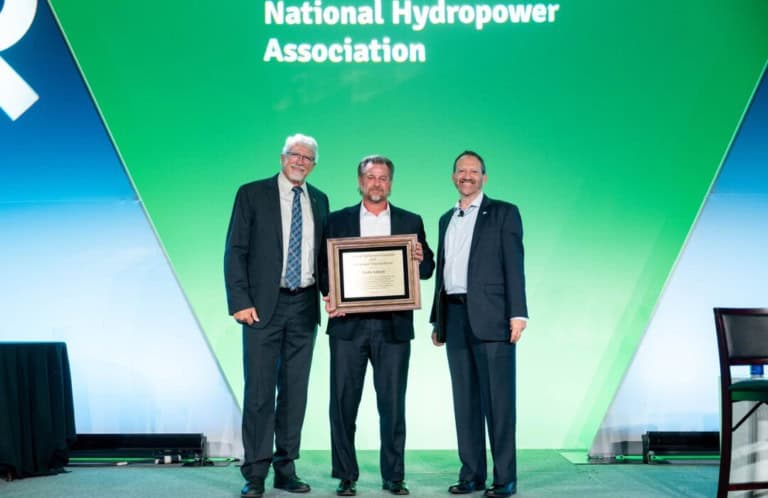


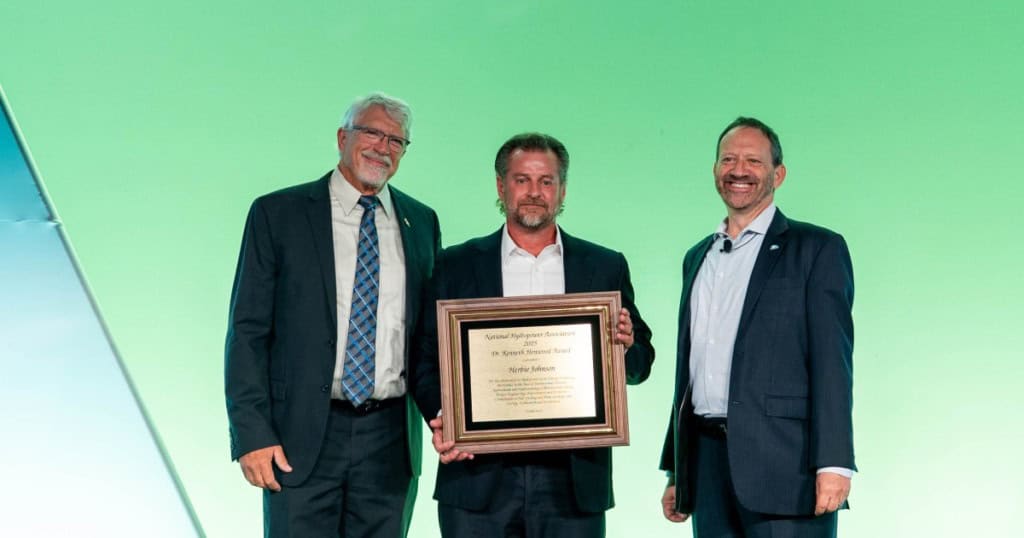
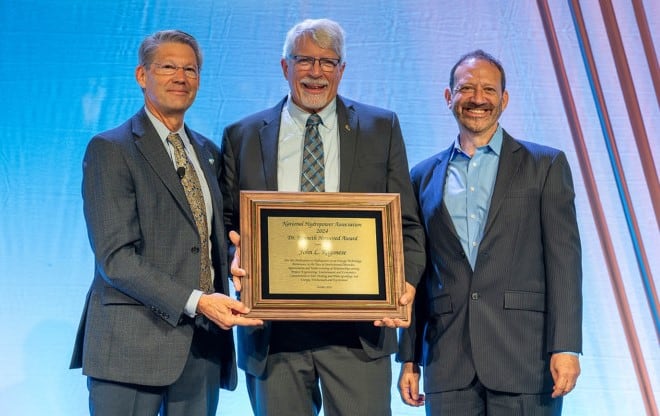


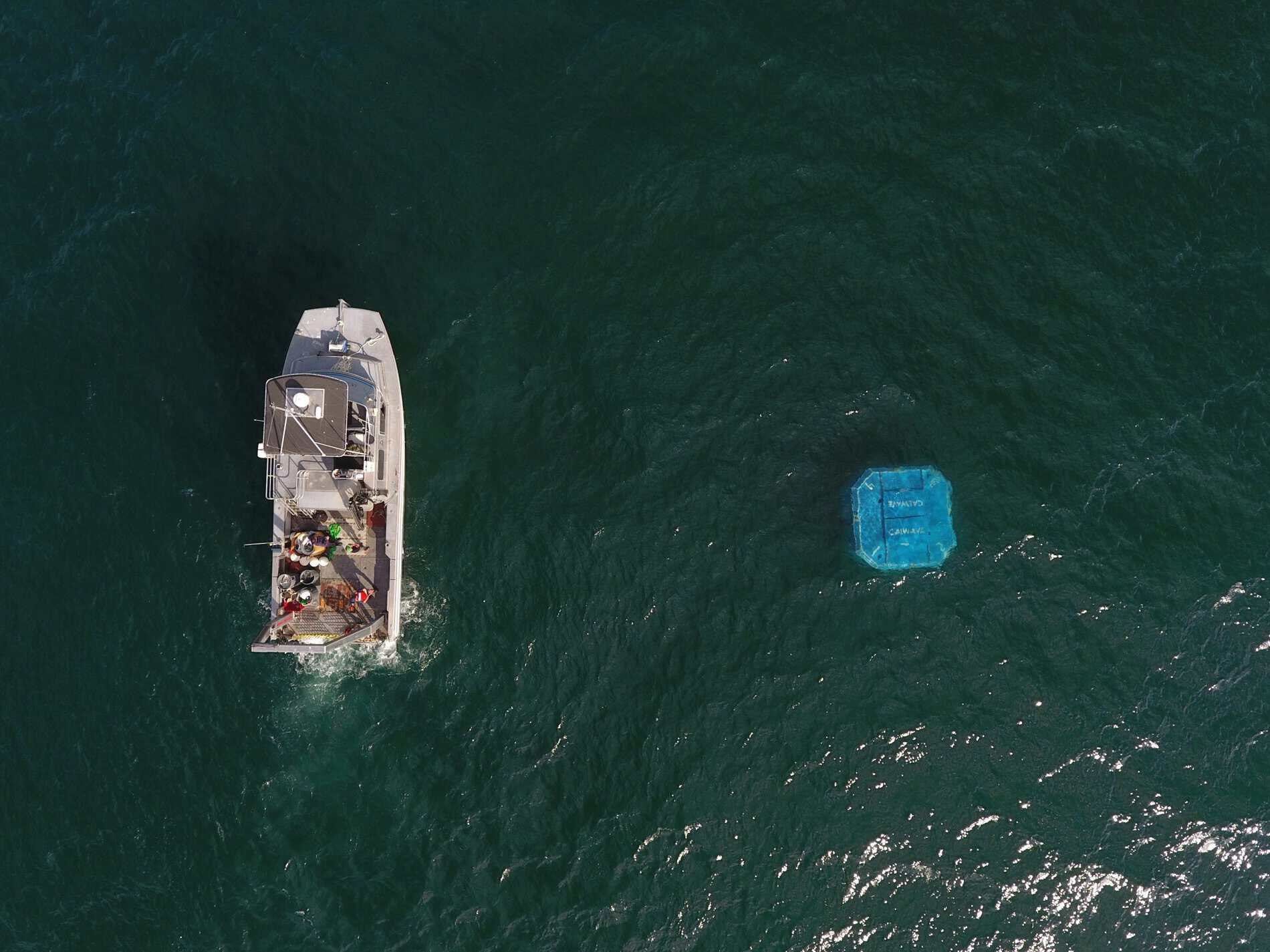
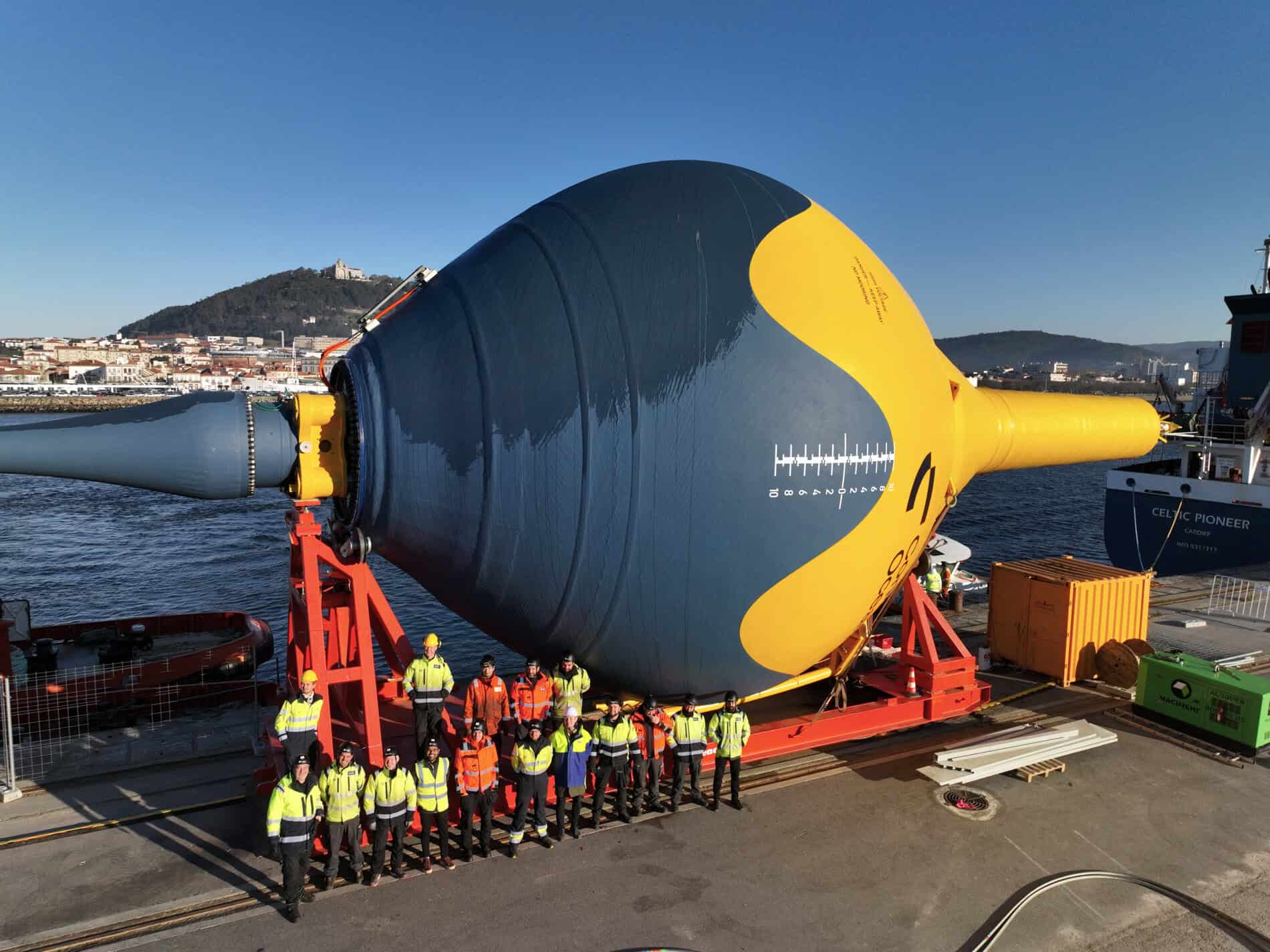


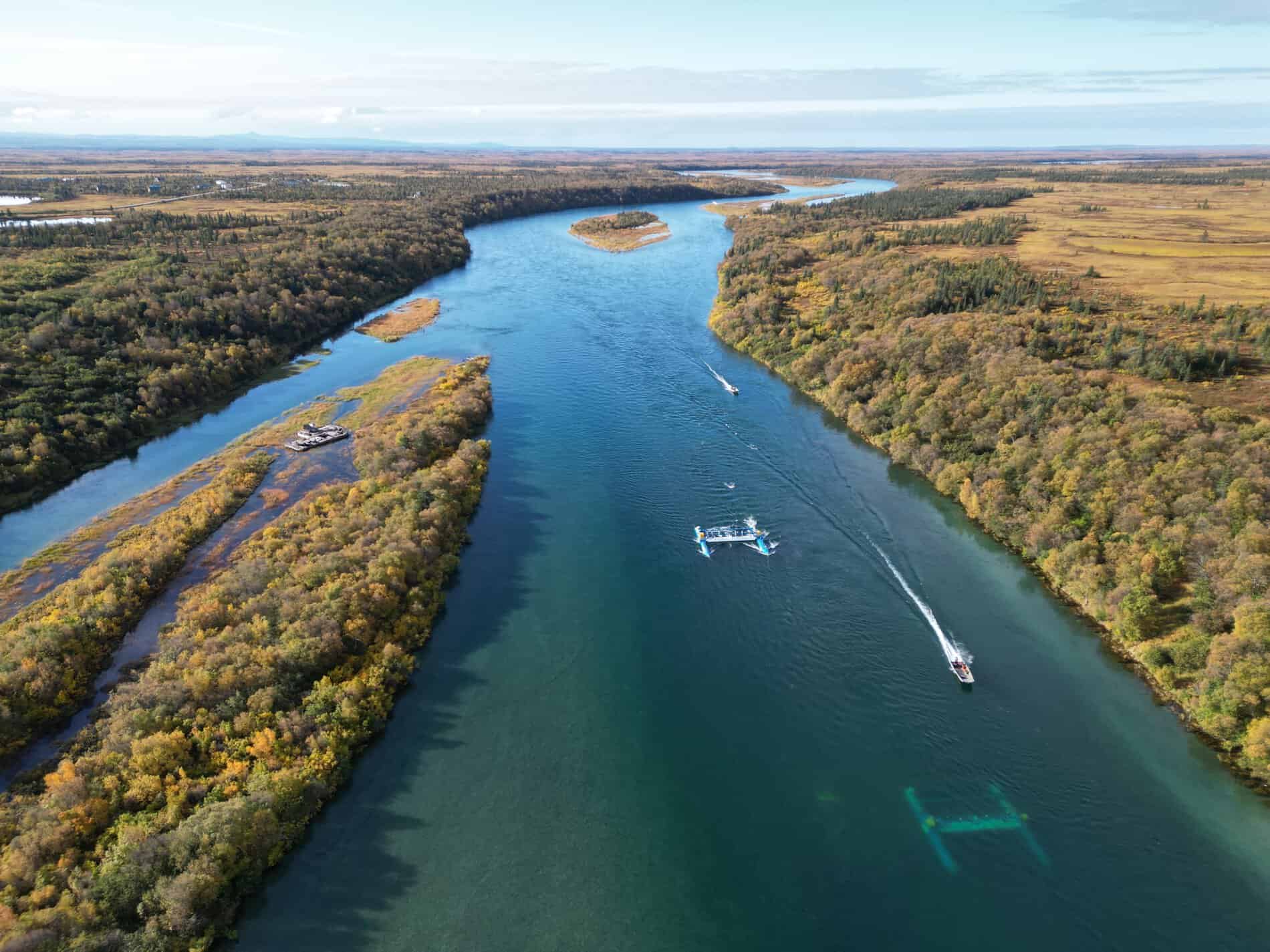
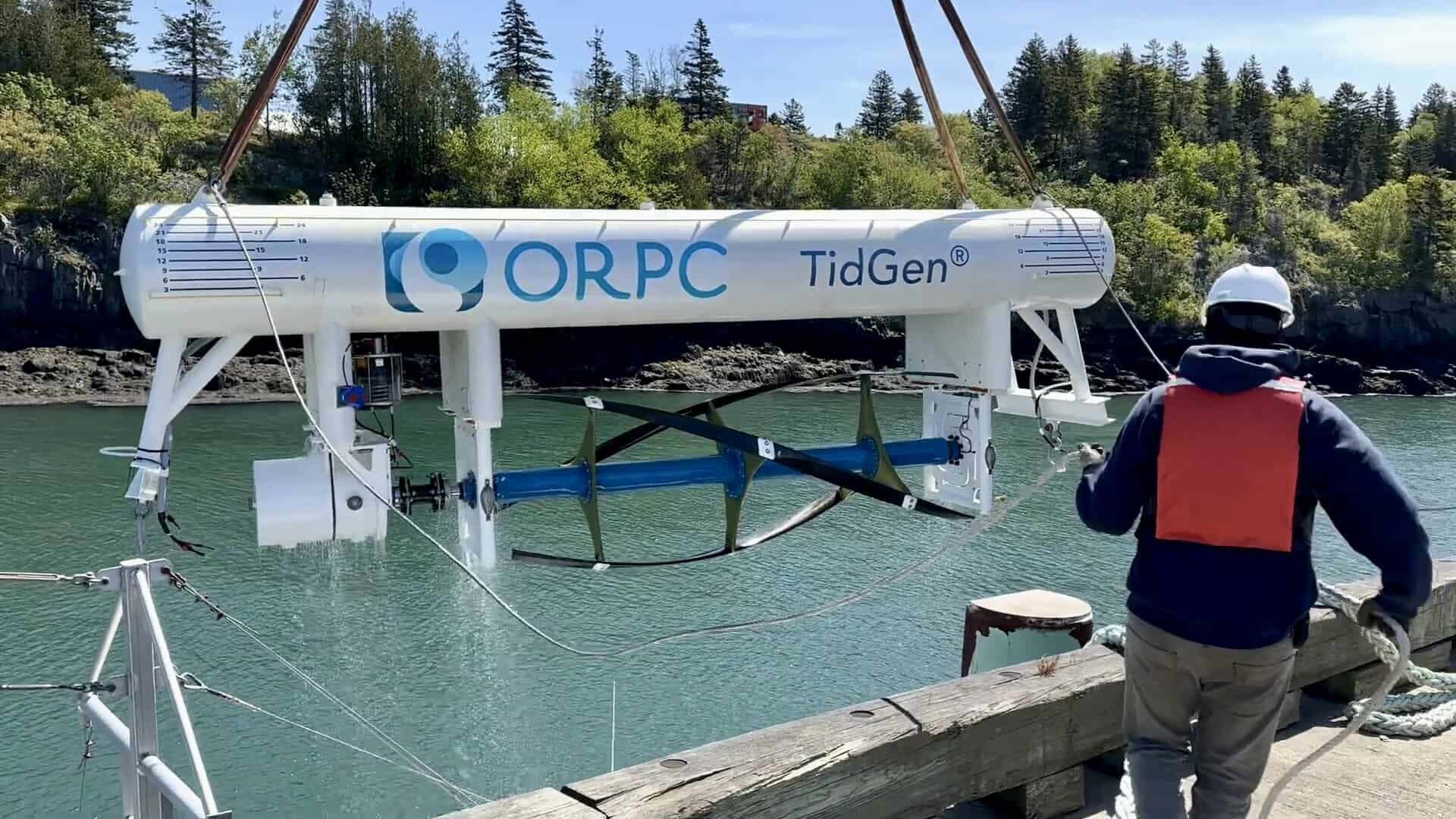
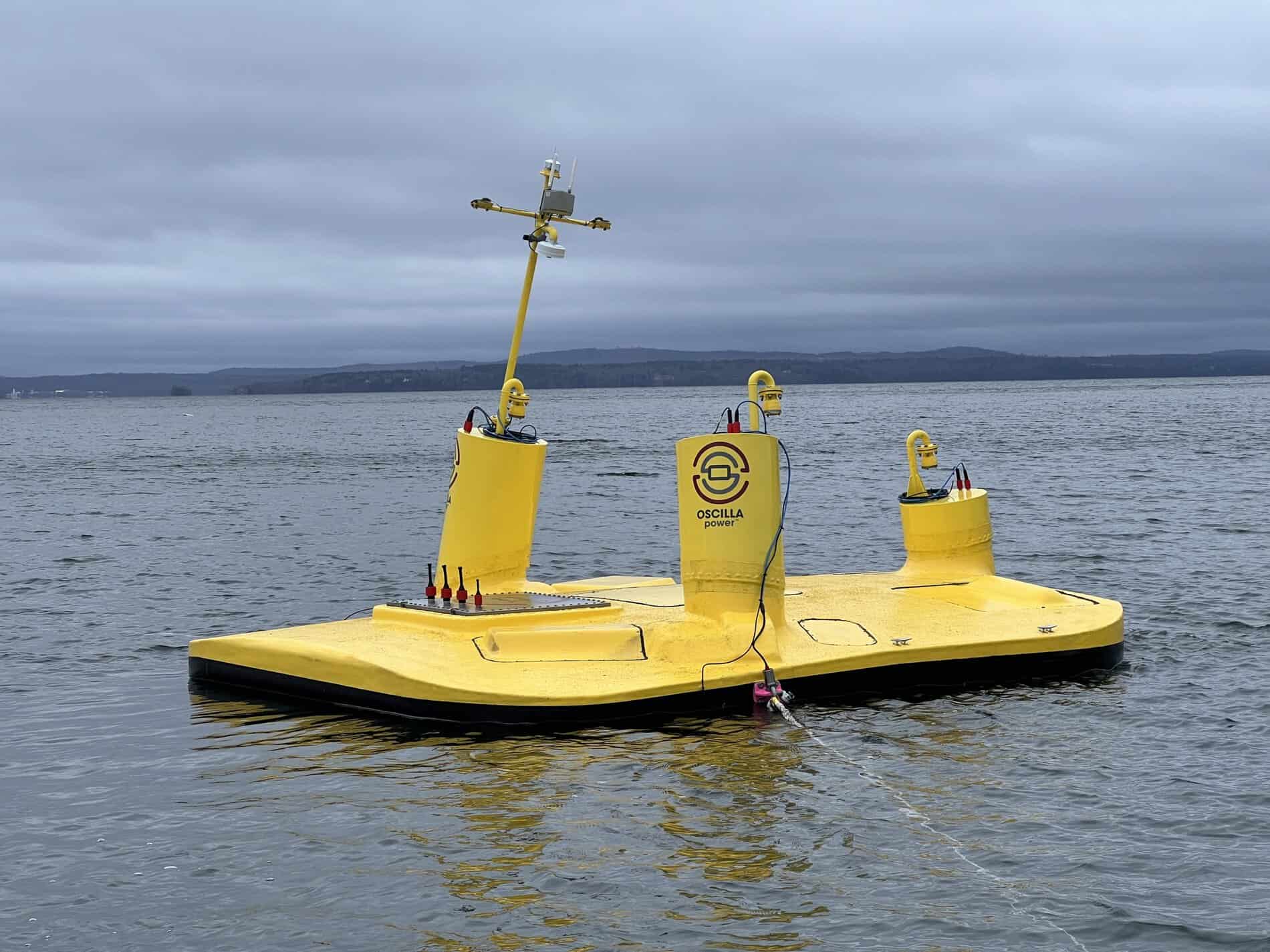

 Wave
Wave Tidal
Tidal Ocean Current
 Riverine
 Total Resource




 The U.S. hydropower industry currently employs up to 300,000 workers, from project development to manufacturing to facilities operations and maintenance.
With the right policies in place, hydropower can expand its American workforce. A recent study from Navigant Consulting found that 1.4 million cumulative jobs could be created by hydropower by 2025 when policies such as a renewable electricity standard are deployed.
Learn more about the study from Navigant Consulting
The United States currently has the world’s second largest installed capacity of hydropower at approximately 100GW, a total that includes pumped storage facilities. But huge untapped potential remains for this resource: Navigant estimated that the U.S. could add 60,000 MW of new hydro capacity by 2025, out of a total estimated technical potential of 84GW at inland sites alone.
The U.S. hydropower industry currently employs up to 300,000 workers, from project development to manufacturing to facilities operations and maintenance.
With the right policies in place, hydropower can expand its American workforce. A recent study from Navigant Consulting found that 1.4 million cumulative jobs could be created by hydropower by 2025 when policies such as a renewable electricity standard are deployed.
Learn more about the study from Navigant Consulting
The United States currently has the world’s second largest installed capacity of hydropower at approximately 100GW, a total that includes pumped storage facilities. But huge untapped potential remains for this resource: Navigant estimated that the U.S. could add 60,000 MW of new hydro capacity by 2025, out of a total estimated technical potential of 84GW at inland sites alone.
 When developing technologies like wave, ocean current and tidal in-stream energy conversion are taken into account, hydropower’s potential is even larger. Technical capacity from wave power alone is estimated at a massive 90GW, and under a 25pc RES, approximately 14GW of ocean power capacity is realizable from the three technology types together.
To put this in perspective, in 2011, the Energy Information Administration estimates that total electric generating capacity for the country as a whole totaled approximately 1,051GW.
All of this means that by capitalizing on its huge potential for sustainable growth, the hydropower industry can add jobs along the supply chain, from manufacturers to construction workers to plant operations and maintenance.
When developing technologies like wave, ocean current and tidal in-stream energy conversion are taken into account, hydropower’s potential is even larger. Technical capacity from wave power alone is estimated at a massive 90GW, and under a 25pc RES, approximately 14GW of ocean power capacity is realizable from the three technology types together.
To put this in perspective, in 2011, the Energy Information Administration estimates that total electric generating capacity for the country as a whole totaled approximately 1,051GW.
All of this means that by capitalizing on its huge potential for sustainable growth, the hydropower industry can add jobs along the supply chain, from manufacturers to construction workers to plant operations and maintenance.

 Swimming, boating, fishing, camping, skiing, and hiking are just some of the recreational activities that take place year-round and across the country at sites developed and supported by the hydropower industry. Dam operators work with local communities to allow for recreational access. For example, dam operators can schedule water releases so that whitewater rafters can hone their skills on tailwaters – fast moving water located immediately downstream from the dam. In just one of many examples, utility PacifiCorp operates 15 recreational facilities along the Lewis River below the Merwin Dam in Washington State. Along the river and shores of three reservoirs, the utility offers the public 304 campsites in four campgrounds, 270 picnic sites and nine boat launch locations.
 The Federal Energy Regulatory Commission (FERC) is responsible for overseeing the safety of non-federal dams and performs routine inspections to ensure compliance. Dam safety is also ensured through a partnership of states, federal agencies and other stakeholders known as the National Dam Safety Program. Headed by the Federal Emergency Management System, the program provides training for dam safety staff and inspectors, issues grants to state dam safety programs and conducts safety research.
 The USACE describes the dam system: “The principal objective of the dam and reservoir is to protect downstream communities. It is part of a network of five flood control dams in the Merrimack River Basin. These dams work together to control flood waters during heavy rains and storms until rivers begin to drop and the stored water can be slowly and safely released. Located approximately 8.6 miles above the confluence of the Blackwater and Contoocook Rivers, Blackwater Dam helps protect cities and towns from Concord, Manchester, and Nashua, New Hampshire to Lowell, Lawrence, and Haverhill, Massachusetts. Blackwater Dam was completed in 1941 at a cost of $1.32 million and has already prevented $15.3 million in damages. The reservoir has a storage capacity of 15 billion gallons of water. To date, record high water occurred during the flood of April 1987.The reservoir was filled to 93% capacity with a water level of 564.1 mean sea level (msl). The normal level is 518 msl.”
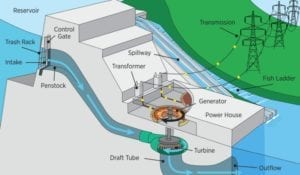 It’s widely known that hydropower is clean and renewable. But it’s value to the grid too often goes unnoticed. Here are a few ways hydropower benefits America’s electrical grid:


 Ocean Renewable Power Company successfully deployed the RivGen® Power System, a submersible hydrokinetic system designed for river and shallow tidal applications. RivGen supplied one-third of the power for the remote Alaskan village of Igiugig – demonstrating the viability of the marine energy technology for rural communities worldwide.
 The entire collector, including the nets and Net Transition Structure, has to be able to rise and fall, withstand epic storm conditions, collect fish within the entire reservoir operating range and allow employees to safely get on and off. The collector puts a 150,000-pound load on the dam through the connection during extreme storm events.
Engineers built a space-age structural connection that includes a cutting-edge, shock-absorbing connector to anchor the aft end of the collector. This connection allows for the FSC to roll, pitch, move up and down freely, and compress if needed.
The entire collector, including the nets and Net Transition Structure, has to be able to rise and fall, withstand epic storm conditions, collect fish within the entire reservoir operating range and allow employees to safely get on and off. The collector puts a 150,000-pound load on the dam through the connection during extreme storm events.
Engineers built a space-age structural connection that includes a cutting-edge, shock-absorbing connector to anchor the aft end of the collector. This connection allows for the FSC to roll, pitch, move up and down freely, and compress if needed.
 The Spokane Tribal Gathering Place, previously a parking lot, connects the newly transformed Huntington Park to the City of Spokane’s Riverfront Park, allowing the public access to the Spokane River Lower Falls for the first time in 100 years. Today, visitors can access the Lower Falls and along the way experience interpretive signs, sculptures, and artifacts that depict the area’s history, including Native American, European American and hydroelectric development.
 Hydroelectric Project. Visitors now have access to a hiking and whitewater boating access trail, fishing pier, picnic facilities, educational and historical signage, and a swim beach – an engineering marvel, completed with a first-ever design using a concrete cloth material and rock-filled wire gabion baskets.
 The New York Power Authority (NYPA) has restored two acres of lost fish and wildlife habitat within the middle of the resource-starved Upper Niagara River, with its Frog Island Wetland Habitat Restoration Project, adding a key element that did not exist before: protection against the loss of this restored habitat. To achieve these goals, NYPA overcame especially challenging design and construction considerations, including the inherent high energy river environment, varying water levels, adverse weather conditions, a severely limited construction window, and the presence of the project within surrounding valuable habitat that could not be compromised. This was further complicated by additional competing constraints such as seasonal limitations for fish spawning, visibility to boaters, and the need for a modest appearance. These many variables were addressed with the aid of extensive stakeholder collaboration.
 Pacific Gas and Electric Company (PG&E) has restored approximately 500 acres of wetland habitat on PG&E property located along the Pacific Flyway, the major flyway for migratory birds in the Americas that extends from Alaska to Patagonia. The restored McArthur Swamp has seen a 20-fold increase in migratory waterfowl who are benefitting from the feeding and nesting habitat which was constructed by PG&E in collaboration with California Waterfowl Association. The McArthur Swamp Wildlife Habitat Improvement Project (WHIP) created a mosaic of meandering swales, depressions, and loafing islands that are flooded annually with water from the adjacent Big Lake, the headwaters of the Pit 1 Hydroelectric Project.
 Tacoma Power’s improvements at Little Falls on the North Fork Skokomish River in Mason County, Washington, will help secure salmon and steelhead populations for years to come. The project provided many challenges for the team, which used innovation and intellect to overcome them. The project also helped the utility maintain its important relationship with the Skokomish Indian Tribe.
The flow of the river at Little Falls is divided into two channels, both of which were previously identified as barriers to fish. To help ease fish passage and keep the natural beauty of this culturally significant location, Tacoma Power collaborated with the Skokomish Indian Tribe and permitting agencies to carve a fish ladder into existing bedrock. Weirs were created to maintain water elevations along with resting pools and connecting chutes to allow fish to pass the 12-foot-high falls in a series of bursts.
With the project complete, adult fish can now migrate upstream to the base of Cushman No. 2 Dam to the fish collection and transportation facility.
Tacoma Power’s improvements at Little Falls on the North Fork Skokomish River in Mason County, Washington, will help secure salmon and steelhead populations for years to come. The project provided many challenges for the team, which used innovation and intellect to overcome them. The project also helped the utility maintain its important relationship with the Skokomish Indian Tribe.
The flow of the river at Little Falls is divided into two channels, both of which were previously identified as barriers to fish. To help ease fish passage and keep the natural beauty of this culturally significant location, Tacoma Power collaborated with the Skokomish Indian Tribe and permitting agencies to carve a fish ladder into existing bedrock. Weirs were created to maintain water elevations along with resting pools and connecting chutes to allow fish to pass the 12-foot-high falls in a series of bursts.
With the project complete, adult fish can now migrate upstream to the base of Cushman No. 2 Dam to the fish collection and transportation facility.
 On Baranof Island in Southeast Alaska sits the small town of Sitka. Sitkans are known for being fiercely independent and very interested in all aspects of their community. Two years ago when the construction on the expansion of one of their two hydroelectric dams began, it was known that the Utility would have to keep the town informed and heavily involved but how? The City of Sitka Electric Department sought to keep the public engaged with the Blue Lake Expansion Project since not only were they directly paying for over 2/3 of the $150 million project, but also passing along those costs to future Sitkans over the 30 year bond payment. They came up with a series of efforts that proved to be amazingly successful at keeping the public informed and supportive which was a fundamental reason for the overwhelming success of the entire project, despite a substantial rate increase to pay for it.
 Minnesota Power launched “Hometown Hydropower” in May 2014 to help raise the public profile of the company’s hydroelectric system. The initiative came about two years after historic floodwaters raced down the St. Louis River, severely damaging Thomson Hydro, the heart of the company’s hydropower system, and forcing it offline.
In advance of Thomson’s return to service in November 2014, Minnesota Power decided to rededicate its entire hydroelectric system by highlighting individual hydro stations and reservoirs. “Hometown Hydropower” recognized the important role hydroelectric operations play in providing renewable energy to customers and celebrated more than a century of producing hydropower.
The initiative included a series of facility tours and public events at communities that host Minnesota Power’s hydro stations and reservoirs, creation of a commemorative medallion and time capsule, development of a website devoted to Minnesota Power hydropower, creation and distribution of a variety of educational fact sheets, installation of an outdoor informational sign at a popular reservoir, and donations totaling almost $90,000 to various community projects and organizations.
Minnesota Power launched “Hometown Hydropower” in May 2014 to help raise the public profile of the company’s hydroelectric system. The initiative came about two years after historic floodwaters raced down the St. Louis River, severely damaging Thomson Hydro, the heart of the company’s hydropower system, and forcing it offline.
In advance of Thomson’s return to service in November 2014, Minnesota Power decided to rededicate its entire hydroelectric system by highlighting individual hydro stations and reservoirs. “Hometown Hydropower” recognized the important role hydroelectric operations play in providing renewable energy to customers and celebrated more than a century of producing hydropower.
The initiative included a series of facility tours and public events at communities that host Minnesota Power’s hydro stations and reservoirs, creation of a commemorative medallion and time capsule, development of a website devoted to Minnesota Power hydropower, creation and distribution of a variety of educational fact sheets, installation of an outdoor informational sign at a popular reservoir, and donations totaling almost $90,000 to various community projects and organizations.
 From 2002-2013, Grant PUD installed ten new Advanced Turbine Designs at Wanapum Dam on the Mid-Columbia River. The goals of the project were to address the mechanical and hydraulic issues, reduce maintenance, increase generation efficiency, and address fish survival concerns.
The new design included a six-blade Kaplan runner with a spherical hub, new wicket gates, reshaped stay vanes and modifications to the existing draft tubes. These changes improve flow stability, increase hydroelectric capacity and minimize impacts to young salmon.
Best available data reveals that the new design increases generation by an average 3.3 percent. This could allow Grant PUD to deliver clean energy to over 8,000 additional homes. In addition to hydroelectric improvements, available fish passage tests show a slight increase in salmon survival rates.
From 2002-2013, Grant PUD installed ten new Advanced Turbine Designs at Wanapum Dam on the Mid-Columbia River. The goals of the project were to address the mechanical and hydraulic issues, reduce maintenance, increase generation efficiency, and address fish survival concerns.
The new design included a six-blade Kaplan runner with a spherical hub, new wicket gates, reshaped stay vanes and modifications to the existing draft tubes. These changes improve flow stability, increase hydroelectric capacity and minimize impacts to young salmon.
Best available data reveals that the new design increases generation by an average 3.3 percent. This could allow Grant PUD to deliver clean energy to over 8,000 additional homes. In addition to hydroelectric improvements, available fish passage tests show a slight increase in salmon survival rates.
 Tacoma Power combined a new, two-generator powerhouse with an innovative fish collection and transportation system. This new source of hydroelectric power on the North Fork Skokomish River in Mason County, Washington:
 Rock Hawk is a stone effigy, estimated to be more than 2,000 years old and is believed to be one of just two such structures east of the Mississippi River. Both are believed to have been used in a ceremonial manner by Indian tribes who inhabited the river valley thousands of years ago. In partnership with state, local and county agencies, Georgia Power led the preservation and development of a 1,000-acre project centered around the rare rock formation. Enhancements included developing more than 15 miles of hiking and biking trails, displays outlining the history and wildlife of the area, an outdoor museum showcasing 12,000 years of local history, and a unique archery range. The Rock Hawk Park attracts more than 70,000 visitors every year, including many school groups. Atlanta Magazine added the area to its 2013 list of Georgia’s 100 Top Heart Pounding, Adrenaline Pumping Adventures.
 When opinion polls regarding hydropower showed a drop in support, Northwest RiverPartners tackled it with research, brainstorming, collaboration and membership outreach that ultimately generated financial support for a major TV media campaign launched in 2013. The strategic and professionally developed television campaign reached millions in the Northwest with its positive messages on the value of hydro and the Columbia and Snake rivers. Unprecedented in hydropower’s history, it is a perfect example of bringing together people and organizations that are passionate about hydropower – over 90 organizations participated. The ads also helped educate state and federal policymakers and legislators, creating a positive environment and outlook for promoting hydro as the Northwest’s – and the nation’s – cleanest, most affordable and reliable renewable energy source. Public opinion polling conducted before and after the campaign proved the campaign was a great success with support for hydropower’s benefits increasing 3-9% with marked increases in public support for key messages.
 Art Jam is an innovative and collaborative outreach program designed to foster public appreciation of the rich history of northwest hydroelectric power.
The 2013 North Fork Art Jam took place over a two-day period in June, where thirty local artists from the Estacada Area Arts Commission were hosted by Portland General Electric (PGE). PGE staff provided the artists with safety gear, safety instruction, a brief history of PGE and generating facilities on the Clackamas River. Artists were given a guided tour of the North Fork Dam and Powerhouse and the new adult fish sorting facility and then created works of fine art in a variety of media based on inspiration from the hydro industry and the surrounding wooded, river environment. These resulting works of art have been made available for public viewing at four venues via a year-long traveling art show that began in September at the Estacada Public Library in Estacada, Oregon.
Art Jam is an innovative and collaborative outreach program designed to foster public appreciation of the rich history of northwest hydroelectric power.
The 2013 North Fork Art Jam took place over a two-day period in June, where thirty local artists from the Estacada Area Arts Commission were hosted by Portland General Electric (PGE). PGE staff provided the artists with safety gear, safety instruction, a brief history of PGE and generating facilities on the Clackamas River. Artists were given a guided tour of the North Fork Dam and Powerhouse and the new adult fish sorting facility and then created works of fine art in a variety of media based on inspiration from the hydro industry and the surrounding wooded, river environment. These resulting works of art have been made available for public viewing at four venues via a year-long traveling art show that began in September at the Estacada Public Library in Estacada, Oregon.
 Kaukauna Utilities partnered with 1000 Islands Environmental Center, and Park Community Charter School, to implement National Energy Education Development (NEED) curriculum. Kaukauna Utilities Staff provided tours, engaging demonstrations, and hands-on activities to support the NEED curriculum. This provided school children a beneficial educational experience that included education on the function and history of Kauakauna’s hydropower, a tour of a hydropower facility and other renewable energy and energy efficiency activities. The school was recognized for its efforts by NEED as the top school in the state and was a finalist for national recognition.


 Summary
 Summary
 Summary


 NAVIGANT STUDY 2009
 The most affordable, achievable means of storing electricity at scale, this technology uses electricity from the grid to move water uphill to a reservoir during times of low power demand and can send the electricity back to the grid by running that water downhill through a hydro turbine during times of peak demand.
LEARN MORE
The most affordable, achievable means of storing electricity at scale, this technology uses electricity from the grid to move water uphill to a reservoir during times of low power demand and can send the electricity back to the grid by running that water downhill through a hydro turbine during times of peak demand.
LEARN MORE
 Allowing water to flow from a reservoir through a dam and turbine system, conventional hydro has been reliably generating electricity for decades — and is poised to expand through upgrades and capacity additions at existing facilities.
LEARN MORE
Allowing water to flow from a reservoir through a dam and turbine system, conventional hydro has been reliably generating electricity for decades — and is poised to expand through upgrades and capacity additions at existing facilities.
LEARN MORE
 Scientists and engineers working to capture the vast power of our oceans are on the cutting edge of energy technology development.
LEARN MORE
Scientists and engineers working to capture the vast power of our oceans are on the cutting edge of energy technology development.
LEARN MORE
 This technology places turbines in existing water infrastructure, like irrigation canals, where there is minimal environmental footprint.
LEARN MORE
This technology places turbines in existing water infrastructure, like irrigation canals, where there is minimal environmental footprint.
LEARN MORE
 Developers and local communities in all regions of the country are re-examining existing dams and infrastructure to support small hydro installations. Small hydro is an important component to expanding U.S. hydro capacity.
LEARN MORE
Developers and local communities in all regions of the country are re-examining existing dams and infrastructure to support small hydro installations. Small hydro is an important component to expanding U.S. hydro capacity.
LEARN MORE
 Employing fish passage and ladder devices, dam operators help migrating species (such as salmon, steelhead and shad) move through river systems, while a number of best practices and technologies help preserve the aquatic environment for in-river fish species (such as bull trout and rainbow trout) The hydropower industry has for many years pursued a variety of measures to improve fish populations and new technologies are being developed and deployed successfully by hydropower operators to further reduce hydropower’s impacts.
Techniques to lessen dam impacts on animals, plants and surrounding lands include:
Employing fish passage and ladder devices, dam operators help migrating species (such as salmon, steelhead and shad) move through river systems, while a number of best practices and technologies help preserve the aquatic environment for in-river fish species (such as bull trout and rainbow trout) The hydropower industry has for many years pursued a variety of measures to improve fish populations and new technologies are being developed and deployed successfully by hydropower operators to further reduce hydropower’s impacts.
Techniques to lessen dam impacts on animals, plants and surrounding lands include:


 Pumped storage is one of the most cost-effective utility-scale options for grid energy storage, acting as a key provider of what is known as ancillary services. Ancillary services include network frequency control and reserve generation – ways of balancing electricity across a large grid system. With an ability to respond almost instantaneously to changes in the amount of electricity running through the grid, pumped storage is an essential component of the nation’s electricity network.
The U.S. has more than 20GW of pumped storage capacity today, with facilities in every region of the country. Developers have proposed an additional 31GW, primarily in the West, to support an increasing amount of variable generation that is coming online.
Pumped storage is one of the most cost-effective utility-scale options for grid energy storage, acting as a key provider of what is known as ancillary services. Ancillary services include network frequency control and reserve generation – ways of balancing electricity across a large grid system. With an ability to respond almost instantaneously to changes in the amount of electricity running through the grid, pumped storage is an essential component of the nation’s electricity network.
The U.S. has more than 20GW of pumped storage capacity today, with facilities in every region of the country. Developers have proposed an additional 31GW, primarily in the West, to support an increasing amount of variable generation that is coming online.


 Conventional hydropower projects make up the majority of the water power generated in the U.S. today and have been doing so reliably for decades.
 Some conventional hydropower projects use a dam to collect and release water
 in controlled circumstances. Dams are often built on rivers where there is a drop in elevation creating what is known as “head” — the height difference between the water contained in the reservoir behind the dam and that of the water released below the dam, use the gravity of the flowing water to produce clean renewable power. A higher head means that water will flow with more force through a turbine to generate more power.
Water stored behind a dam enters the turbine through a pipe called a penstock. Water flows from the penstock to turn the blades of a turbine, which spins a shaft connected to the generator that generates electricity. Water then flows out of the turbine and back into the river beyond.
There are approximately 80,000 dams in the U.S., but only three percent of them currently generate electricity. Learn more about adding power to our existing dams.
in controlled circumstances. Dams are often built on rivers where there is a drop in elevation creating what is known as “head” — the height difference between the water contained in the reservoir behind the dam and that of the water released below the dam, use the gravity of the flowing water to produce clean renewable power. A higher head means that water will flow with more force through a turbine to generate more power.
Water stored behind a dam enters the turbine through a pipe called a penstock. Water flows from the penstock to turn the blades of a turbine, which spins a shaft connected to the generator that generates electricity. Water then flows out of the turbine and back into the river beyond.
There are approximately 80,000 dams in the U.S., but only three percent of them currently generate electricity. Learn more about adding power to our existing dams.
 Wave and tidal power technologies represent a huge opportunity to create reliable, clean energy. While these technologies are currently in various stages of research, development and deployment, industry estimates have pegged US wave potential at 90GW. In Florida alone, an estimated 4 to 10GW of potential is thought possible, according to a University of Florida study.
To focus on these new technologies, the National Hydropower established the Marine Energy Council. The council collaborates with NHA’s standing committees to focus attention on the potential growth opportunities of emerging technologies, share information among industry members, and provide a forum in which to discuss the various challenges ocean, tidal, hydrokinetic and emerging water technologies face.
The council focuses on:
Wave and tidal power technologies represent a huge opportunity to create reliable, clean energy. While these technologies are currently in various stages of research, development and deployment, industry estimates have pegged US wave potential at 90GW. In Florida alone, an estimated 4 to 10GW of potential is thought possible, according to a University of Florida study.
To focus on these new technologies, the National Hydropower established the Marine Energy Council. The council collaborates with NHA’s standing committees to focus attention on the potential growth opportunities of emerging technologies, share information among industry members, and provide a forum in which to discuss the various challenges ocean, tidal, hydrokinetic and emerging water technologies face.
The council focuses on:
 The unceasing movement of ocean waves creates a continually available and predicable power source that has an estimated technical potential in the U.S. of 90GW. Among other benefits, oceans are close to major population centers that need electricity most, while the potential wave power installations have a low visual impact and no fuel costs.
With a range of innovated technologies under development, wave power energy conversion devices can capture energy located on the ocean shoreline, near the shore or floating offshore. Technologies in development include:
The unceasing movement of ocean waves creates a continually available and predicable power source that has an estimated technical potential in the U.S. of 90GW. Among other benefits, oceans are close to major population centers that need electricity most, while the potential wave power installations have a low visual impact and no fuel costs.
With a range of innovated technologies under development, wave power energy conversion devices can capture energy located on the ocean shoreline, near the shore or floating offshore. Technologies in development include:


 Natel, which enables power generation from low head dams and, existing irrigation canals. “We have chosen to focus on the low head market because there are numerous settings in the U.S. where existing low head infrastructure could be retrofitted to capture energy that is currently wasted,” Natel’s co-founder, chairman and chief executive officer Gia Schneider, said in a hearing before the House Natural Resources committee in July 2010. Beyond being a low-impact technology, Schneider said, “we believe the potential exists to implement projects that both deliver renewable energy and create positive environmental co-benefits.”
The Buckeye project is currently being tested and will be connected to the grid once an agreement is reached with Arizona Public Service.
Read more of Schneider’s testimony here.
Natel, which enables power generation from low head dams and, existing irrigation canals. “We have chosen to focus on the low head market because there are numerous settings in the U.S. where existing low head infrastructure could be retrofitted to capture energy that is currently wasted,” Natel’s co-founder, chairman and chief executive officer Gia Schneider, said in a hearing before the House Natural Resources committee in July 2010. Beyond being a low-impact technology, Schneider said, “we believe the potential exists to implement projects that both deliver renewable energy and create positive environmental co-benefits.”
The Buckeye project is currently being tested and will be connected to the grid once an agreement is reached with Arizona Public Service.
Read more of Schneider’s testimony here.
 Recognizing the benefits this small hydropower facility brings to the surrounding communities and the state of Kansas, Bowersock is in the process of building a major $20 million addition to furnish power to the Kansas City (KS) Board of Public Utilities under a 25-year contract. The expansion will add four larger generating units that will produce an additional 5 MW of power. When fully operational, the project is expected to produce enough electricity to supply 3,300 homes, avoiding 44,000 tons of carbon dioxide emissions
The Bowersock Mills & Power Company remains privately-owned by the same family that started the company in 1874. Stephen Hill, who has run the company since 1972 and his daughter, Sarah Hill-Nelson, who joined in 2002, are Kansas business leaders carrying on a long tradition of bringing renewable hydropower to the local community. With a strong commitment to the environment and Kansas economy, Bowersock has been a small hydro success for over a century.
Recognizing the benefits this small hydropower facility brings to the surrounding communities and the state of Kansas, Bowersock is in the process of building a major $20 million addition to furnish power to the Kansas City (KS) Board of Public Utilities under a 25-year contract. The expansion will add four larger generating units that will produce an additional 5 MW of power. When fully operational, the project is expected to produce enough electricity to supply 3,300 homes, avoiding 44,000 tons of carbon dioxide emissions
The Bowersock Mills & Power Company remains privately-owned by the same family that started the company in 1874. Stephen Hill, who has run the company since 1972 and his daughter, Sarah Hill-Nelson, who joined in 2002, are Kansas business leaders carrying on a long tradition of bringing renewable hydropower to the local community. With a strong commitment to the environment and Kansas economy, Bowersock has been a small hydro success for over a century.
 Other parts of the hydropower supply chain are also a source of economic vitality in the region. Harking back to New England’s industrial roots, Fitchburg, Massachusetts –based Steel-Fab builds water control gates – devices that can maintain water flow and levels for hydroelectric plants and flood control dams. The company builds gates that suit varying dam designs, as well as custom gates.
An American-owned manufacturing company, Steel-Fab is helping to grow the hydropower industry here at home.
Other parts of the hydropower supply chain are also a source of economic vitality in the region. Harking back to New England’s industrial roots, Fitchburg, Massachusetts –based Steel-Fab builds water control gates – devices that can maintain water flow and levels for hydroelectric plants and flood control dams. The company builds gates that suit varying dam designs, as well as custom gates.
An American-owned manufacturing company, Steel-Fab is helping to grow the hydropower industry here at home.
 This modernization project will increase the facility’s power generation capacity by more than 40 MW and boost turbine efficiency to 95% or better. Alstom’s new ultra-efficient Francis runners (the central, rotating parts of hydroelectric turbines) are not only bringing the facility up to date, but when completed, will also deliver clean electricity to an additional 30,000 homes in the Northwestern U.S.
Already underway, the $120 million project will provide an economic boost to the region through 2017. Installing the new Alstom equipment will also protect wildlife such as salmon and steelhead. The project is an example of the incredible opportunities to grow renewable energy generation sustainably at the country’s existing dams.
This modernization project will increase the facility’s power generation capacity by more than 40 MW and boost turbine efficiency to 95% or better. Alstom’s new ultra-efficient Francis runners (the central, rotating parts of hydroelectric turbines) are not only bringing the facility up to date, but when completed, will also deliver clean electricity to an additional 30,000 homes in the Northwestern U.S.
Already underway, the $120 million project will provide an economic boost to the region through 2017. Installing the new Alstom equipment will also protect wildlife such as salmon and steelhead. The project is an example of the incredible opportunities to grow renewable energy generation sustainably at the country’s existing dams.
 Of the 28,000 existing dams in the Midwest, those that generate electricity supplied thousands of megawatt hours (MWh) of power to the region in 2013. South Dakota enjoys the highest percentage of hydro in its generation mix, and at more than 4 million MWh, the state produced nearly 40 of its electricity from hydro facilities in 2013.
 Driven in part by the availability of clean, low-cost hydroelectric power, Alabama ranks 5th among states for renewable electricity generation overall, and with numerous projects along the Alabama and Coosa Rivers, is one of the largest hydroelectric producing states east of the Rocky Mountains. The largest electricity producer in the U.S., Southern Company, operates 34 hydropower facilities in Alabama and Georgia totaling 2,730MW. Generating up to 5 percent of the company’s electricity output, hydropower helps keeps the lights on for Southern’s more than 4 million customers in the Southeast.

 Seattle City Light is undertaking an upgrade of its 1050 MW Boundary Hydroelectric Project on the Pend Oreille River in Washington State, with the assistance of federal Clean Renewable Energy Bonds (CREBs). The investment will allow the public power utility to increase generation, create new jobs, and improve environmental performance.
With $53 million of low-interest bonds, SCL will complete two generator and turbine refurbishments, as well as replace two generator step-up transformers. The end result is expected to add 40 MW of new capacity to the project, enough to provide about 4,000 homes with access to clean, reliable hydropower. Using CREBs will save the utility $24 million of interest payments over the life of the bond – savings that ensure hydropower remains an affordable electricity resource for SCL’s ratepayers.
The economic benefits of the work are not just being felt in Washington State. In addition to the four temporary employees needed at SCL to complete the upgrades, contracts signed resulted in up to 15 contract employees to provide installation services for the generators and transformers. The turbine runners for the upgrade are American-made, manufactured right in Pennsylvania by Weir American Hydro before being shipped on a three week trek across 13 states to Boundary.
The aquatic life of the Pend Oreille River will also enjoy improved habitat as a result of the upgrade. The new turbines will reduce the total dissolved gas in the tailrace waters of the project, improving water quality for fish that call Pend Oreille home, including ESA-listed Bull Trout.
Seattle City Light is just one of the success stories of the CREBs Program; many public utilities are employing CREBs to bring additional hydropower and other renewable energy technologies online. CREBs allow tax-exempt entities to secure financing for projects by allowing them issuing bonds that are financed through tax credits paid out to the bond holder. Since these entities do not qualify for tax incentives like the production tax credit (PTC), CREBs are vital.
Learn more about CREBs and other policies that are incentivizing expanded hydropower development.
Seattle City Light is undertaking an upgrade of its 1050 MW Boundary Hydroelectric Project on the Pend Oreille River in Washington State, with the assistance of federal Clean Renewable Energy Bonds (CREBs). The investment will allow the public power utility to increase generation, create new jobs, and improve environmental performance.
With $53 million of low-interest bonds, SCL will complete two generator and turbine refurbishments, as well as replace two generator step-up transformers. The end result is expected to add 40 MW of new capacity to the project, enough to provide about 4,000 homes with access to clean, reliable hydropower. Using CREBs will save the utility $24 million of interest payments over the life of the bond – savings that ensure hydropower remains an affordable electricity resource for SCL’s ratepayers.
The economic benefits of the work are not just being felt in Washington State. In addition to the four temporary employees needed at SCL to complete the upgrades, contracts signed resulted in up to 15 contract employees to provide installation services for the generators and transformers. The turbine runners for the upgrade are American-made, manufactured right in Pennsylvania by Weir American Hydro before being shipped on a three week trek across 13 states to Boundary.
The aquatic life of the Pend Oreille River will also enjoy improved habitat as a result of the upgrade. The new turbines will reduce the total dissolved gas in the tailrace waters of the project, improving water quality for fish that call Pend Oreille home, including ESA-listed Bull Trout.
Seattle City Light is just one of the success stories of the CREBs Program; many public utilities are employing CREBs to bring additional hydropower and other renewable energy technologies online. CREBs allow tax-exempt entities to secure financing for projects by allowing them issuing bonds that are financed through tax credits paid out to the bond holder. Since these entities do not qualify for tax incentives like the production tax credit (PTC), CREBs are vital.
Learn more about CREBs and other policies that are incentivizing expanded hydropower development.


 TELL CONGRESS HYDROWORKS TO CREATE JOBS




 Thank you for your interest in signing up to receive the POWERHOUSE weekly email, published by the National Hydropower Association (NHA).
The POWERHOUSE weekly email is a free, unique service that leverages AI technology to feed you information, tips, insights, and intelligence most relevant to you. The more you read and click, the more refined your personal feed will become.
All contacts at NHA member organizations will automatically receive the POWERHOUSE weekly email.
If your organization is not a member of NHA, but you want to receive the POWERHOUSE weekly email, follow the steps below to sign up.
Thank you for your interest in signing up to receive the POWERHOUSE weekly email, published by the National Hydropower Association (NHA).
The POWERHOUSE weekly email is a free, unique service that leverages AI technology to feed you information, tips, insights, and intelligence most relevant to you. The more you read and click, the more refined your personal feed will become.
All contacts at NHA member organizations will automatically receive the POWERHOUSE weekly email.
If your organization is not a member of NHA, but you want to receive the POWERHOUSE weekly email, follow the steps below to sign up.











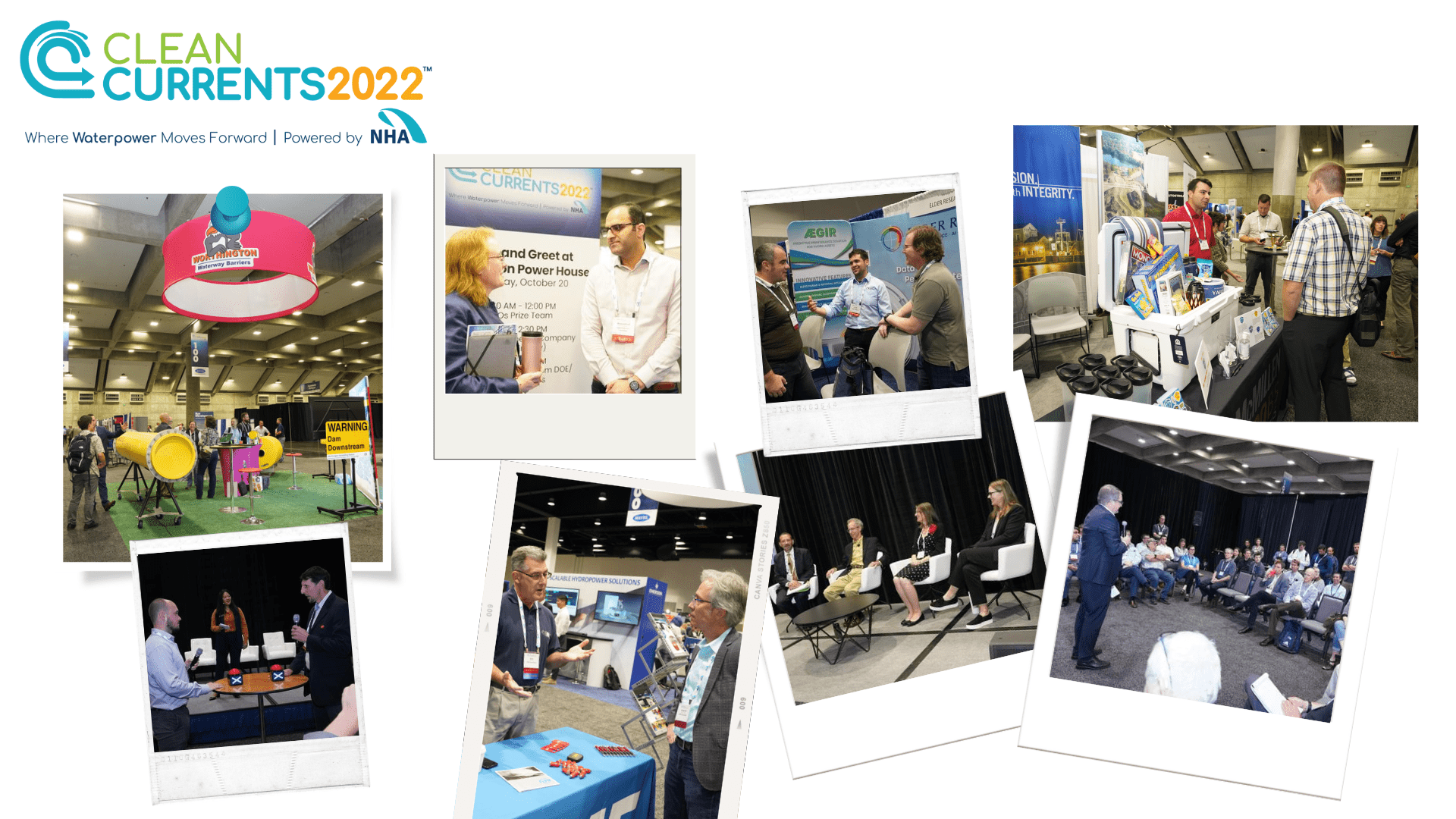

 Malcolm Woolf
President and CEO
National Hydropower Association
[email protected]
301.767.6698
Malcolm Woolf
President and CEO
National Hydropower Association
[email protected]
301.767.6698


 (202) 897-8580
 [email protected]


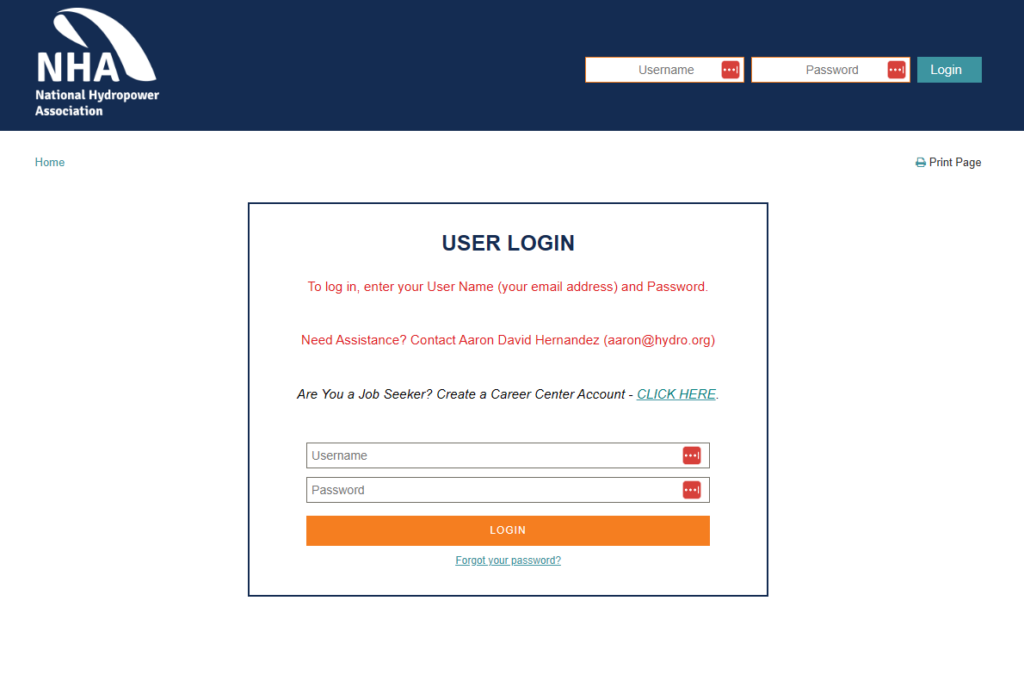
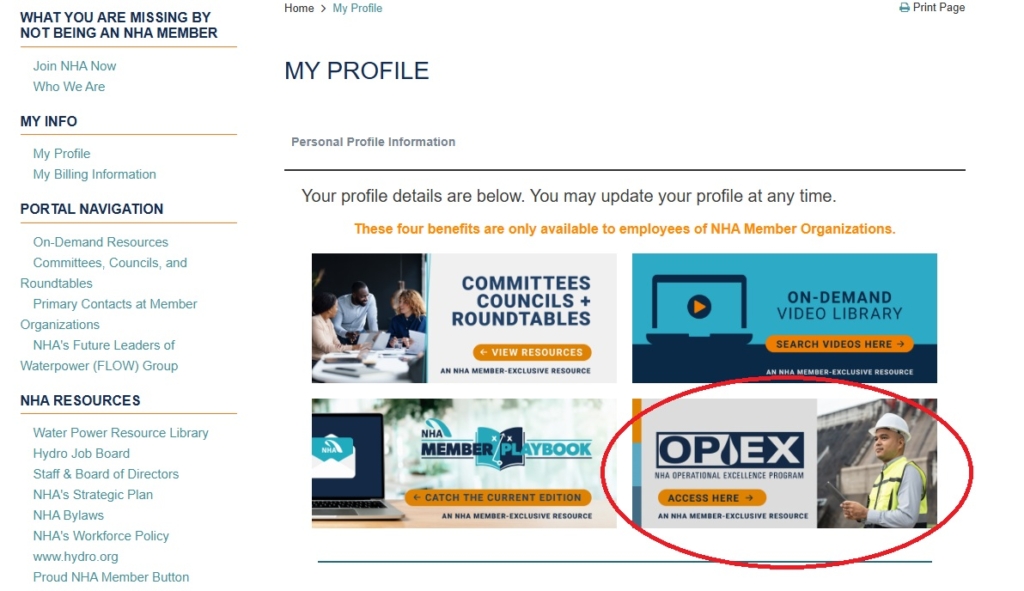




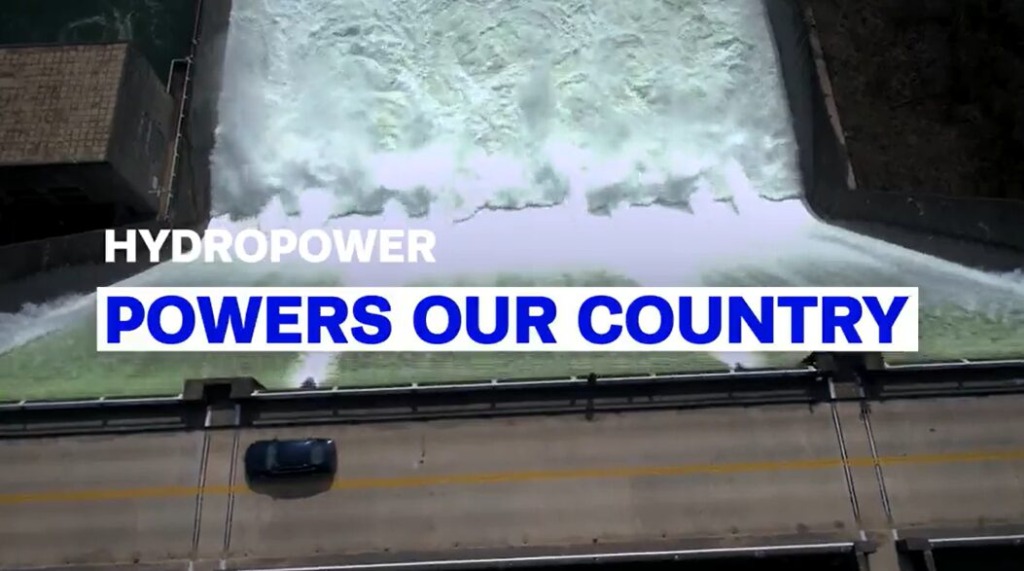
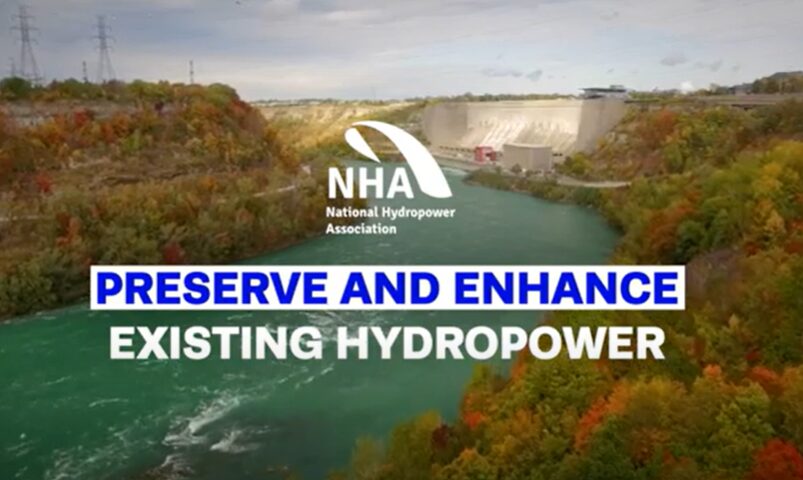


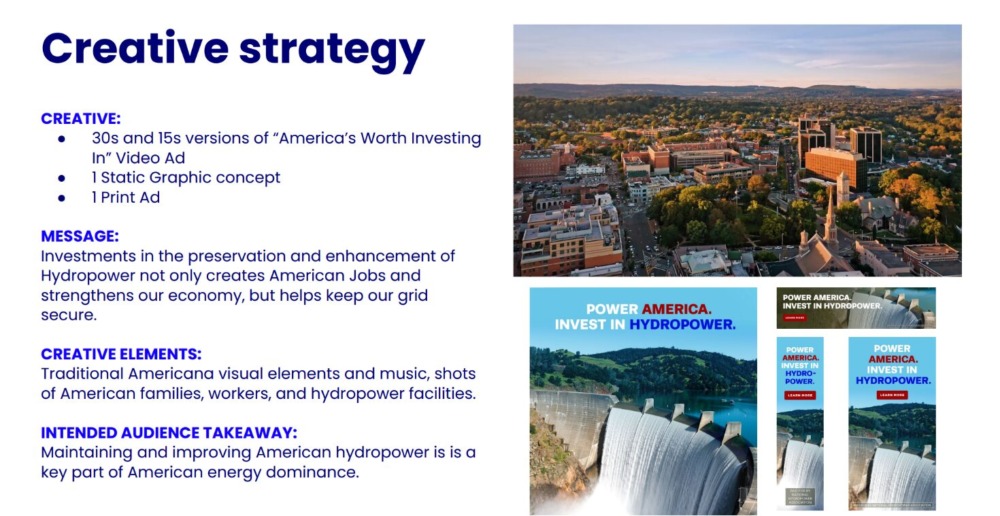
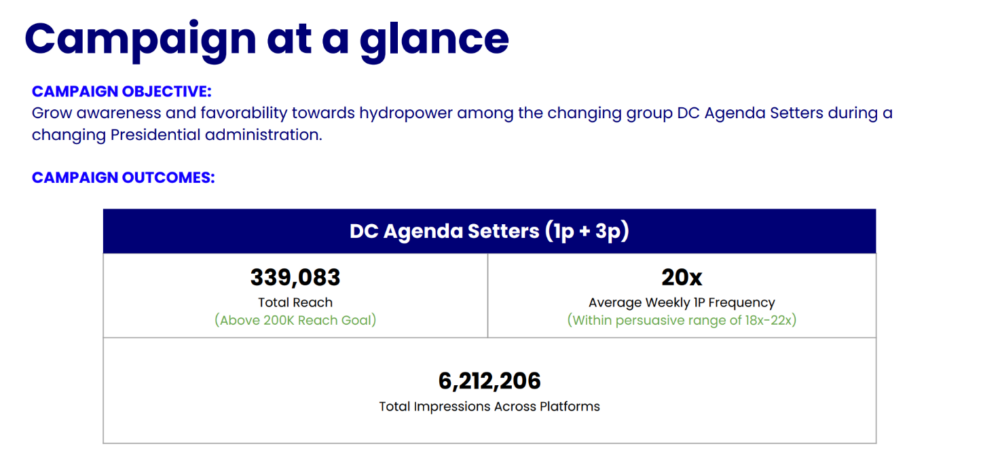


.png)
.png)


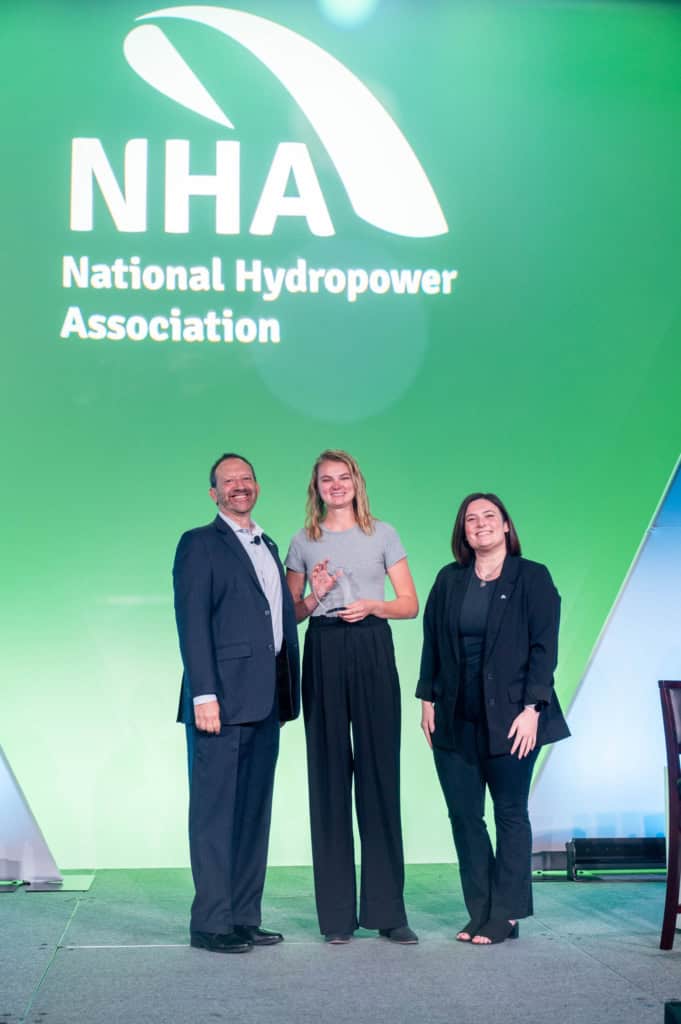
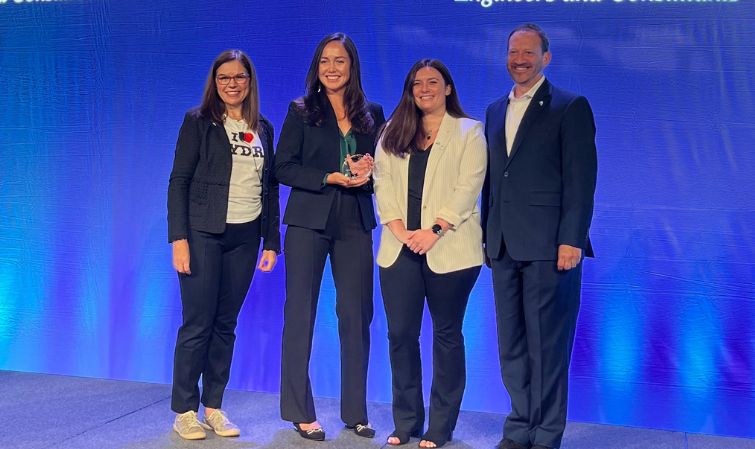

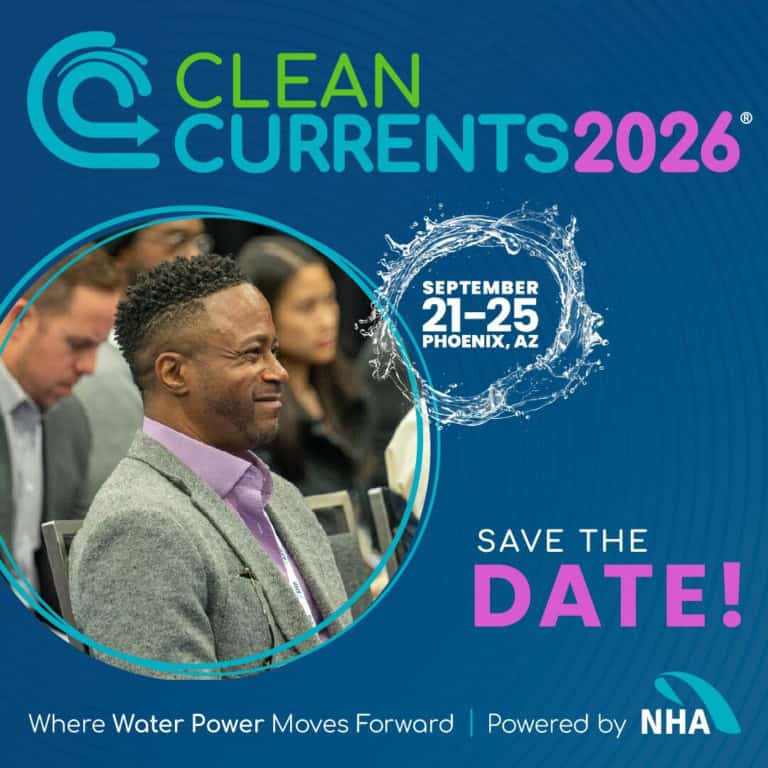








 Electricity Markets





 “Thank you for attempting to de-mystify energy markets. It was so useful to get an overview from an industry professional.”
 “I liked the way the presentation was organized, comparing existing projects to new development projects at every step of environmental impact.”

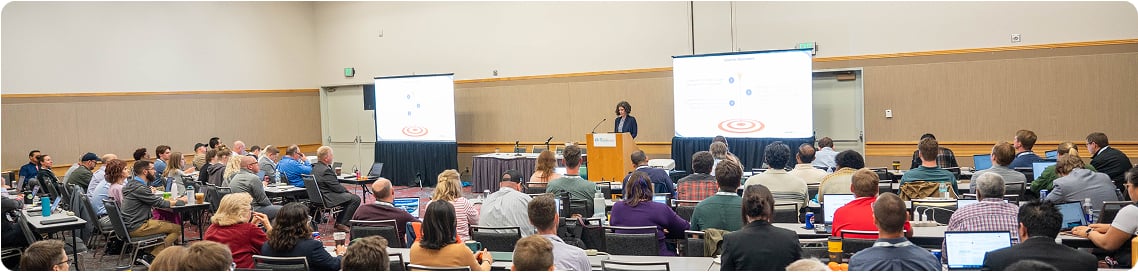
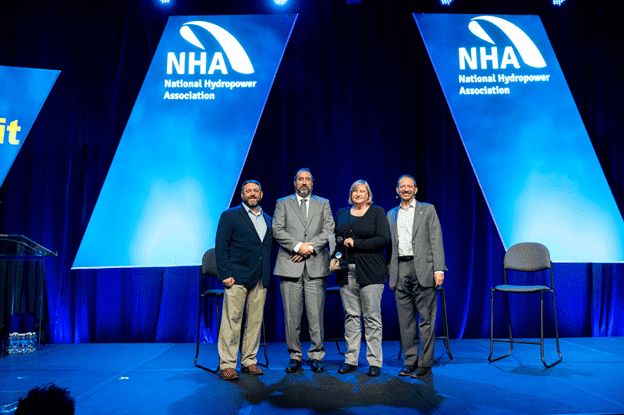















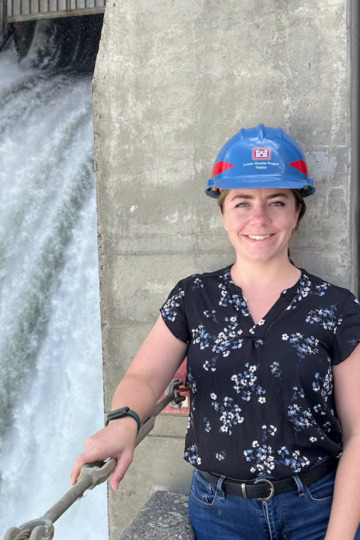




 View Link
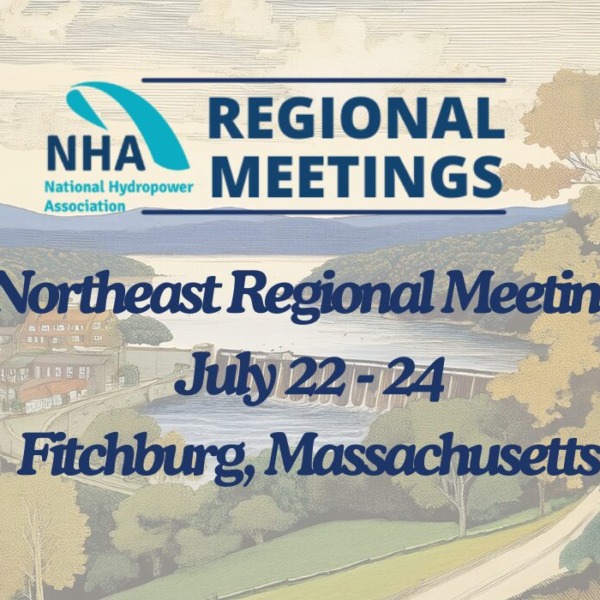

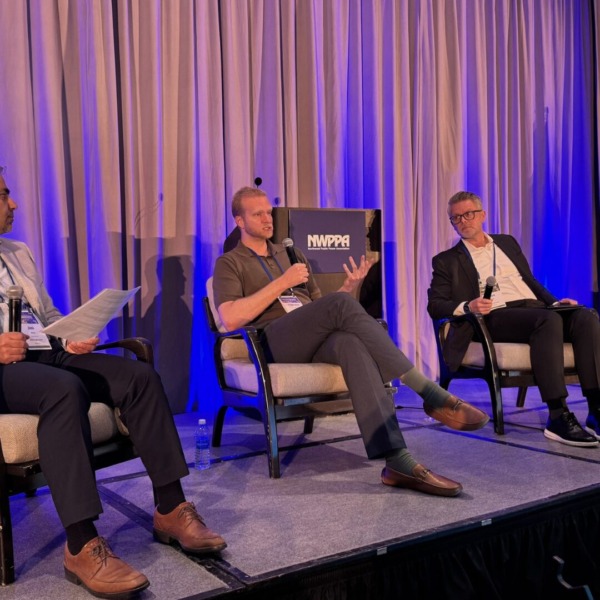
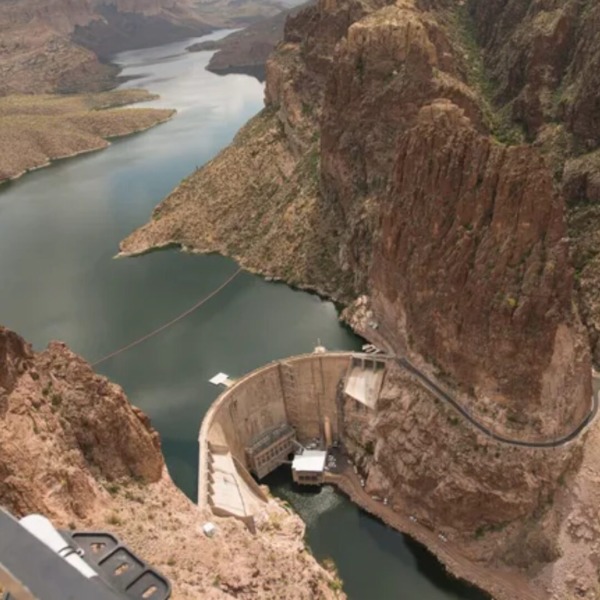

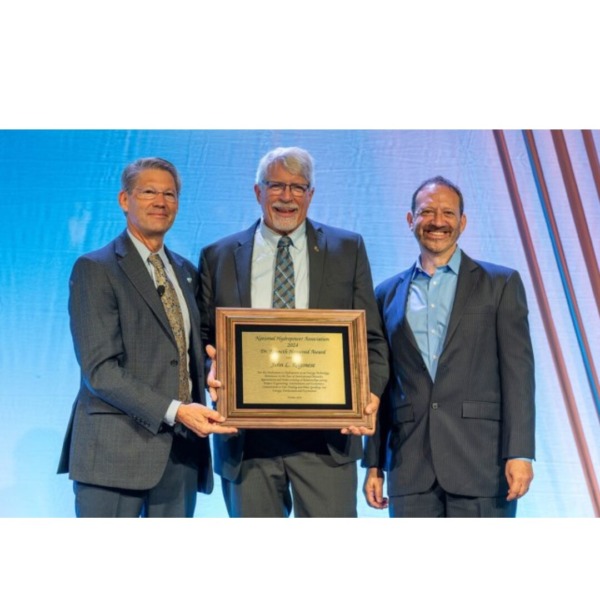

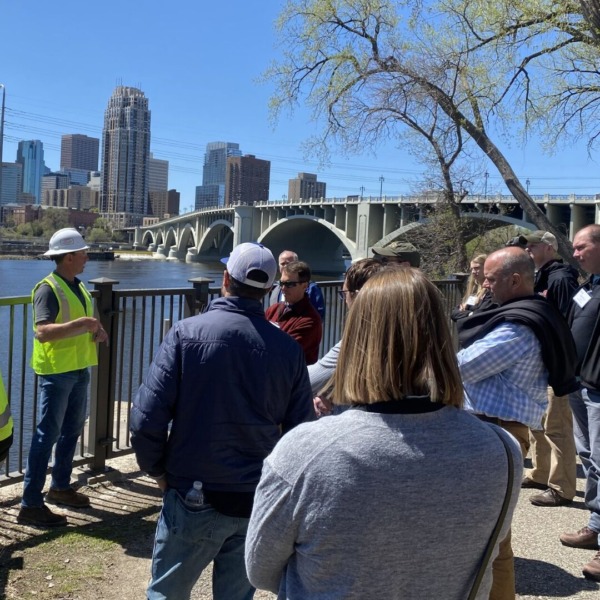


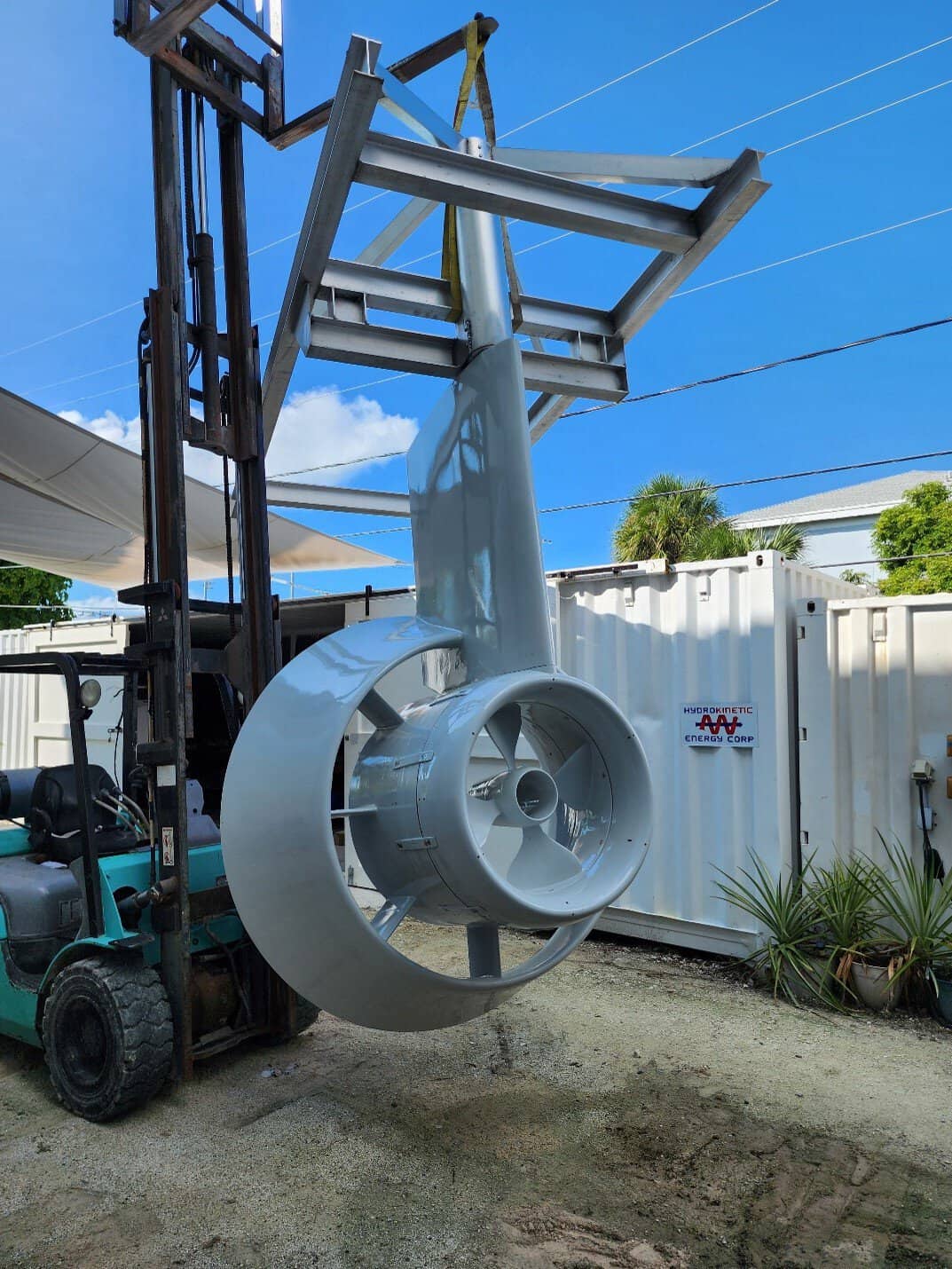

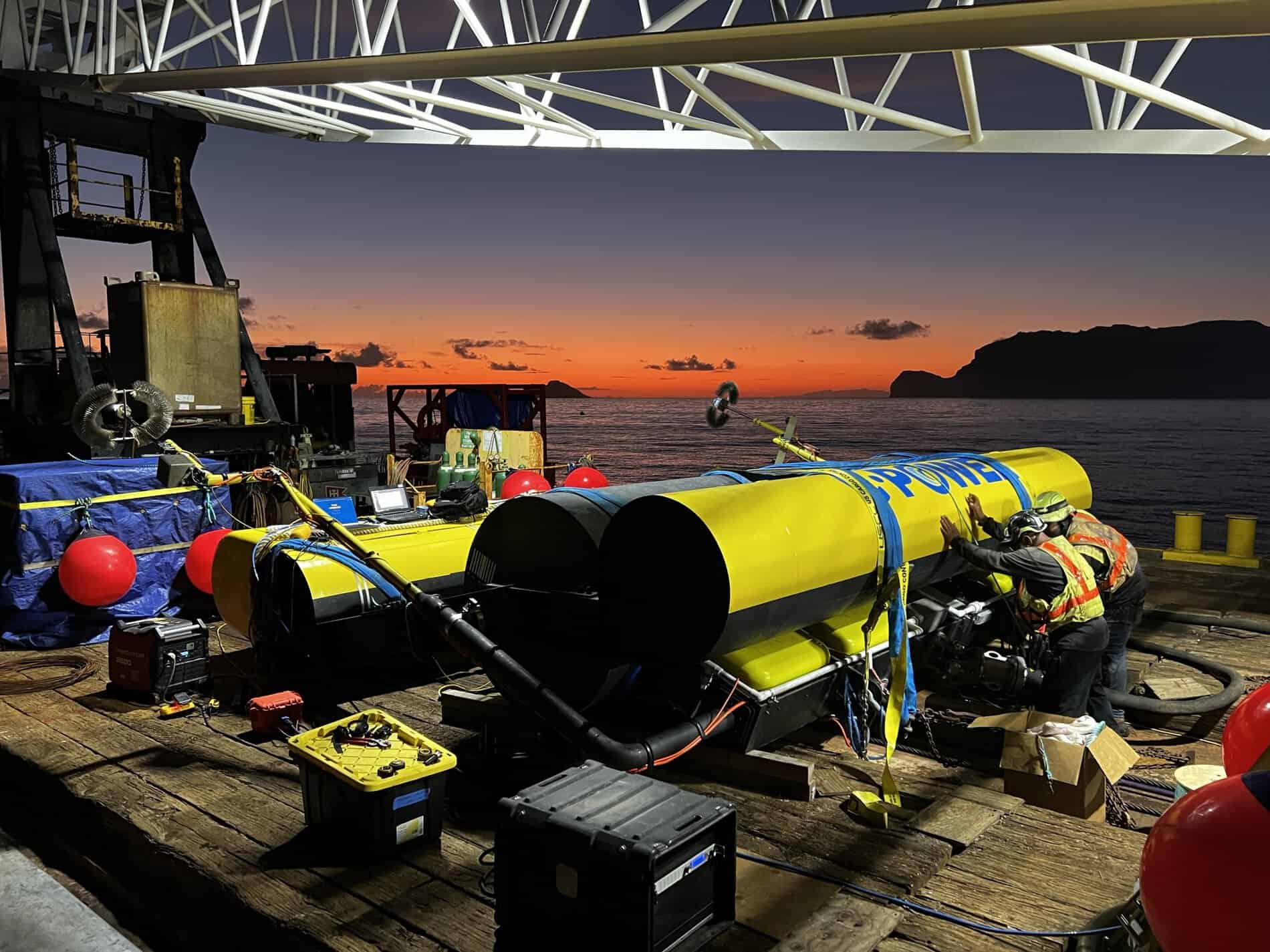
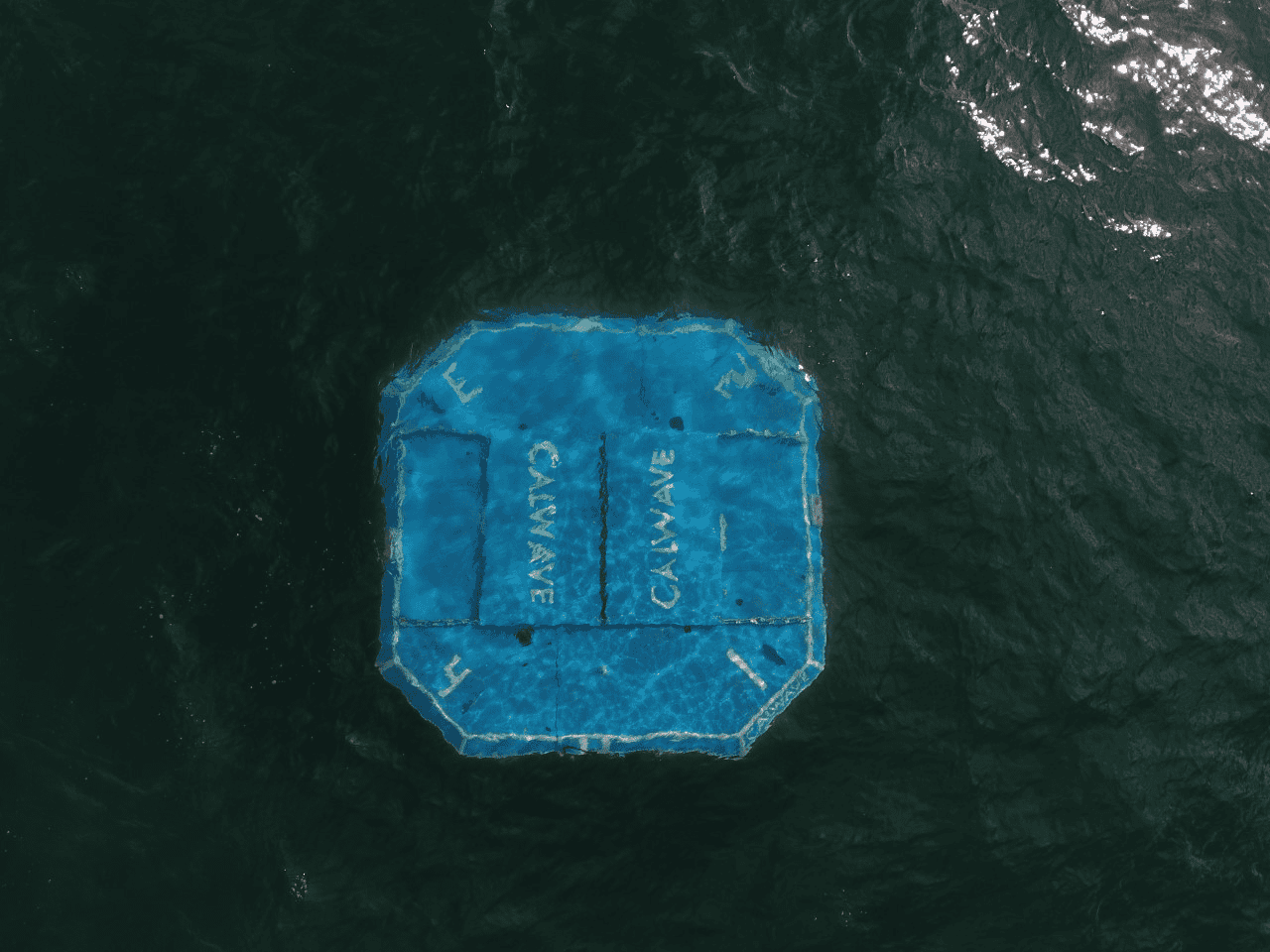
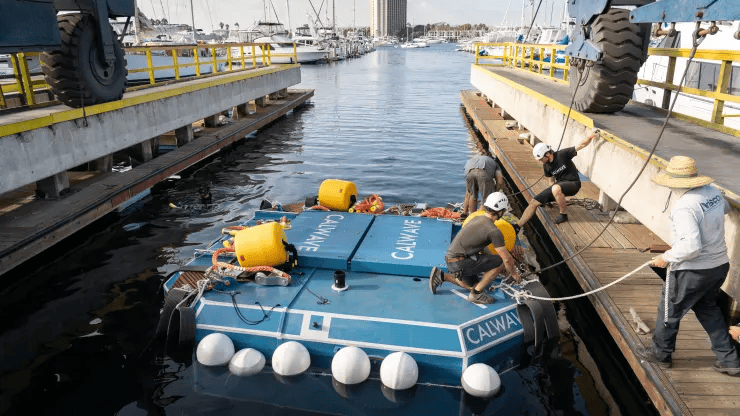
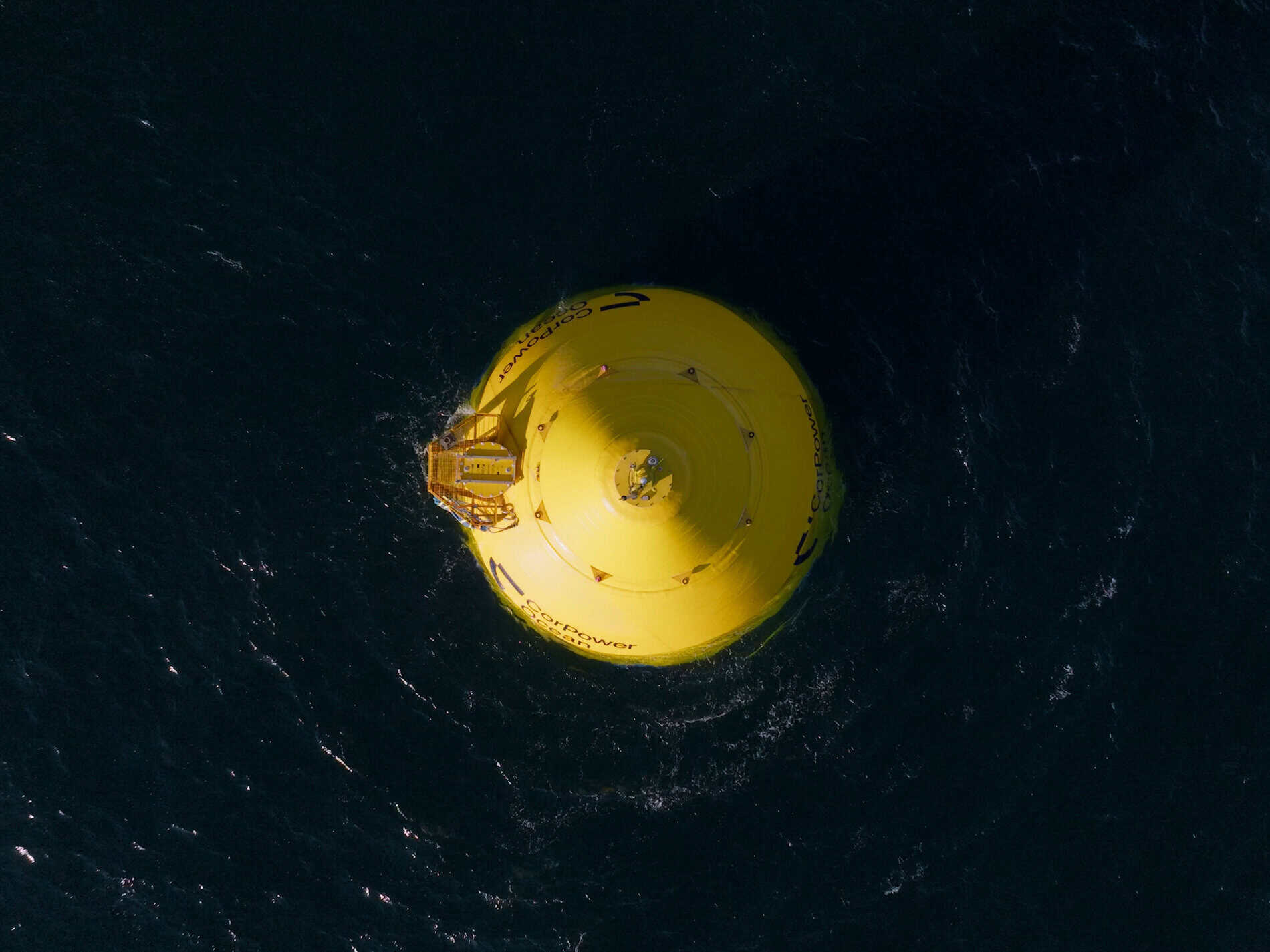
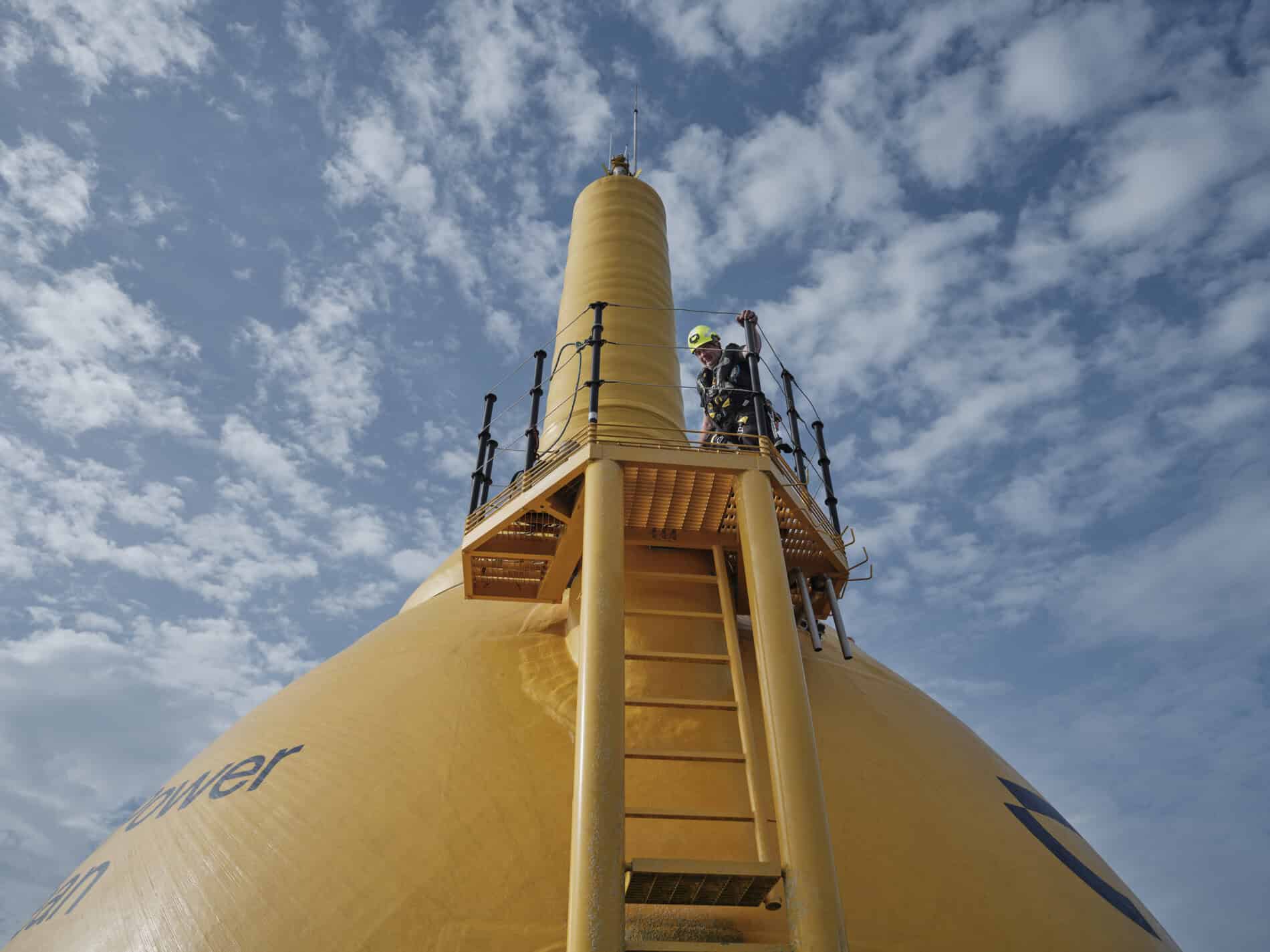
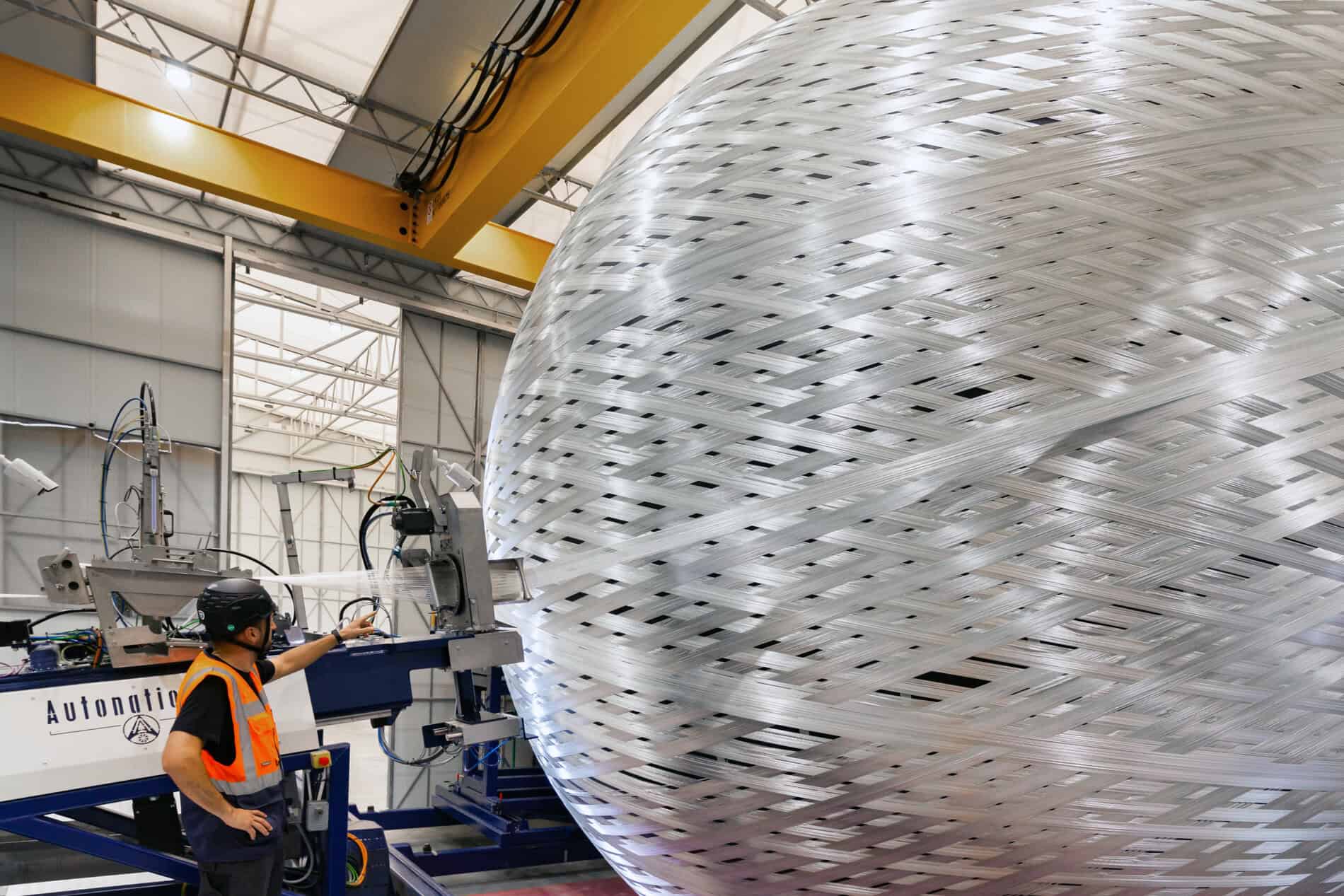

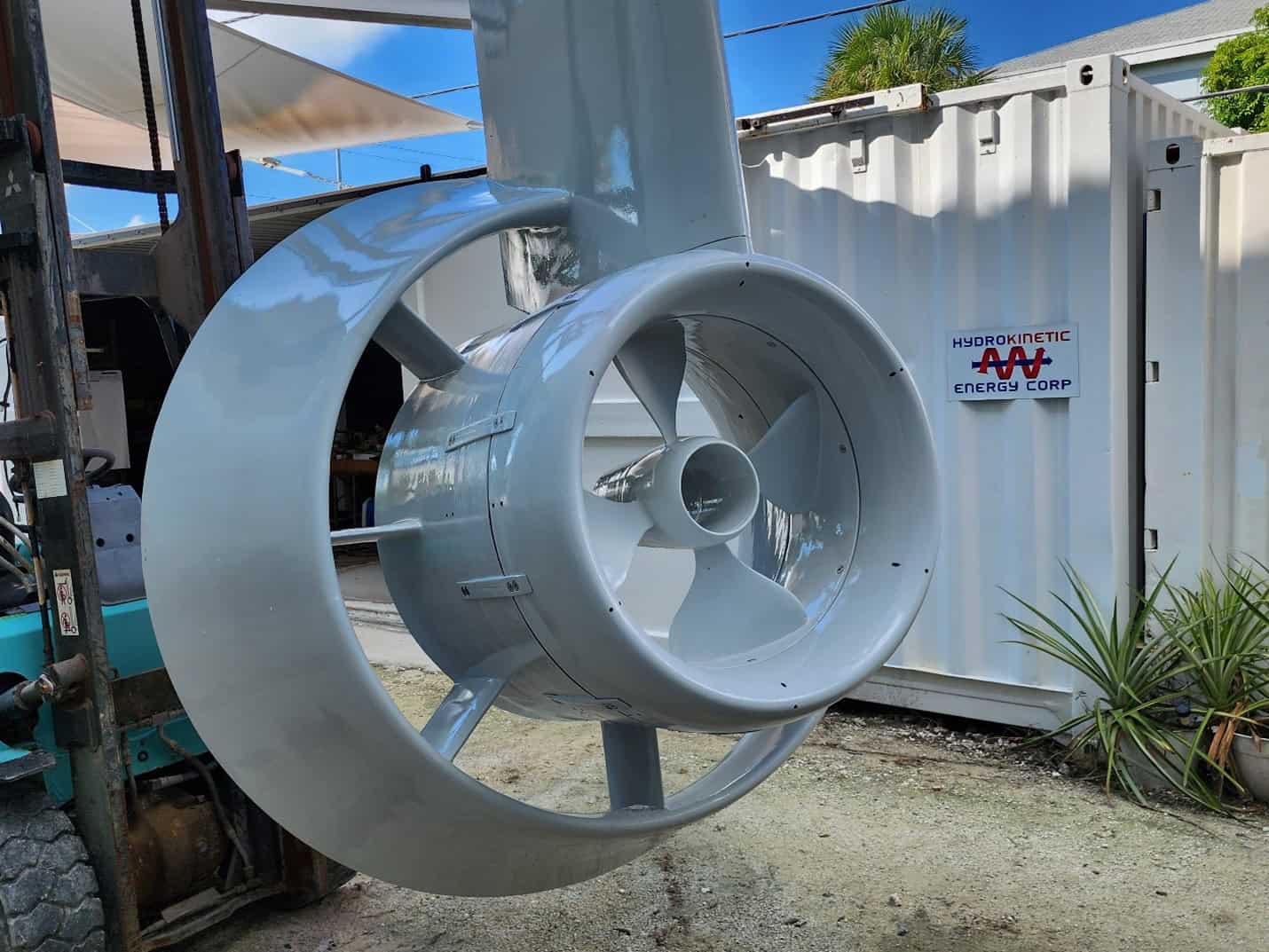
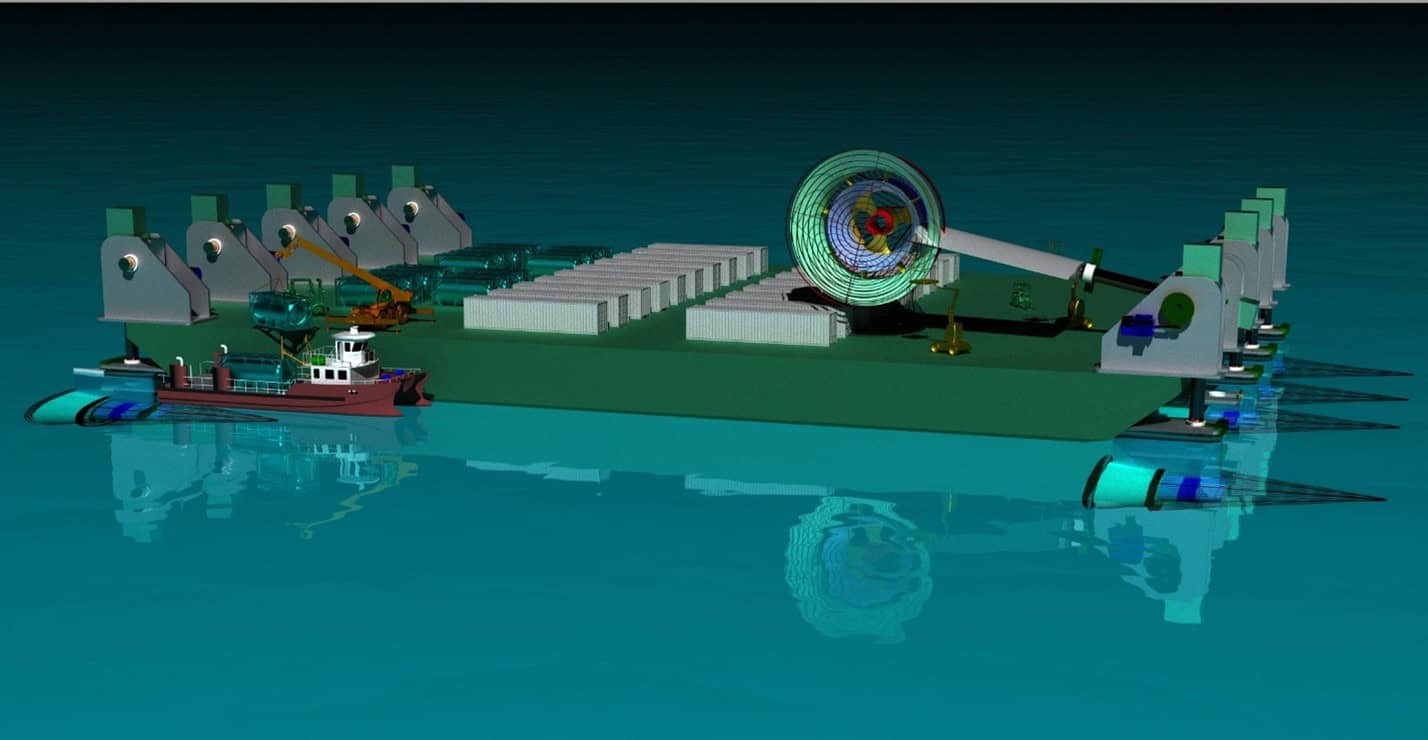
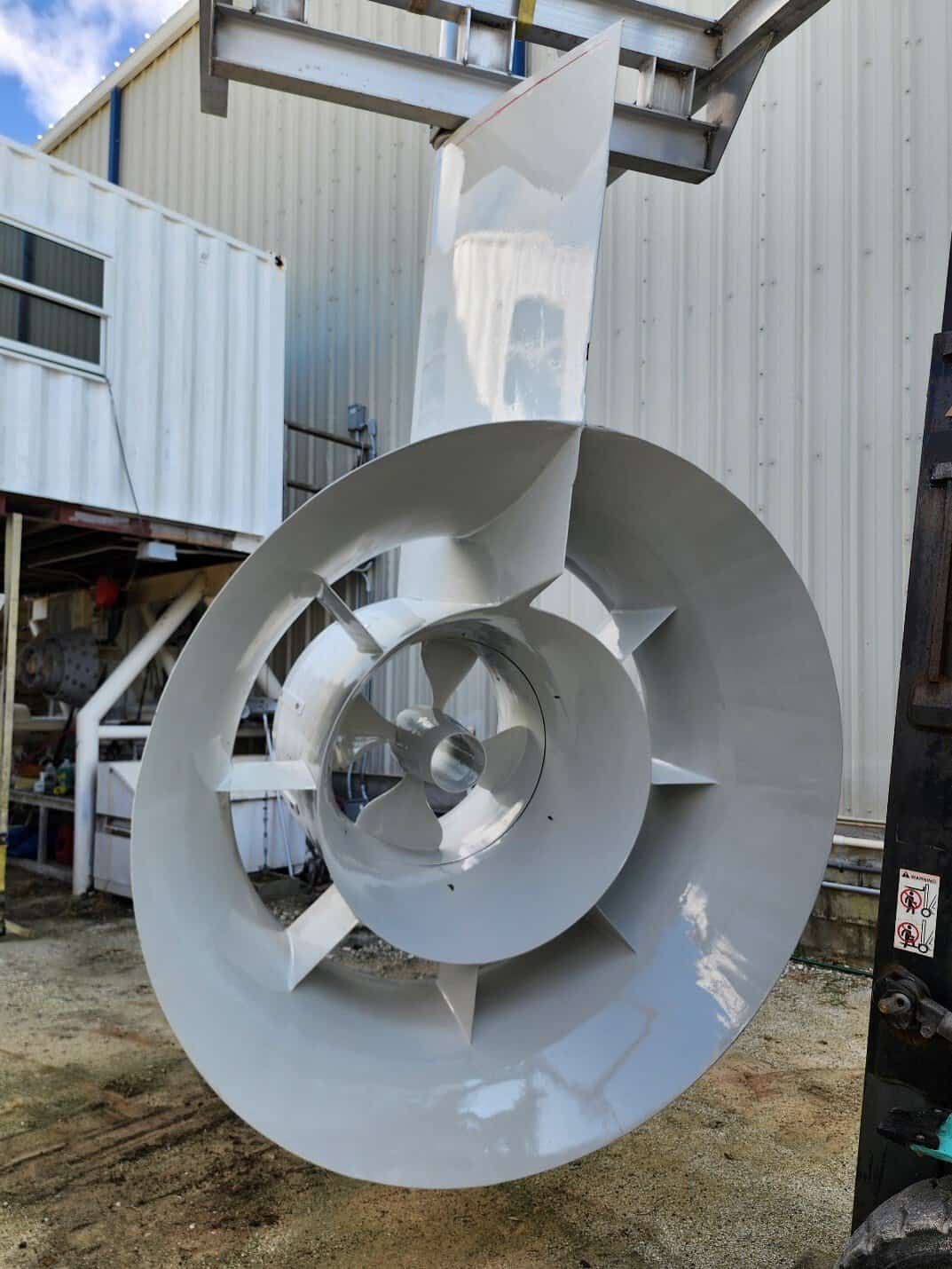
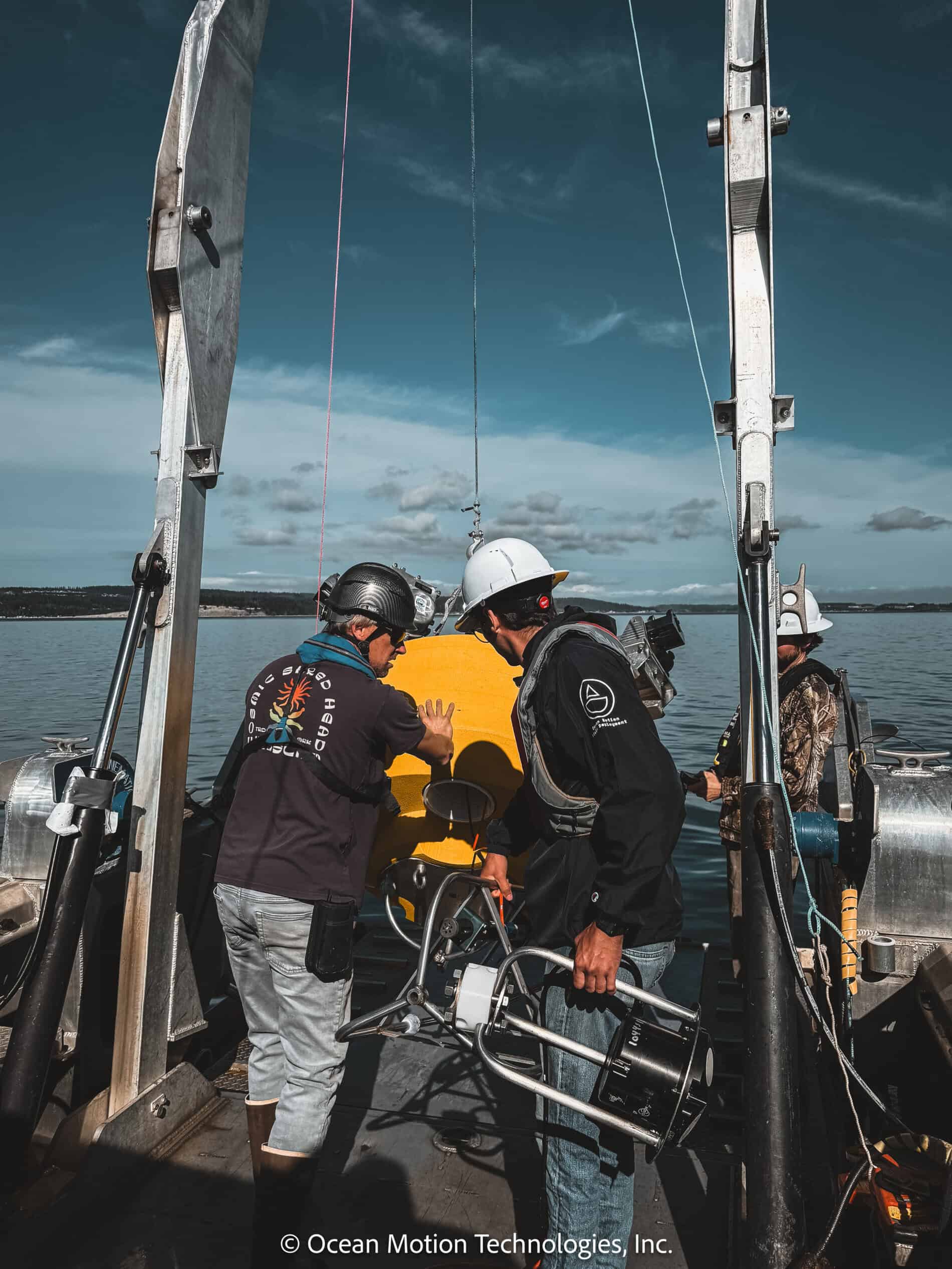
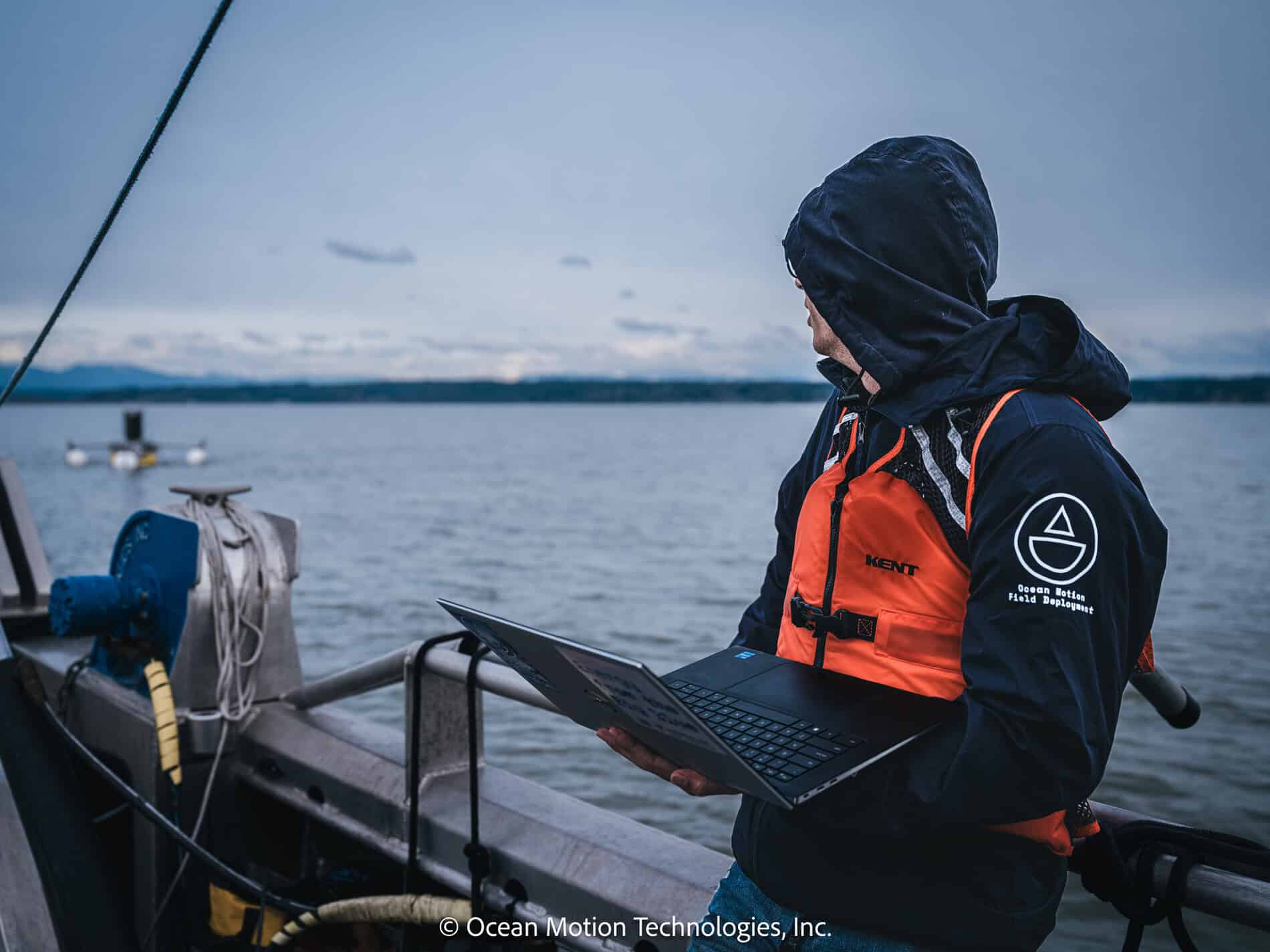
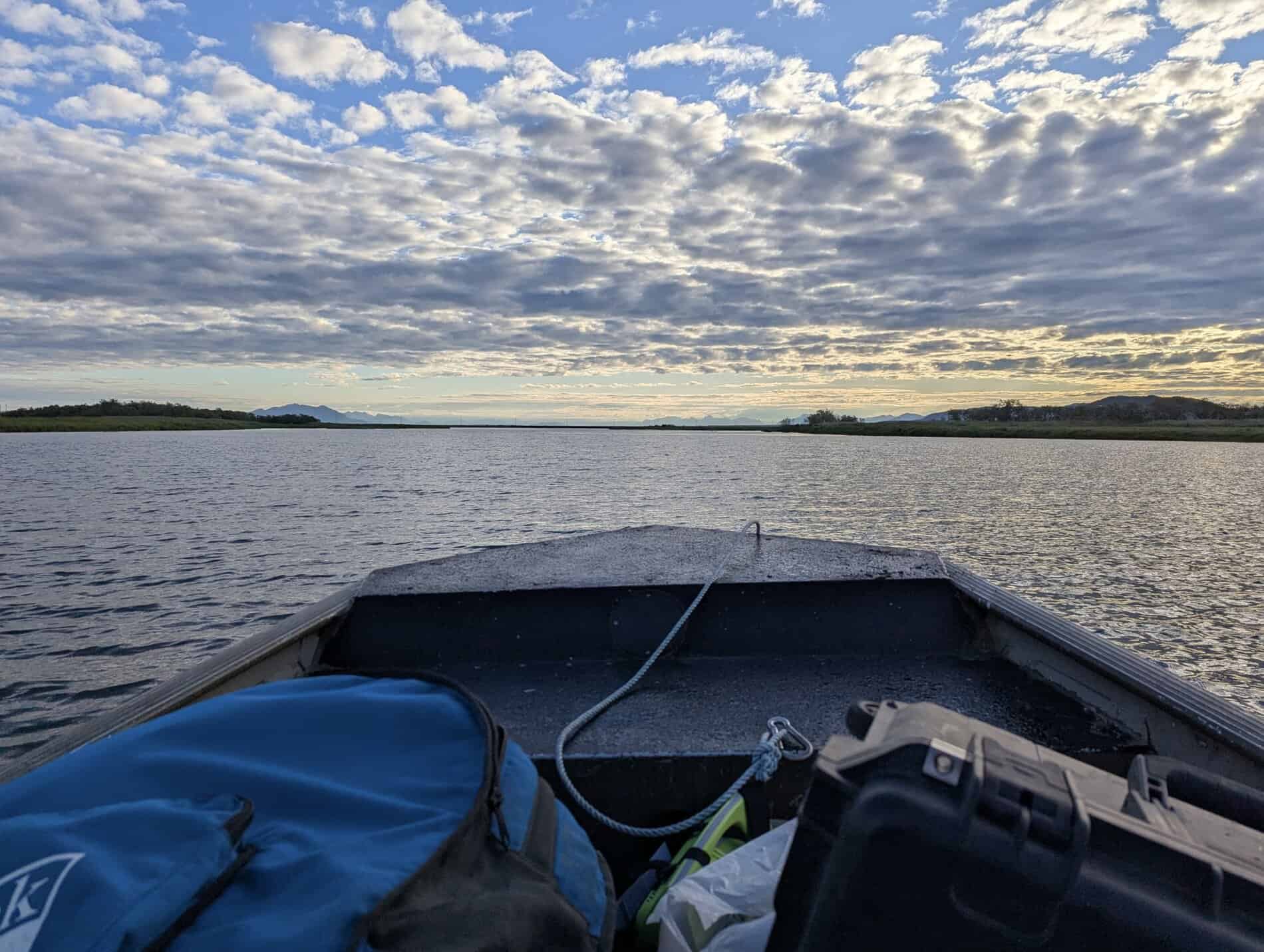
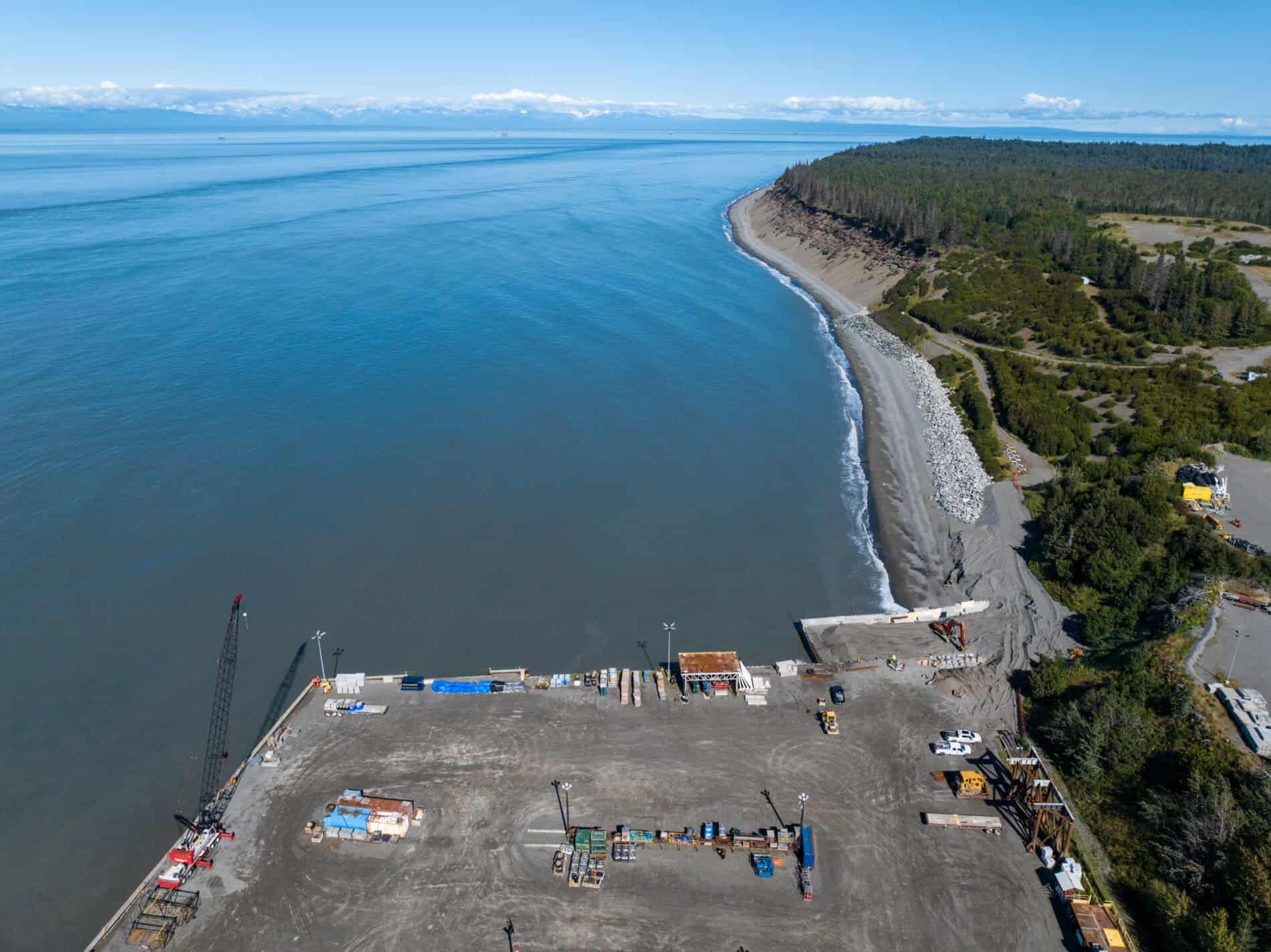
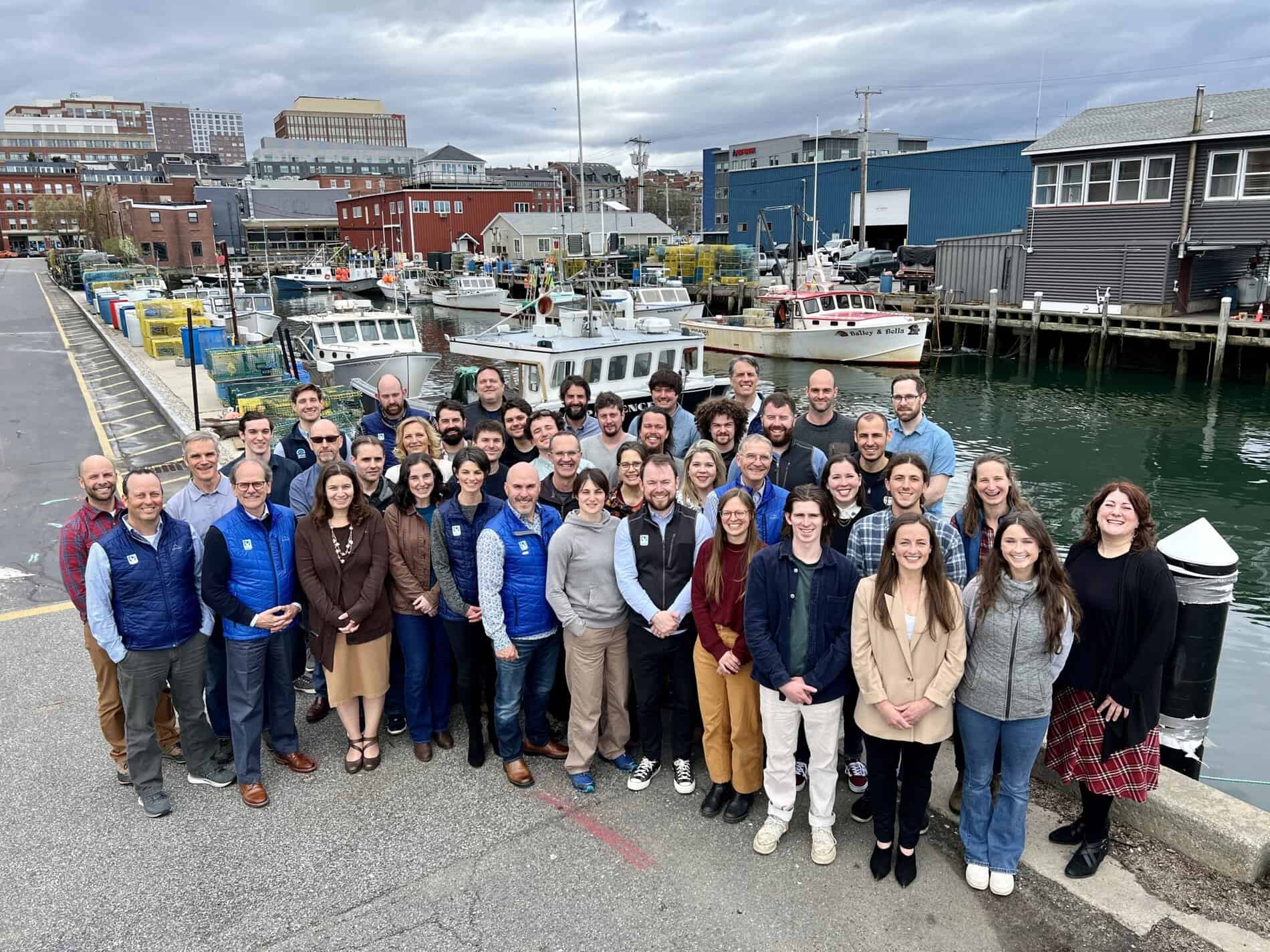

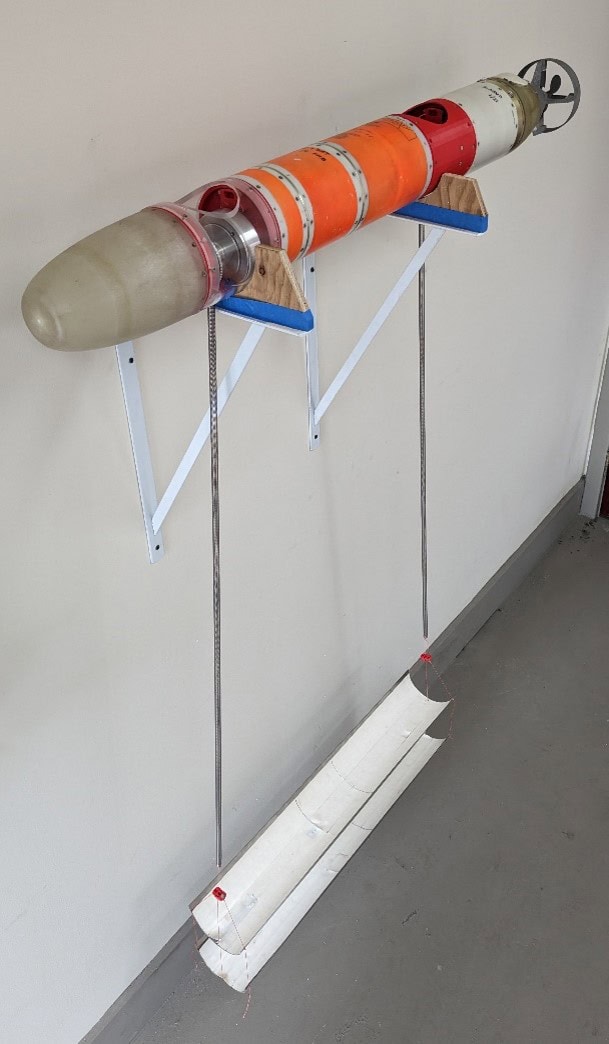















 A domestic energy source, hydropower requires only the power of America’s moving waters – rivers, streams and ocean tides – to generate electricity. That means much of the money invested in hydropower stays here in America.
Much of hydropower’s future growth will be focused on facilities and infrastructure already built and in use, which represent
A domestic energy source, hydropower requires only the power of America’s moving waters – rivers, streams and ocean tides – to generate electricity. That means much of the money invested in hydropower stays here in America.
Much of hydropower’s future growth will be focused on facilities and infrastructure already built and in use, which represent  Because hydropower plants are the only major generators that can dispatch power to the grid immediately when all other energy sources are inaccessible, they provide essential back-up power during major electricity disruptions such as the 2003 blackout. An estimated 50 million people living in states from New York to Michigan were affected by the blackout, but hydropower facilities in New York and elsewhere, like the Niagara and St. Lawrence-FDR plants, operated continuously through the blackout and helped to restore power to millions of Americans. This unique operational ability, known as blackstart, means that hydropower facilities can resume operations in isolation without drawing on an outside power source.
 Hydropower generation benefits consumers through lower electricity costs. States that get the majority of their electricity from hydropower like Idaho, Washington, and Oregon on average have energy bills that are lower than the rest of the country. Relying only on the power of moving water, hydro prices don’t depend on unpredictable changes in fuel costs.
Hydropower offers the lowest levelized cost of electricity across all major fossil fuel and renewable energy sources, and costs even less than energy efficiency options, according to a recent study from Navigant Consulting and the American Council on Renewable Energy (ACORE).
Hydropower generation benefits consumers through lower electricity costs. States that get the majority of their electricity from hydropower like Idaho, Washington, and Oregon on average have energy bills that are lower than the rest of the country. Relying only on the power of moving water, hydro prices don’t depend on unpredictable changes in fuel costs.
Hydropower offers the lowest levelized cost of electricity across all major fossil fuel and renewable energy sources, and costs even less than energy efficiency options, according to a recent study from Navigant Consulting and the American Council on Renewable Energy (ACORE).